Tarchia
TAR-kee-uh
"brainy one"
Type species Tarchia kielanae
- Lived
- 84 to 66 million years ago, Late Cretaceous
- Diet
- Herbivore
- Length
- about 5.5 m (18 ft)
- Group
- Ankylosaurs, Ankylosauridae
- Found in
- Mongolia
- Named by
- Maryanska 1977
Size comparison
To scale


Scale in metersOutline: typical ankylosaur shape
Where its fossils were found
The evidence
Today

75 million years ago
Habitat
Its Mongolian habitats ranged from dry sandy country to river floodplains. In the wetter Nemegt landscape, regional neighbors included Tarbosaurus, Therizinosaurus and Gallimimus.
Field notes
About Tarchia
What it was like
Tarchia was an armored plant eater about 5.5 meters (18 feet) long. Bony plates covered its broad back, and a heavy club tipped its tail. Its skull was wide and strongly built, with small horns at the back corners.
Its world
It lived in the Late Cretaceous in what is now Mongolia. Its bones come from the Nemegt and Baruungoyot formations. In the wetter Nemegt landscape it shared the land with the huge predator Tarbosaurus, the long-clawed Therizinosaurus and the ostrich-like Gallimimus.
How it was found
Maryanska named Tarchia in 1977. The type species is Tarchia kielanae. The name refers to its large braincase, which seemed bigger than that of a related ankylosaur.
Field gallery
More views of Tarchia
Scenes reconstructed from the available fossil evidence.
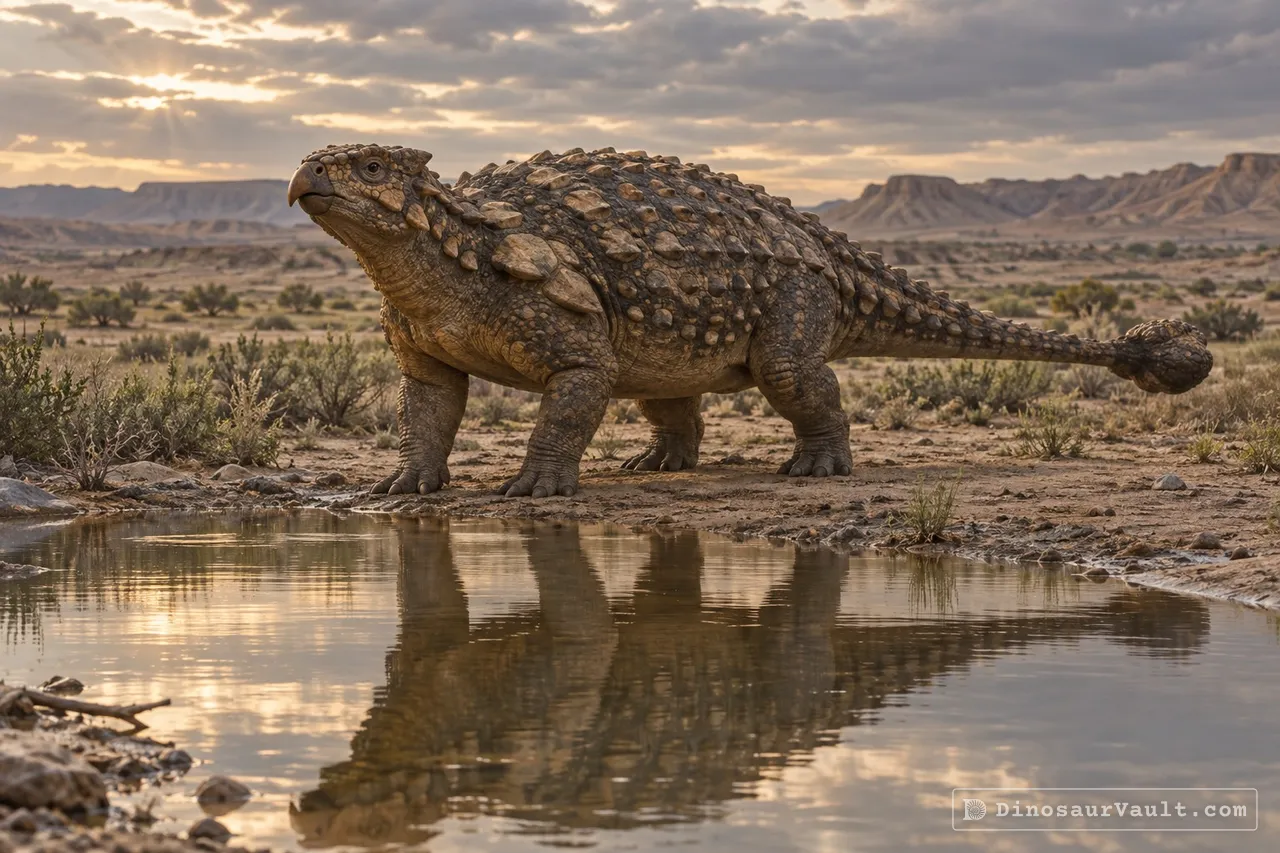
1 of 3
Lived alongside
Found in the same rock formations
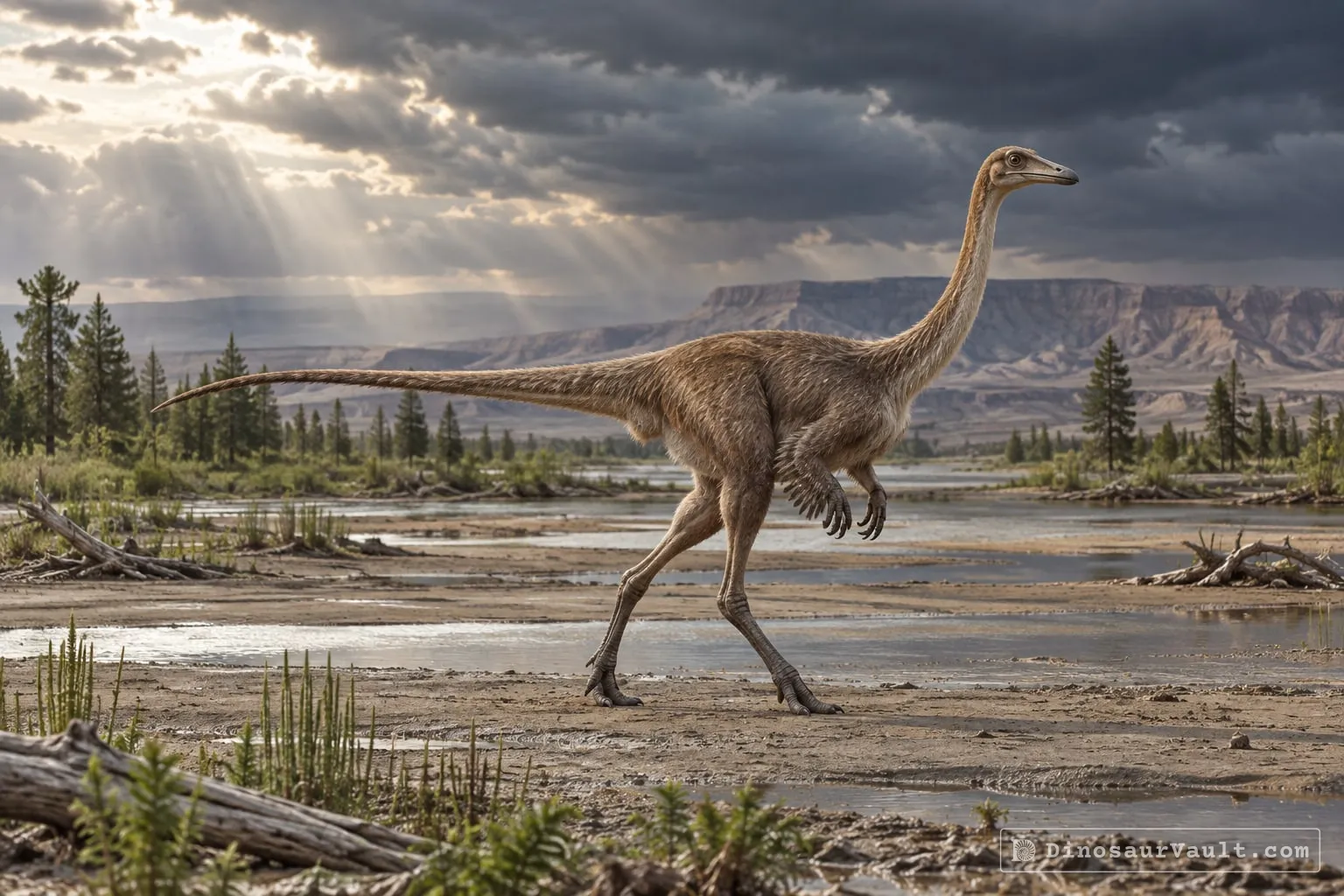
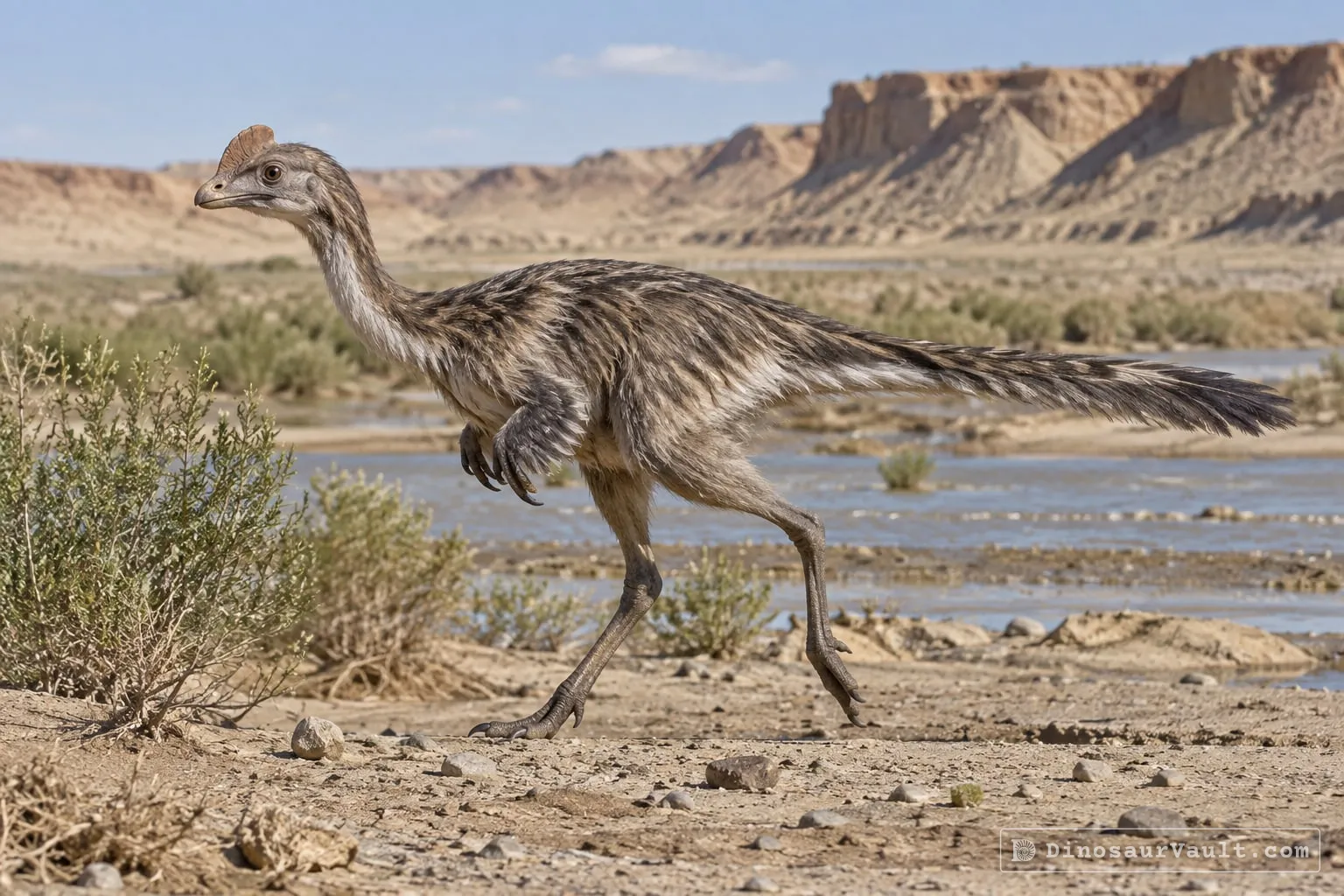
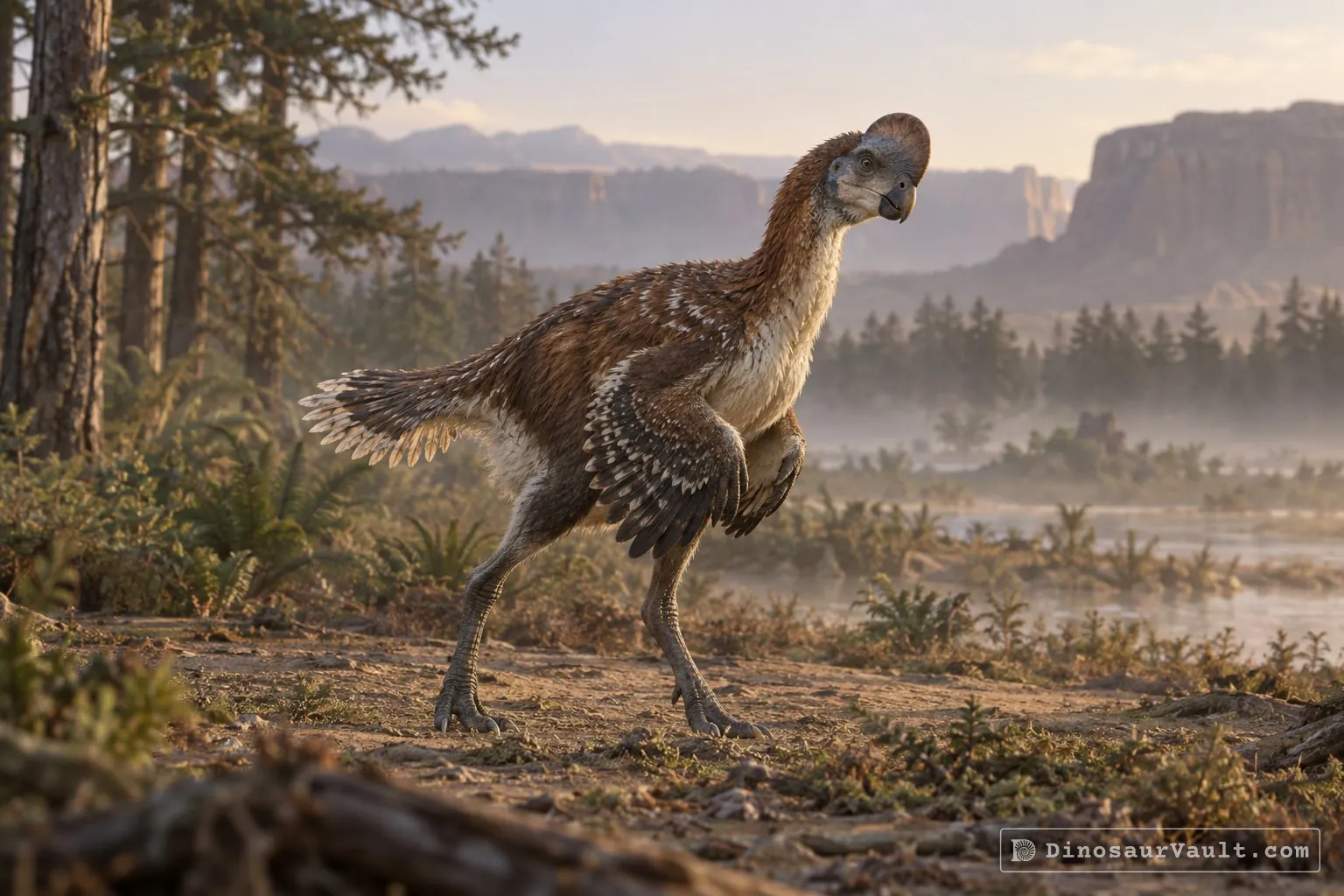
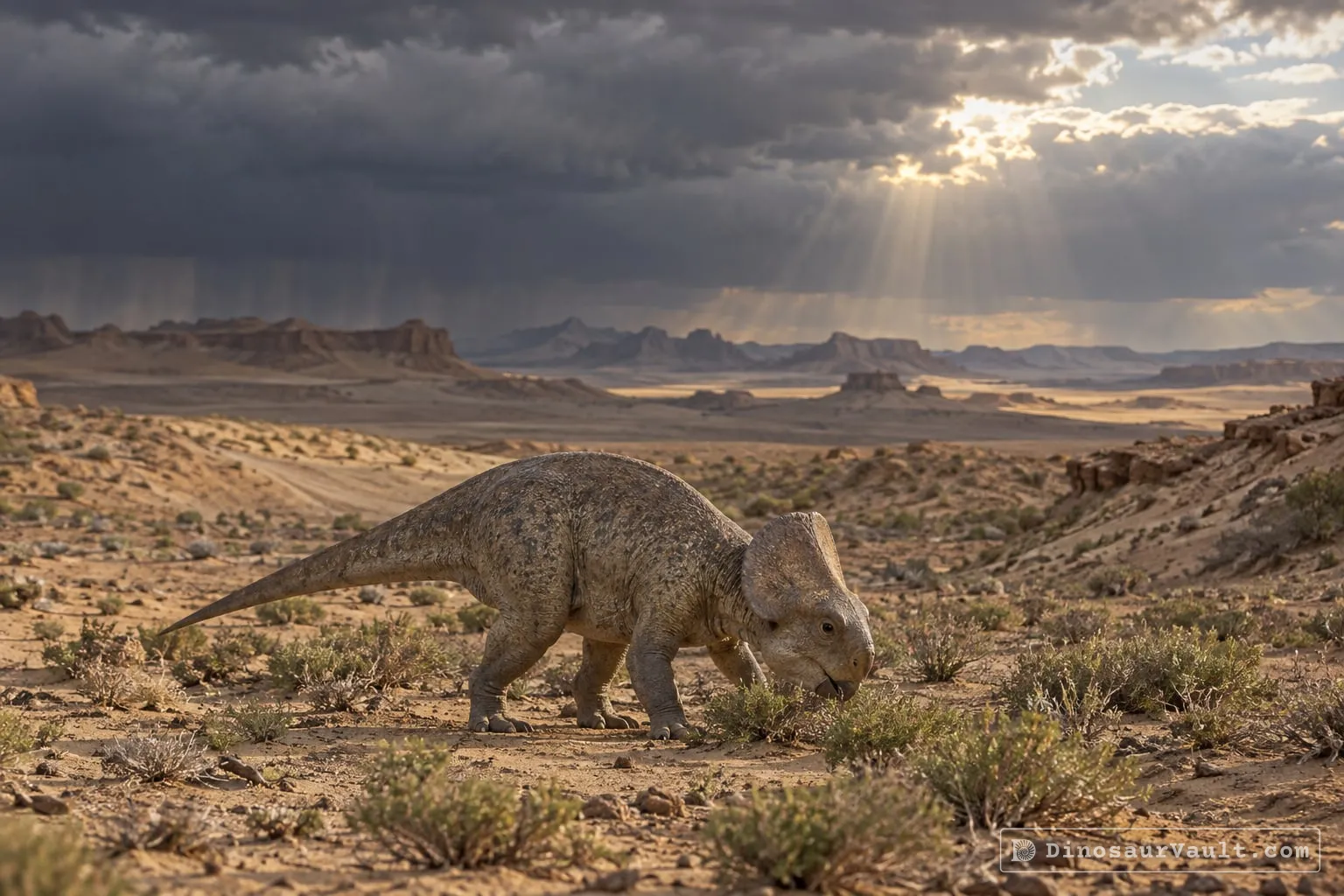
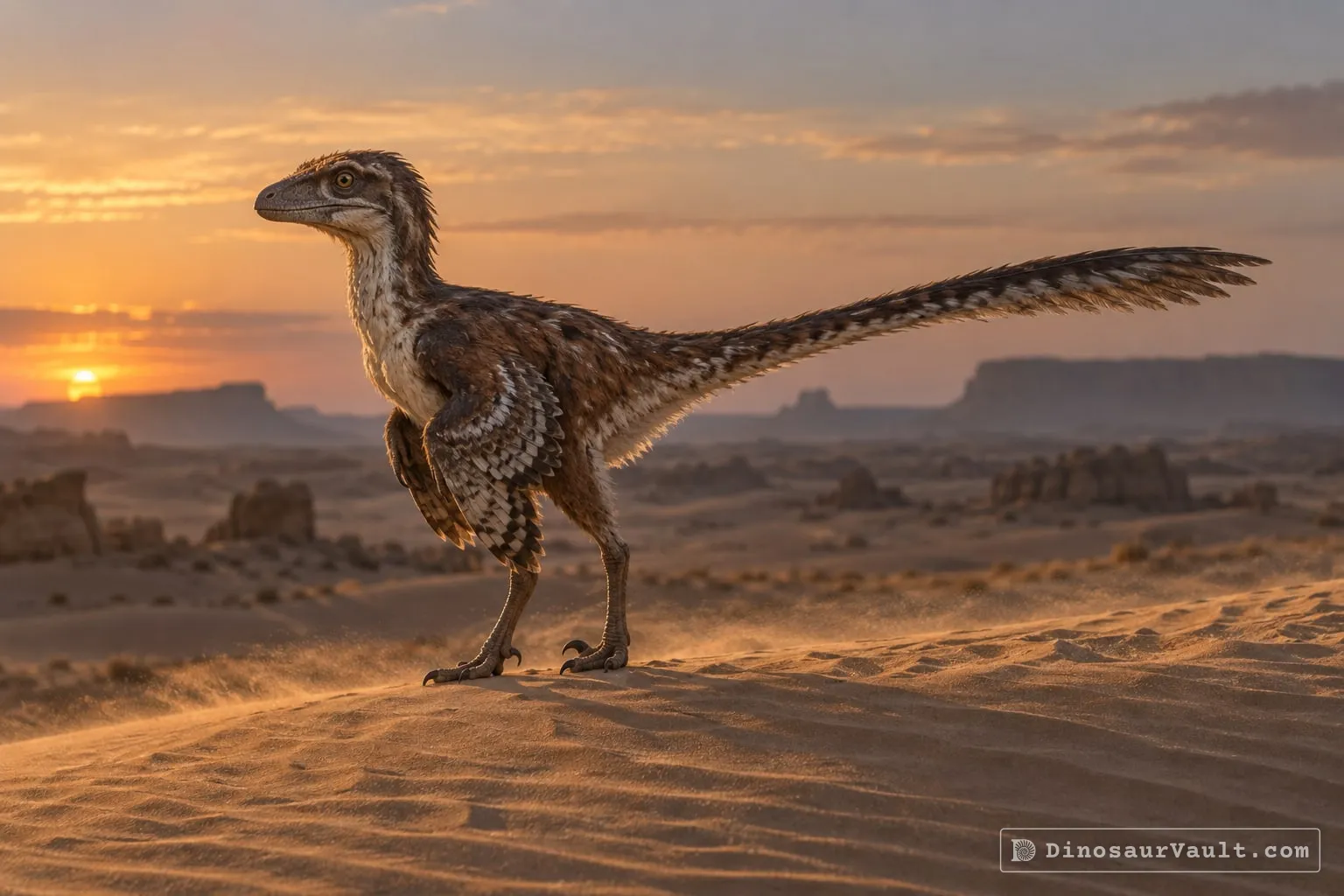
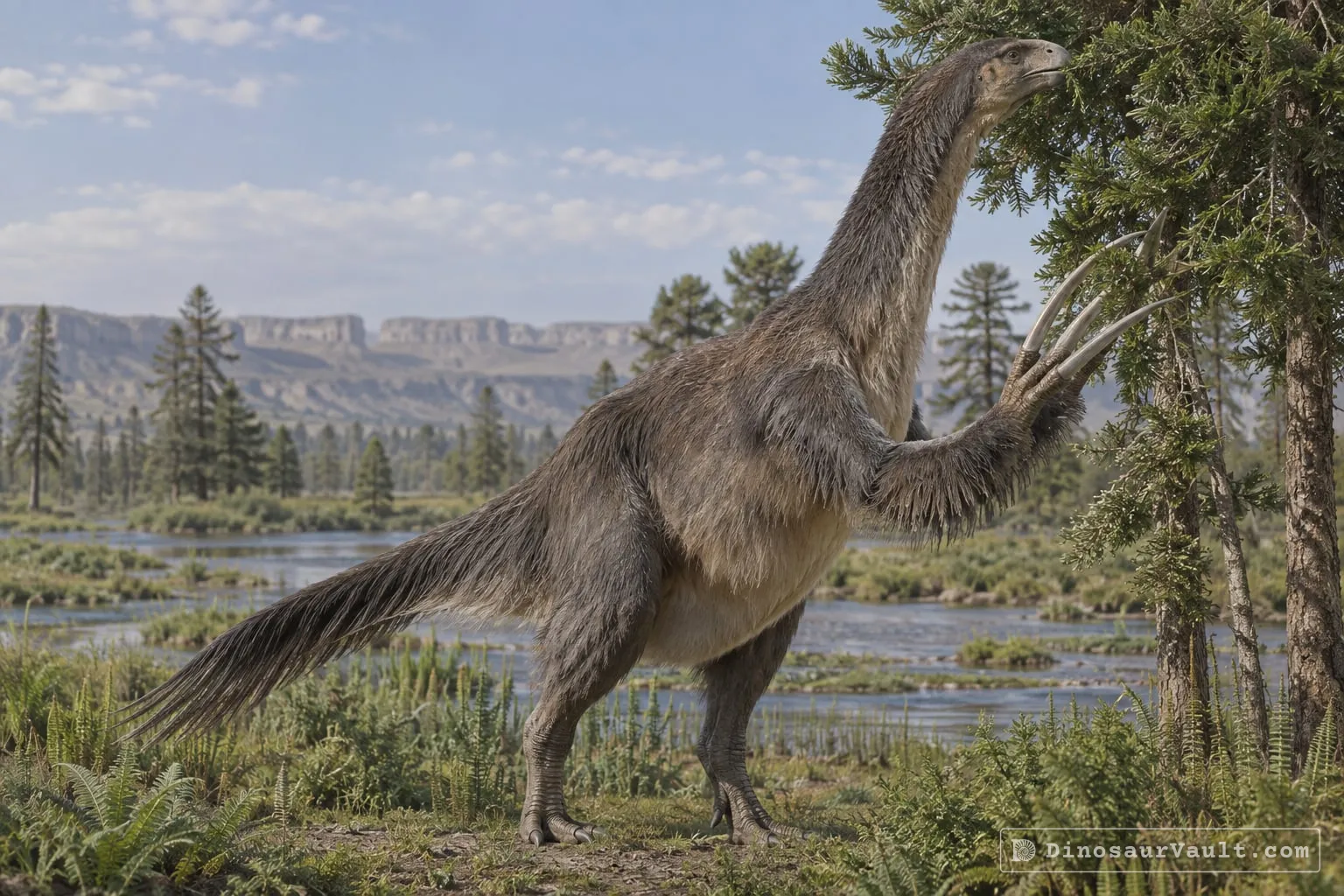
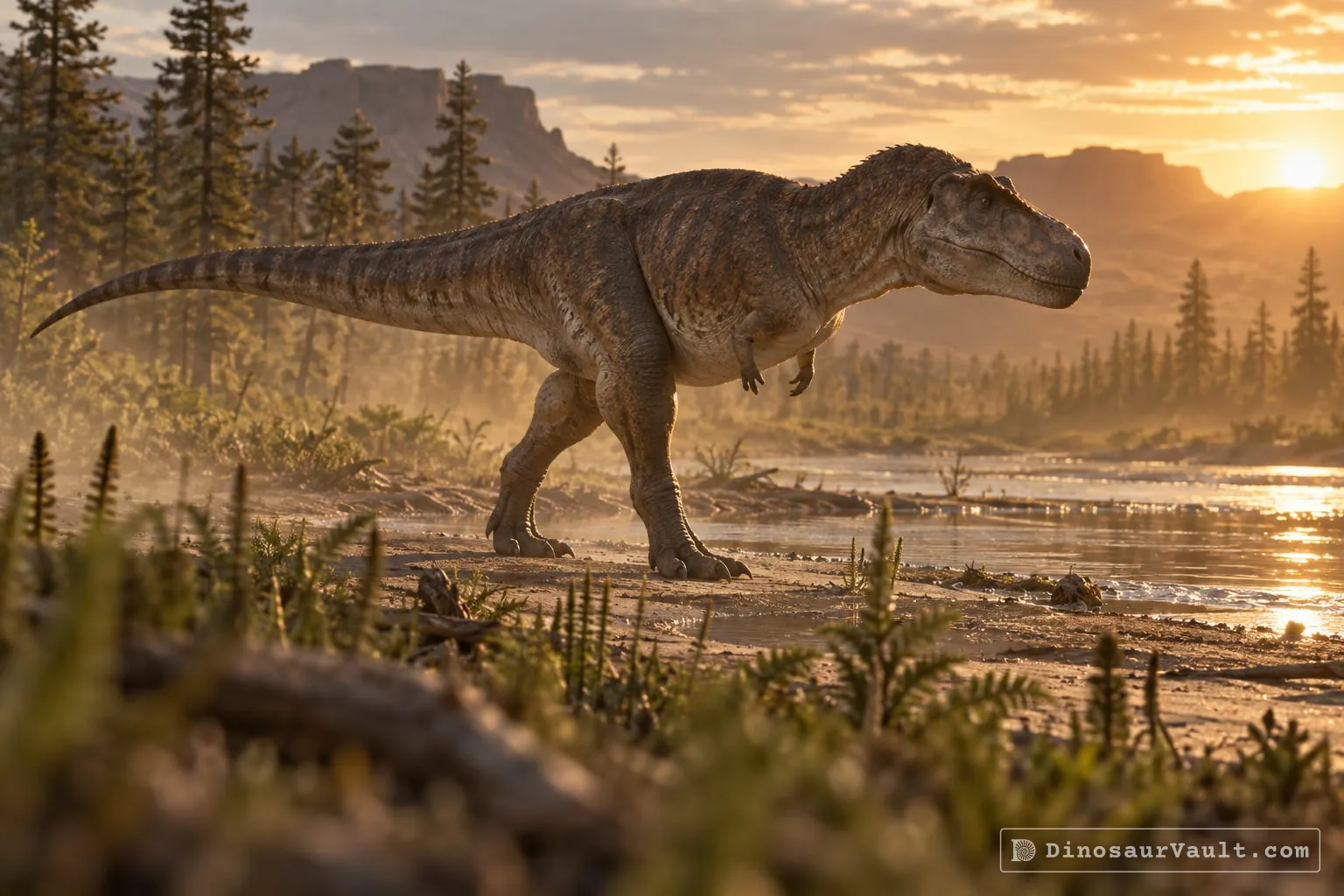
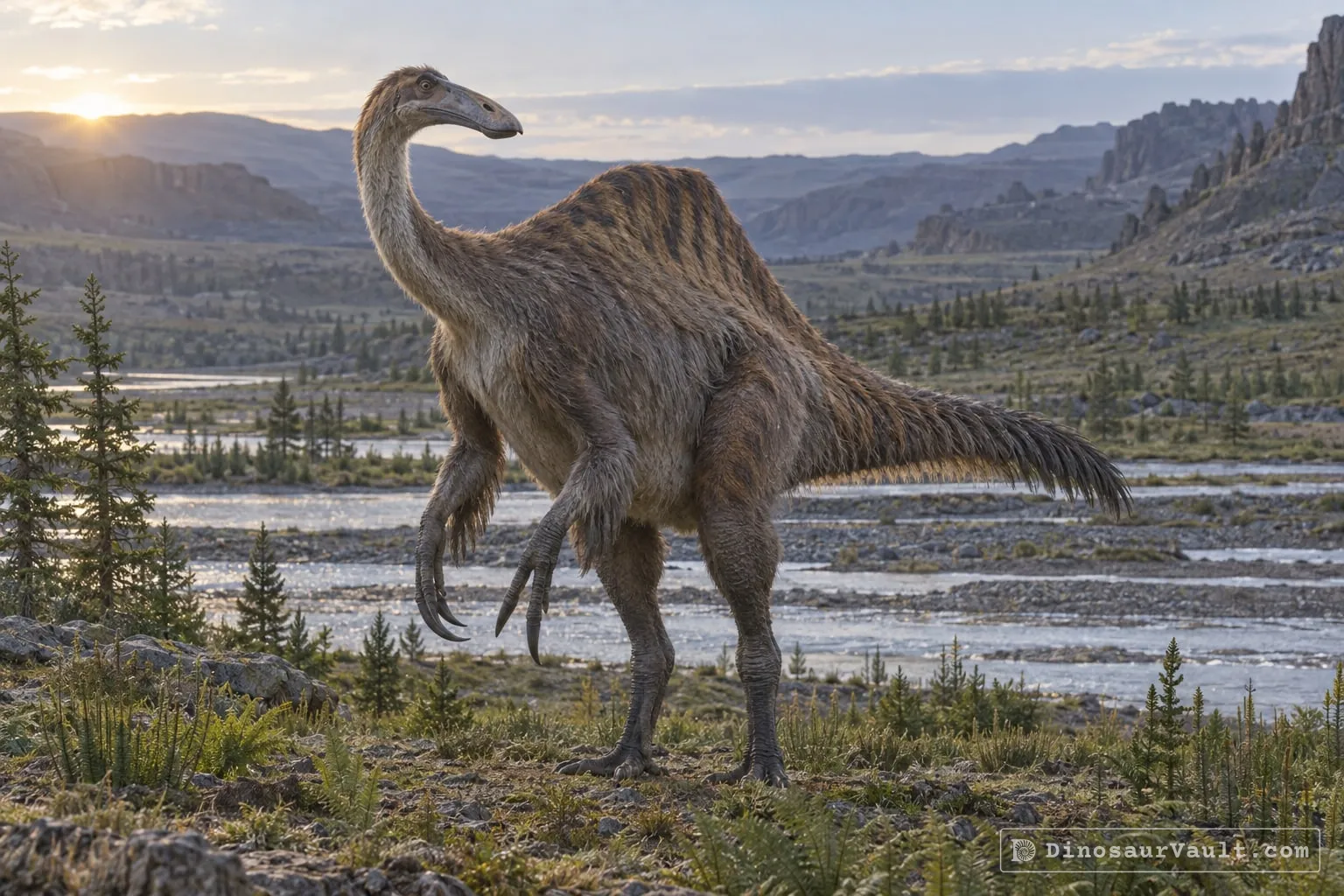


A rock formation can hold fossils laid down millions of years apart, so not every animal here met Tarchia.
The evidence
The science behind Tarchia
Which parts of the picture come from its own bones, and which come from its relatives.
From its own fossils
- Skulls show a broad, shovel-shaped muzzle, bony roof tiles and horns at the rear corners.
- A partial skeleton preserves ribs, hip bones, tail vertebrae and armor plates.
- The tail ended in a compact bony club with rounded lobes.
Borrowed from relatives
- Saichania and Pinacosaurus guide the restoration of missing limbs and feet.
- Neck armor and gaps in the body armor are filled by comparison with related ankylosaurids.
Still unknown
- The full arrangement of its body armor.
- Its exact limb proportions and toe count.
- Its color and how it grew.
Often drawn wrong
- The cheek horns point down and sideways, rather than forward like tusks.
- The tail club was a rounded bony knob rather than a spiked mace.
Discovery timeline
- 1977Named itMaryanska
- 2021New findPark et al.
- 2021Close relativePark et al.
Key papers
The research behind what we know of Tarchia
Named it
Named Tarchia from a skull with a broad braincase and compared it with other Mongolian armored dinosaurs.
Ankylosauridae (Dinosauria) from Mongolia. Palaeontologia Polonica 37: 85-151
No link available
New find
Named a new Tarchia species from a skull and partial skeleton with a tail club, and linked it to a wetter river landscape.
A new ankylosaurid from the Upper Cretaceous Nemegt Formation of Mongolia and implications for paleoecology of armoured dinosaurs. Scientific Reports 11
Read the paper : A new ankylosaurid from the Upper Cretaceous Nemegt Formation of Mongolia and implications for paleoecology of armoured dinosaurs (opens in a new tab)Close relative
Compared ankylosaurid body skeletons, separating securely identified relatives from incomplete skeletons with disputed names.
A new ankylosaurid skeleton from the Upper Cretaceous Baruungoyot Formation of Mongolia: its implications for ankylosaurid postcranial evolution. Scientific Reports 11
Read the paper : A new ankylosaurid skeleton from the Upper Cretaceous Baruungoyot Formation of Mongolia: its implications for ankylosaurid postcranial evolution (opens in a new tab)
Close relatives
Other members of Ankylosauridae


Sources: Wikidata