Scolosaurus
SKOH-loh-SORE-us
"thorn lizard"
- Lived
- 84 to 72 million years ago, Late Cretaceous
- Diet
- Herbivore
- Length
- estimates range from 5 to 6 m (16 to 20 ft)
- Group
- Ankylosaurs, Ankylosauridae
- Found in
- Canada
- Named by
- Nopcsa 1928
Where its fossils were found
The evidence
Today

80 million years ago
Habitat
Rivers wound across low coastal plains in what is now Alberta. Styracosaurus, Gorgosaurus and Parasaurolophus lived in the Dinosaur Park Formation.
Field notes
About Scolosaurus
What it was like
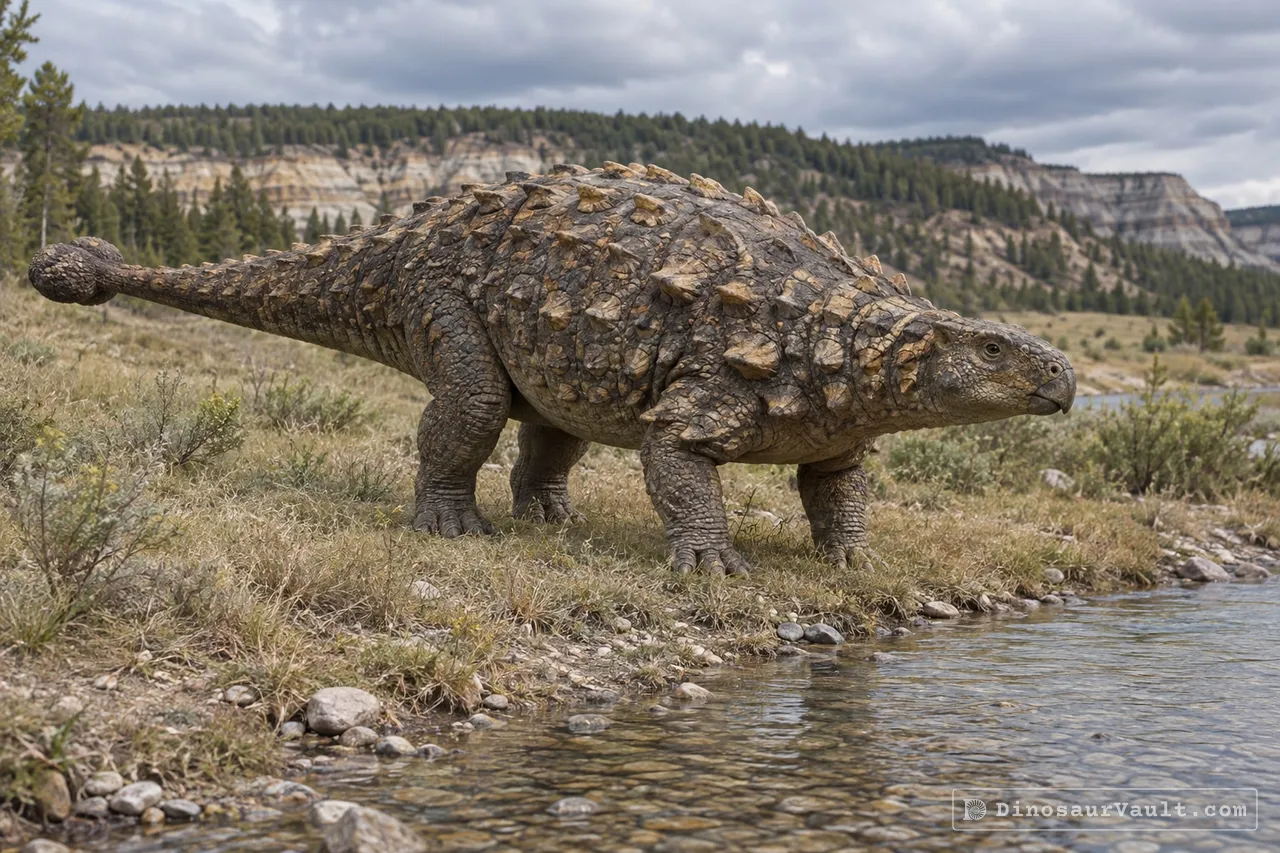
Scolosaurus was an armored plant eater about 5 to 6 meters (16 to 20 feet) long. Bony plates and spikes covered its back, and its tail ended in a heavy bony club. It was low and wide, built to stand its ground rather than run.
Its world
It lived in the Late Cretaceous in what is now Alberta, Canada. Its bones come from the Dinosaur Park Formation, a land of rivers and coastal plains. There it lived alongside horned dinosaurs such as Styracosaurus and predators such as Gorgosaurus.
How it was found
Nopcsa named Scolosaurus in 1928. Its first skeleton is remarkable: it was found lying on its back with its armor still in place and impressions of skin around it. For many years it was thought to be the same animal as Euoplocephalus, but most scientists now treat it as a separate genus.
Field gallery
More views of Scolosaurus
Scenes reconstructed from the available fossil evidence.
1 of 3
Lived alongside
Found in the same rock formations
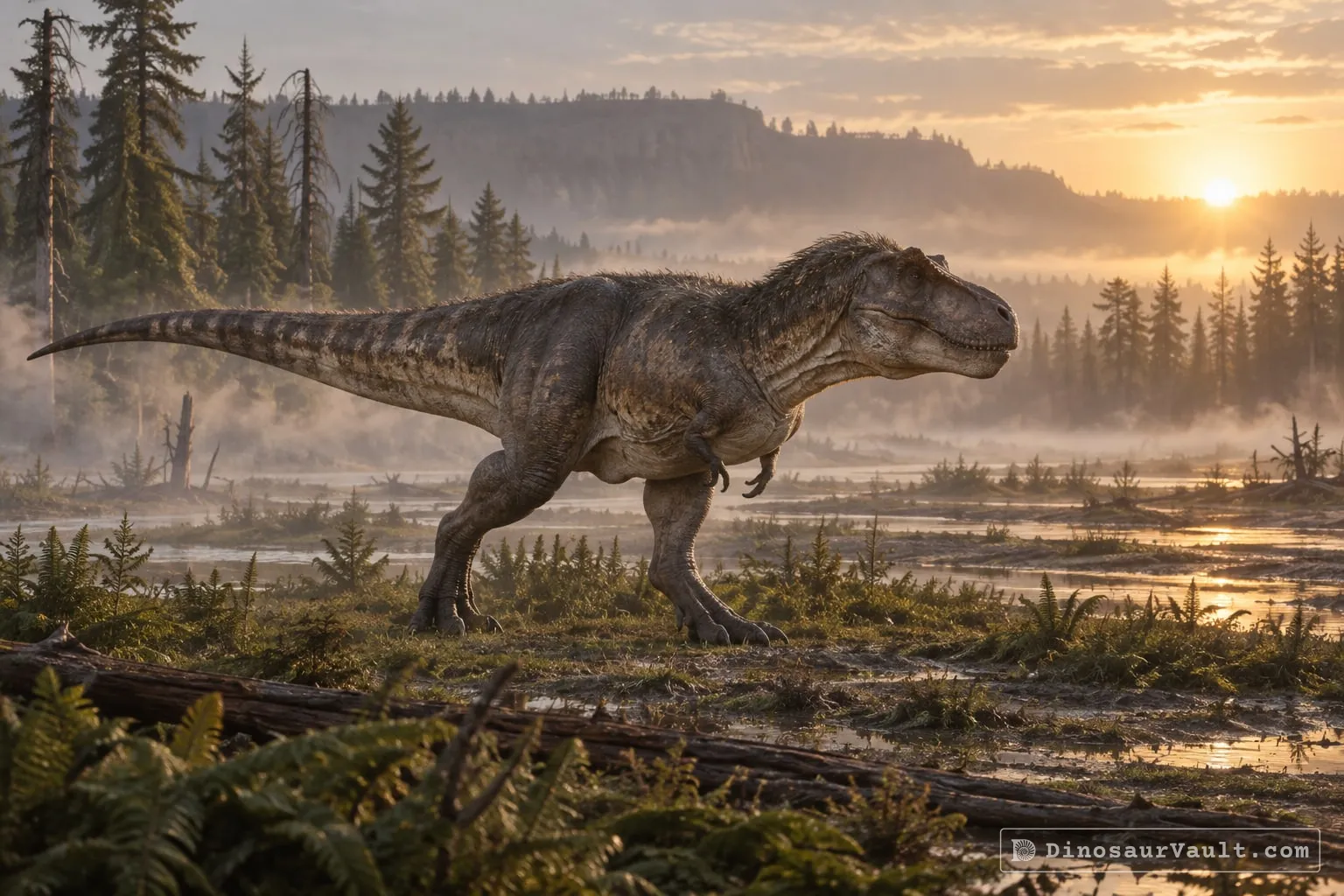
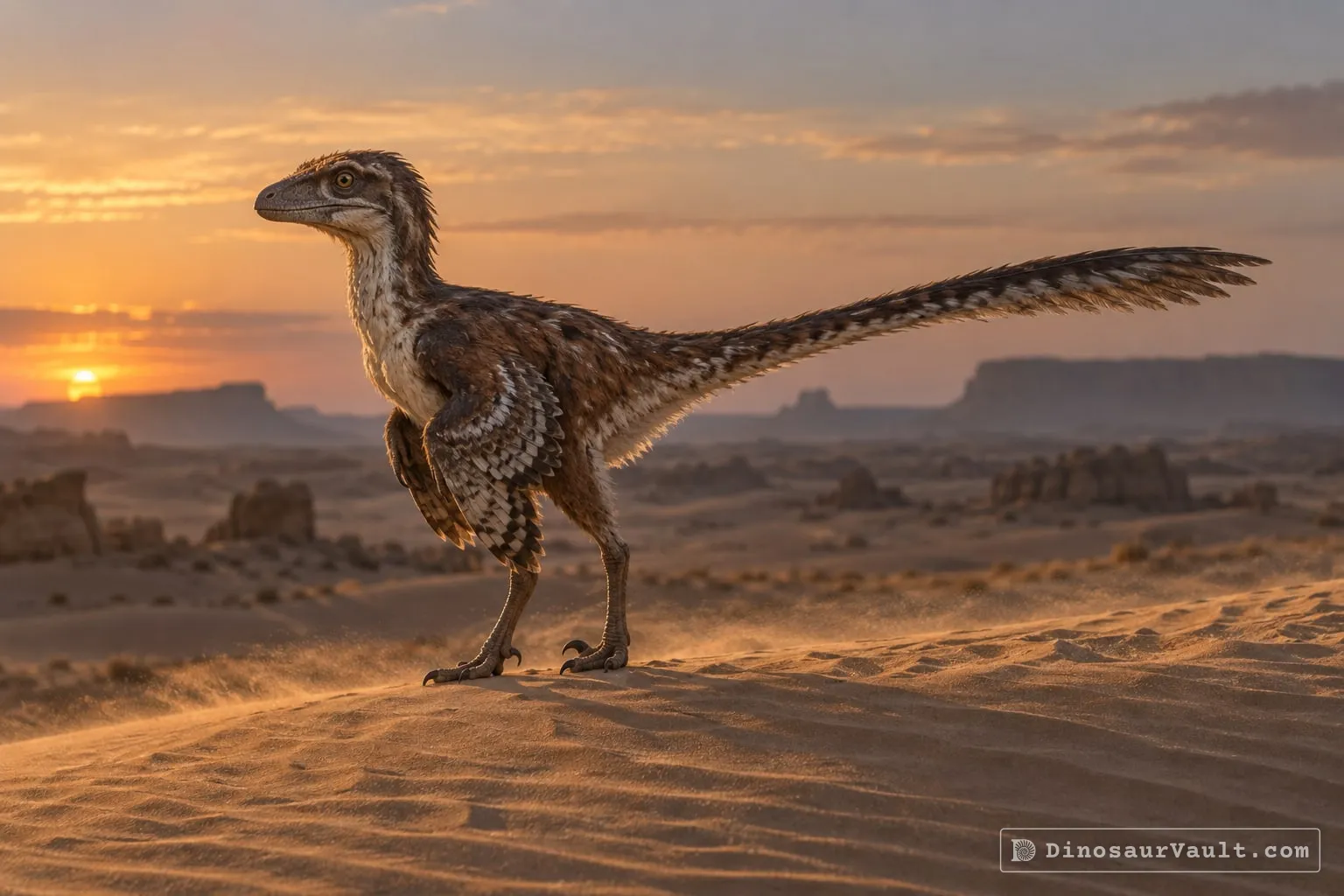
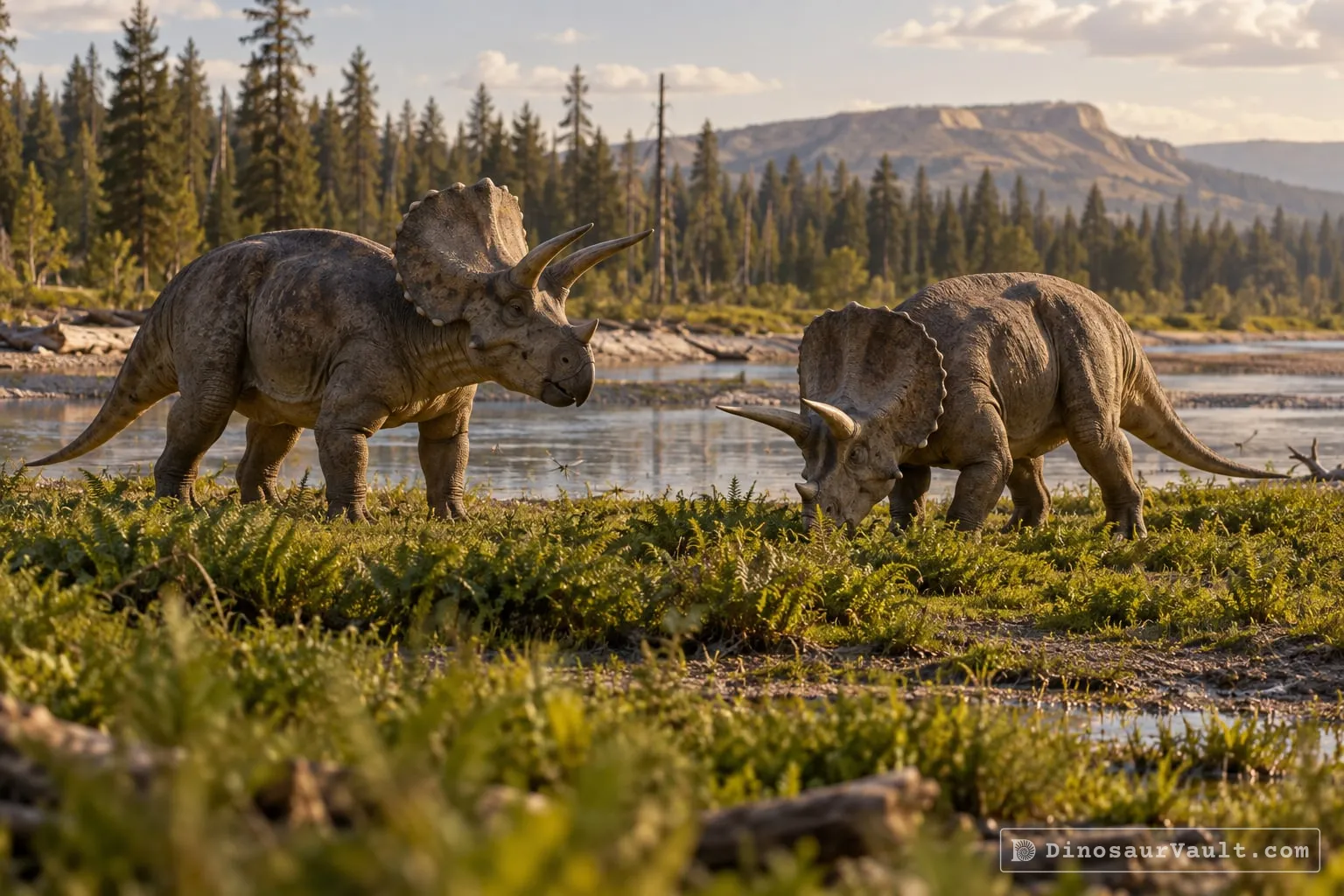
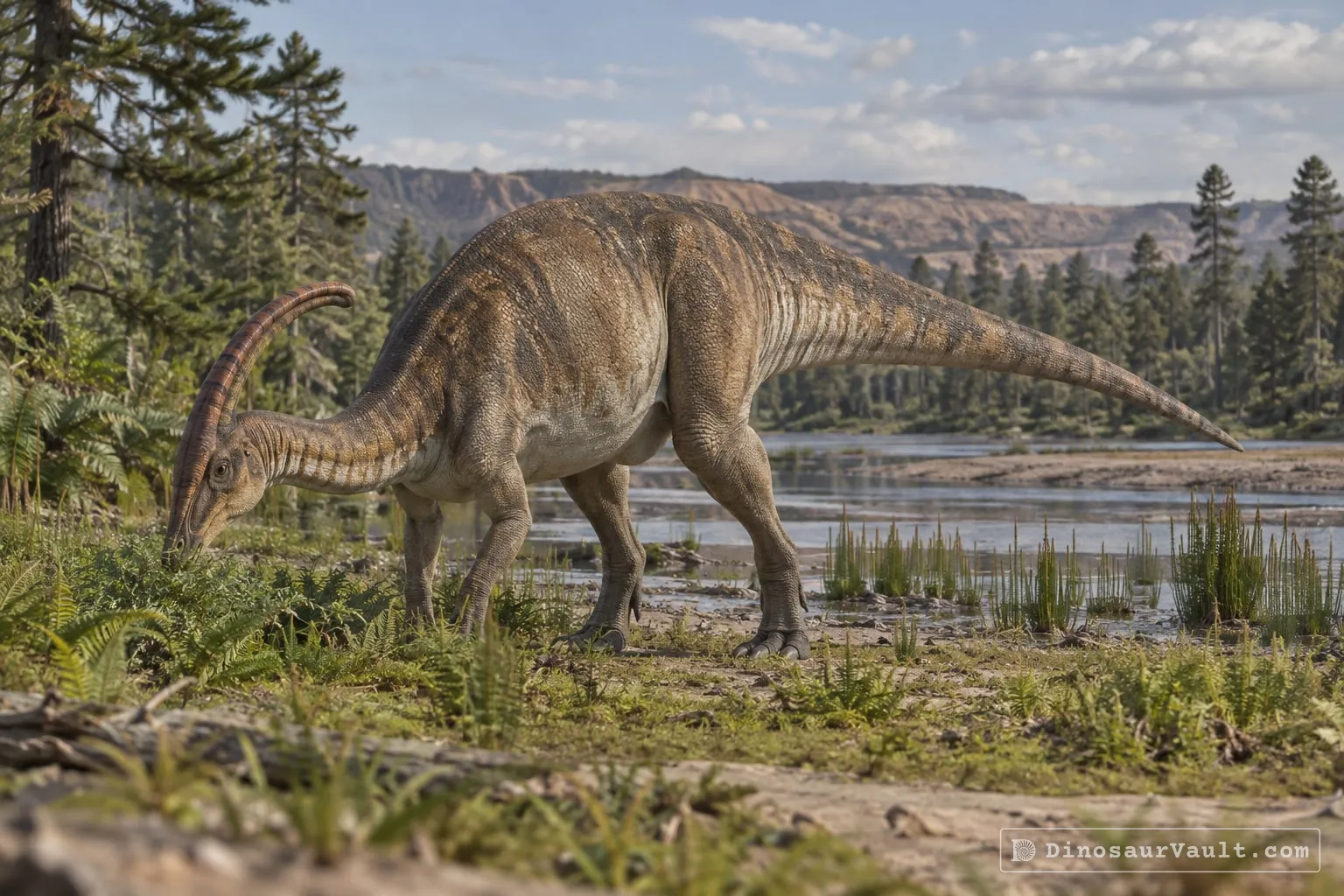
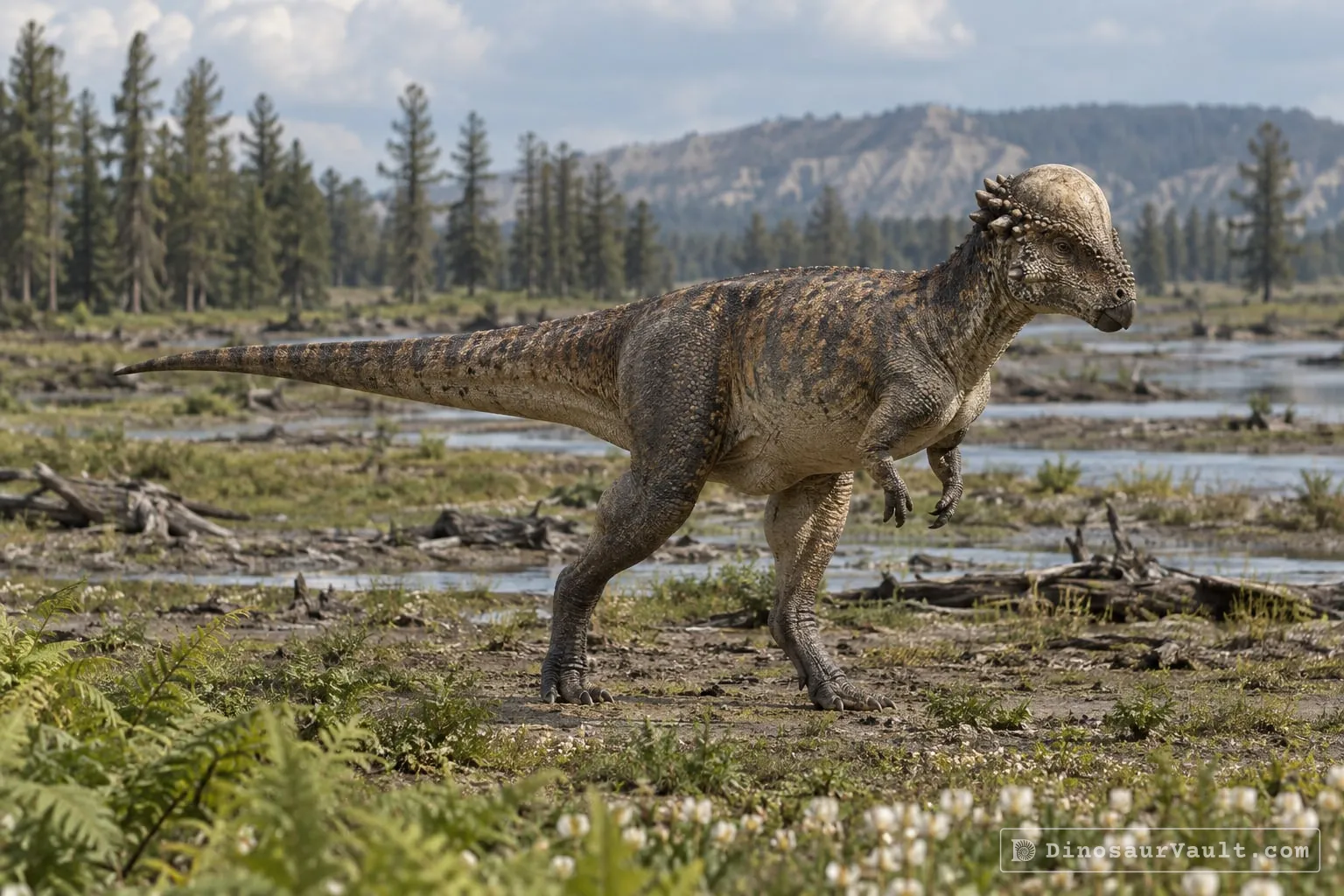
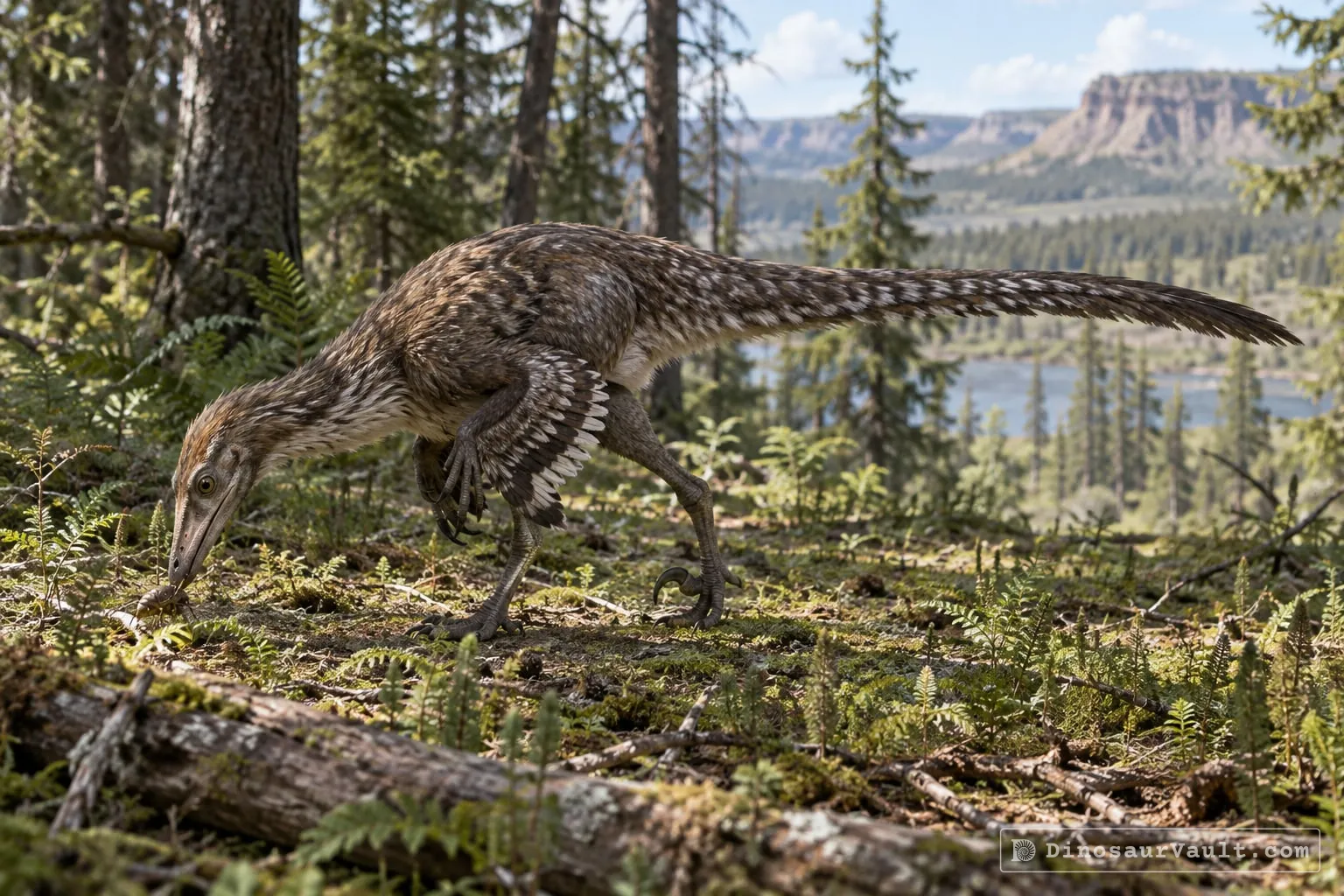
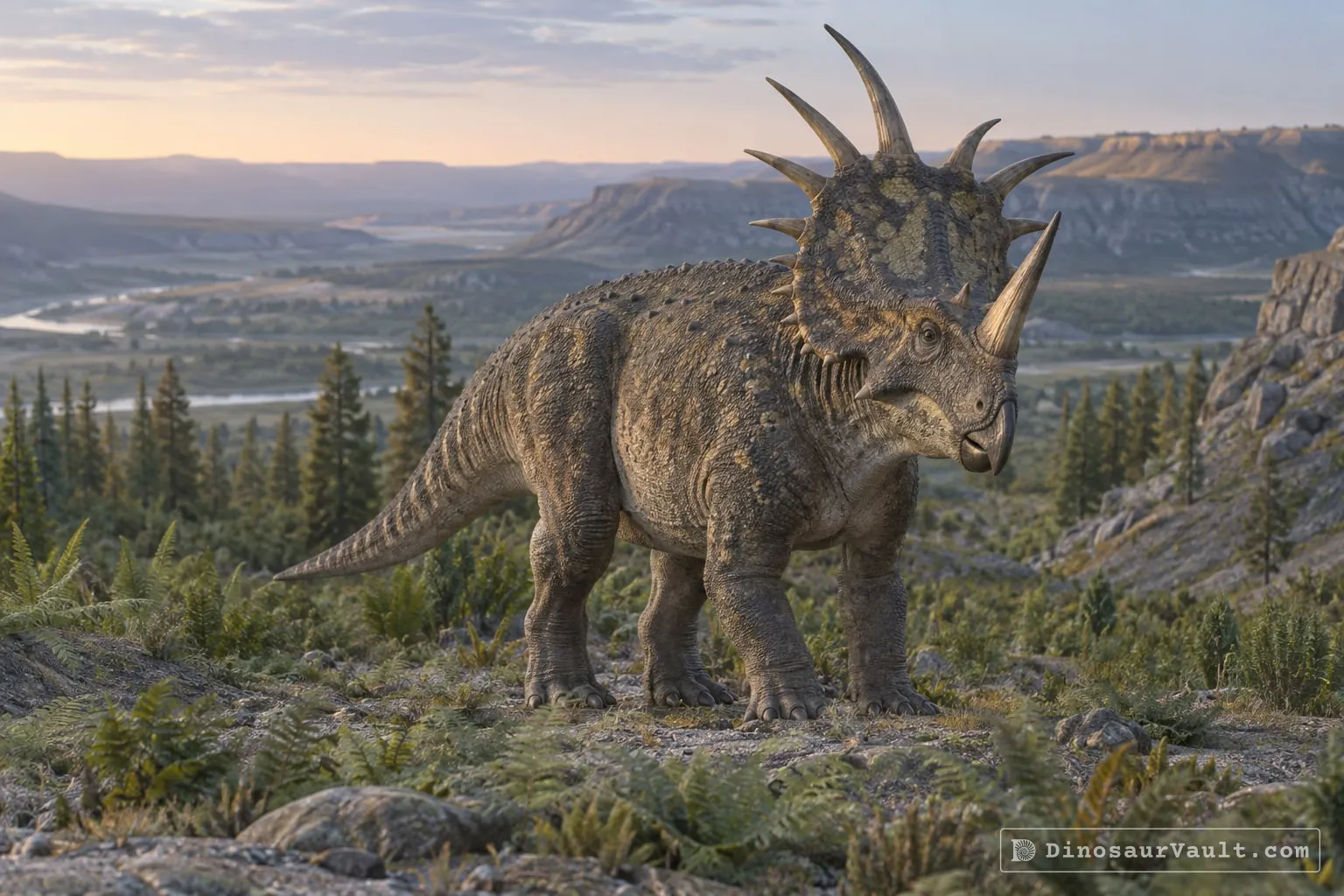


A rock formation can hold fossils laid down millions of years apart, so not every animal here met Scolosaurus.
The evidence
The science behind Scolosaurus
Which parts of the picture come from its own bones, and which come from its relatives.
From its own fossils
- The first skeleton preserves much of the body with its armor still in place and patches of skin around it.
- Bony neck bands have low, rounded plates near the middle and taller ridges toward the sides.
- Large keeled plates and cone-shaped armor covered parts of the body and tail.
Borrowed from relatives
- Much of the body is known from its own skeleton; Euoplocephalus helps restore the missing skull and tail club.
- The feet are filled out using other ankylosaurs such as Euoplocephalus.
Still unknown
- Which separately found skulls and tail clubs belong to Scolosaurus.
- The complete arrangement of its neck and tail armor.
- Its color and how much protective horn covered each bony plate.
Discovery timeline
- 1928Named itNopcsa
- 2013RedescriptionPenkalski & Blows
- 2013Family treeArbour & Currie
Key papers
The research behind what we know of Scolosaurus
Named it
Named Scolosaurus from a skeleton with extensive armor and preserved skin.
Palaeontological notes on reptiles. VI. Scolosaurus cutleri, a new dinosaur. Geologica Hungarica, Series Palaeontologica 1: 54-74
No link available
Redescription
Found differences in neck armor, body plates and limbs that distinguish Scolosaurus from Euoplocephalus and Dyoplosaurus.
Scolosaurus cutleri (Ornithischia: Ankylosauria) from the Upper Cretaceous Dinosaur Park Formation of Alberta, Canada. Canadian Journal of Earth Sciences 50: 171-182
Read the paper : Scolosaurus cutleri (Ornithischia: Ankylosauria) from the Upper Cretaceous Dinosaur Park Formation of Alberta, Canada (opens in a new tab)Family tree
Separated several armored dinosaur genera formerly grouped as Euoplocephalus and proposed skull and tail-club assignments for Scolosaurus.
Euoplocephalus tutus and the Diversity of Ankylosaurid Dinosaurs in the Late Cretaceous of Alberta, Canada, and Montana, USA. PLoS ONE 8: e62421
Read the paper : Euoplocephalus tutus and the Diversity of Ankylosaurid Dinosaurs in the Late Cretaceous of Alberta, Canada, and Montana, USA (opens in a new tab)
Close relatives
Other members of Ankylosauridae


Sources: Wikidata