Ankylosaurus
an-KY-loh-SORE-us
"fused lizard"
- Lived
- 72 to 66 million years ago, Late Cretaceous
- Diet
- Herbivore
- Length
- about 8 m (26 ft)
- Group
- Ankylosaurs, Ankylosauridae
- Found in
- United States and Canada
- Named by
- Brown 1908
Size comparison
To scale


Scale in meters
Where its fossils were found
The evidence
Today

70 million years ago
Habitat
Rivers and wooded floodplains covered its Hell Creek Formation world. Triceratops, Edmontosaurus and Tyrannosaurus lived there too.
Field notes
About Ankylosaurus
What it was like
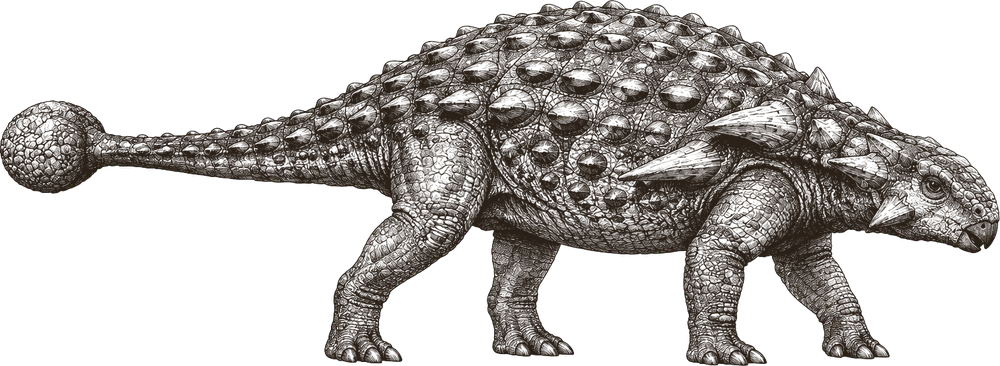
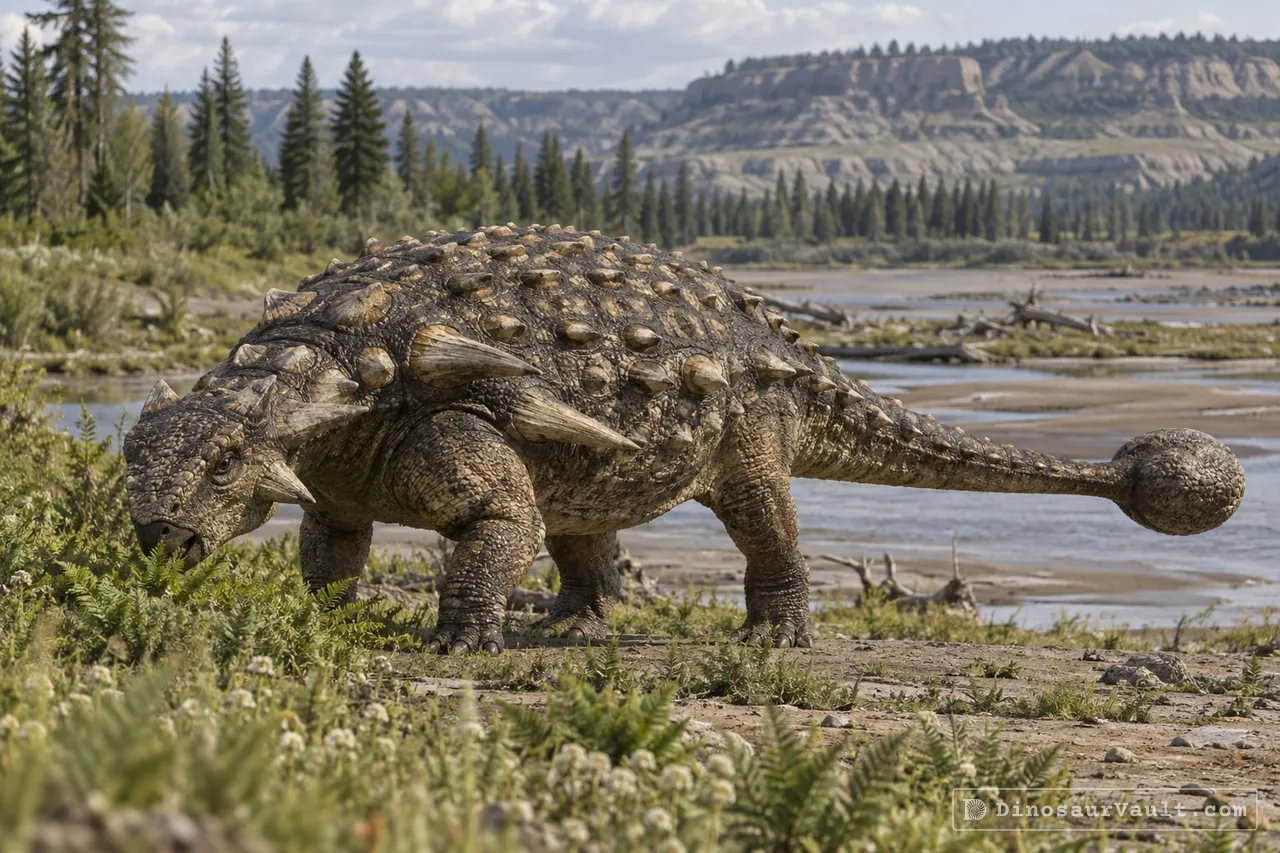
Ankylosaurus was a heavily armored plant eater built like a living tank. Bony plates called osteoderms covered its back and sides, and a mass of fused bone formed a club on the end of its tail. At about 8 meters long, it was among the largest ankylosaurs known, with a low, heavily built body to match. Its skull was wide and low, with small horns pointing back from the head. Rows of small, leaf-shaped teeth lined its jaws, suited to stripping tough plants rather than chewing them fine.
The tail club was probably a weapon. A swing from powerful hip and tail muscles could have delivered a heavy blow, useful against a hunting Tyrannosaurus or in disputes with other Ankylosaurus. Because its body was so wide and low, Ankylosaurus most likely moved at a slow, steady pace, relying on its armor rather than speed to stay safe.
Its world
Ankylosaurus lived at the very end of the Cretaceous period, from about 72 to 66 million years ago, just before the age of dinosaurs ended. Its fossils come from western North America, in places that are now Montana, Wyoming, Alberta, Saskatchewan, and South Dakota, preserved in rock layers such as the Hell Creek and Lance formations.
It shared its world with some of the best known dinosaurs of all: Tyrannosaurus, Triceratops, Edmontosaurus, and the small, quick Troodon. Plant-eating Thescelosaurus and the ostrich-like Ornithomimus and Pachycephalosaurus also roamed the same landscape of rivers and floodplains.
How it was found
Ankylosaurus was named in 1908 by Brown, based on fossils found in western North America. Paleontologists have since recorded 14 finds of the genus across five rock formations, yet no complete skeleton has ever been found. Scientists have had to piece Ankylosaurus together from partial remains, comparing them with better-known relatives such as Euoplocephalus and Saichania to fill in the gaps.
Field gallery
More views of Ankylosaurus
Scenes reconstructed from the available fossil evidence.
1 of 7
Lived alongside
Found in the same rock formations
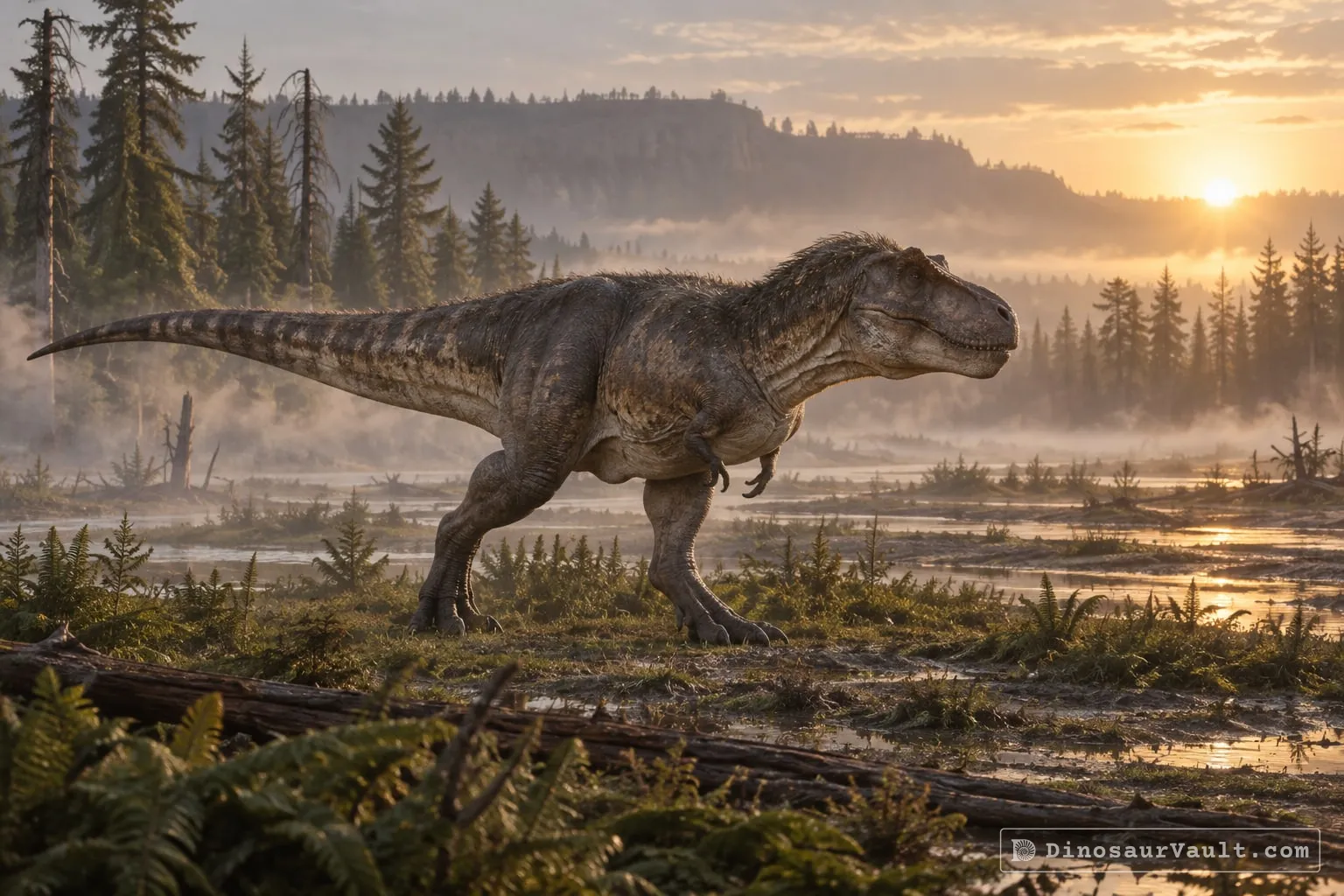
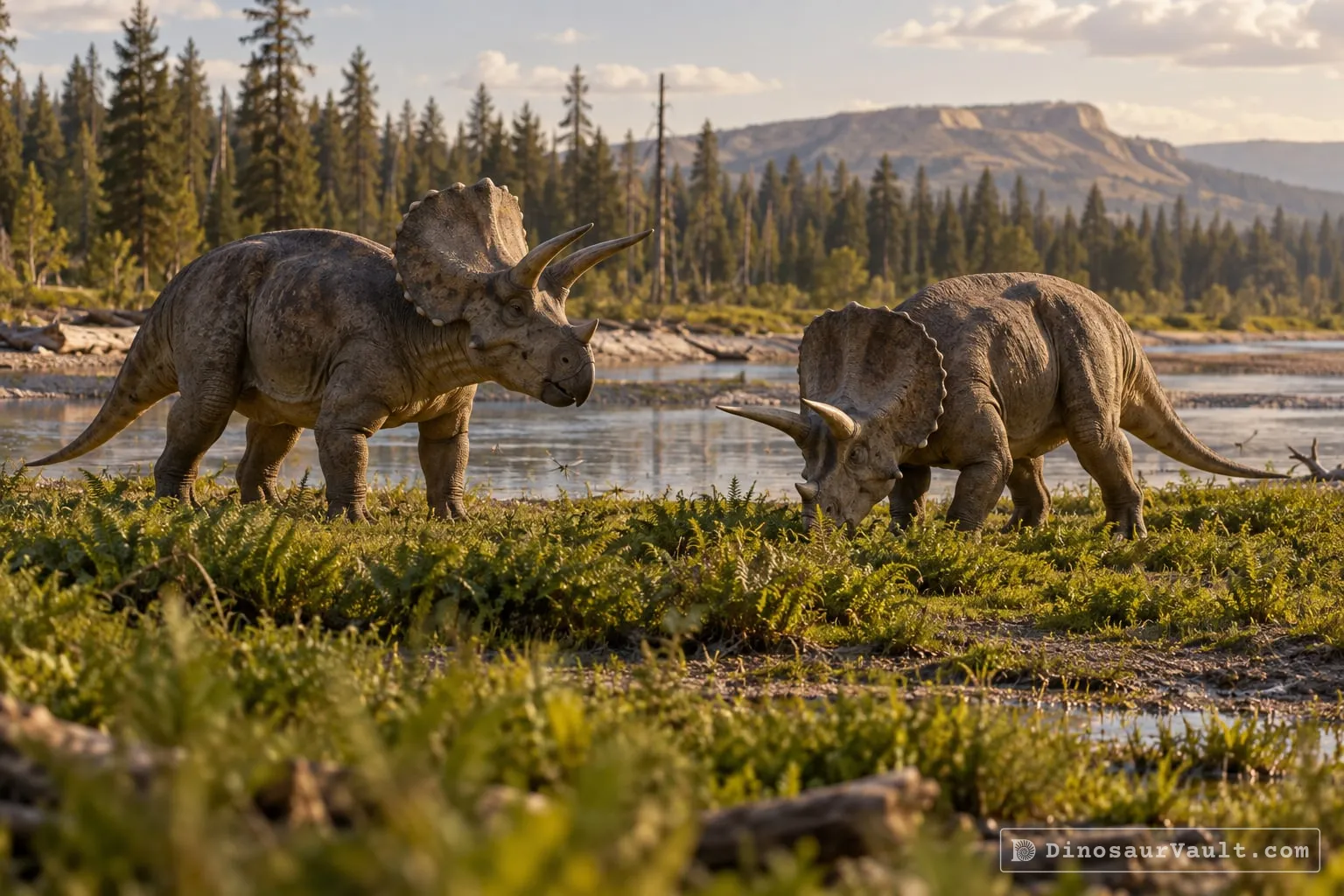
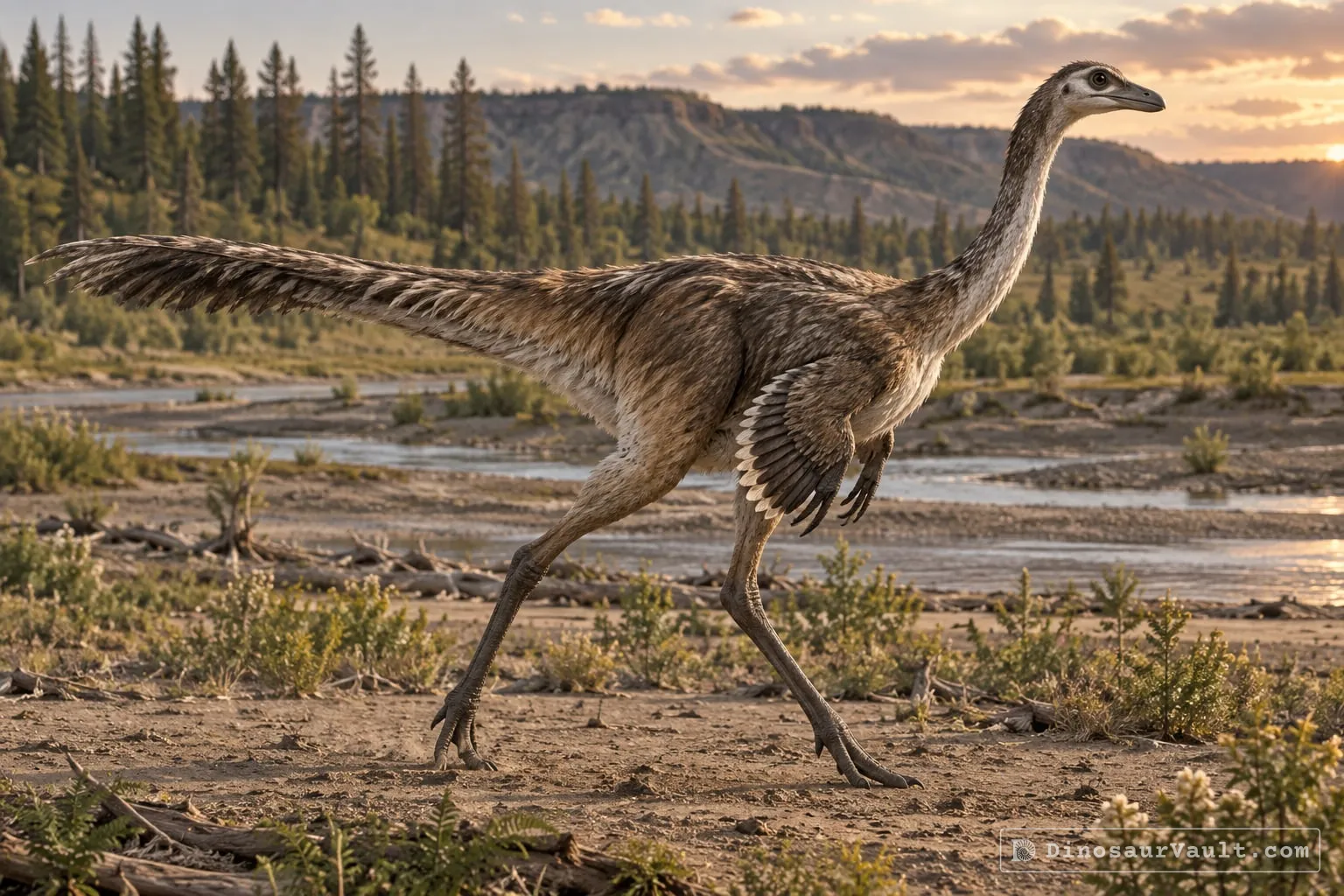
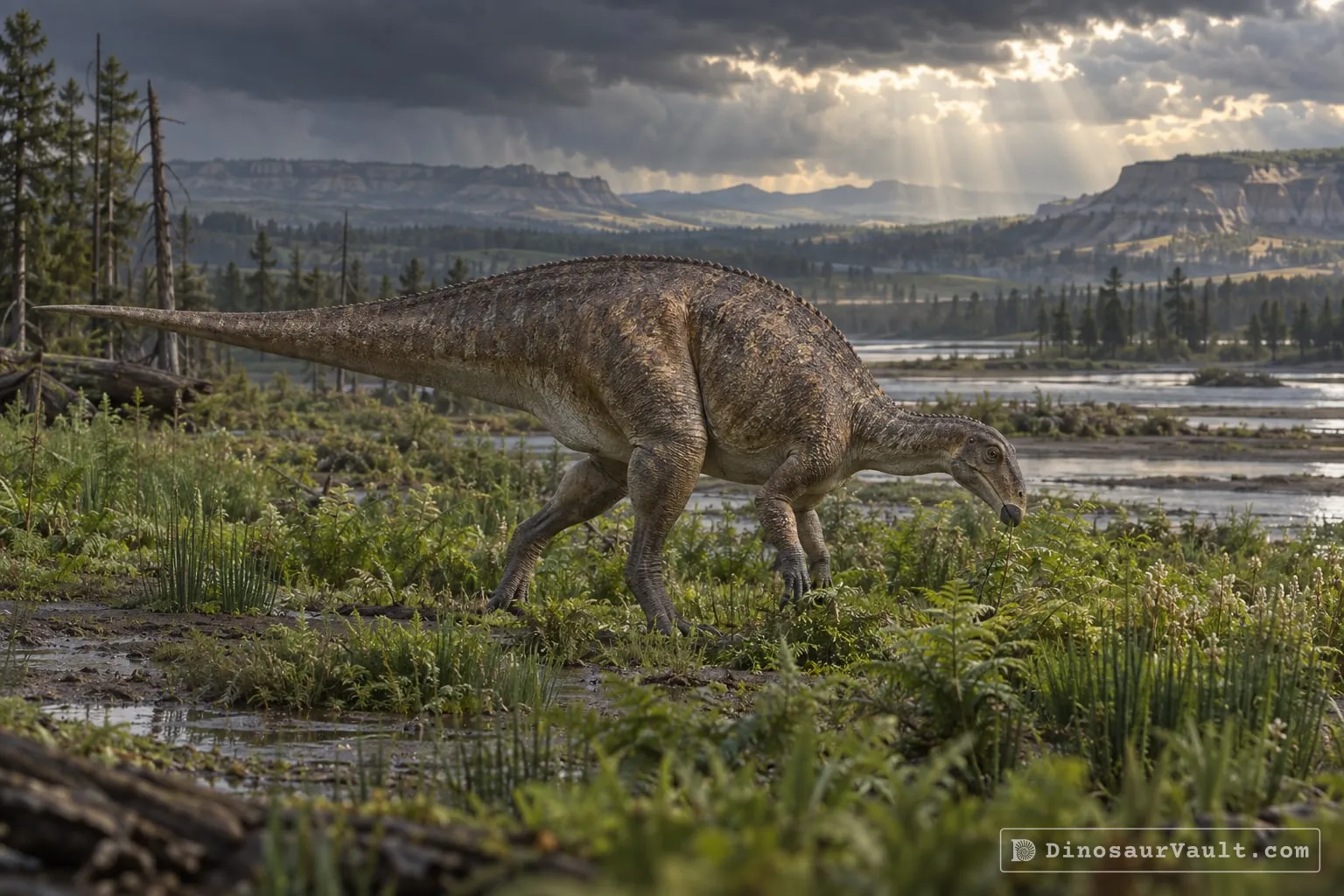
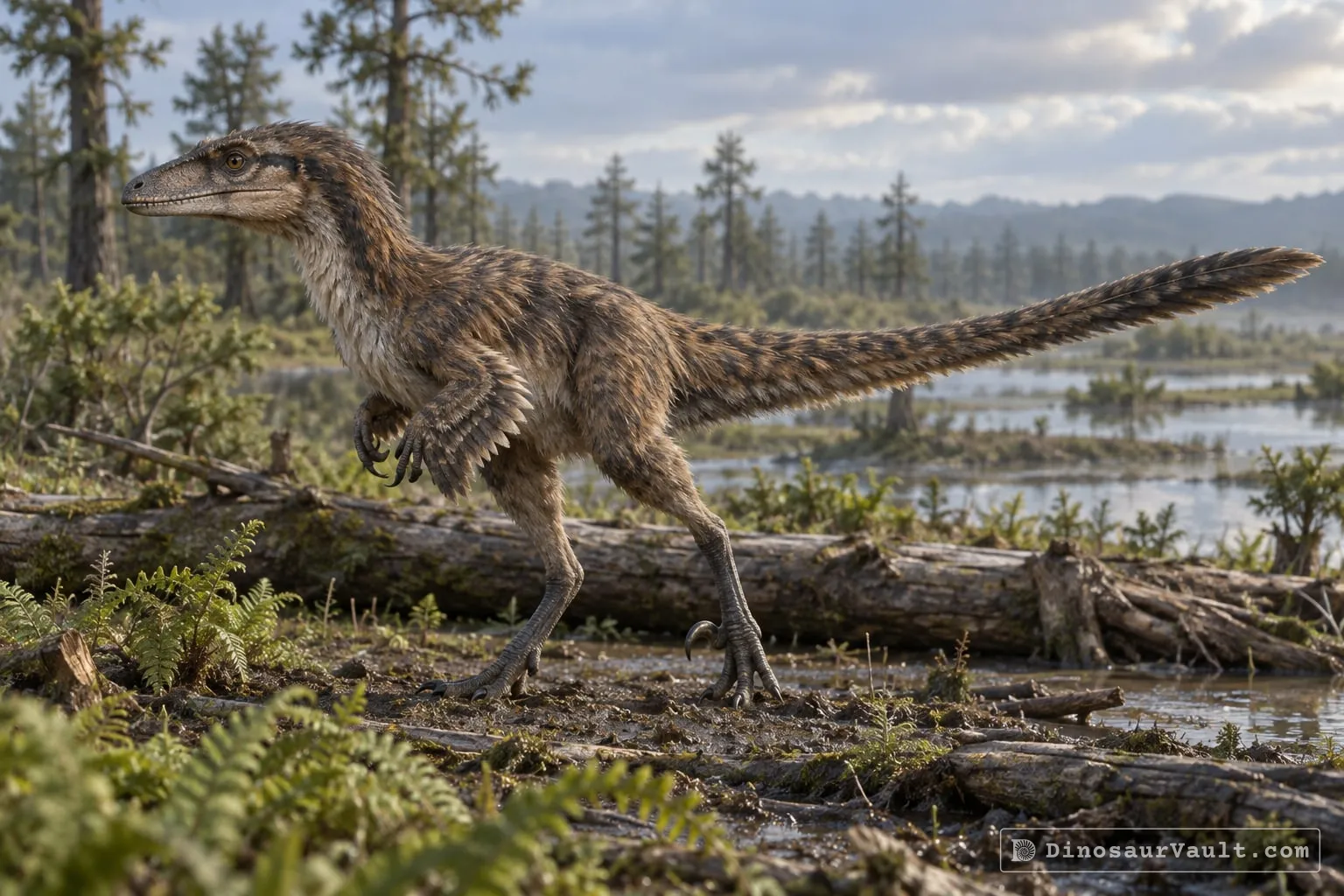
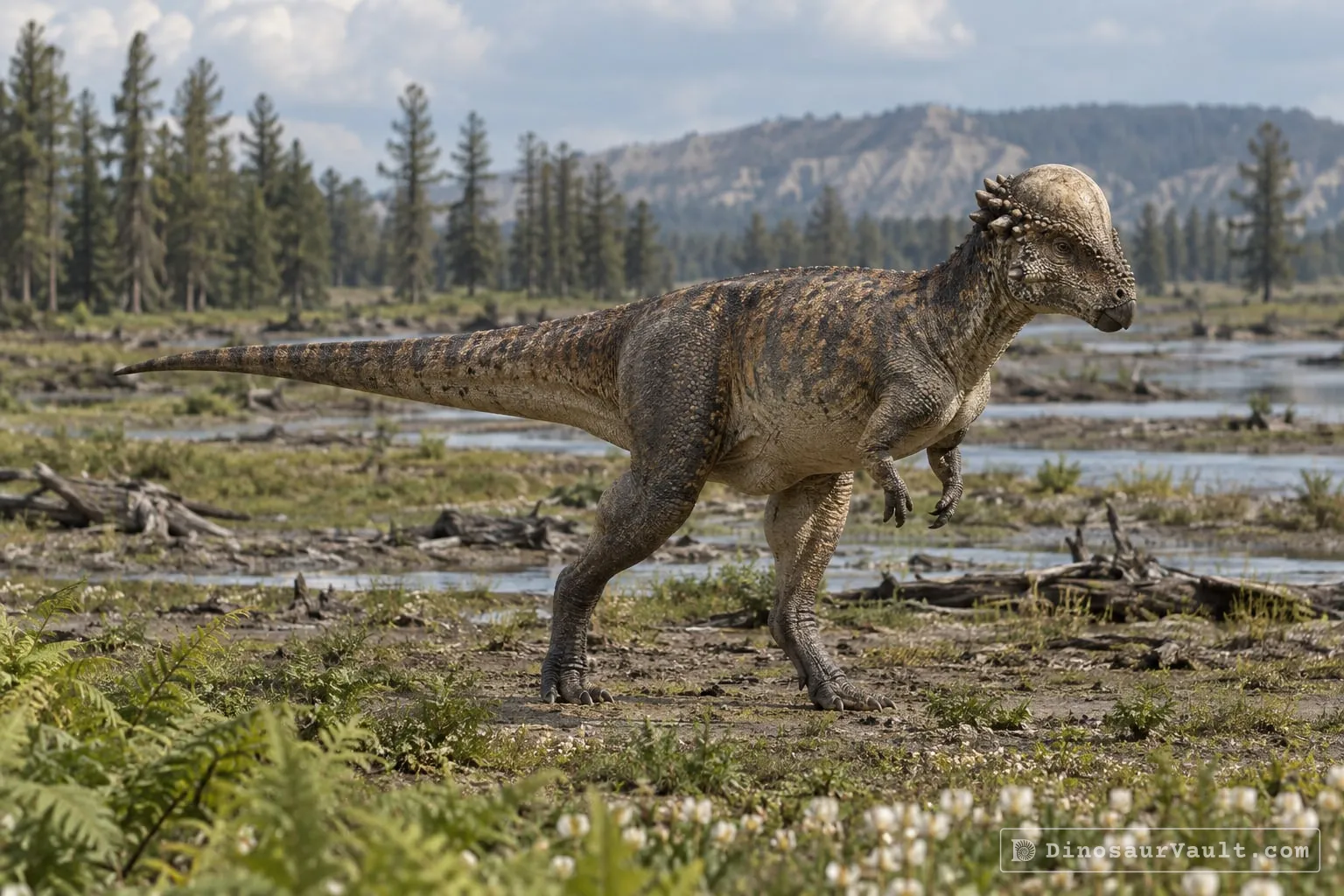
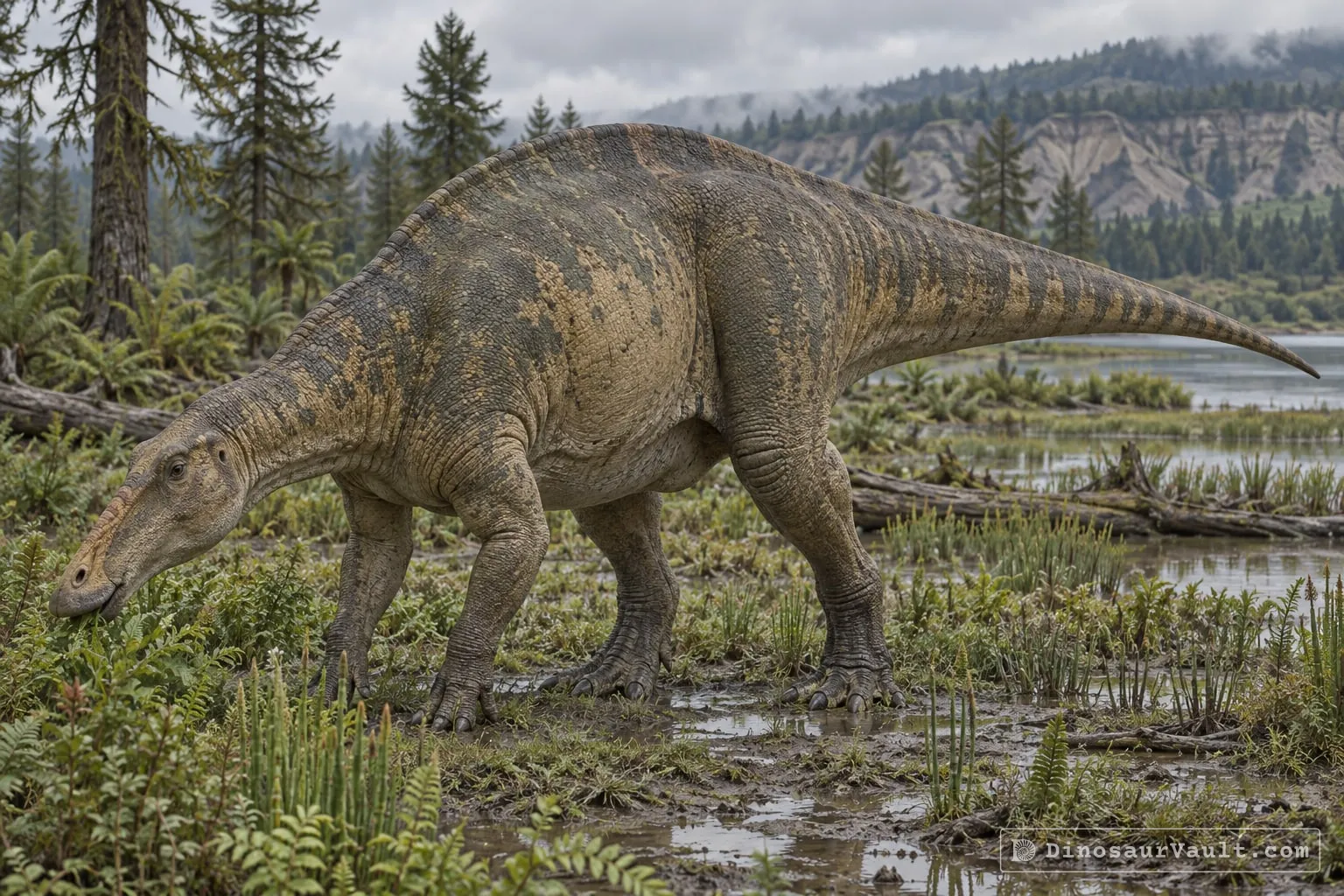
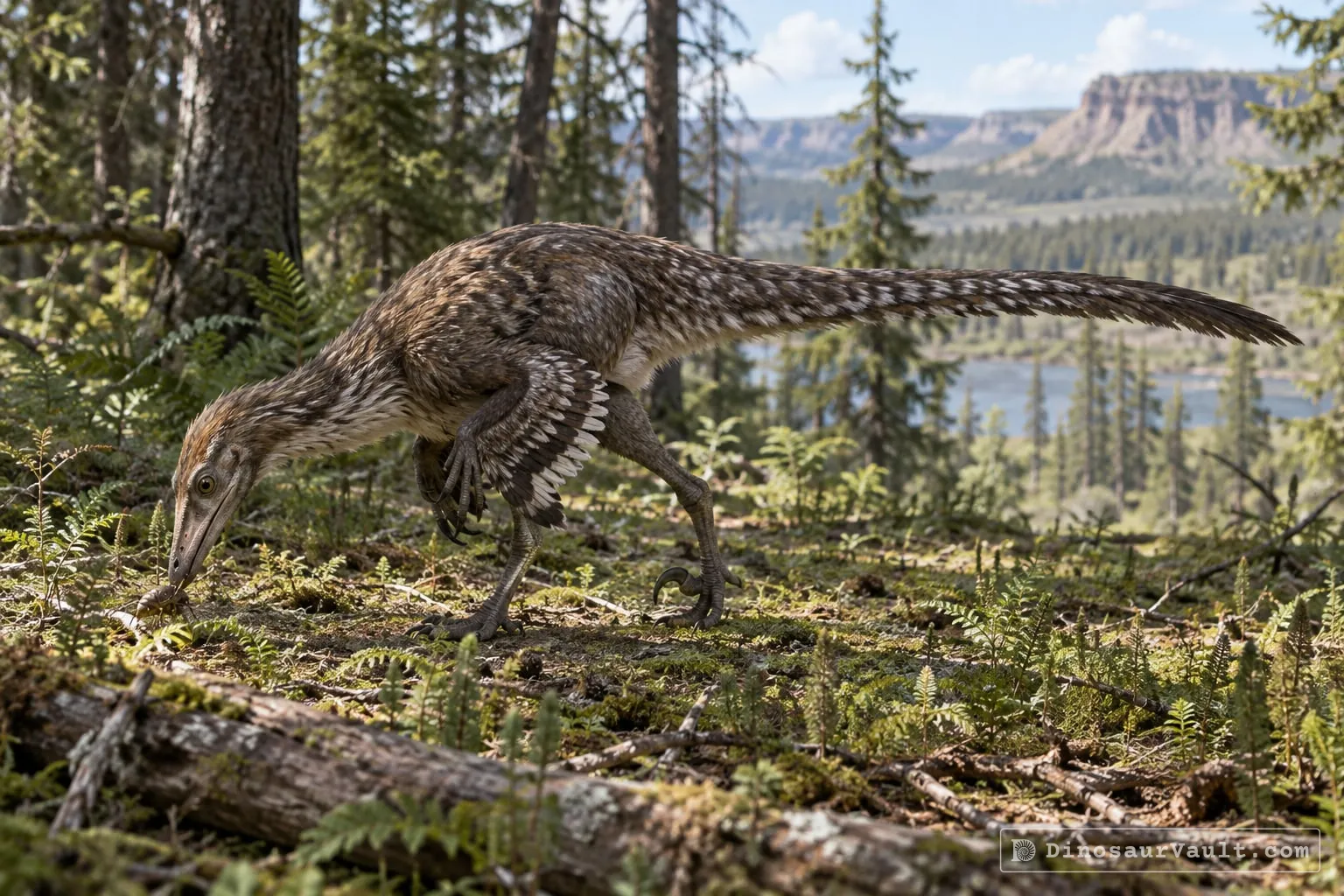


A rock formation can hold fossils laid down millions of years apart, so not every animal here met Ankylosaurus.
The evidence
The science behind Ankylosaurus
Which parts of the picture come from its own bones, and which come from its relatives.
From its own fossils
- Partial skeletons preserve a broad skull with rear-facing horns, a beak and small leaf-shaped teeth.
- Bony armor plates and neck half-rings protected its low, wide body.
- A heavy bony club capped a stiffened section at the end of the tail.
Borrowed from relatives
- Euoplocephalus and Saichania help fill gaps in the limbs and body skeleton.
- Armor and skin preserved in relatives such as Zuul help guide the covering between the bony plates.
Still unknown
- The exact arrangement of all the armor plates across its body.
- How its skull horns, armor and tail club changed as it grew.
- Its color and how often it used its club against predators or rivals.
Often drawn wrong
- Long shoulder spikes borrowed from other armored dinosaurs do not belong on Ankylosaurus.
- Its club joined a continuous tail, rather than hanging from a narrow stalk like a separate hammer.
Discovery timeline
- 1908Named itBrown
- 2009PostureArbour
- 2013Growing upStein, Hayashi & Sander
- 2015Family treeArbour & Currie
- 2017Full descriptionArbour & Mallon
- 2022Close relativeArbour, Zanno & Evans
Key papers
The research behind what we know of Ankylosaurus
Named it
Named Ankylosaurus from partial remains and recognized a new family of heavily armored dinosaurs.
The Ankylosauridae, a new family of armored dinosaurs from the Upper Cretaceous. Bulletin of the American Museum of Natural History 24: 187-201
No link available
Posture
Models of ankylosaur tail swings suggested that large clubs could deliver blows strong enough to break bone.
Estimating Impact Forces of Tail Club Strikes by Ankylosaurid Dinosaurs. PLoS ONE 4: e6738
Read the paper : Estimating Impact Forces of Tail Club Strikes by Ankylosaurid Dinosaurs (opens in a new tab)Growing up
Microscopic sections of ankylosaur limb bones revealed slower growth than in many other dinosaurs and extensive rebuilding of bone tissue.
Long Bone Histology and Growth Patterns in Ankylosaurs: Implications for Life History and Evolution. PLoS ONE 8: e68590
Read the paper : Long Bone Histology and Growth Patterns in Ankylosaurs: Implications for Life History and Evolution (opens in a new tab)Family tree
Traced the evolution of tail clubs: stiffened tail vertebrae appeared before the enlarged bony knob.
Ankylosaurid dinosaur tail clubs evolved through stepwise acquisition of key features. Journal of Anatomy 227: 514-523
Read the paper : Ankylosaurid dinosaur tail clubs evolved through stepwise acquisition of key features (opens in a new tab)Full description
Restudied the skull, armor and tail club, revealing unusual nostril placement and other differences from its close relatives.
Unusual cranial and postcranial anatomy in the archetypal ankylosaur Ankylosaurus magniventris. FACETS 2: 764-794
Read the paper : Unusual cranial and postcranial anatomy in the archetypal ankylosaur Ankylosaurus magniventris (opens in a new tab)Close relative
Healed injuries on the flanks of Zuul support the idea that ankylosaurs used their tail clubs in fights with each other.
Palaeopathological evidence for intraspecific combat in ankylosaurid dinosaurs. Biology Letters 18
Read the paper : Palaeopathological evidence for intraspecific combat in ankylosaurid dinosaurs (opens in a new tab)
Close relatives
Other members of Ankylosauridae


Sources: Wikidata