Euoplocephalus
yoo-OP-loh-SEF-uh-lus
"well-armored head"
- Lived
- 84 to 66 million years ago, Late Cretaceous
- Diet
- Herbivore
- Length
- estimates range from 5.5 to 7 m (18 to 23 ft)
- Group
- Ankylosaurs, Ankylosauridae
- Found in
- Canada and United States
- Named by
- Lambe 1910
Where its fossils were found
The evidence
Today

75 million years ago
Also reported from China.
Habitat
Euoplocephalus probably browsed on river plains in the Dinosaur Park Formation. Regional neighbors included Parasaurolophus, Styracosaurus and Struthiomimus.
Field notes
About Euoplocephalus
What it was like
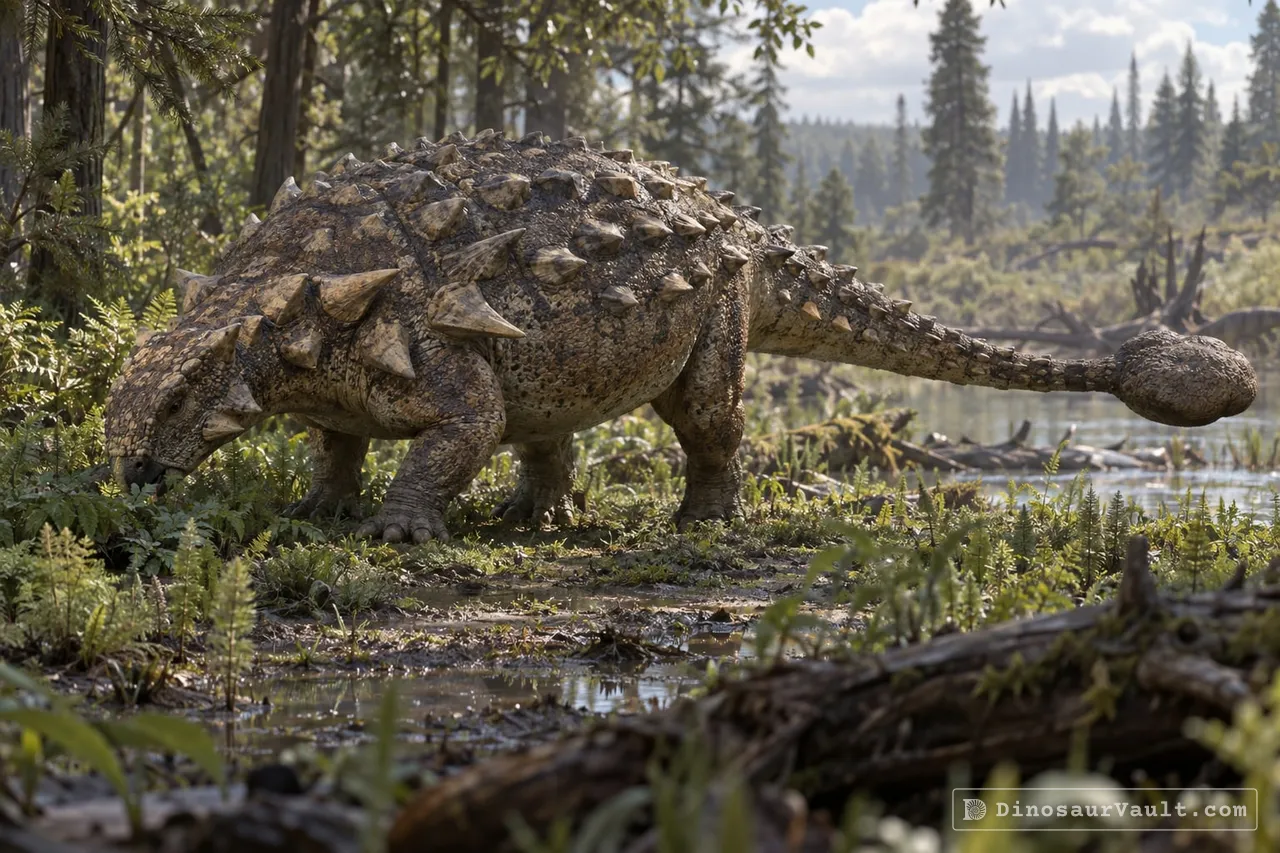
Euoplocephalus was a heavily armored ankylosaur with a low, wide body carried on four sturdy legs. Bony plates and rows of large, ridged scutes covered its back, and two solid bone rings protected its neck. Its skull was also armored, and it fed close to the ground with a short, beaked snout suited to cropping plants. At the end of its tail sat a heavy, rounded club, likely swung as a weapon against attacking predators. Euoplocephalus grew to between 5.5 and 7 meters (18 to 23 feet) long.
Its world
Euoplocephalus lived from about 84 to 66 million years ago, in the Late Cretaceous, in what is now Canada and the United States. Its bones come from Alberta and Montana, including the Dinosaur Park and Judith River formations. It shared its world with predators such as Daspletosaurus and smaller hunters like Troodon and Saurornitholestes, as well as plant eaters including Corythosaurus and the armored Edmontonia.
How it was found
Lambe named Euoplocephalus in 1910. Eighteen fossil finds are known today, including several nearly complete skeletons, so a great deal is known about its build. For decades, many ankylosaurid specimens from the same rocks were lumped into Euoplocephalus, making it seem like one of the best-known dinosaurs of its kind. More recent studies have split some of those specimens into separate genera, such as Scolosaurus and Anodontosaurus, narrowing what is now confidently assigned to Euoplocephalus itself.
Field gallery
More views of Euoplocephalus
Scenes reconstructed from the available fossil evidence.
1 of 7
Lived alongside
Found in the same rock formations
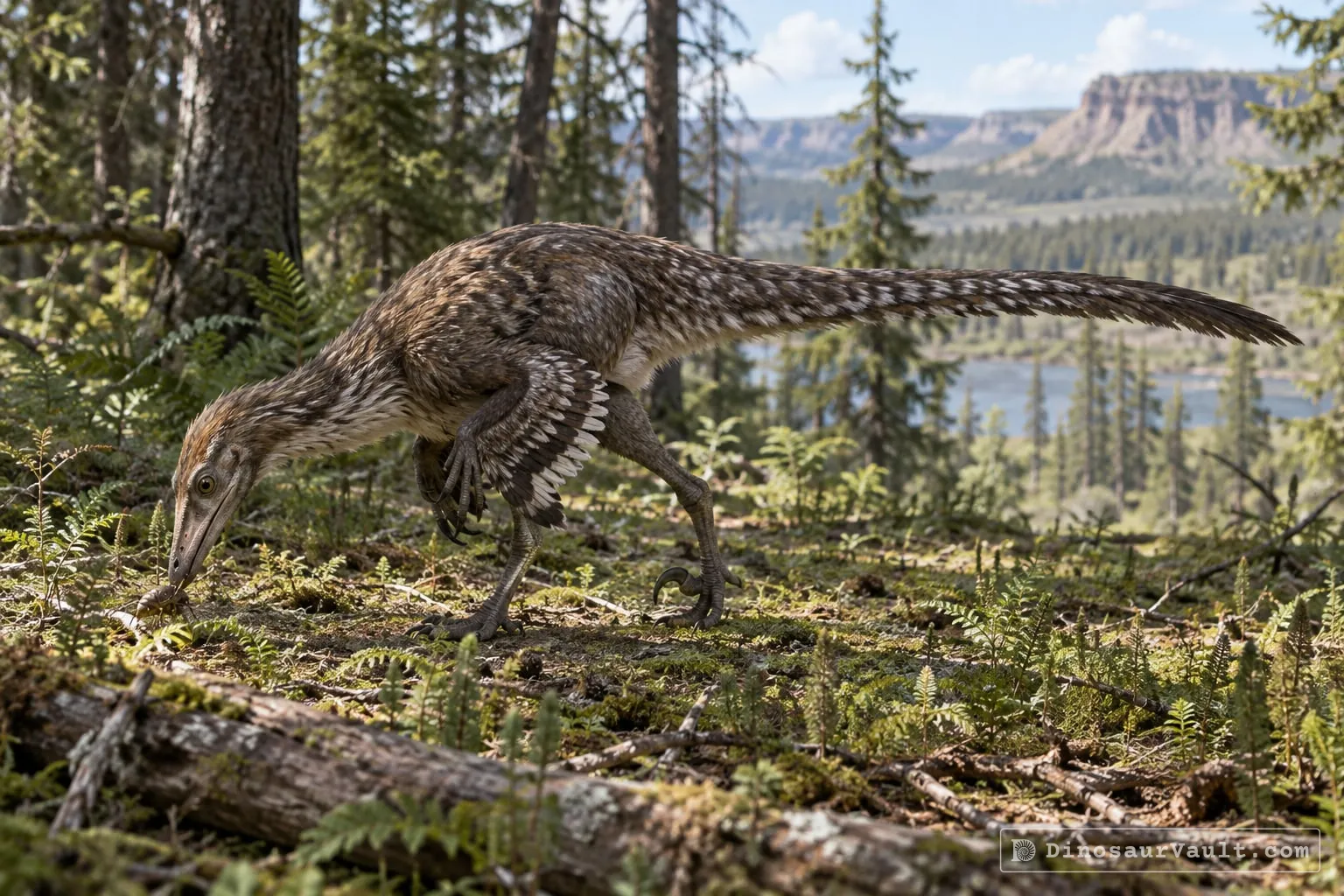
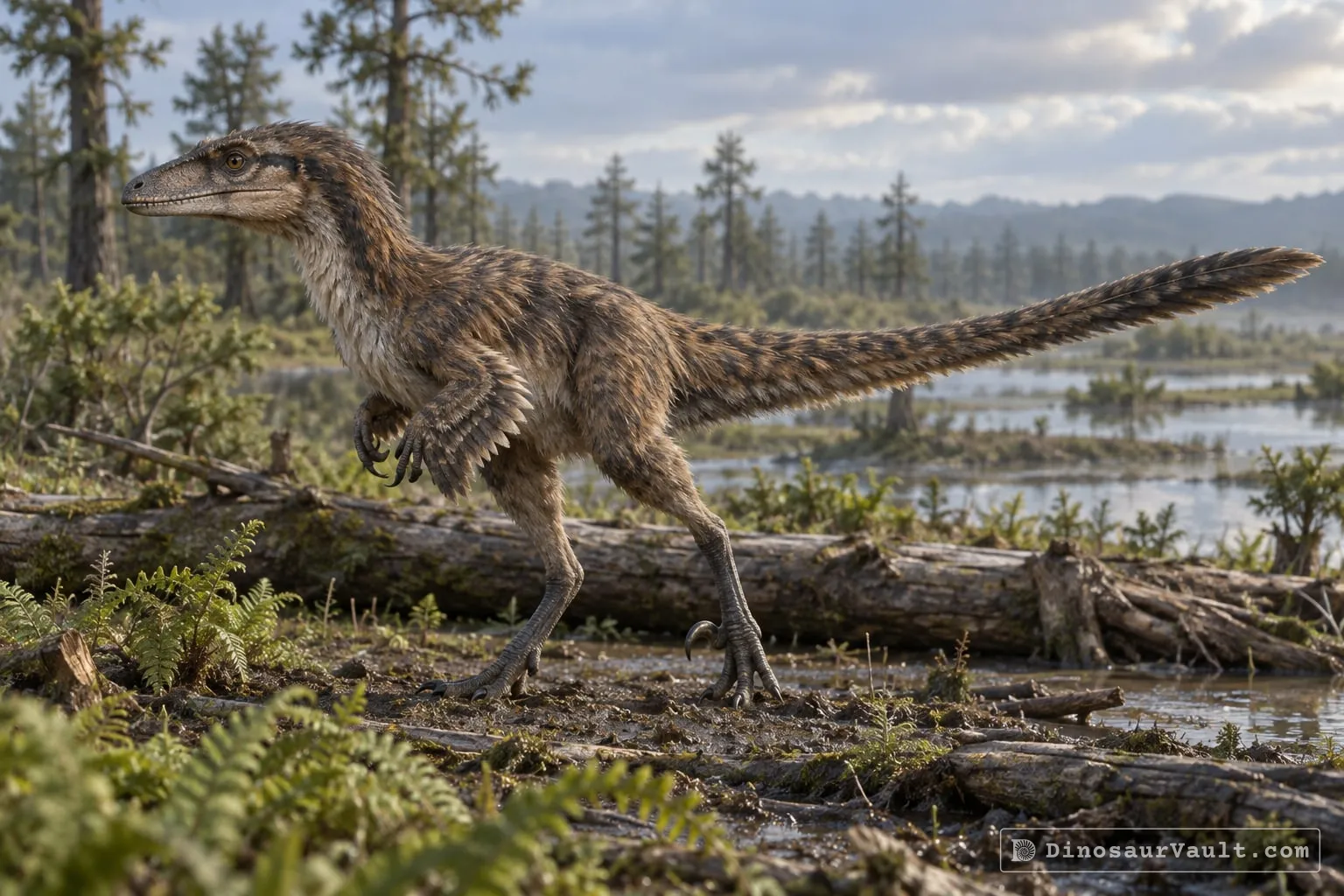
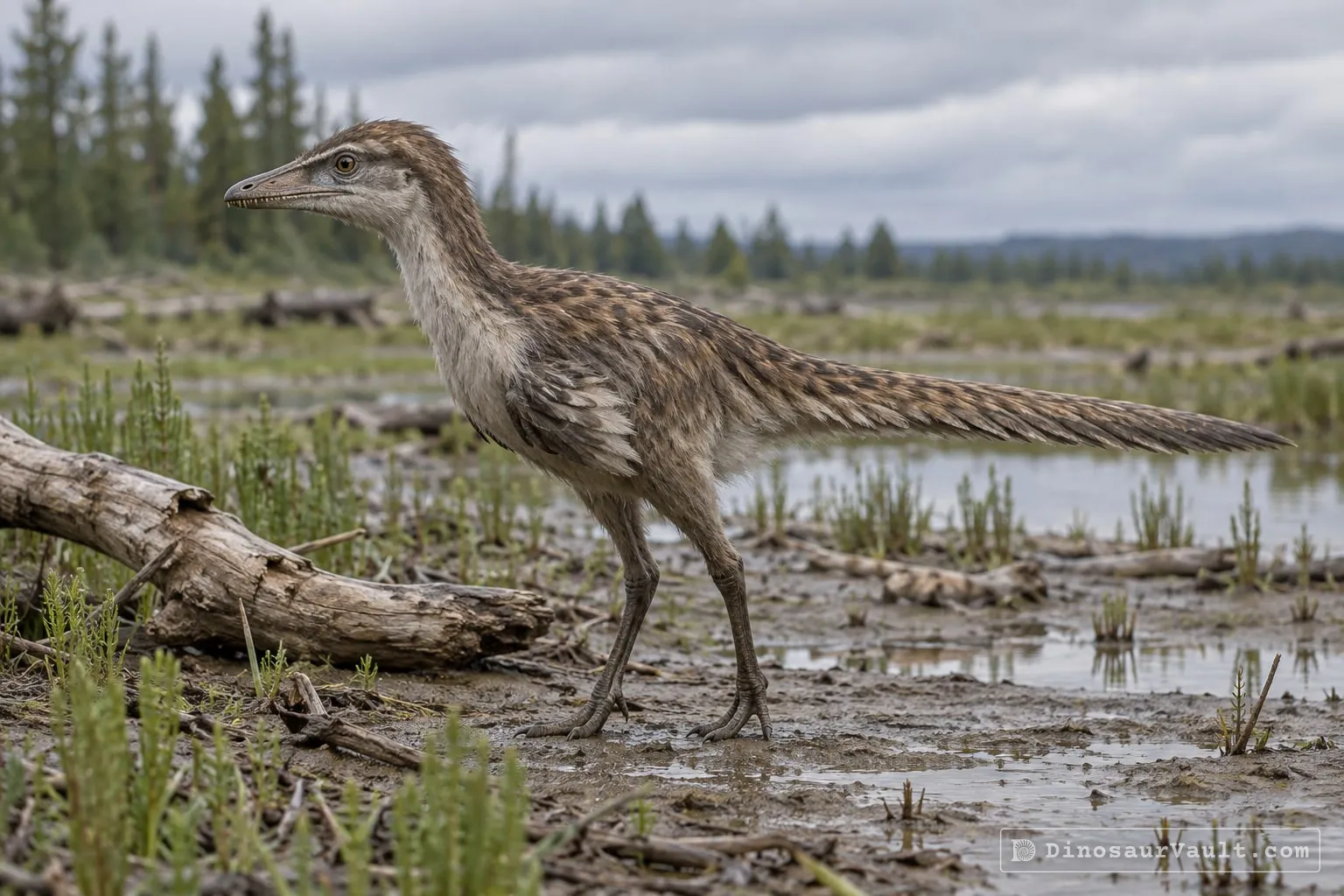
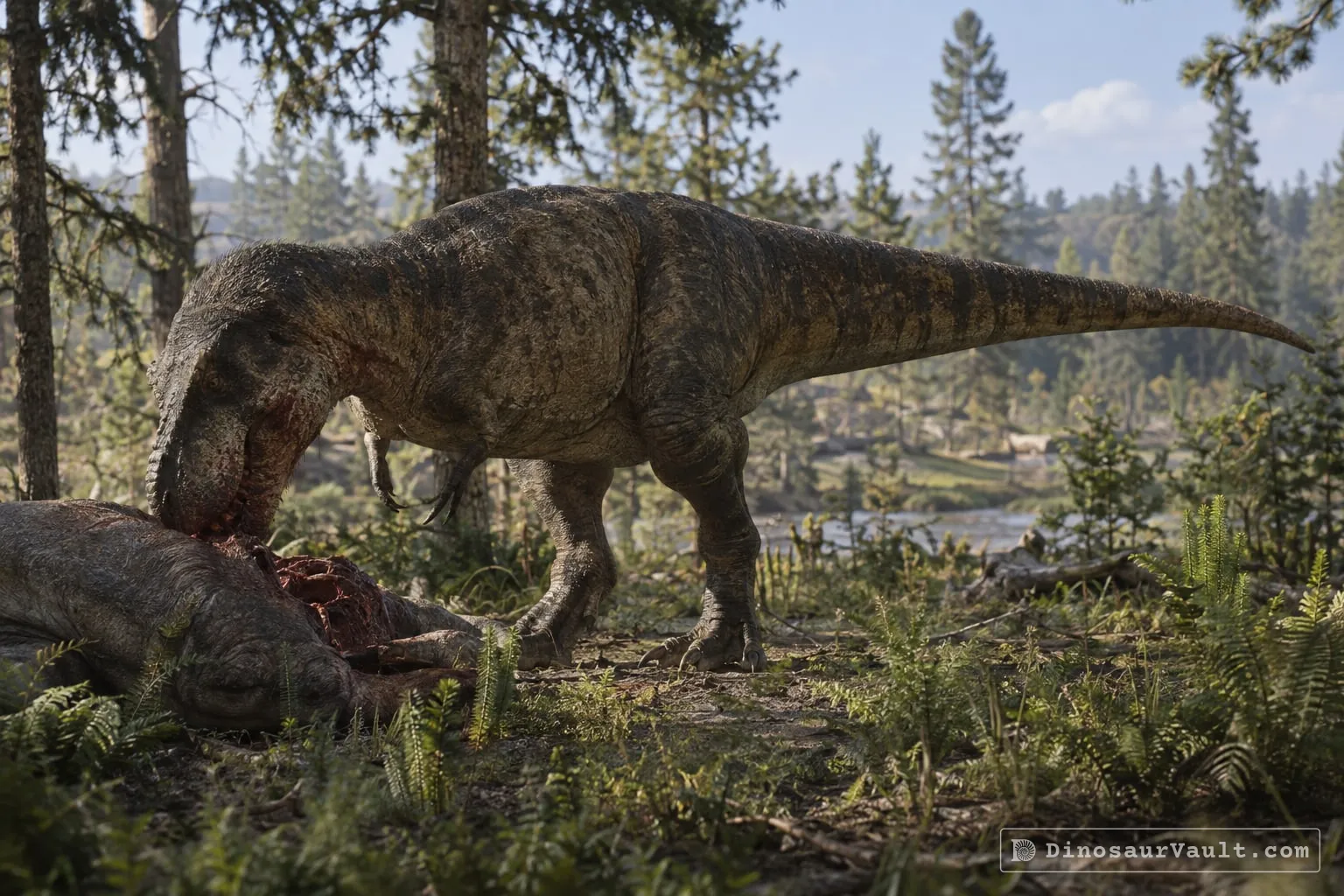
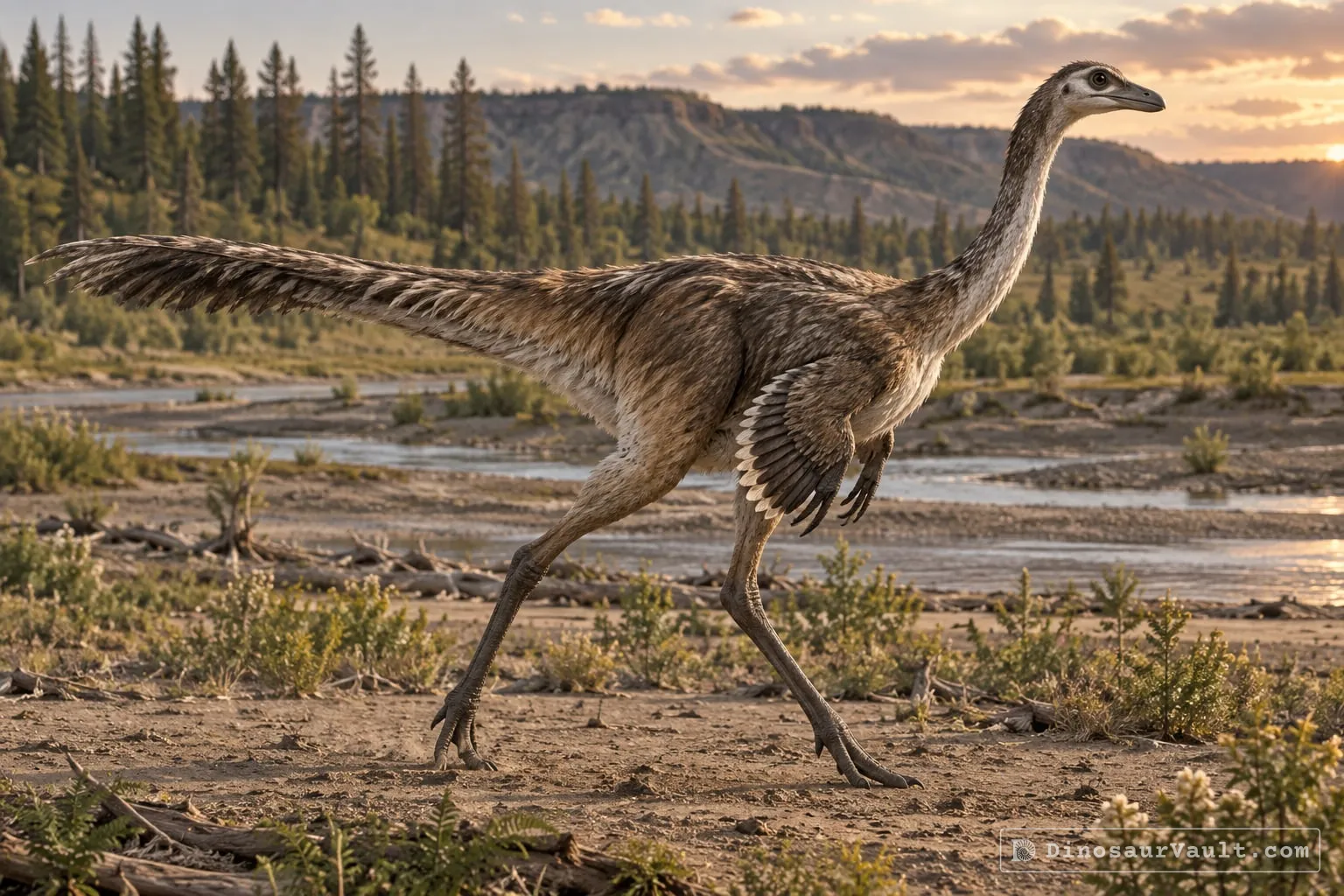
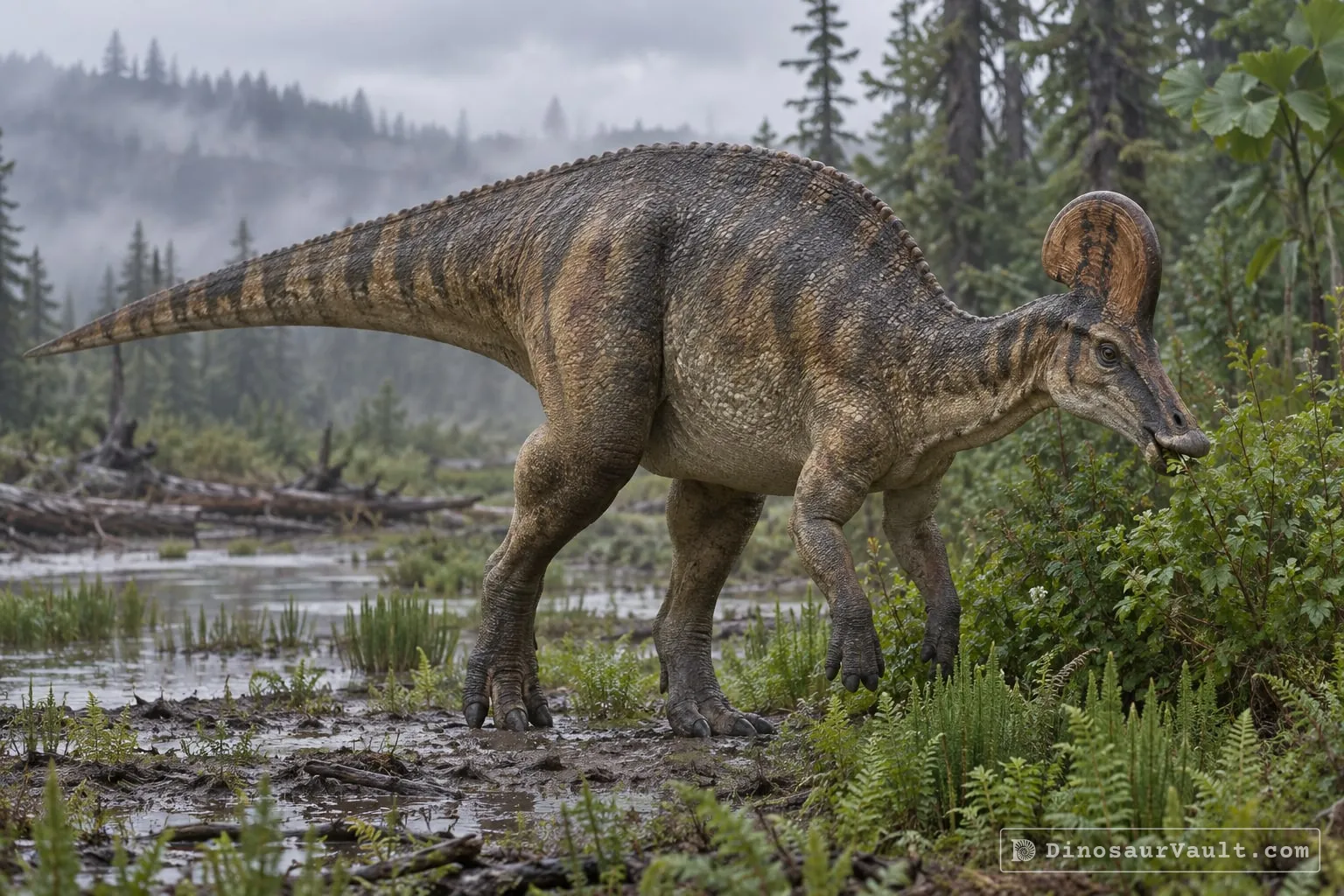
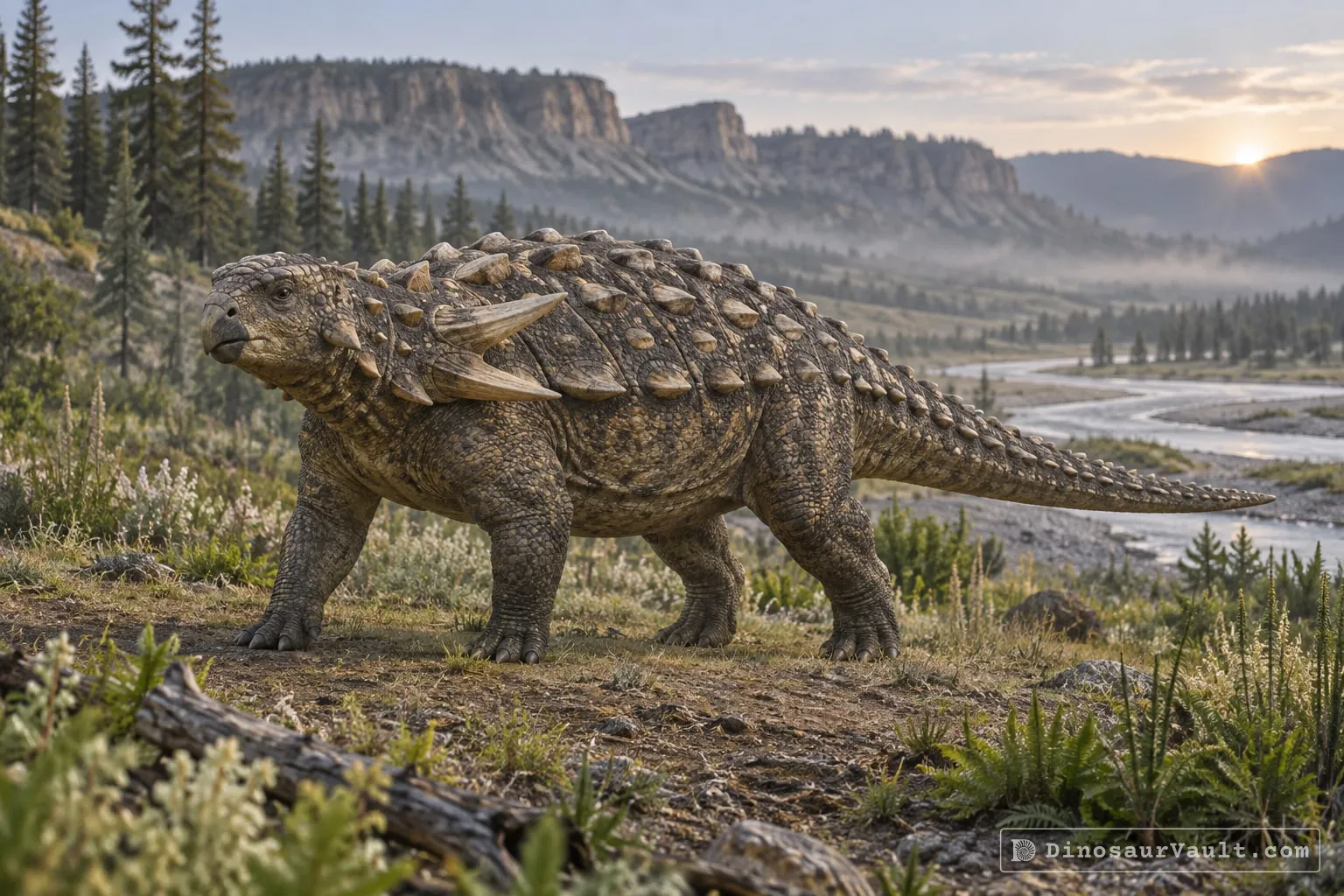
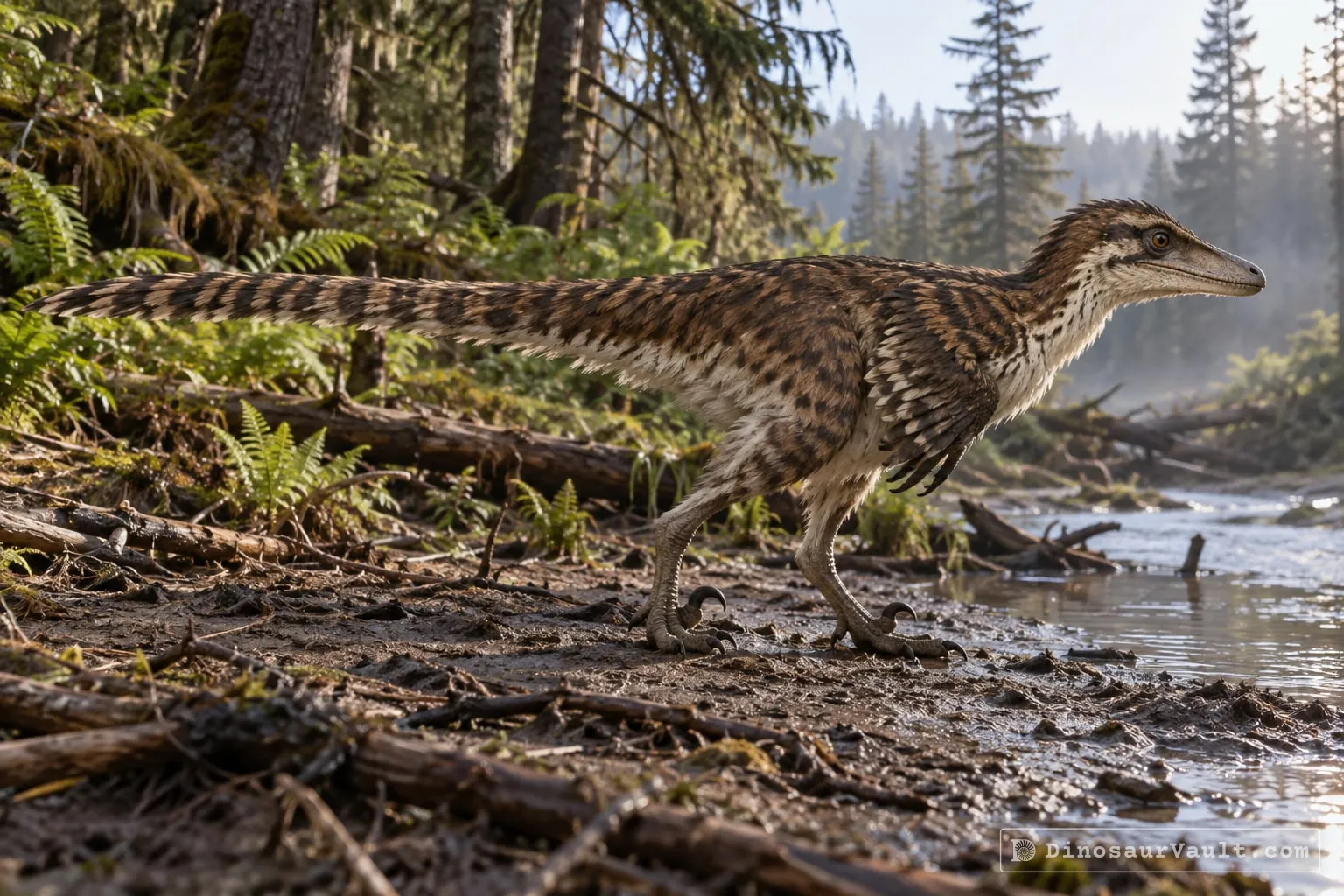


A rock formation can hold fossils laid down millions of years apart, so not every animal here met Euoplocephalus.
The evidence
The science behind Euoplocephalus
Which parts of the picture come from its own bones, and which come from its relatives.
From its own fossils
- Skulls and skeletons show a low, broad body with sturdy legs and an armored head.
- Bony half-rings protected the neck, and a heavy club capped the tail.
- Skull scans reveal long, looping air passages inside the snout.
Borrowed from relatives
- Much of its skeleton is known from its own bones.
- Scolosaurus helps fill gaps in the arrangement of skin and armor across the body.
Still unknown
- The color of its skin and armor.
- The exact arrangement of every armor plate on its body.
- How its appearance changed as it grew.
Often drawn wrong
- Armor from Scolosaurus and Anodontosaurus is sometimes mixed into Euoplocephalus, though these genera have distinct neck armor.
Discovery timeline
- 1910Named itLambe
- 2009PostureArbour
- 2013Full descriptionArbour & Currie
- 2015Family treeArbour & Currie
- 2018SkullBourke, Porter & Witmer
Key papers
The research behind what we know of Euoplocephalus
Named it
Replaced the original genus name because it had already been used for an insect.
Note on the parietal crest of Centrosaurus apertus and a proposed new generic name for Stereocephalus tutus. The Ottawa Naturalist 24: 149-151
No link available
Posture
Estimated tail-club strike forces and found that large clubs could have broken bone.
Estimating Impact Forces of Tail Club Strikes by Ankylosaurid Dinosaurs. PLoS ONE 4: e6738
Read the paper : Estimating Impact Forces of Tail Club Strikes by Ankylosaurid Dinosaurs (opens in a new tab)Full description
Separated Euoplocephalus from several formerly combined genera using differences in skulls, neck armor and tail clubs.
Euoplocephalus tutus and the Diversity of Ankylosaurid Dinosaurs in the Late Cretaceous of Alberta, Canada, and Montana, USA. PLoS ONE 8: e62421
Read the paper : Euoplocephalus tutus and the Diversity of Ankylosaurid Dinosaurs in the Late Cretaceous of Alberta, Canada, and Montana, USA (opens in a new tab)Family tree
Found that a stiffened tail evolved before the enlarged bony knob at its tip.
Ankylosaurid dinosaur tail clubs evolved through stepwise acquisition of key features. Journal of Anatomy 227: 514-523
Read the paper : Ankylosaurid dinosaur tail clubs evolved through stepwise acquisition of key features (opens in a new tab)Skull
Airflow models suggested that the looping nasal passages warmed incoming air and helped conserve heat and water.
Convoluted nasal passages function as efficient heat exchangers in ankylosaurs (Dinosauria: Ornithischia: Thyreophora). PLOS ONE 13: e0207381
Read the paper : Convoluted nasal passages function as efficient heat exchangers in ankylosaurs (Dinosauria: Ornithischia: Thyreophora) (opens in a new tab)
Close relatives
Other members of Ankylosauridae


Sources: Wikidata