Velociraptor
vel-OSS-ih-RAP-tor
"swift thief"
- Lived
- 84 to 72 million years ago, Late Cretaceous
- Diet
- Carnivore
- Length
- about 2 m (7 ft)
- Weight
- about 15 kg (33 lb)
- Group
- Theropods, Dromaeosauridae
- Found in
- Mongolia
- Named by
- Osborn 1924
Size comparison
To scale

Scale in meters
Where its fossils were found
The evidence
Today

80 million years ago
Also reported from Canada and China.
Habitat
The Djadokhta landscape was dry, with sand dunes and temporary ponds between them. Protoceratops, Pinacosaurus and Saurornithoides lived there too.
A Dinosaur Vault film
The Real Velociraptor Was Smaller Than You Think
Feathered, about the weight of a large dog, with a sickle claw on each foot. Then the Gobi fossil that caught one locked in a fight with a Protoceratops.
Subscribe on YouTubeField notes
About Velociraptor
What it was like
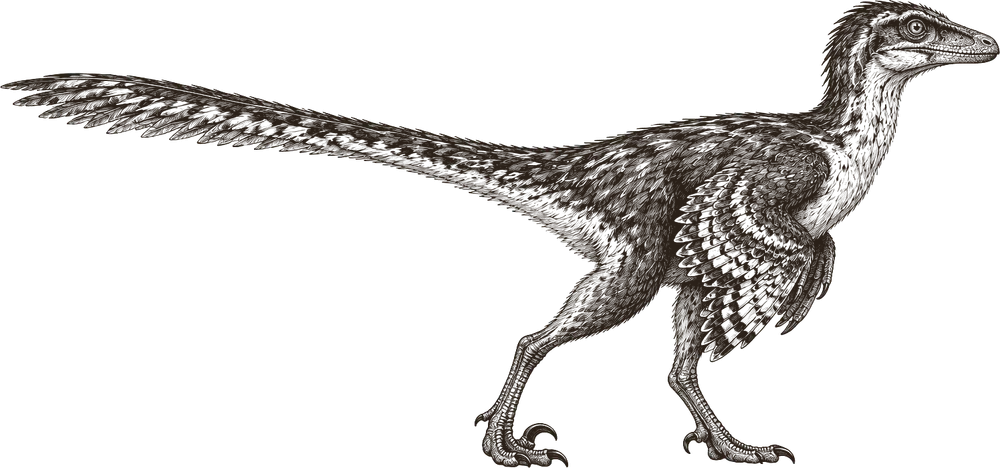
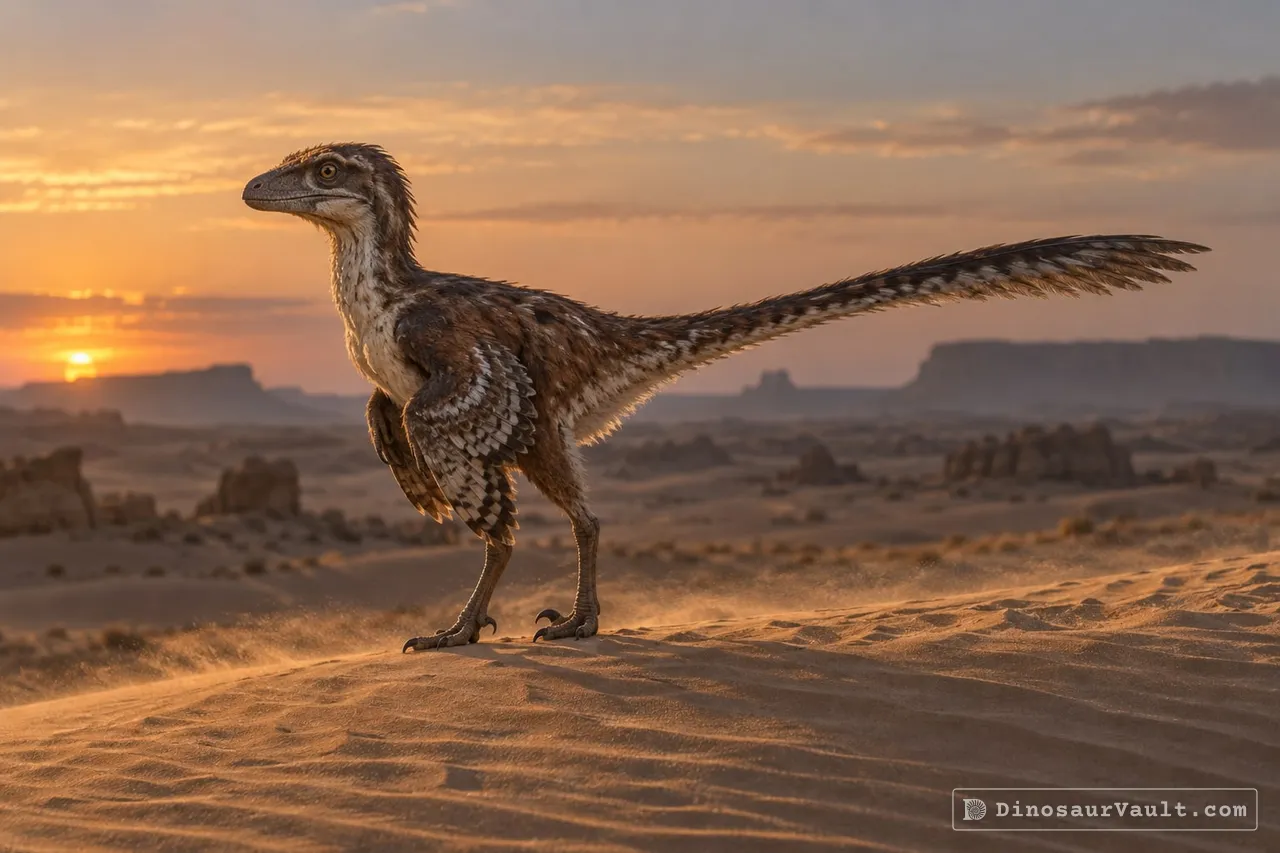
Velociraptor was small for a dinosaur, roughly the size of a large dog, at about 2 meters long and around 15 kilograms in weight. It was covered in feathers, ran on two legs, and carried a curved claw on each foot that it probably used to grip and hold down prey.
Its skull was long and low with an upturned snout, and its jaws held many small, sharp teeth. Velociraptor was quick and likely relied on speed and surprise rather than size to catch smaller animals.
Its world
Velociraptor lived in the Late Cretaceous, from about 84 to 72 million years ago, in the dry, dune-covered landscape of what is now Mongolia. Its bones come mainly from the Djadokhta Formation, alongside plant eaters like Protoceratops and Pinacosaurus and other small hunters such as Saurornithoides.
One well-known fossil find shows a Velociraptor and a Protoceratops preserved together, apparently caught in a struggle when they died.
How it was found
Osborn named Velociraptor in 1924, choosing a name that means swift thief. About 16 fossil finds of the genus are known, a small number that still leaves plenty of open questions about how it lived.
Field gallery
More views of Velociraptor
Scenes reconstructed from the available fossil evidence.
1 of 7
Lived alongside
Found in the same rock formations
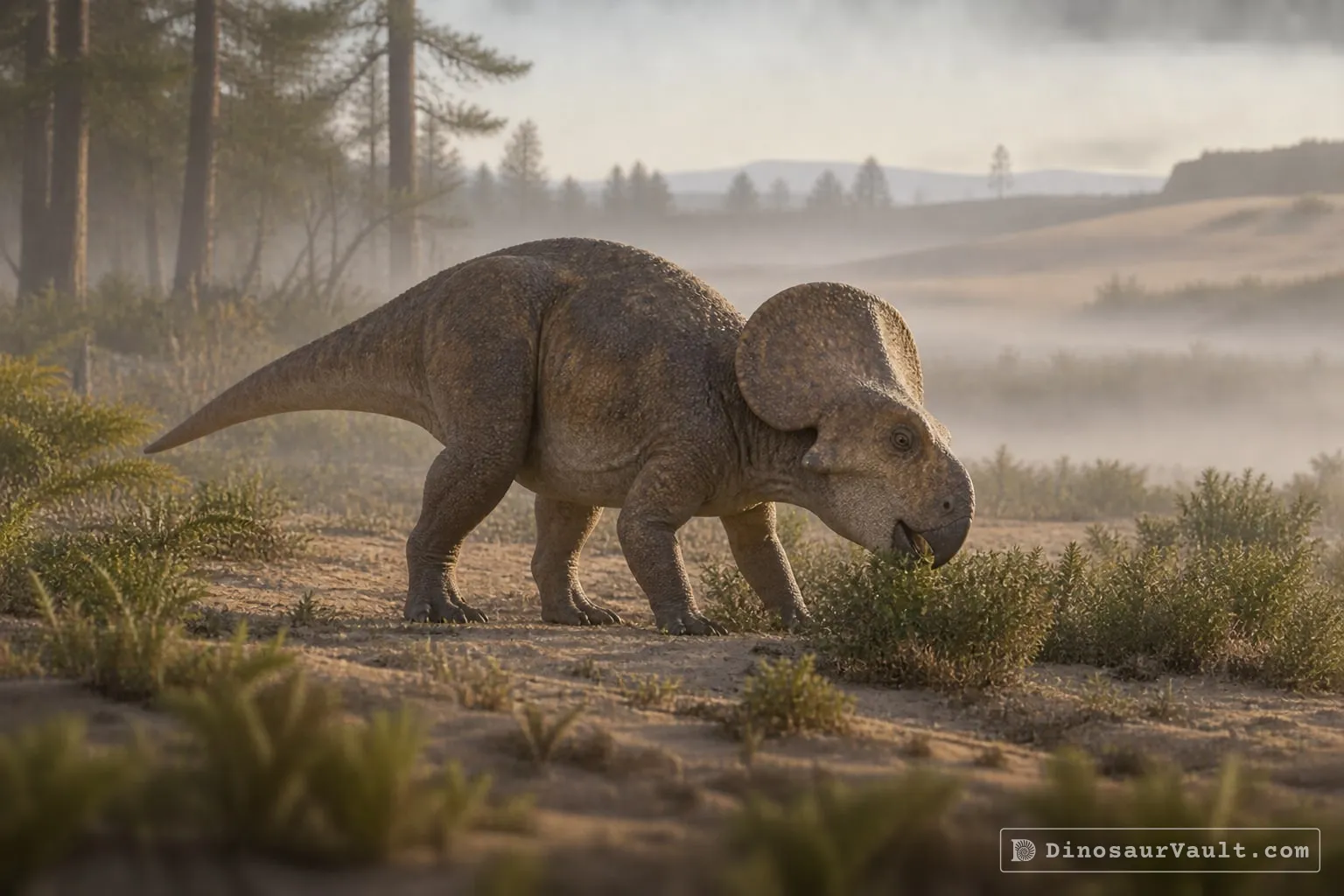
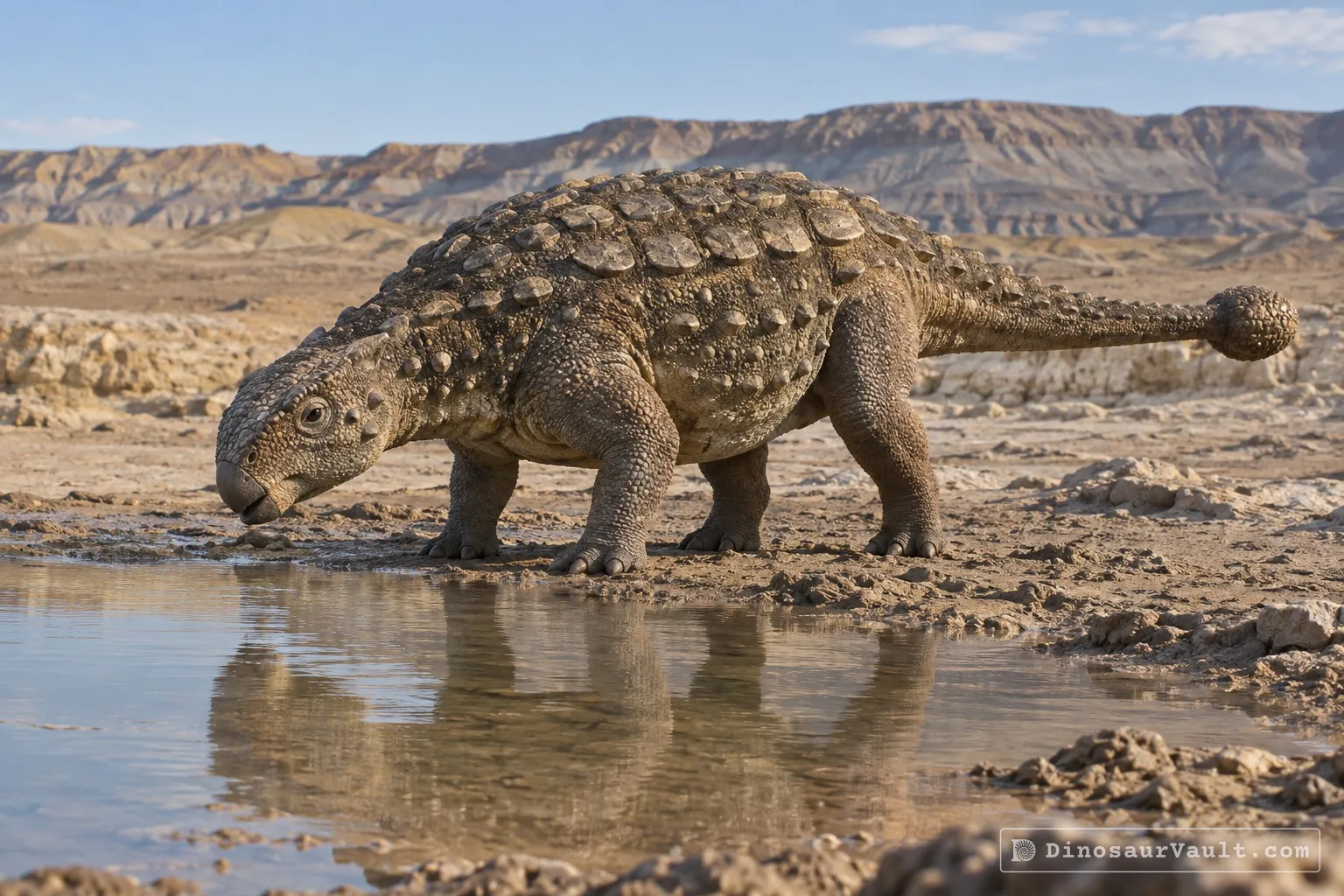
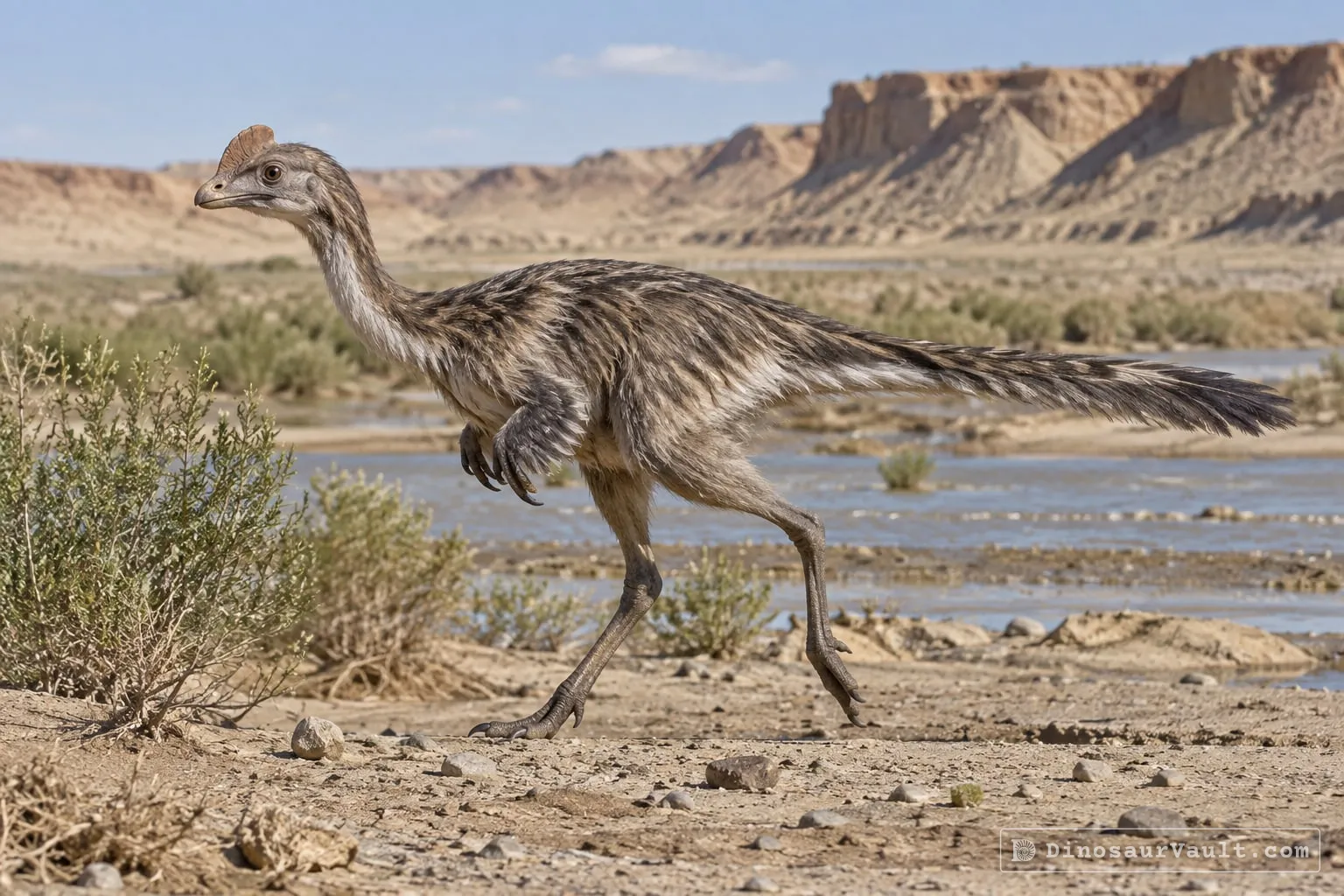
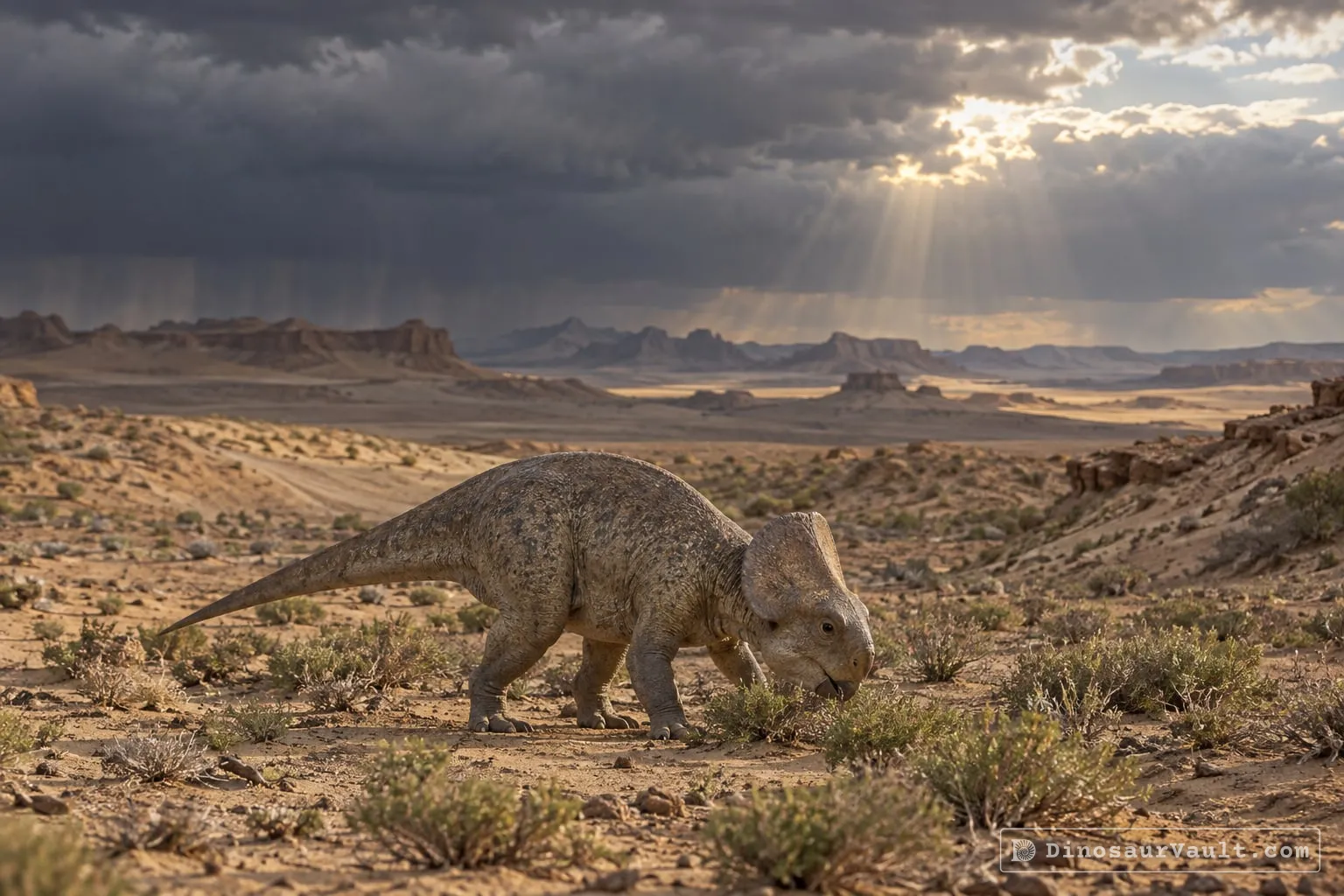
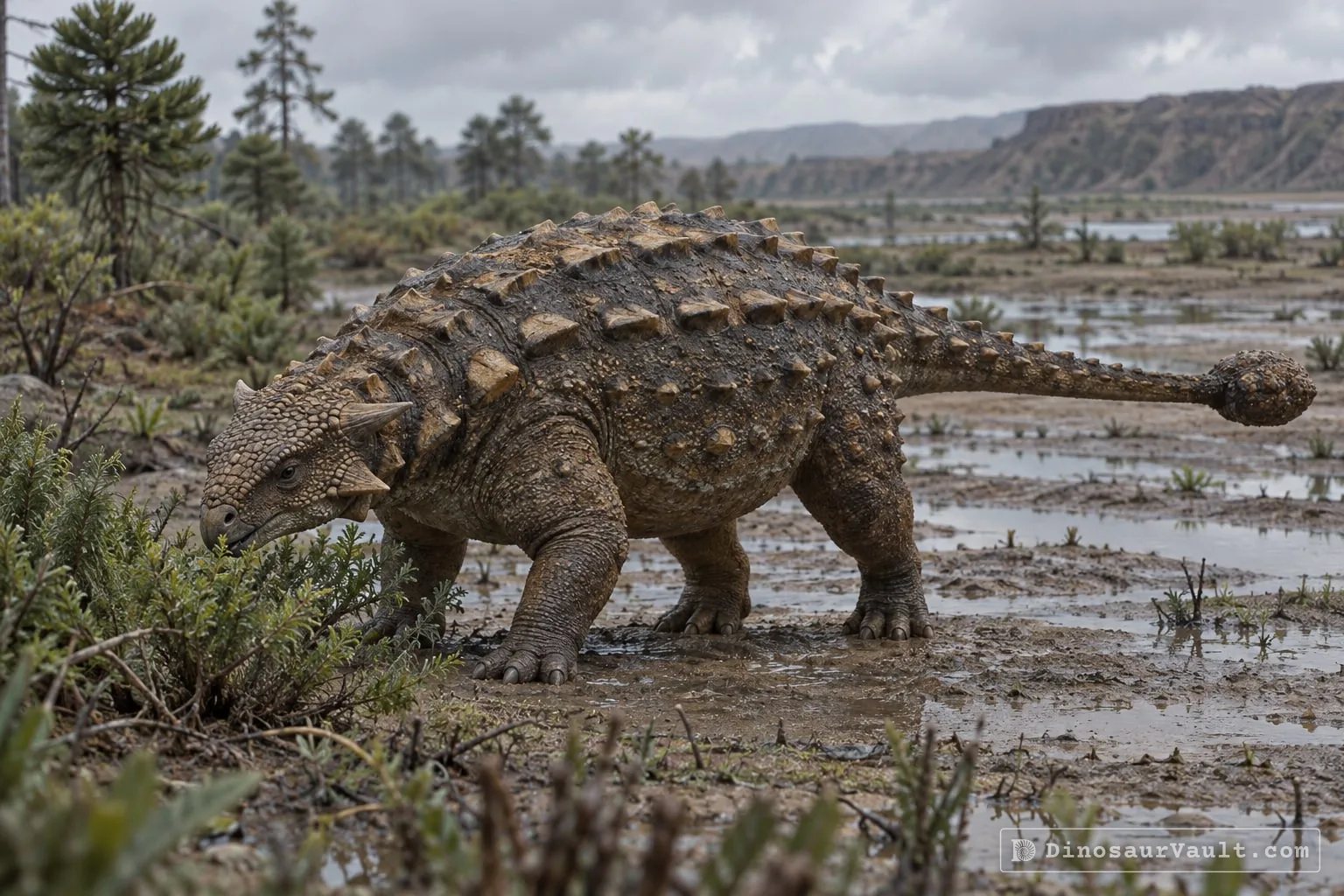
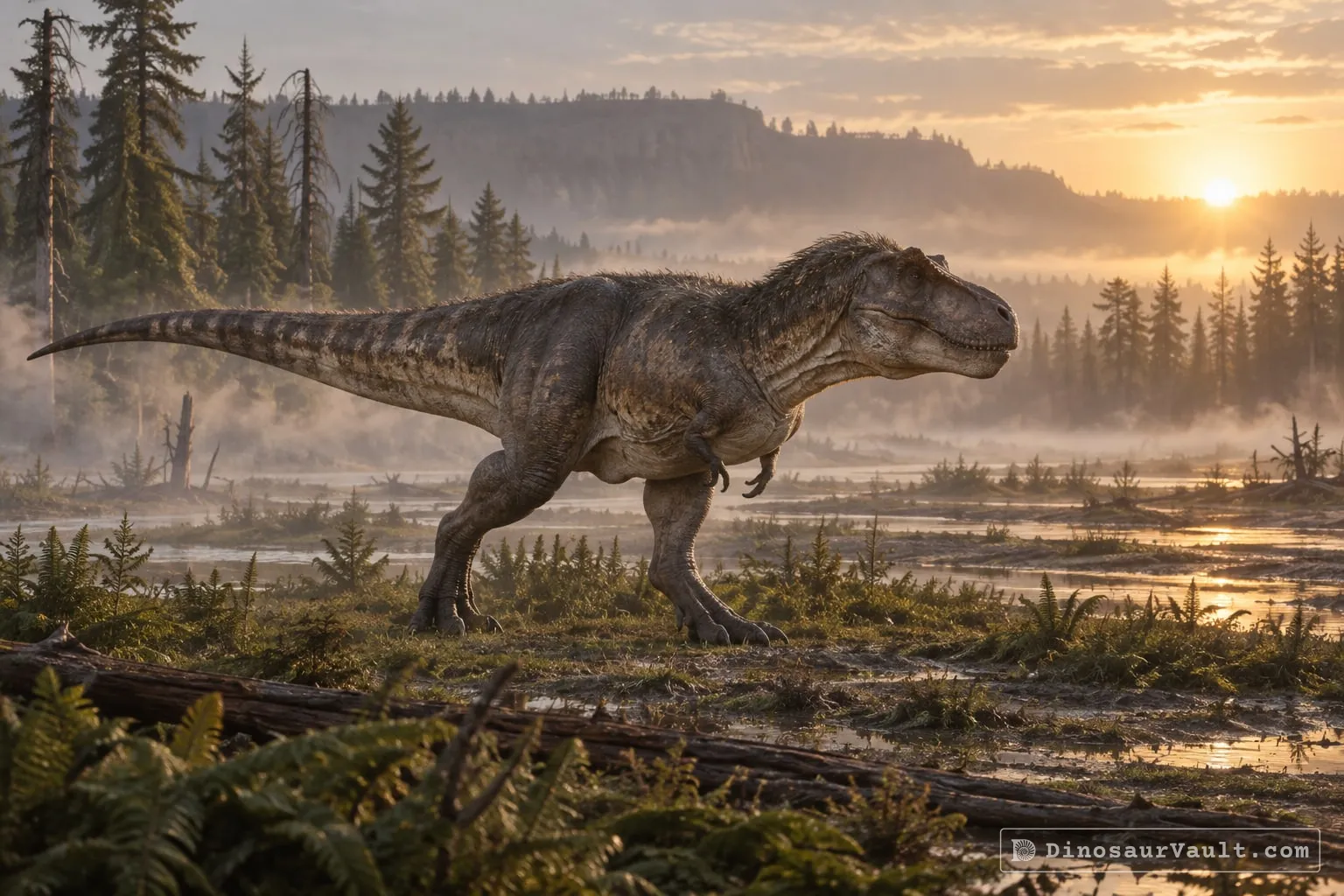
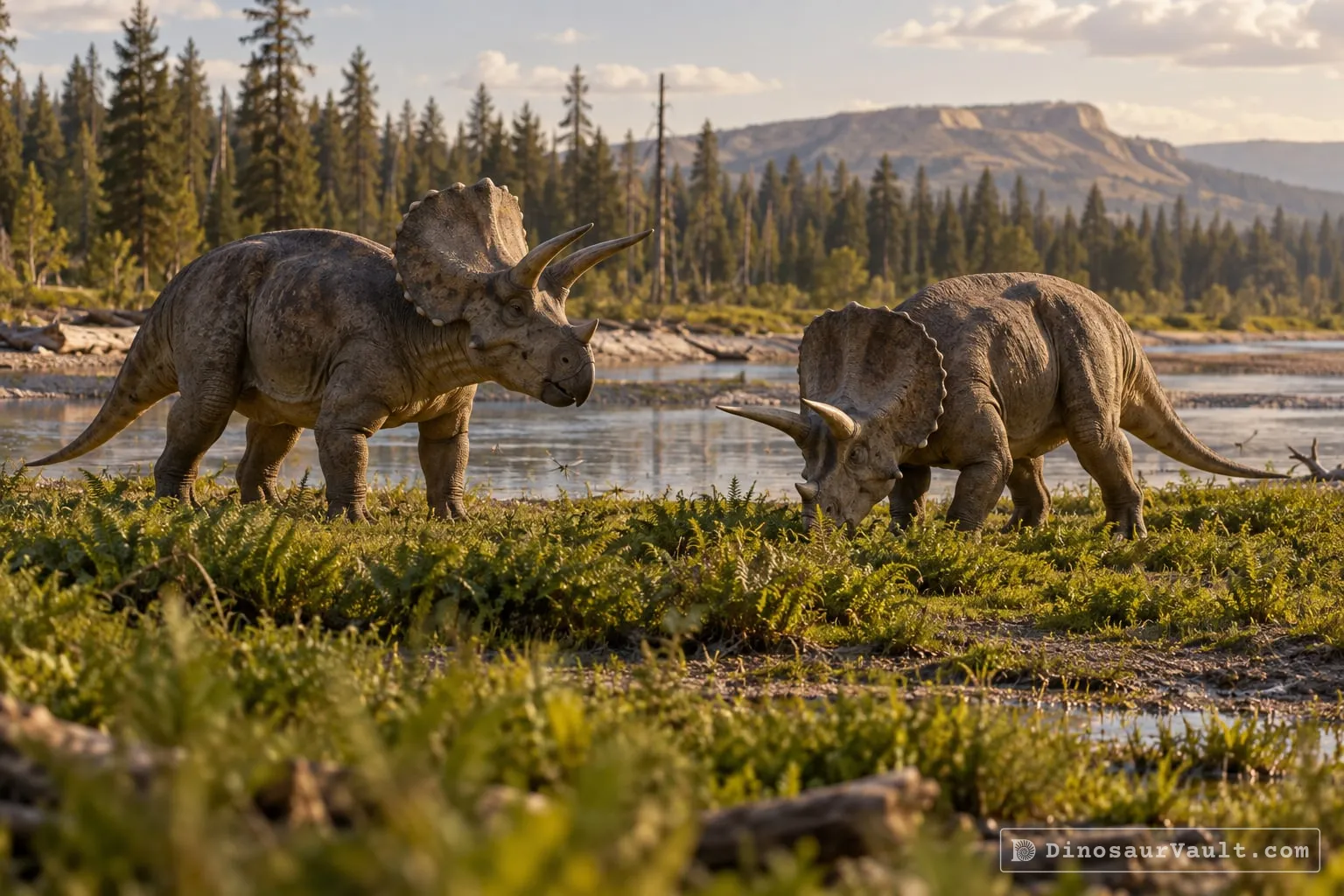
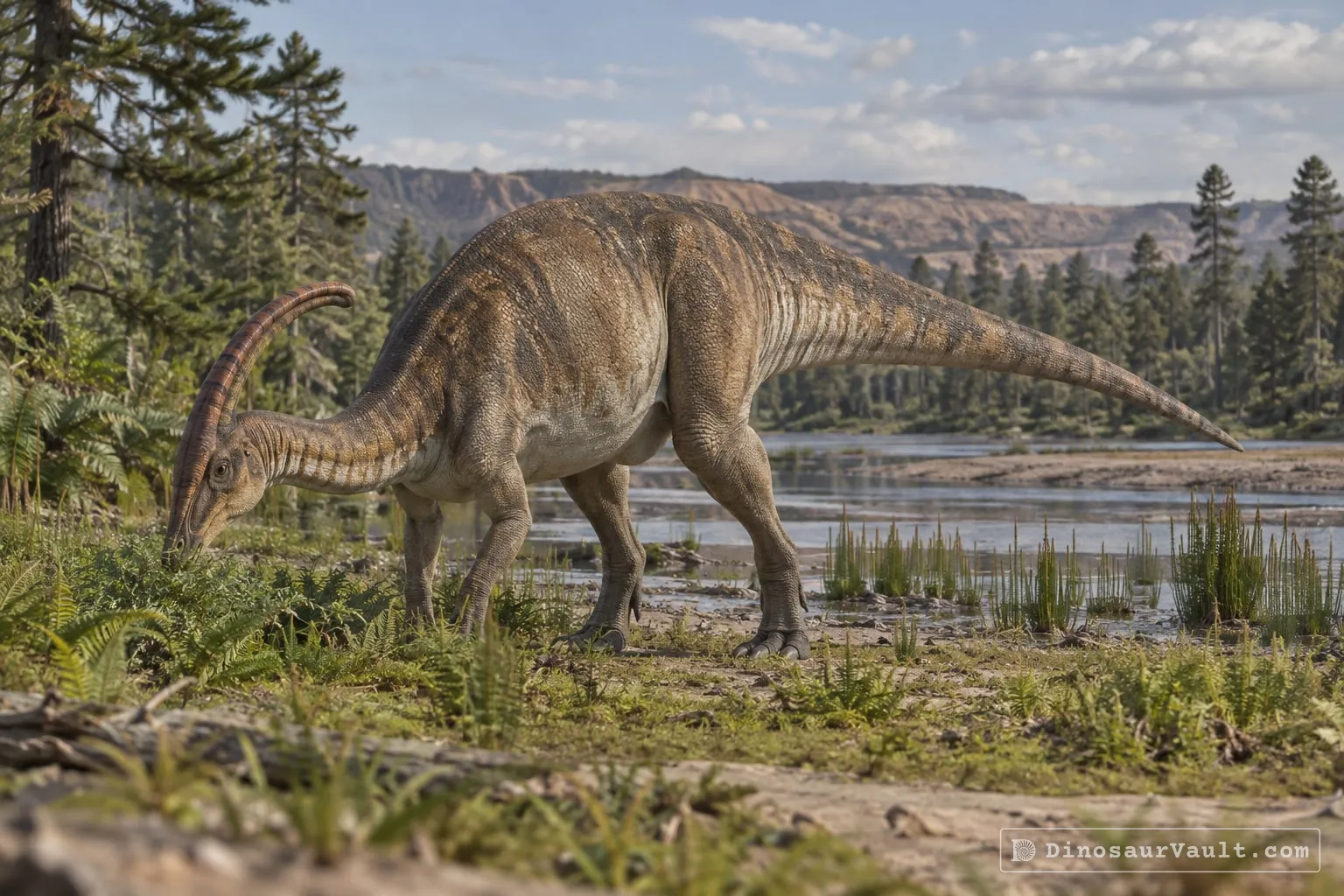


A rock formation can hold fossils laid down millions of years apart, so not every animal here met Velociraptor.
The evidence
The science behind Velociraptor
Which parts of the picture come from its own bones, and which come from its relatives.
From its own fossils
- Skeletons show a long, low skull with an upturned snout, a stiff tail and an enlarged curved claw on each foot.
- Small bumps on a forearm bone mark the attachment points of large feathers.
- A skeleton locked against Protoceratops preserves the animals apparently struggling when they died.
Borrowed from relatives
- Its own skeletons supply most of the body shape.
- Feathered relatives such as Microraptor help restore the feathers across the body and tail.
- Lips covering the teeth follow comparisons with other theropods and living reptiles.
Still unknown
- Its feather colors and the exact length of feathers across its body.
- How its proportions and plumage changed as it grew.
- Whether it hunted in packs or cared for its young.
Often drawn wrong
- A bare, scaly body leaves out the feathers supported by its forearm bones and feathered relatives.
- Its hands faced inward, with the palms toward each other rather than toward the ground.
- Its enlarged foot claws were held raised during ordinary walking rather than planted flat on the ground.
Discovery timeline
- 1924Named itOsborn
- 2007SkinTurner, Makovicky & Norell
- 2008Its worldDingus et al.
- 2010How it fedHone et al.
- 2023SkullCullen et al.
Key papers
The research behind what we know of Velociraptor
Named it
Named Velociraptor from a skull and an enlarged foot claw found in Mongolia.
Three new Theropoda, Protoceratops zone, central Mongolia. American Museum Novitates 144: 1-12
No link available
Skin
Found feather attachment bumps on a Velociraptor forearm bone, direct support for large feathers along its arms.
Feather quill knobs in the dinosaur Velociraptor. Science 317: 1721
Read the paper : Feather quill knobs in the dinosaur Velociraptor (opens in a new tab)Its world
Described dune sands, sand slides and temporary pond deposits in part of the dry landscape where Velociraptor lived.
The Geology of Ukhaa Tolgod (Djadokhta Formation, Upper Cretaceous, Nemegt Basin, Mongolia). American Museum Novitates 3616: 1
Read the paper : The Geology of Ukhaa Tolgod (Djadokhta Formation, Upper Cretaceous, Nemegt Basin, Mongolia) (opens in a new tab)How it fed
Teeth beside a bitten Protoceratops jaw suggested that Velociraptor scavenged meat from the carcass.
New evidence for a trophic relationship between the dinosaurs Velociraptor and Protoceratops. Palaeogeography, Palaeoclimatology, Palaeoecology 291: 488-492
Read the paper : New evidence for a trophic relationship between the dinosaurs Velociraptor and Protoceratops (opens in a new tab)Skull
Comparisons with living reptiles supported lips covering theropod teeth, a useful guide to restoring the closed mouth of Velociraptor.
Theropod dinosaur facial reconstruction and the importance of soft tissues in paleobiology. Science 379: 1348-1352
Read the paper : Theropod dinosaur facial reconstruction and the importance of soft tissues in paleobiology (opens in a new tab)
Close relatives
Other members of Dromaeosauridae


Sources: Wikidata