Zuul
- Lived
- 84 to 72 million years ago, Late Cretaceous
- Diet
- Herbivore
- Length
- about 6 m (20 ft)
- Group
- Ankylosaurs, Ankylosauridae
- Found in
- United States
- Named by
- Arbour and Evans 2017
Size comparison
To scale


Scale in meters
Where its fossils were found
The evidence
Today

80 million years ago
Habitat
It lived on a river plain in what is now Montana, near the Western Interior Seaway. Regional dinosaurs included Gorgosaurus, Daspletosaurus and Corythosaurus.
A Dinosaur Vault film
This Dinosaur's Armor Recorded Its Fights
Zuul's fossil preserves broken flank spikes that healed while it was alive, right where another tail club could reach. The likely culprit was another Zuul.
Subscribe on YouTubeField notes
About Zuul
What it was like
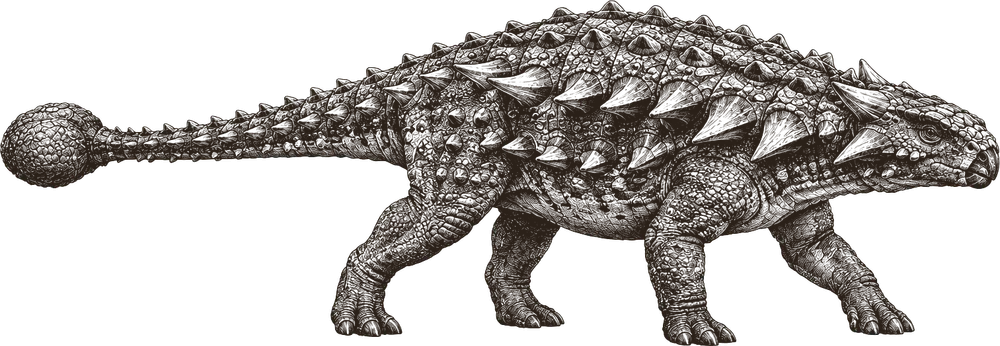
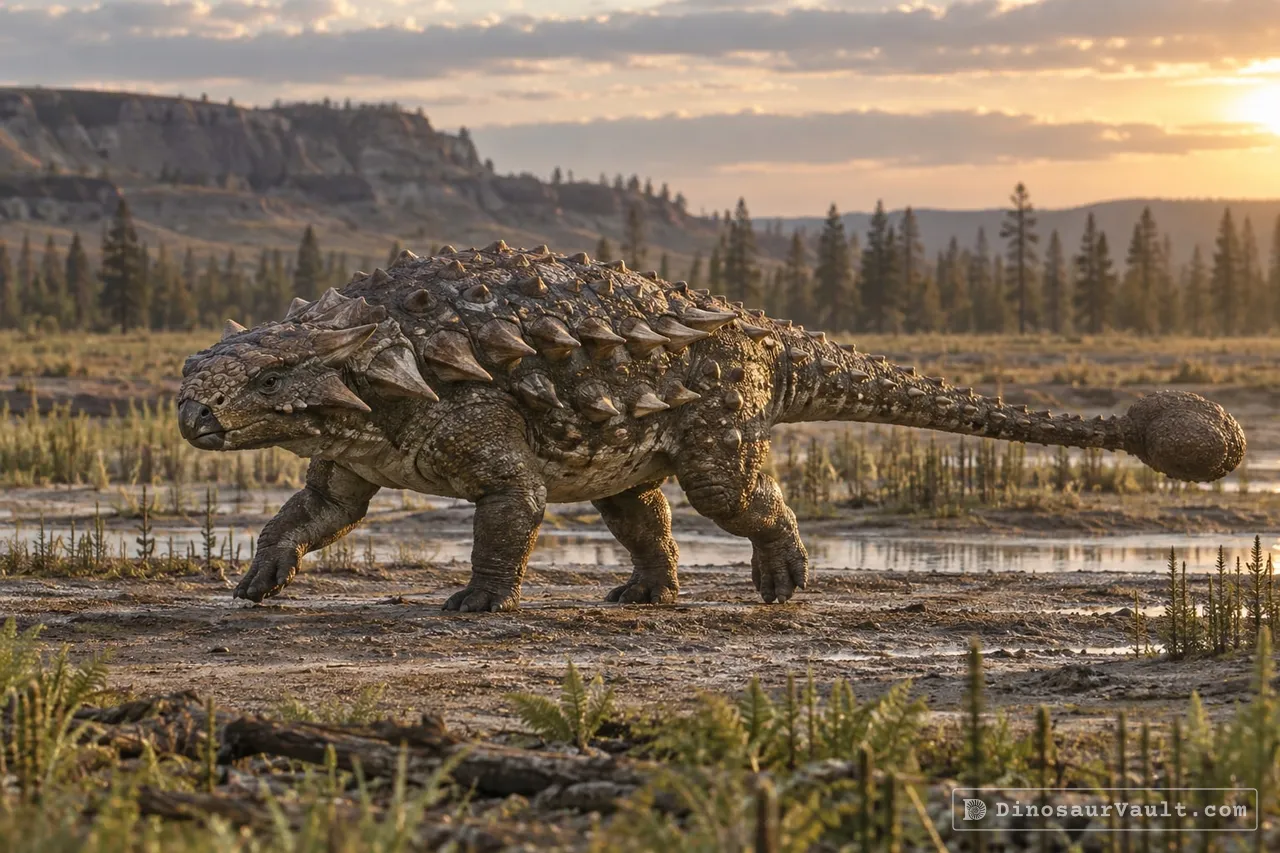
Zuul was a heavily armored ankylosaur, built low and wide on four sturdy legs, with a tail ending in a heavy, rounded club. Its skeleton is remarkably complete, preserving skin impressions and armor still in their original positions on the body, along with traces of the keratin that once covered the bony plates. It is considered one of the most complete ankylosaurid skeletons found in North America.
Its world
Zuul lived from about 84 to 72 million years ago, during the Late Cretaceous, in what is now Montana in the United States. Its fossil comes from the Judith River Formation, where it shared its world with predators such as Gorgosaurus, Albertosaurus, and Daspletosaurus, along with other dinosaurs including Troodon and Corythosaurus.
How it was found
Arbour and Evans named Zuul in 2017, from a single, exceptionally complete skeleton. The genus takes its name from a monster in a work of fiction, continuing a playful tradition of naming fierce dinosaurs after fictional creatures. Zuul is closely related to Euoplocephalus and Ankylosaurus, and its fine preservation has taught paleontologists a great deal about how ankylosaurs were armored in life.
Field gallery
More views of Zuul
Scenes reconstructed from the available fossil evidence.
1 of 7
Lived alongside
Found in the same rock formations
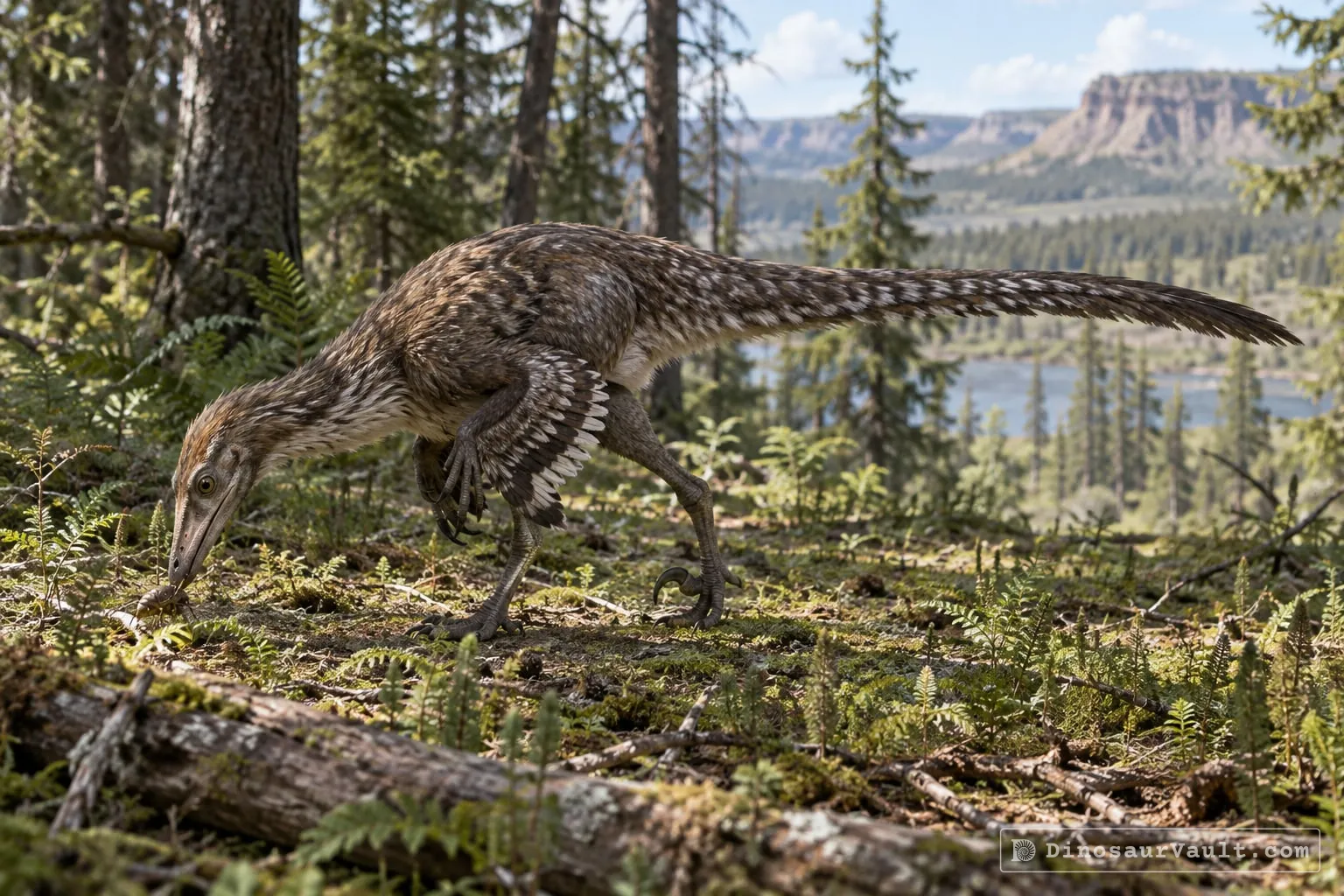
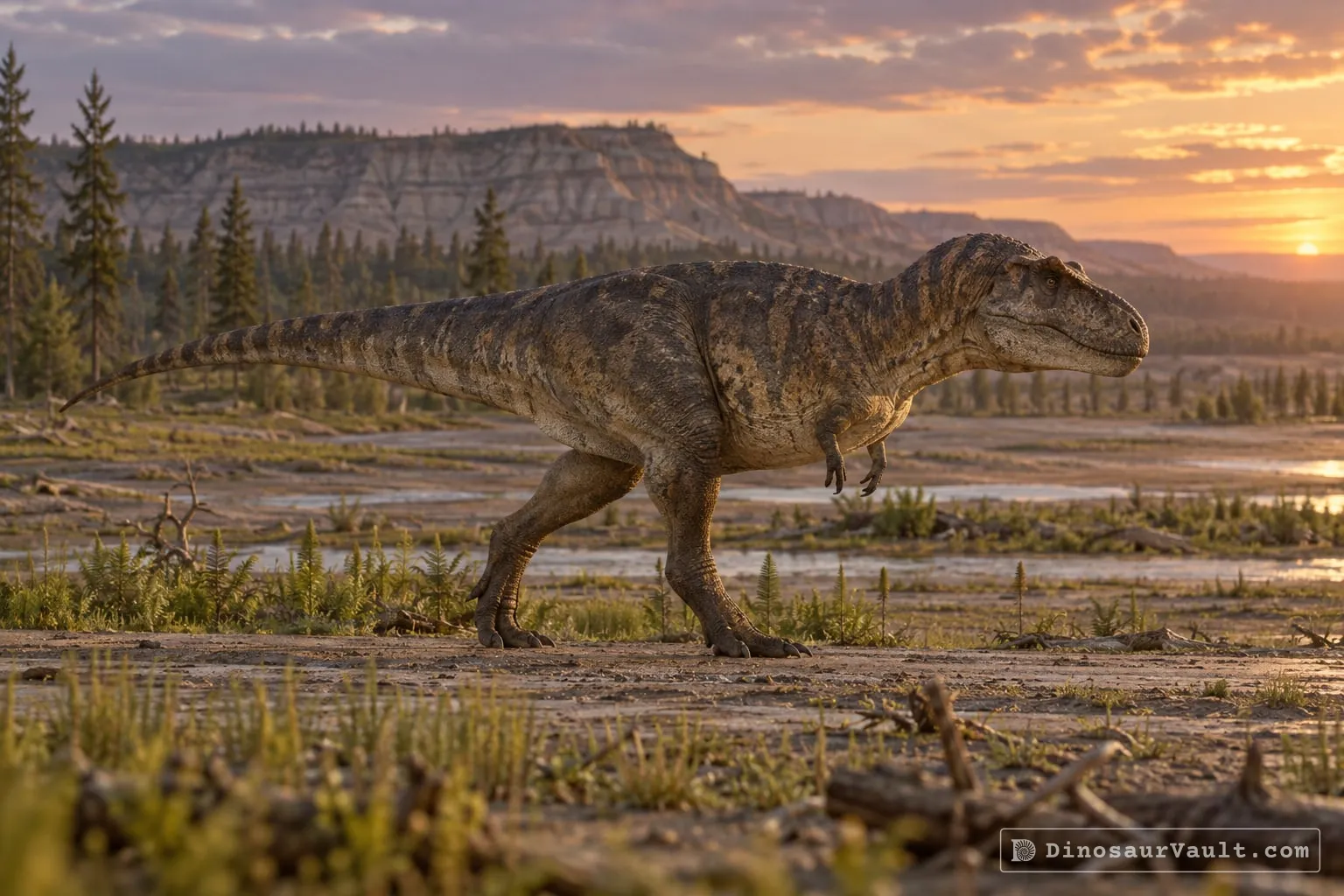
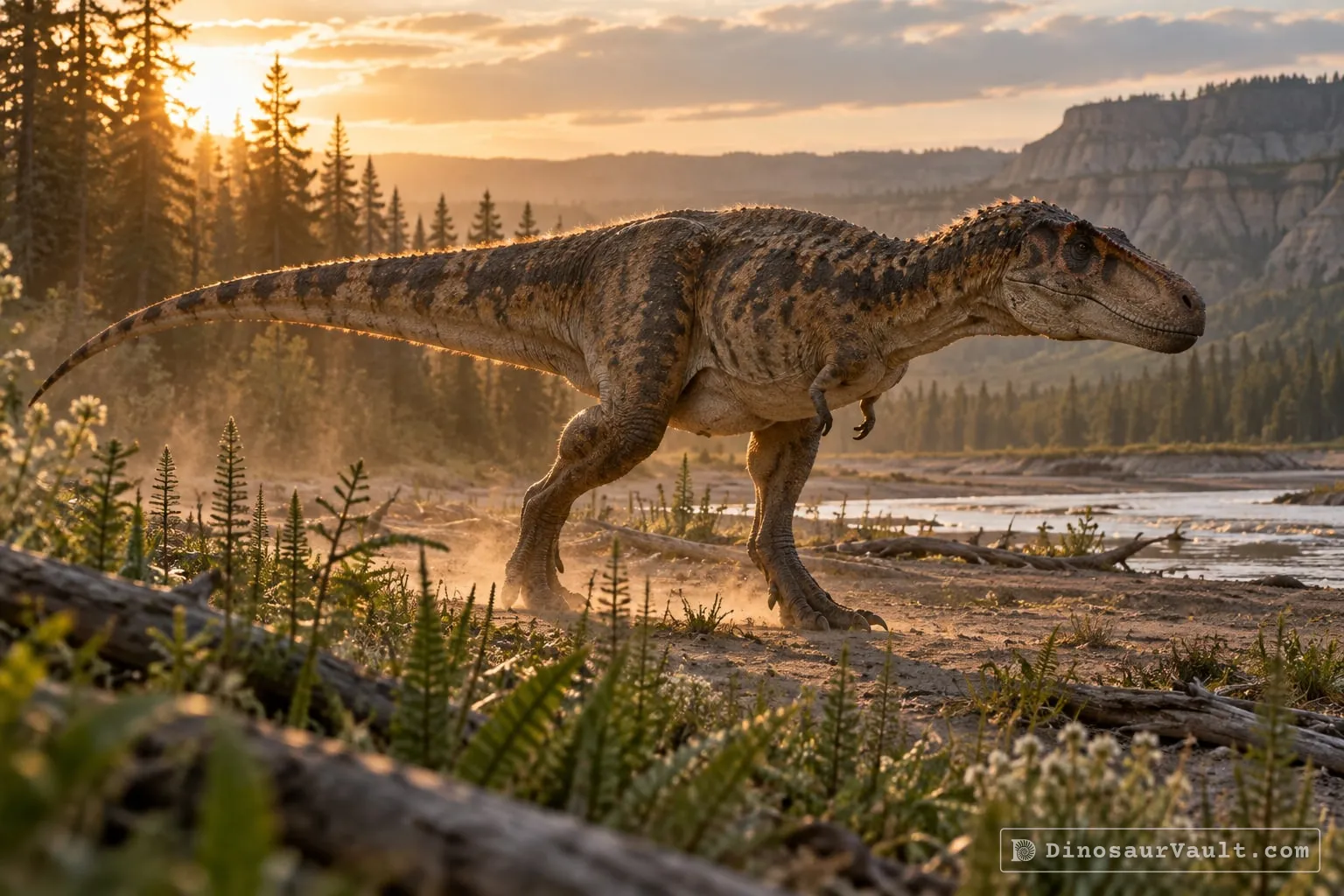
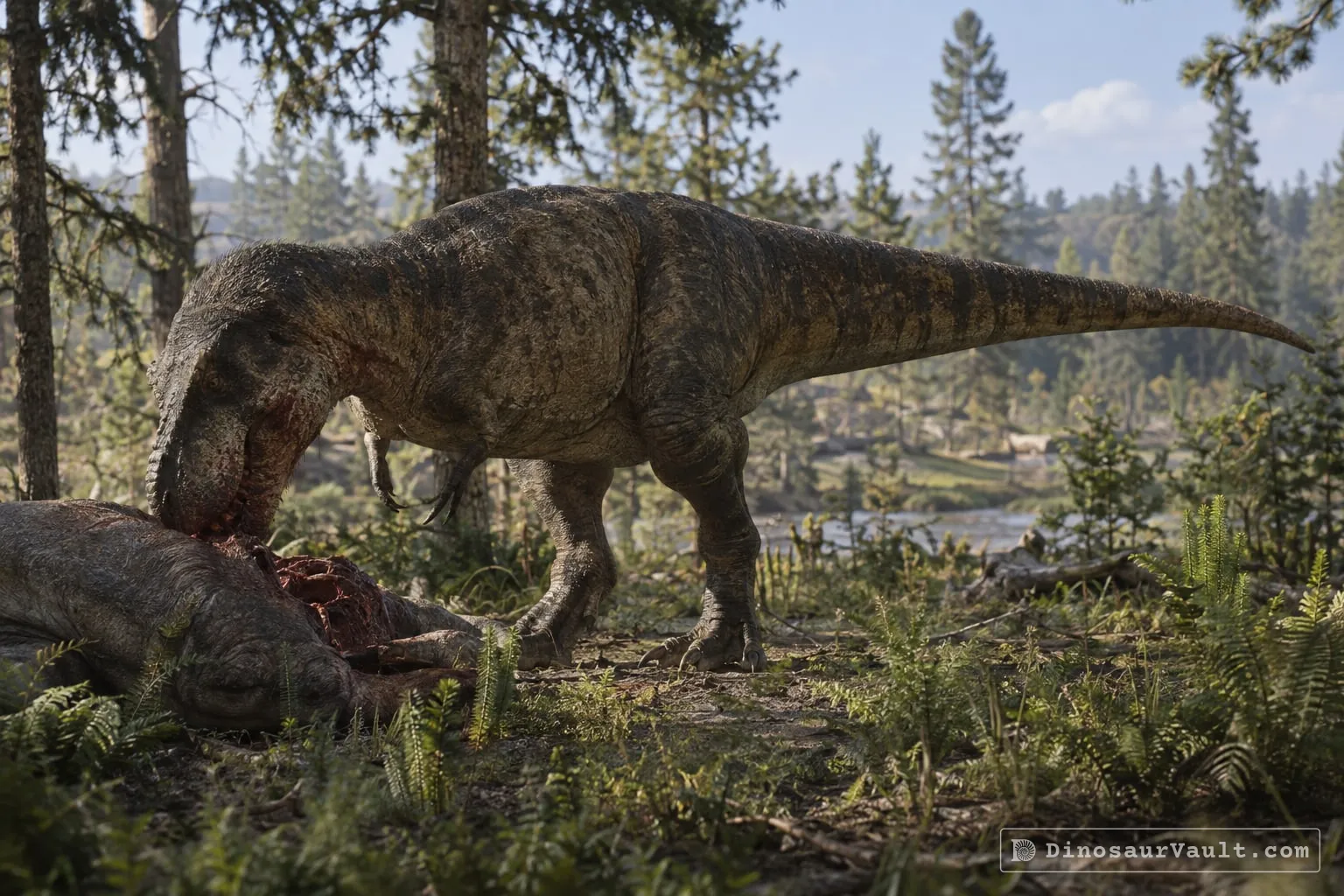
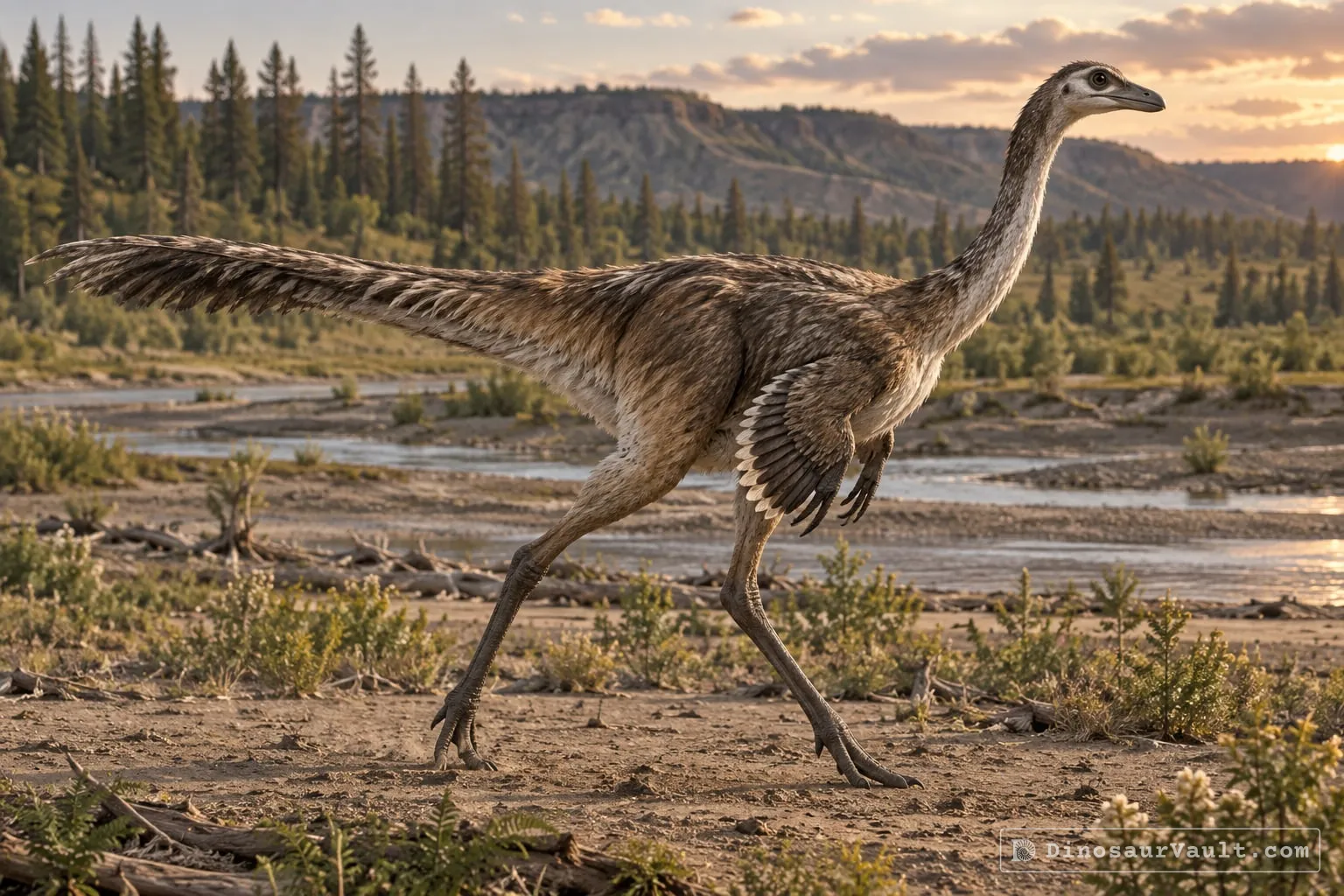
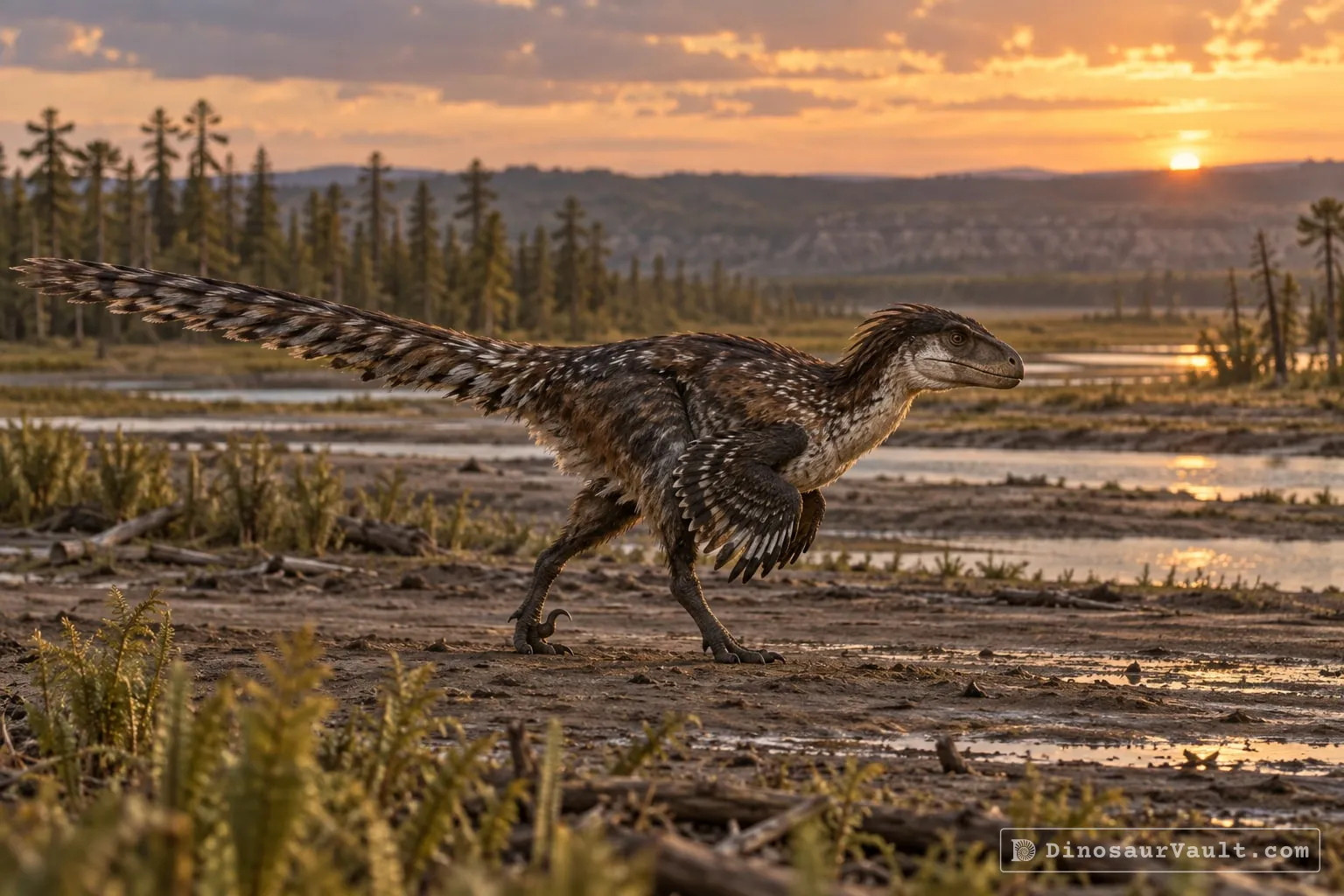
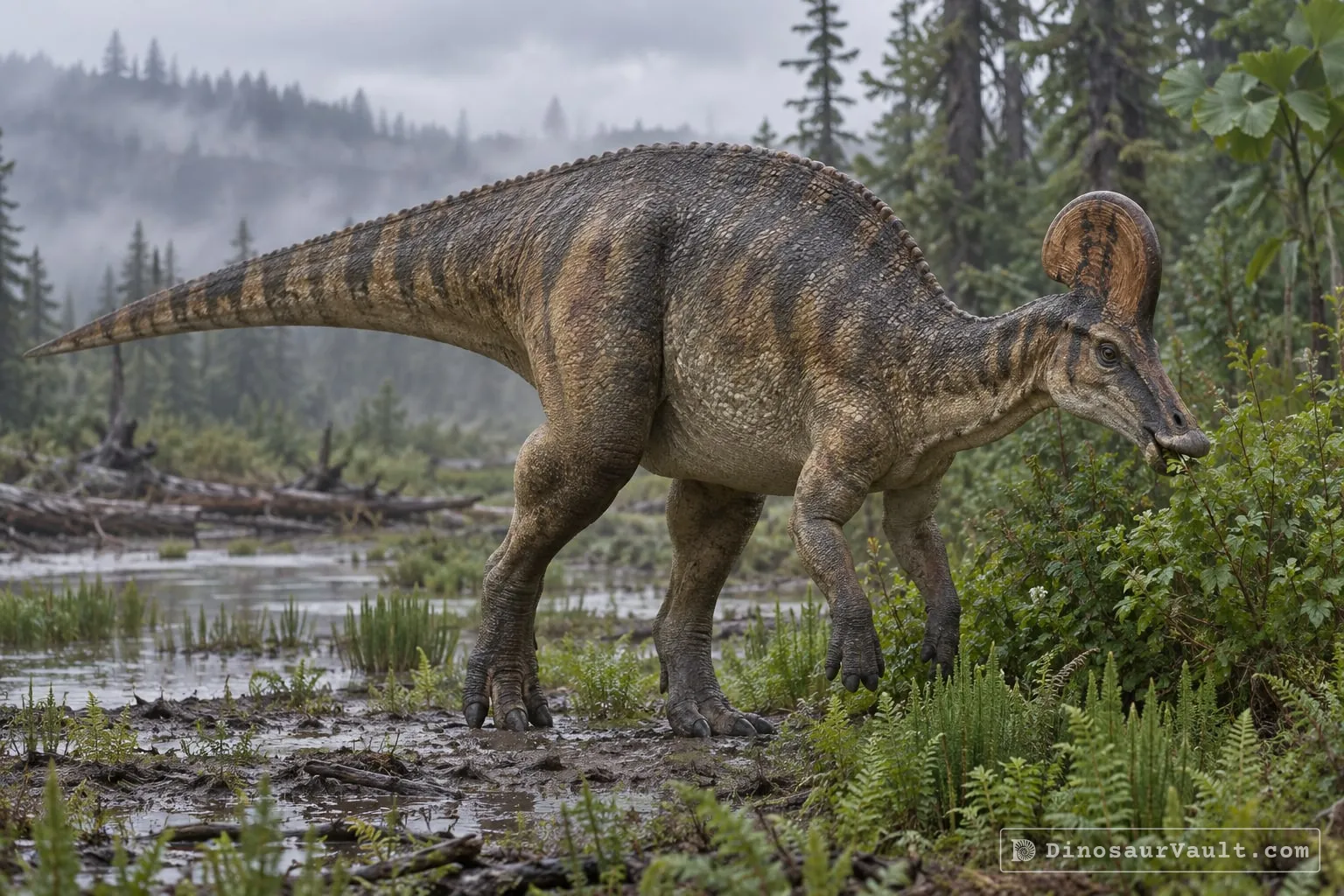
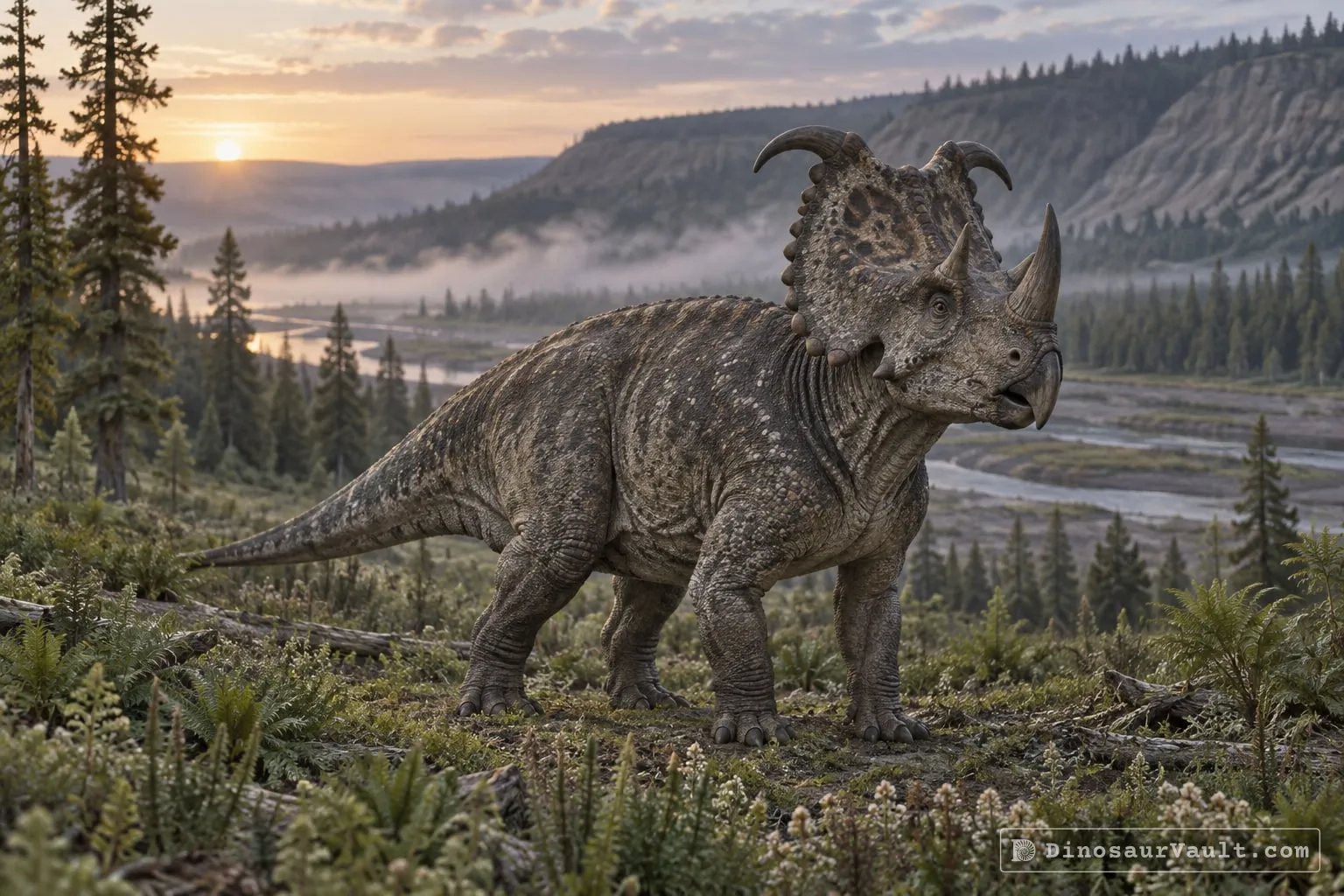


A rock formation can hold fossils laid down millions of years apart, so not every animal here met Zuul.
The evidence
The science behind Zuul
Which parts of the picture come from its own bones, and which come from its relatives.
From its own fossils
- An exceptionally complete skeleton preserves a broad skull, rearward horns and a long tail ending in a heavy club.
- Skin and keratin coverings survive around bony armor plates still arranged on the body.
- Some spikes along its flanks were damaged and healed while the animal was alive.
Borrowed from relatives
- Much of its body and armor is known from its own skeleton.
- Comparisons with Euoplocephalus help estimate the muscles that swung its tail club.
Still unknown
- Its living color.
- The appearance and growth of its young.
- Exactly how rivals fought with their tail clubs.
Discovery timeline
- 2009Close relativeArbour
- 2017Named itArbour & Evans
- 2022Full descriptionArbour, Zanno & Evans
Key papers
The research behind what we know of Zuul
Close relative
Models of related ankylosaurs suggested that large tail clubs could strike hard enough to break bone, helping explain the weapon carried by Zuul.
Estimating Impact Forces of Tail Club Strikes by Ankylosaurid Dinosaurs. PLoS ONE 4: e6738
Read the paper : Estimating Impact Forces of Tail Club Strikes by Ankylosaurid Dinosaurs (opens in a new tab)Named it
Named Zuul from an exceptionally complete armored skeleton with skin, keratin coverings and a clubbed tail.
A new ankylosaurine dinosaur from the Judith River Formation of Montana, USA, based on an exceptional skeleton with soft tissue preservation. Royal Society Open Science 4: 161086
Read the paper : A new ankylosaurine dinosaur from the Judith River Formation of Montana, USA, based on an exceptional skeleton with soft tissue preservation (opens in a new tab)Full description
Healed damage to the flank spikes of Zuul supports the idea that ankylosaurs used their tail clubs in fights with rivals.
Palaeopathological evidence for intraspecific combat in ankylosaurid dinosaurs. Biology Letters 18
Read the paper : Palaeopathological evidence for intraspecific combat in ankylosaurid dinosaurs (opens in a new tab)
Close relatives
Other members of Ankylosauridae


Sources: Wikidata