Outline: a typical theropod
Avimimus
AY-vih-MY-mus
"bird mimic"
Type species Avimimus portentosus
- Lived
- 84 to 66 million years ago, Late Cretaceous
- Diet
- Omnivore
- Length
- about 1.5 m (5 ft)
- Group
- Theropods
- Found in
- Mongolia and Canada
- Named by
- Kurzanov 1981
Size comparison
To scale

Scale in metersOutline: typical theropod shape
Where its fossils were found
The evidence
Today
75 million years ago
Field notes
About Avimimus
What it was like
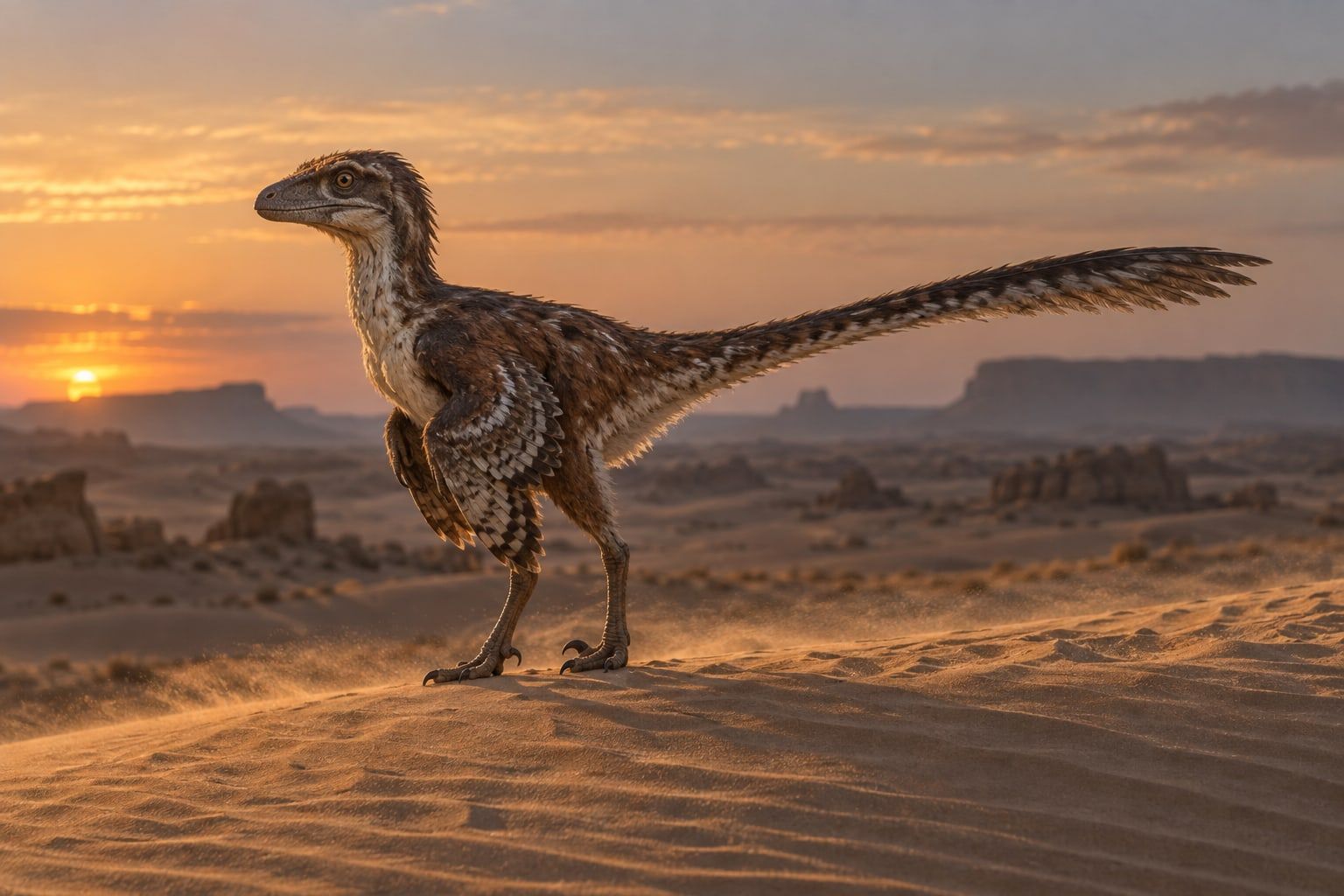
Avimimus was a small, bird-like dinosaur about 1.5 meters (5 feet) long. It had long legs for running, a short beak-like snout with a few tiny teeth and feathered arms. It belonged to the oviraptorosaurs and probably ate a mix of plants and small animals.
Its world
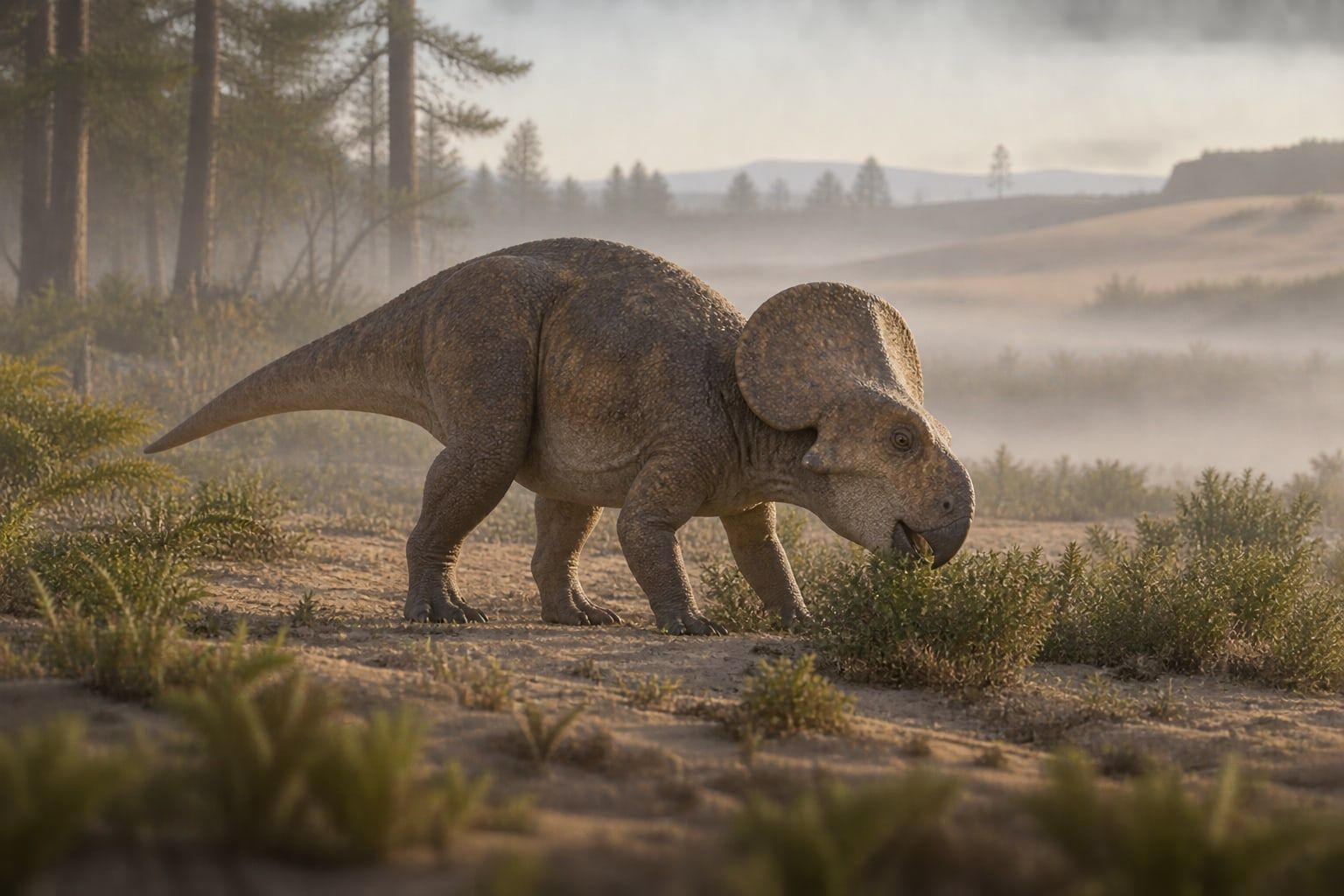
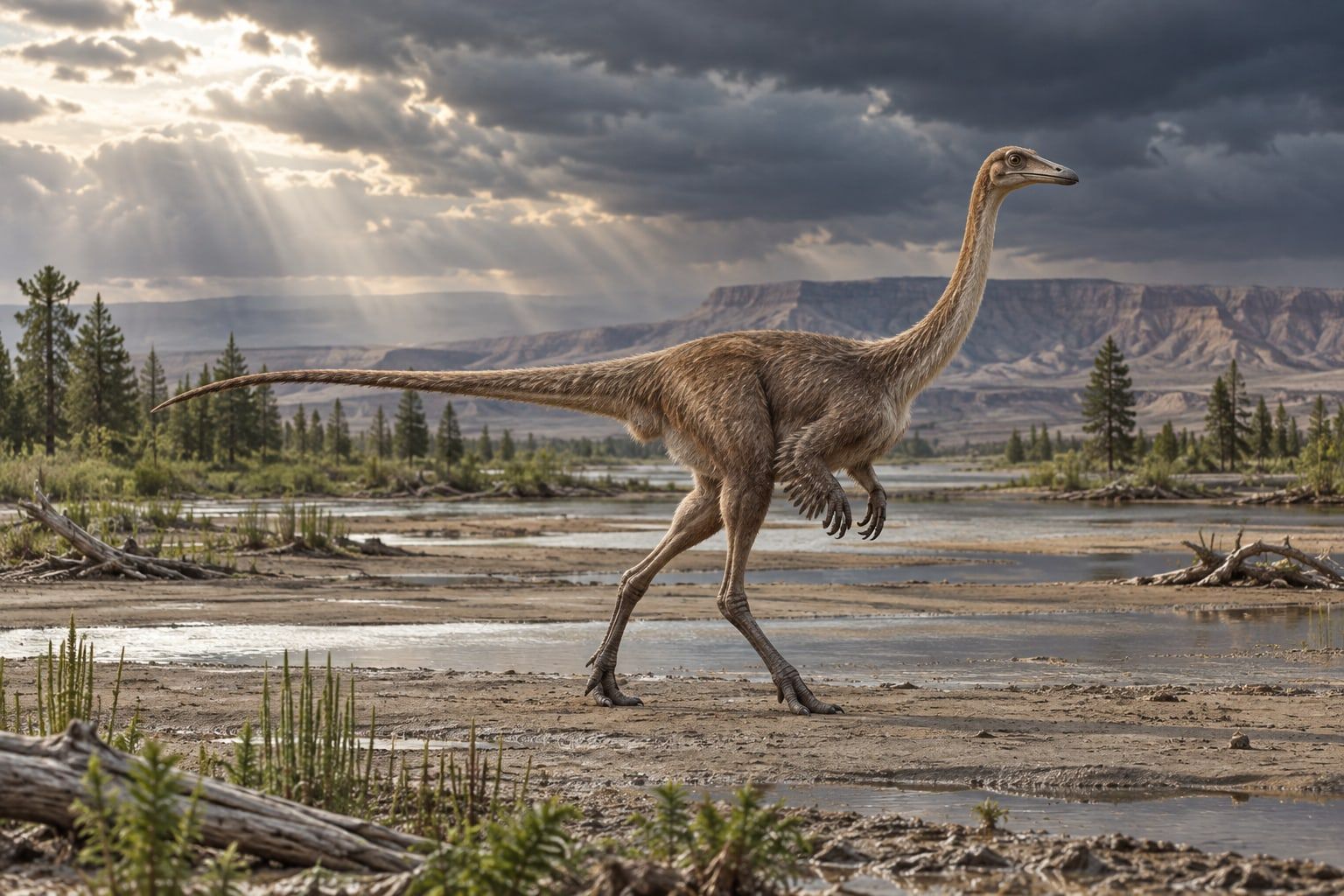
It lived in the Late Cretaceous in what is now Mongolia. Its bones come from the Nemegt and Baruungoyot formations, and it shared these lands with the ostrich-like Gallimimus and the armored Tarchia. Bones from Alberta, Canada have also been linked to it.
How it was found
Kurzanov named Avimimus in 1981. The type species is Avimimus portentosus. A bonebed in the Nemegt Formation holds several individuals together, which suggests that it may have lived in groups.
Lived alongside
Found in the same rock formations
Close relatives
Other members of Oviraptorosauria
Sources: WikidataNamed in: S. M. Kurzanov. 1981. O neobuchnykh teropodakh iz verkhnego mela MNR [An unusual theropod from the Upper Cretaceous of Mongolia]. Fossil Reptiles of Mongolia. Sovmestnaya Sovetsko-Mongol'skaya Paleontologicheskaya Ekspeditsiya, Trudy [The Joint Soviet-Mongolian Paleontological Expedition, Transactions] 24:39-50