Pinacosaurus
pin-AK-oh-SORE-us
"plank lizard"
- Lived
- 86 to 72 million years ago, Late Cretaceous
- Diet
- Herbivore
- Length
- about 5 m (16 ft)
- Group
- Ankylosaurs, Ankylosauridae
- Found in
- Mongolia and China
- Named by
- Gilmore 1933
Size comparison
To scale


Scale in metersOutline: typical ankylosaur shape
Where its fossils were found
The evidence
Today

80 million years ago
Habitat
Dry plains and sand dunes in Mongolia and China were home to Pinacosaurus. Protoceratops, Velociraptor and Saurornithoides lived in the same formations.
Field notes
About Pinacosaurus
What it was like
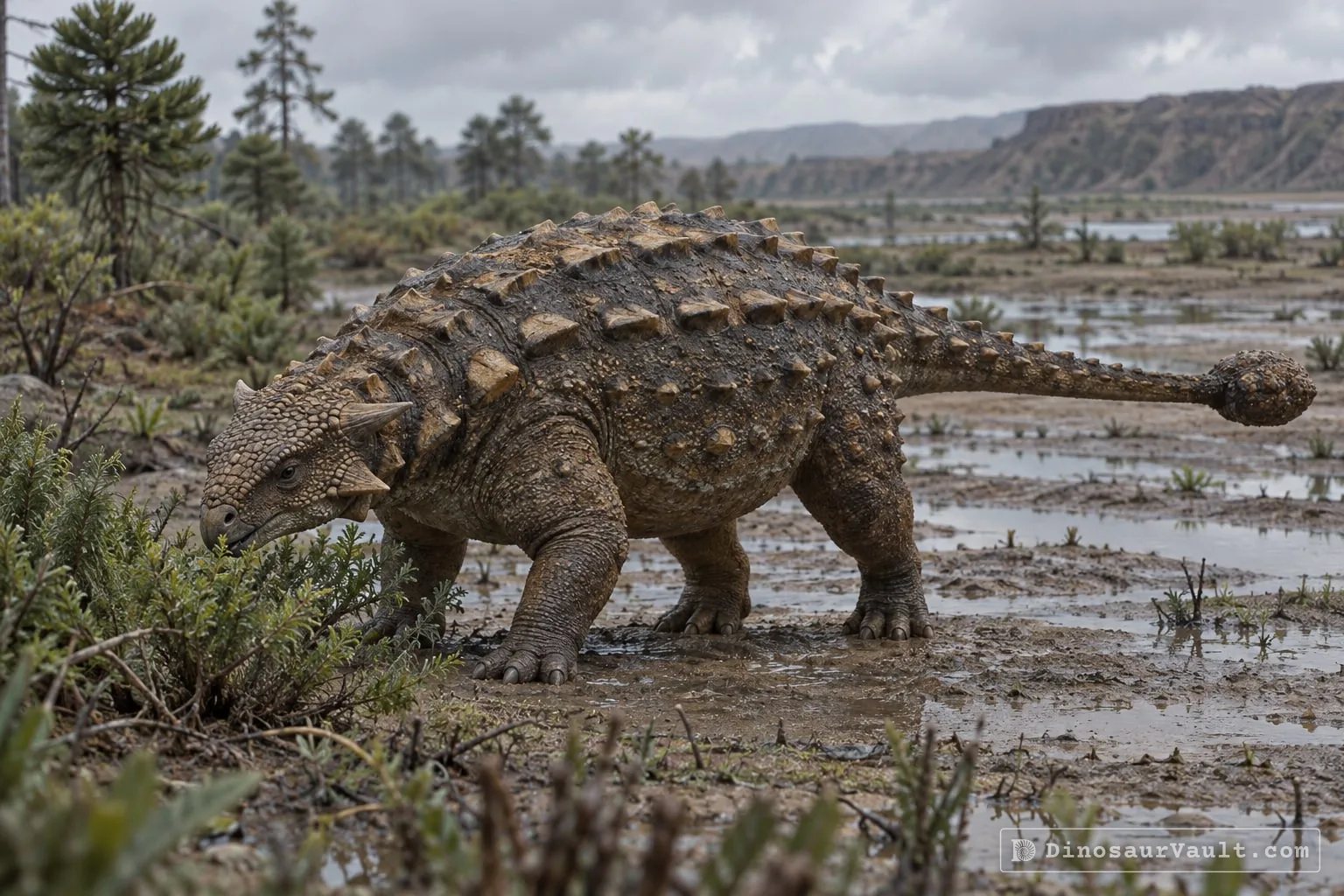
Pinacosaurus was an armored plant eater about 5 meters (16 feet) long, with a low, wide body covered in bony plates and a club at the end of its tail. It was lighter and more slender than its big North American cousin Ankylosaurus.
Its world
It lived about 86 to 72 million years ago, in the Late Cretaceous, in what is now Mongolia and China. Its homeland was dry, with sand dunes, and its bones come from rocks such as the Djadokhta and Bayan Mandahu formations. It shared that world with Protoceratops and the small feathered hunter Velociraptor.
How it was found
Gilmore named Pinacosaurus in 1933. With 22 recorded finds, it is one of the best known armored dinosaurs. Many of the skeletons are young animals found close together, which suggests that the young may have lived in groups.
Field gallery
More views of Pinacosaurus
Scenes reconstructed from the available fossil evidence.
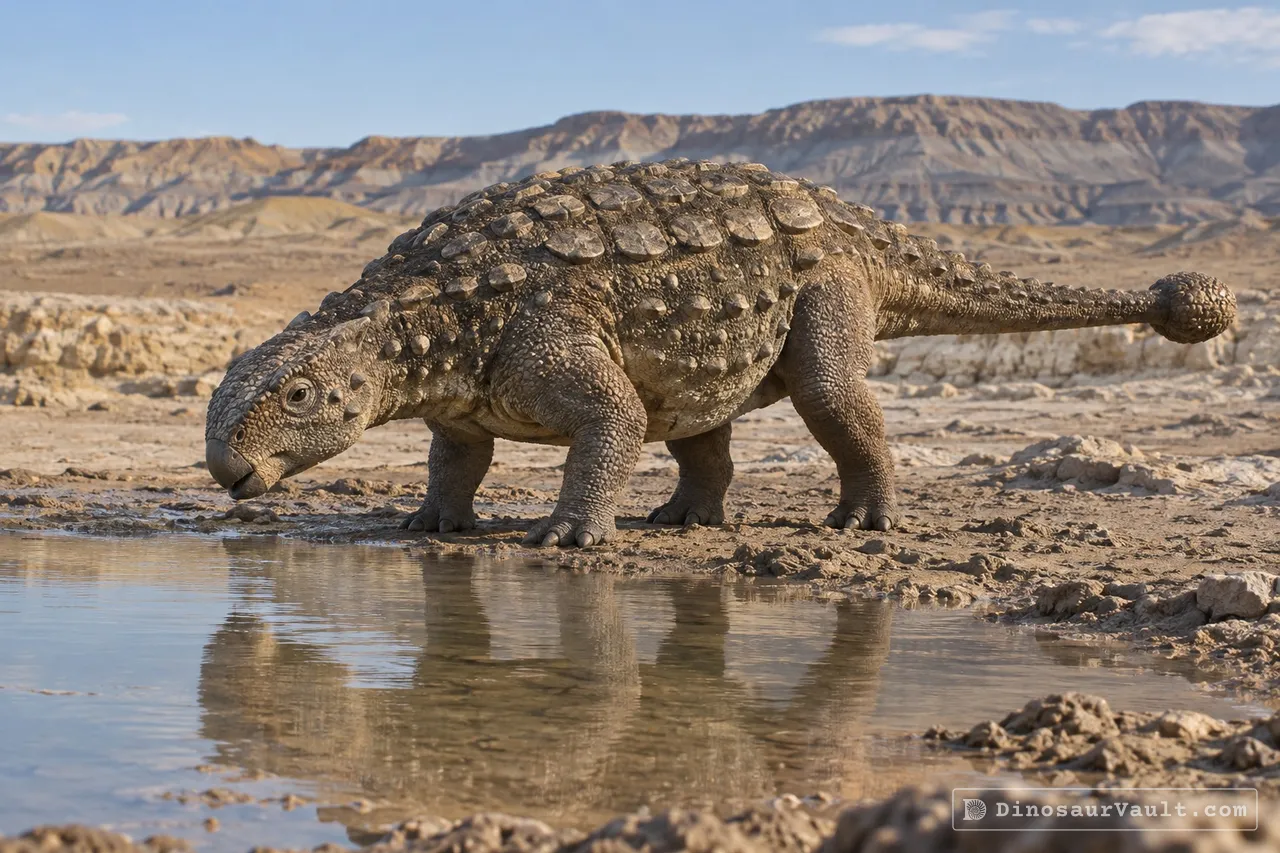
1 of 3
Lived alongside
Found in the same rock formations
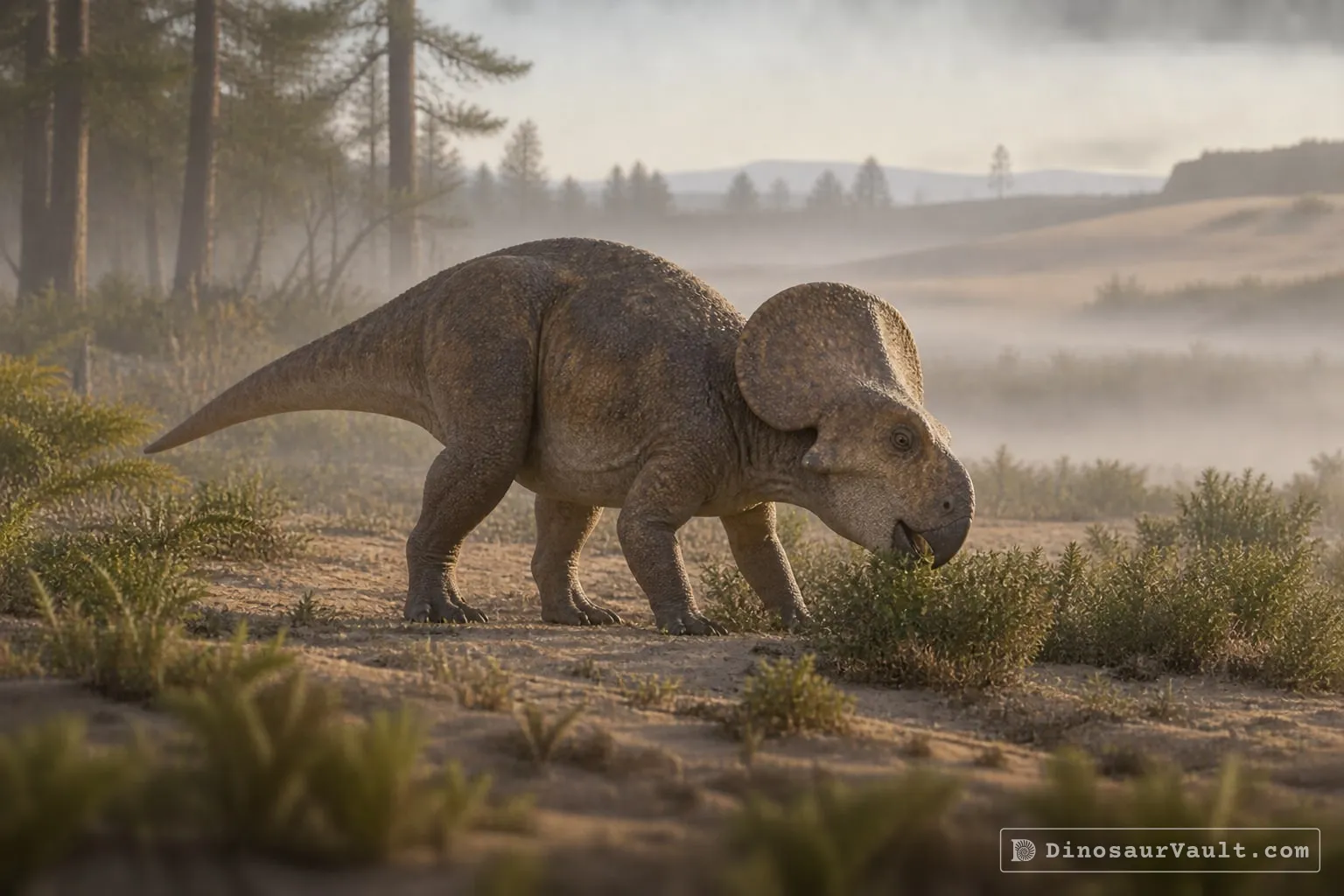
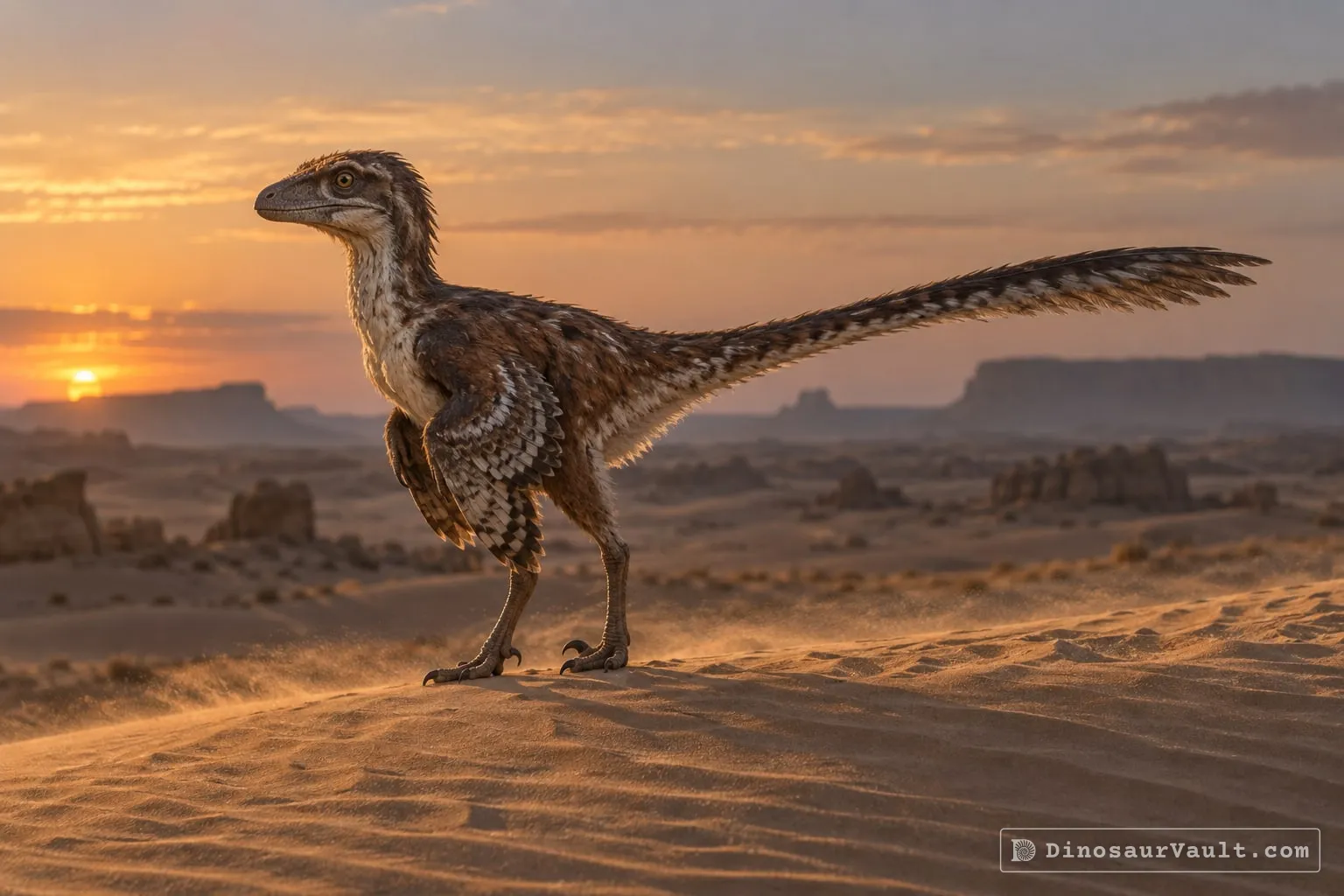
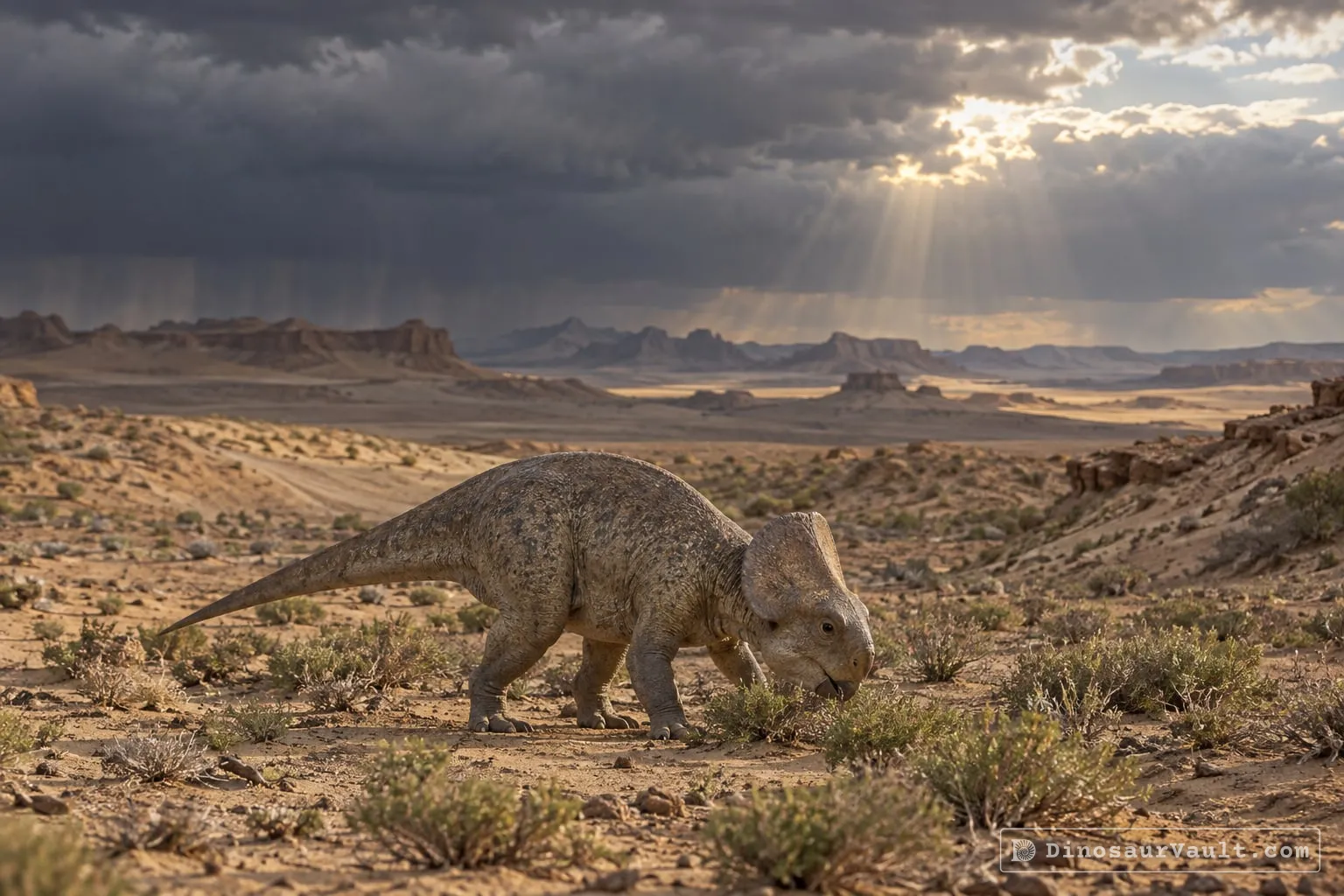
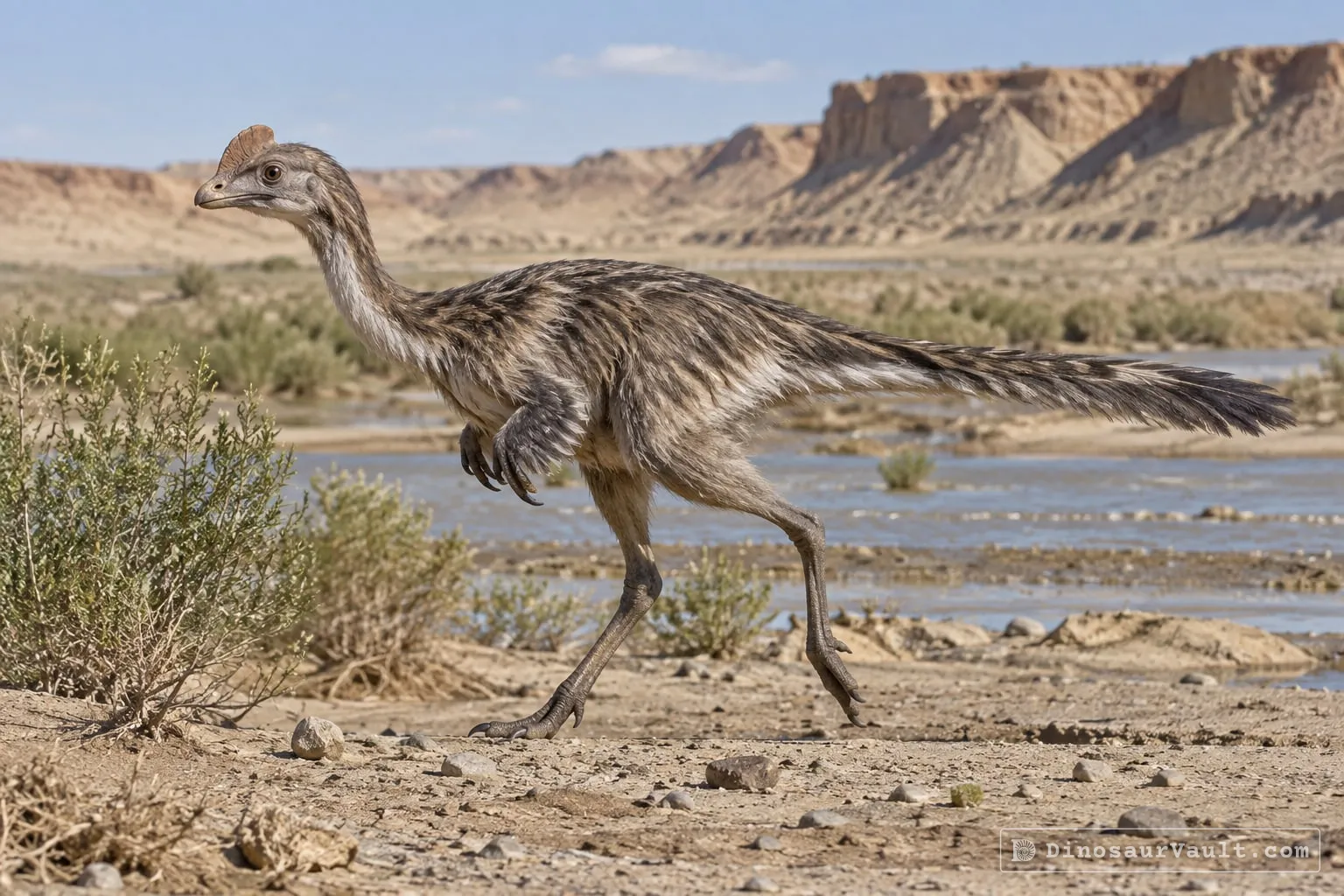
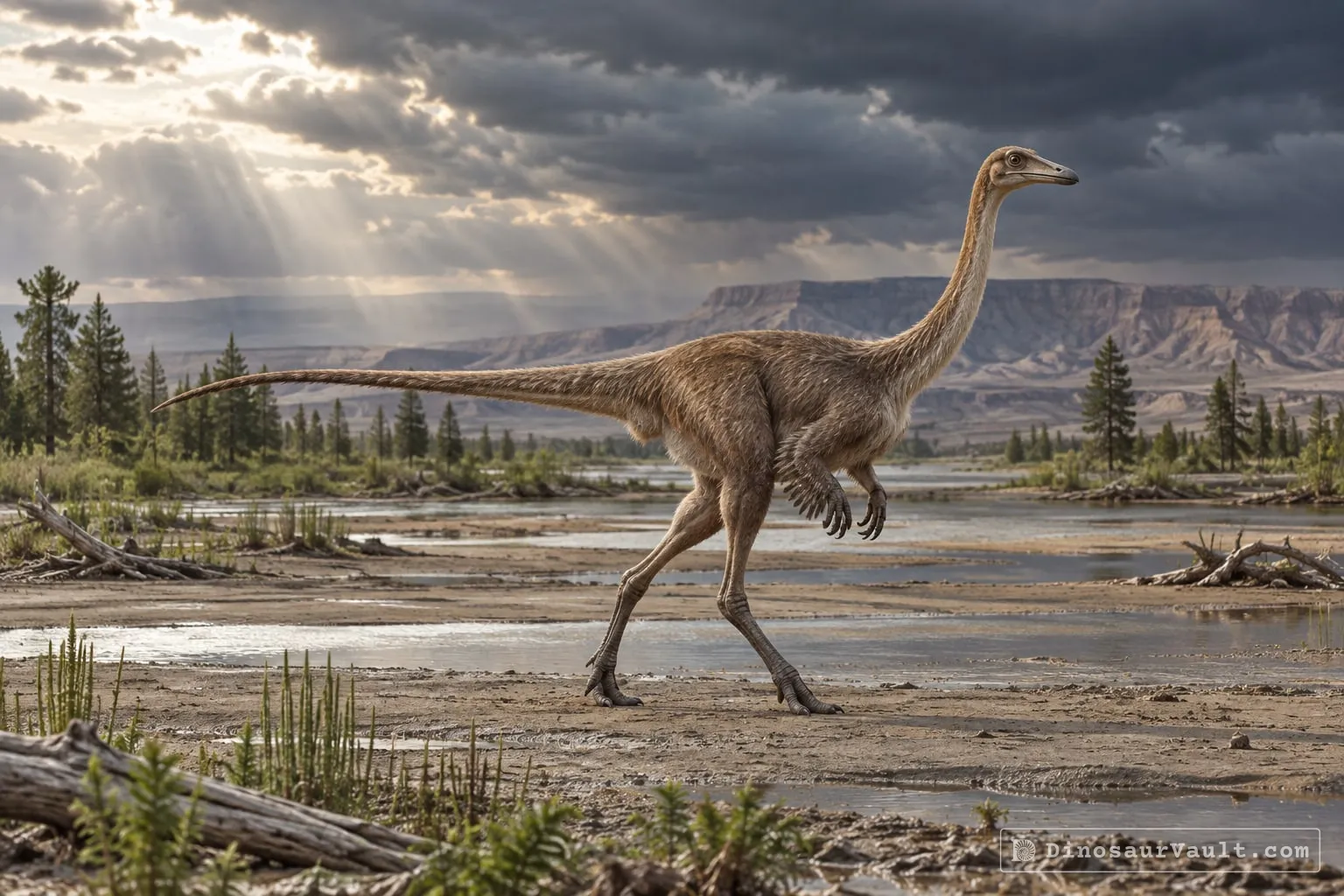
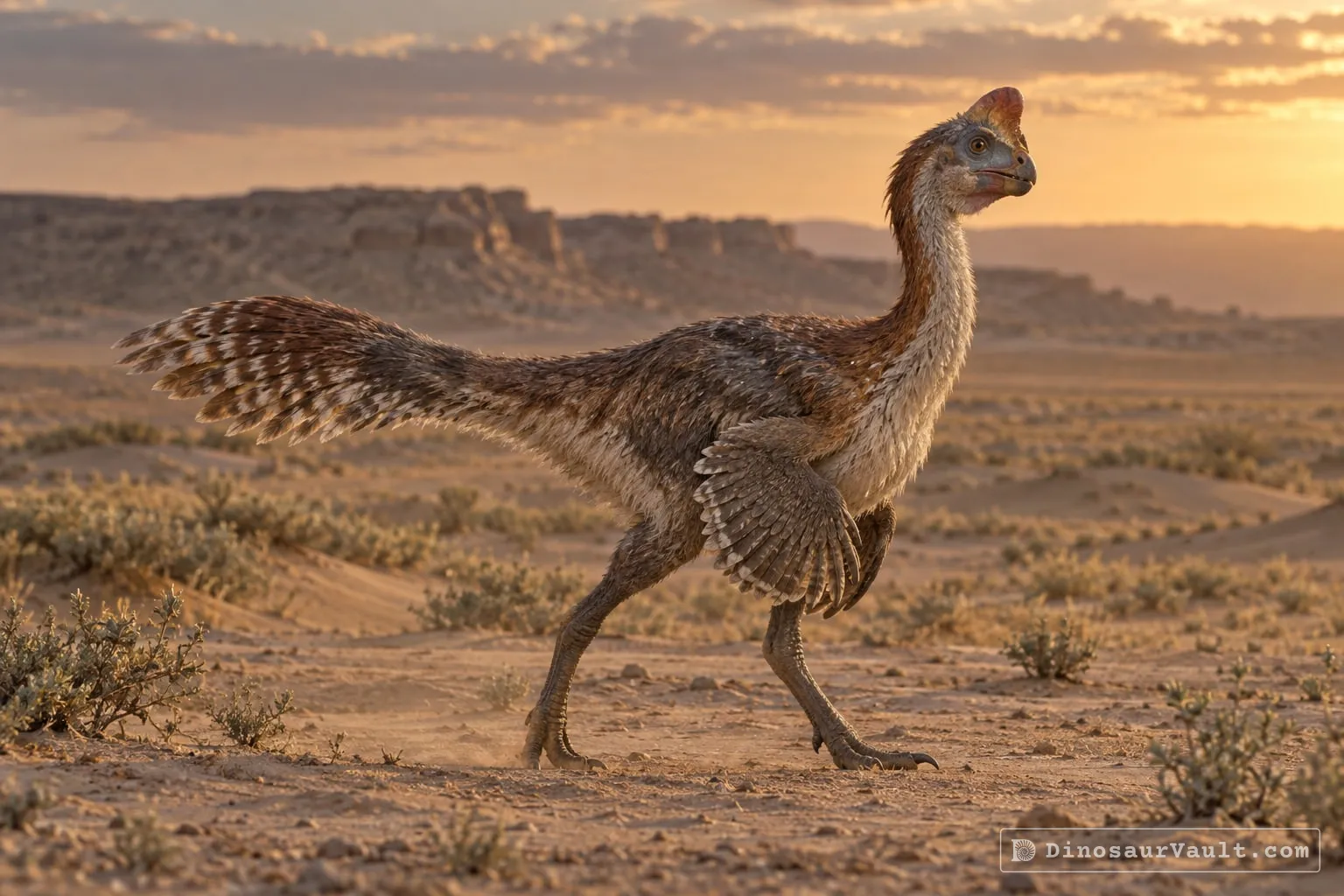
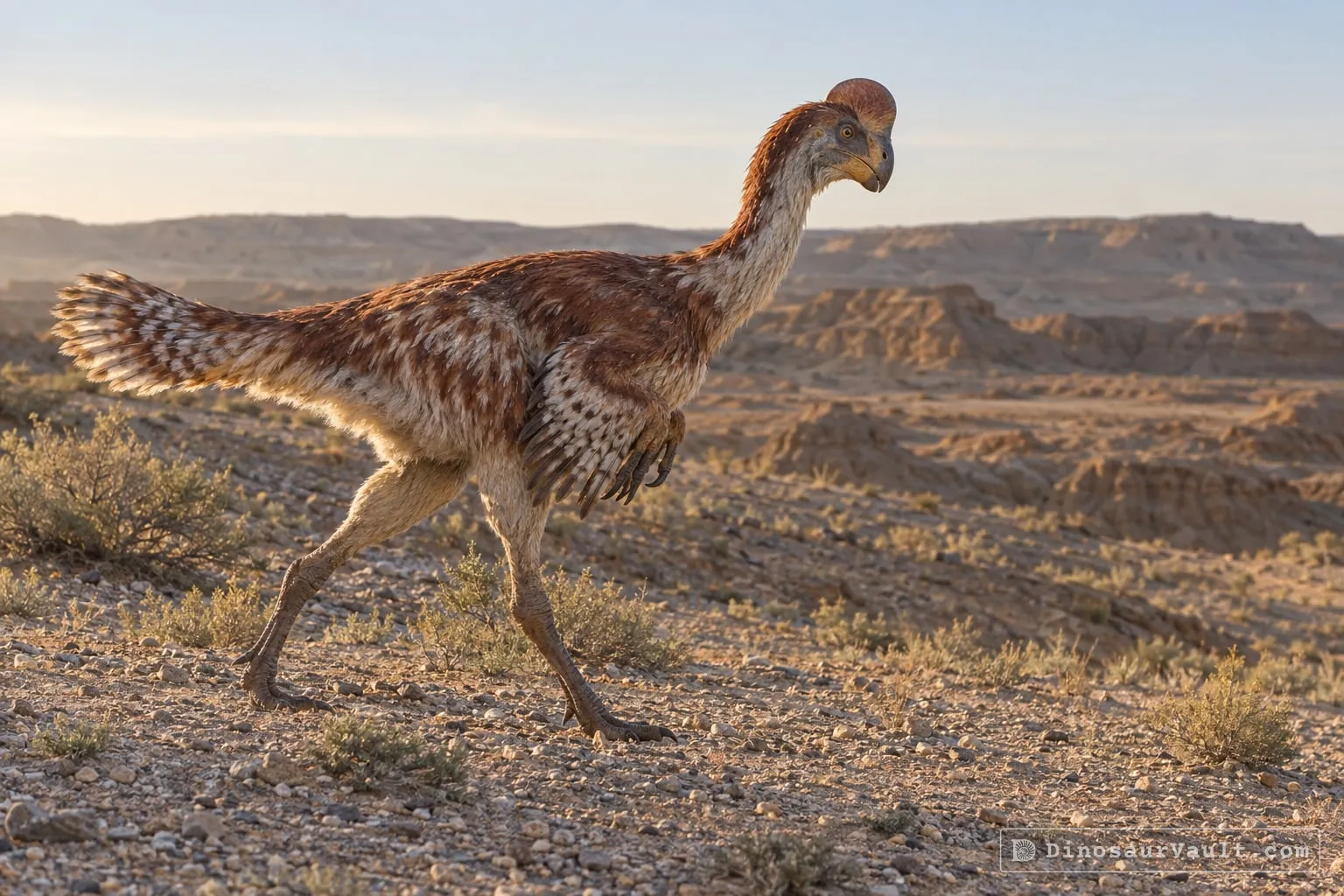


A rock formation can hold fossils laid down millions of years apart, so not every animal here met Pinacosaurus.
The evidence
The science behind Pinacosaurus
Which parts of the picture come from its own bones, and which come from its relatives.
From its own fossils
- Many young skeletons preserve skulls, limb bones and bony armor.
- Its hands had five fingers, while its feet had three toes.
- A young animal preserves bones supporting the tongue and a large, jointed voice box.
Borrowed from relatives
- Much of its skeleton is known directly; comparisons with Euoplocephalus help restore muscles around the armor and tail.
Still unknown
- Its color and skin patterns.
- What its calls sounded like.
- Whether adults lived in groups like the young probably did.
Discovery timeline
- 1933Named itGilmore
- 2011SkullBurns et al.
- 2011Growing upCurrie et al.
- 2015How it fedHill et al.
- 2023New findYoshida, Kobayashi & Norell
Key papers
The research behind what we know of Pinacosaurus
Named it
Named Pinacosaurus from a skull, lower jaw, neck bones and armor found in Mongolia.
Two new dinosaurian reptiles from Mongolia with notes on some fragmentary specimens. American Museum Novitates 679: 1-20
No link available
Skull
Described young skulls that preserve their original shape and compared features used to distinguish species of Pinacosaurus.
Juvenile specimens of Pinacosaurus grangeri Gilmore, 1933 (Ornithischia: Ankylosauria) from the Late Cretaceous of China, with comments on the specific taxonomy of Pinacosaurus. Cretaceous Research 32: 174-186
Read the paper : Juvenile specimens of Pinacosaurus grangeri Gilmore, 1933 (Ornithischia: Ankylosauria) from the Late Cretaceous of China, with comments on the specific taxonomy of Pinacosaurus (opens in a new tab)Growing up
Described the fingers and toes and argued that groups of buried young animals suggest that juvenile Pinacosaurus traveled together.
Hands, Feet, and Behaviour inPinacosaurus(Dinosauria: Ankylosauridae). Acta Palaeontologica Polonica 56: 489-504
Read the paper : Hands, Feet, and Behaviour inPinacosaurus(Dinosauria: Ankylosauridae) (opens in a new tab)How it fed
Described tongue-supporting bones in a young Pinacosaurus and suggested that ankylosaurs used muscular tongues to help gather food.
A complex hyobranchial apparatus in a Cretaceous dinosaur and the antiquity of avian paraglossalia. Zoological Journal of the Linnean Society 175: 892-909
Read the paper : A complex hyobranchial apparatus in a Cretaceous dinosaur and the antiquity of avian paraglossalia (opens in a new tab)New find
Identified a fossil voice box whose movable joints suggest that Pinacosaurus may have modified its calls in a bird-like way.
An ankylosaur larynx provides insights for bird-like vocalization in non-avian dinosaurs. Communications Biology 6
Read the paper : An ankylosaur larynx provides insights for bird-like vocalization in non-avian dinosaurs (opens in a new tab)
Close relatives
Other members of Ankylosauridae


Sources: Wikidata