Therizinosaurus
thair-ih-ZEEN-oh-SORE-us
"scythe lizard"
Type species Therizinosaurus cheloniformis
- Lived
- 72 to 66 million years ago, Late Cretaceous
- Diet
- Herbivore
- Length
- about 9.5 m (31 ft)
- Group
- Theropods, Therizinosauridae
- Found in
- Mongolia
- Named by
- Maleev 1954
Size comparison
To scale

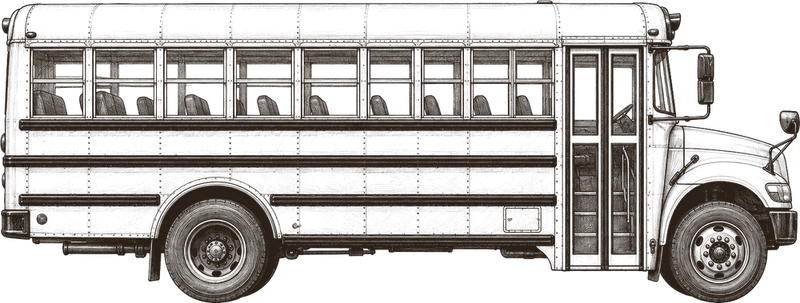
Scale in meters
Where its fossils were found
The evidence
Today
70 million years ago
Field notes
About Therizinosaurus
What it was like
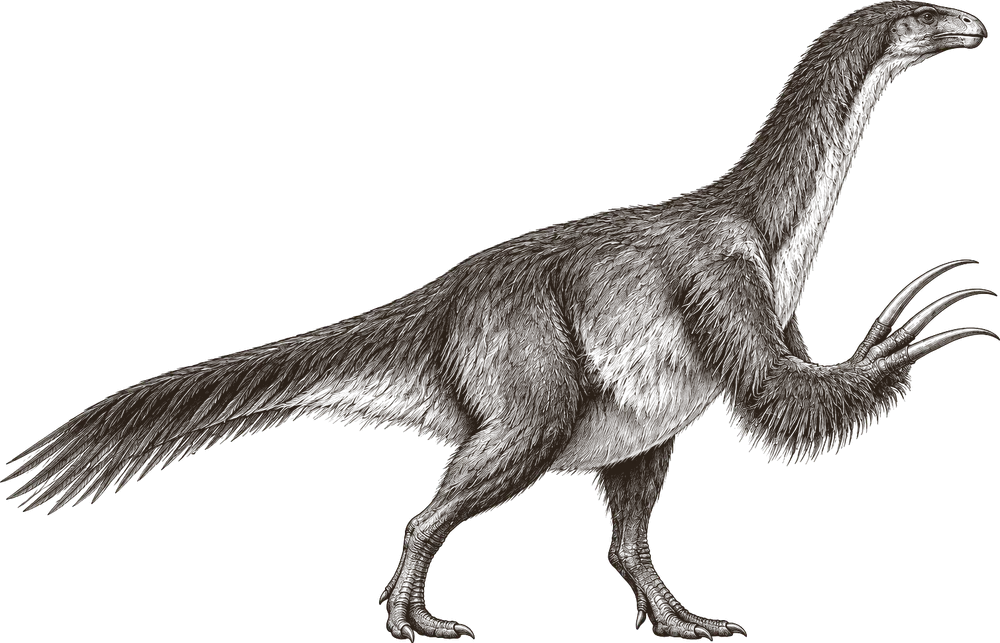
Therizinosaurus was a giant, plant-eating theropod with a body shape unlike almost any other dinosaur. It walked on two legs, had a long neck, a small head, and a deep, rounded belly. At around 9.5 meters long, it ranks among the largest members of its group, with a bulky, heavily built body to match its height. Its most famous feature was its hands: each bore three long, gently curved claws, among the largest of any known land animal.
Those claws were probably too fragile for fighting or killing prey. Scientists think Therizinosaurus mainly used them to hook and pull branches toward its mouth while it browsed on leaves, in a way similar to how some plant-eating mammals use long claws today.
Its world
Therizinosaurus lived in the Late Cretaceous, from about 72 to 66 million years ago, in what is now Mongolia. Its bones come from the Nemegt formation, a rock layer that has produced some of the richest dinosaur fossils in Asia.
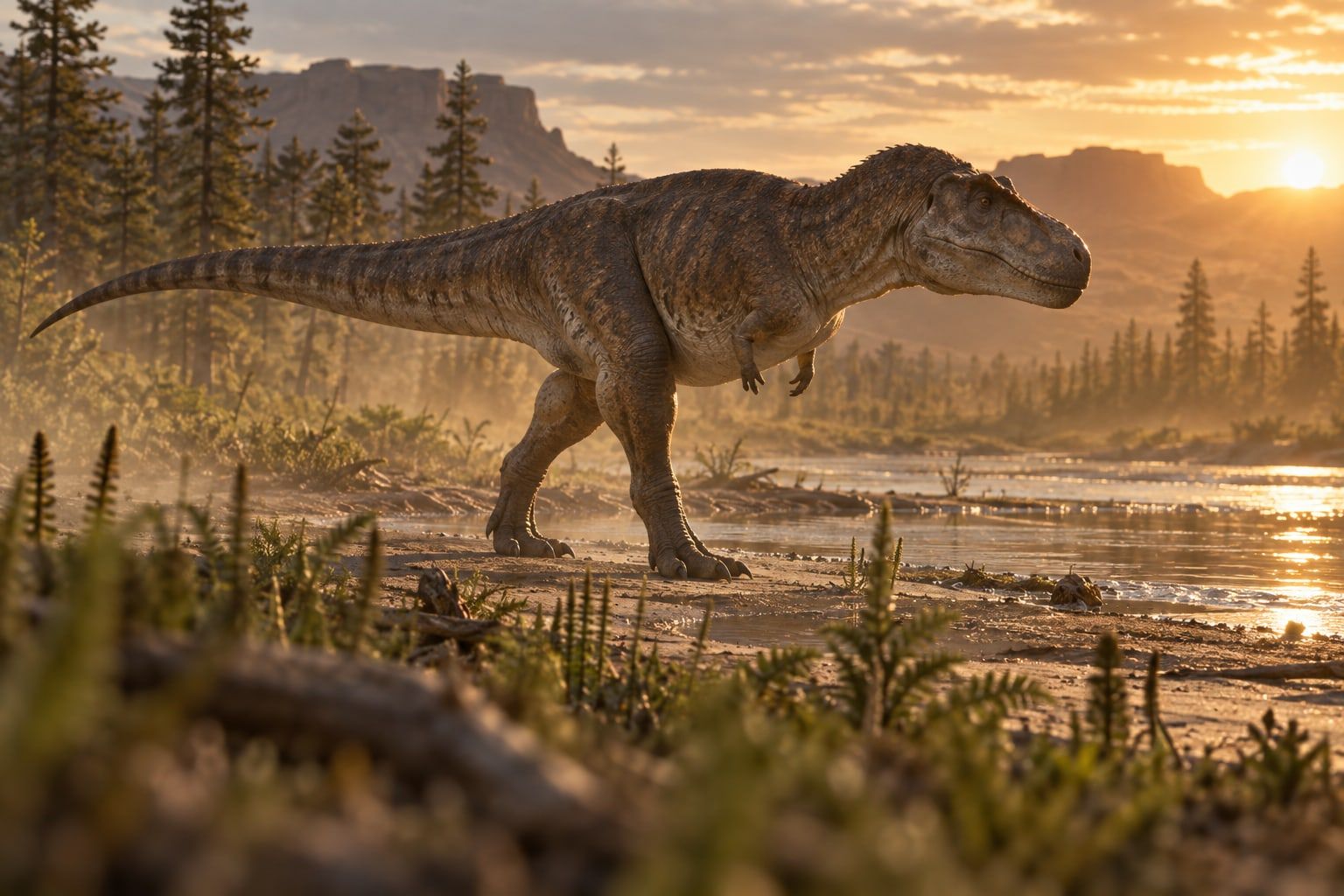
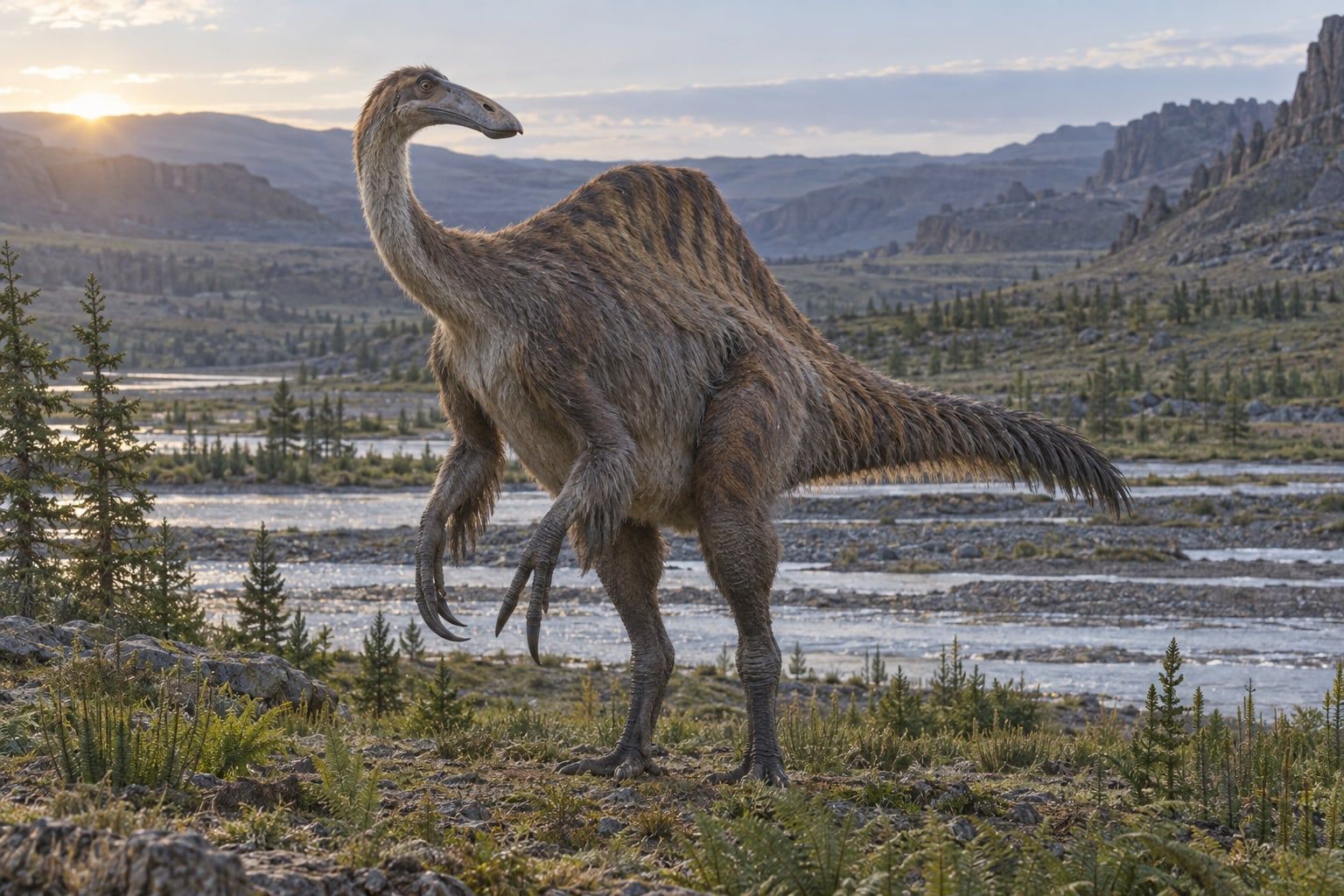
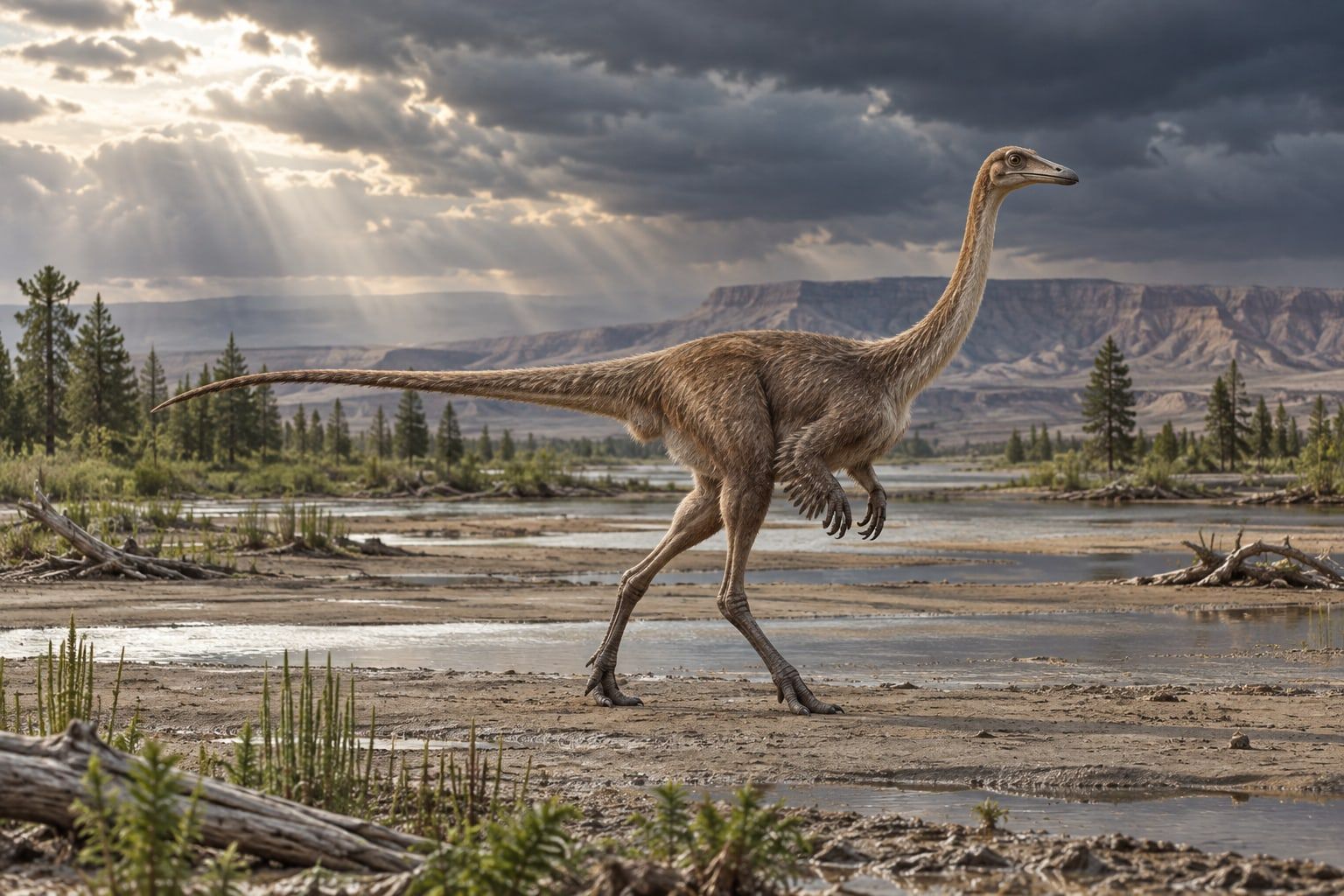
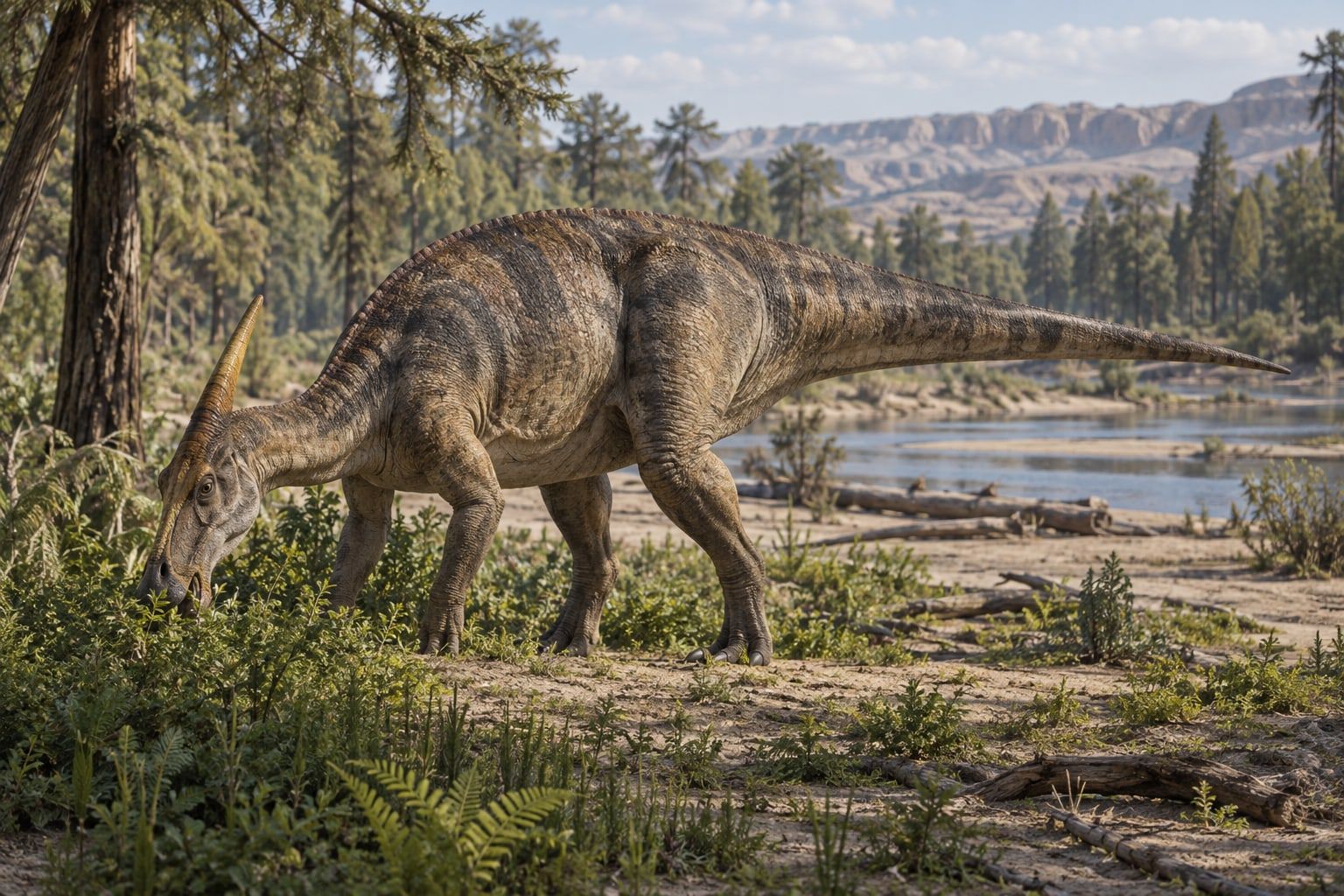
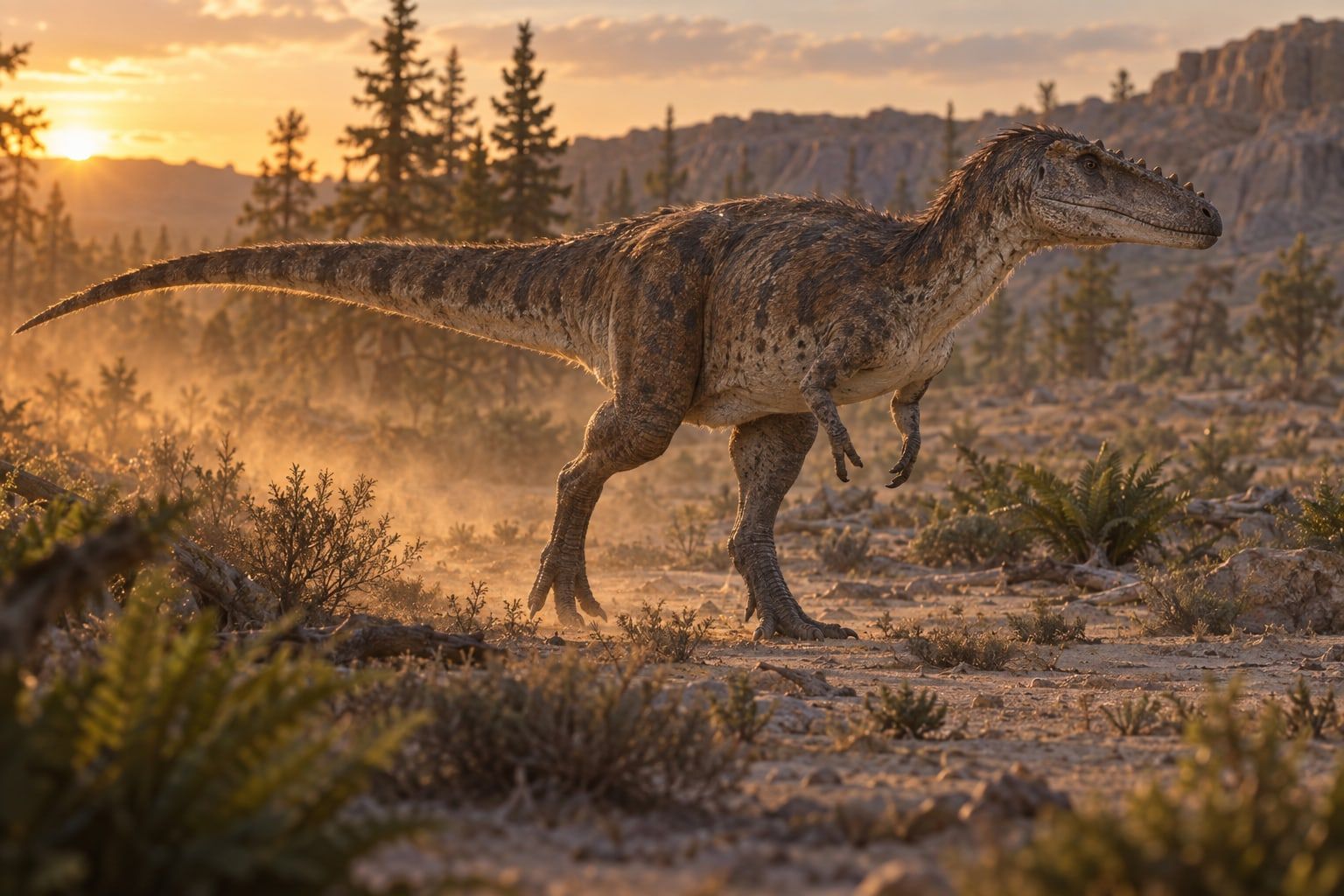
It shared this world with Tarbosaurus, a close relative of Tyrannosaurus, along with the ostrich-like Gallimimus, the long-armed Deinocheirus, and the crested Saurolophus. Being so tall, Therizinosaurus may have faced little competition for the leaves and branches high above the ground.
How it was found
Therizinosaurus was named in 1954 by Maleev, based on bones found in Mongolia. Only two finds of the genus have been recorded, and much of the skeleton is still unknown, so paleontologists have compared it with better-preserved relatives such as Segnosaurus and Nothronychus to understand what the whole animal looked like.
Lived alongside
Found in the same rock formations
Close relatives
Other members of Therizinosauridae
Sources: WikidataNamed in: E. A. Maleev. 1954. Noviy cherepachoobrazhniy yashcher v Mongolii [New tortoise-like saurian from Mongolia]. Priroda 1954(3):106-108