Outline: a typical ankylosaur
Anodontosaurus
"toothless lizard"
- Lived
- 84 to 66 million years ago, Late Cretaceous
- Diet
- Herbivore
- Group
- Ankylosaurs, Ankylosauridae
- Found in
- Canada
- Named by
- Sternberg 1929
Where its fossils were found
The evidence
Today
75 million years ago
Field notes
About Anodontosaurus
What it was like
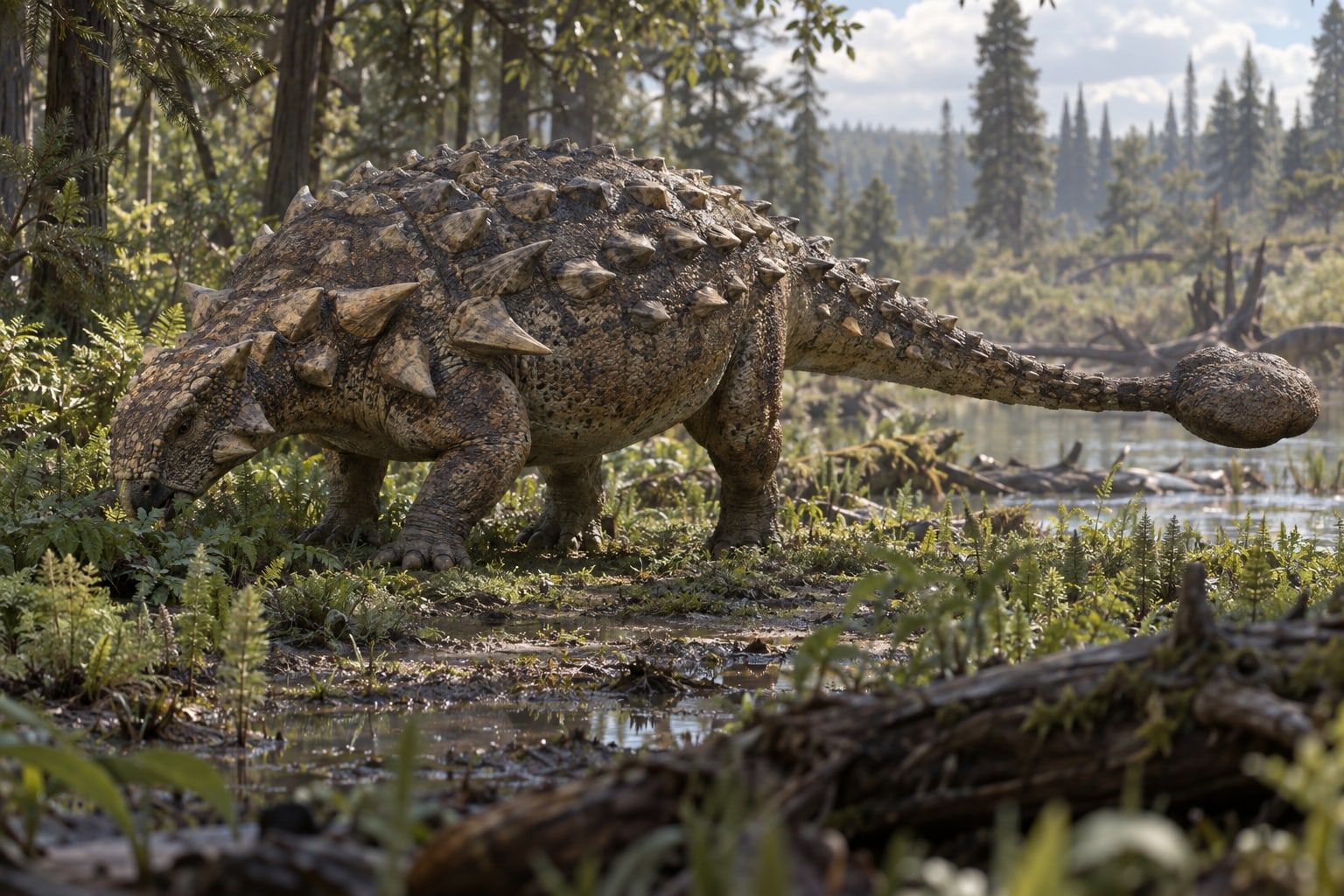
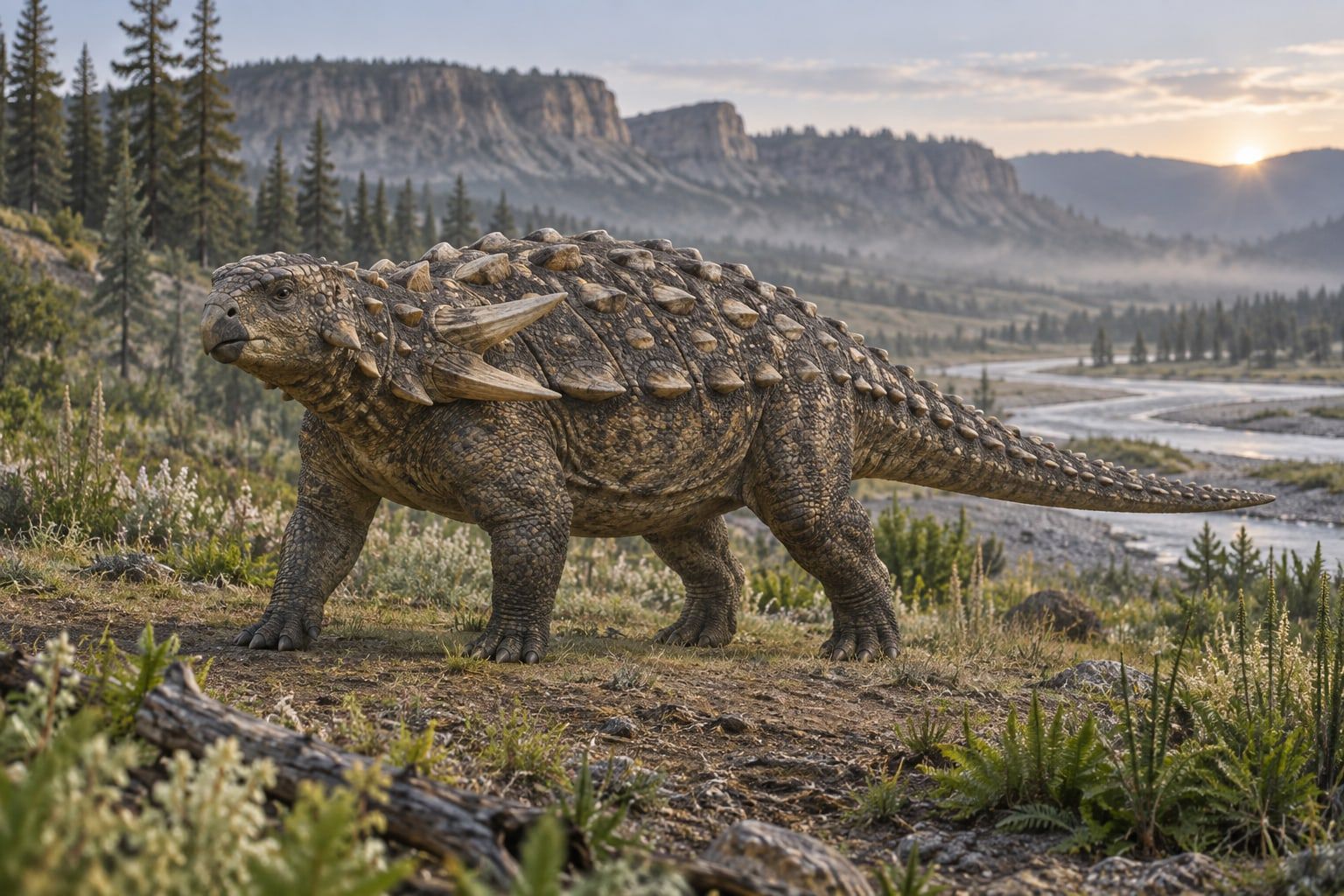
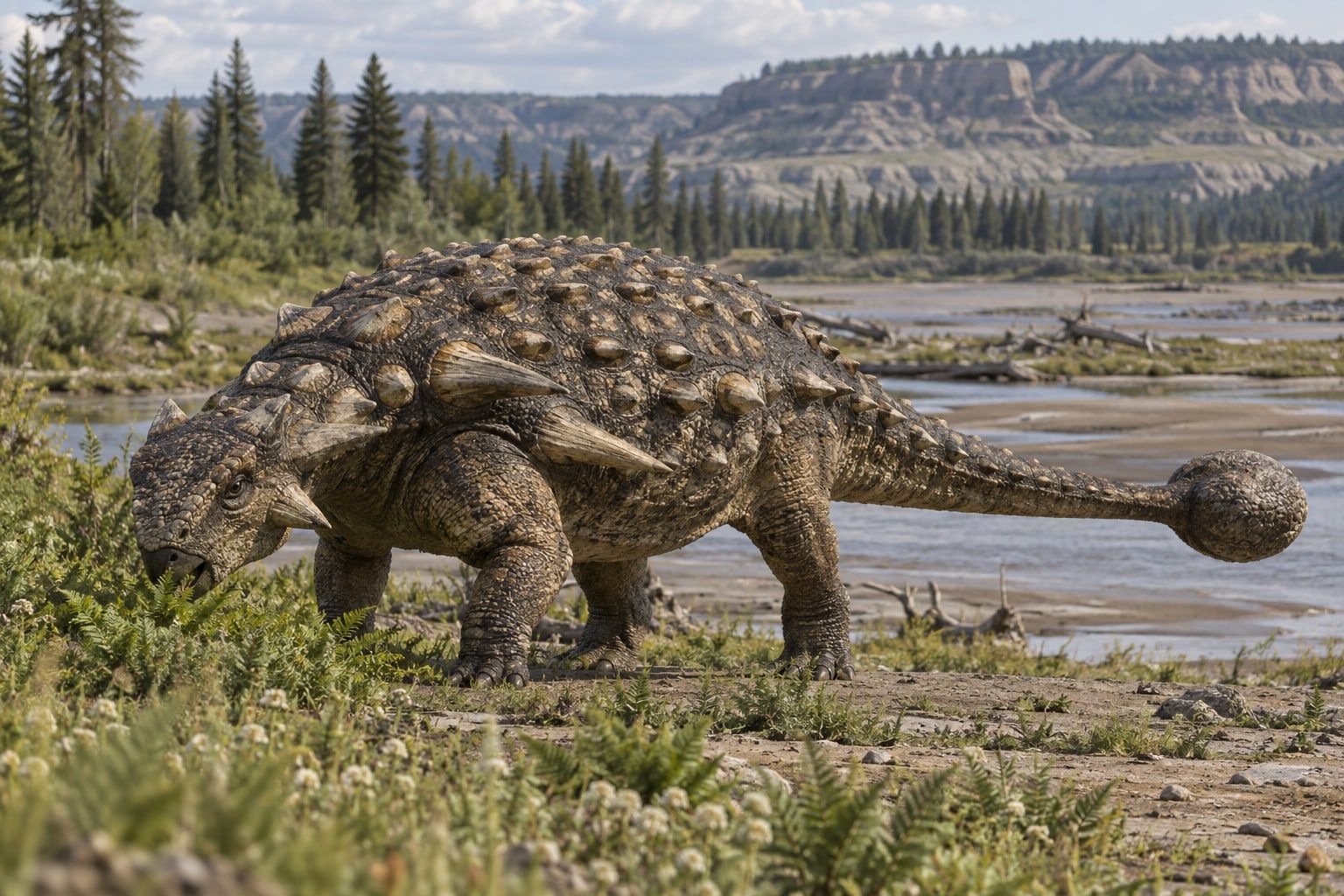
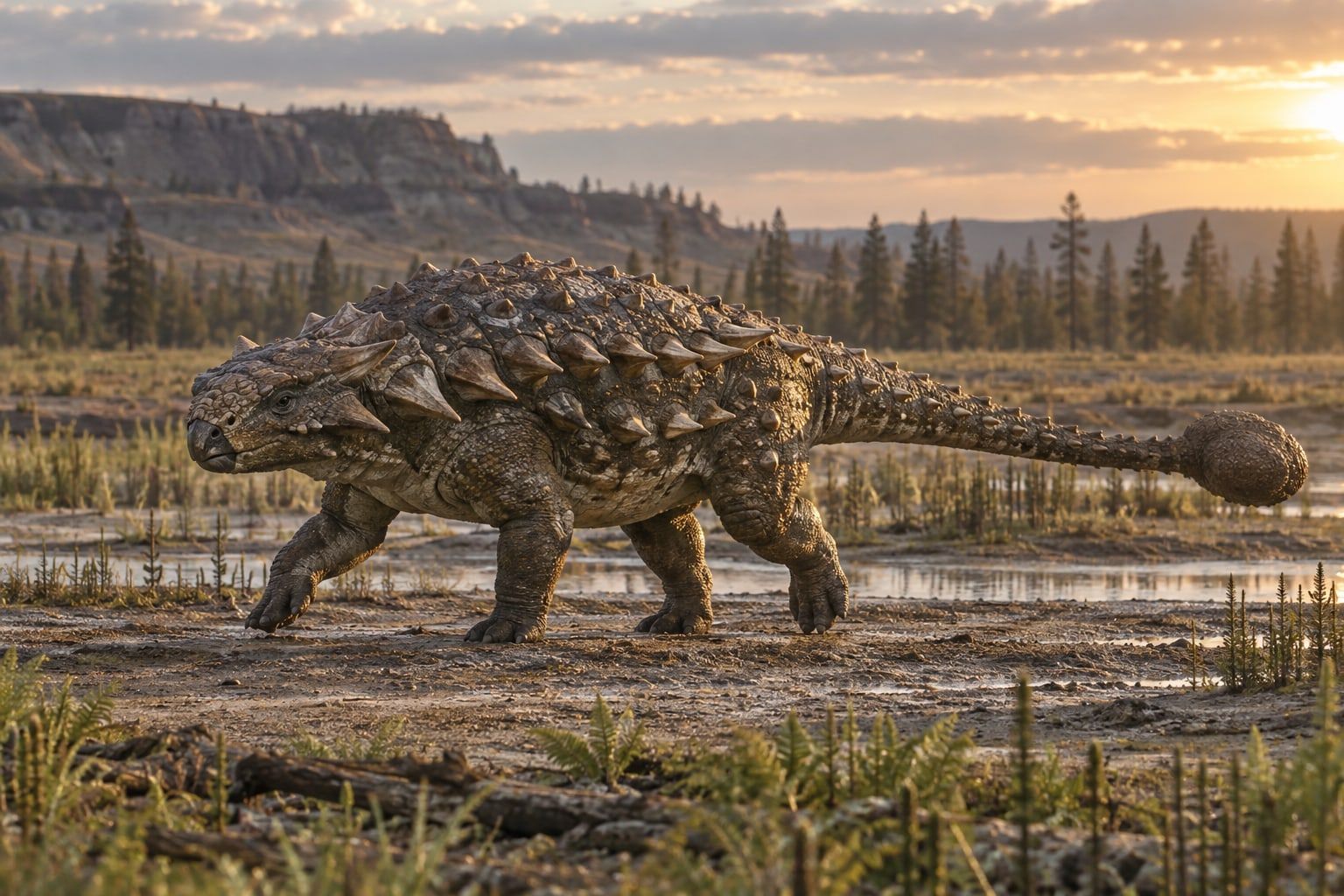
Anodontosaurus was a club-tailed ankylosaur, low and wide, with bony armor across its back and a heavy club at the end of its tail. Its tail club was flattened and ended in pointed knobs.
Its name means "toothless lizard" because the first skull was found without its teeth, though in life it had small, leaf-shaped teeth like other ankylosaurs.
Its world
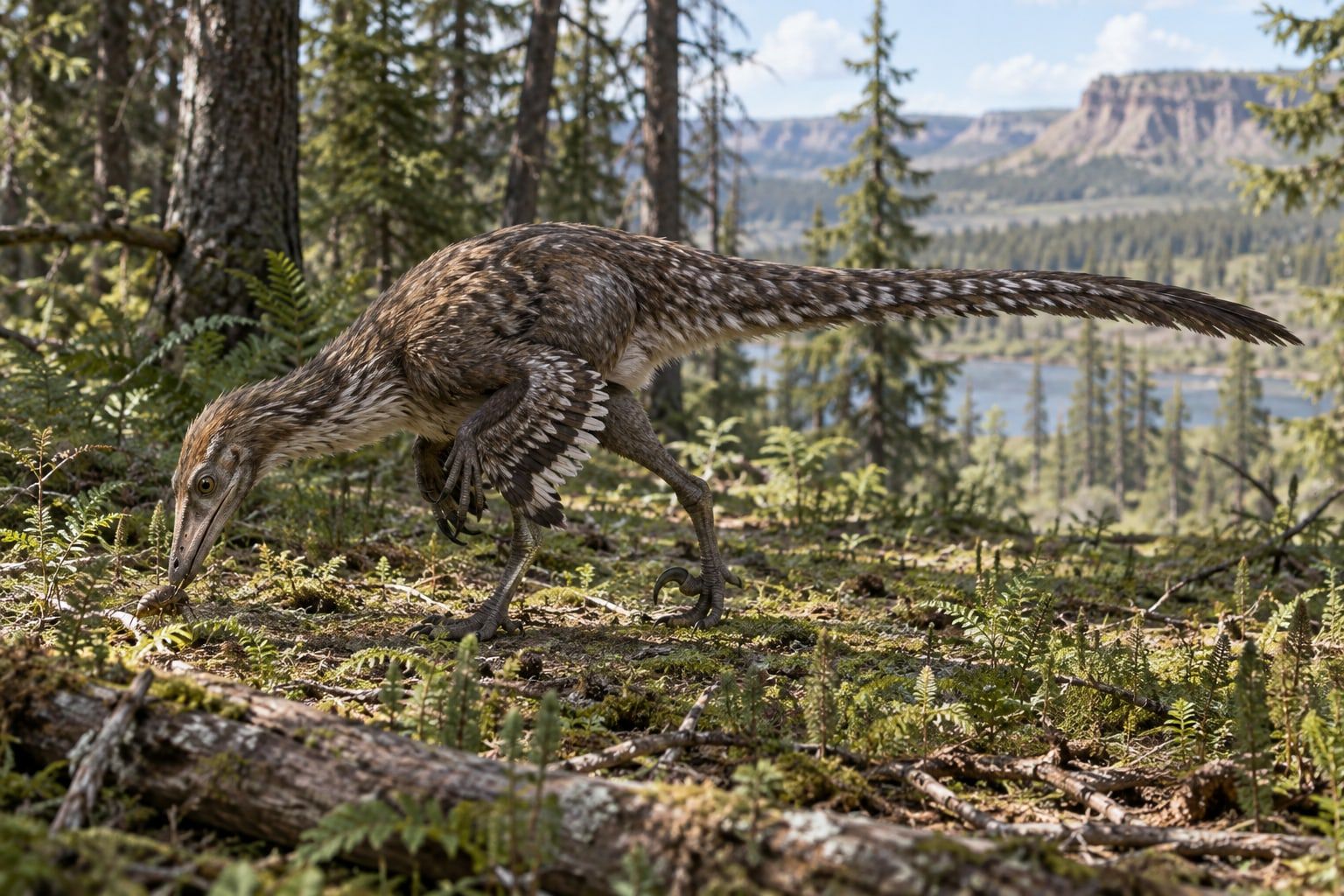
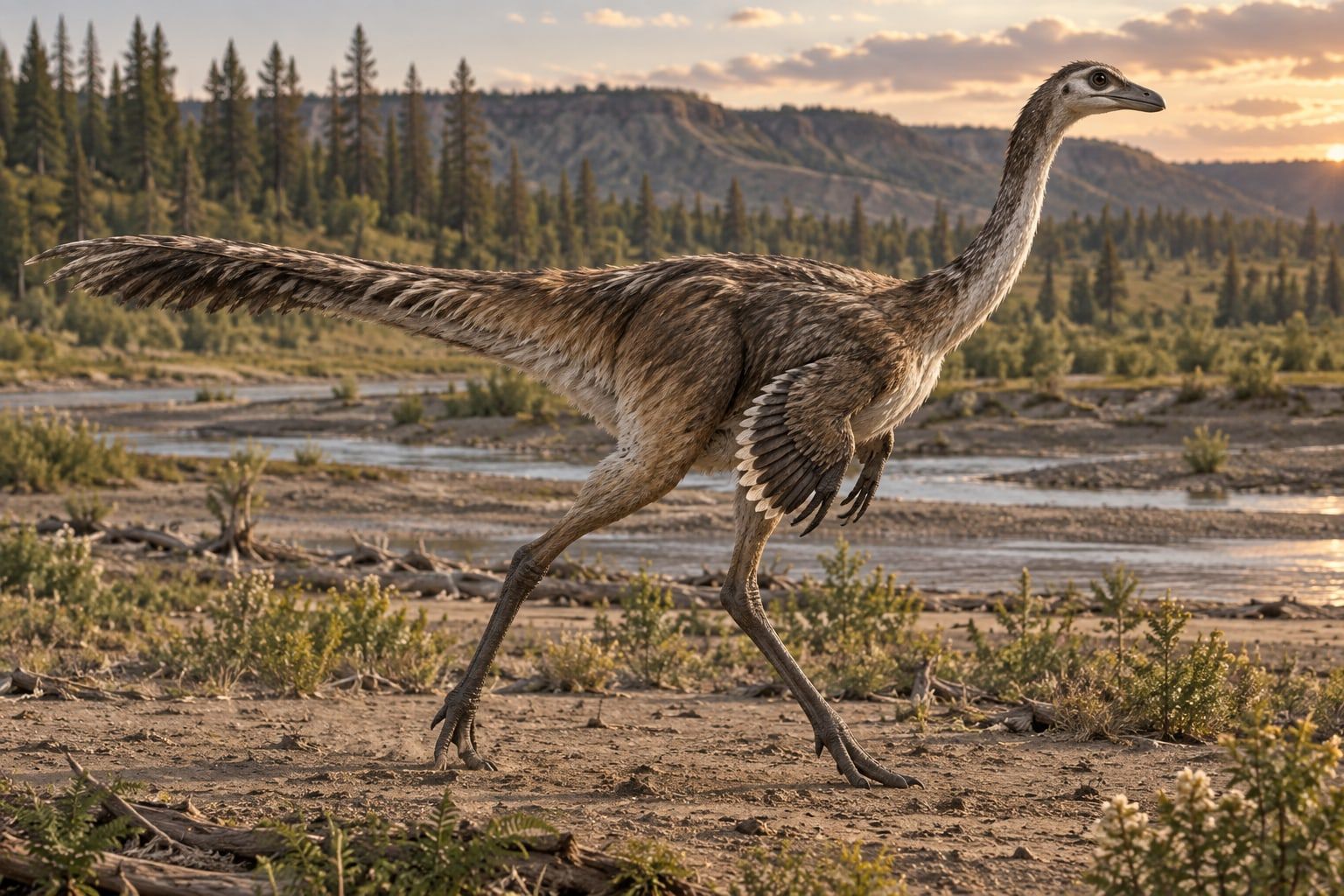
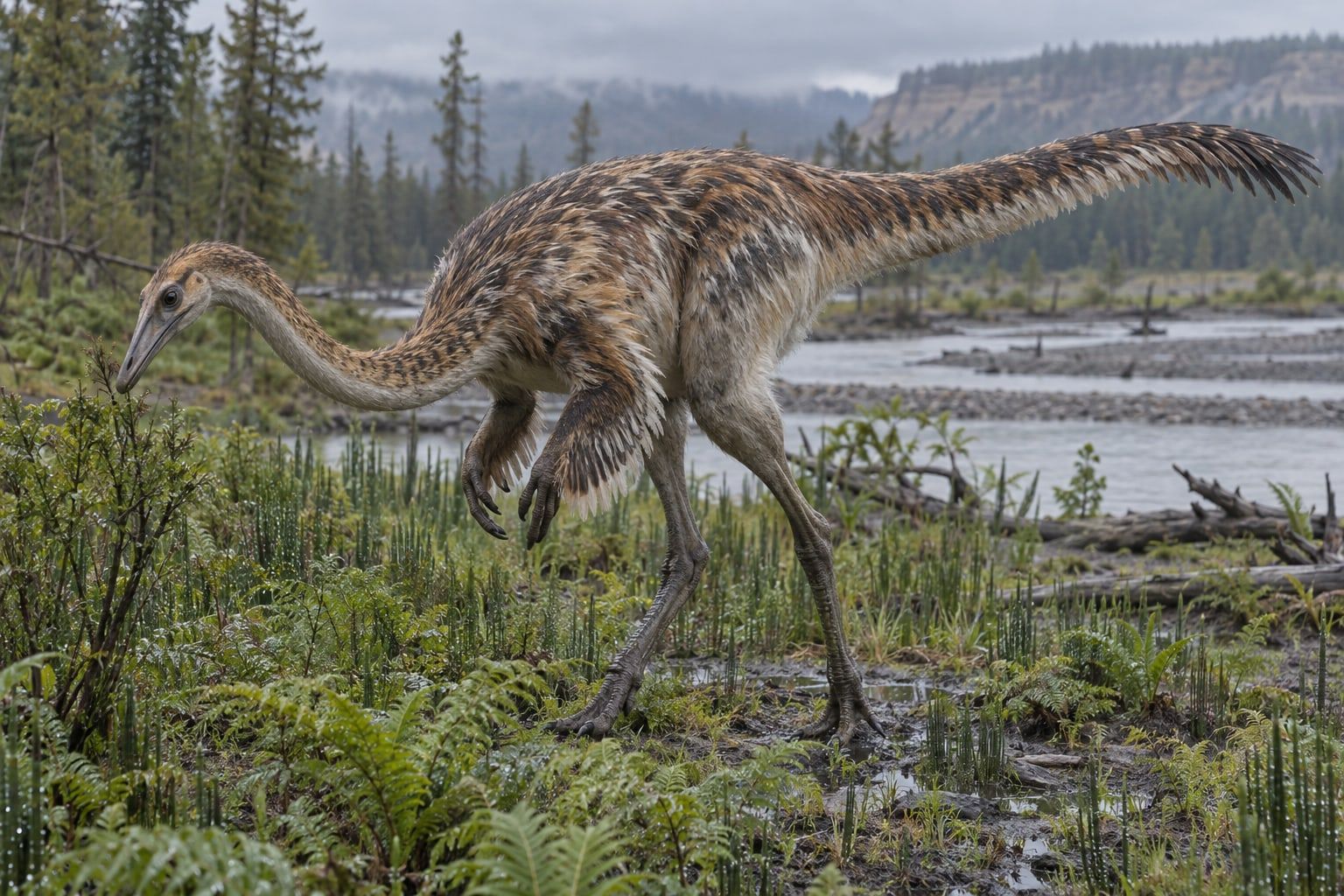
It lived in the Late Cretaceous in what is now Alberta, Canada. Its bones come from the Horseshoe Canyon and Dinosaur Park formations, where it shared the land with Euoplocephalus, the armored Edmontonia and the ostrich-like Ornithomimus and Struthiomimus.
How it was found
Sternberg named Anodontosaurus in 1929. For decades it was treated as a form of Euoplocephalus, until a study of its tail club and armor showed it deserved its own genus again. About 13 finds are now known.
Lived alongside
Found in the same rock formations
Close relatives
Other members of Ankylosauridae
Sources: WikidataNamed in: C. M. Sternberg. 1929. A toothless armoured dinosaur from the Upper Cretaceous of Alberta. Canada Department of Mines Geological Survey Bulletin (Geological Series) 54(49):28-33