Liaoningosaurus
"Liaoning lizard"
Type species Liaoningosaurus paradoxus
- Lived
- 126 to 120 million years ago, Early Cretaceous
- Diet
- Herbivore
- Group
- Ankylosaurs, Ankylosauridae
- Found in
- China
- Named by
- Xu et al. 2001
Where its fossils were found
The evidence
Today

125 million years ago
Habitat
It lived in a region of lakes and forests in China. Sinosauropteryx, Psittacosaurus and Caudipteryx also occur in the Yixian Formation.
Field notes
About Liaoningosaurus
What it was like
Liaoningosaurus was a very small armored dinosaur. The known fossils are young animals, and they have a bony shell over the belly as well as armor on the back, which is unusual for an ankylosaur.
Some scientists have suggested it lived partly in water and ate fish, based on its teeth and on remains found inside one skeleton. Others doubt this, and the question is still open.
Its world
It lived about 126 to 120 million years ago, in the Early Cretaceous, in what is now China. Its fossils come from the Yixian Formation, a land of lakes and forests shared with feathered dinosaurs such as Sinosauropteryx, Caudipteryx, Dilong and Yutyrannus.
How it was found
Xu and colleagues named Liaoningosaurus in 2001. The type species is Liaoningosaurus paradoxus.
Field gallery
More views of Liaoningosaurus
Scenes reconstructed from the available fossil evidence.
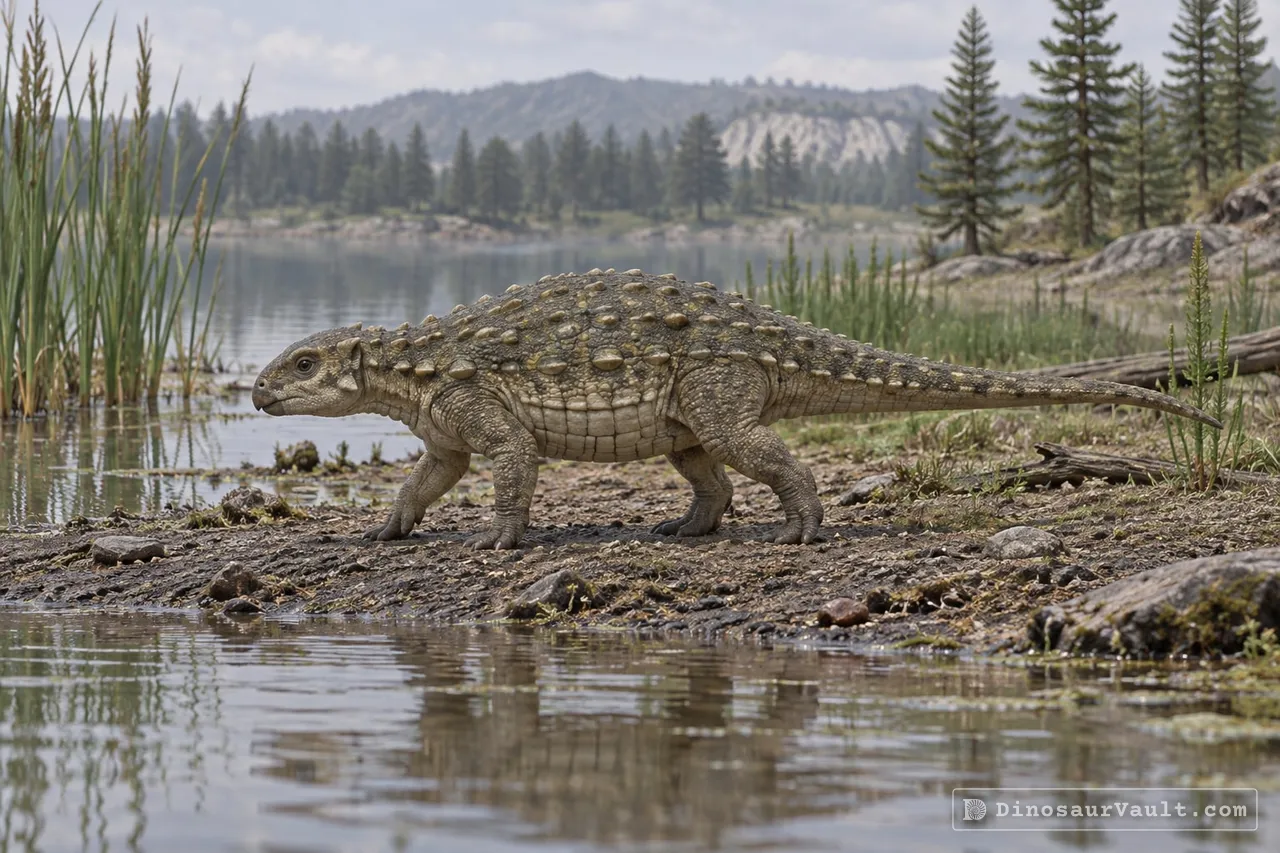
1 of 3
Lived alongside
Found in the same rock formations
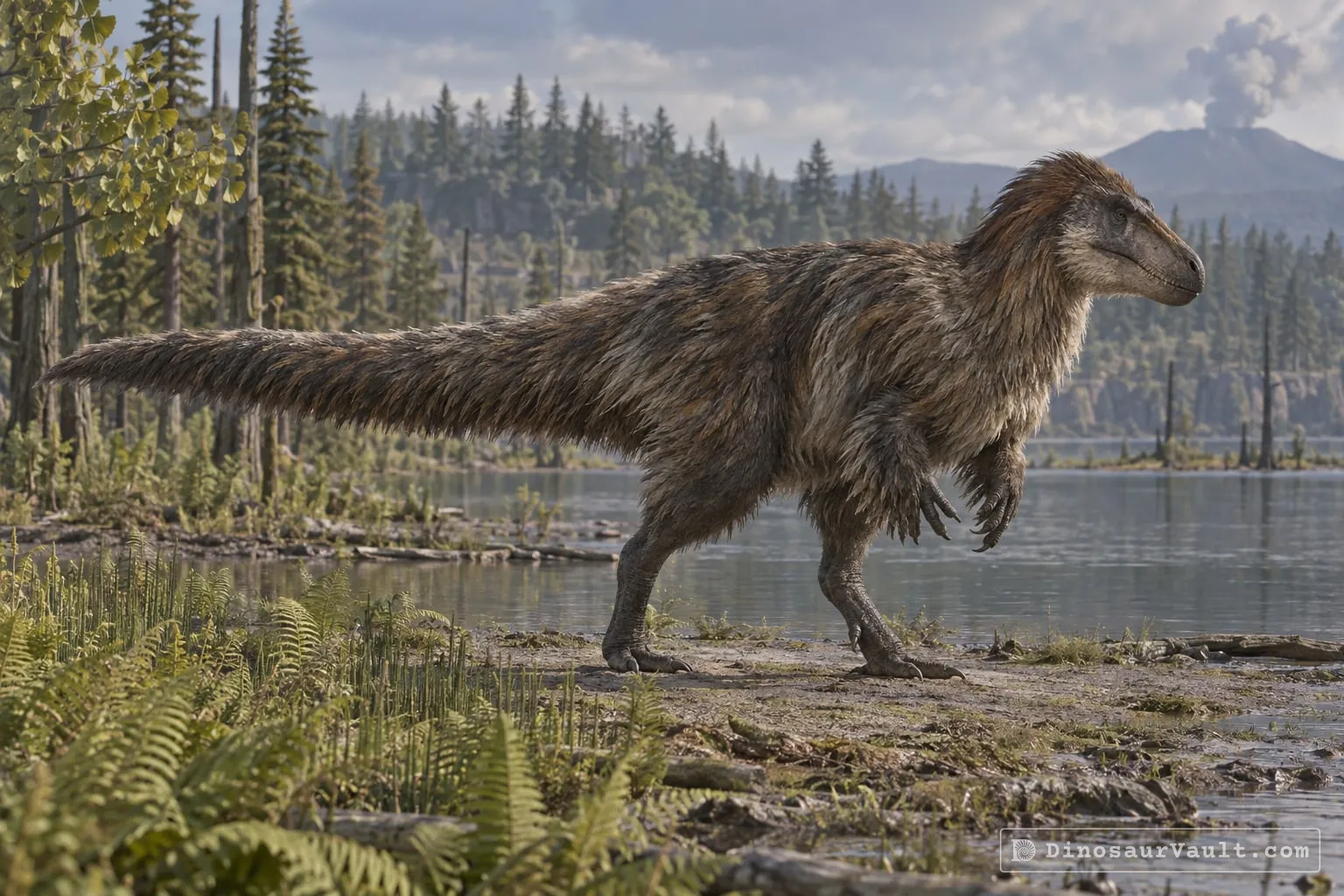
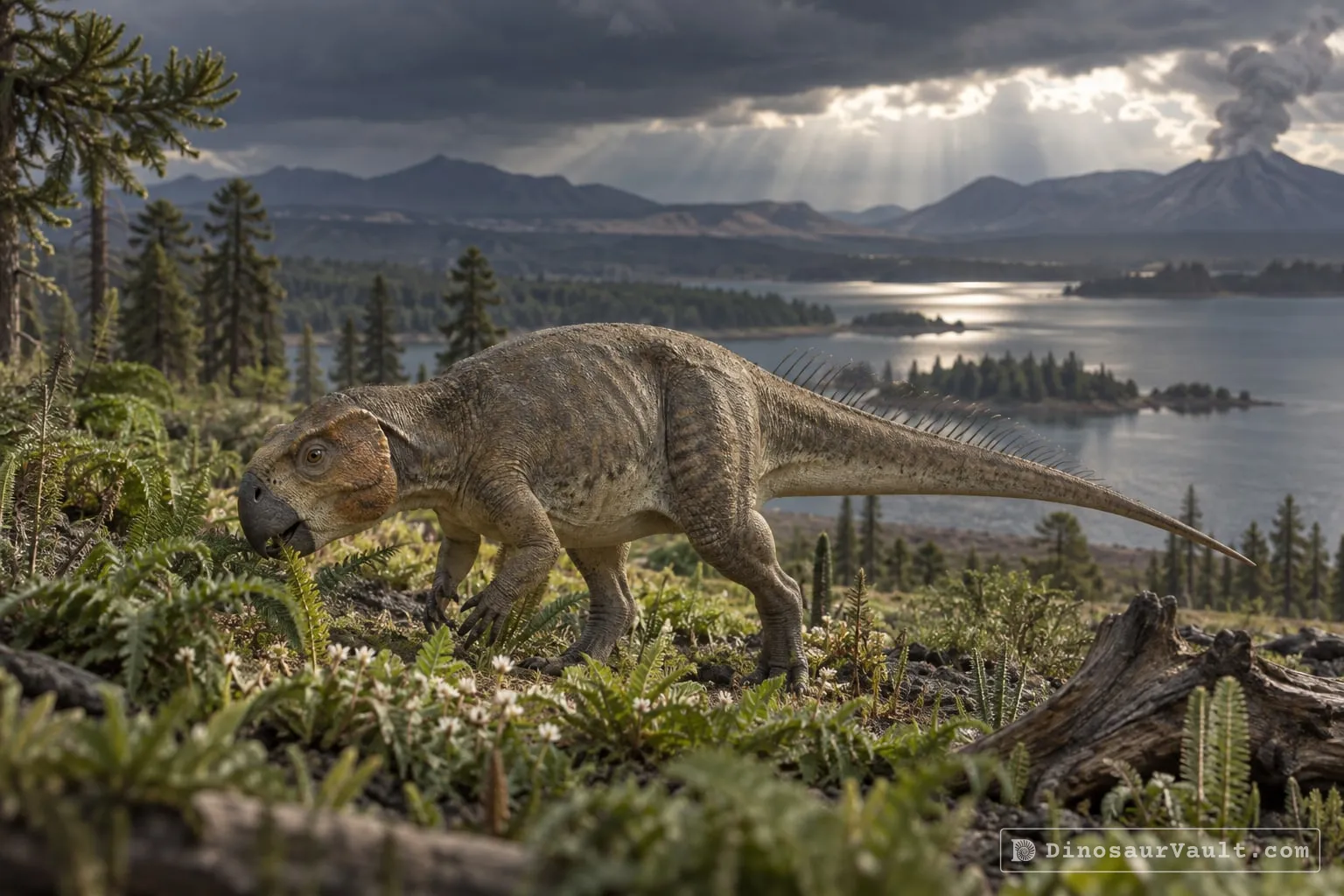
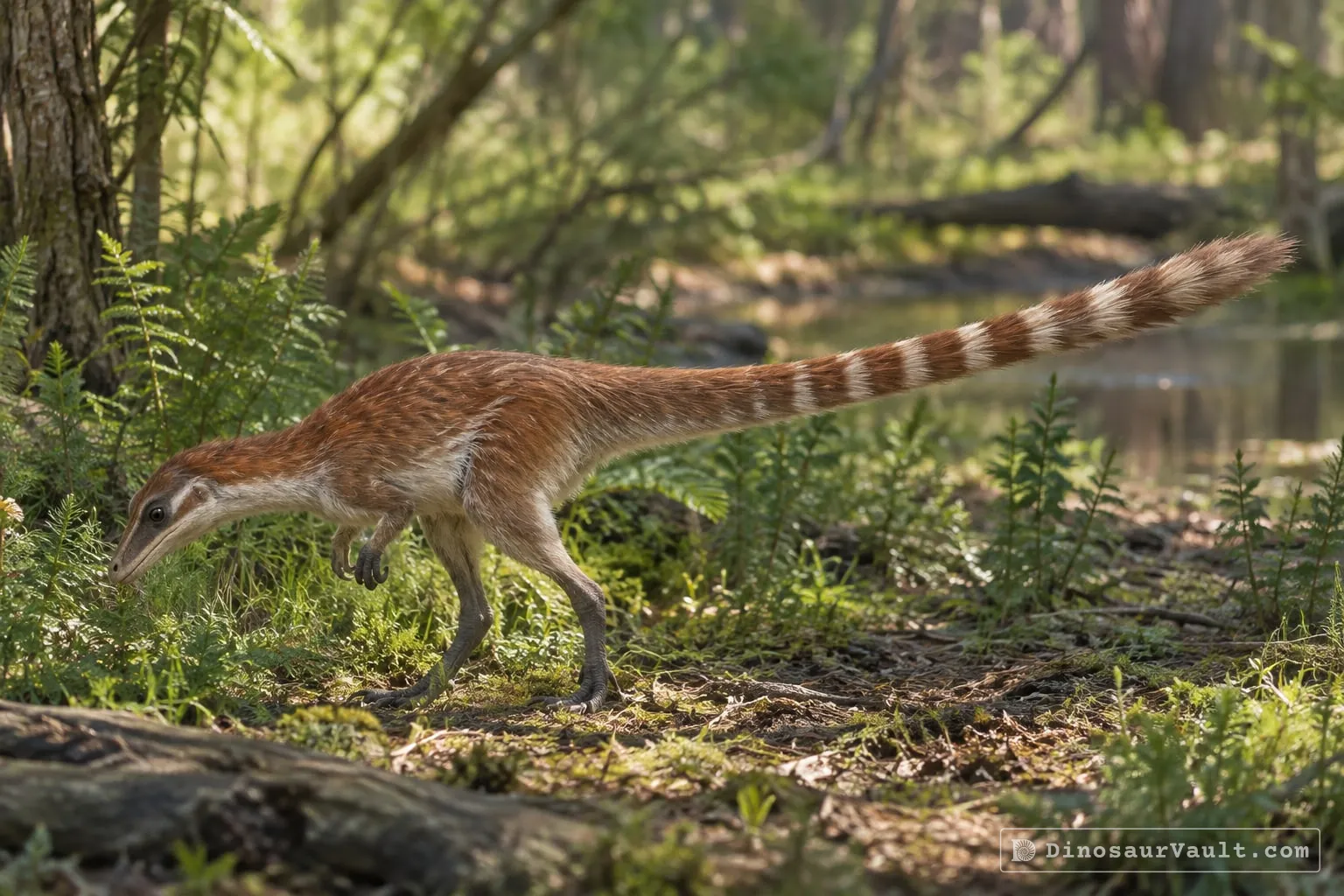
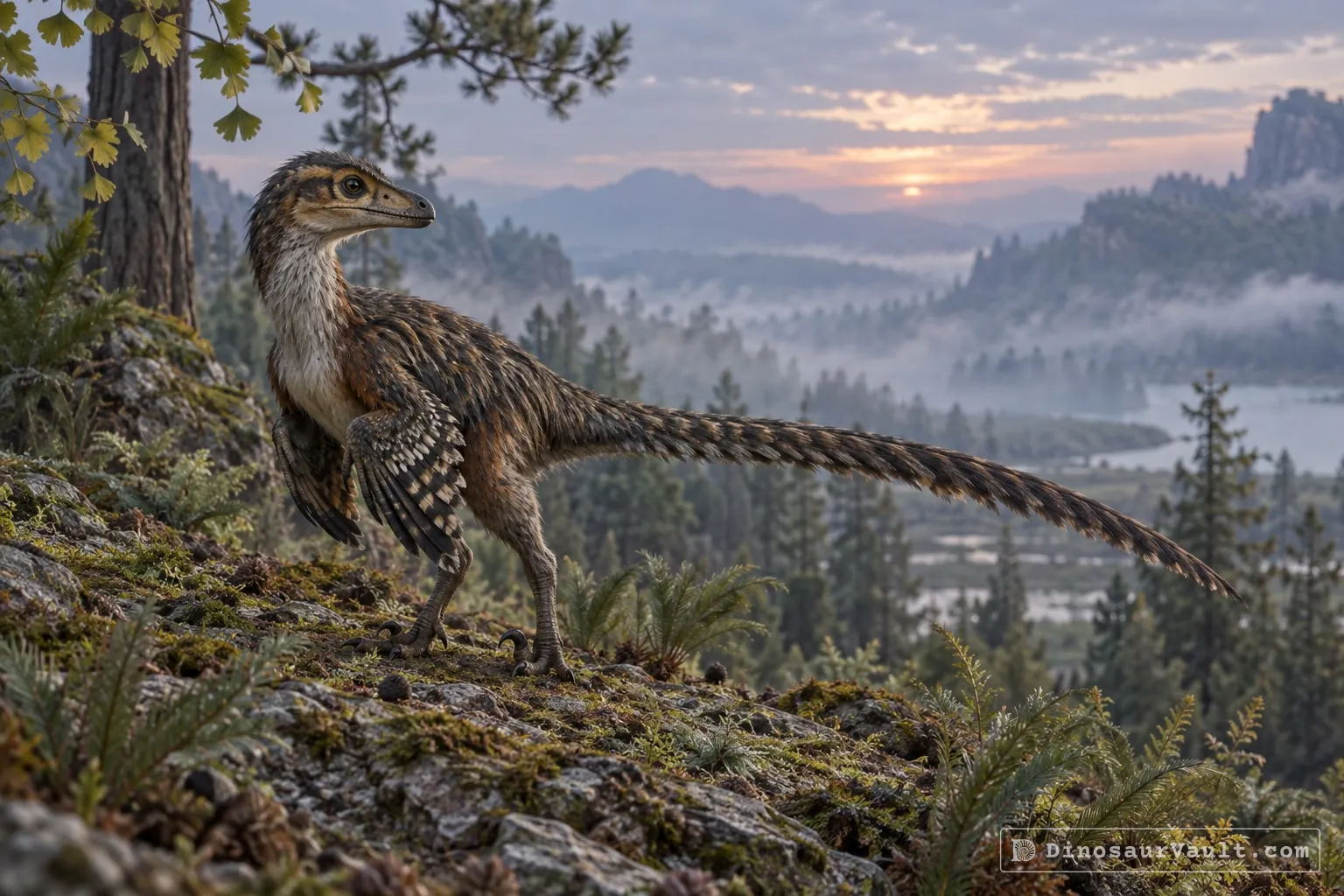
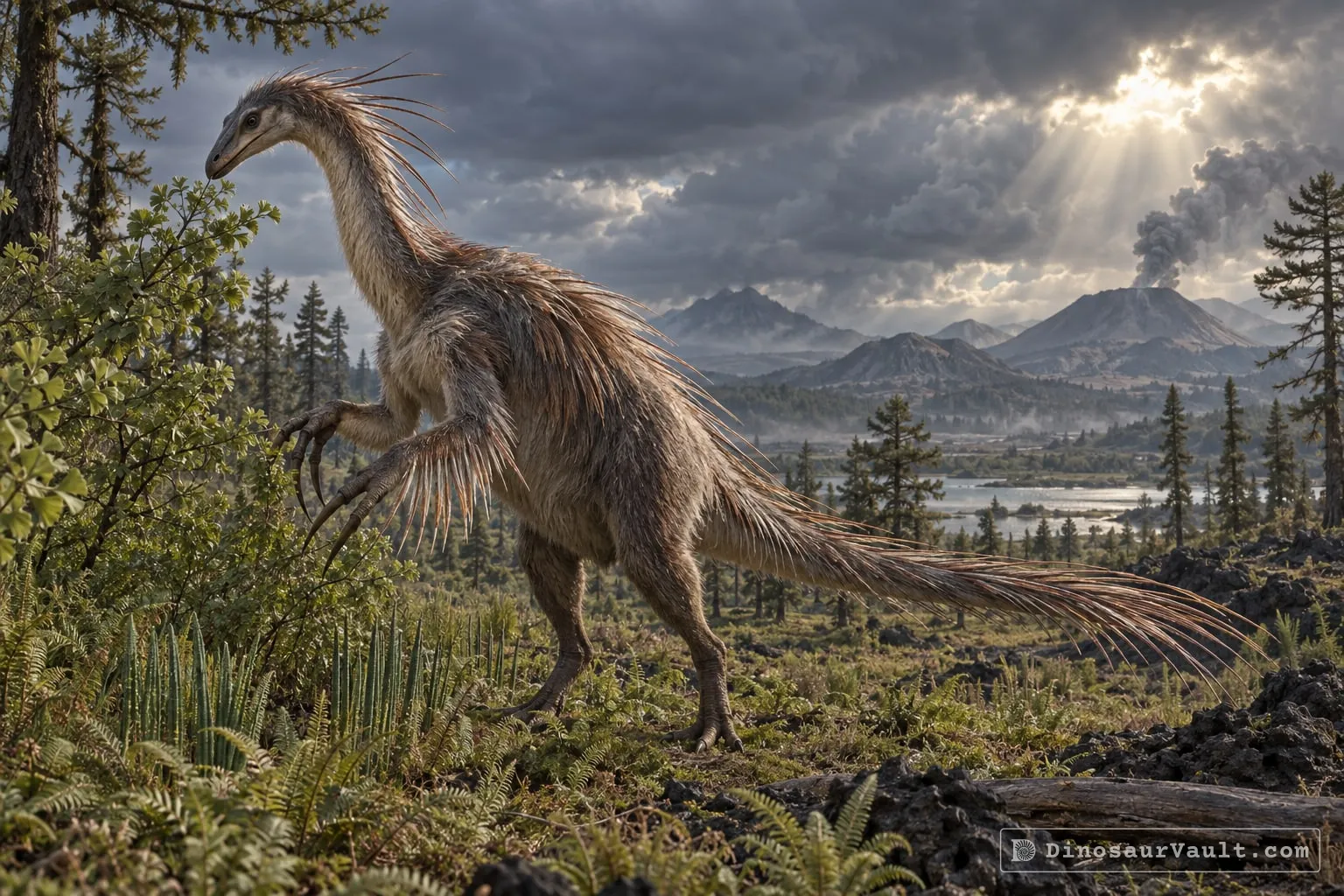
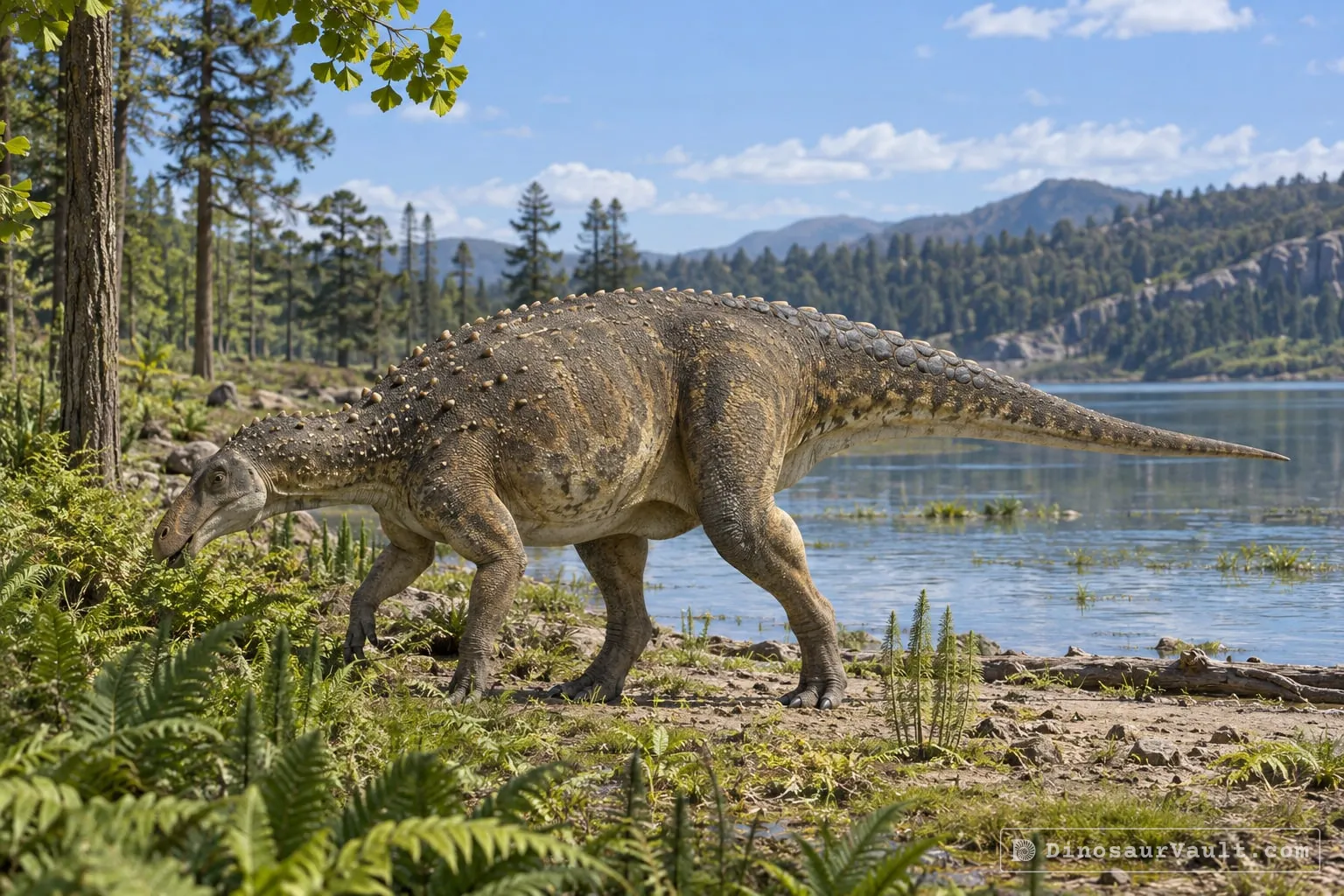
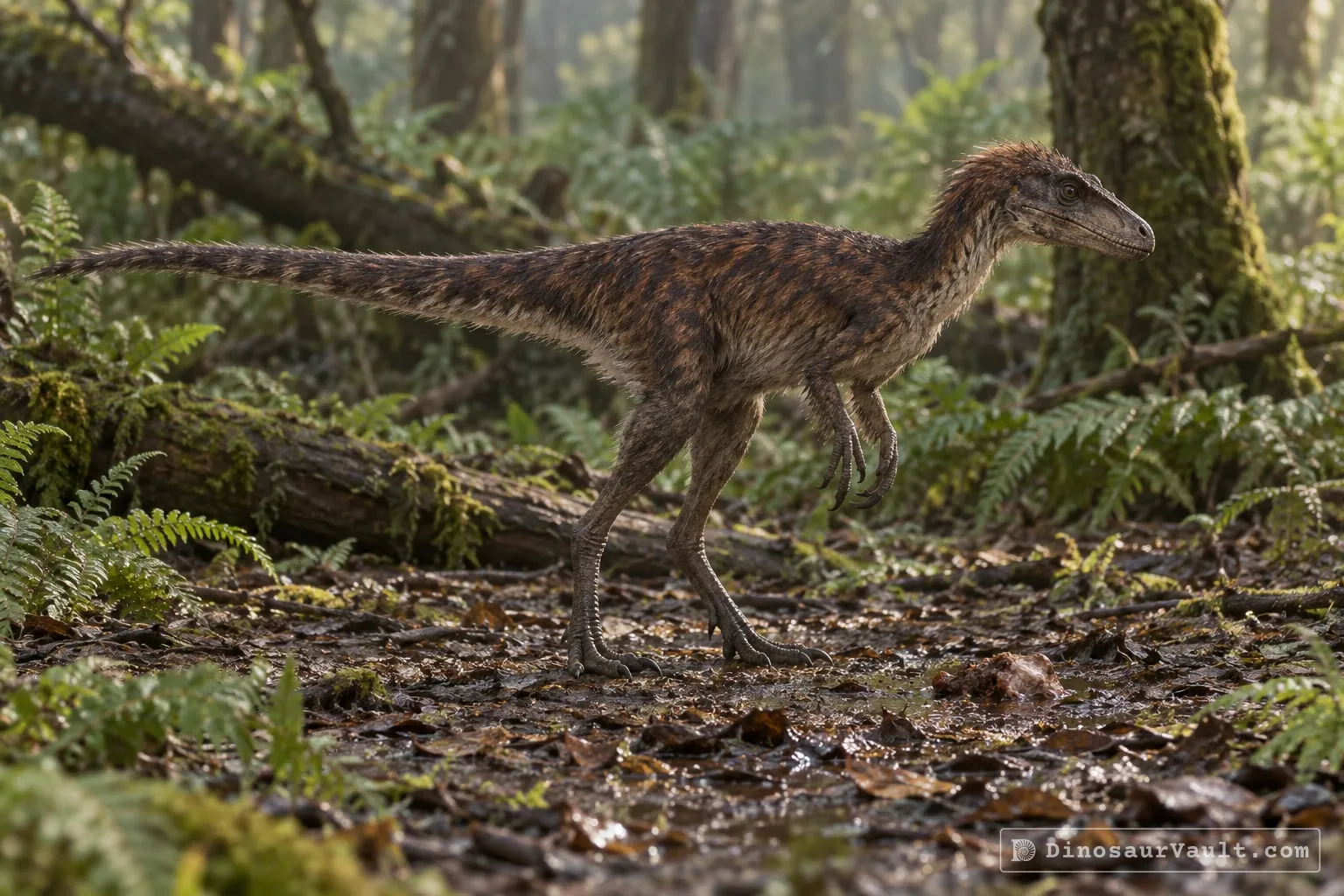


A rock formation can hold fossils laid down millions of years apart, so not every animal here met Liaoningosaurus.
The evidence
The science behind Liaoningosaurus
Which parts of the picture come from its own bones, and which come from its relatives.
From its own fossils
- Young skeletons preserve a broad body, strong lower jaws and pointed claws on the hands and feet.
- The tail tip has overlapping vertebrae and lacks a large bony knob in the known young animals.
- Small armor elements occur around the neck and shoulders.
Borrowed from relatives
- Much of the young body is known from its own bones.
- Young Pinacosaurus guides the missing skull roof and the shape around the eyes and nostrils.
Still unknown
- Its adult size and armor pattern.
- Whether it ate fish or spent much time in water.
- The nature of the material originally described as belly armor.
Often drawn wrong
- The known young animals should not have the heavy tail knob and large horns of an adult Ankylosaurus.
Discovery timeline
- 2001Named itXu, Wang & You
- 2015Family treeArbour & Currie
- 2025Growing upZheng et al.
Key papers
The research behind what we know of Liaoningosaurus
Named it
Described a nearly complete young ankylosaur with unusual jaws, pointed claws and material interpreted as belly armor.
A juvenile ankylosaur from China. Naturwissenschaften 88: 297-300
Read the paper : A juvenile ankylosaur from China (opens in a new tab)Family tree
Found that stiffened tail vertebrae appeared before large tail knobs; Liaoningosaurus preserves an early stage of this pattern.
Ankylosaurid dinosaur tail clubs evolved through stepwise acquisition of key features. Journal of Anatomy 227: 514-523
Read the paper : Ankylosaurid dinosaur tail clubs evolved through stepwise acquisition of key features (opens in a new tab)Growing up
Examined bone tissue and identified a hatchling and a growing juvenile, confirming that these small specimens were young animals.
Bone histology of Liaoningosaurus paradoxus (Ornithischia: Ankylosauria) from the Lower Cretaceous of Liaoning Province, China. Journal of Vertebrate Paleontology 45
Read the paper : Bone histology of Liaoningosaurus paradoxus (Ornithischia: Ankylosauria) from the Lower Cretaceous of Liaoning Province, China (opens in a new tab)
Close relatives
Other members of Ankylosauridae


Sources: Wikidata