Deinocheirus
DY-no-KY-rus
"terrible hand"
- Lived
- 72 to 66 million years ago, Late Cretaceous
- Diet
- Omnivore
- Length
- about 11 m (36 ft)
- Weight
- about 6.4 metric tons (7.1 short tons)
- Group
- Theropods, Deinocheiridae
- Found in
- Mongolia
- Named by
- Kielan-Jaworowska 1969
Size comparison
To scale
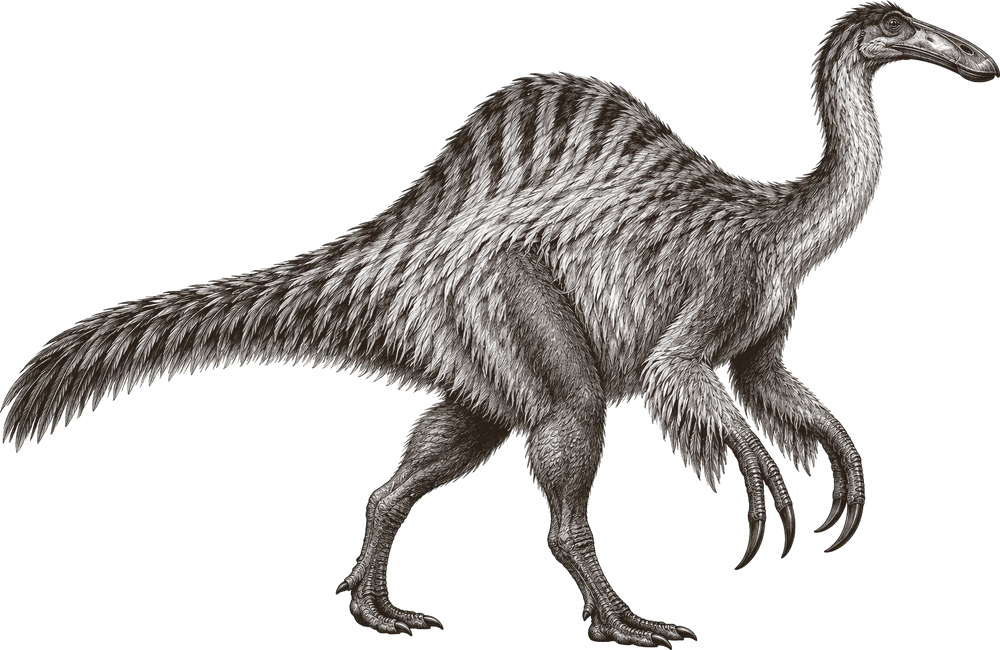

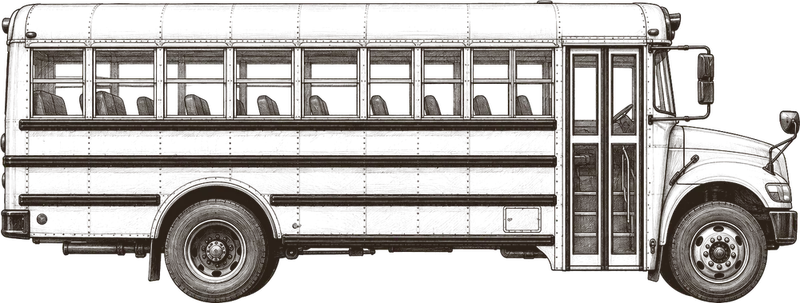
Scale in meters
Where its fossils were found
The evidence
Today

70 million years ago
Habitat
Rivers and wet floodplains in the Nemegt Formation of Mongolia. Saurolophus, Gallimimus and Tarbosaurus also lived in this region.
A Dinosaur Vault film
The Terrible Hand Mystery: What Had These Arms?
Two giant arms with hooked claws made Deinocheirus easy to imagine as a monster. Then more skeletons turned up in the Gobi, and the real animal was stranger: a duck-like bill, a tall hump and a belly full of stomach stones.
Subscribe on YouTubeField notes
About Deinocheirus
What it was like
Deinocheirus was a huge, bulky ornithomimosaur with a wide, flattened bill somewhat like that of a duck-billed dinosaur, and tall spines along its back that likely formed a hump or sail. It grew to about 11 meters (36 feet) long and weighed around 6,400 kilograms (about 7 short tons), making it by far the largest animal in its family.
Its arms were unusually long and ended in blunt claws, though its legs were short for its size. Paleontologists think it ate both plants and animals: its bill suggests it fed on soft vegetation, while fish remains found with one skeleton suggest it also caught prey near water.
Its world
Deinocheirus lived about 72 to 66 million years ago, in the Late Cretaceous, in what is now Mongolia. Its fossils come from the Nemegt Formation.
It shared this floodplain habitat with the clawed Therizinosaurus, the predator Tarbosaurus, the small Alioramus, the plant eater Saurolophus, the long-necked Opisthocoelicaudia, and the small-armed Mononykus and Adasaurus.
How it was found
Kielan-Jaworowska named Deinocheirus in 1969, based only on a pair of huge arms and shoulder bones. For decades, no other remains turned up, and its full body shape stayed a mystery. Since then, paleontologists have recovered about four fossil finds, including more complete skeletons that finally showed what the rest of the animal looked like. It is considered a close relative of the smaller Garudimimus.
Field gallery
More views of Deinocheirus
Scenes reconstructed from the available fossil evidence.
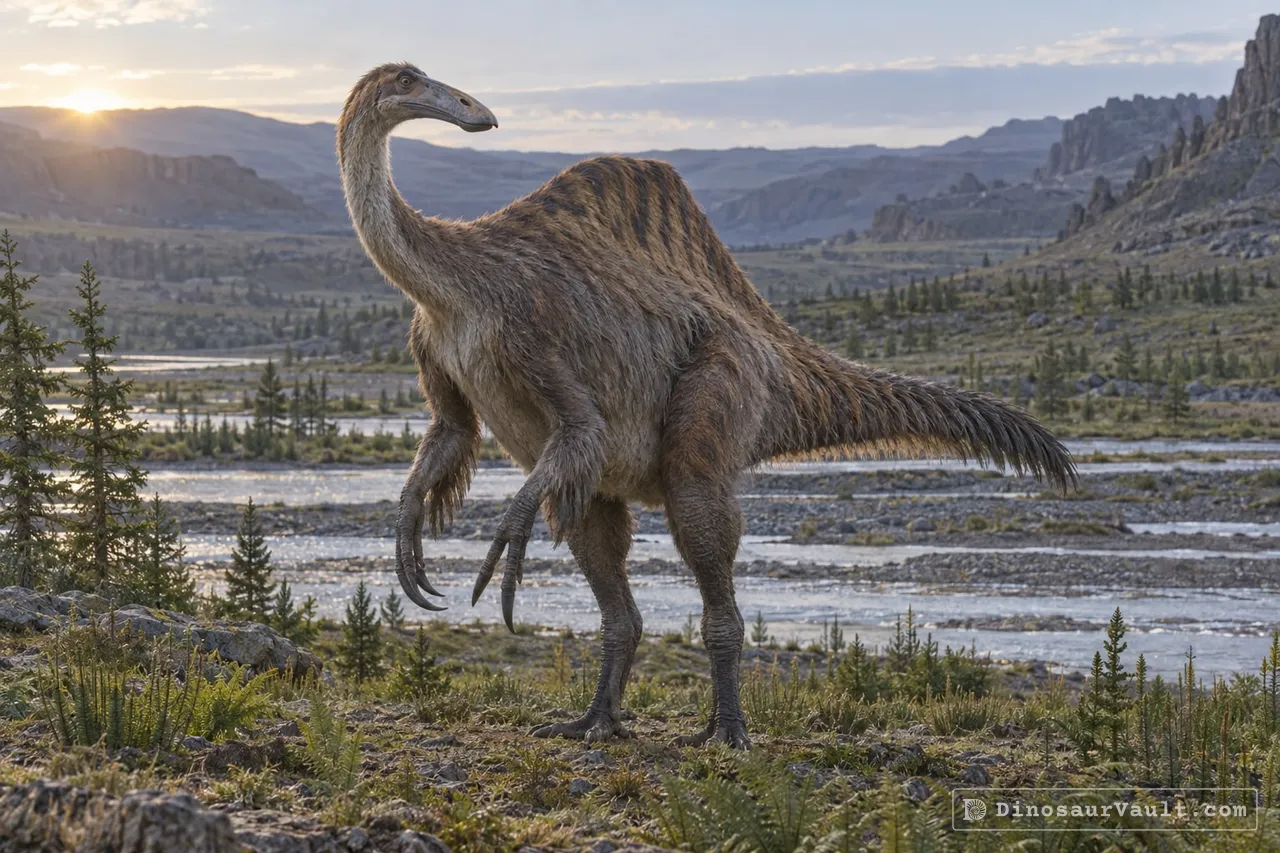
1 of 7
Lived alongside
Found in the same rock formations
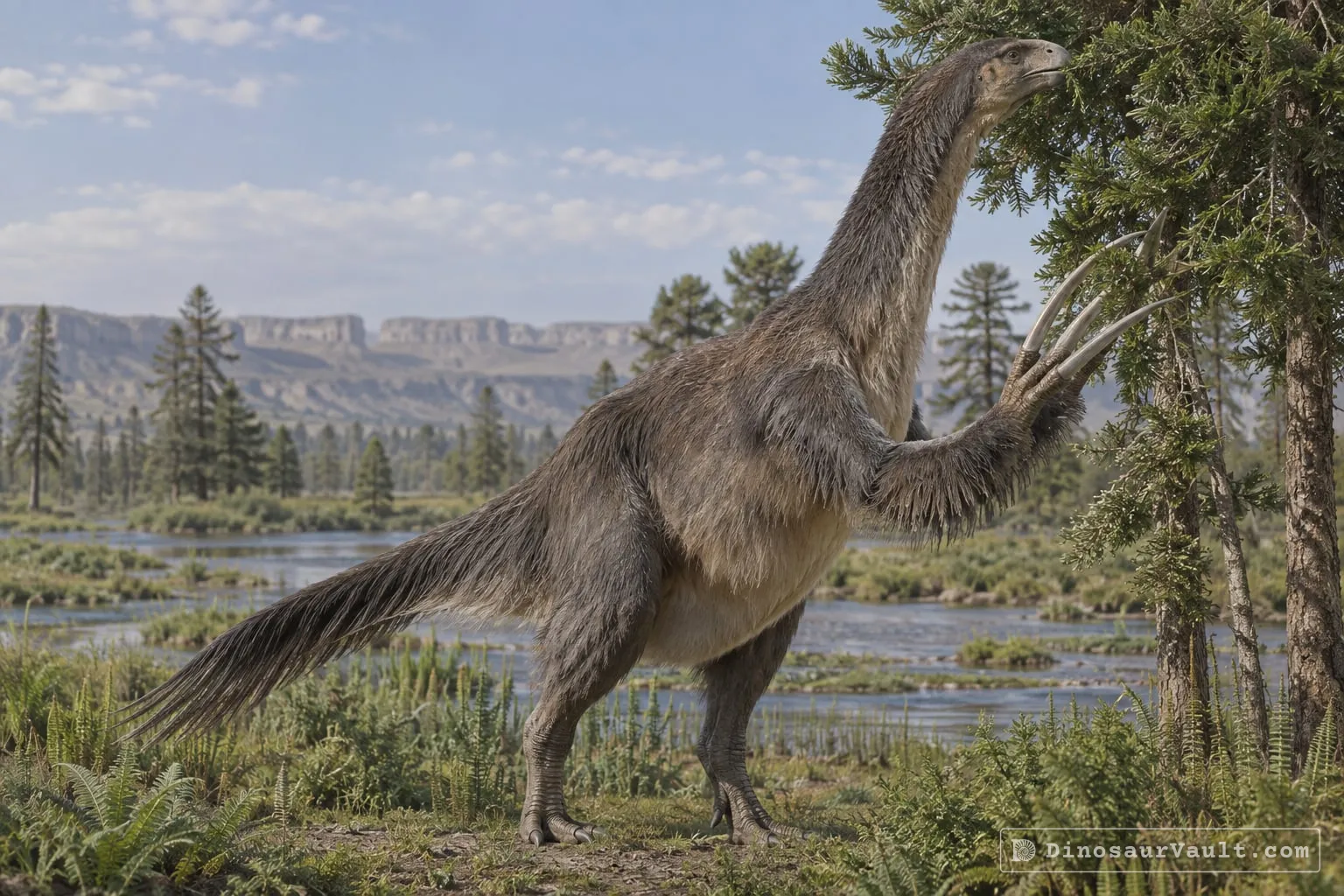
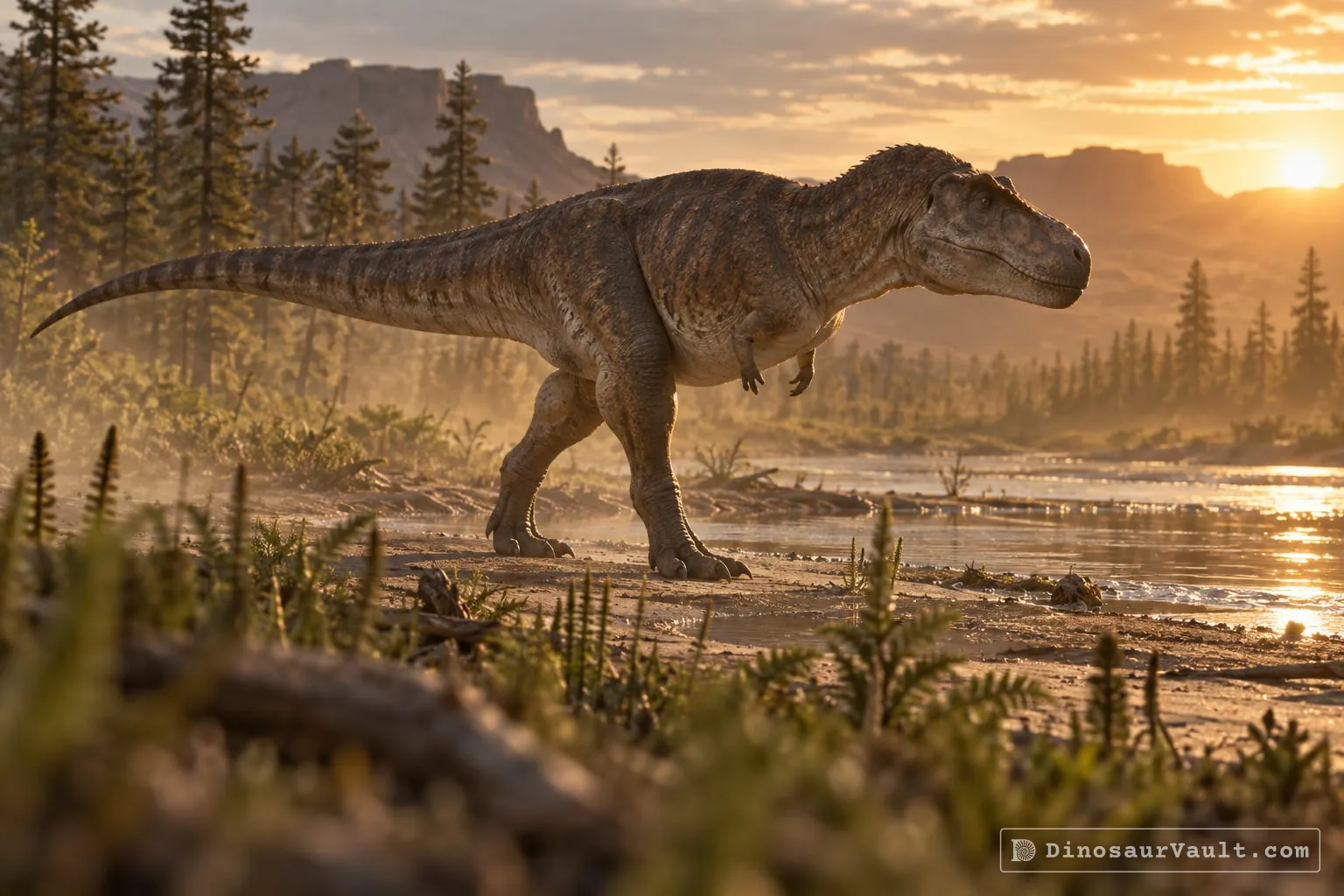
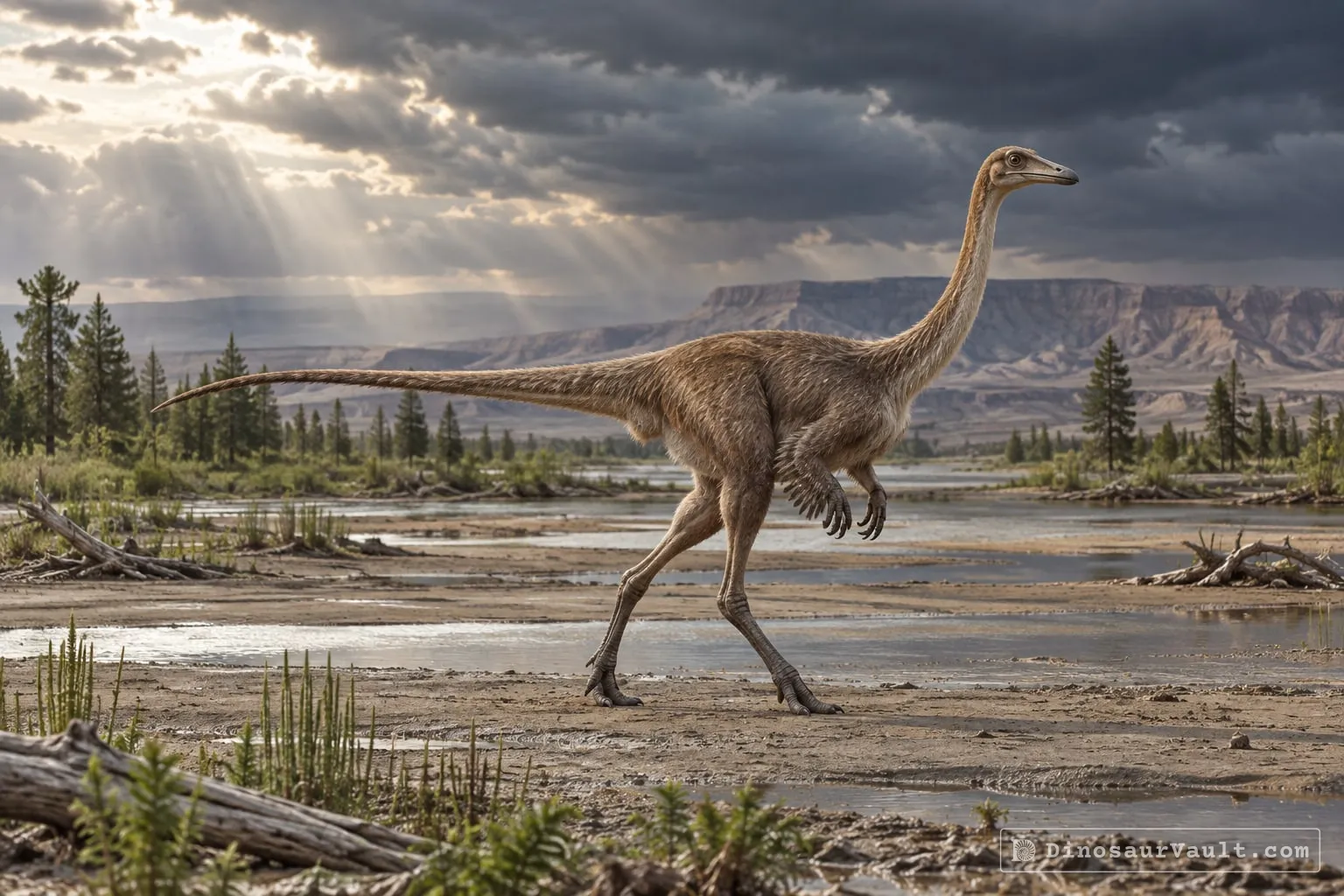
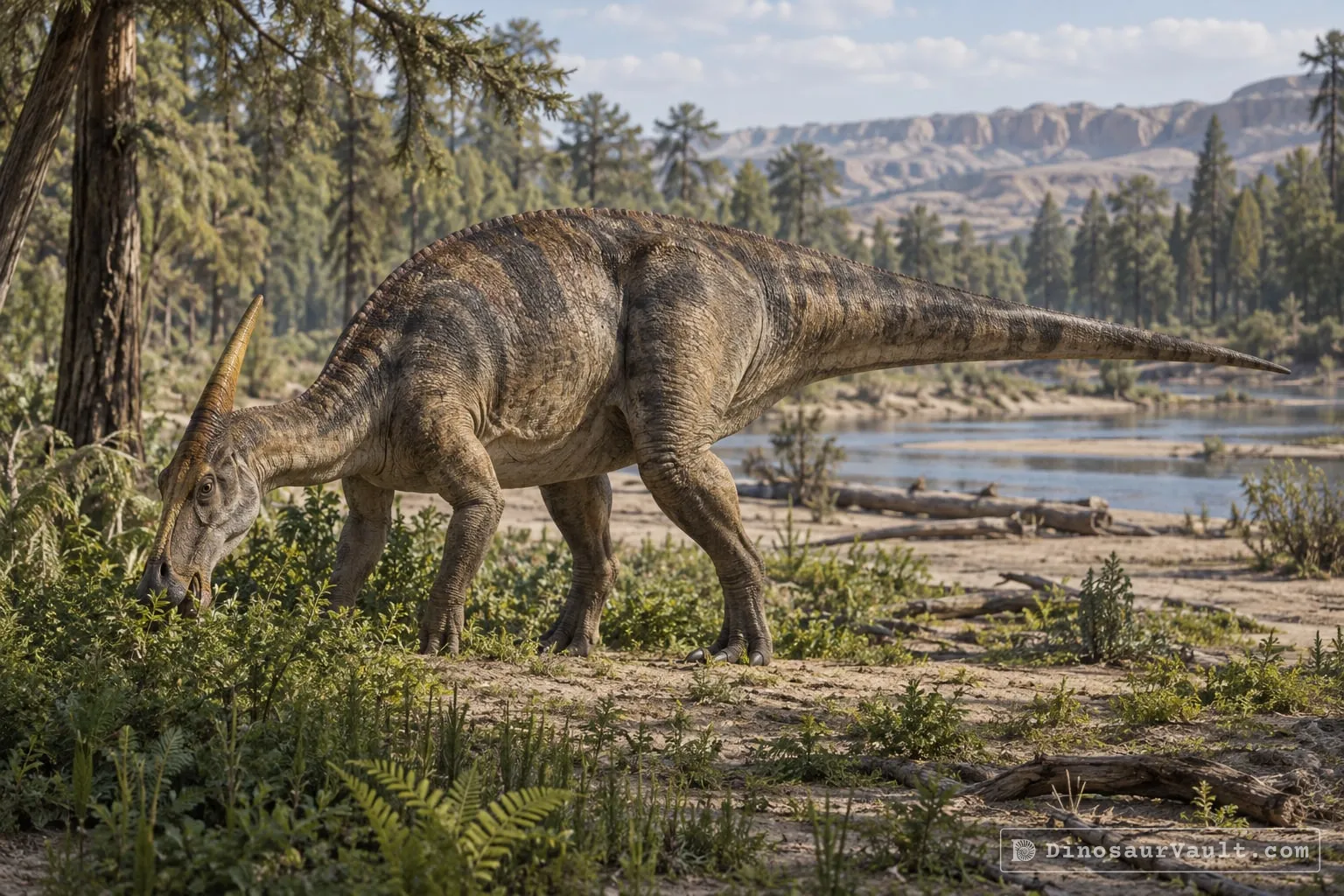
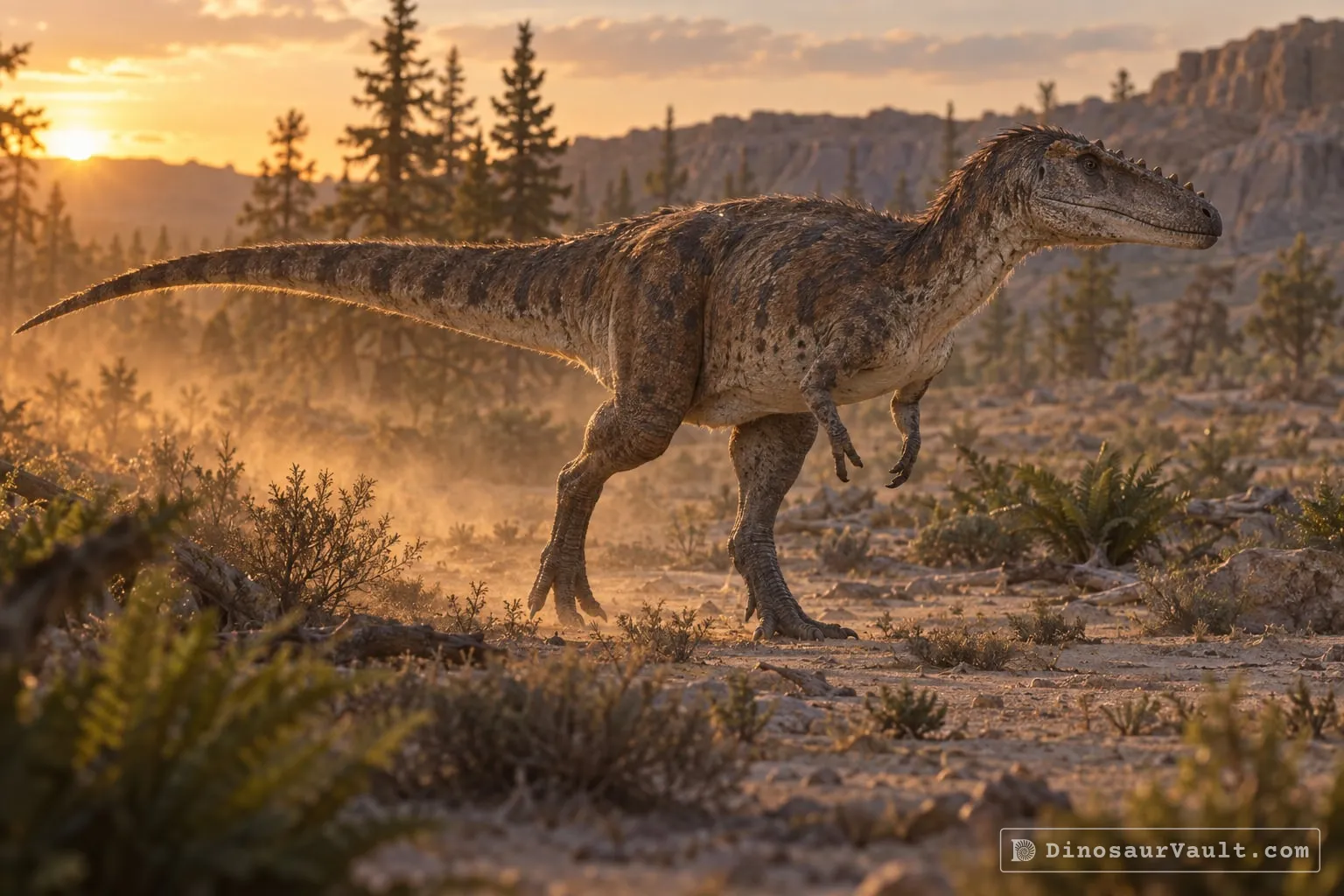
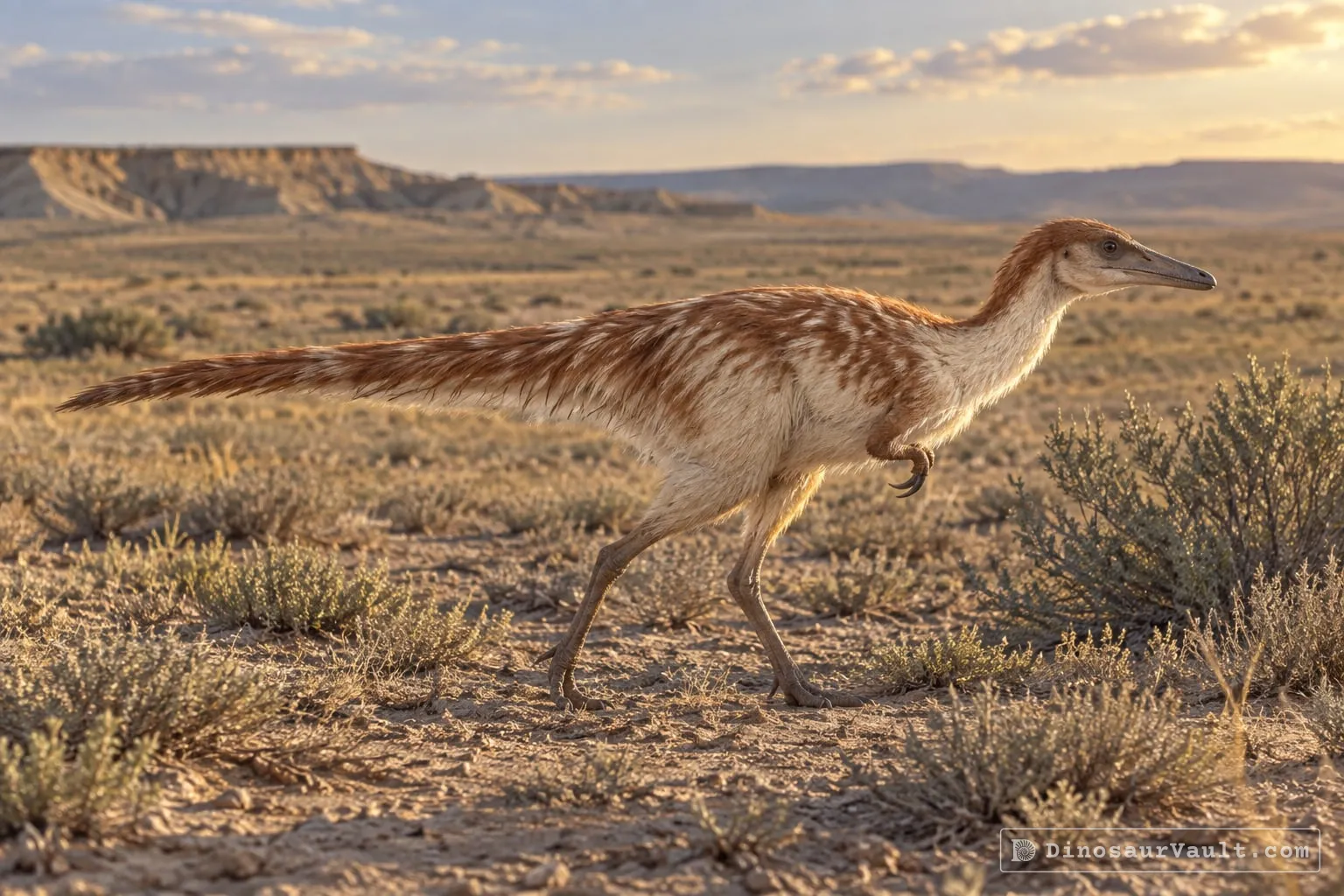
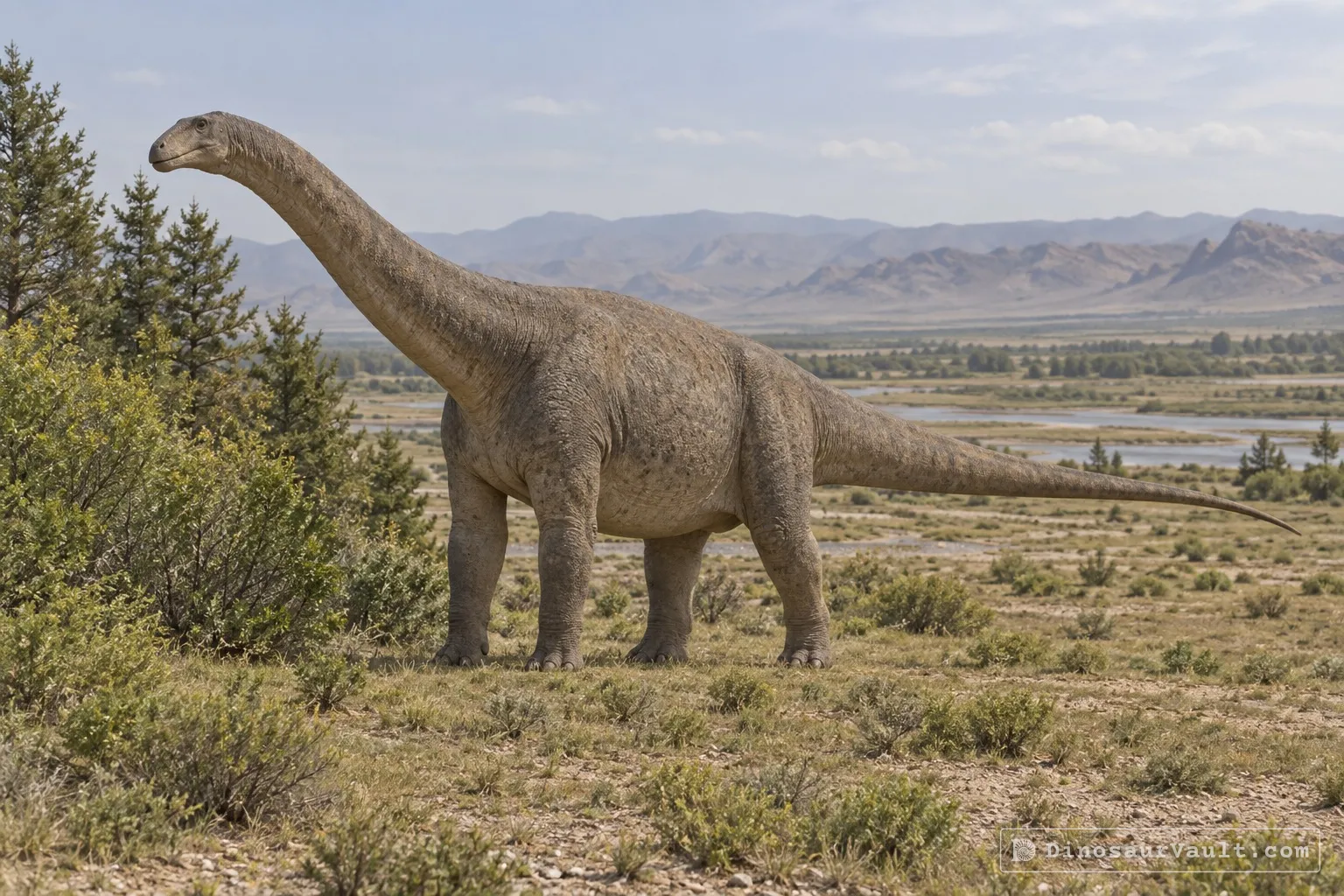
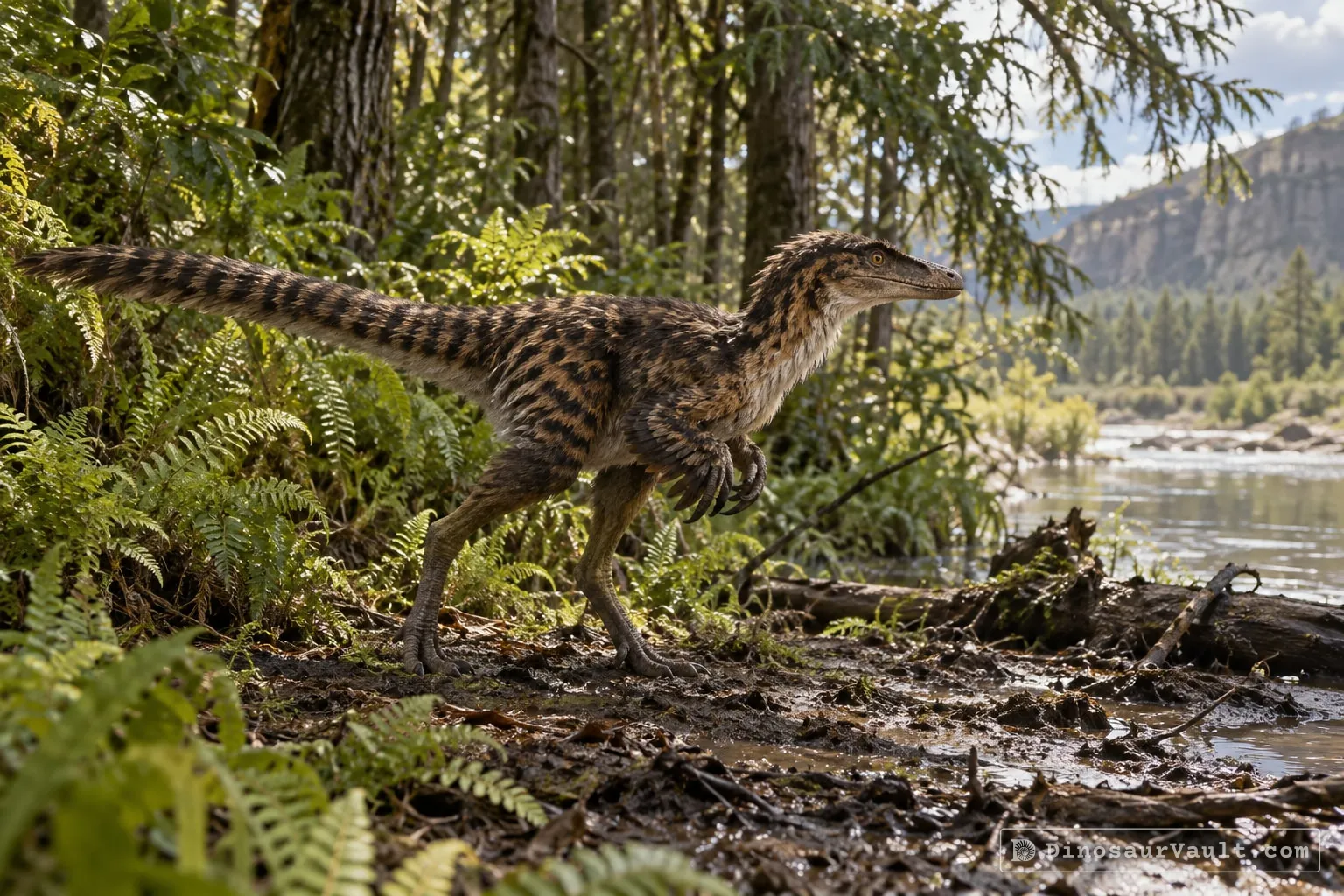


A rock formation can hold fossils laid down millions of years apart, so not every animal here met Deinocheirus.
The evidence
The science behind Deinocheirus
Which parts of the picture come from its own bones, and which come from its relatives.
From its own fossils
- The first find preserved enormous arms and shoulders, with three clawed fingers on each hand.
- Later skeletons show a broad, toothless bill, a deep body, tall spines along the back and broad, blunt toes.
- Fish remains and swallowed stones were found in the belly region of a skeleton.
Borrowed from relatives
- Much of its body shape is known from its own skeletons.
- A feather covering is inferred from feathered relatives such as Ornithomimus.
Still unknown
- The extent and texture of its feathers, and their color.
- The outer shape of the hump supported by its tall back spines.
- What small juveniles looked like.
Often drawn wrong
- Older restorations gave it a predator's toothed jaws; its bill was toothless.
- Its feet had broad, blunt claws rather than sharp, curved hunting claws.
- Its palms faced inward rather than down toward the ground.
Discovery timeline
- 1969Named itKielan-Jaworowska
- 2005Close relativeKobayashi & Barsbold
- 2012How it fedBell, Currie & Lee
- 2012Close relativeZelenitsky et al.
- 2014Full descriptionLee et al.
Key papers
The research behind what we know of Deinocheirus
Named it
Introduced Deinocheirus from enormous arms and shoulder bones found in Mongolia.
Fossils from the Gobi desert. Science Journal 5: 32-38
No link available
Close relative
Restudied Garudimimus, a smaller relative with toothless jaws and feet less specialized for running than those of later ostrich dinosaurs.
Reexamination of a primitive ornithomimosaur, Garudimimus brevipes Barsbold, 1981 (Dinosauria: Theropoda), from the Late Cretaceous of Mongolia. Canadian Journal of Earth Sciences 42: 1501-1521
Read the paper : Reexamination of a primitive ornithomimosaur, Garudimimus brevipes Barsbold, 1981 (Dinosauria: Theropoda), from the Late Cretaceous of Mongolia (opens in a new tab)How it fed
Bite marks on Deinocheirus belly ribs suggest that a tyrannosaur, probably Tarbosaurus, fed on its carcass.
Tyrannosaur feeding traces on Deinocheirus (Theropoda:?Ornithomimosauria) remains from the Nemegt Formation (Late Cretaceous), Mongolia. Cretaceous Research 37: 186-190
Read the paper : Tyrannosaur feeding traces on Deinocheirus (Theropoda:?Ornithomimosauria) remains from the Nemegt Formation (Late Cretaceous), Mongolia (opens in a new tab)Close relative
Found feathers in Ornithomimus, supporting a feather covering in its larger relative Deinocheirus.
Feathered Non-Avian Dinosaurs from North America Provide Insight into Wing Origins. Science 338: 510-514
Read the paper : Feathered Non-Avian Dinosaurs from North America Provide Insight into Wing Origins (opens in a new tab)Full description
New skeletons revealed the toothless bill, deep body, tall back spines and fish remains that transformed the known anatomy and diet of Deinocheirus.
Resolving the long-standing enigmas of a giant ornithomimosaur Deinocheirus mirificus. Nature 515: 257-260
Read the paper : Resolving the long-standing enigmas of a giant ornithomimosaur Deinocheirus mirificus (opens in a new tab)
Close relatives
Other members of Deinocheiridae


Sources: Wikidata