Gallimimus
GAL-ih-MY-mus
"chicken mimic"
- Lived
- 72 to 66 million years ago, Late Cretaceous
- Diet
- Omnivore
- Length
- about 6 m (20 ft)
- Weight
- about 440 kg (970 lb)
- Group
- Theropods, Ornithomimidae
- Found in
- Mongolia
- Named by
- Osmólska et al. 1972
Size comparison
To scale


Scale in meters
Where its fossils were found
The evidence
Today

70 million years ago
Habitat
Its Nemegt home included river channels and floodplains. Saurolophus, Deinocheirus and Tarbosaurus lived in the region.
Field notes
About Gallimimus
What it was like
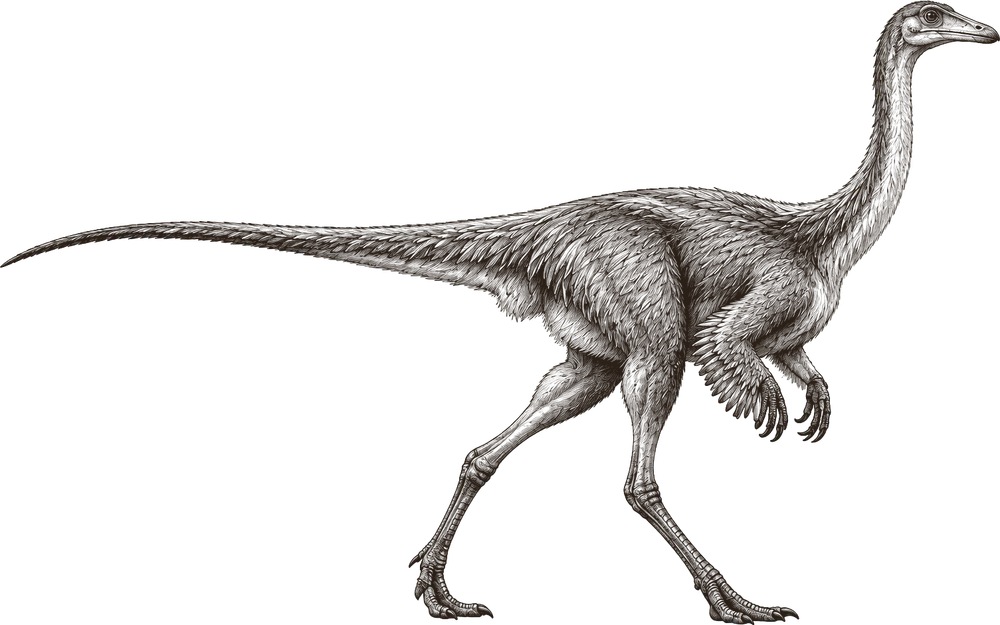
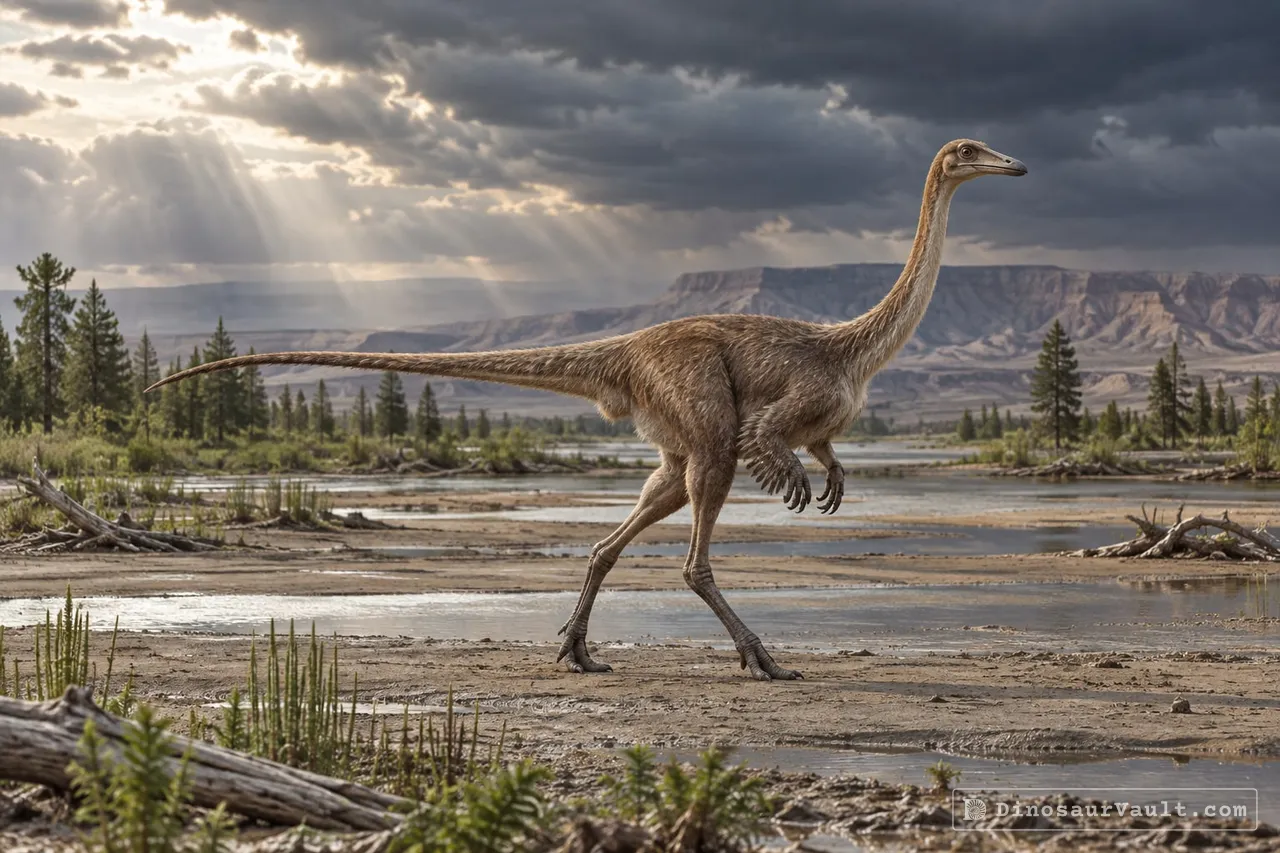
Gallimimus was a slender, long-legged theropod built for speed, with a small toothless head, a long neck, and a beak-like mouth. It grew to about 6 meters (20 feet) long and weighed around 440 kilograms (970 pounds), making it the largest known member of its family.
Its arms were short with three clawed fingers, and its long hind legs suggest it could run fast to escape predators. Gallimimus was probably an omnivore, eating small animals, plants, or both, though scientists still debate exactly what made up its diet.
Its world
Gallimimus lived in what is now Mongolia between about 72 and 66 million years ago, during the Late Cretaceous. Its fossils come from the Nemegt and Baruungoyot formations.
It shared its habitat with the armored Tarchia, the feathered Avimimus, and predators such as Velociraptor and Tarbosaurus. The huge, long-armed Deinocheirus, a distant relative, lived in the same region.
How it was found
Osmólska and colleagues named Gallimimus in 1972, based on fossils collected in Mongolia. About 27 finds of the genus are known today, including skeletons of different ages, which has helped researchers study how it grew.
Field gallery
More views of Gallimimus
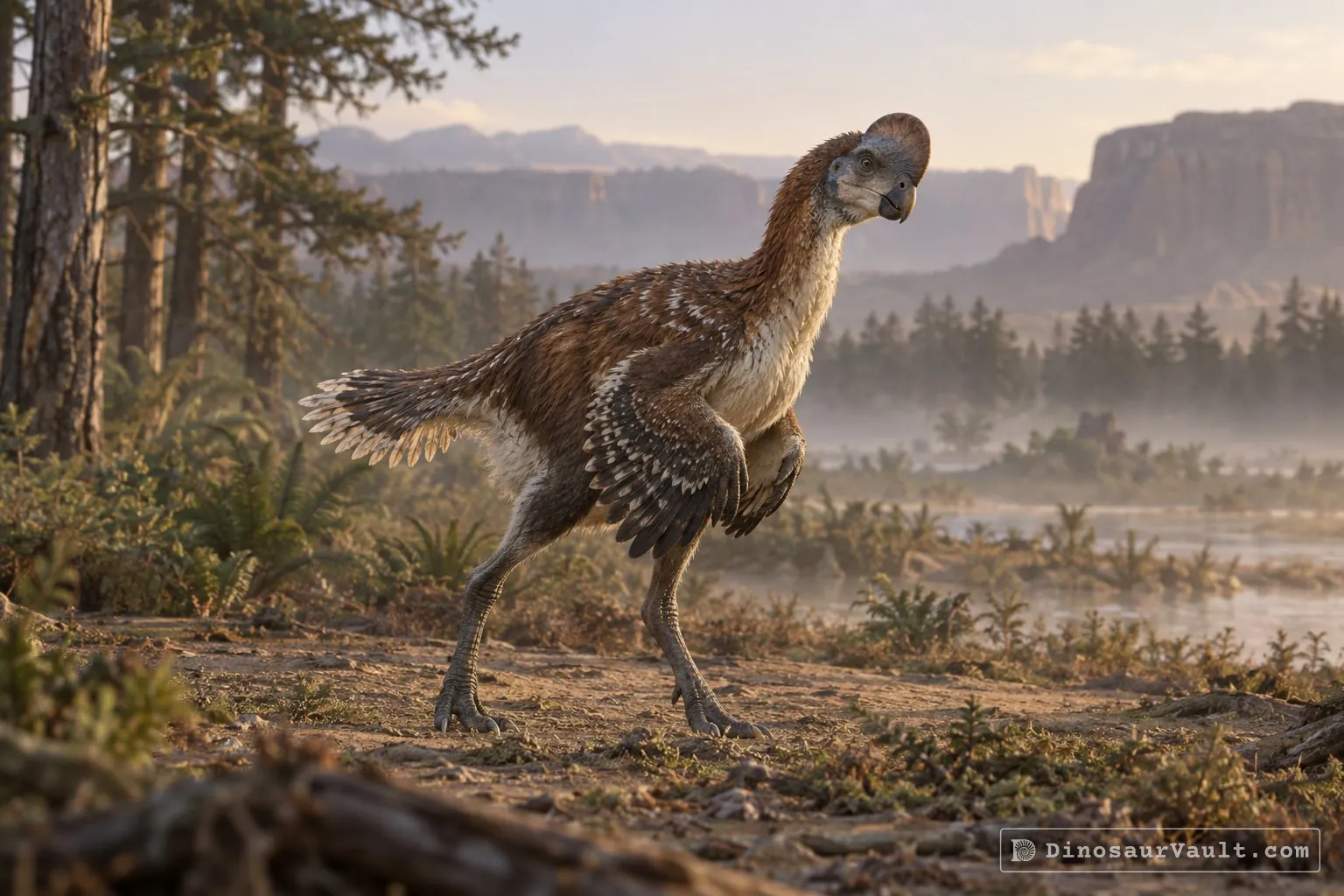
Scenes reconstructed from the available fossil evidence.
1 of 7
Lived alongside
Found in the same rock formations
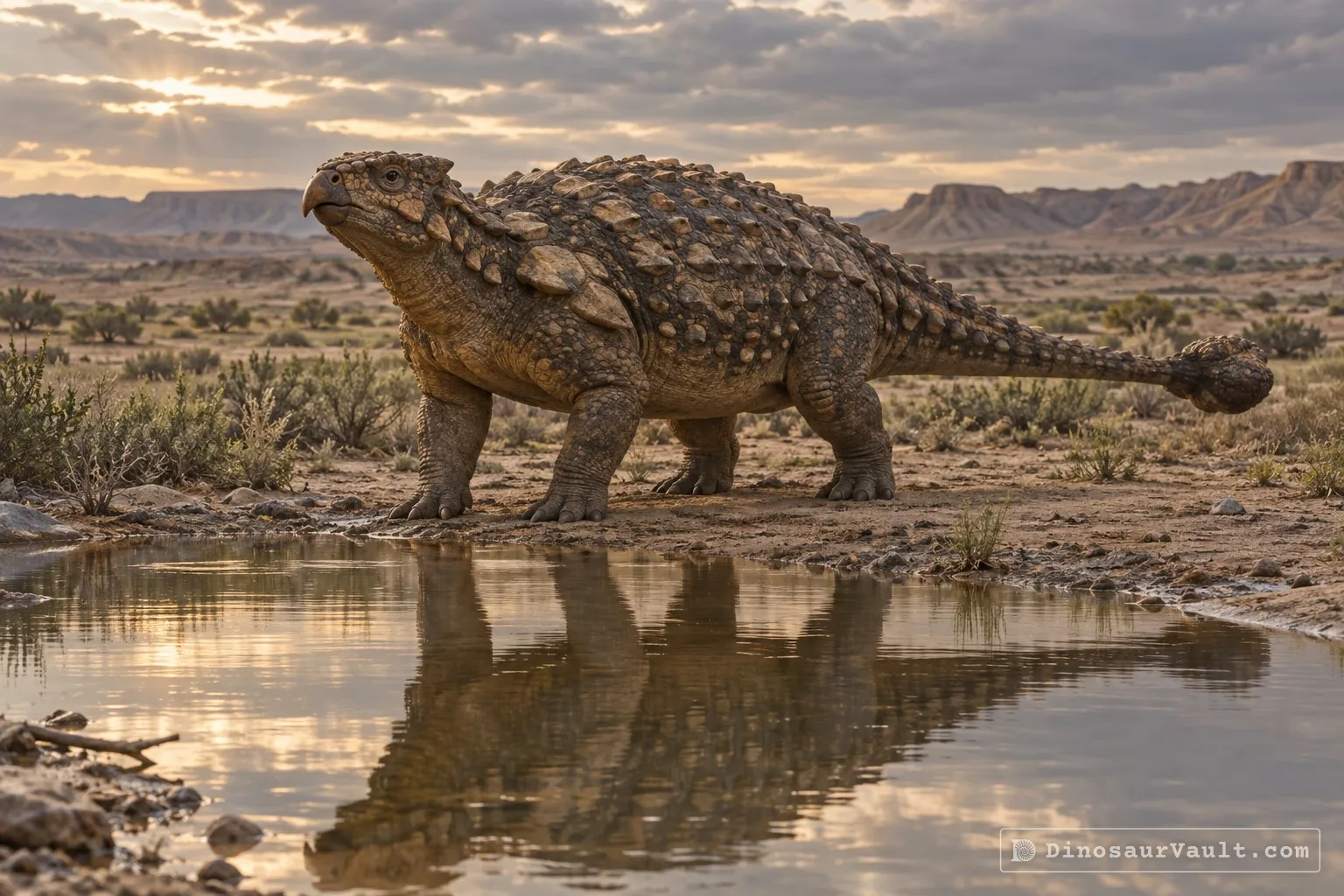
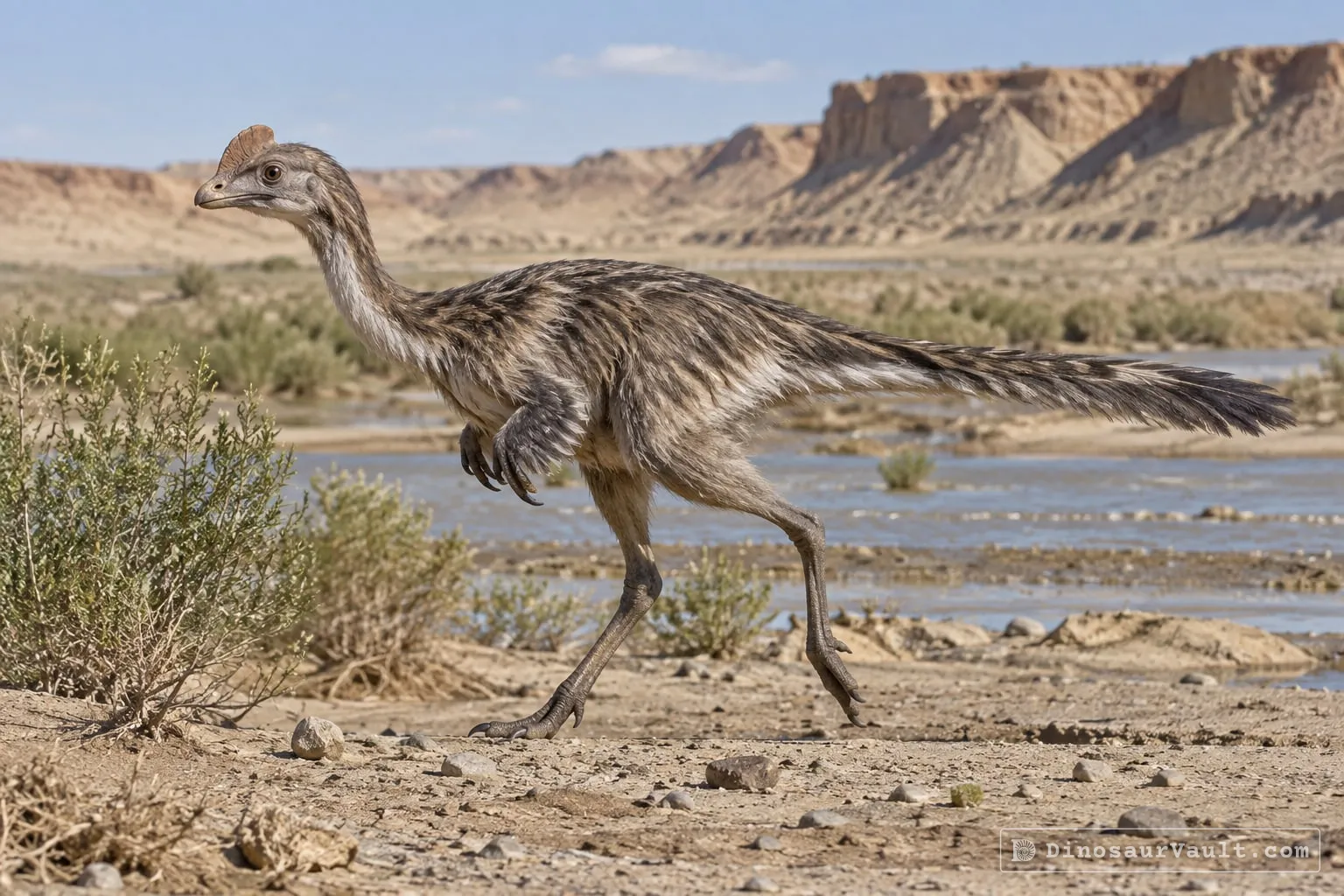
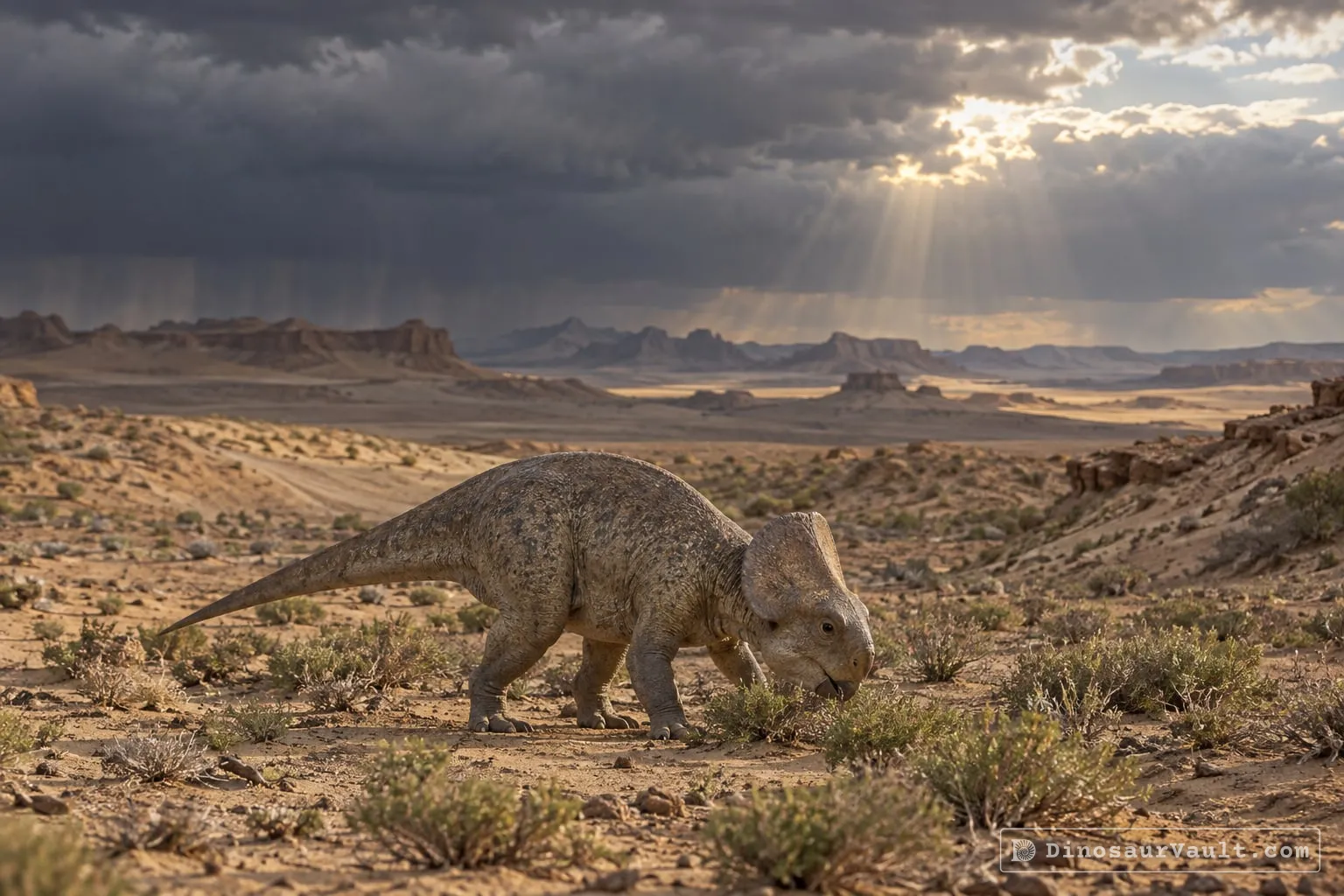
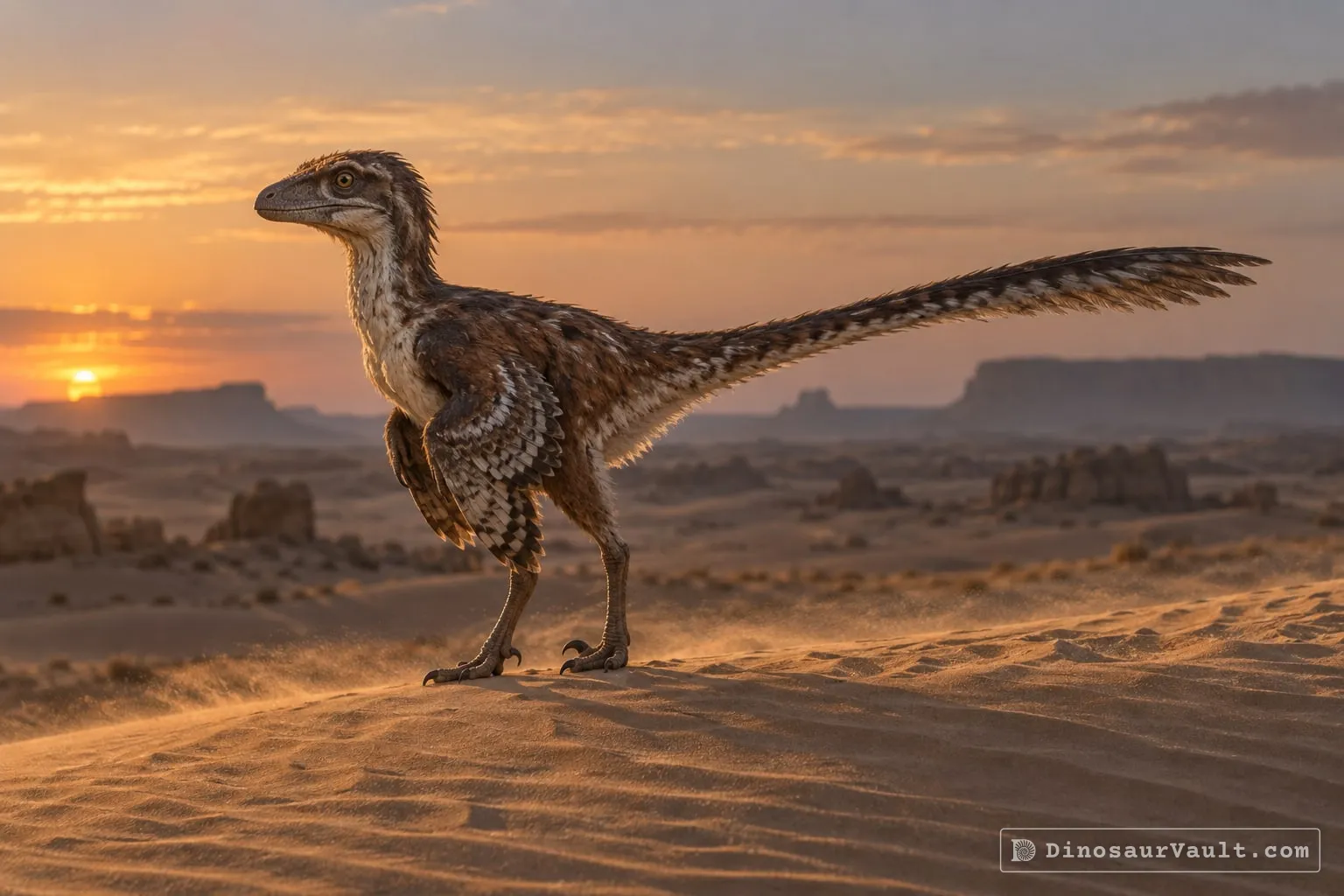
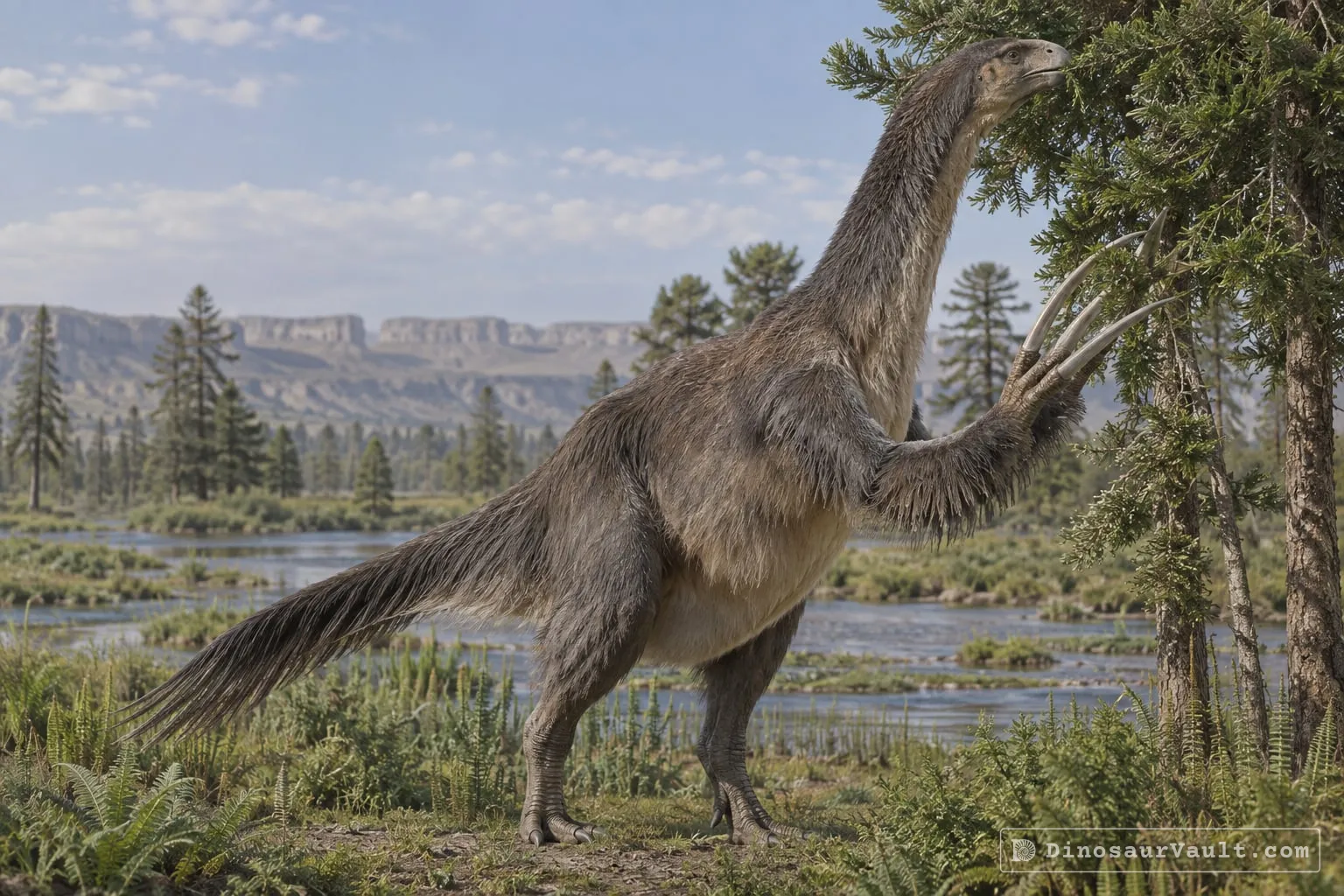
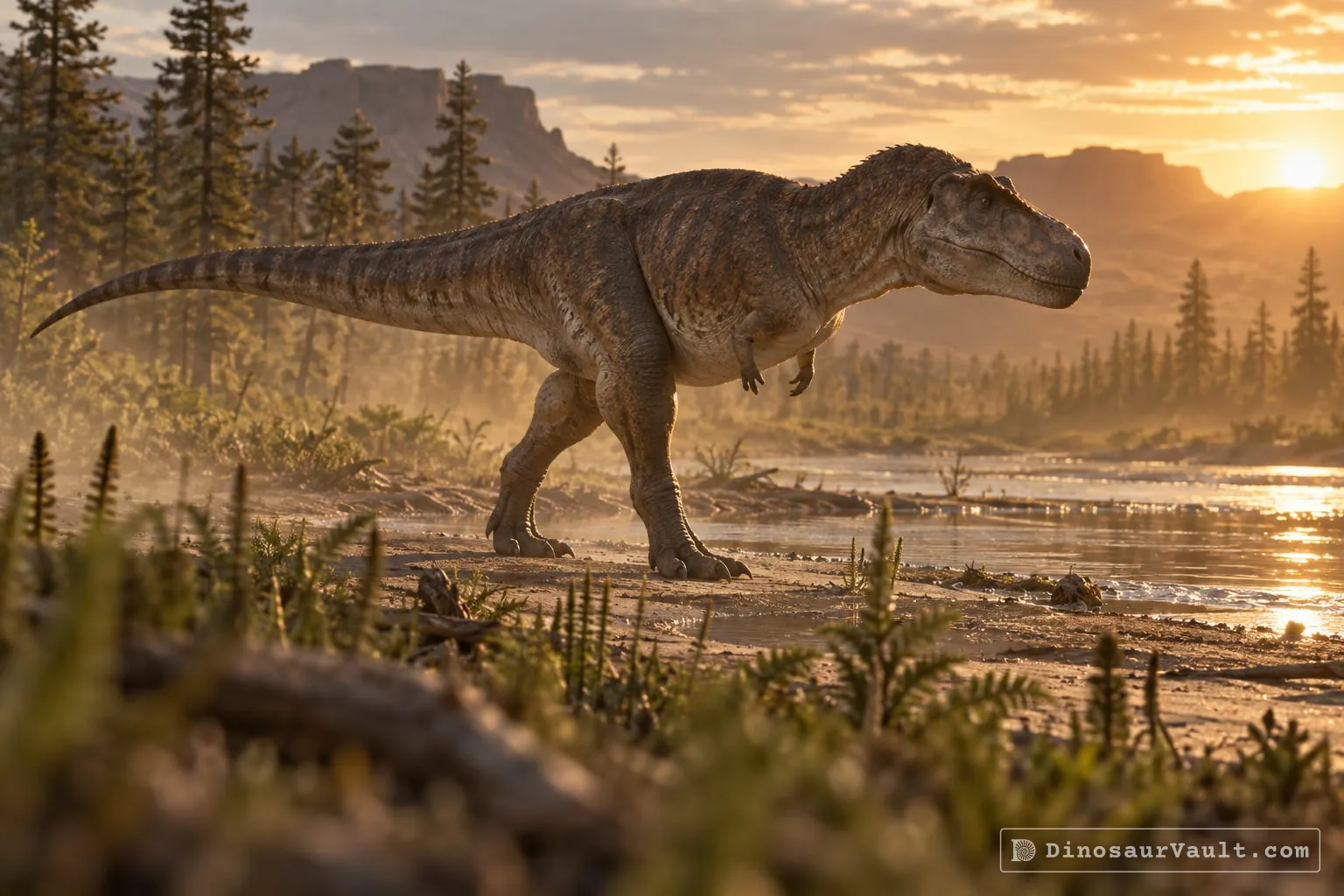
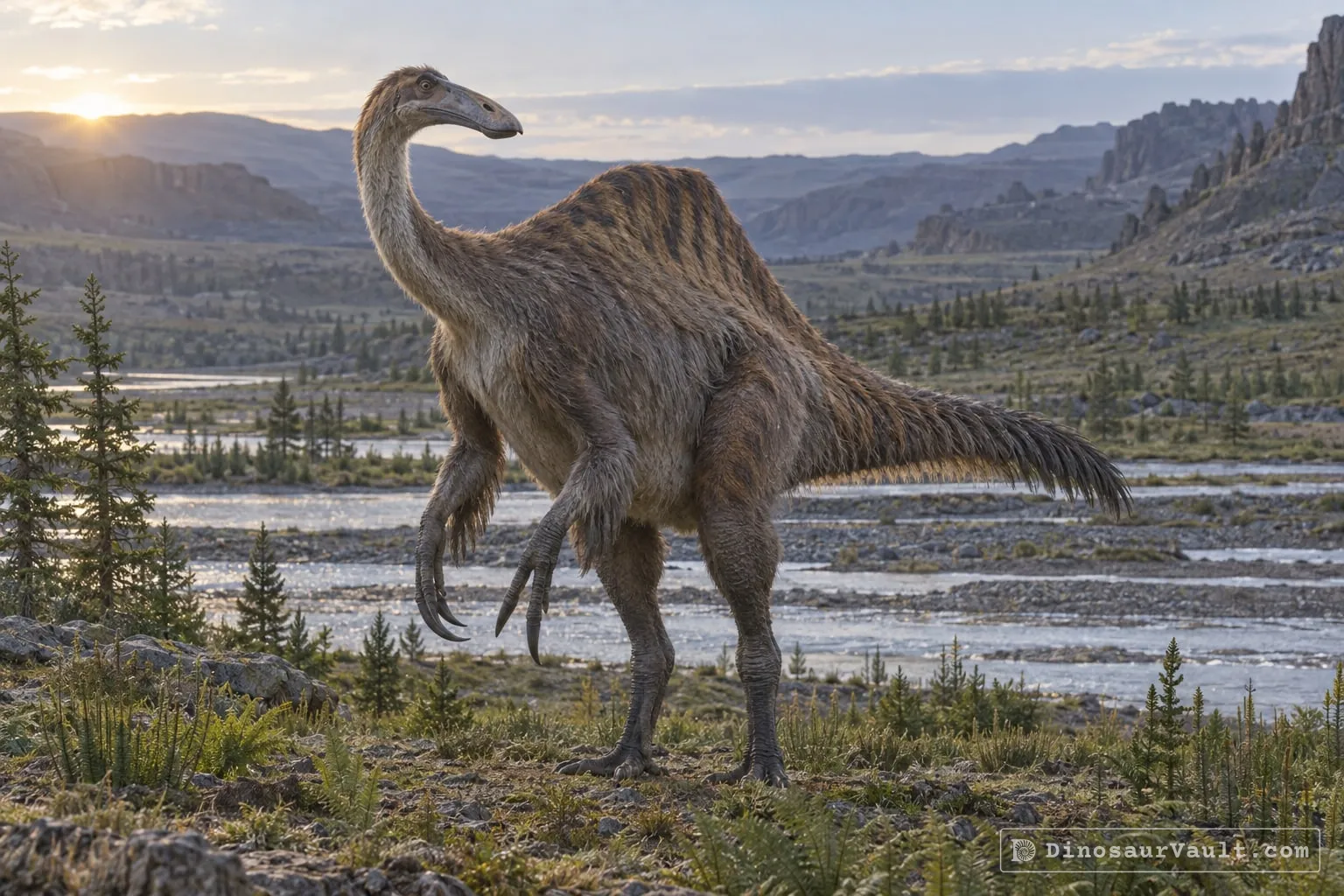


A rock formation can hold fossils laid down millions of years apart, so not every animal here met Gallimimus.
The evidence
The science behind Gallimimus
Which parts of the picture come from its own bones, and which come from its relatives.
From its own fossils
- Skeletons show a small, toothless skull, a long neck, long hindlegs and a balancing tail.
- The hands had three clawed fingers and faced inward.
- A skull preserves traces of the horny covering of its beak.
Borrowed from relatives
- Much of the body is known from its own skeletons.
- A feathered body and feathered arms are inferred from Ornithomimus, which preserves feathers.
Still unknown
- Exactly what it ate.
- The color and arrangement of its feathers, especially in young animals.
- Whether it lived in lasting groups or cared for its young.
Often drawn wrong
- Toothed jaws replace its toothless beak.
- Palms facing the ground give its hands a movement they could not make.
- Bare arms overlook the feathers inferred from Ornithomimus.
Discovery timeline
- 1972Named itOsmólska, Roniewicz & Barsbold
- 2001How it fedNorell, Makovicky & Currie
- 2005How it fedBARRETT
- 2012Close relativeZelenitsky et al.
- 2014Same rocksLee et al.
Key papers
The research behind what we know of Gallimimus
Named it
Described Gallimimus from Mongolian skeletons, establishing its toothless skull, long legs and distinctive hands.
A new dinosaur, Gallimimus bullatus n. gen., n. sp. (Ornithomimidae) from the Upper Cretaceous of Mongolia. Palaeontologia Polonica 27: 103-143
No link available
How it fed
Described preserved beak coverings in Gallimimus and Ornithomimus and proposed that ridges inside the beak helped strain food from water.
The beaks of ostrich dinosaurs. Nature 412: 873-874
Read the paper : The beaks of ostrich dinosaurs (opens in a new tab)How it fed
Reassessed beak structure and food requirements, arguing against filter feeding and favoring substantial plant eating in advanced ostrich dinosaurs.
THE DIET OF OSTRICH DINOSAURS (THEROPODA: ORNITHOMIMOSAURIA). Palaeontology 48: 347-358
Read the paper : THE DIET OF OSTRICH DINOSAURS (THEROPODA: ORNITHOMIMOSAURIA) (opens in a new tab)Close relative
Found feathers on Ornithomimus, including longer arm feathers in adults, providing a close comparison for the covering of Gallimimus.
Feathered Non-Avian Dinosaurs from North America Provide Insight into Wing Origins. Science 338: 510-514
Read the paper : Feathered Non-Avian Dinosaurs from North America Provide Insight into Wing Origins (opens in a new tab)Same rocks
Described Deinocheirus skeletons from the Nemegt Formation, revealing a broad-beaked relative with fish remains and swallowed stones in its body.
Resolving the long-standing enigmas of a giant ornithomimosaur Deinocheirus mirificus. Nature 515: 257-260
Read the paper : Resolving the long-standing enigmas of a giant ornithomimosaur Deinocheirus mirificus (opens in a new tab)
Close relatives
Other members of Ornithomimidae


Sources: Wikidata