Nemegtomaia
"Nemegt mother"
Type species Nemegtomaia barsboldi
- Lived
- 84 to 66 million years ago, Late Cretaceous
- Diet
- Omnivore
- Group
- Theropods, Oviraptoridae
- Found in
- Mongolia
- Named by
- Lü et al. 2005
Where its fossils were found
The evidence
Today

75 million years ago
Habitat
Dry sandy ground and wetter river plains lay close together in its part of Mongolia. Tarbosaurus, Therizinosaurus and Tarchia lived in the surrounding region.
Field notes
About Nemegtomaia
What it was like
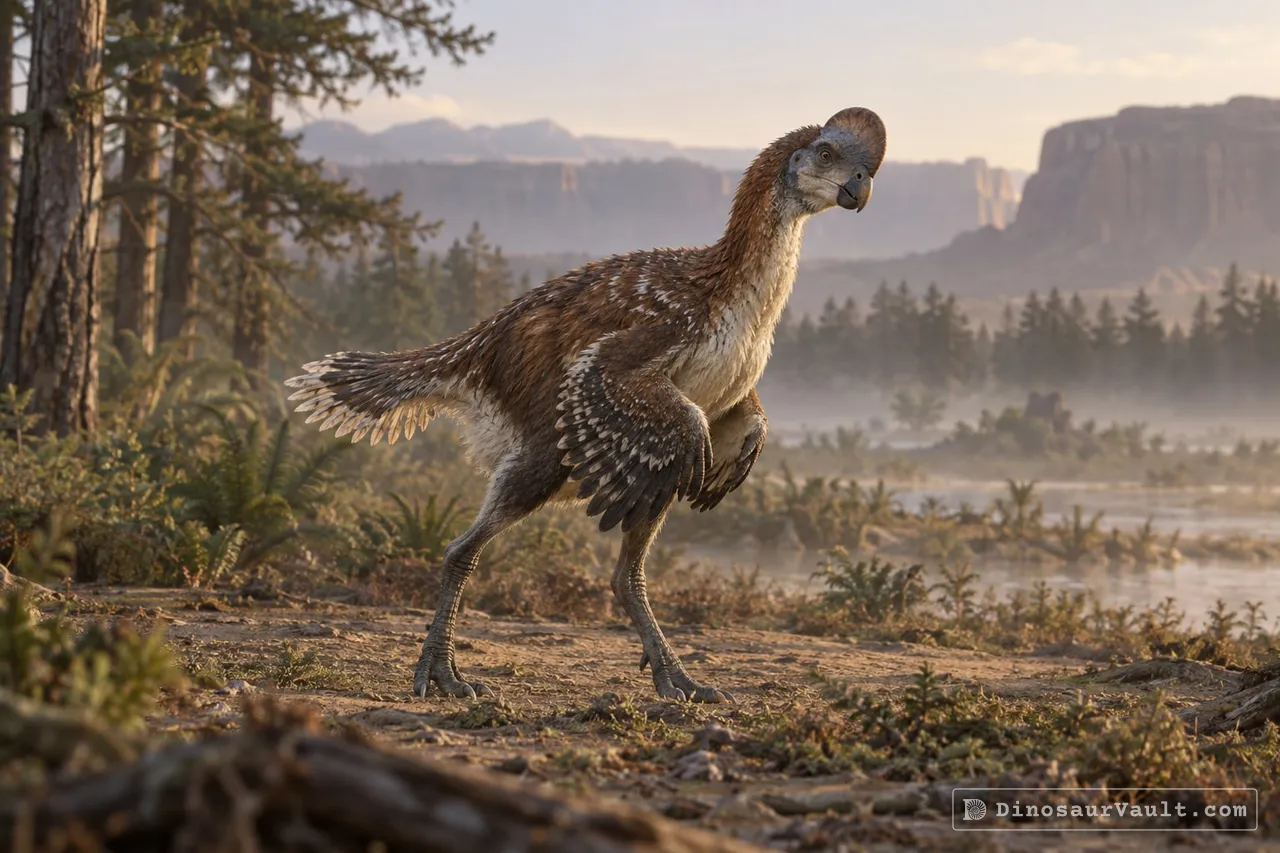
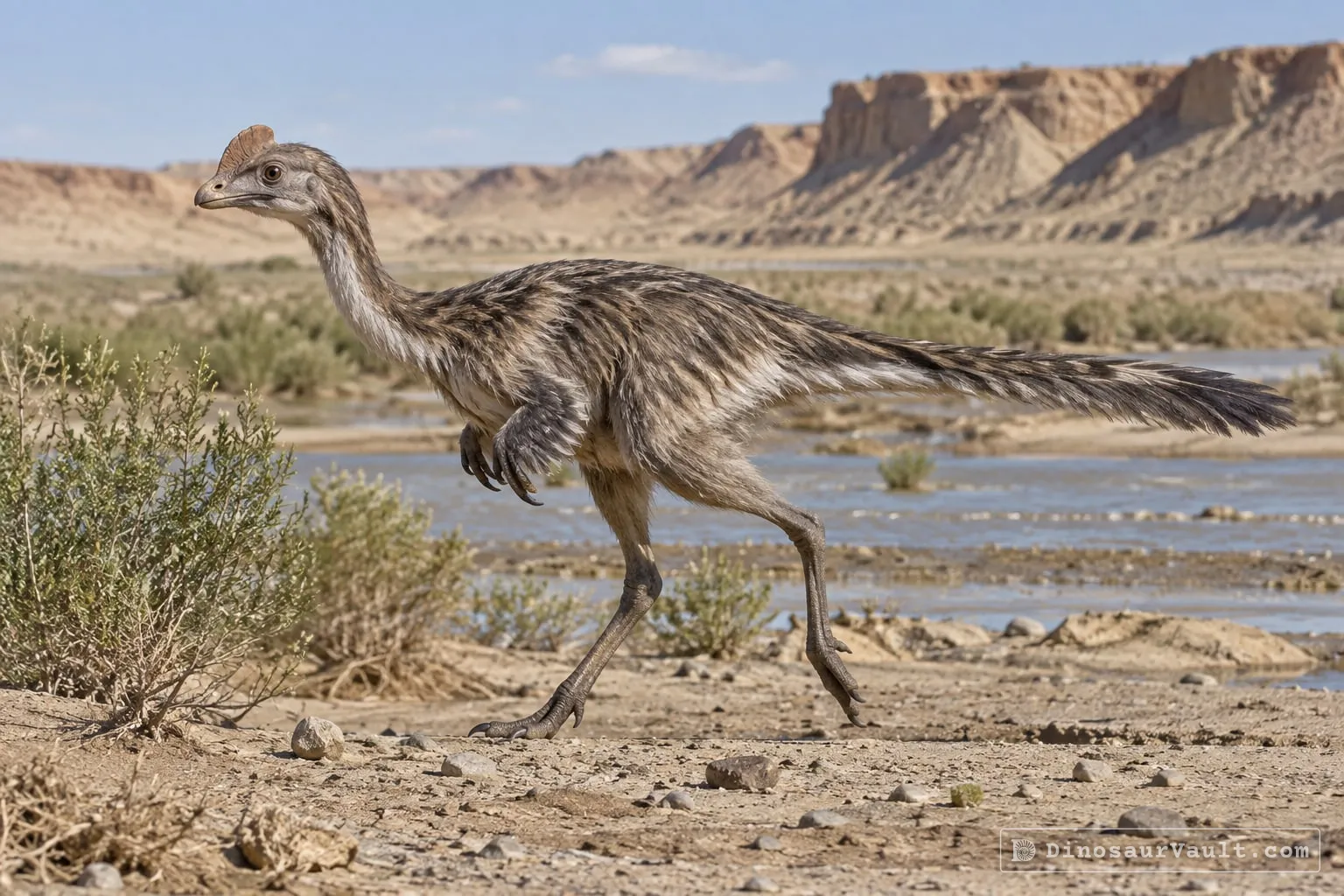
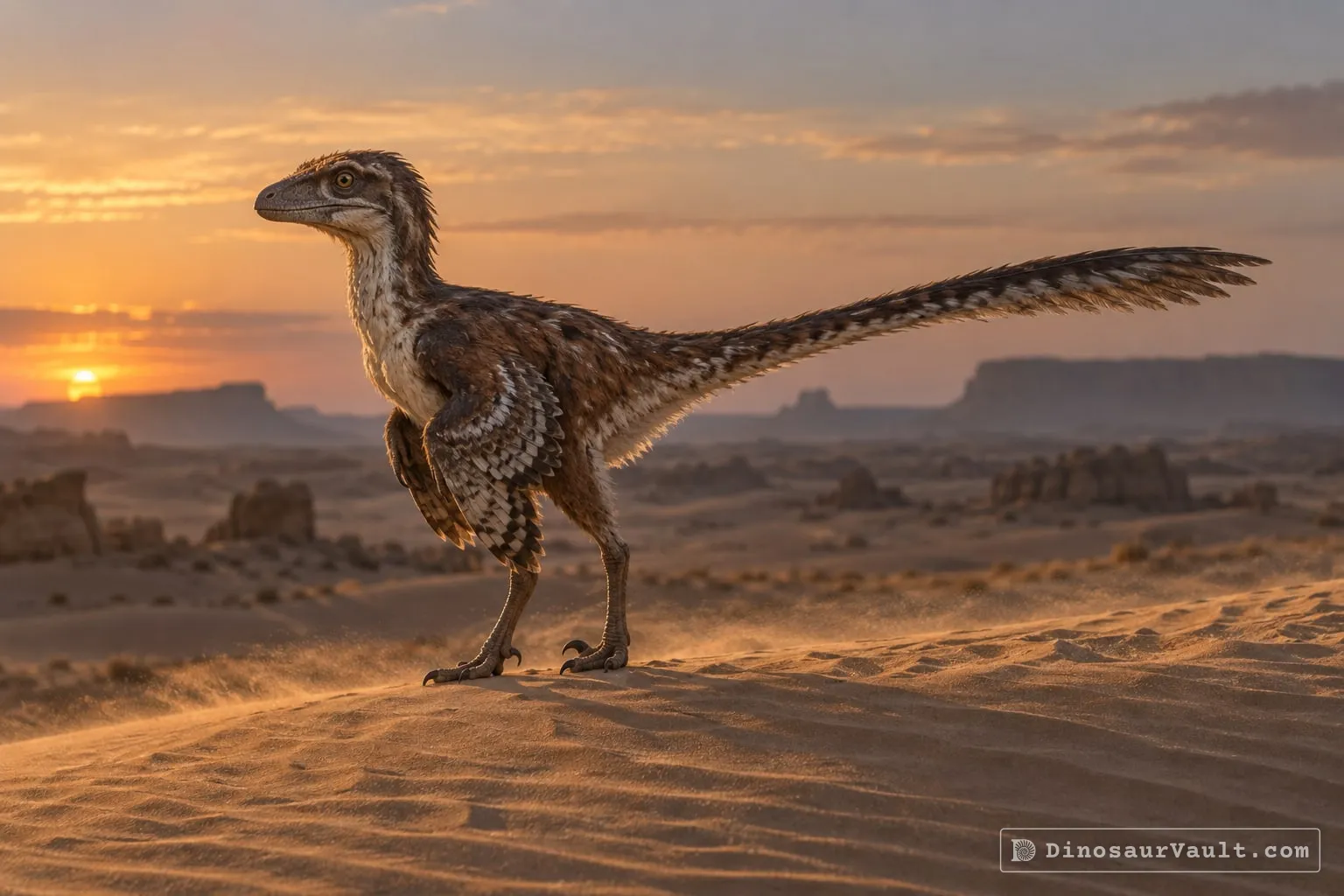
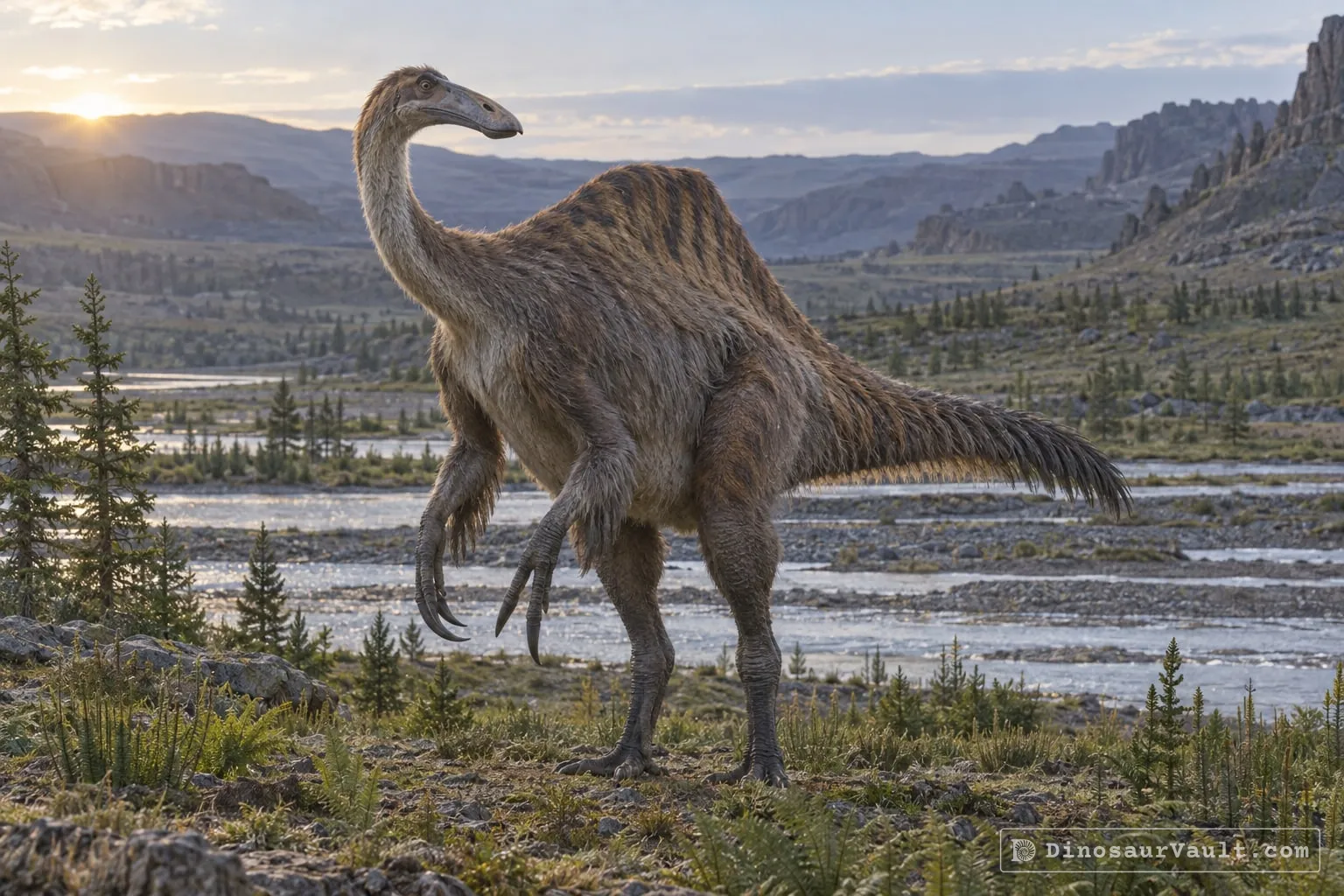
Nemegtomaia was an oviraptorid, a toothless, feathered theropod with a short, deep beak and a crest on its head. One skeleton was found lying on a nest of eggs, with its arms spread over them, much like a brooding bird.
Its world
It lived in the Late Cretaceous in what is now Mongolia. Its bones come from the Nemegt and Baruungoyot formations. It shared the land with the huge predator Tarbosaurus, the long-clawed Therizinosaurus and the armored Tarchia.
How it was found
Lü and colleagues named it in 2005. Its first name was already taken, so it was changed to Nemegtomaia. The type species is Nemegtomaia barsboldi.
Field gallery
More views of Nemegtomaia
Scenes reconstructed from the available fossil evidence.
1 of 3
Lived alongside
Found in the same rock formations
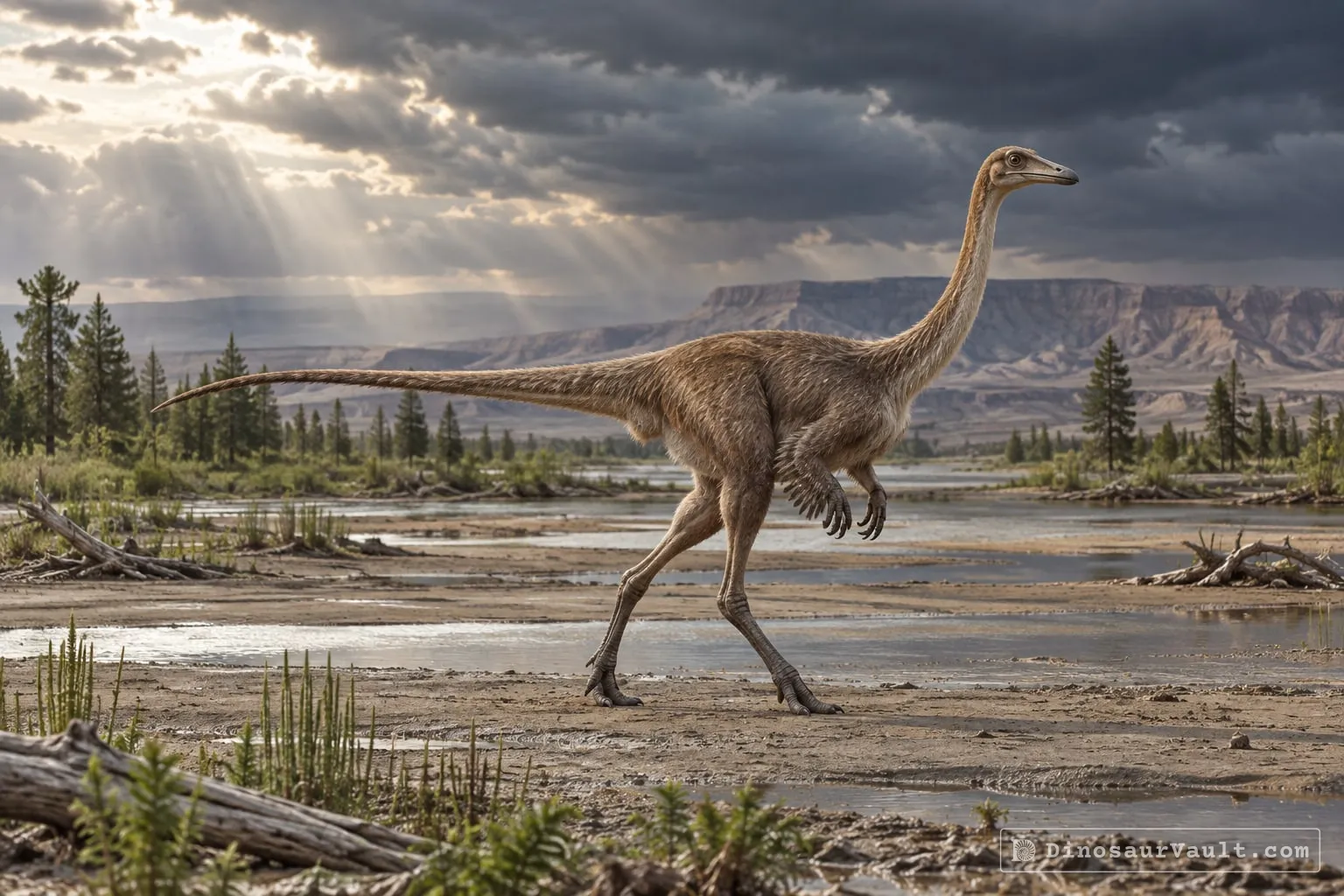
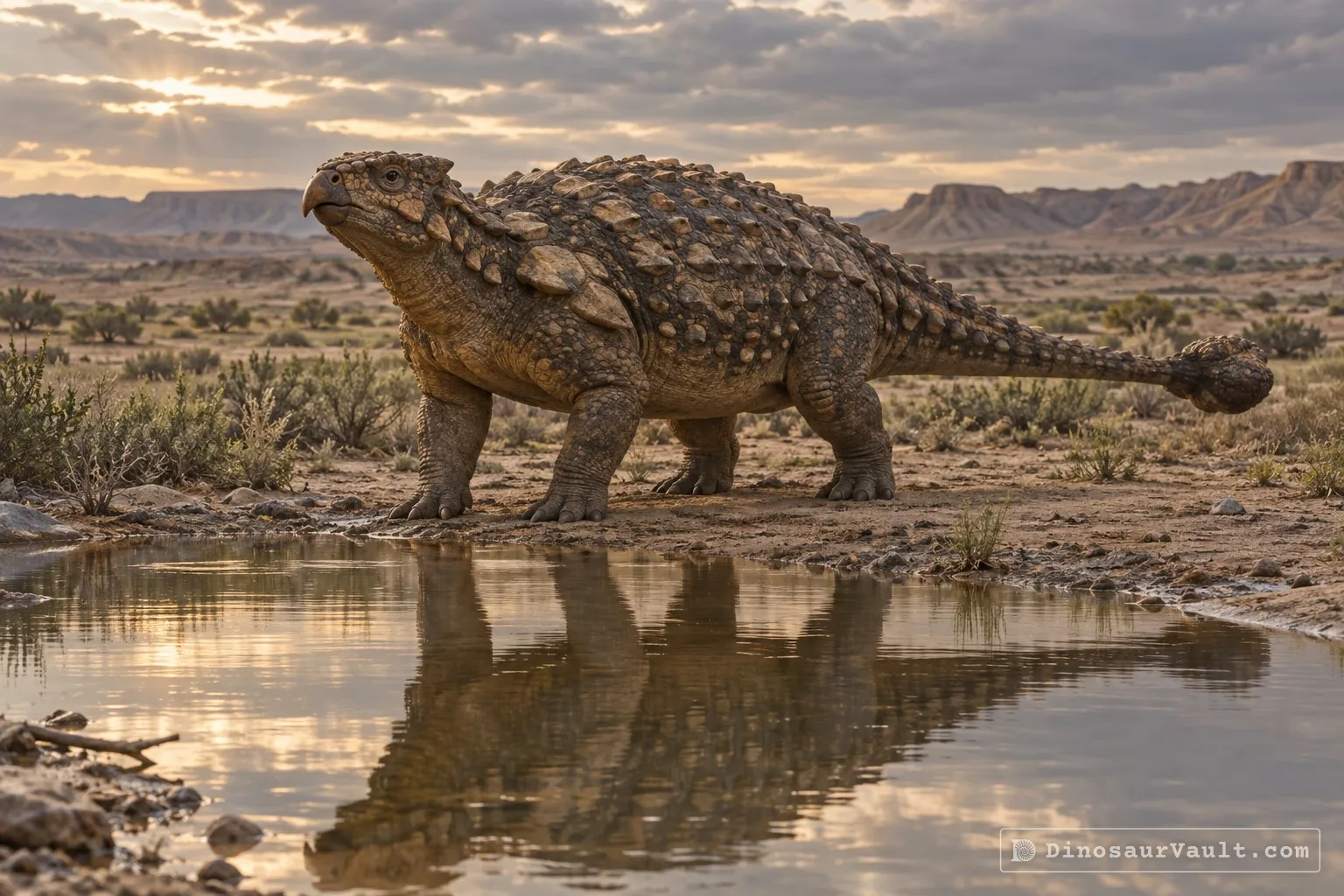
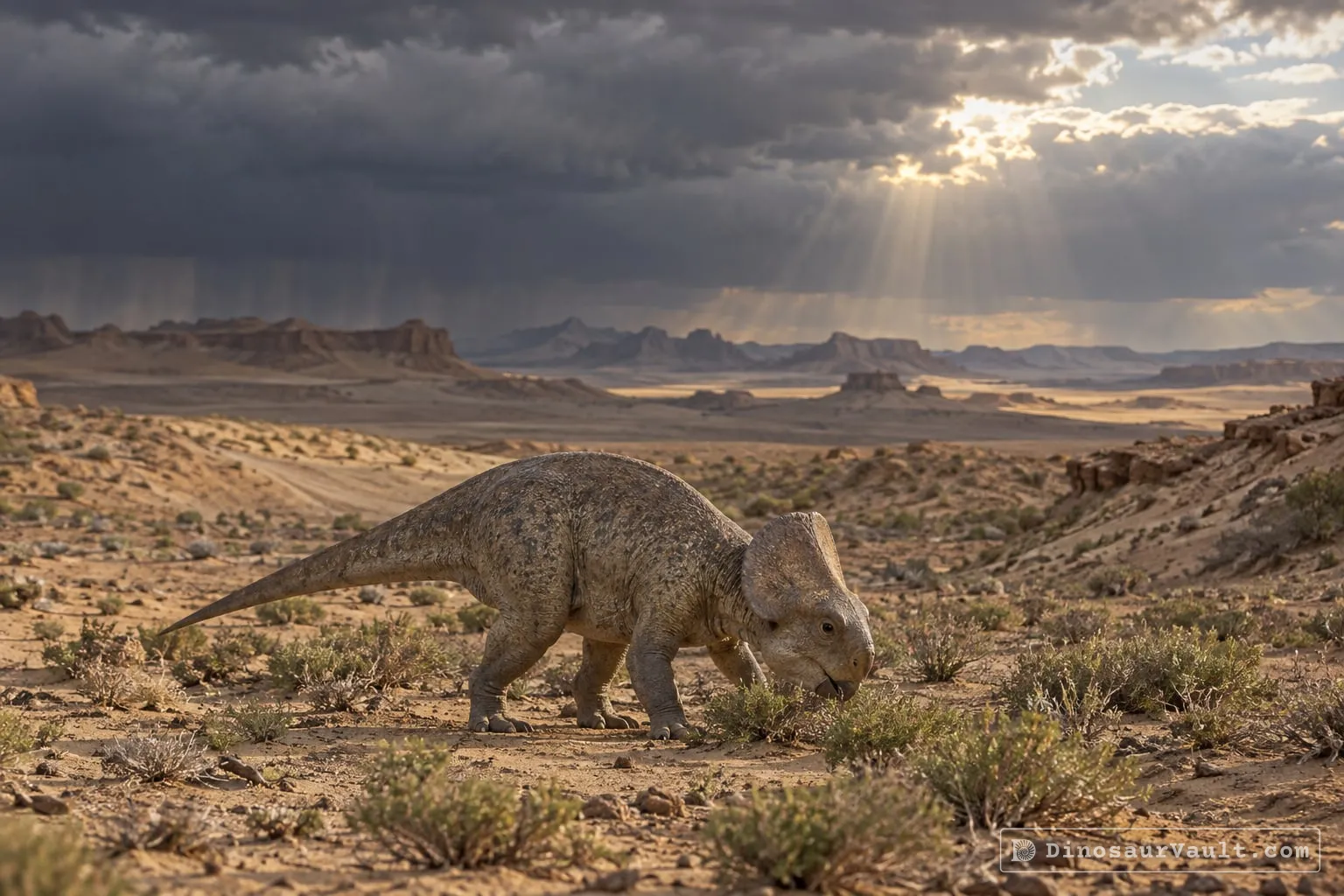
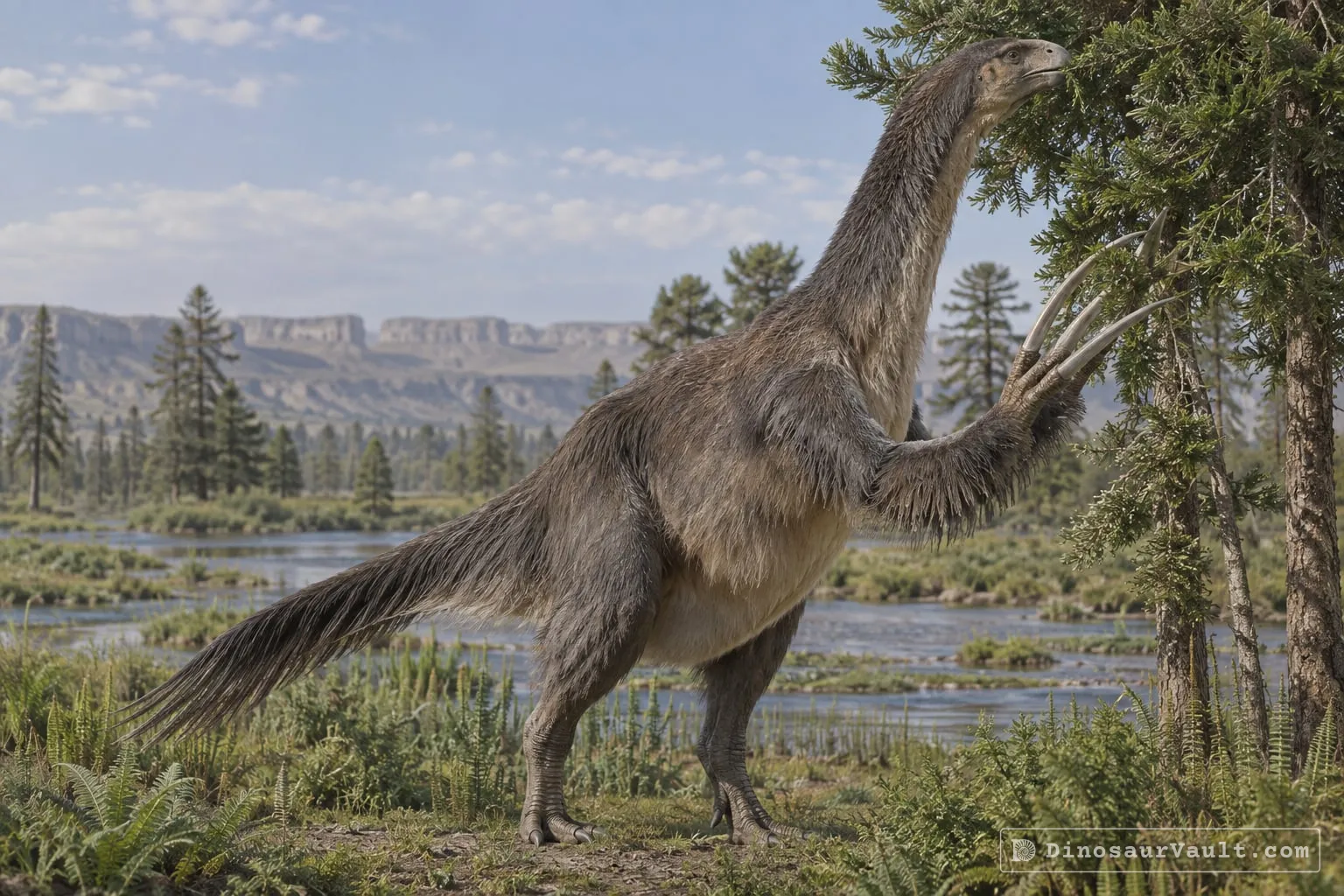
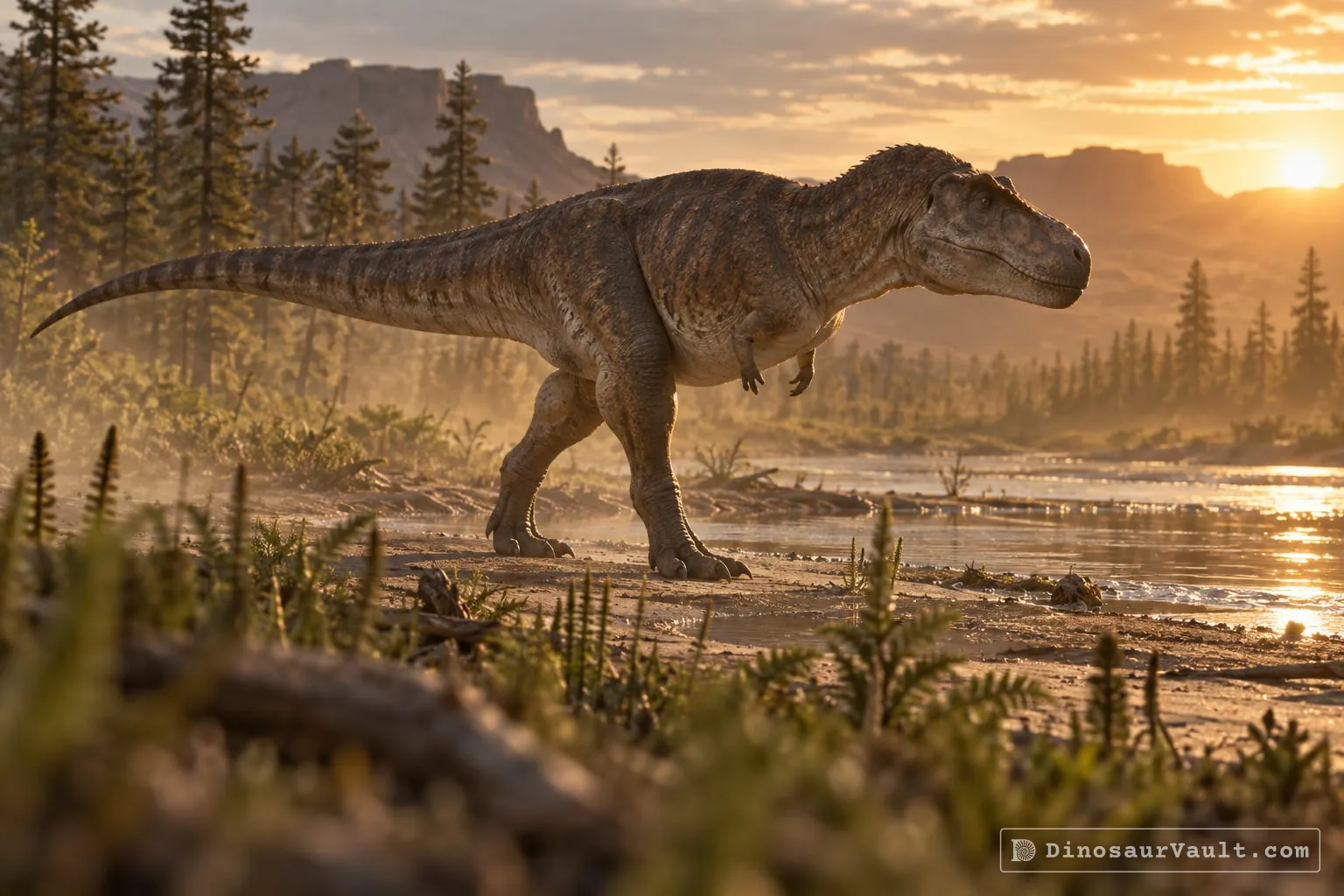


A rock formation can hold fossils laid down millions of years apart, so not every animal here met Nemegtomaia.
The evidence
The science behind Nemegtomaia
Which parts of the picture come from its own bones, and which come from its relatives.
From its own fossils
- The skull has a short snout, deep toothless jaws and an arched crest above the front of the head.
- A skeleton lay over a nest, with its feet in the center and its arms folded across the eggs.
- Its hands had a strong thumb claw and a much smaller outer finger.
Borrowed from relatives
- Citipati helps fill in missing limb lengths and the proportions of the whole body.
- Feathers on relatives such as Caudipteryx support restoring a feathered body and wings.
Still unknown
- Its feather colors and patterns.
- What it ate most often.
- How its crest changed as it grew.
Discovery timeline
- 2005Named itLü et al.
- 2012New findFanti, Currie & Badamgarav
- 2019Same rocksLee et al.
Key papers
The research behind what we know of Nemegtomaia
Named it
Replaced the occupied genus name with Nemegtomaia, referring to the egg-brooding habits of its relatives.
Nemegtomaia gen. nov., a replacement name for the oviraptorosaurian dinosaur Nemegtia Lü et al., 2004, a preoccupied name. Bulletin of the National Science Museum, Tokyo, Series C 31: 51
No link available
New find
Described a brooding skeleton over eggs and another partial skeleton that revealed the short hands and strong thumb claws.
New Specimens of Nemegtomaia from the Baruungoyot and Nemegt Formations (Late Cretaceous) of Mongolia. PLoS ONE 7: e31330
Read the paper : New Specimens of Nemegtomaia from the Baruungoyot and Nemegt Formations (Late Cretaceous) of Mongolia (opens in a new tab)Same rocks
Described Gobiraptor and showed that oviraptorids flourished in wet environments as well as dry ones.
A new baby oviraptorid dinosaur (Dinosauria: Theropoda) from the Upper Cretaceous Nemegt Formation of Mongolia. PLOS ONE 14: e0210867
Read the paper : A new baby oviraptorid dinosaur (Dinosauria: Theropoda) from the Upper Cretaceous Nemegt Formation of Mongolia (opens in a new tab)
Close relatives
Other members of Oviraptoridae


Sources: Wikidata