Oviraptor
OH-vih-RAP-tor
"egg thief"
Type species Oviraptor philoceratops
- Lived
- 84 to 72 million years ago, Late Cretaceous
- Diet
- Omnivore
- Length
- about 1.6 m (5 ft)
- Group
- Theropods, Oviraptoridae
- Found in
- Mongolia
- Named by
- Osborn 1924
Size comparison
To scale
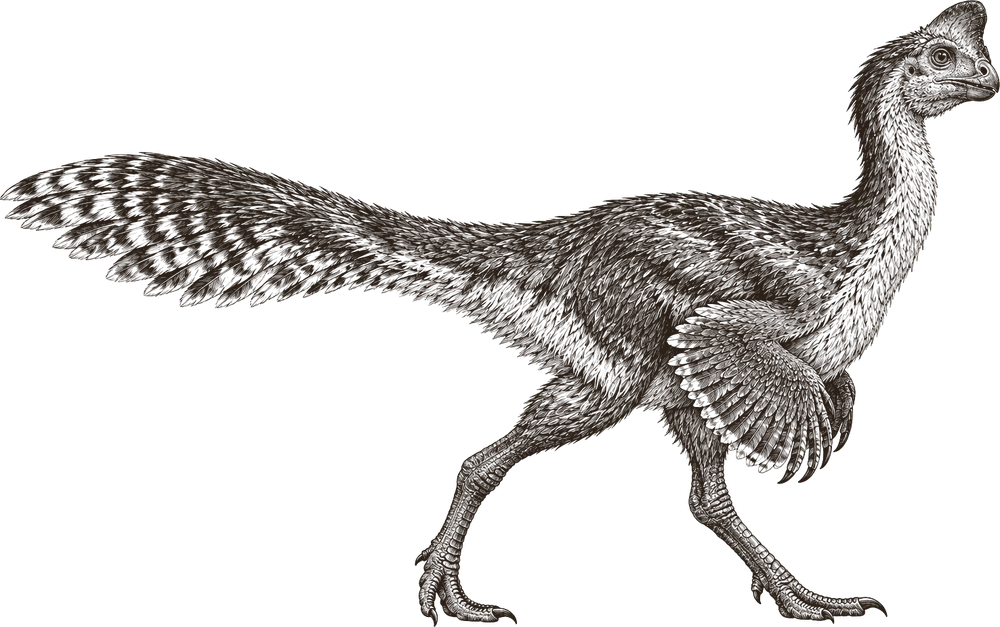

Scale in meters
Where its fossils were found
The evidence
Today

80 million years ago
Habitat
Its Djadokhta home was a landscape of dunes with periodically wet hollows between them. Protoceratops and Velociraptor lived in the region.
A Dinosaur Vault short
The Dinosaur We Accused of Stealing Eggs
Oviraptor was named the egg thief after it was found beside a nest. Then embryos and brooding Citipati showed the eggs were its own kind's, and the adults were sitting on them.
Subscribe on YouTubeField notes
About Oviraptor
What it was like
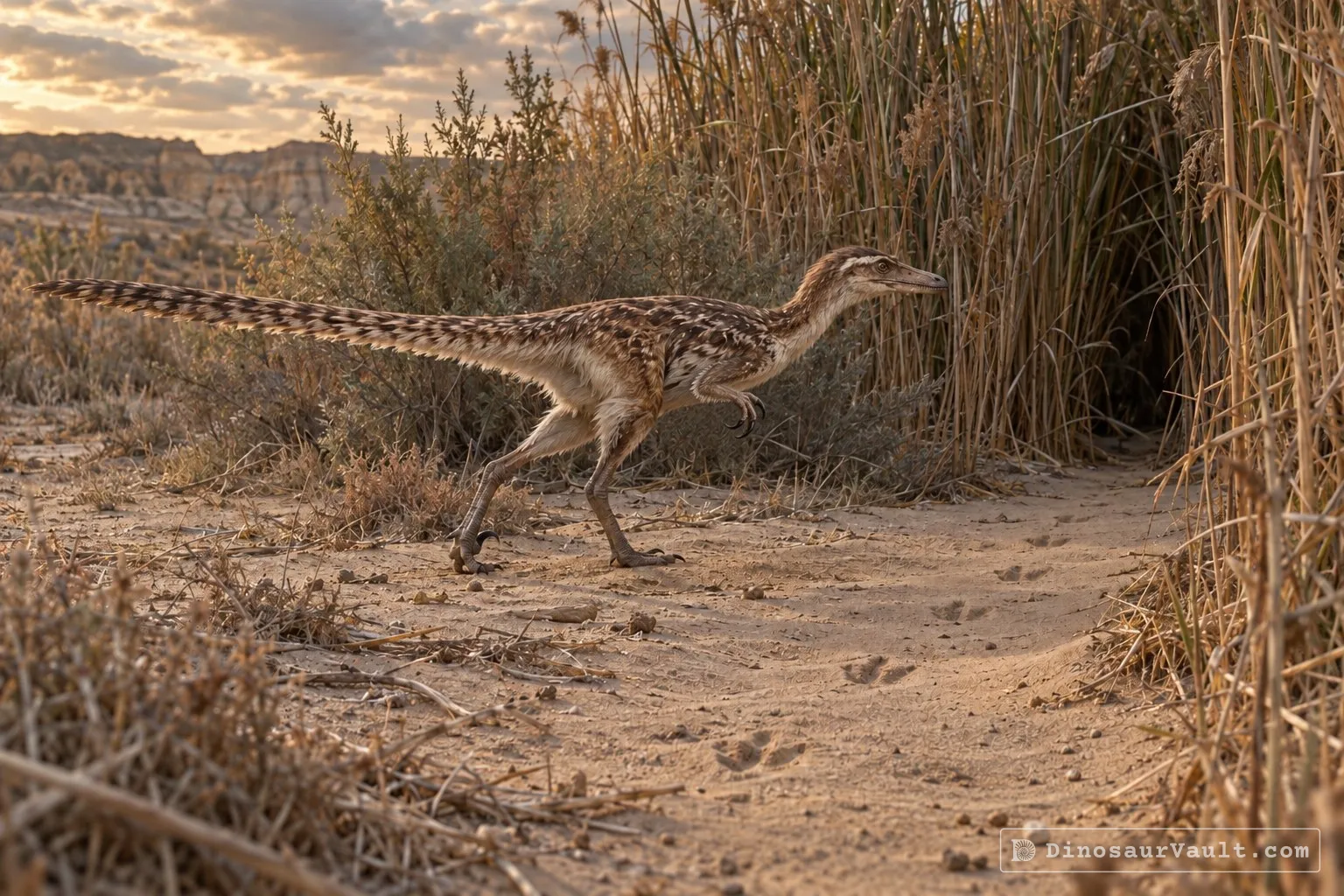
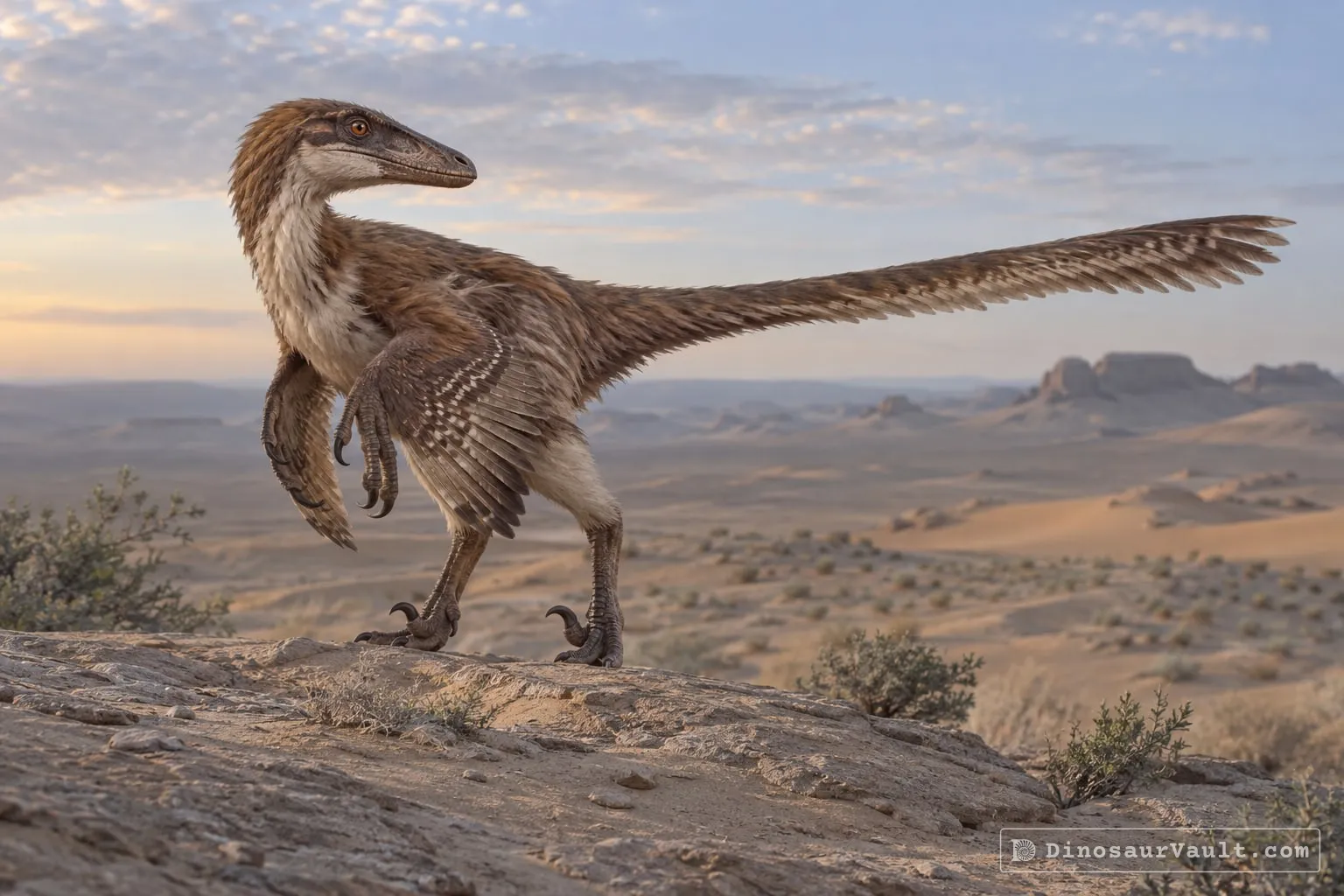
Oviraptor was a small, feathered theropod with a short, deep skull, a toothless beak, and long arms ending in curved claws. It grew to about 1.6 meters (5.2 feet) long. It was probably an omnivore, eating small animals and plants, though its stout beak also suggests it could crack open hard food.
Its name means egg thief, given to it because the first skeleton was found lying on top of a nest of eggs, which scientists at the time assumed it had been raiding. Later discoveries of other oviraptorids preserved in the same brooding pose over their own nests showed this was a mistake: Oviraptor was probably caring for its own eggs, not stealing someone else's.
Its world
Oviraptor lived in what is now Mongolia about 84 to 72 million years ago, during the Late Cretaceous. Its remains come from the Djadokhta Formation.
It shared this desert habitat with the small predator Velociraptor, the plant-eating Protoceratops, and close relatives such as Citipati, which is also known from specimens brooding its own nest.
How it was found
Osborn named Oviraptor in 1924, based on a single partial skeleton found the year before. Despite its fame, only 1 confirmed find of the genus is known, along with a nest of about a dozen eggs found nearby.
Field gallery
More views of Oviraptor
Scenes reconstructed from the available fossil evidence.
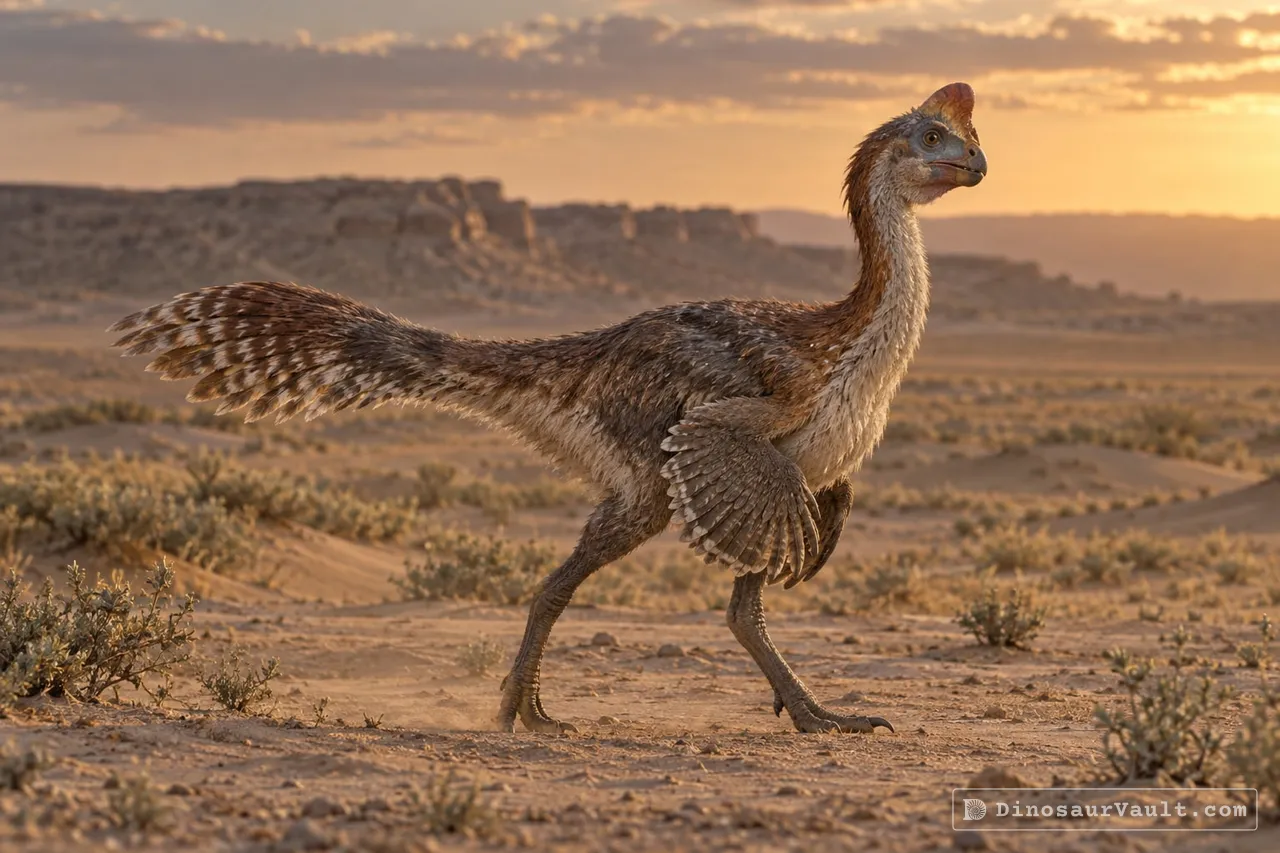
1 of 7
Lived alongside
Found in the same rock formations
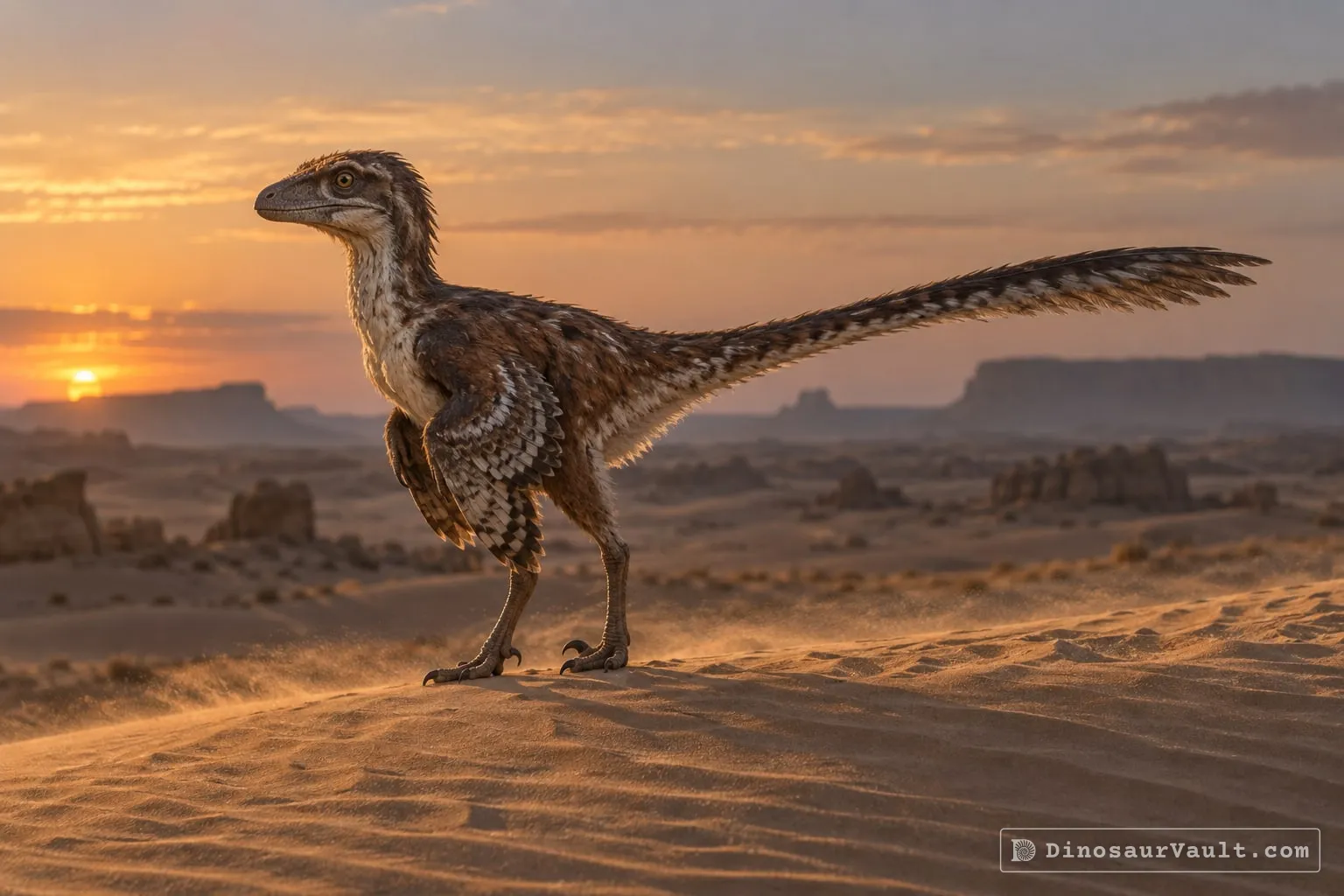
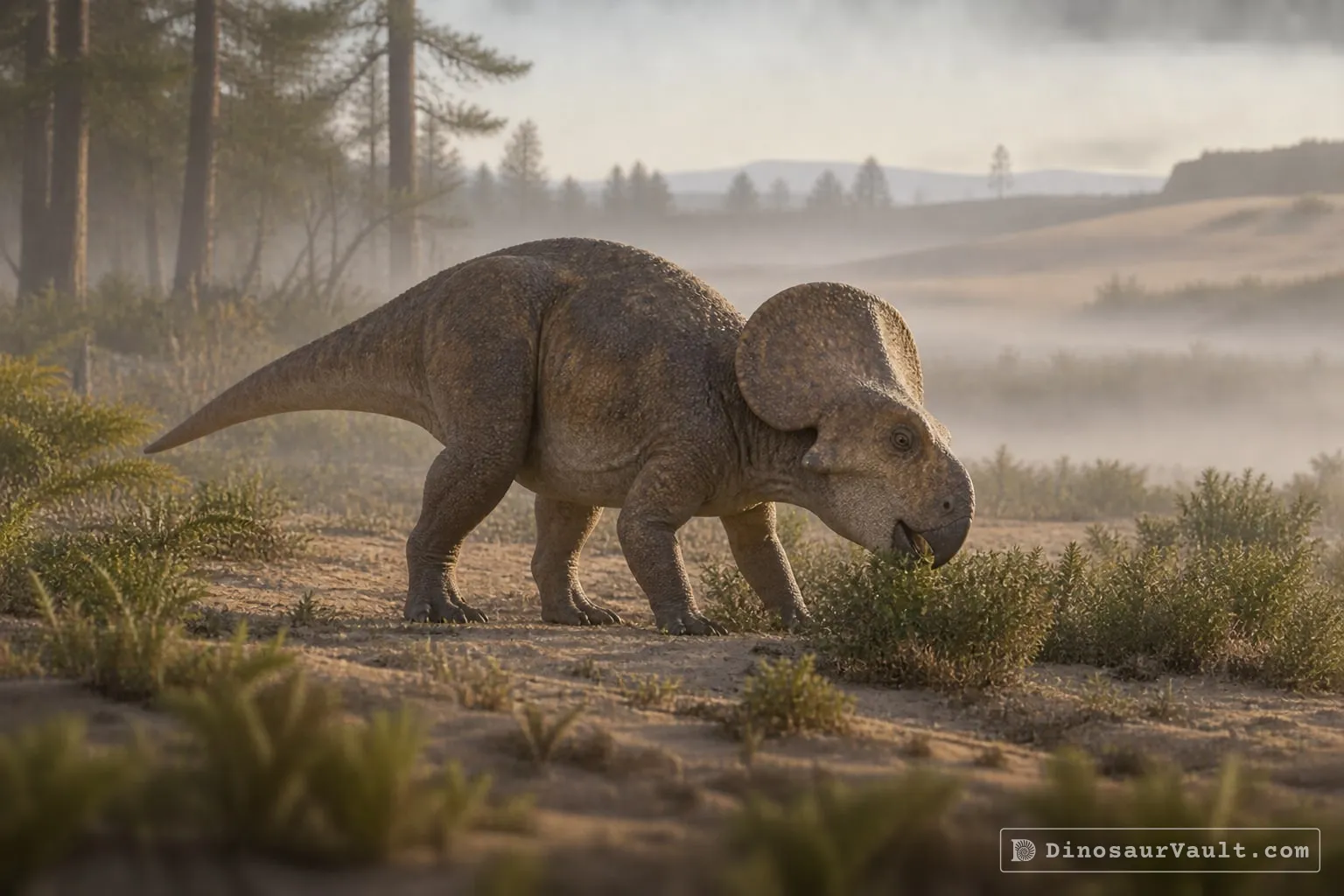
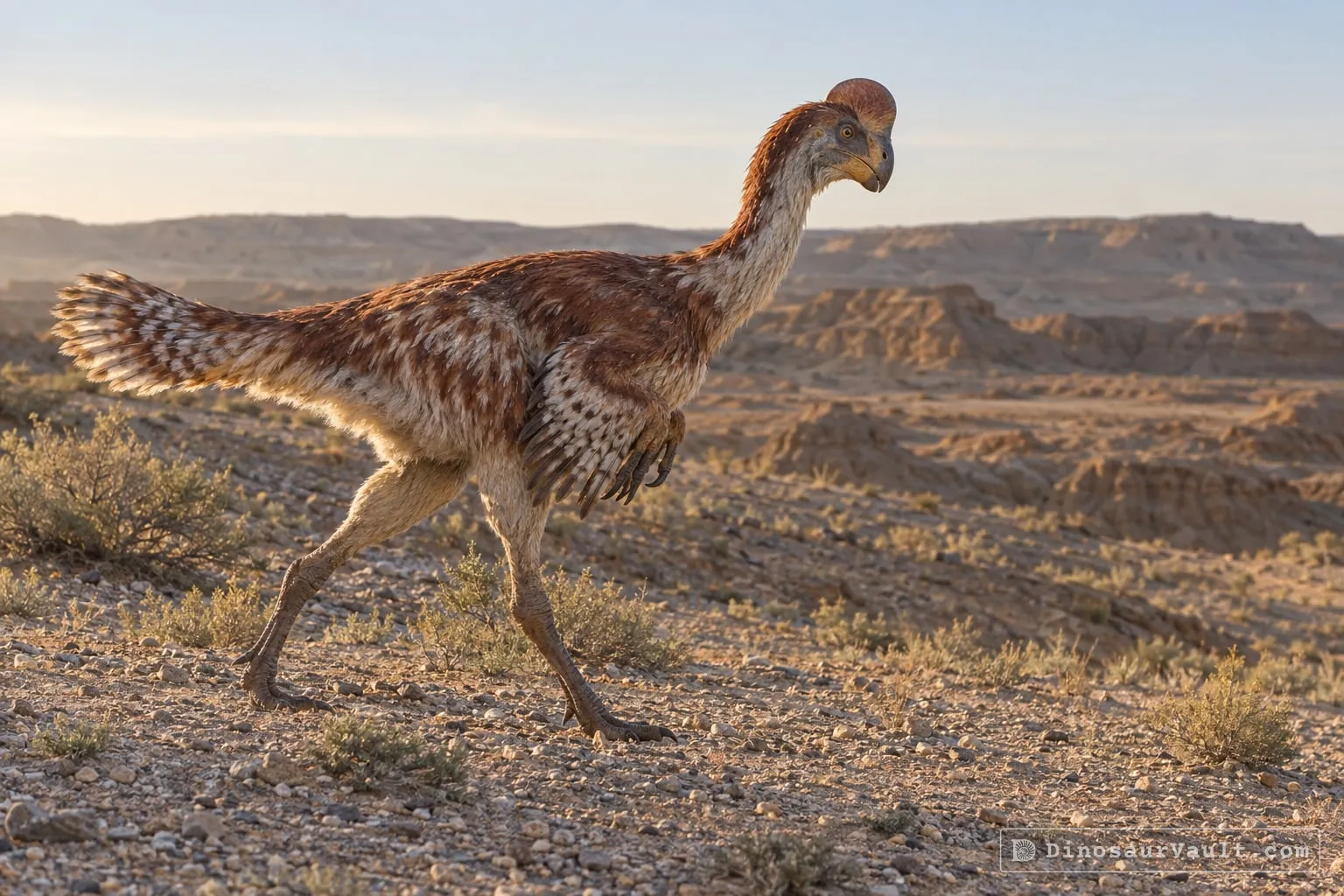
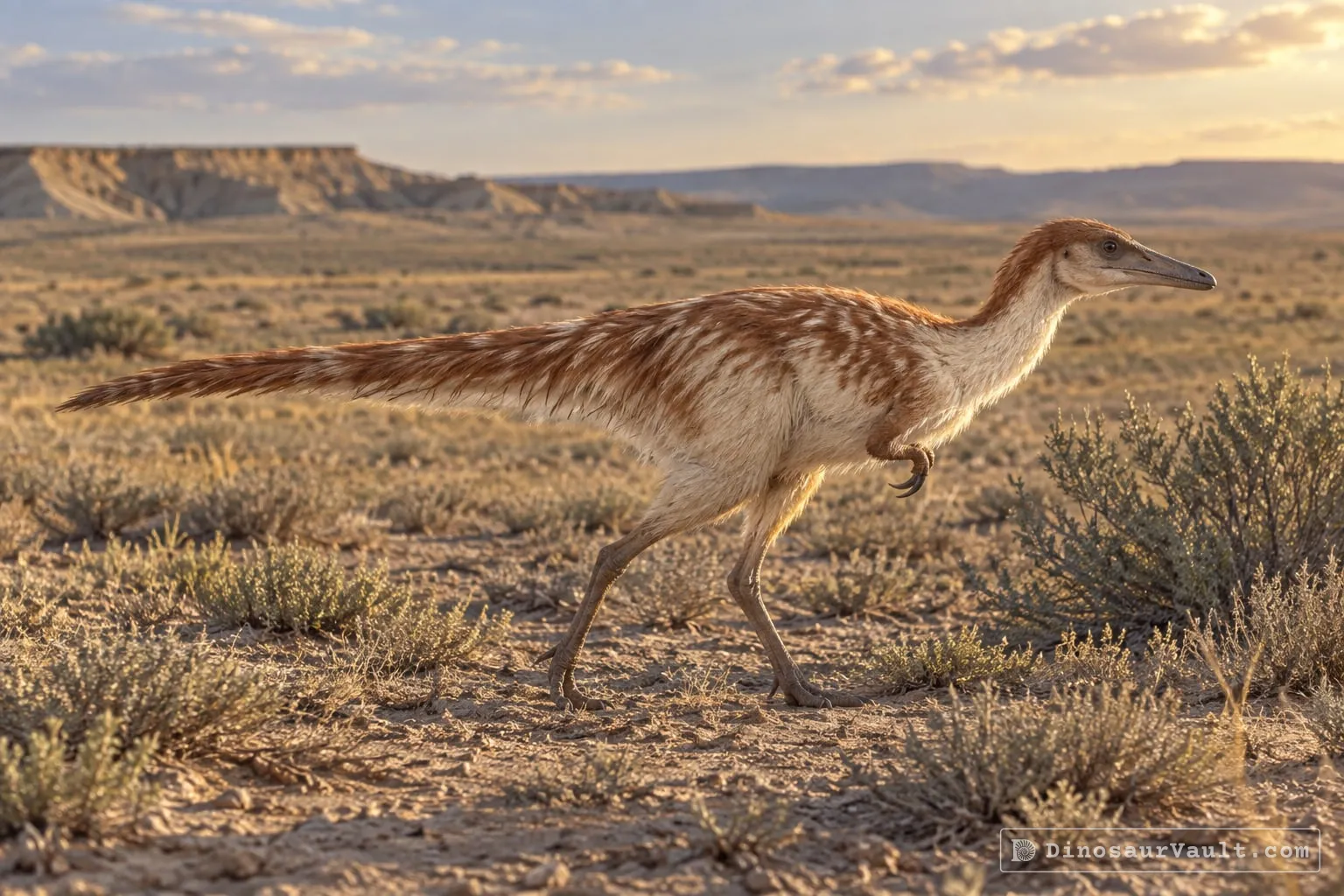
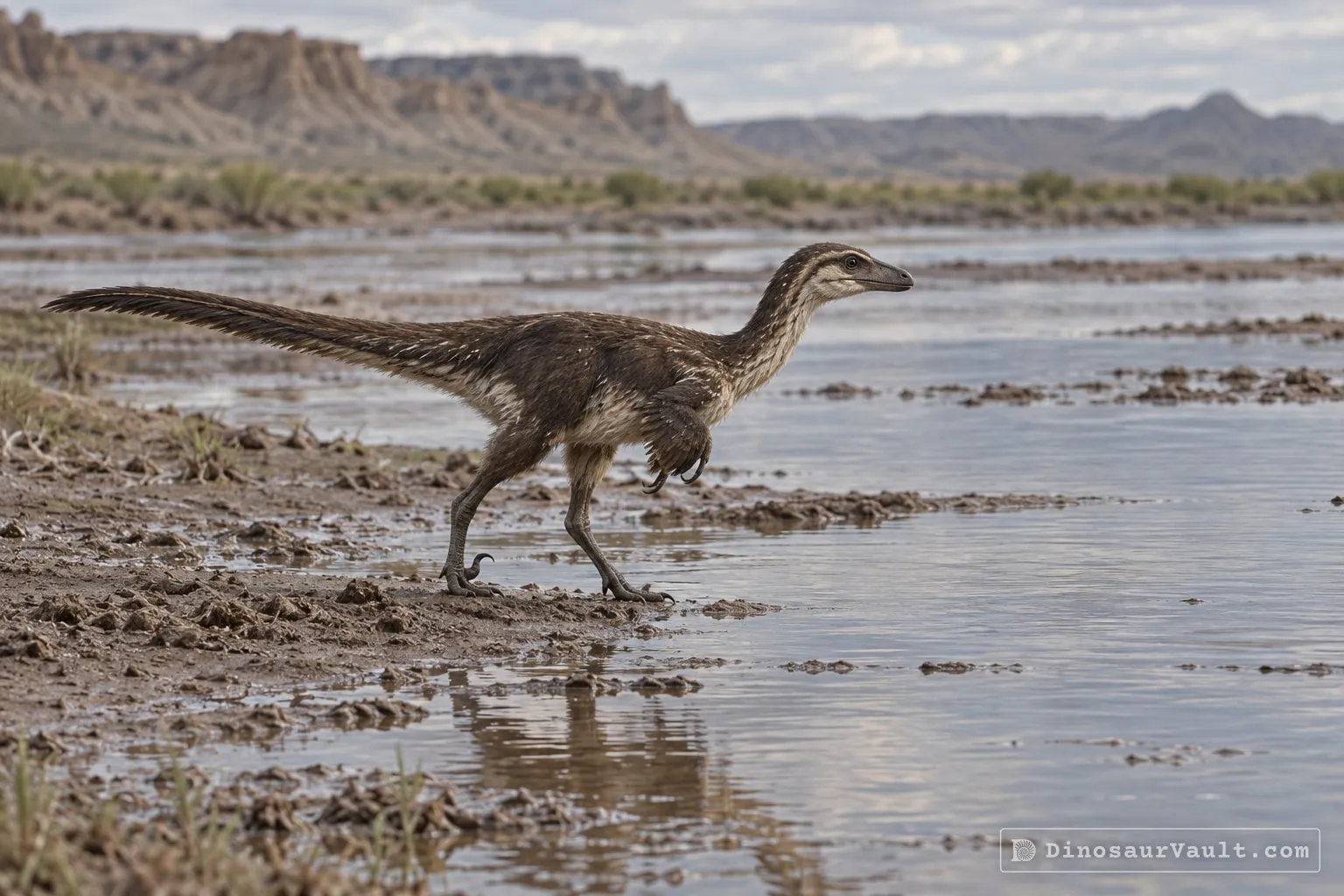
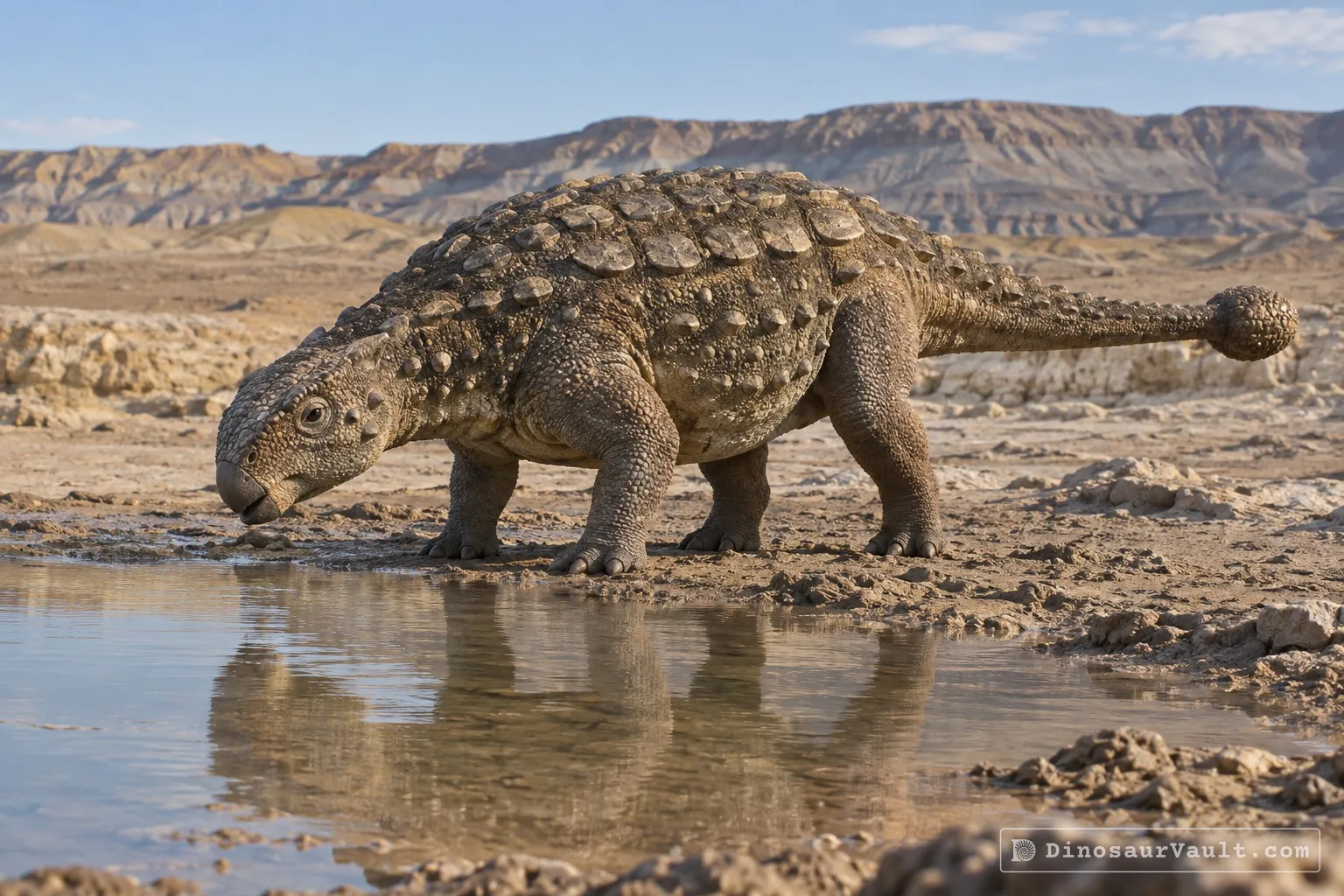


A rock formation can hold fossils laid down millions of years apart, so not every animal here met Oviraptor.
The evidence
The science behind Oviraptor
Which parts of the picture come from its own bones, and which come from its relatives.
From its own fossils
- A partial skeleton preserves toothless jaws and long arms with curved finger claws.
- The original skeleton was found above a clutch of eggs.
- The surviving skull has a different shape from the better-known skull of Citipati.
Borrowed from relatives
- Body feathers, feathered arms and a tail fan follow comparisons with feathered oviraptorosaurs such as Caudipteryx.
- The likely brooding posture is supported by nest-associated relatives such as Citipati.
Still unknown
- The full shape of its crest and the color of its feathers.
- Its exact diet and social behavior.
- The appearance of hatchlings securely identified as Oviraptor.
Often drawn wrong
- The tall crest of Citipati is often copied onto Oviraptor.
- Habitual egg theft turns an early interpretation of its nest association into an established feeding habit.
- Palms facing down replace inward-facing hands.
Discovery timeline
- 1924Named itOsborn
- 1994Close relativeNorell et al.
- 1995Close relativeNorell et al.
- 2002SkullCLARK, NORELL & ROWE
- 2008Its worldDingus et al.
Key papers
The research behind what we know of Oviraptor
Named it
Named Oviraptor from a partial skeleton above a nest and interpreted it as an animal that ate eggs.
Three new Theropoda, Protoceratops zone, central Mongolia. American Museum Novitates 144: 1-12
No link available
Close relative
Identified an oviraptorid embryo inside an egg, suggesting that Oviraptor may have been brooding its own clutch.
A Theropod Dinosaur Embryo and the Affinities of the Flaming Cliffs Dinosaur Eggs. Science 266: 779-782
Read the paper : A Theropod Dinosaur Embryo and the Affinities of the Flaming Cliffs Dinosaur Eggs (opens in a new tab)Close relative
Described an oviraptorid preserved above its eggs with limbs spread around the nest, supporting birdlike brooding in close relatives.
A nesting dinosaur. Nature 378: 774-776
Read the paper : A nesting dinosaur (opens in a new tab)Skull
Compared Citipati with the original Oviraptor skull and showed that familiar skull reconstructions had combined features from different animals.
Cranial Anatomy of Citipati osmolskae (Theropoda, Oviraptorosauria), and a Reinterpretation of the Holotype of Oviraptor philoceratops. American Museum Novitates 3364: 1-24
Read the paper : Cranial Anatomy of Citipati osmolskae (Theropoda, Oviraptorosauria), and a Reinterpretation of the Holotype of Oviraptor philoceratops (opens in a new tab)Its world
Studied another Djadokhta locality, describing dunes and wetter areas between them that help explain the broader landscape.
The Geology of Ukhaa Tolgod (Djadokhta Formation, Upper Cretaceous, Nemegt Basin, Mongolia). American Museum Novitates 3616: 1
Read the paper : The Geology of Ukhaa Tolgod (Djadokhta Formation, Upper Cretaceous, Nemegt Basin, Mongolia) (opens in a new tab)
Close relatives
Other members of Oviraptoridae


Sources: Wikidata