Outline: a typical theropod
Citipati
chit-ee-PAH-tee
"funeral pyre lord"
Type species Citipati osmolskae
- Lived
- 84 to 72 million years ago, Late Cretaceous
- Diet
- Omnivore
- Length
- about 2.1 m (7 ft)
- Group
- Theropods, Oviraptoridae
- Found in
- Mongolia
- Named by
- Clark et al. 2001
Size comparison
To scale

Scale in metersOutline: typical theropod shape
Where its fossils were found
The evidence
Today

80 million years ago
Field notes
About Citipati
What it was like
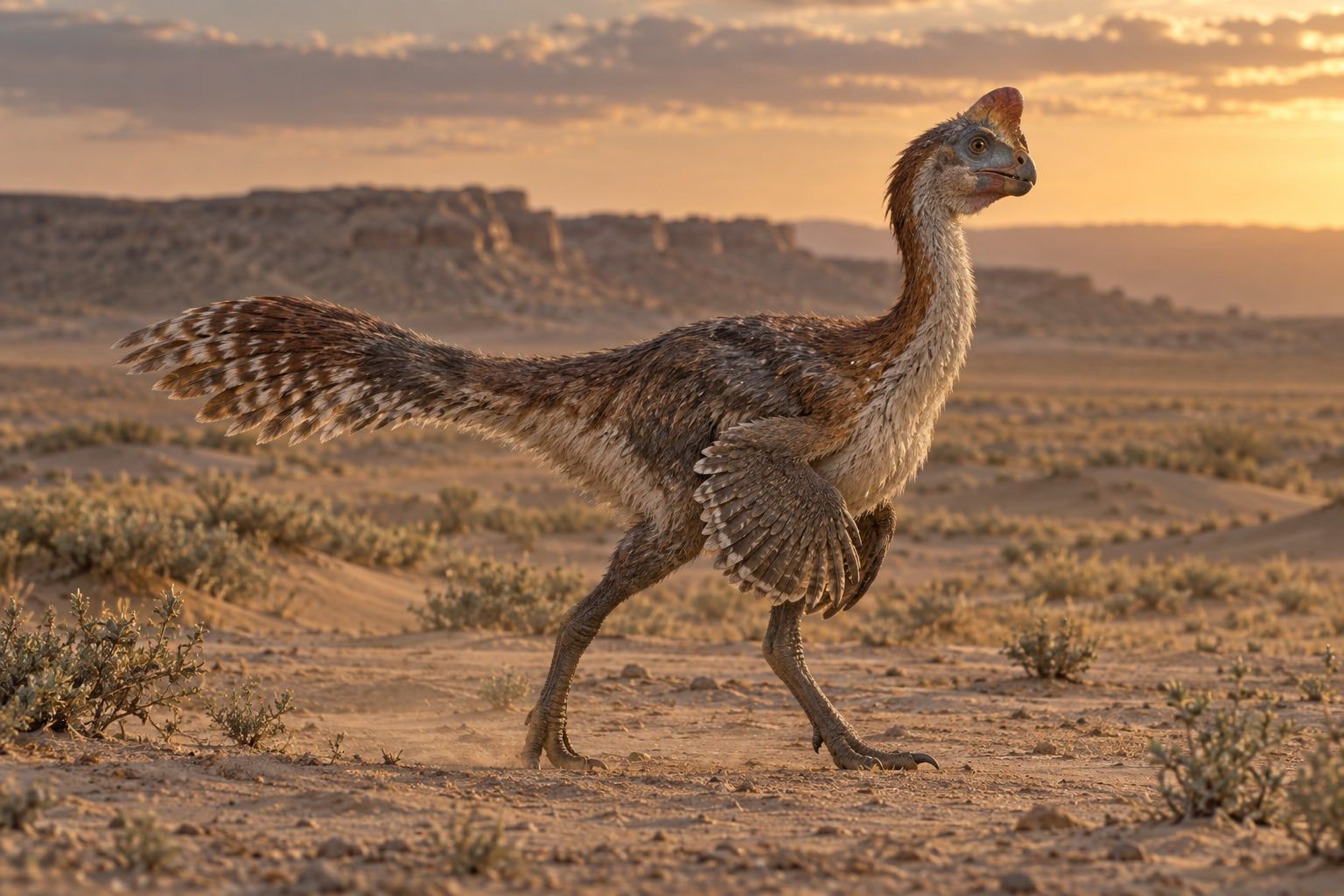
Citipati was an oviraptorid, a feathered dinosaur about 2.1 meters (7 feet) long with a short, toothless beak and a tall crest on its head, a bit like a cassowary. It had long arms with feathers and probably ate a mix of plants and small animals.
It is best known from skeletons found sitting on nests of eggs, arms spread over the clutch the way a bird broods. These fossils show that bird-like nesting behavior began in dinosaurs.
Its world
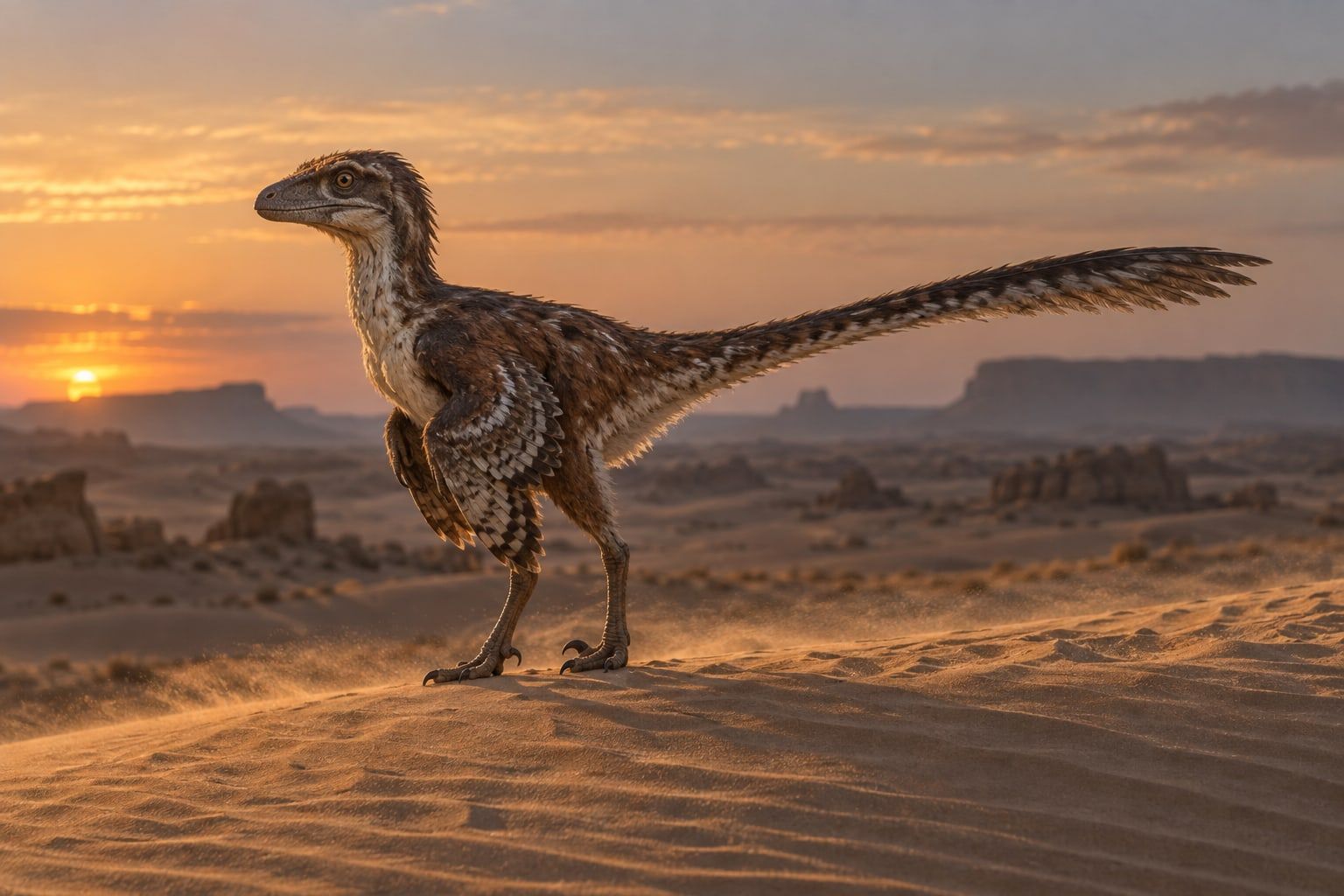
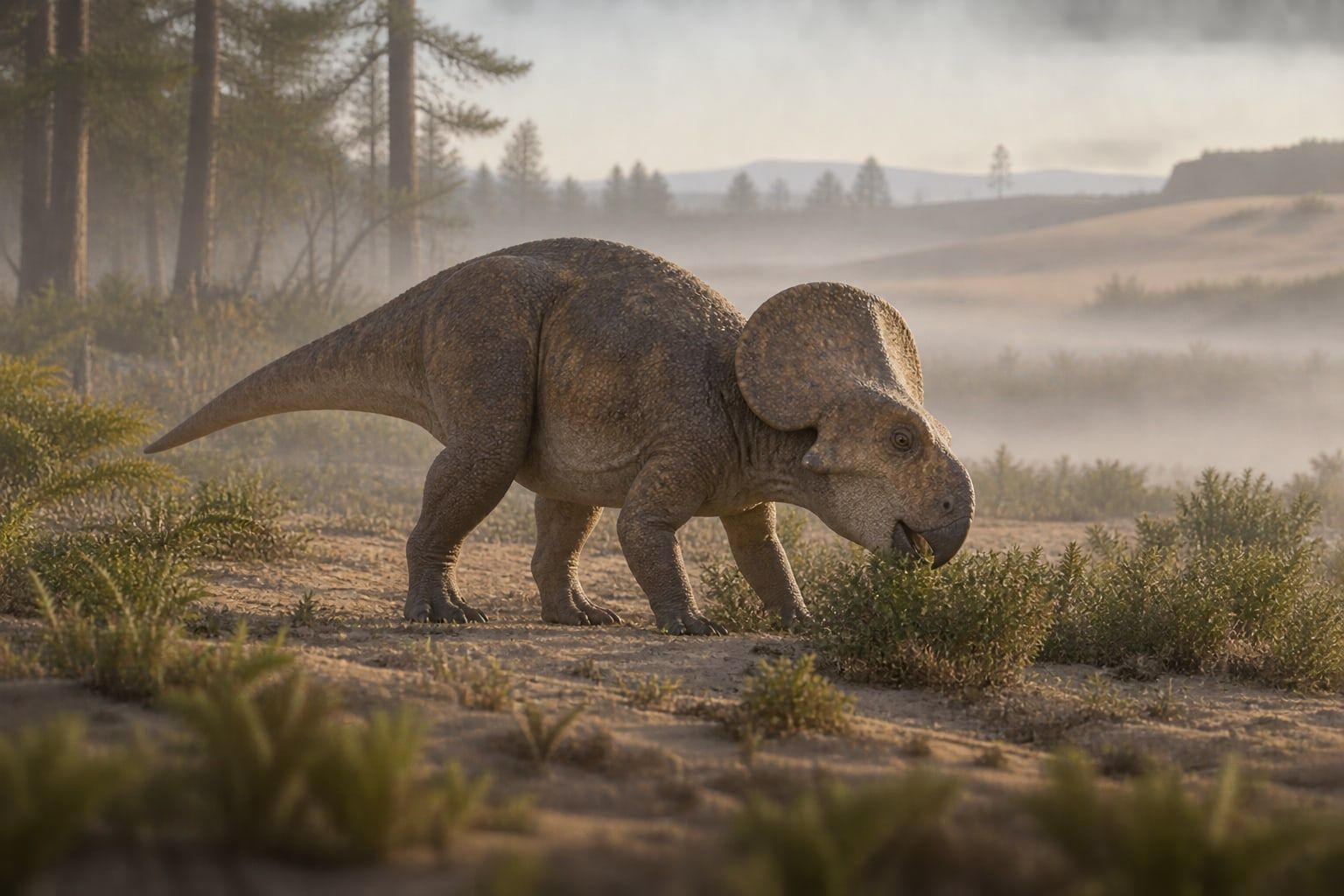
It lived about 84 to 72 million years ago, in the Late Cretaceous, in what is now Mongolia. Its fossils come from the Djadokhta Formation, a dry land of sand dunes.
It shared that land with Velociraptor, Protoceratops, Oviraptor and the armored Pinacosaurus. Sandstorms and collapsing dunes buried many animals there quickly, which is why the fossils are so well preserved.
How it was found
Clark and colleagues named Citipati in 2001. The type species is Citipati osmolskae. Some of its nesting skeletons had first been thought to be Oviraptor.
Lived alongside
Found in the same rock formations
Close relatives
Other members of Oviraptoridae
Sources: WikidataNamed in: J. M. Clark, M. A. Norell, and R. Barsbold. 2001. Two new oviraptorids (Theropoda: Oviraptorosauria), Upper Cretaceous Djadokhta Formation, Ukhaa Tolgod, Mongolia. Journal of Vertebrate Paleontology 21(2):209-213