Eopinacosaurus
"dawn Pinacosaurus"
Type species Eopinacosaurus mephistocephalus
- Lived
- 84 to 72 million years ago, Late Cretaceous
- Diet
- Herbivore
- Group
- Ankylosaurs, Ankylosauridae
- Found in
- China and Mongolia
- Named by
- Penkalski 2026
Where its fossils were found
The evidence
Today

80 million years ago
Habitat
It lived among sand dunes, dry river channels and shallow lakes in a semiarid landscape. Protoceratops, Velociraptor and Oviraptor lived in the same region.
Field notes
About Eopinacosaurus
What it was like
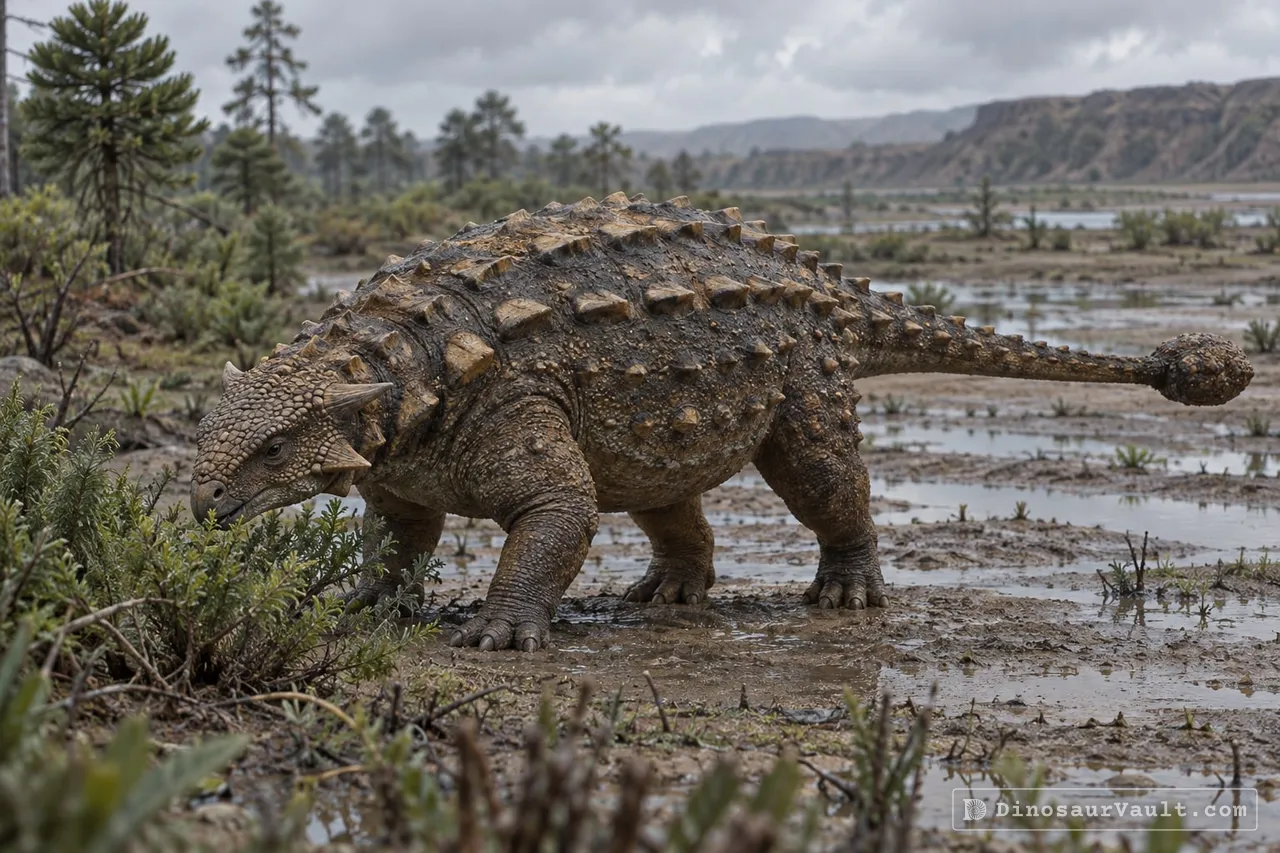
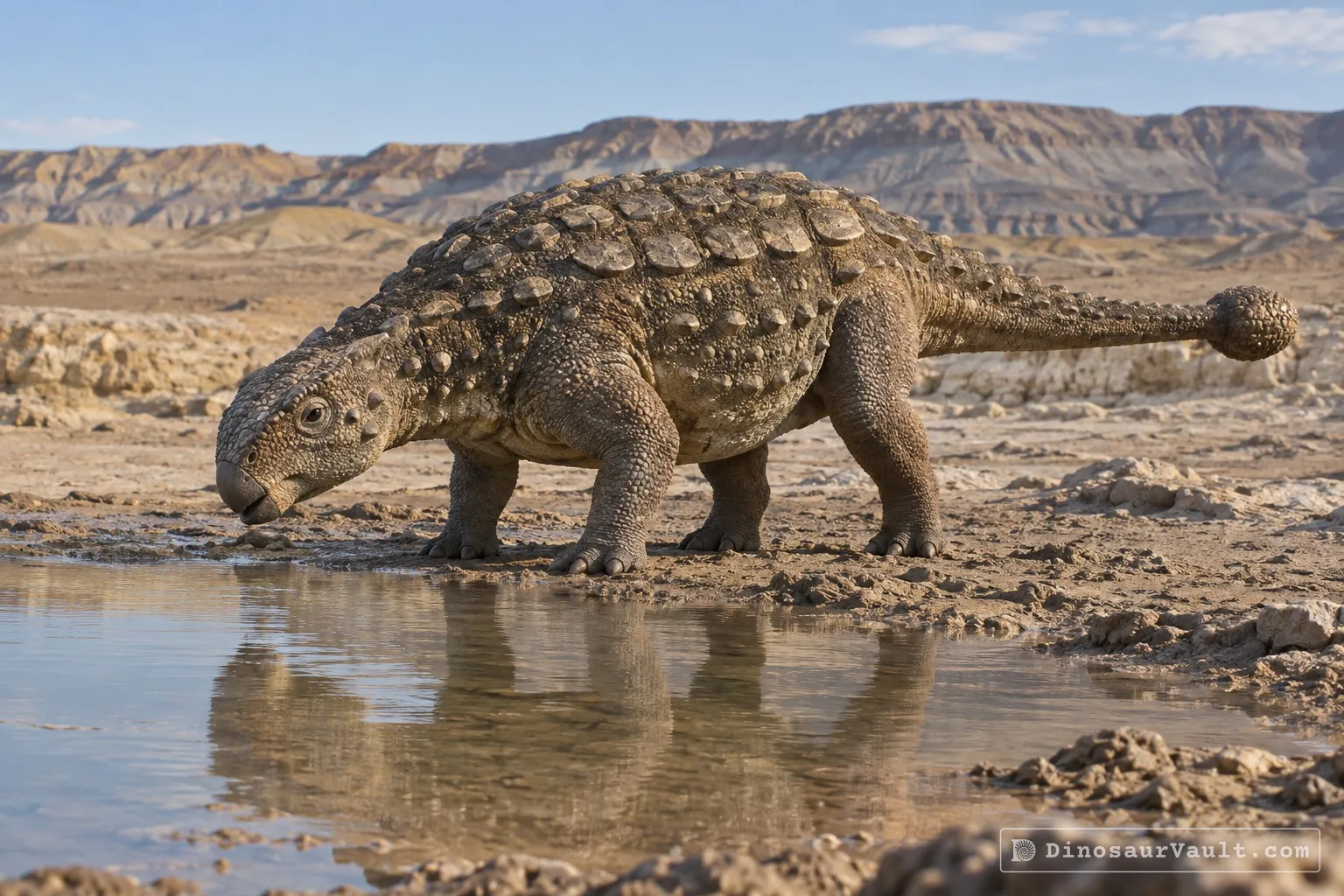
Eopinacosaurus was an ankylosaur, a low, armored plant eater. It was related to Pinacosaurus.
Its world
It lived in the Late Cretaceous, in what is now China and Mongolia. Its fossils come from the Bayan Mandahu and Djadokhta formations, desert lands shared with Velociraptor and Protoceratops.
How it was found
Penkalski named Eopinacosaurus in 2026. The type species is Eopinacosaurus mephistocephalus, meaning devil head.
Field gallery
More views of Eopinacosaurus
Scenes reconstructed from the available fossil evidence.
1 of 3
Lived alongside
Found in the same rock formations
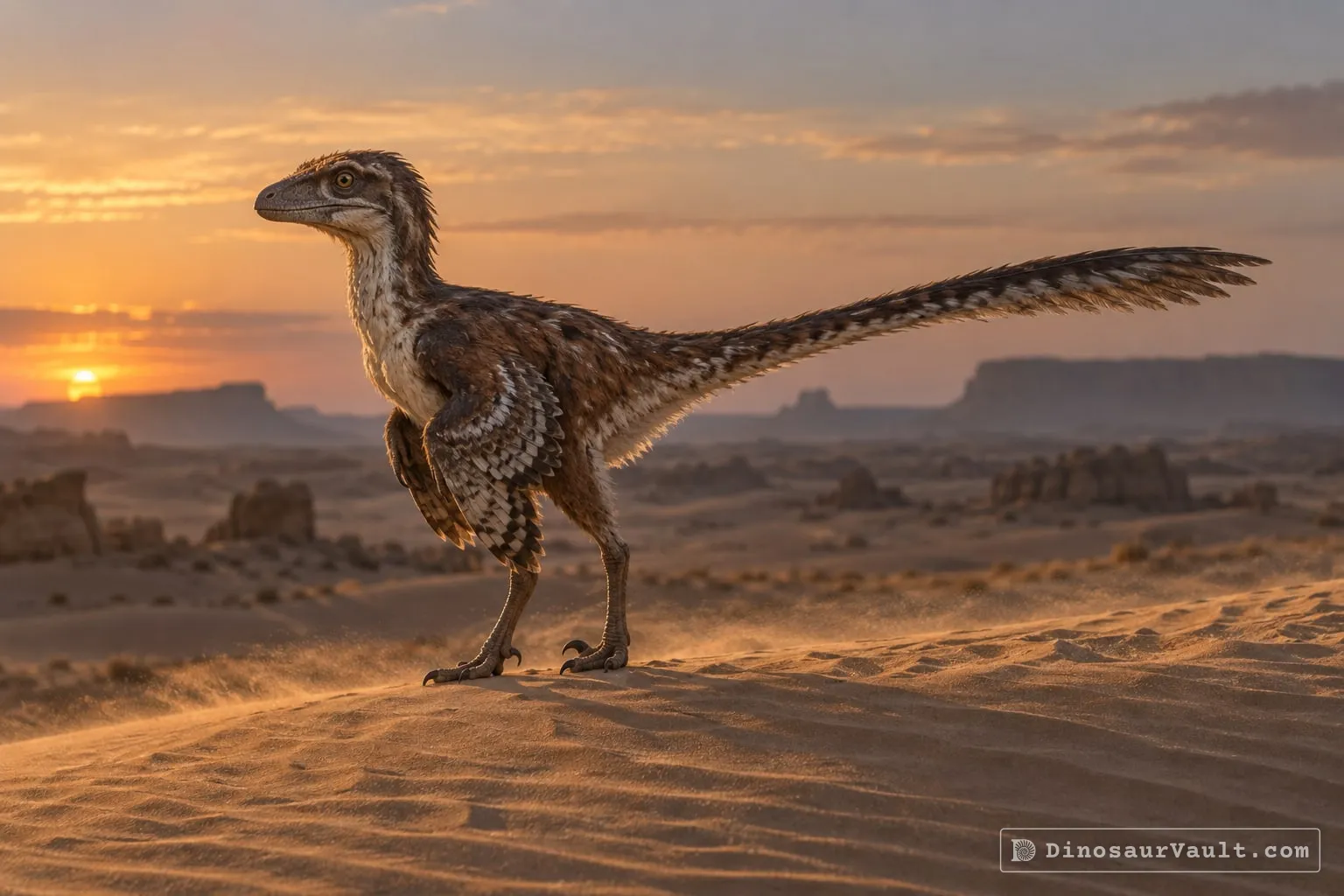
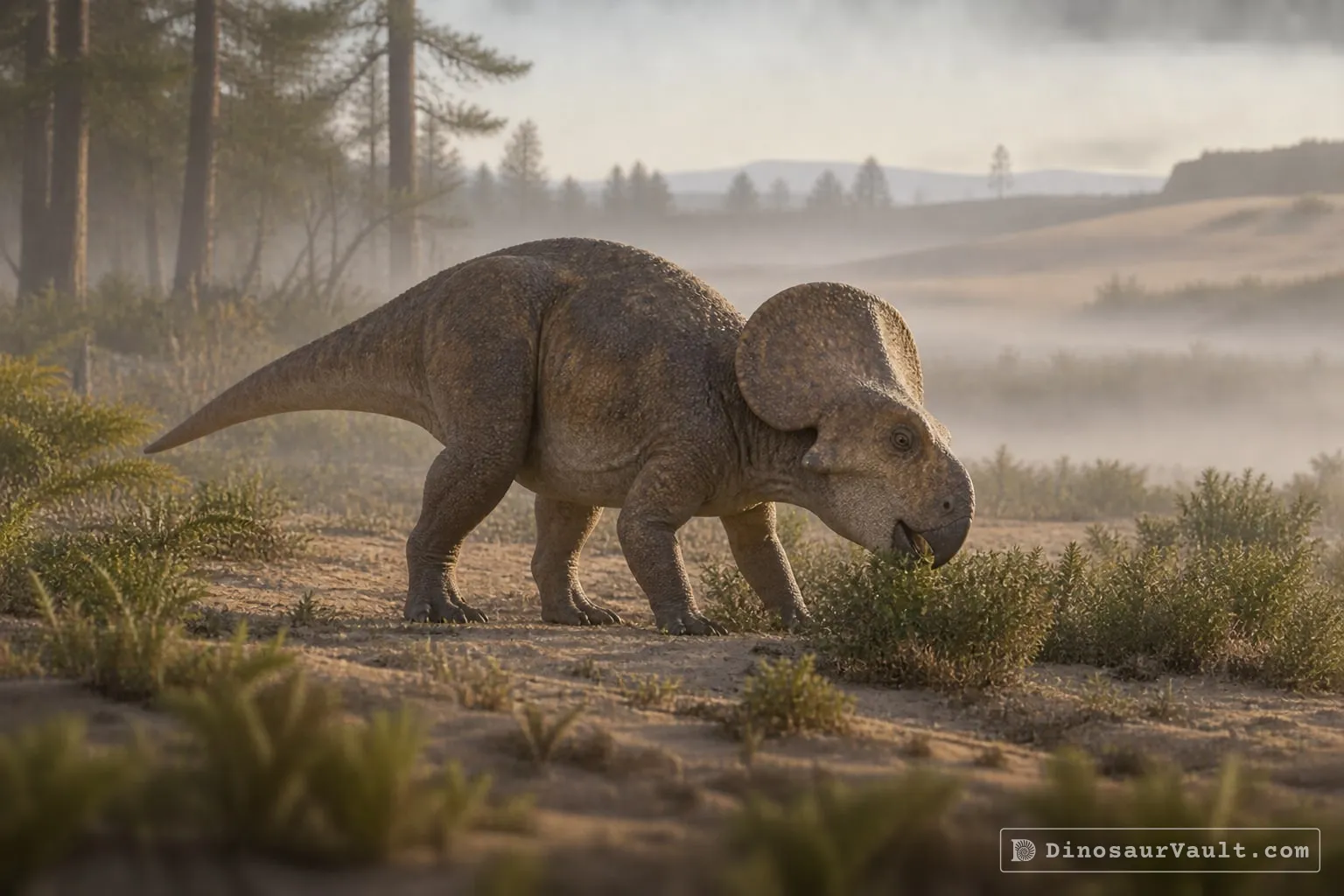
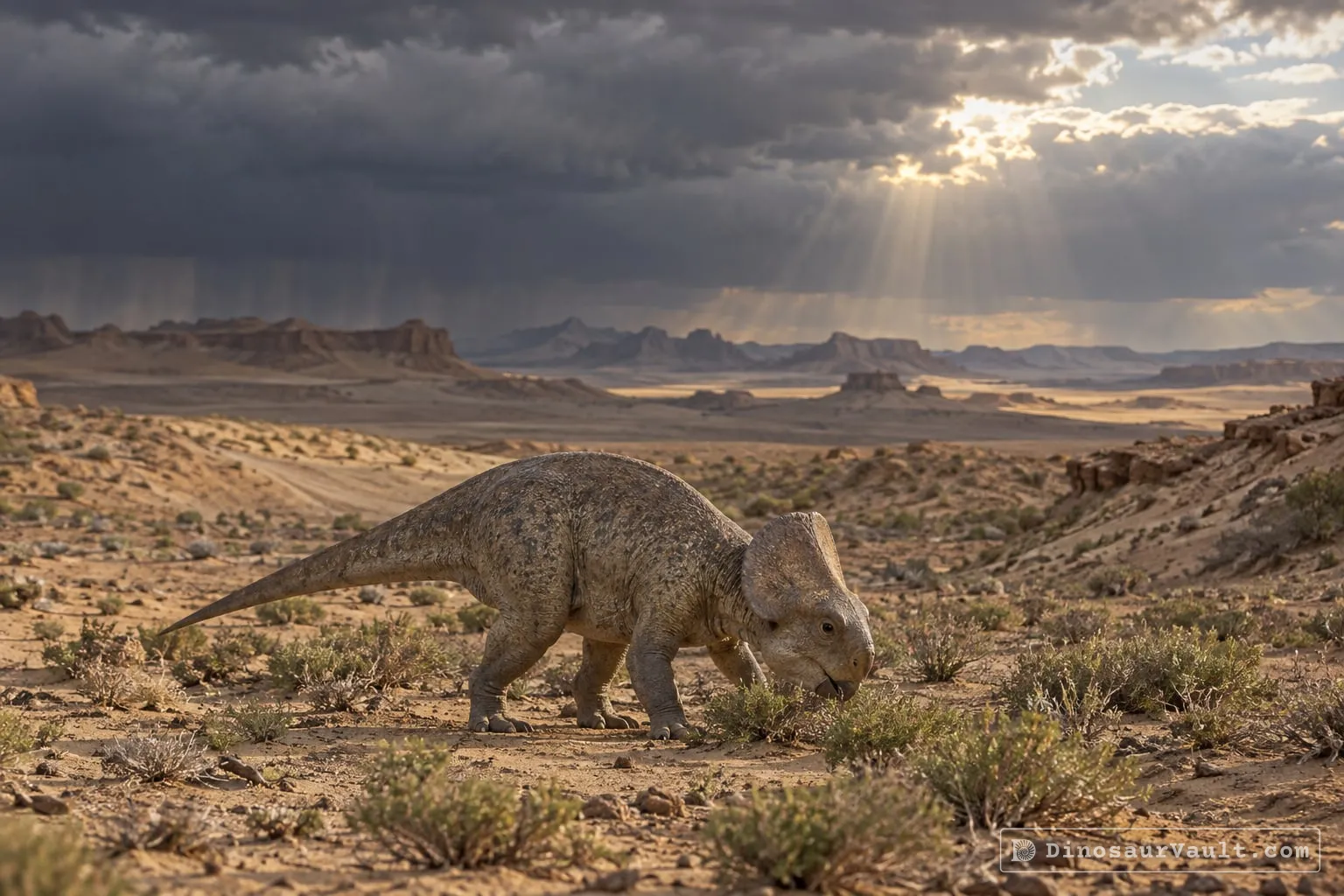
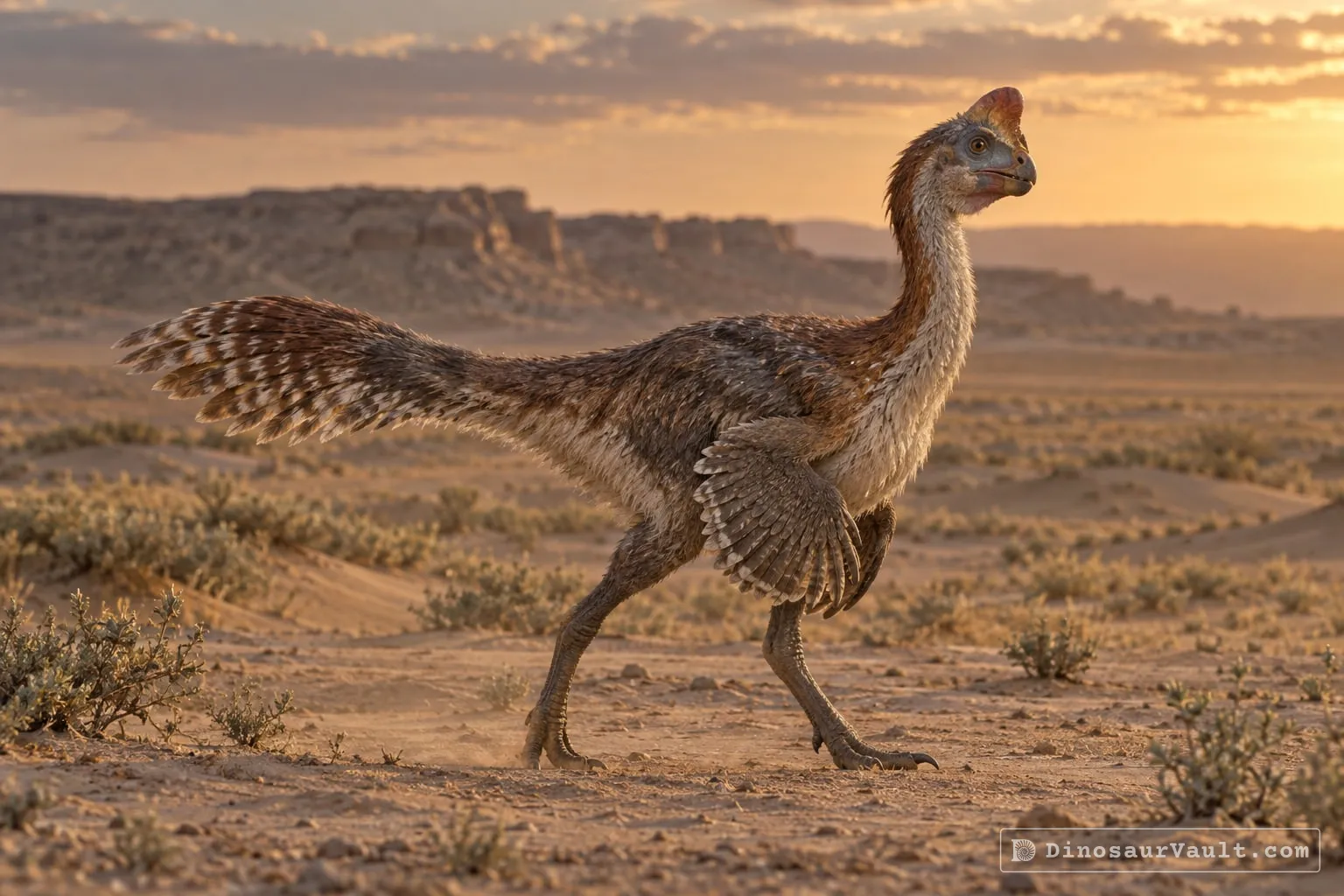
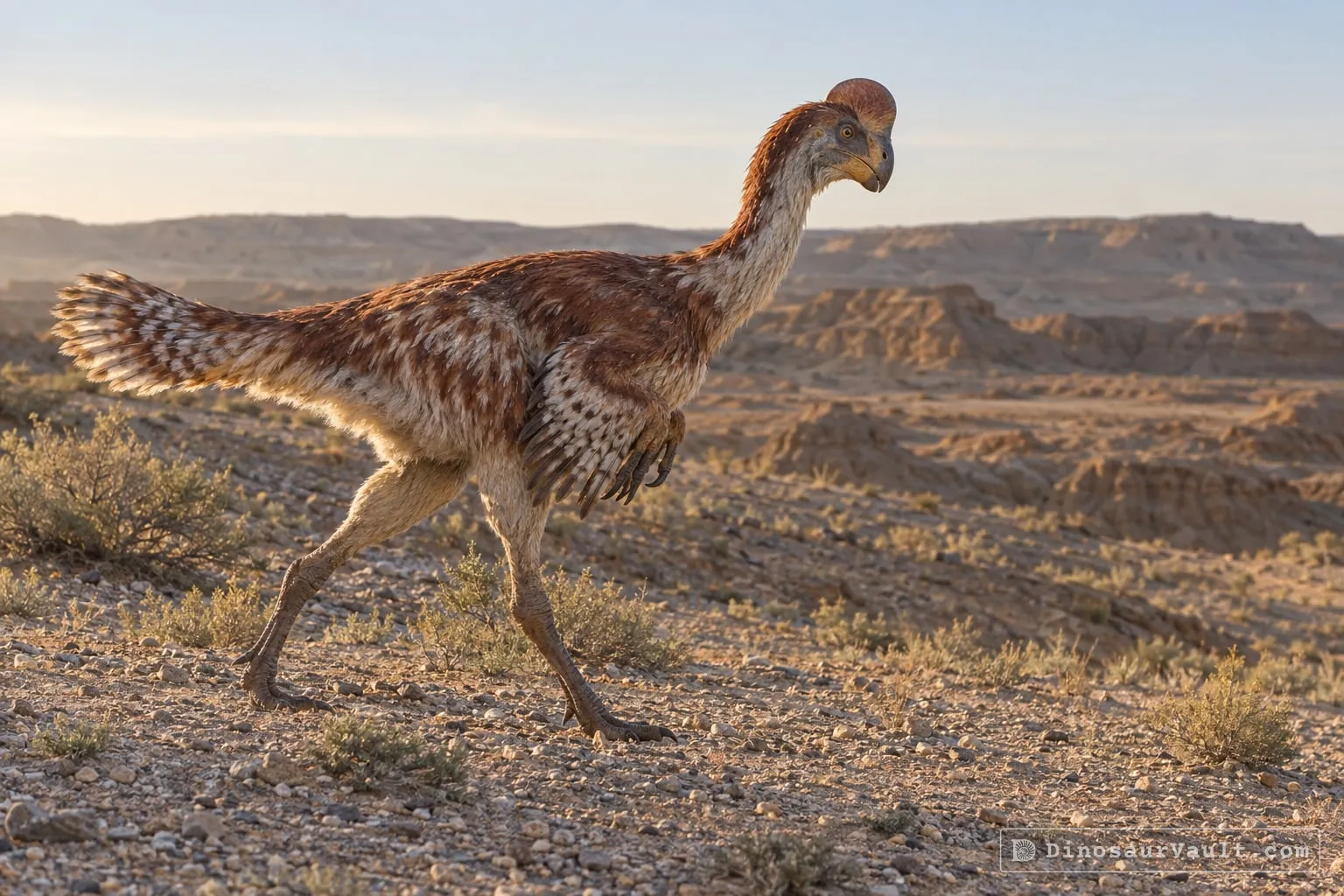
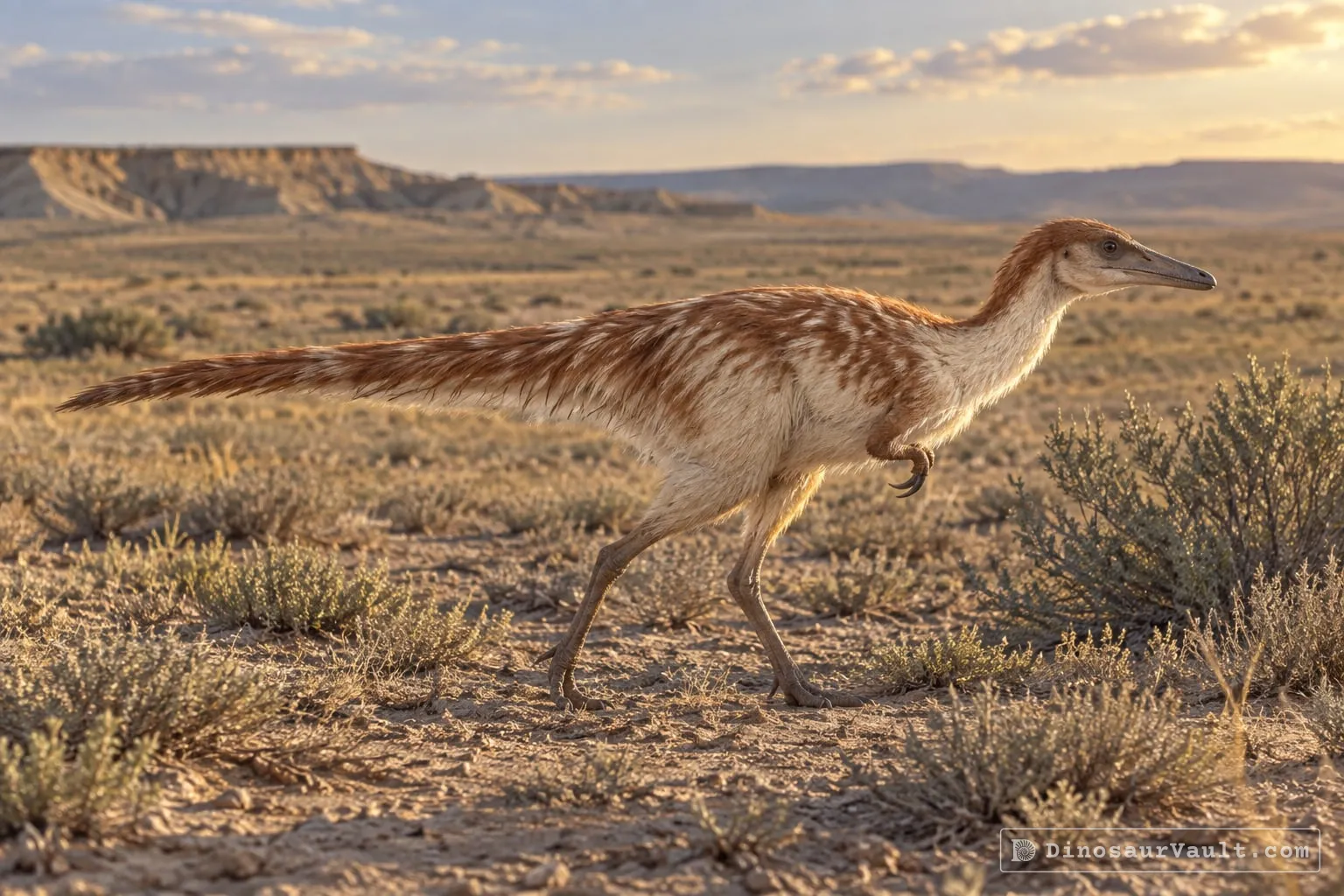
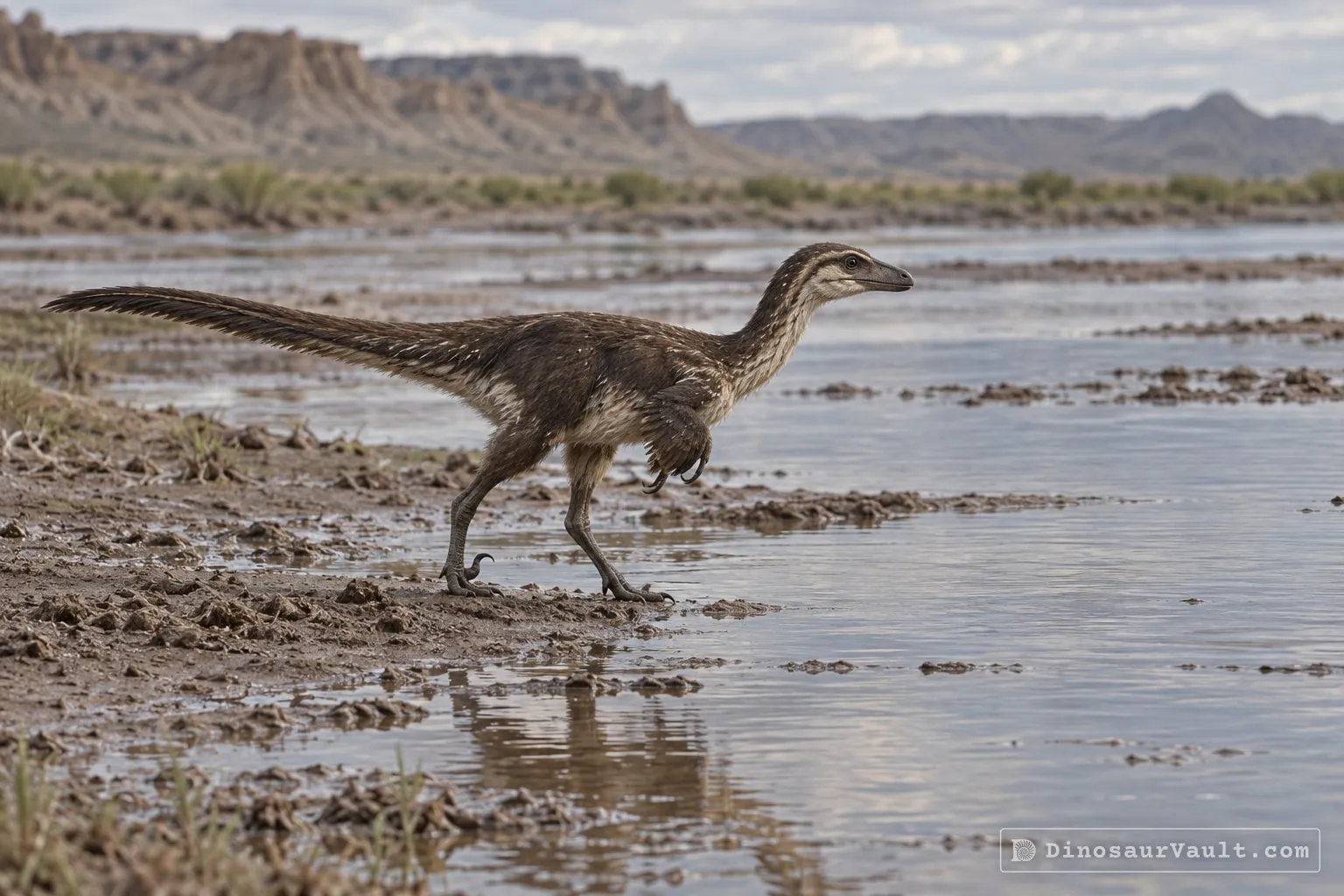


A rock formation can hold fossils laid down millions of years apart, so not every animal here met Eopinacosaurus.
The evidence
The science behind Eopinacosaurus
Which parts of the picture come from its own bones, and which come from its relatives.
From its own fossils
- A largely complete skeleton preserves the skull, lower jaws, neck armor and tail club in their original positions.
- The skull has a different arrangement of openings around the nostrils from Pinacosaurus.
Borrowed from relatives
- Much of the body is known from its own skeleton; missing parts can be compared with Pinacosaurus and other ankylosaurids.
Still unknown
- Its skin color.
- How its skull and armor changed as it grew.
Discovery timeline
- 2011Close relativeBurns et al.
- 2015Family treeArbour & Currie
- 2026Named itPenkalski
Key papers
The research behind what we know of Eopinacosaurus
Close relative
Compared young Pinacosaurus skulls and reviewed the differences separating the species now called Eopinacosaurus.
Juvenile specimens of Pinacosaurus grangeri Gilmore, 1933 (Ornithischia: Ankylosauria) from the Late Cretaceous of China, with comments on the specific taxonomy of Pinacosaurus. Cretaceous Research 32: 174-186
Read the paper : Juvenile specimens of Pinacosaurus grangeri Gilmore, 1933 (Ornithischia: Ankylosauria) from the Late Cretaceous of China, with comments on the specific taxonomy of Pinacosaurus (opens in a new tab)Family tree
Reviewed ankylosaurid species and their relationships, including the animal then called Pinacosaurus mephistocephalus.
Systematics, phylogeny and palaeobiogeography of the ankylosaurid dinosaurs. Journal of Systematic Palaeontology 14: 385-444
Read the paper : Systematics, phylogeny and palaeobiogeography of the ankylosaurid dinosaurs (opens in a new tab)Named it
Separated Eopinacosaurus from Pinacosaurus after comparing skull anatomy and testing their relationships.
The morphology and systematics of Pinacosaurus. Historical Biology 38: 4141-4182
Read the paper : The morphology and systematics of Pinacosaurus (opens in a new tab)
Close relatives
Other members of Ankylosauridae


Sources: Wikidata