Protoceratops
PRO-toh-SAIR-uh-tops
"first horned face"
- Lived
- 84 to 72 million years ago, Late Cretaceous
- Diet
- Herbivore
- Length
- about 2 m (7 ft)
- Group
- Ceratopsians, Protoceratopsidae
- Found in
- Mongolia and China
- Named by
- Granger and Gregory 1923
Size comparison
To scale
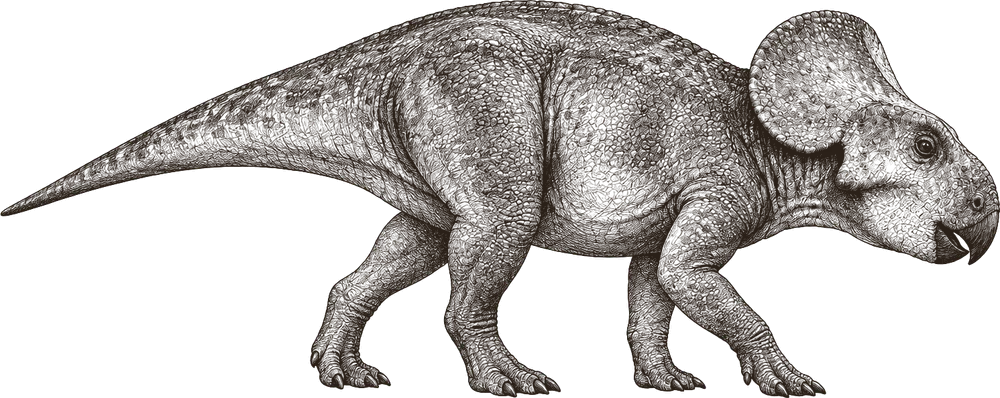

Scale in meters
Where its fossils were found
The evidence
Today

80 million years ago
Habitat
Sandy dunes with occasional water between them formed much of its Mongolian habitat. Velociraptor, Pinacosaurus and Oviraptor also lived in this desert region.
A Dinosaur Vault film
The Real Velociraptor Was Smaller Than You Think
Feathered, about the weight of a large dog, with a sickle claw on each foot. Then the Gobi fossil that caught one locked in a fight with a Protoceratops.
Subscribe on YouTubeField notes
About Protoceratops
What it was like
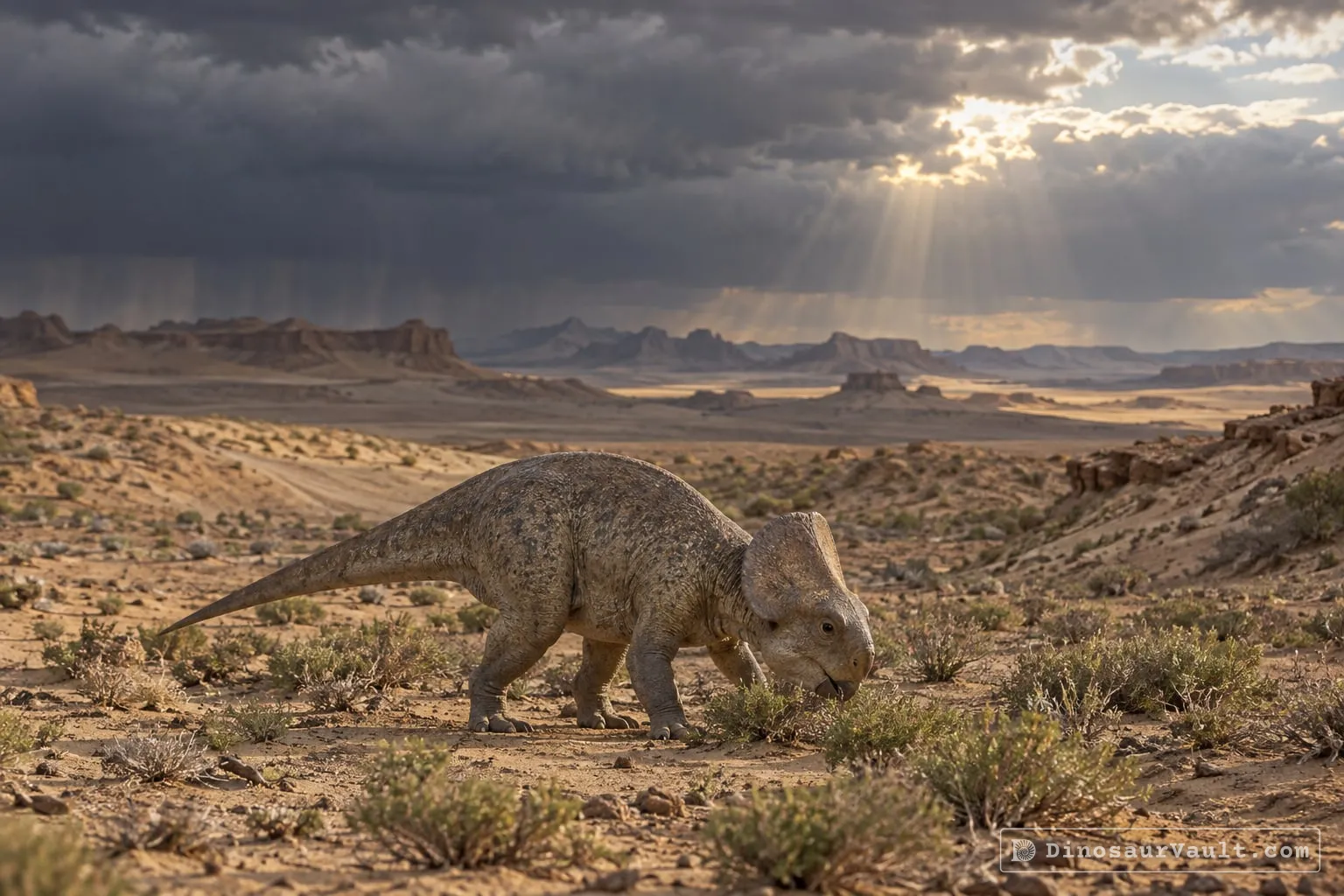
Protoceratops was a small, stocky plant eater with a large head, a short bony frill at the back of its skull, and a parrot-like beak. It grew to about 2 meters (6.6 feet) long. Adults likely walked on four legs, while younger animals may have been able to run on two.
It had no true horns, only a bump on its snout that varied a lot from one individual to another. Its frill probably helped anchor jaw muscles and may have been used for display between members of the same species.
Its world
Protoceratops lived from about 84 to 72 million years ago, in the Late Cretaceous, across what is now Mongolia and China. Its fossils come from several formations, including Djadokhta, Bayan Mandahu, and Baruungoyot.
It shared its desert and dune habitat with the armored Pinacosaurus, the small predator Velociraptor, the egg-laying Oviraptor, the birdlike Avimimus, and the swift Saurornithoides.
How it was found
Granger and Gregory named Protoceratops in 1923. About 33 fossil finds are known, including eggs and nests, making it one of the best-studied dinosaurs from the region. One famous find preserves a Protoceratops locked in combat with a Velociraptor, giving rare direct evidence of predator and prey interacting. It is considered a close relative of Bagaceratops.
Field gallery
More views of Protoceratops
Scenes reconstructed from the available fossil evidence.
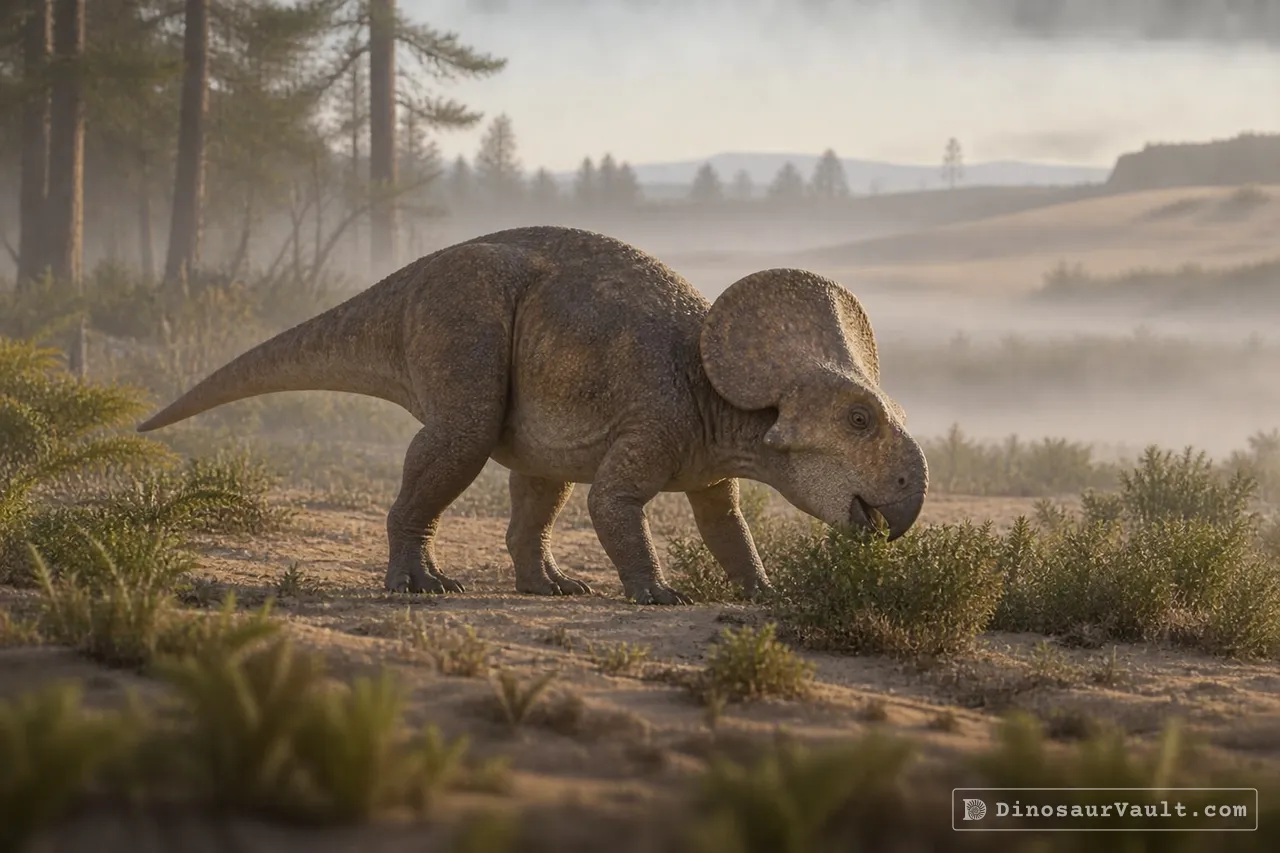
1 of 7
Lived alongside
Found in the same rock formations
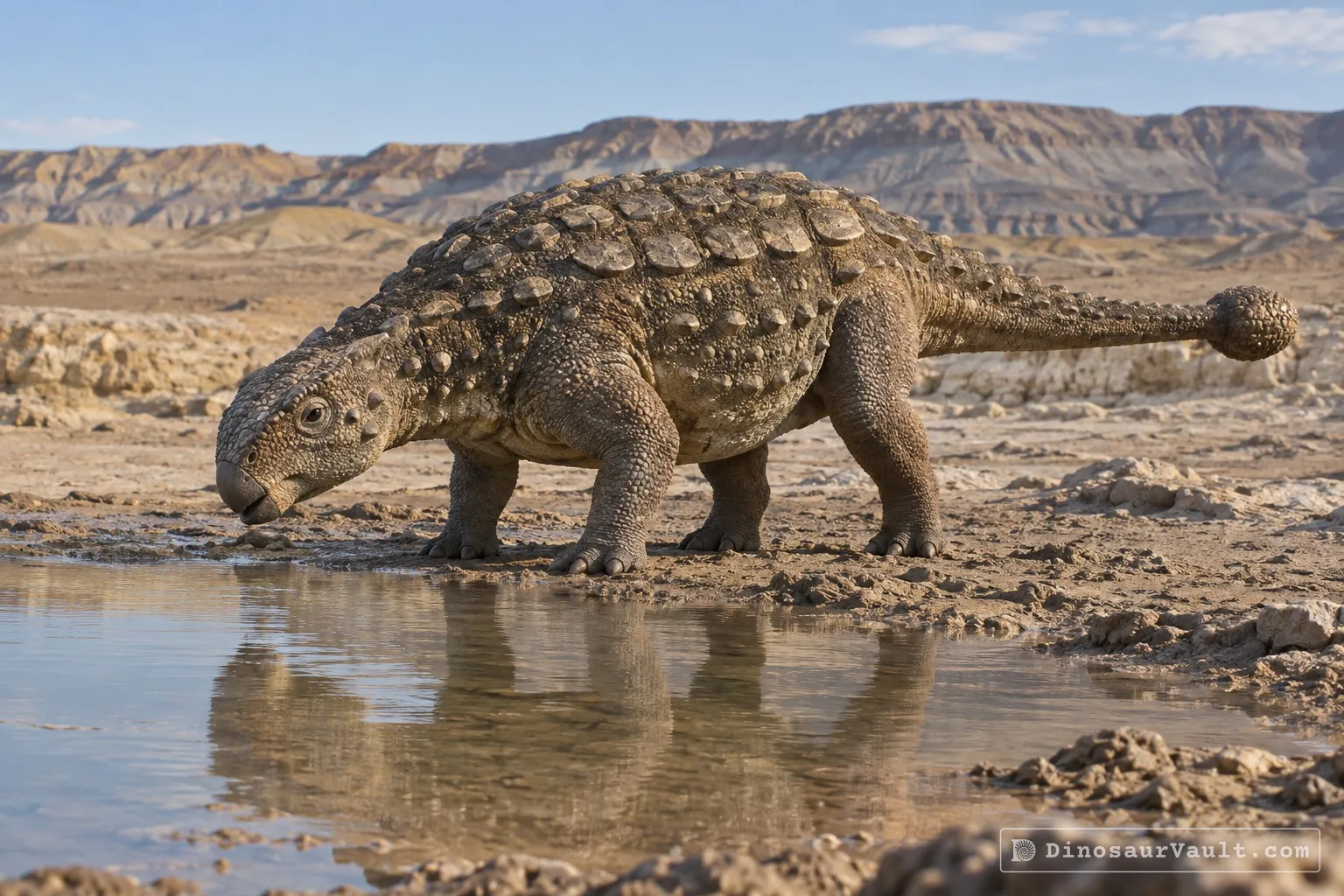
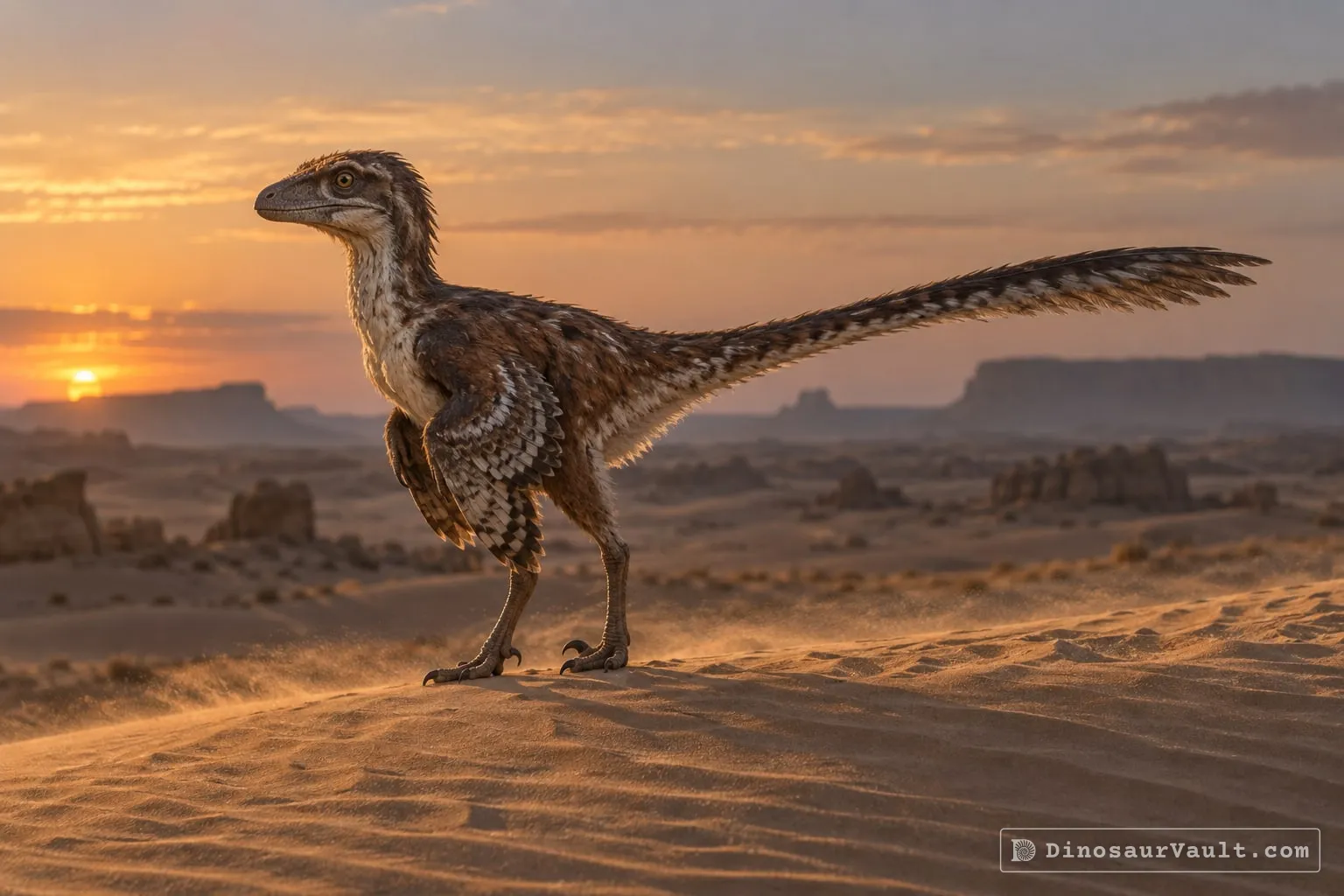
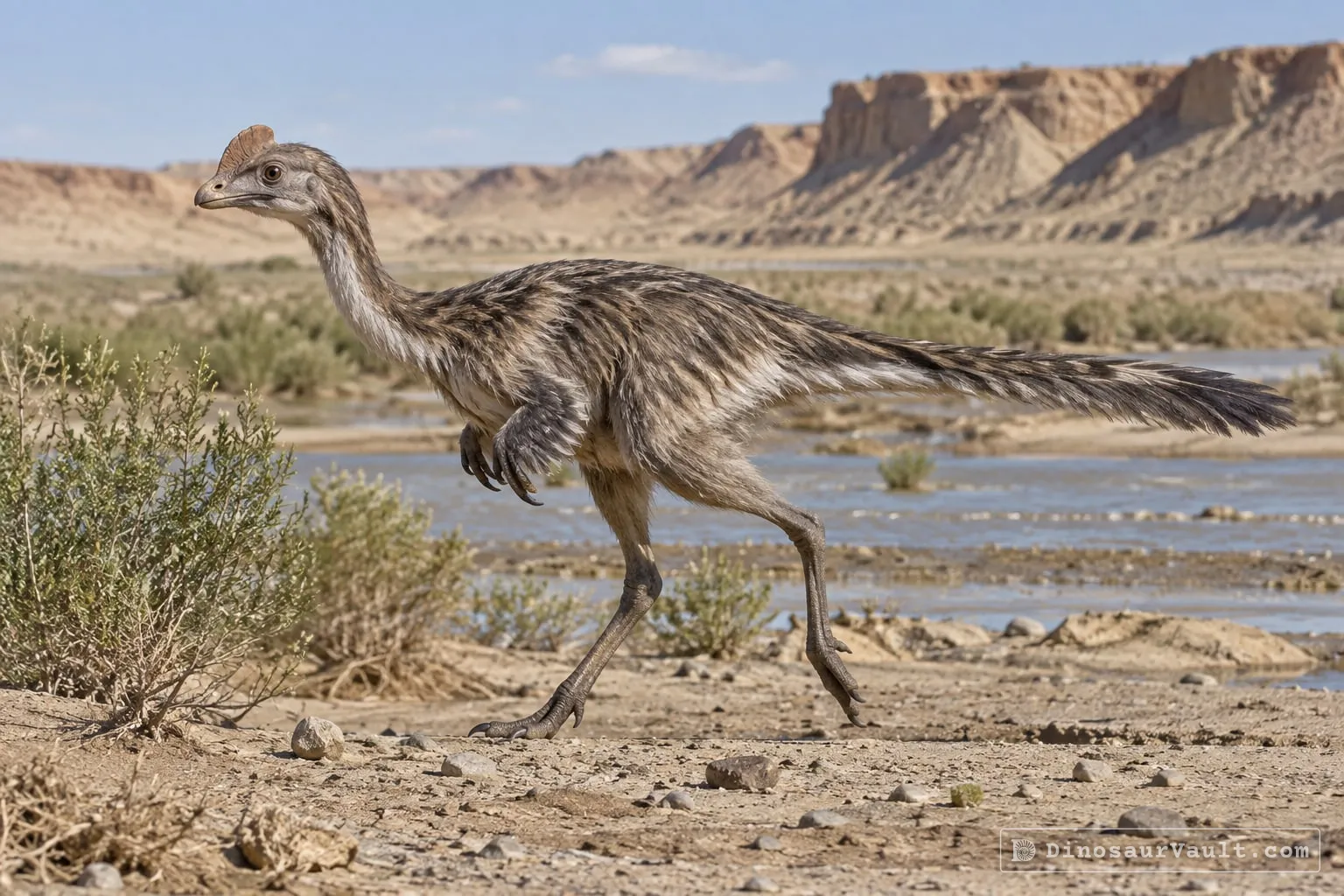
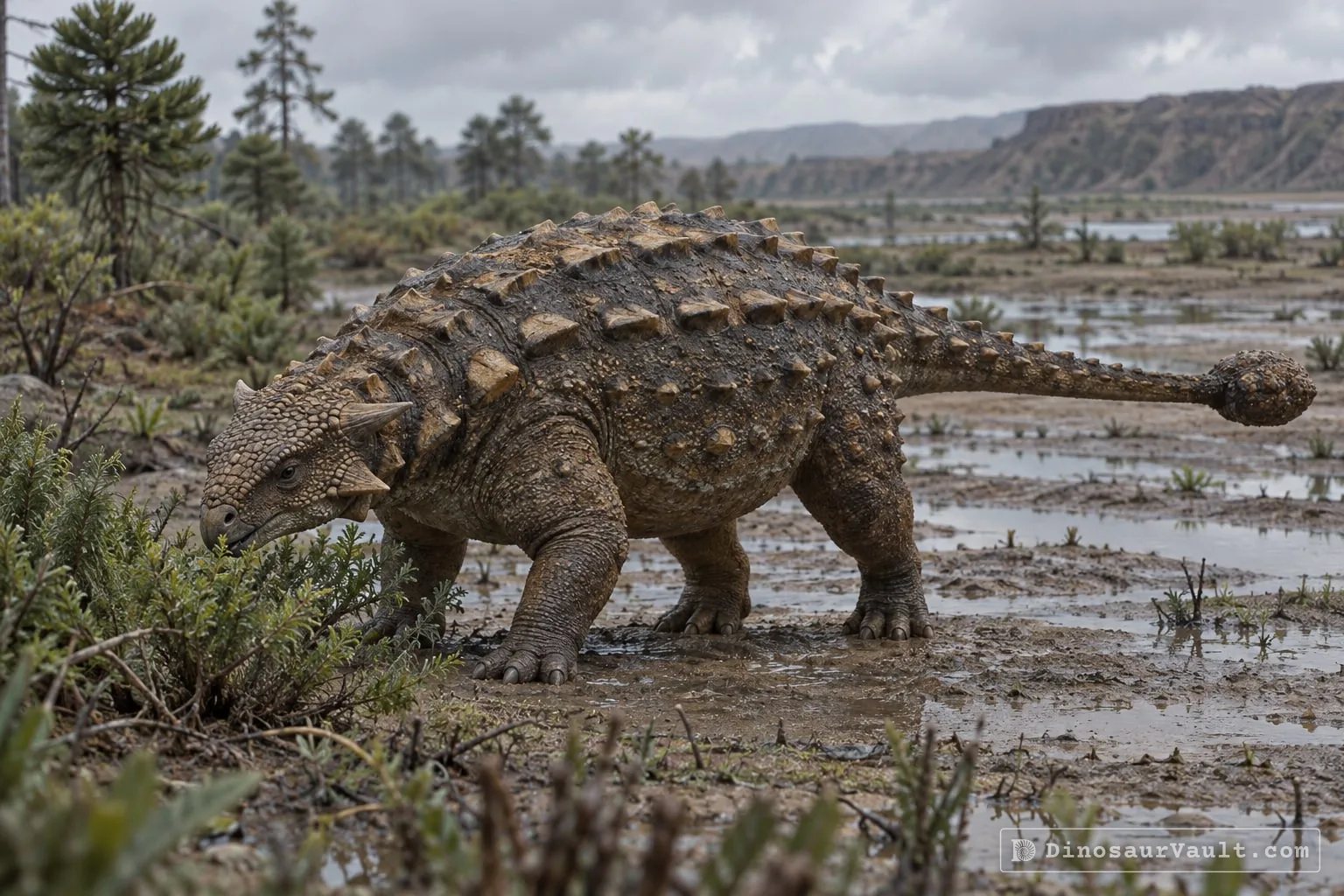
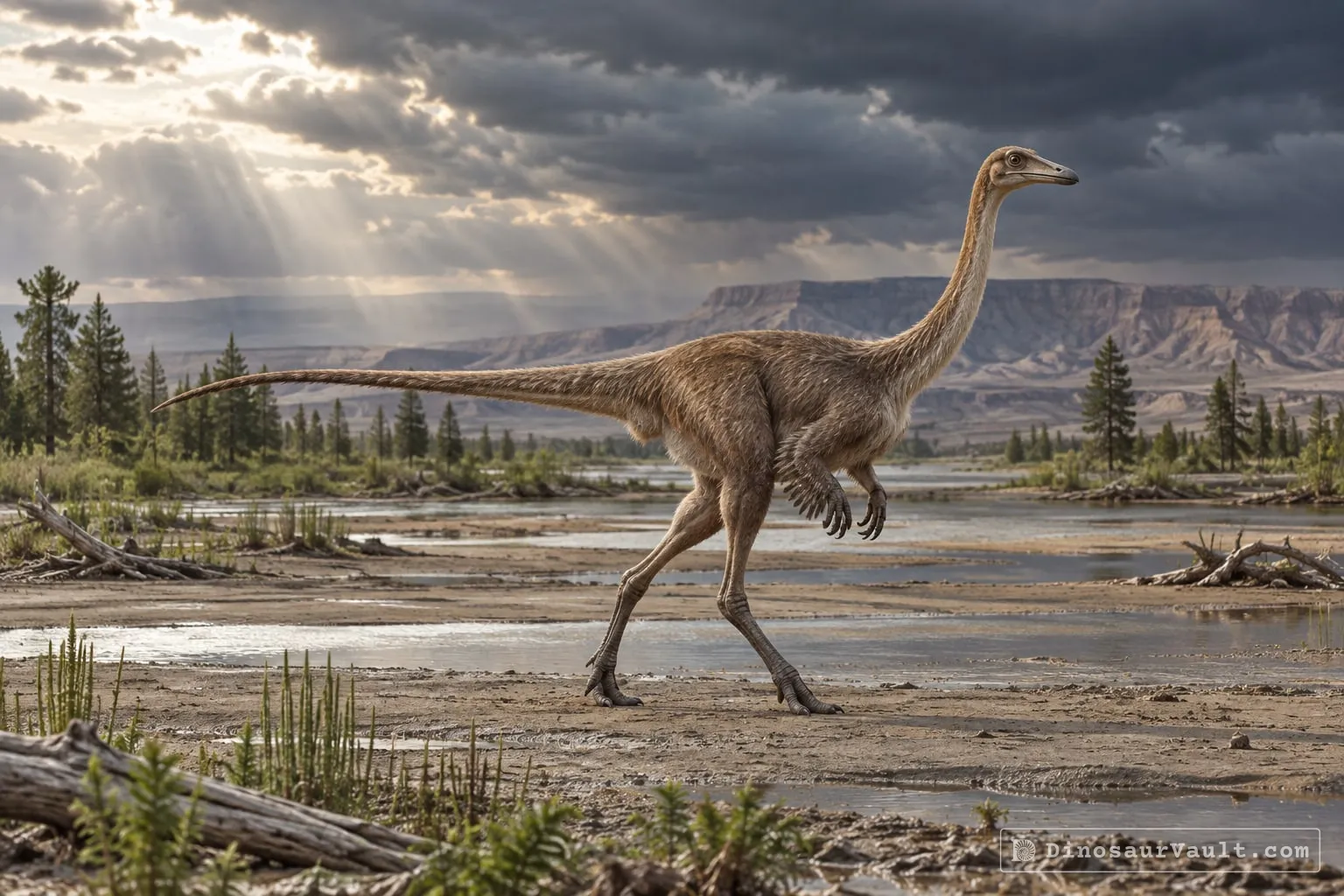
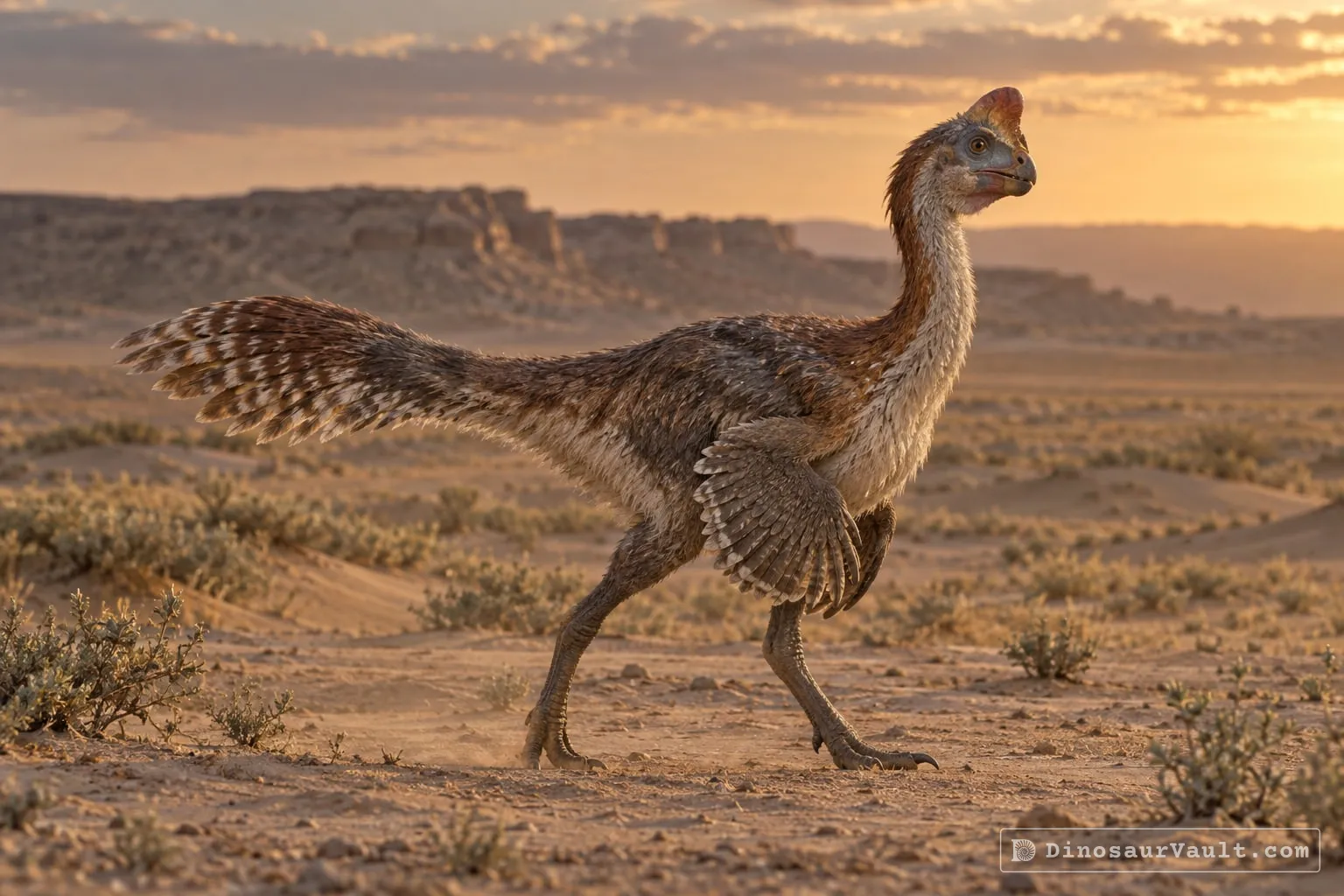
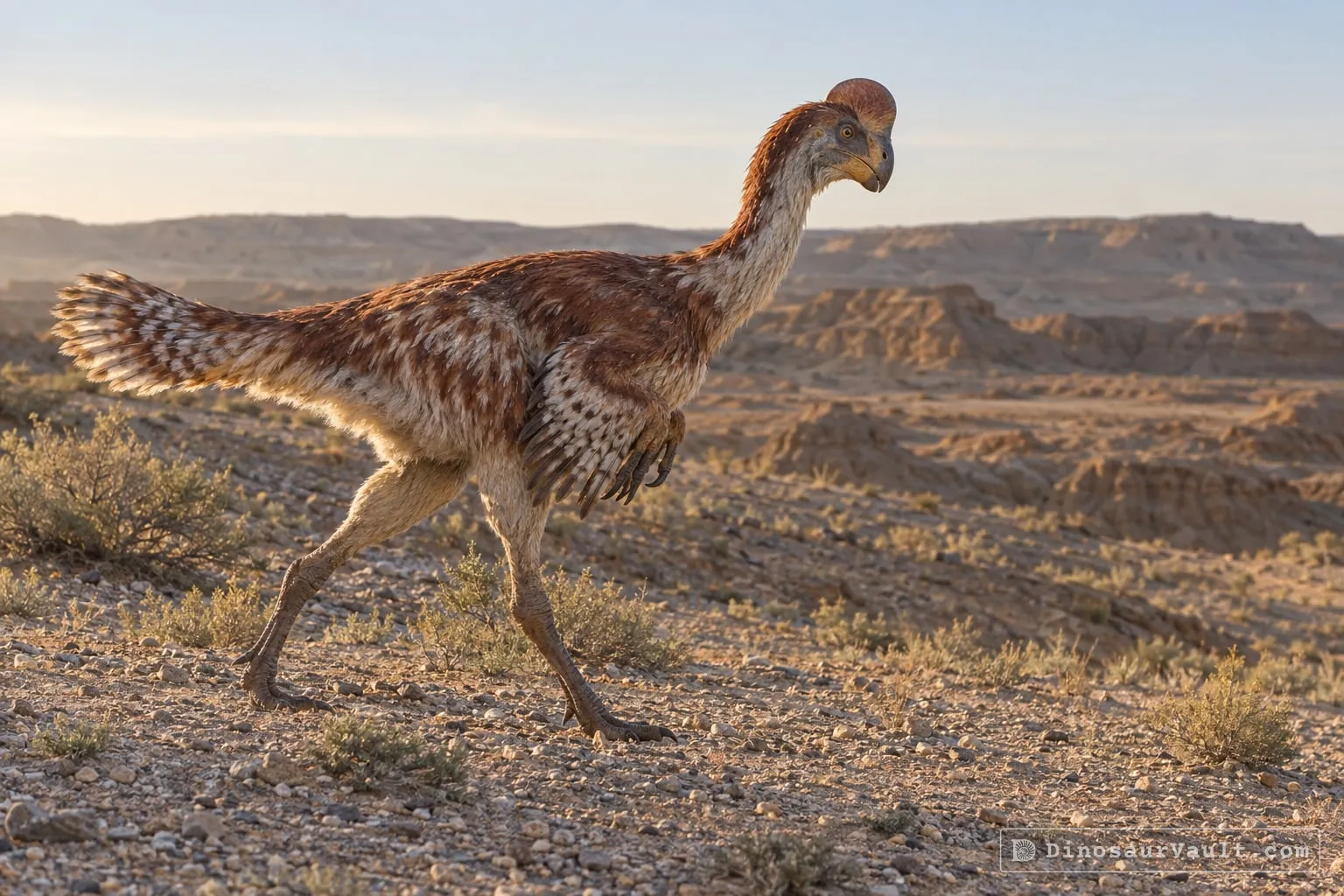


A rock formation can hold fossils laid down millions of years apart, so not every animal here met Protoceratops.
The evidence
The science behind Protoceratops
Which parts of the picture come from its own bones, and which come from its relatives.
From its own fossils
- Many skulls and skeletons show a deep beak, a broad neck frill and a sturdy body carried on short legs.
- Embryos inside eggs and skeletons of young animals document several stages of growth.
- A Protoceratops and a Velociraptor are preserved with their bodies tangled together.
Borrowed from relatives
- Almost the whole skeleton is known from its own fossils, so little of its body shape needs to be borrowed from Bagaceratops or other relatives.
- A scaly covering follows other ceratopsians.
Still unknown
- Its color.
- Whether adults guarded nests or cared for the young.
- Exactly how it used its frill when meeting other Protoceratops.
Often drawn wrong
- It had no long brow horns or large nose horn like Triceratops.
- Young animals had a smaller frill in proportion to the head than adults.
Discovery timeline
- 1923Named itGranger & Gregory
- 2014Growing upHone et al.
- 2016SkullHone, Wood & Knell
- 2016Fossil sitesBarsbold
- 2017Growing upErickson et al.
Key papers
The research behind what we know of Protoceratops
Named it
Named a small beaked dinosaur from Mongolia and described its skull and relationships to other horned dinosaurs.
Protoceratops andrewsi, a pre-ceratopsian dinosaur from Mongolia, with an appendix on the structural relationships of the Protoceratops beds. American Museum Novitates 72: 1-9
No link available
Growing up
Described young animals buried together and proposed that Protoceratops gathered in groups of similar size.
A New Mass Mortality of Juvenile Protoceratops and Size-Segregated Aggregation Behaviour in Juvenile Non-Avian Dinosaurs. PLoS ONE 9: e113306
Read the paper : A New Mass Mortality of Juvenile Protoceratops and Size-Segregated Aggregation Behaviour in Juvenile Non-Avian Dinosaurs (opens in a new tab)Skull
Found that the frill became proportionately larger during growth, supporting a possible role in display between adults.
Positive allometry for exaggerated structures in the ceratopsian dinosaur Protoceratops andrewsi supports socio-sexual signaling. Palaeontologia Electronica
Read the paper : Positive allometry for exaggerated structures in the ceratopsian dinosaur Protoceratops andrewsi supports socio-sexual signaling (opens in a new tab)Fossil sites
Reexamined the tangled Protoceratops and Velociraptor skeletons and proposed that movement after death helped produce their final positions.
“The Fighting Dinosaurs”: The position of their bodies before and after death. Paleontological Journal 50: 1412-1417
Read the paper : “The Fighting Dinosaurs”: The position of their bodies before and after death (opens in a new tab)Growing up
Counted growth lines in embryonic teeth and found that Protoceratops eggs developed more slowly than comparable bird eggs.
Dinosaur incubation periods directly determined from growth-line counts in embryonic teeth show reptilian-grade development. Proceedings of the National Academy of Sciences 114: 540-545
Read the paper : Dinosaur incubation periods directly determined from growth-line counts in embryonic teeth show reptilian-grade development (opens in a new tab)
Close relatives
Other members of Protoceratopsidae

Sources: Wikidata