Parvicursor
"small runner"
- Lived
- 84 to 72 million years ago, Late Cretaceous
- Diet
- Carnivore
- Group
- Theropods, Alvarezsauridae
- Found in
- Mongolia
- Named by
- Karhu and Rautian 1996
Where its fossils were found
The evidence
Today

80 million years ago
Habitat
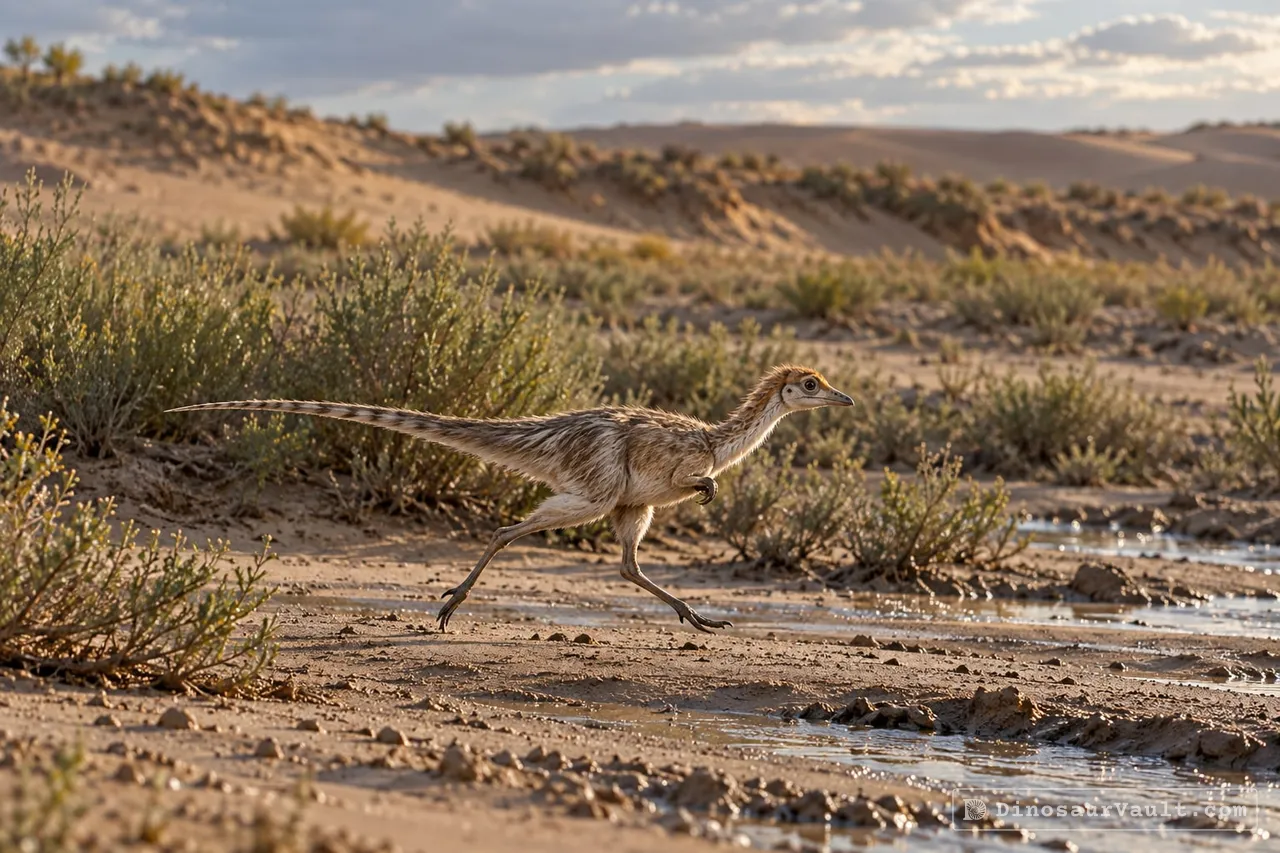
A dry landscape with wind-built sand dunes in Mongolia. Saichania, Tarchia and Avimimus are also recorded from the Baruungoyot Formation.
Field notes
About Parvicursor
What it was like
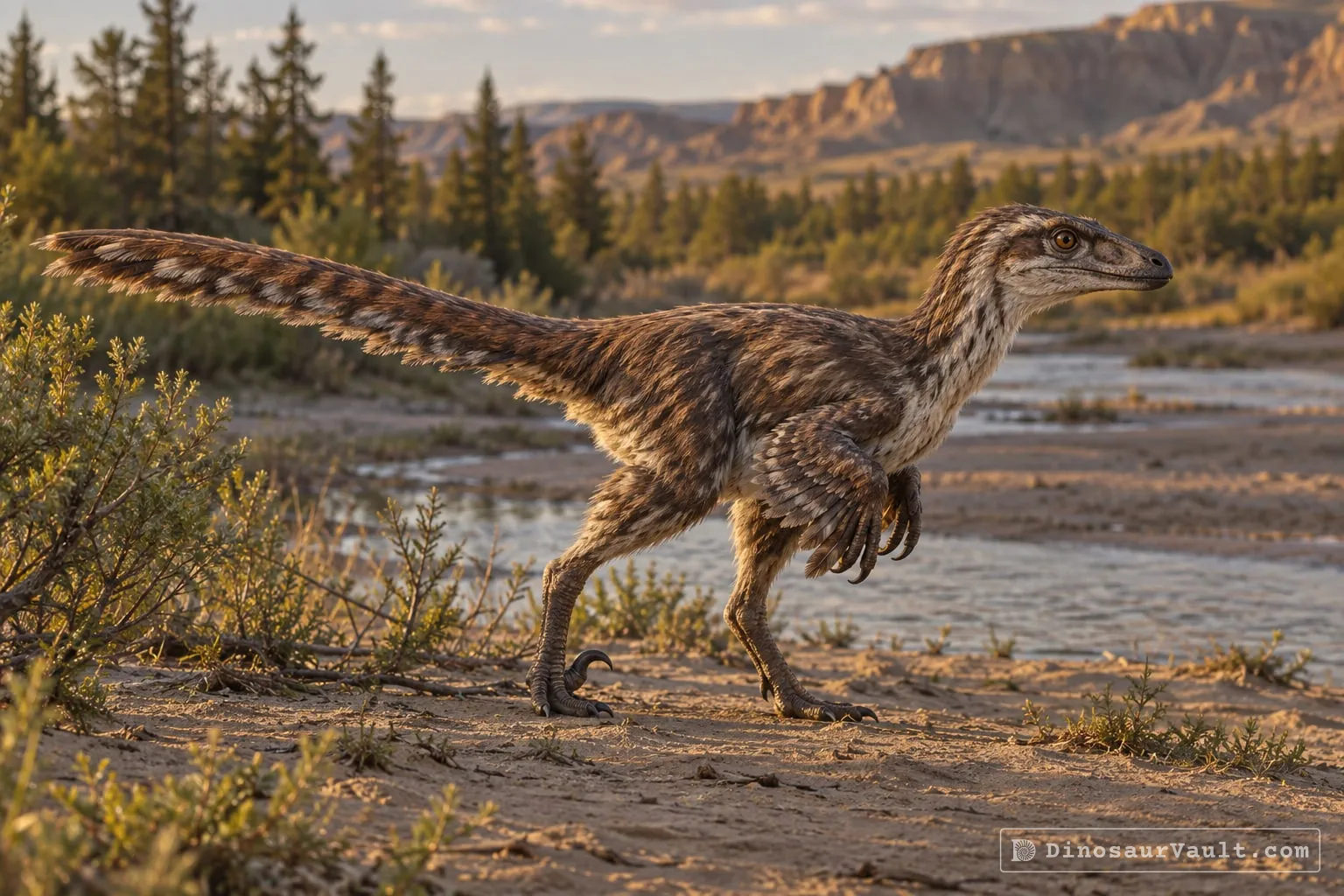
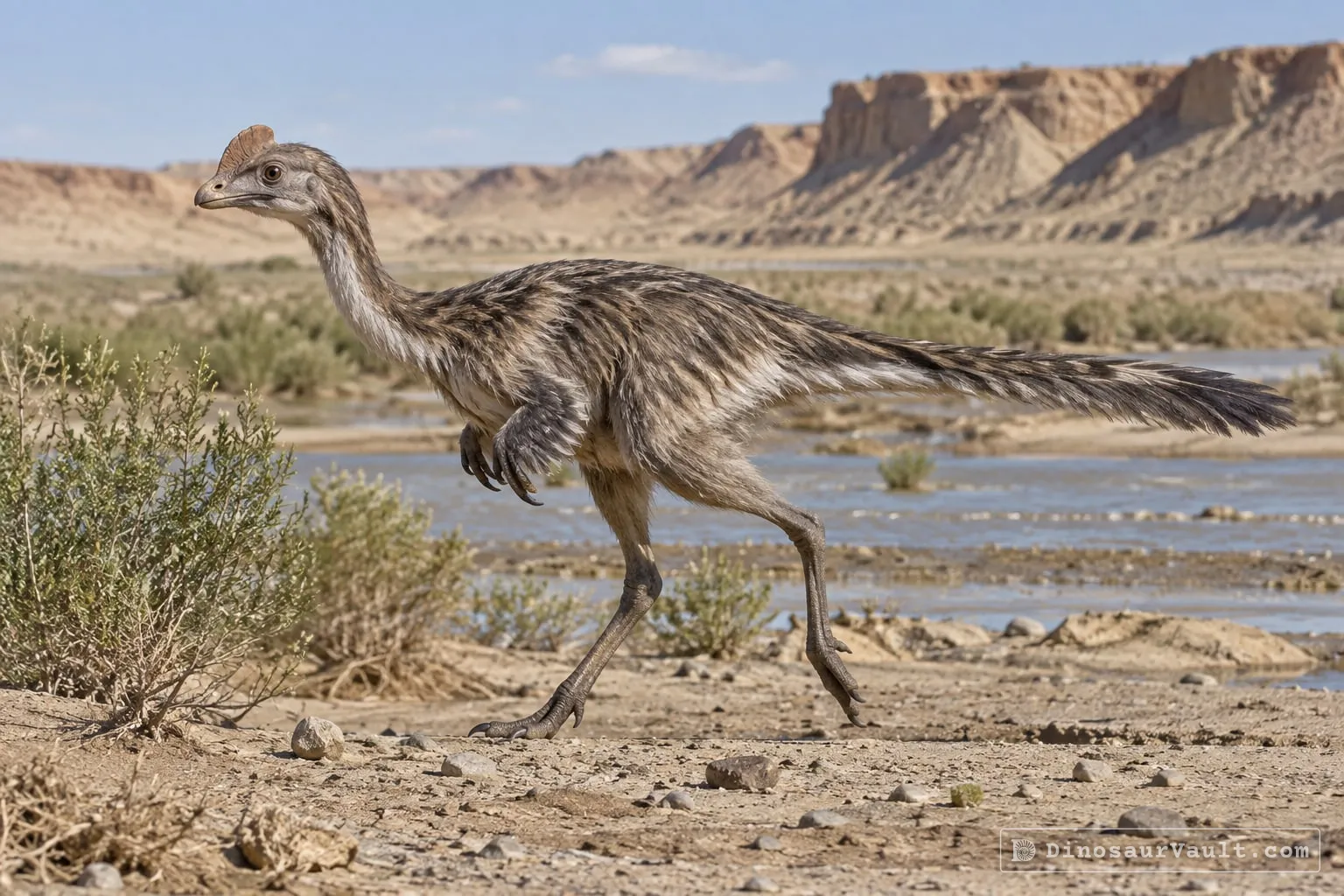
Parvicursor was one of the smallest known dinosaurs, a tiny alvarezsaur with long, slender legs built for running. Its single skeleton is incomplete, and some scientists think it may be a young animal.
Its world
It lived in the Late Cretaceous, in what is now Mongolia. It comes from the Baruungoyot Formation, a dry land of dunes shared with the armored Saichania and Tarchia and the small bird-like Avimimus.
How it was found
Karhu and Rautian named Parvicursor in 1996.
Field gallery
More views of Parvicursor
Scenes reconstructed from the available fossil evidence.
Lived alongside
Found in the same rock formations
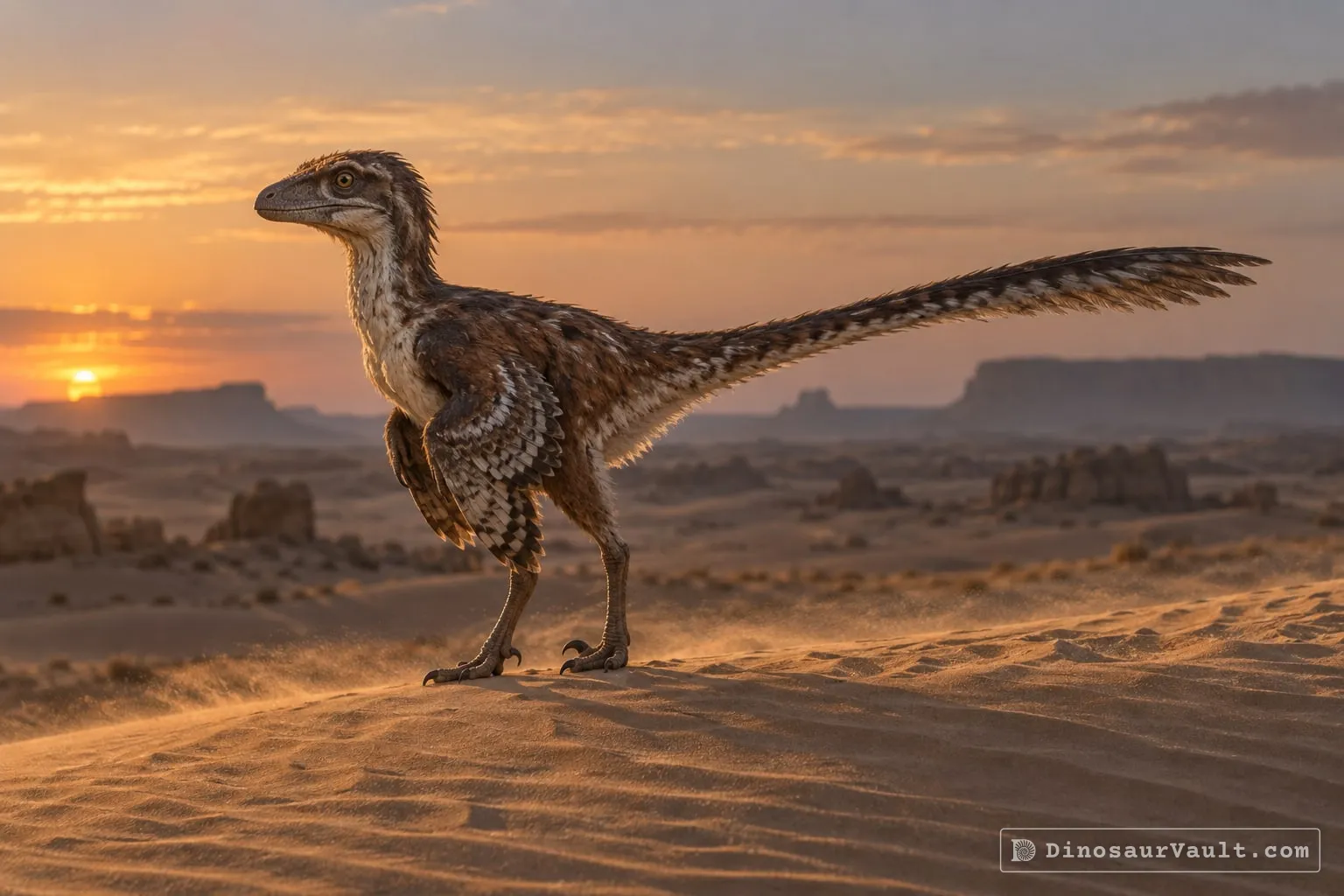
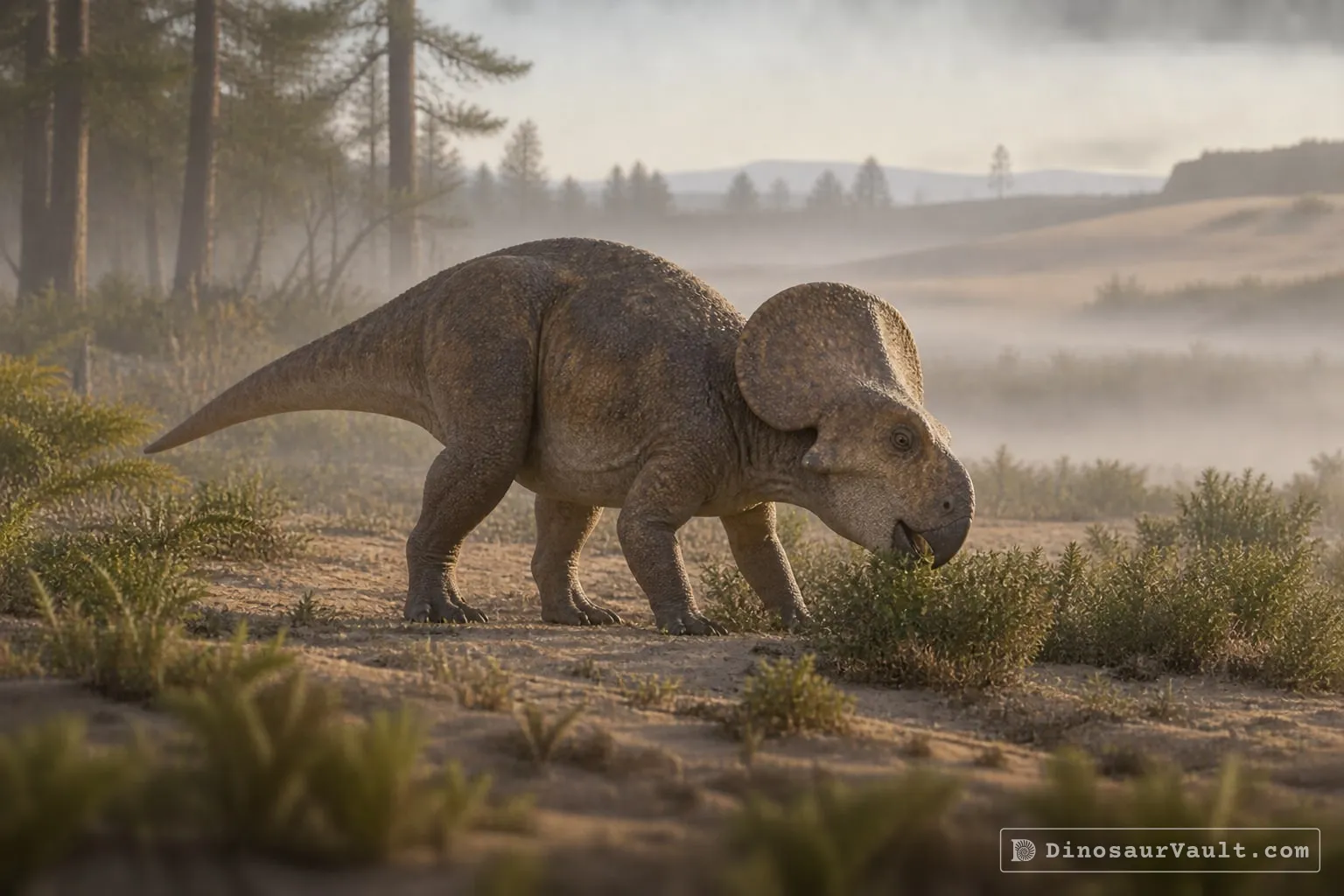
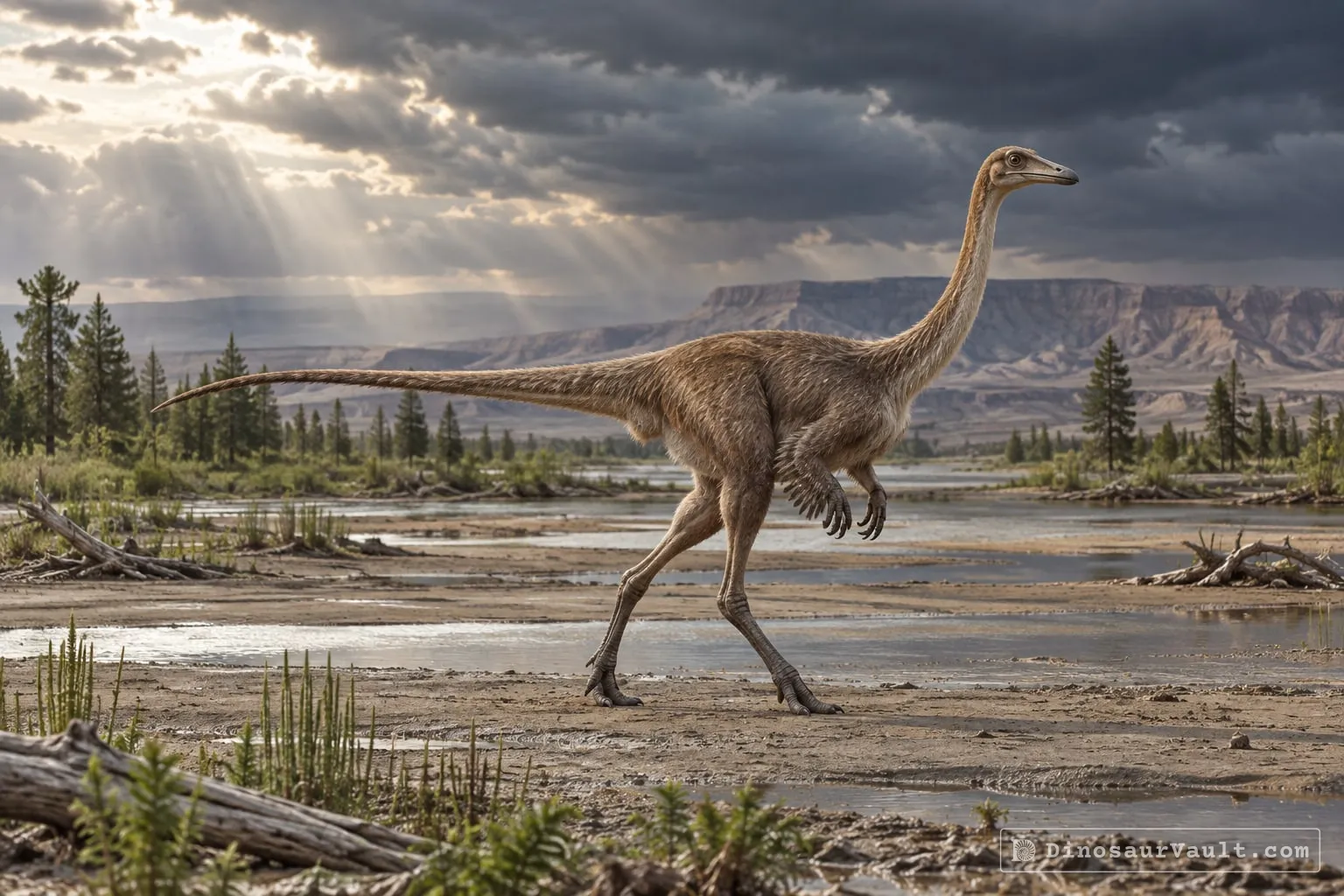
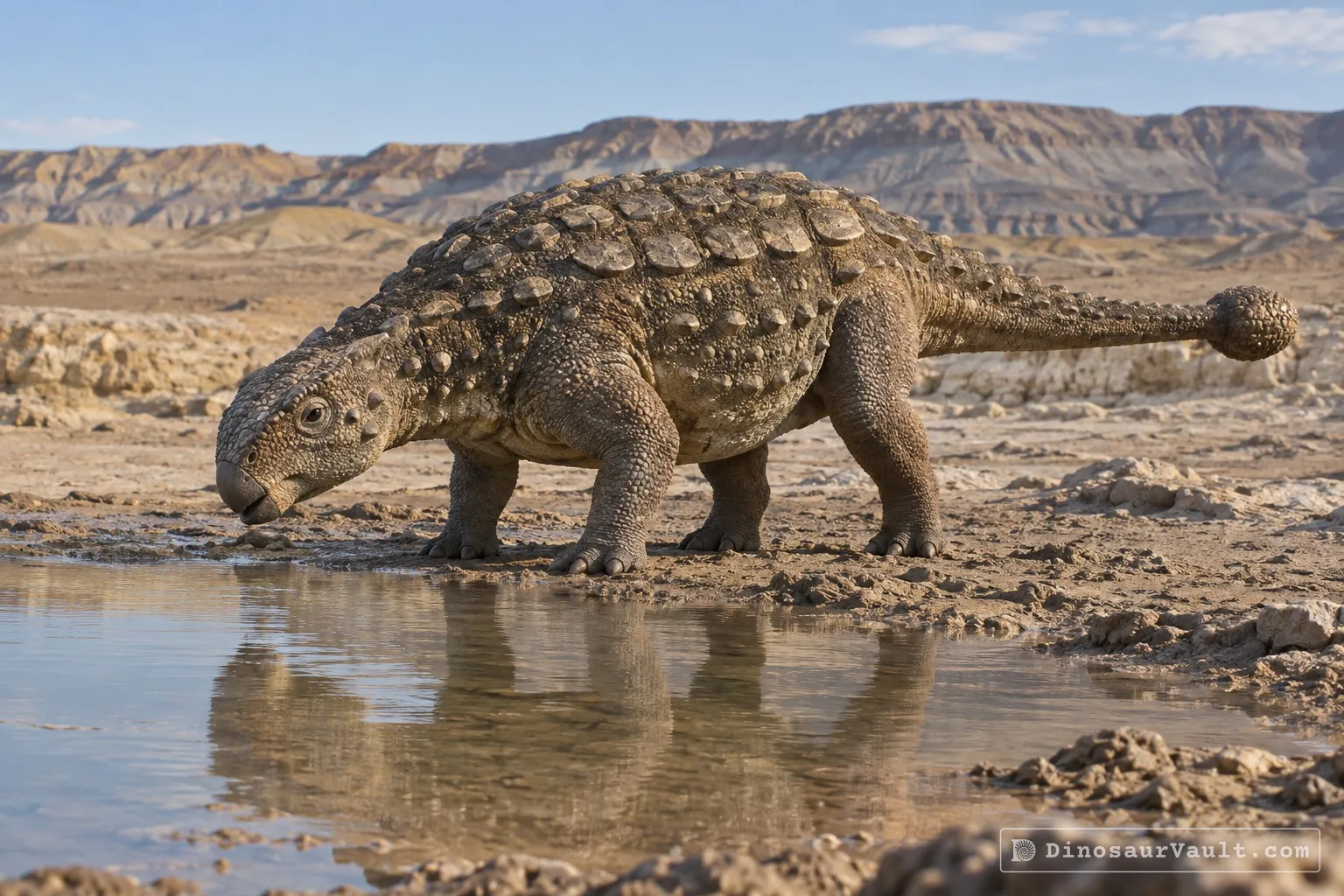
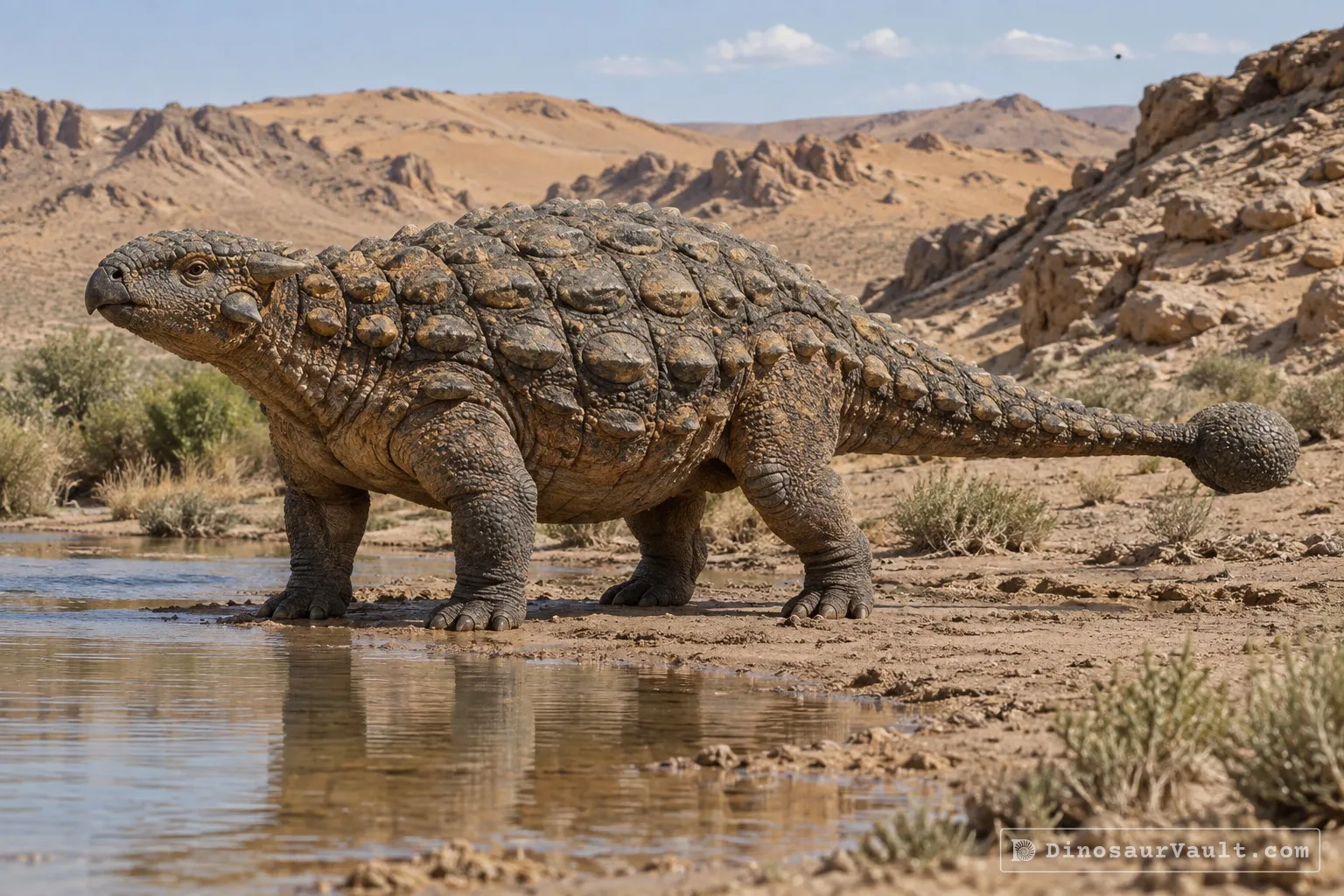
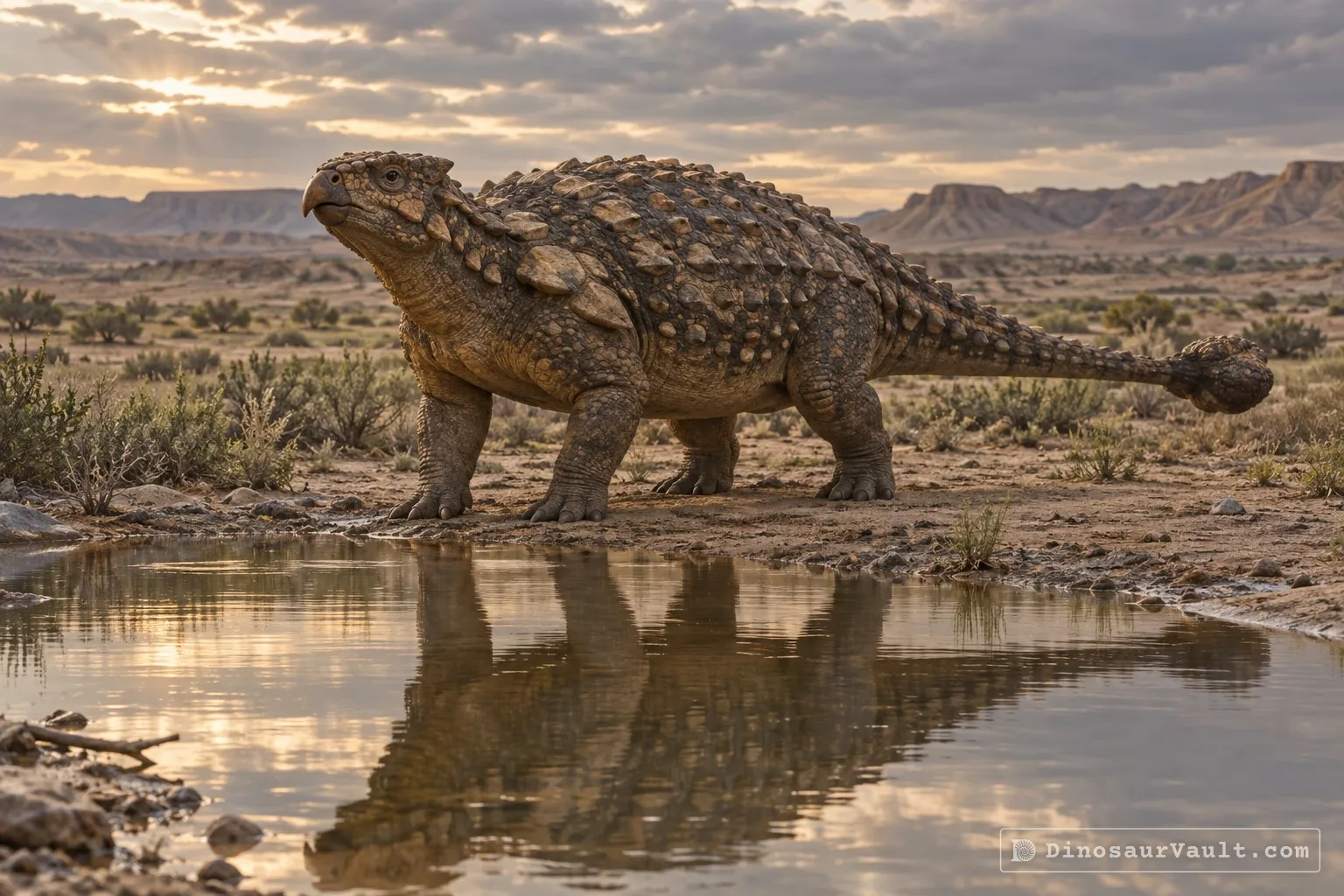


A rock formation can hold fossils laid down millions of years apart, so not every animal here met Parvicursor.
The evidence
The science behind Parvicursor
Which parts of the picture come from its own bones, and which come from its relatives.
From its own fossils
- The original skeleton preserves parts of the backbone, hips and hind legs.
- Its long, slender hind legs gave this tiny dinosaur a runner's build.
- The hip bones had not fused together, a sign that the animal was still growing.
Borrowed from relatives
- The missing head and arms are restored by comparison with Shuvuuia and Mononykus.
Still unknown
- How large a fully grown Parvicursor became.
- Its skin covering and color.
- Exactly what it ate.
Discovery timeline
- 1996Named itKarhu & Rautian
- 2021RedescriptionAverianov & Lopatin
- 2025Close relativeAverianov, Lopatin & Atuchin
Key papers
The research behind what we know of Parvicursor
Named it
Named a tiny dinosaur from an incomplete skeleton found in Mongolia and proposed a new family for it.
A new family of Maniraptora (Dinosauria: Saurischia) from the Late Cretaceous of Mongolia. Paleontological Journal 30: 583-592
No link available
Redescription
Restudied the original skeleton, corrected several bone identifications and recognized it as a juvenile rather than a tiny adult.
A re-appraisal of Parvicursor remotus from the Late Cretaceous of Mongolia: implications for the phylogeny and taxonomy of alvarezsaurid theropod dinosaurs. Journal of Systematic Palaeontology 19: 1097-1128
Read the paper : A re-appraisal of Parvicursor remotus from the Late Cretaceous of Mongolia: implications for the phylogeny and taxonomy of alvarezsaurid theropod dinosaurs (opens in a new tab)Close relative
Described a close relative with a complete arm and hand, showing how its enlarged claw and small side fingers worked together.
Forelimb structure and function in a new Late Cretaceous parvicursorine theropod dinosaur from Mongolia. Proceedings of the Zoological Institute RAS 329: 382
Read the paper : Forelimb structure and function in a new Late Cretaceous parvicursorine theropod dinosaur from Mongolia (opens in a new tab)
Close relatives
Other members of Alvarezsauridae


Sources: Wikidata