Elopteryx
Type species Elopteryx nopcsai
- Lived
- 72 to 66 million years ago, Late Cretaceous
- Diet
- Carnivore
- Group
- Theropods, Alvarezsauridae
- Found in
- Romania
- Named by
- Andrews 1913
Where its fossils were found
The evidence
Today

Habitat
It lived on an island in what is now Romania, where rivers crossed floodplains. Zalmoxes, Telmatosaurus and Magyarosaurus were among the other dinosaurs.
Field notes
About Elopteryx
What it was like
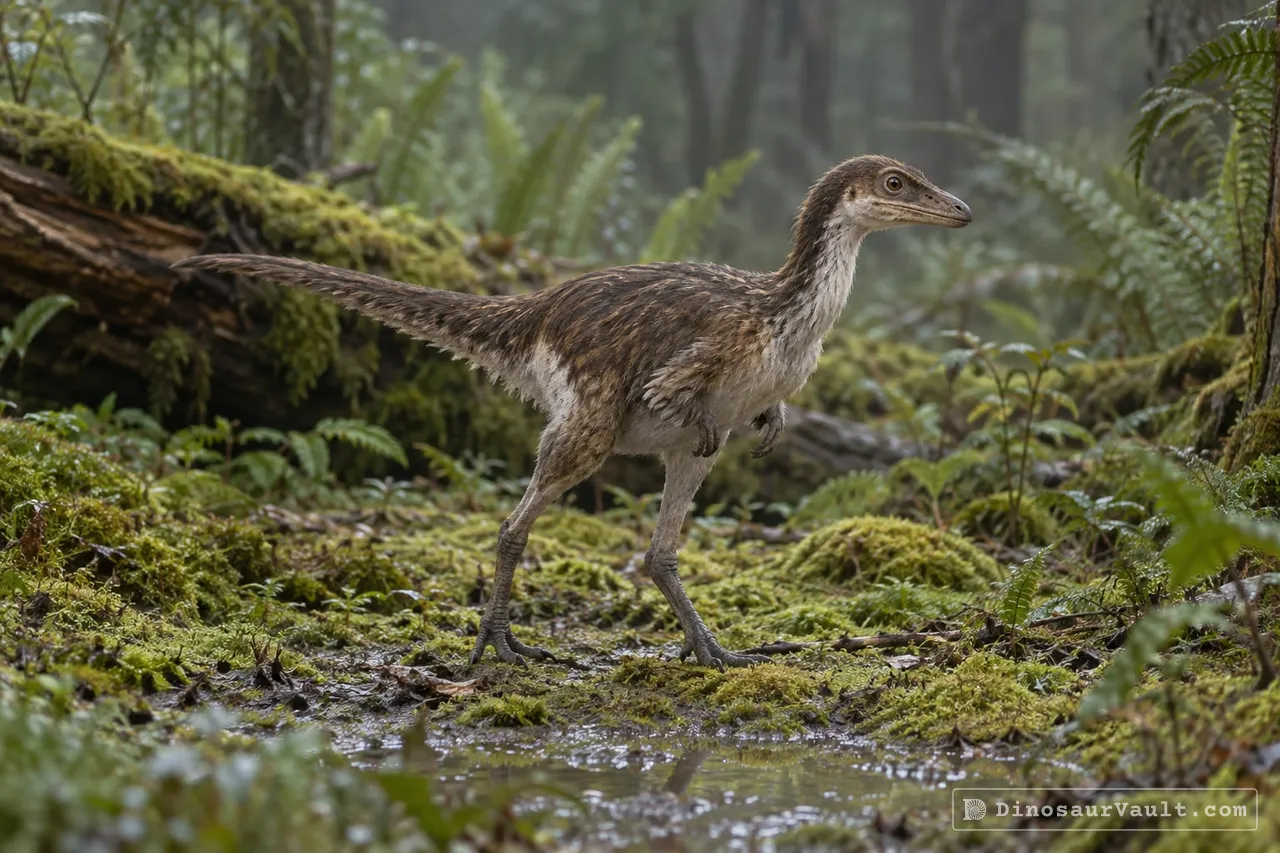
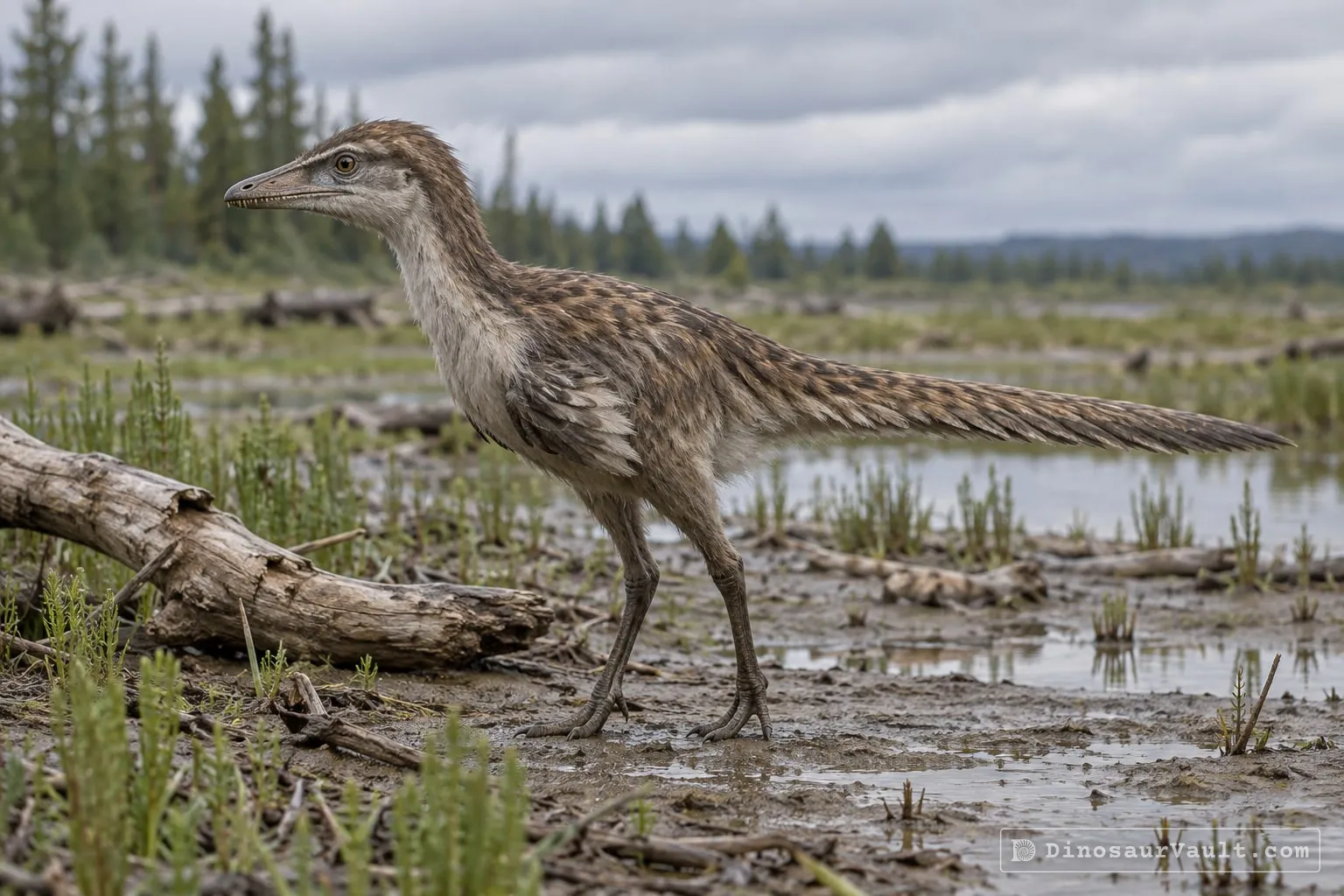
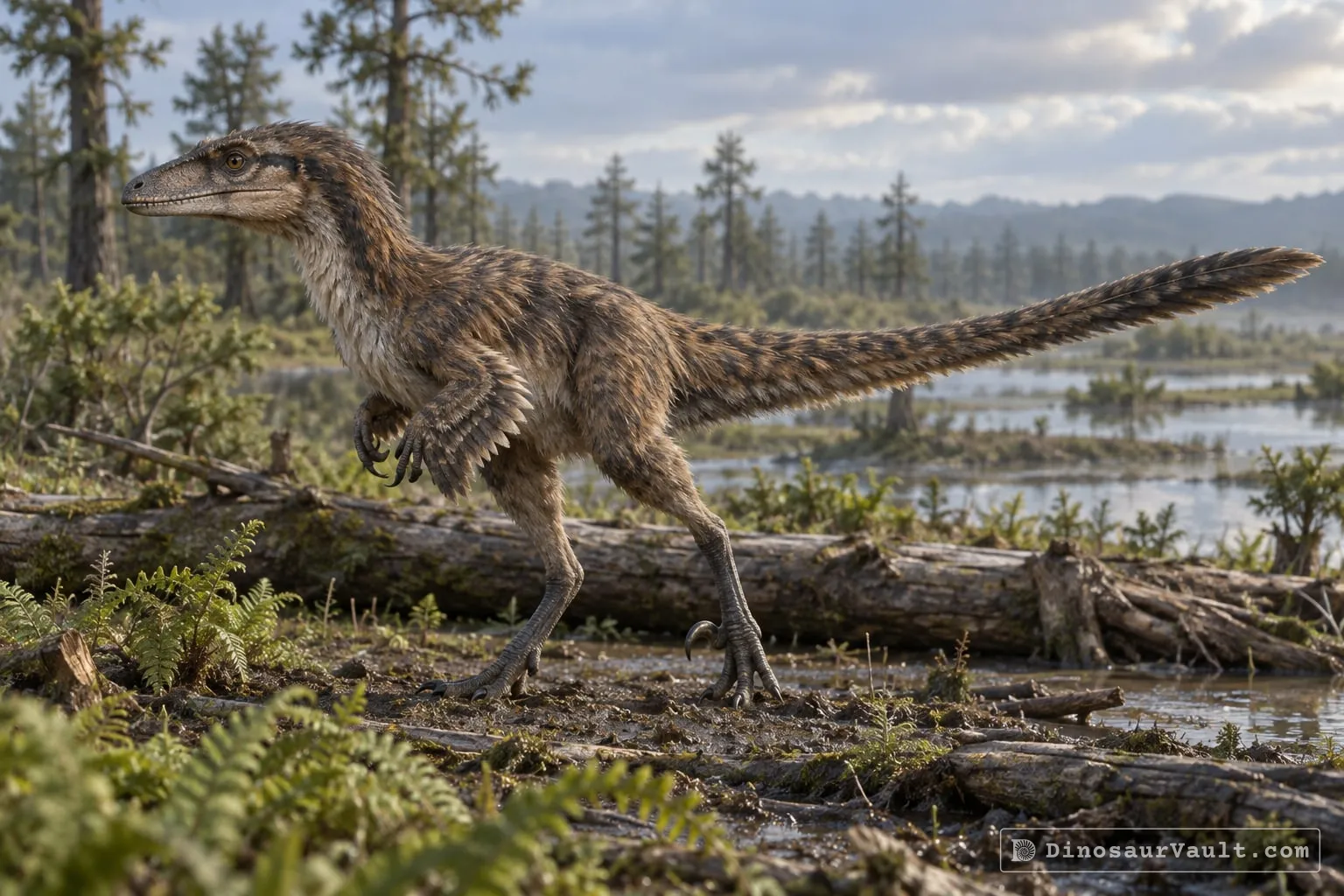
Elopteryx was a small theropod known from a few leg bones. Their features are hard to read, so scientists have linked it to many groups over the years, from birds to troodontids to alvarezsaurs.
Its world
It lived in the Late Cretaceous, in what is now Romania. Its world was an island with small dwarfed dinosaurs, including the plant eaters Zalmoxes and Telmatosaurus, the small sauropod Magyarosaurus and the armored Struthiosaurus.
How it was found
Andrews named Elopteryx in 1913. The type species is Elopteryx nopcsai. Some scientists think the later-named Balaur may be the same animal.
Field gallery
More views of Elopteryx
Scenes reconstructed from the available fossil evidence.
Lived alongside
Found in the same rock formations
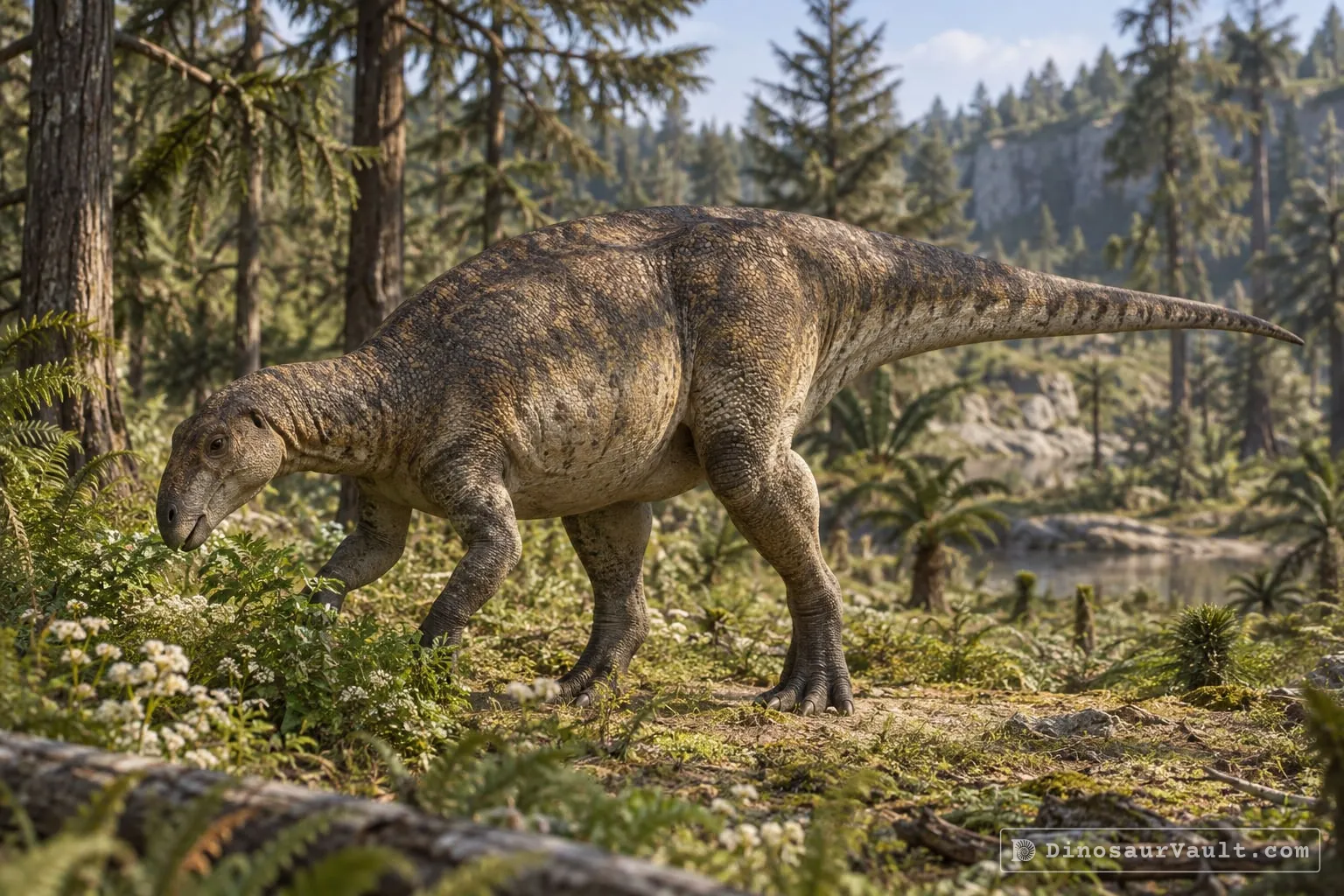
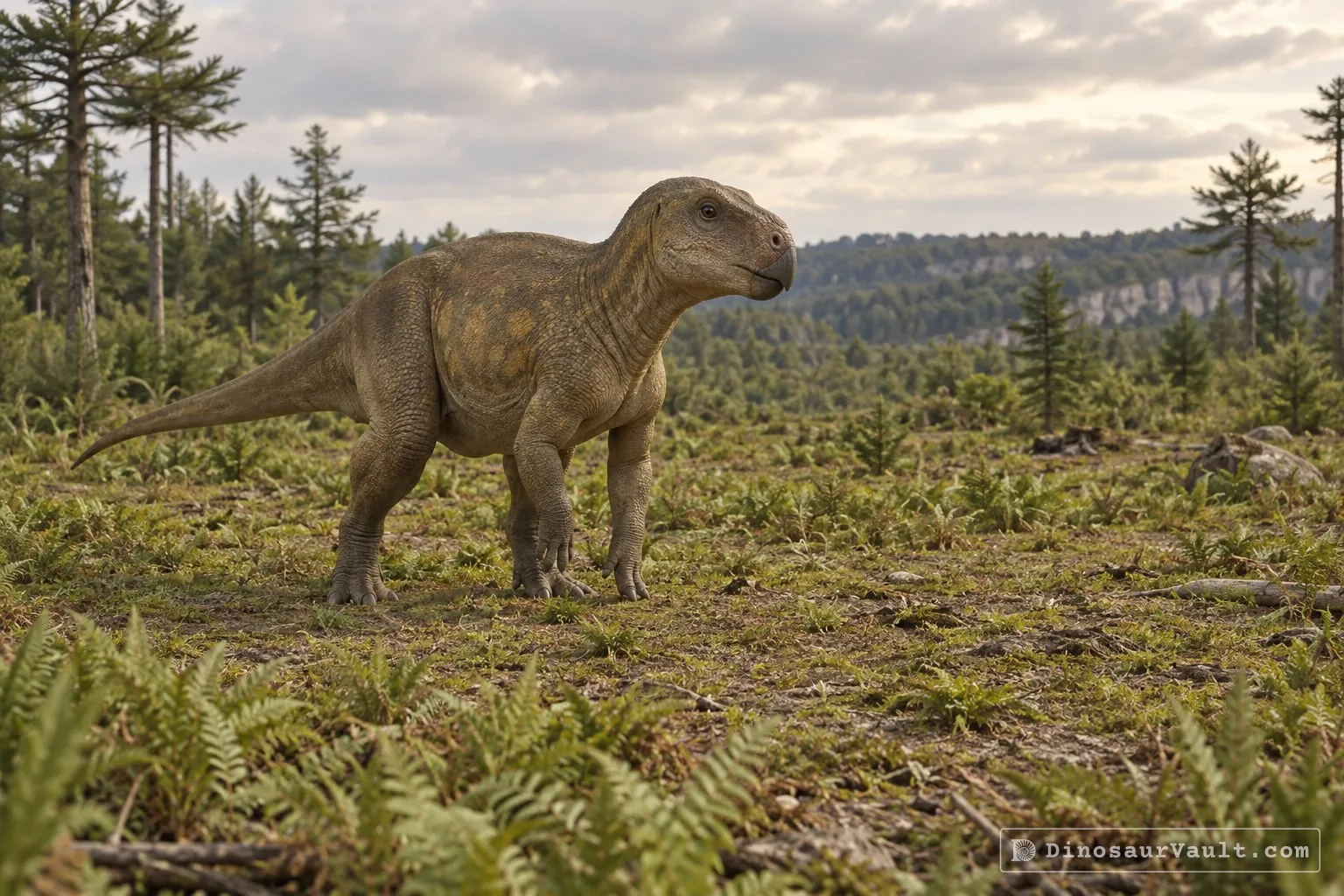
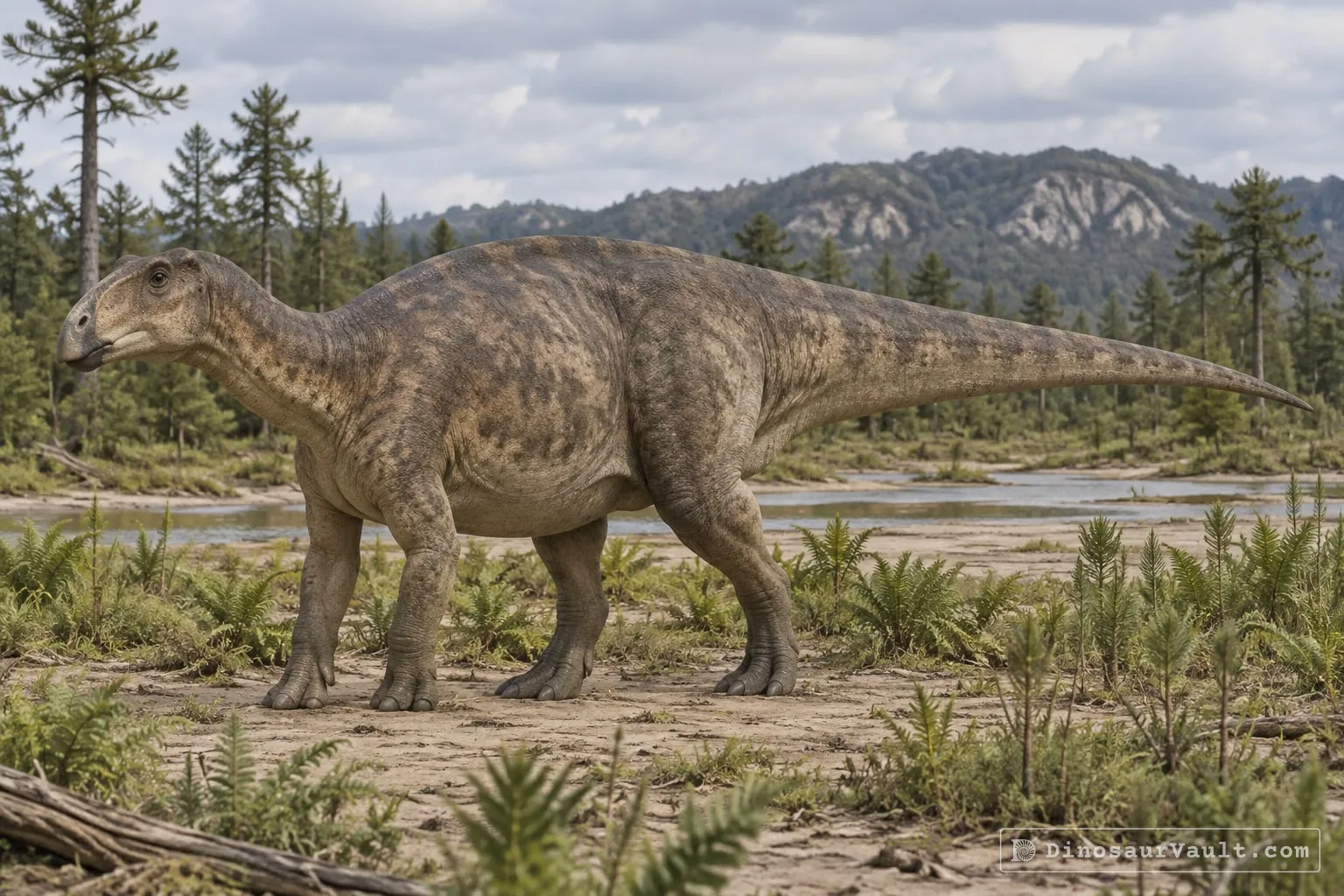
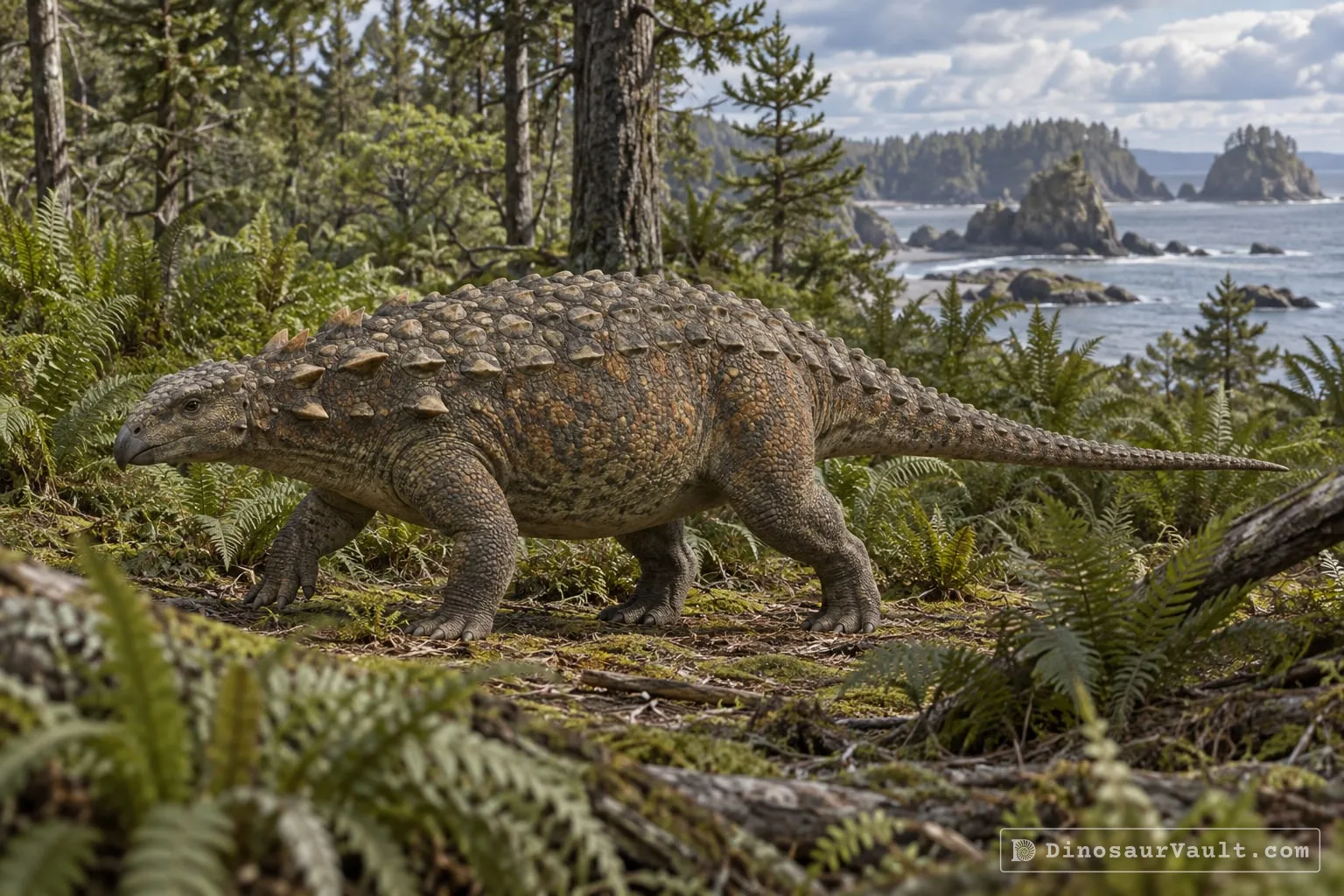
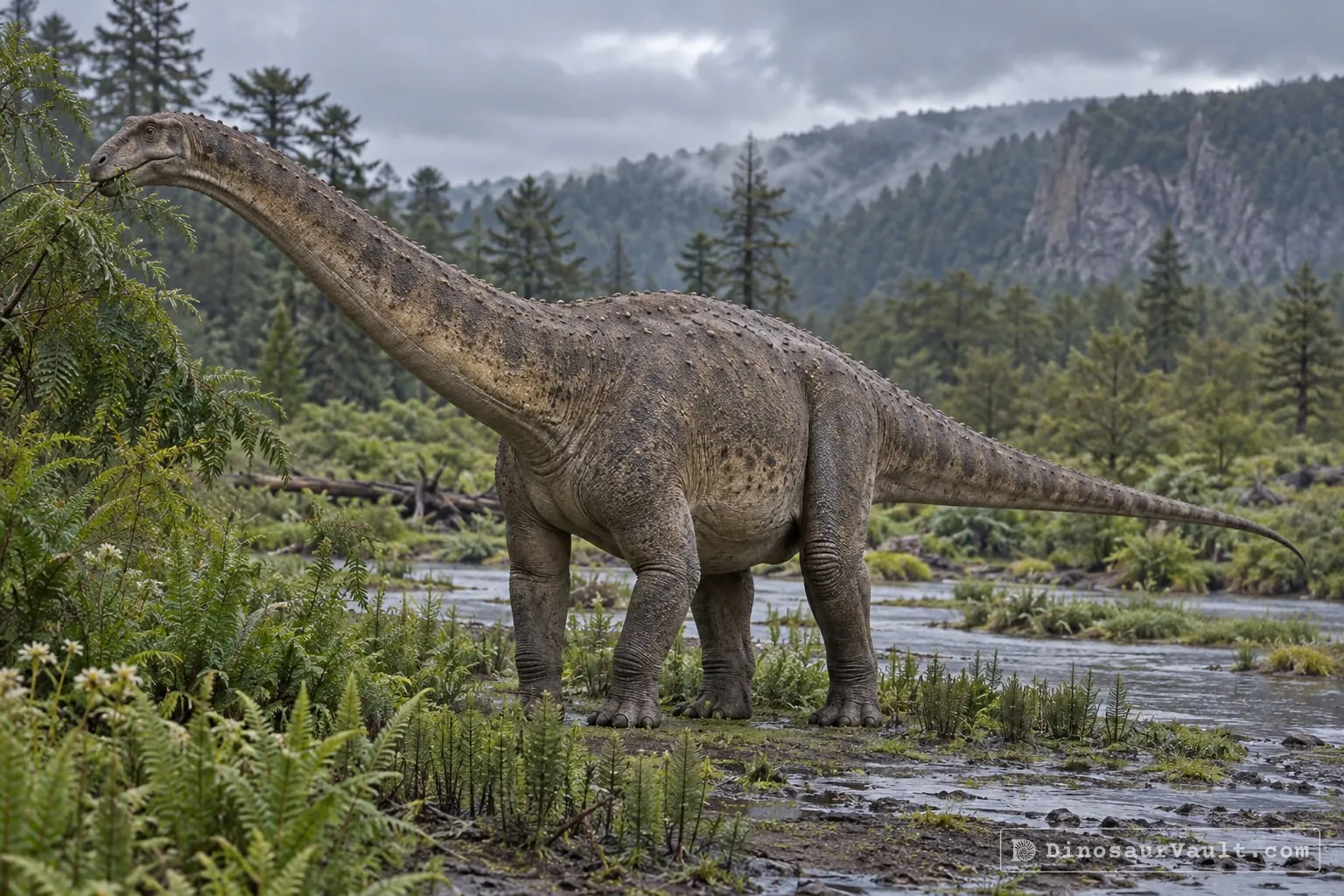
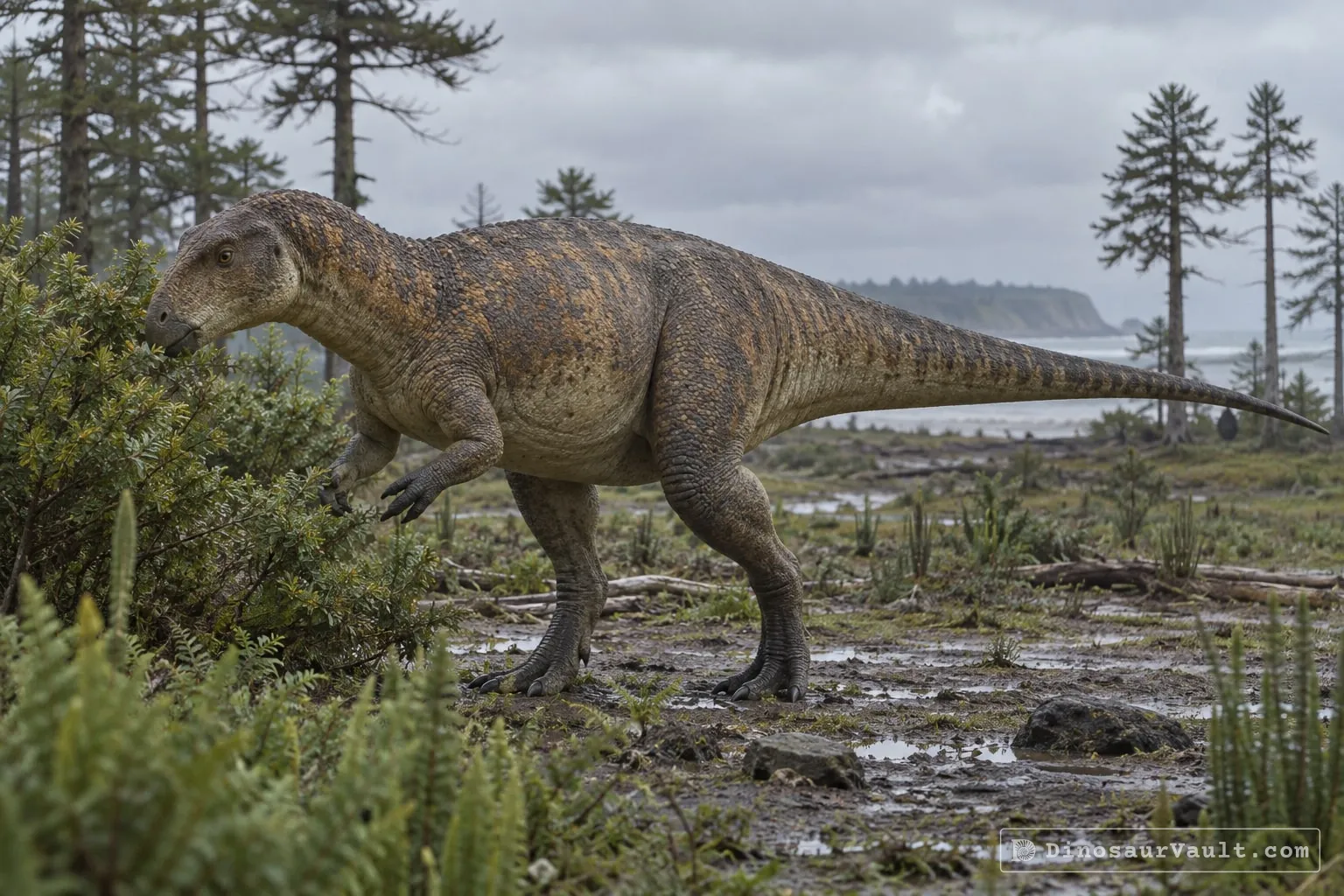


A rock formation can hold fossils laid down millions of years apart, so not every animal here met Elopteryx.
The evidence
The science behind Elopteryx
Which parts of the picture come from its own bones, and which come from its relatives.
From its own fossils
- The original fossil is the upper end of a thigh bone.
- Later thigh fragments share its distinctive hip-joint shape and muscle attachment marks.
Borrowed from relatives
- Restorations of the missing body draw on competing comparisons with troodontids and early birds.
Still unknown
- Its exact place among bird-like theropods.
- The shape of its head, wings and tail.
- Whether Balaur is the same animal.
Discovery timeline
- 1913Named itAndrews
- 2004Family treeNaish & Dyke
- 2016Its worldCsiki-Sava et al.
Key papers
The research behind what we know of Elopteryx
Named it
Named Elopteryx from limb-bone fragments and initially interpreted it as a bird related to pelicans.
I.—On Some Bird Remains from the Upper Cretaceous of Transsylvania. Geological Magazine 10: 193-196
Read the paper : I.—On Some Bird Remains from the Upper Cretaceous of Transsylvania (opens in a new tab)Family tree
Separated lower-leg material once assigned to Elopteryx and proposed that its thigh bones belonged to a troodontid or an early bird.
Heptasteornis was no ornithomimid, troodontid, dromaeosaurid or owl: the first alvarezsaurid (Dinosauria: Theropoda) from Europe. Neues Jahrbuch für Geologie und Paläontologie - Monatshefte 2004: 385-4001
Read the paper : Heptasteornis was no ornithomimid, troodontid, dromaeosaurid or owl: the first alvarezsaurid (Dinosauria: Theropoda) from Europe (opens in a new tab)Its world
Compared the ages and animal communities of the island deposits that preserve Elopteryx and its neighbors.
The East Side Story – The Transylvanian latest Cretaceous continental vertebrate record and its implications for understanding Cretaceous–Paleogene boundary events. Cretaceous Research 57: 662-698
Read the paper : The East Side Story – The Transylvanian latest Cretaceous continental vertebrate record and its implications for understanding Cretaceous–Paleogene boundary events (opens in a new tab)
Close relatives
Other members of Alvarezsauridae


Sources: Wikidata