Linhenykus
"Linhe claw"
- Lived
- 84 to 72 million years ago, Late Cretaceous
- Diet
- Carnivore
- Group
- Theropods, Alvarezsauridae
- Found in
- China
- Named by
- Xu et al. 2011
Where its fossils were found
The evidence
Today

80 million years ago
Habitat
Dry country in what is now China, where sand became the Wulansuhai Formation. Protoceratops, Pinacosaurus and Linheraptor inhabited the same region.
Field notes
About Linhenykus
What it was like
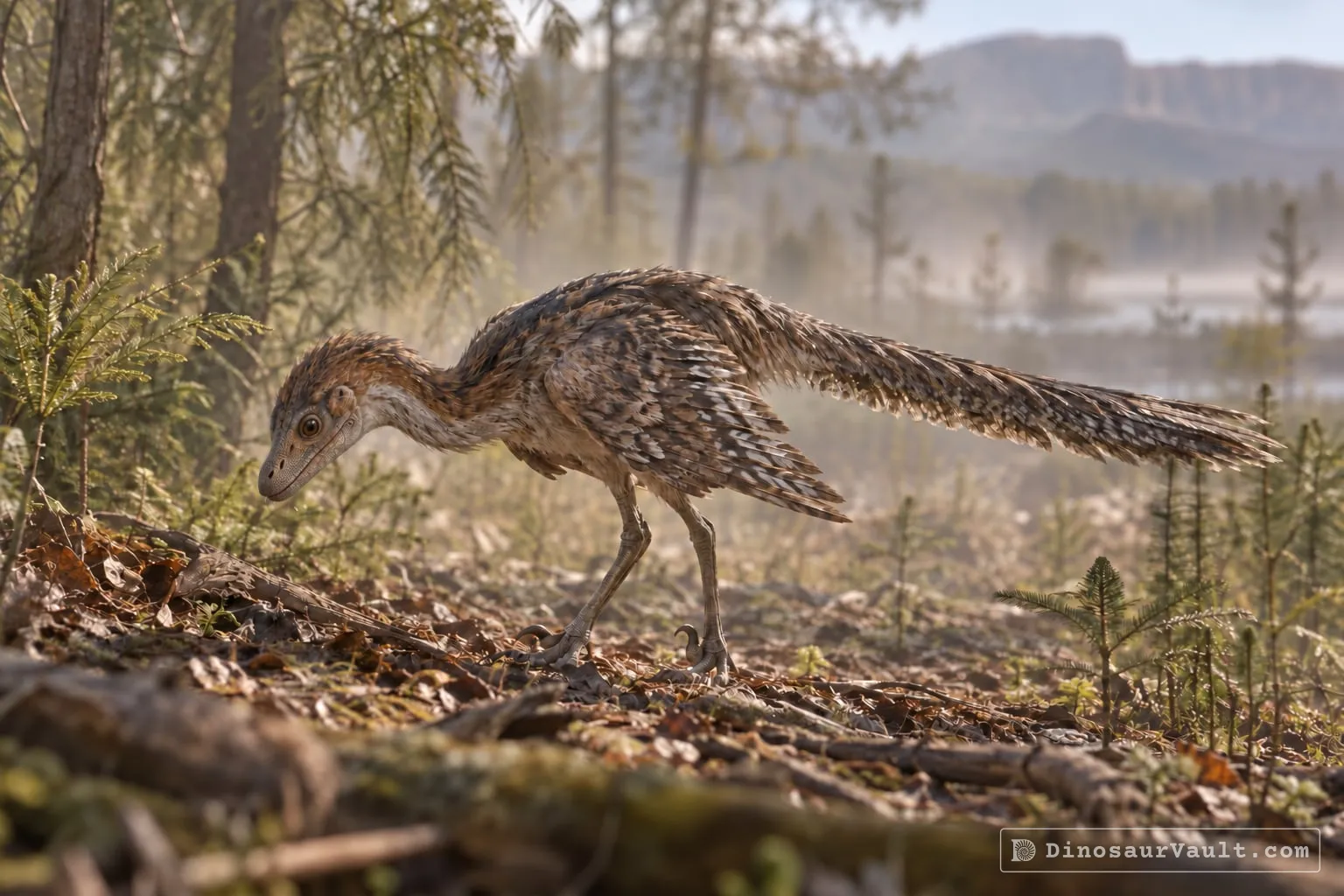
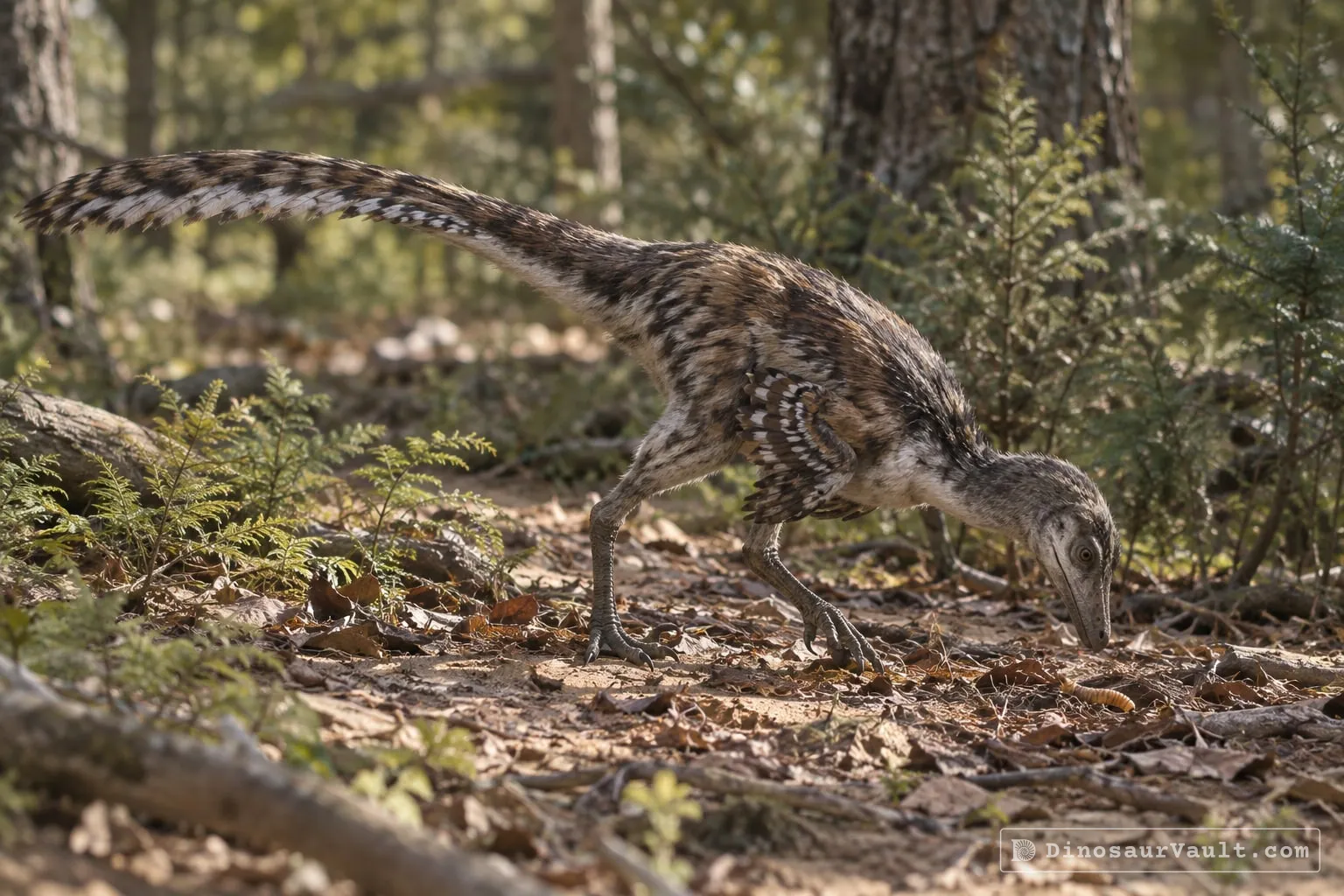
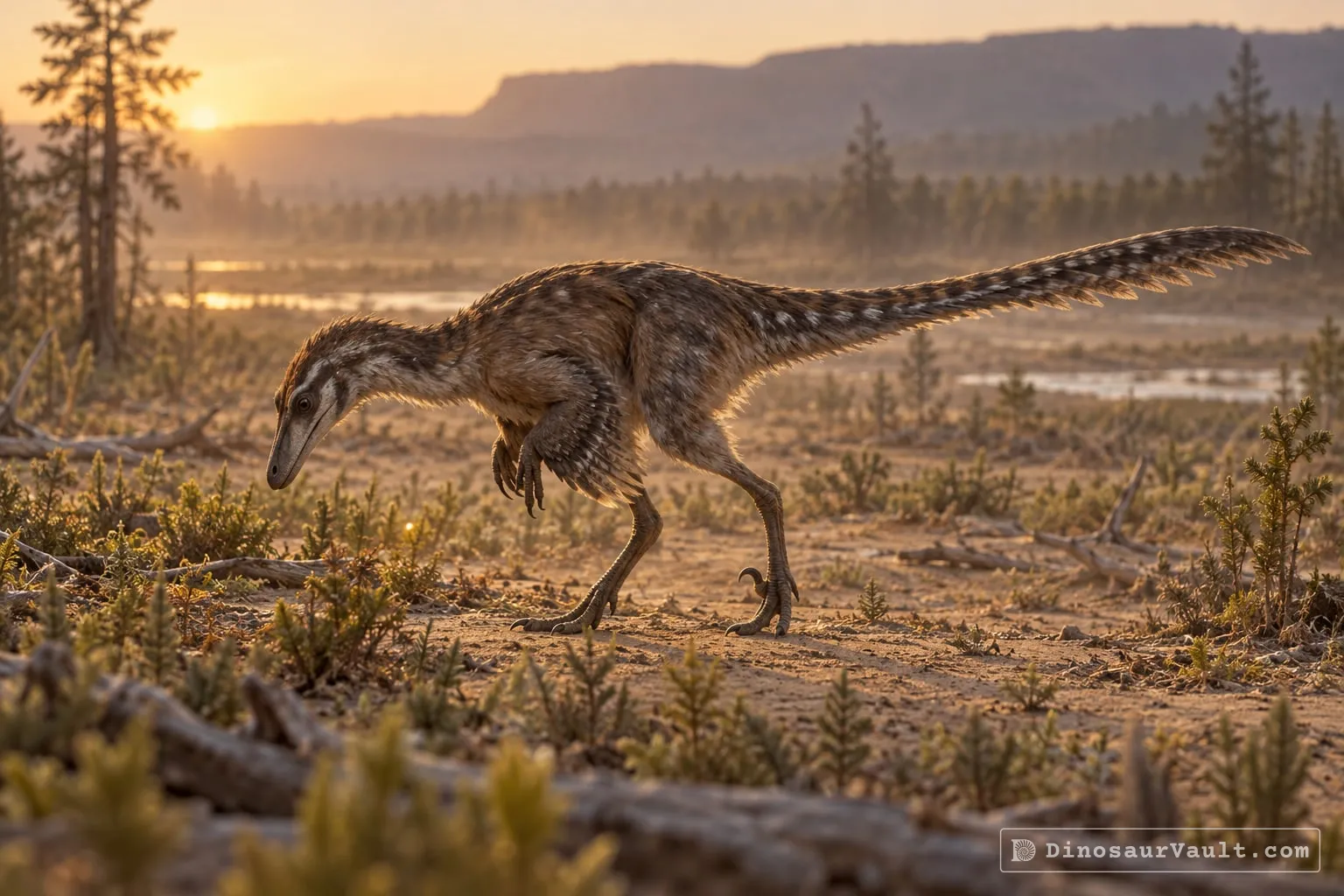
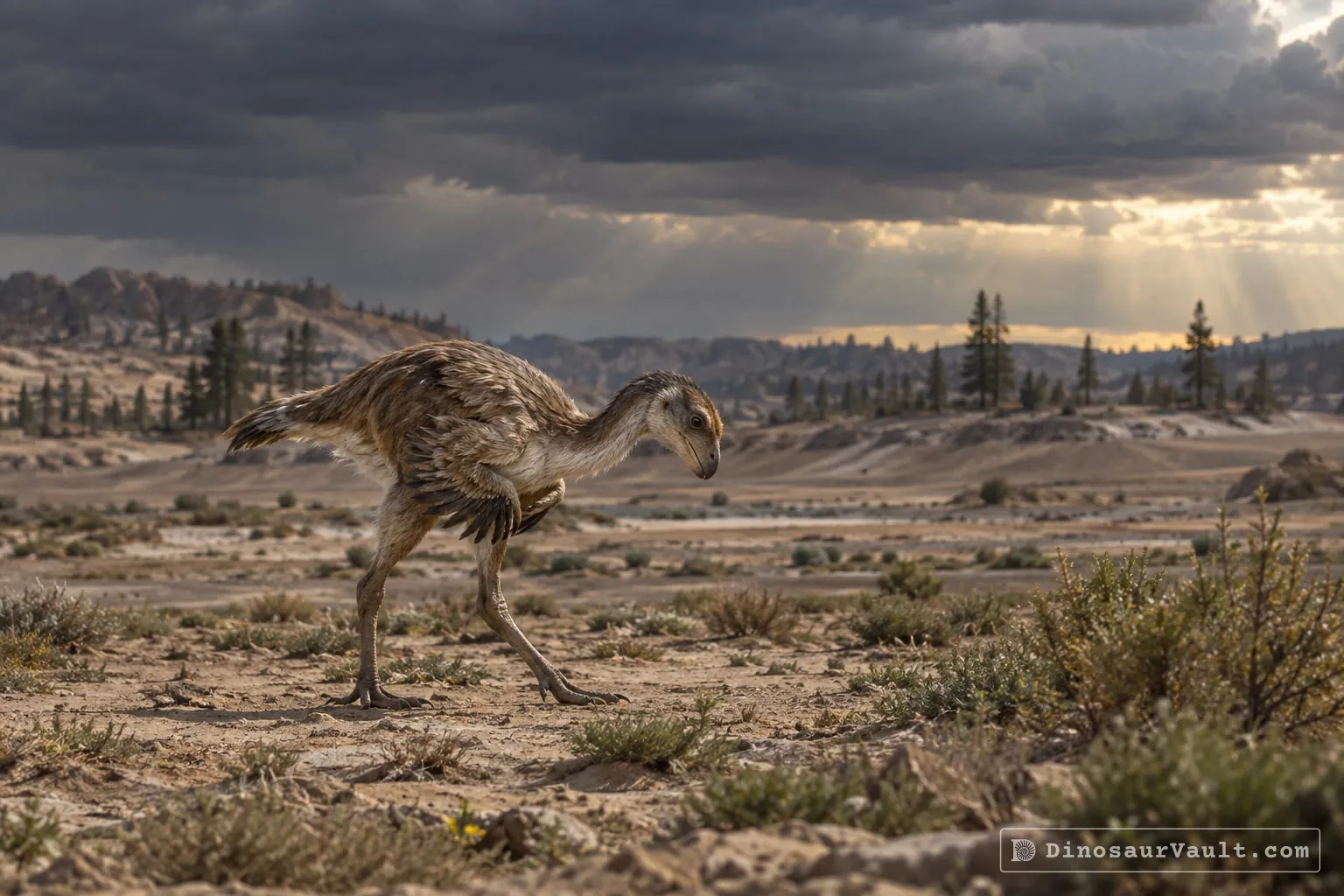
Linhenykus was a tiny, bird-like alvarezsaur. Its short, strong arms ended in a single large claw, making it the only dinosaur known with just one finger on each hand. It may have used the claw to break into insect nests.
Its world
It lived in the Late Cretaceous in what is now China. Its bones come from the Wulansuhai Formation, a dry land shared with Protoceratops, the armored Pinacosaurus and the raptor Linheraptor.
How it was found
Xu and colleagues named it in 2011. It is named after a nearby city.
Field gallery
More views of Linhenykus
Scenes reconstructed from the available fossil evidence.
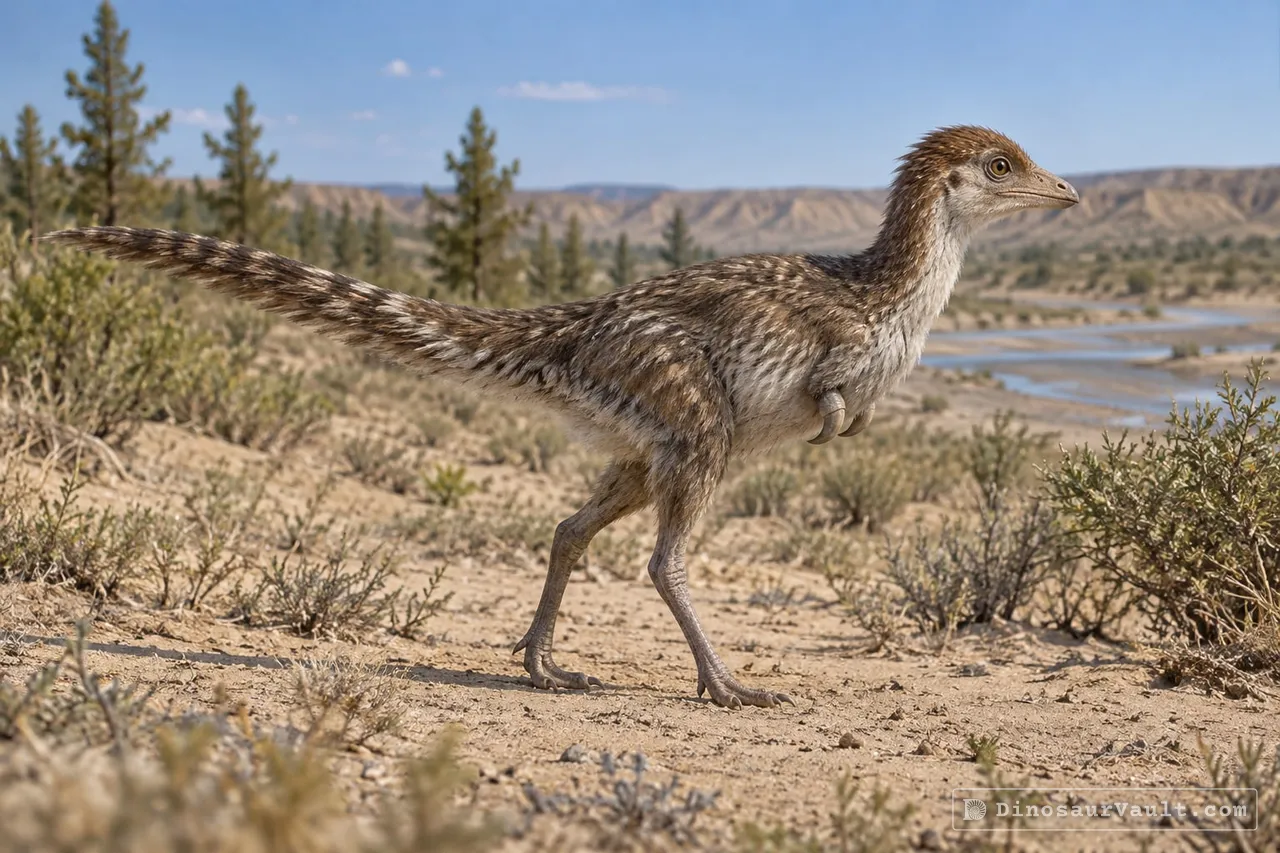
1 of 2
Lived alongside
Found in the same rock formations
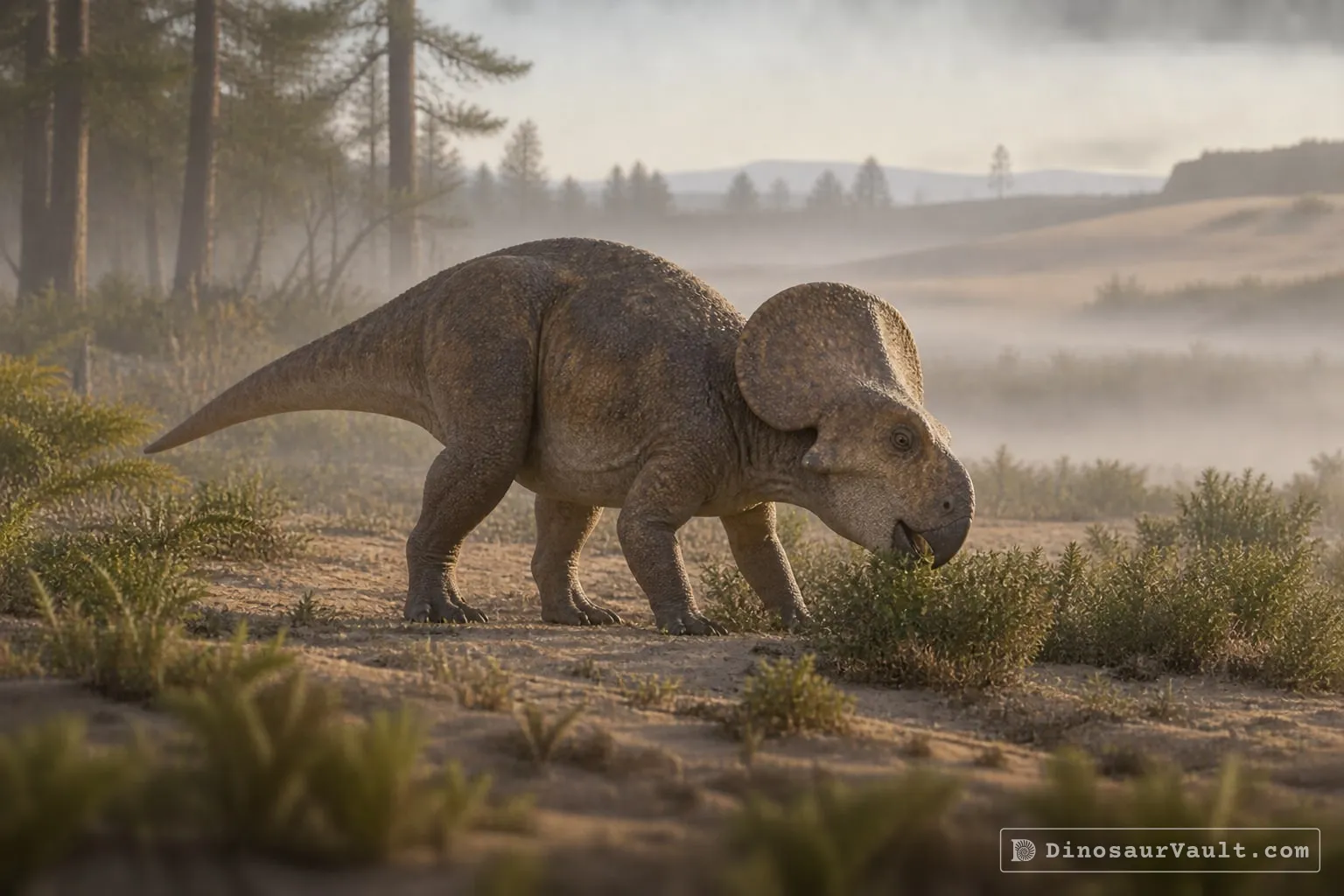
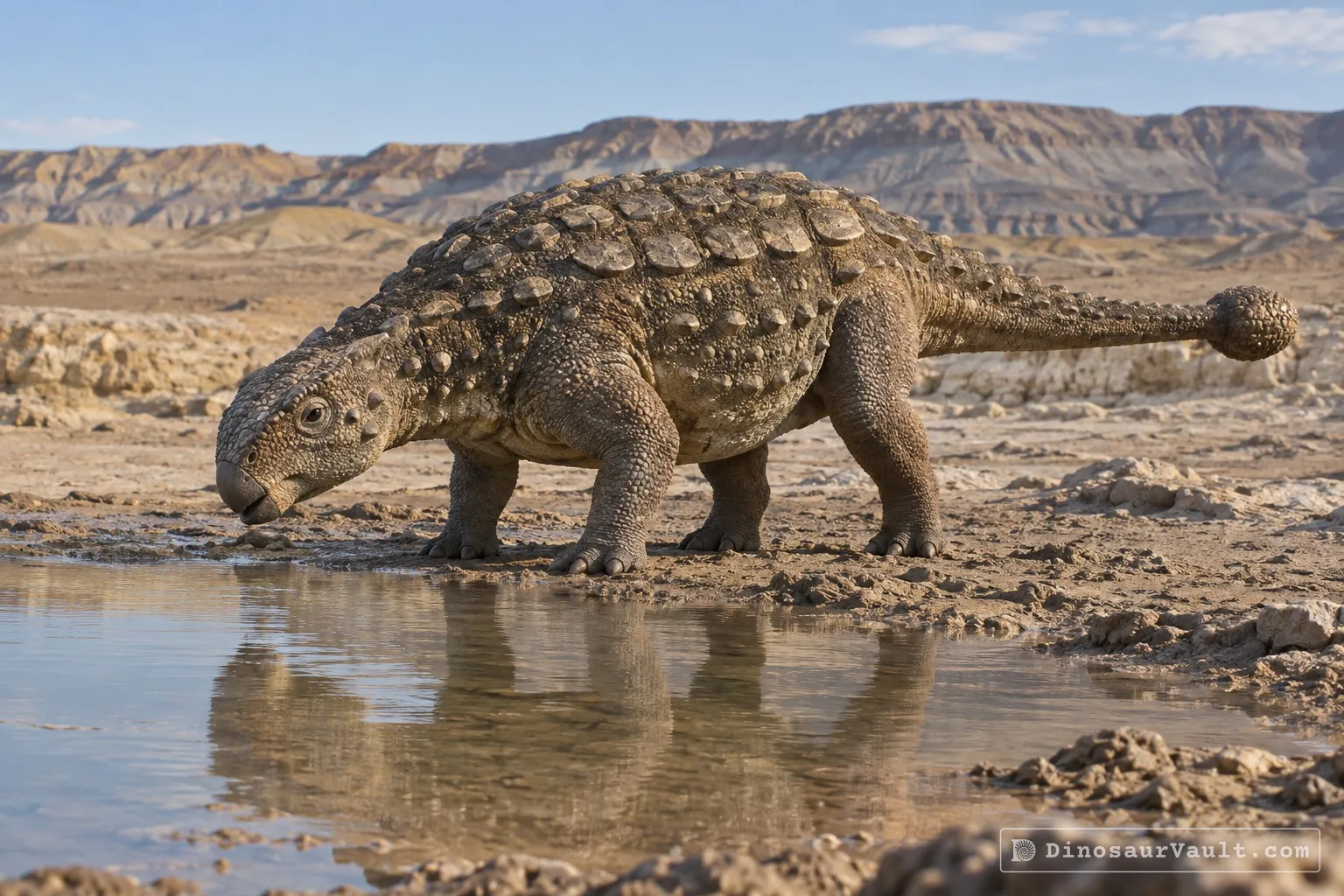
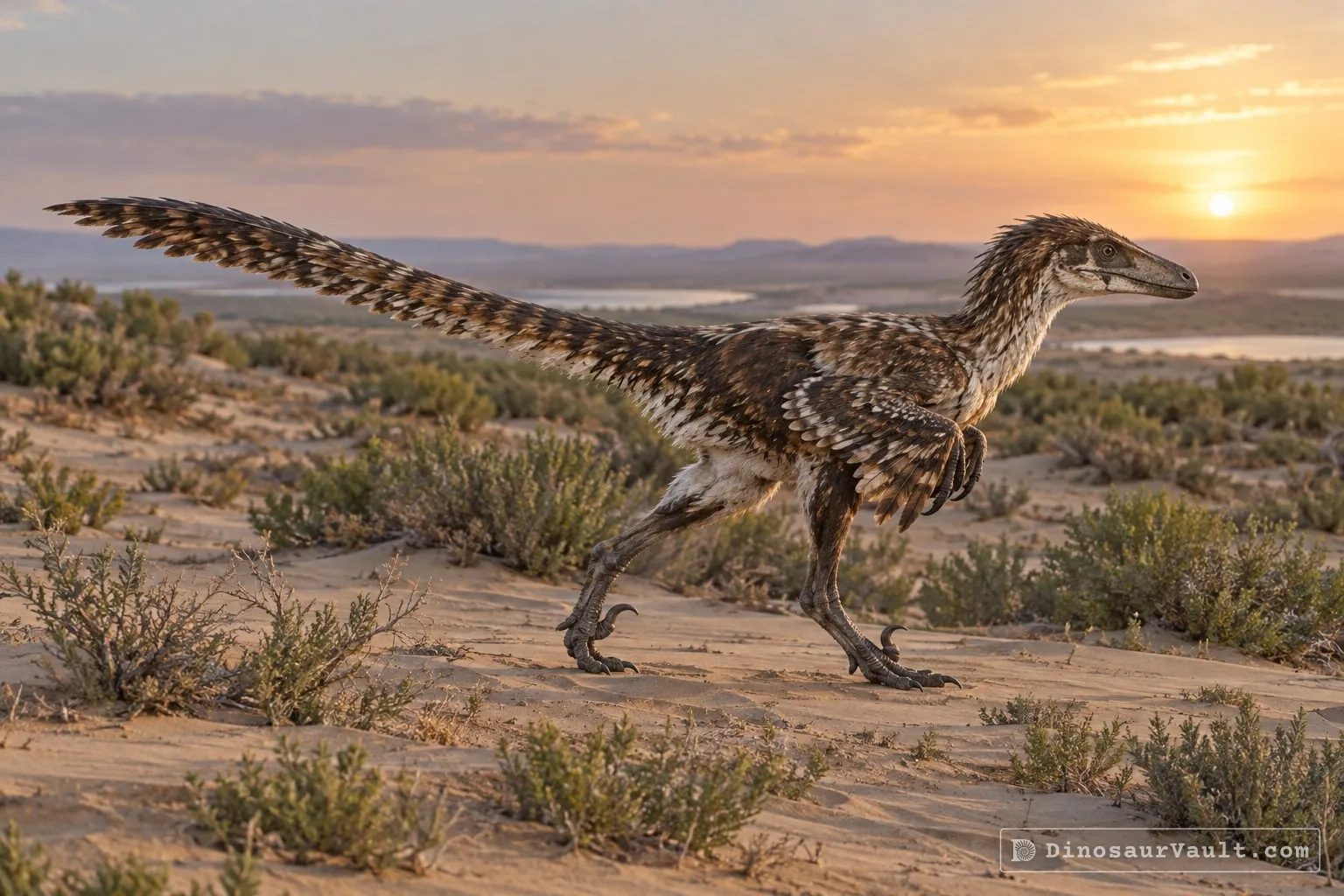


A rock formation can hold fossils laid down millions of years apart, so not every animal here met Linhenykus.
The evidence
The science behind Linhenykus
Which parts of the picture come from its own bones, and which come from its relatives.
From its own fossils
- A partial skeleton preserves parts of the neck, back and tail, the chest and hips, short arms and nearly complete hind legs.
- Each hand had a single functional finger ending in a large claw.
- The legs and feet were long and slender.
Borrowed from relatives
- The missing skull is restored by comparison with Shuvuuia, whose head is much better known.
- Comparisons with Albertonykus suggest its short arms may have helped it open insect nests.
Still unknown
- Its skull shape and teeth.
- Its body covering and color.
- Exactly which insects or other small animals it ate.
Discovery timeline
- 2009Close relativeLongrich & Currie
- 2011Named itXu et al.
Key papers
The research behind what we know of Linhenykus
Close relative
Proposed that Albertonykus used its short, strong arms to open insect nests, providing a possible feeding model for relatives such as Linhenykus.
Albertonykus borealis, a new alvarezsaur (Dinosauria: Theropoda) from the Early Maastrichtian of Alberta, Canada: implications for the systematics and ecology of the Alvarezsauridae. Cretaceous Research 30: 239-252
Read the paper : Albertonykus borealis, a new alvarezsaur (Dinosauria: Theropoda) from the Early Maastrichtian of Alberta, Canada: implications for the systematics and ecology of the Alvarezsauridae (opens in a new tab)Named it
Named Linhenykus and showed that it had lost the small outer fingers retained by other members of its family.
A monodactyl nonavian dinosaur and the complex evolution of the alvarezsauroid hand. Proceedings of the National Academy of Sciences 108: 2338-2342
Read the paper : A monodactyl nonavian dinosaur and the complex evolution of the alvarezsauroid hand (opens in a new tab)
Close relatives
Other members of Alvarezsauridae


Sources: Wikidata