Outline: a typical theropod
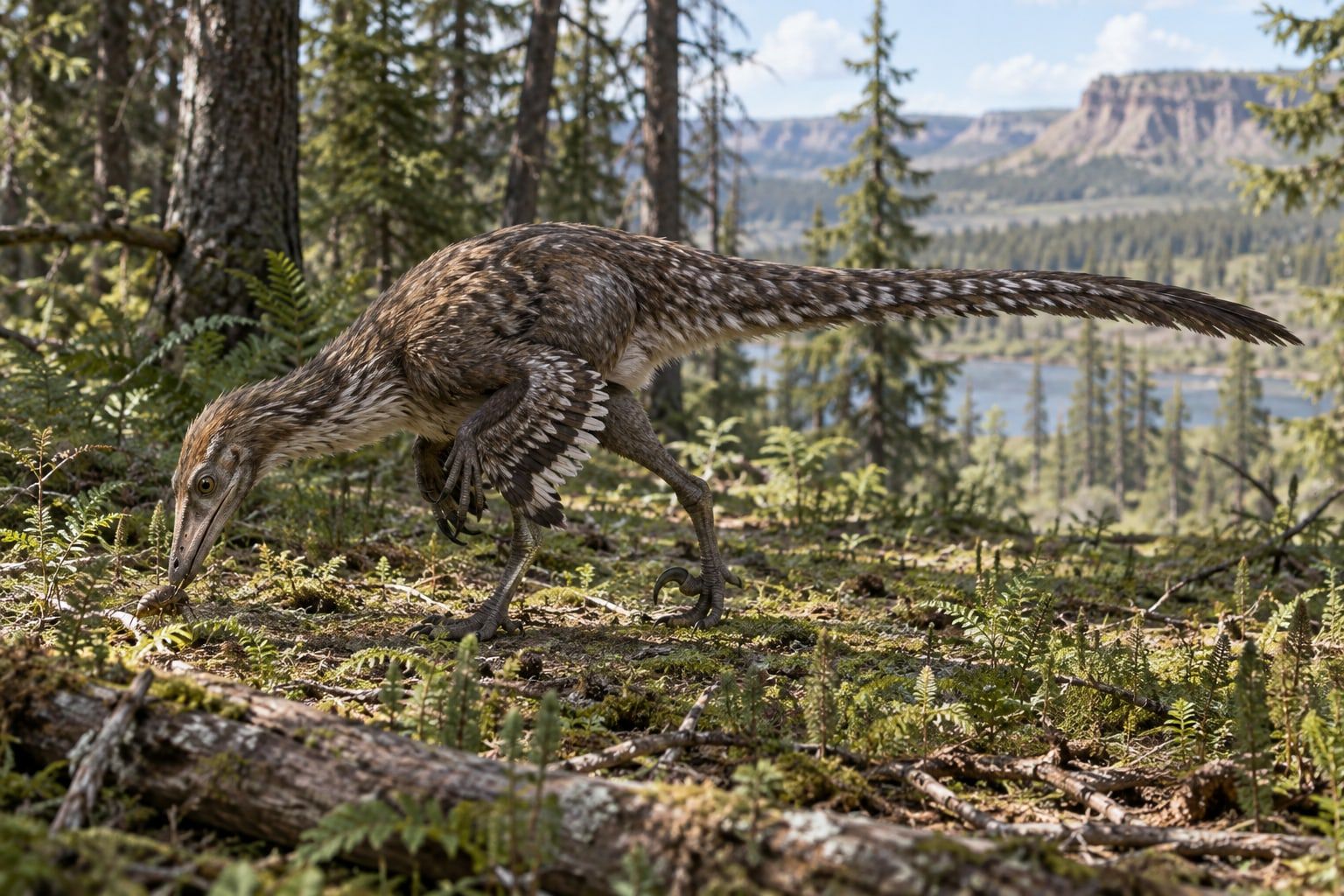
Albertonykus
"Alberta claw"
- Lived
- 72 to 66 million years ago, Late Cretaceous
- Diet
- Carnivore
- Group
- Theropods, Alvarezsauridae
- Found in
- Canada
- Named by
- Longrich and Currie 2009
Where its fossils were found
The evidence
Today
70 million years ago
Field notes
About Albertonykus
What it was like
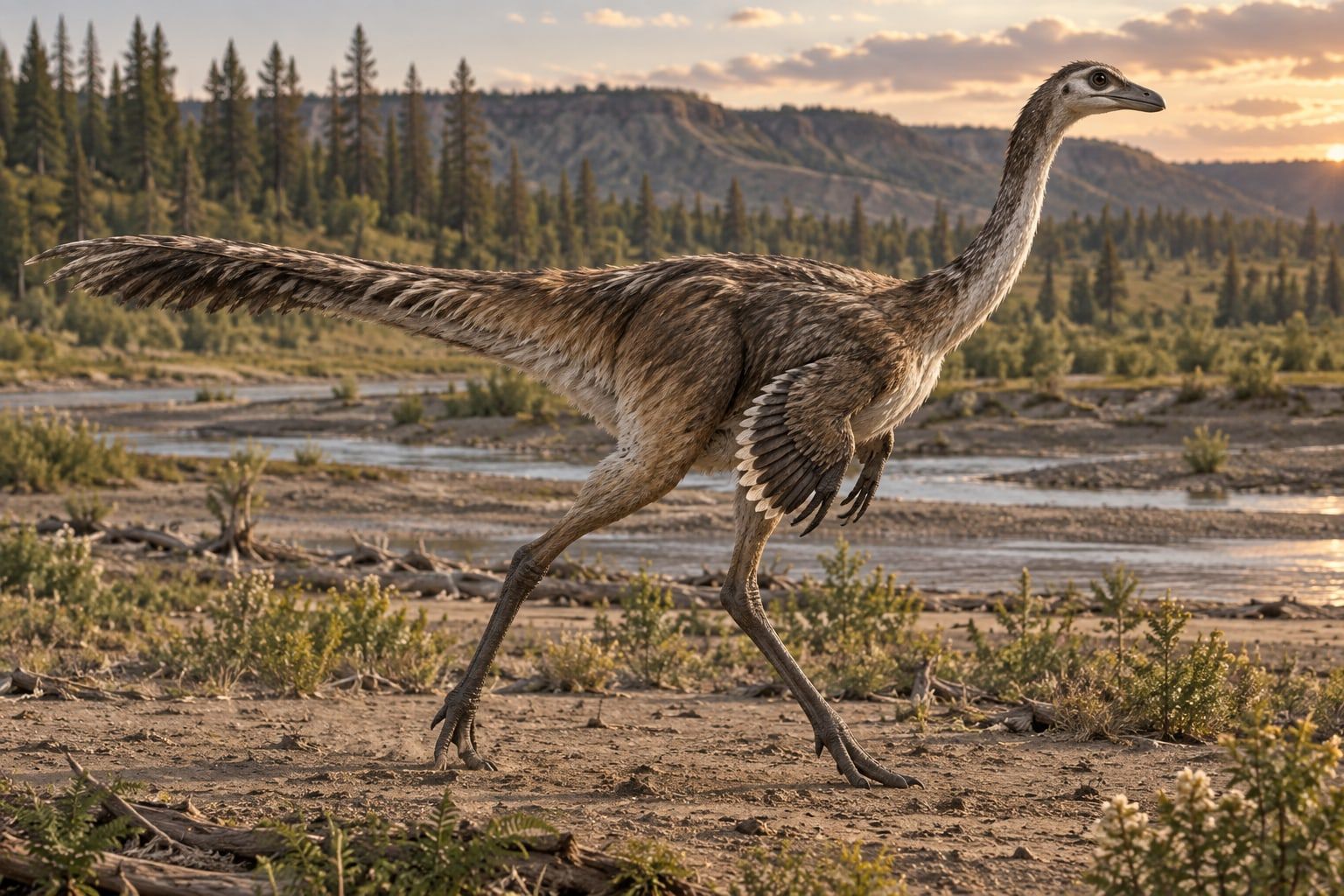
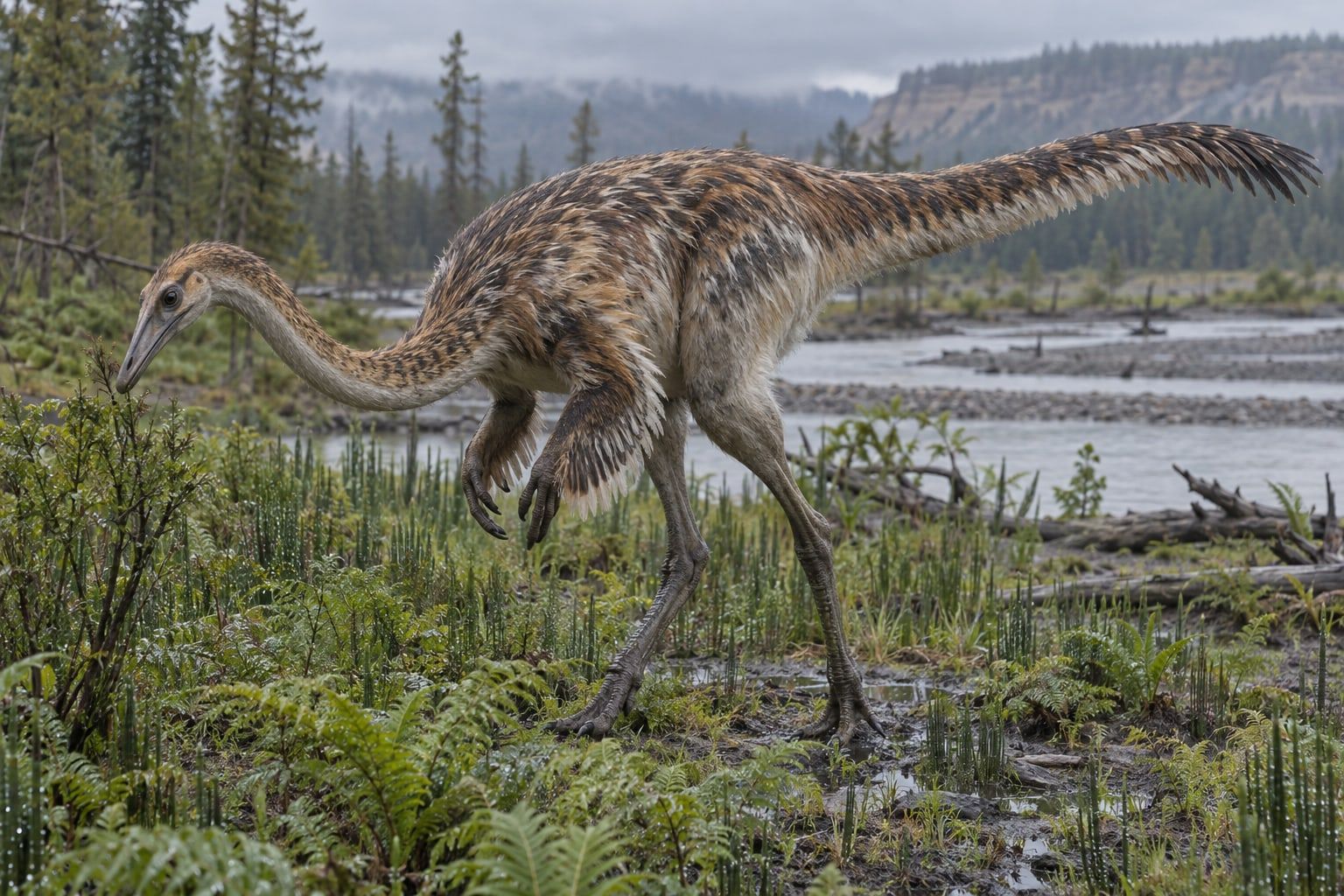
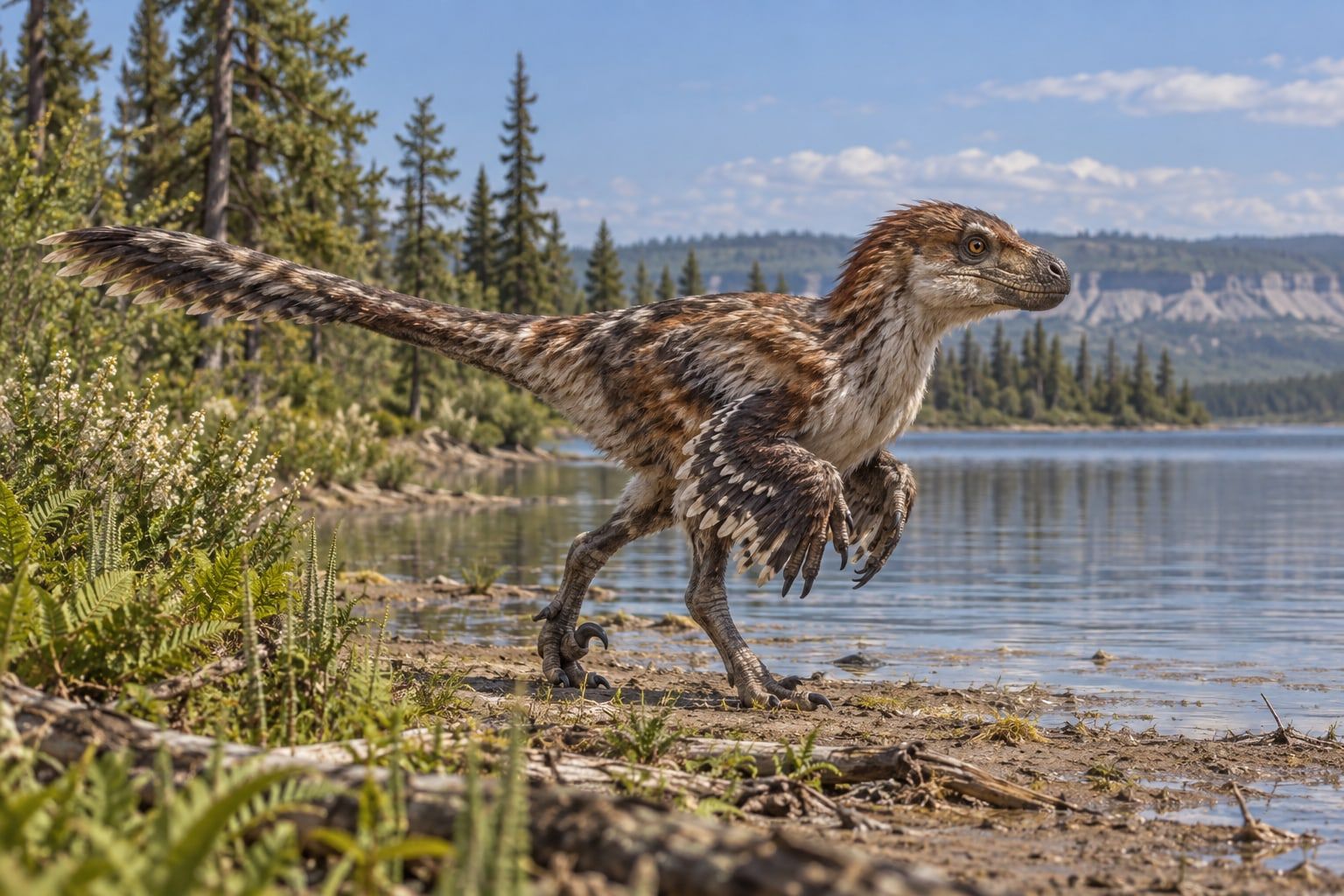
Albertonykus was a small alvarezsaur, a bird-like theropod about the size of a chicken. It had long legs and short, stout arms with one big claw. It probably used that claw to break open rotting wood to get at insects.
Its world
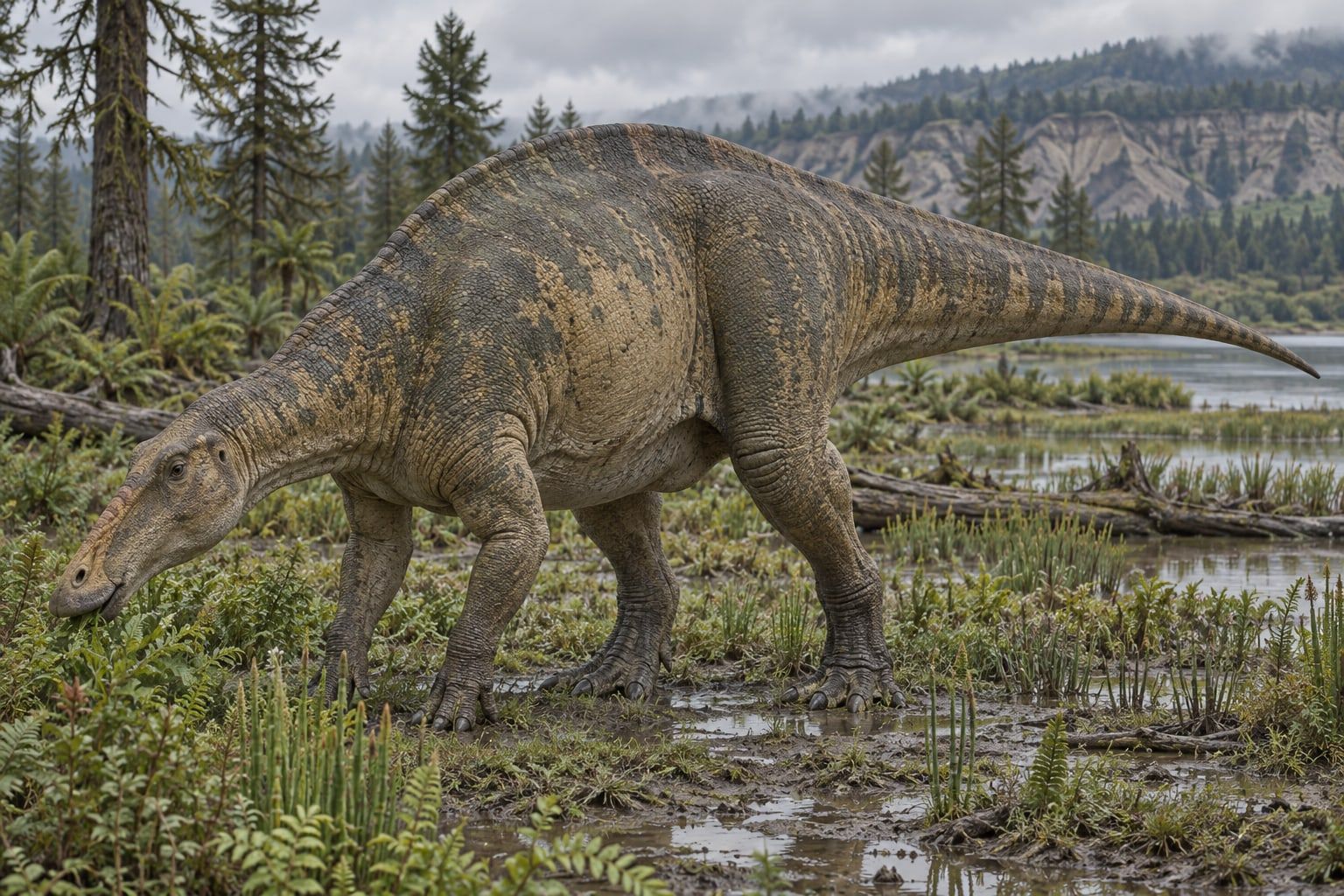
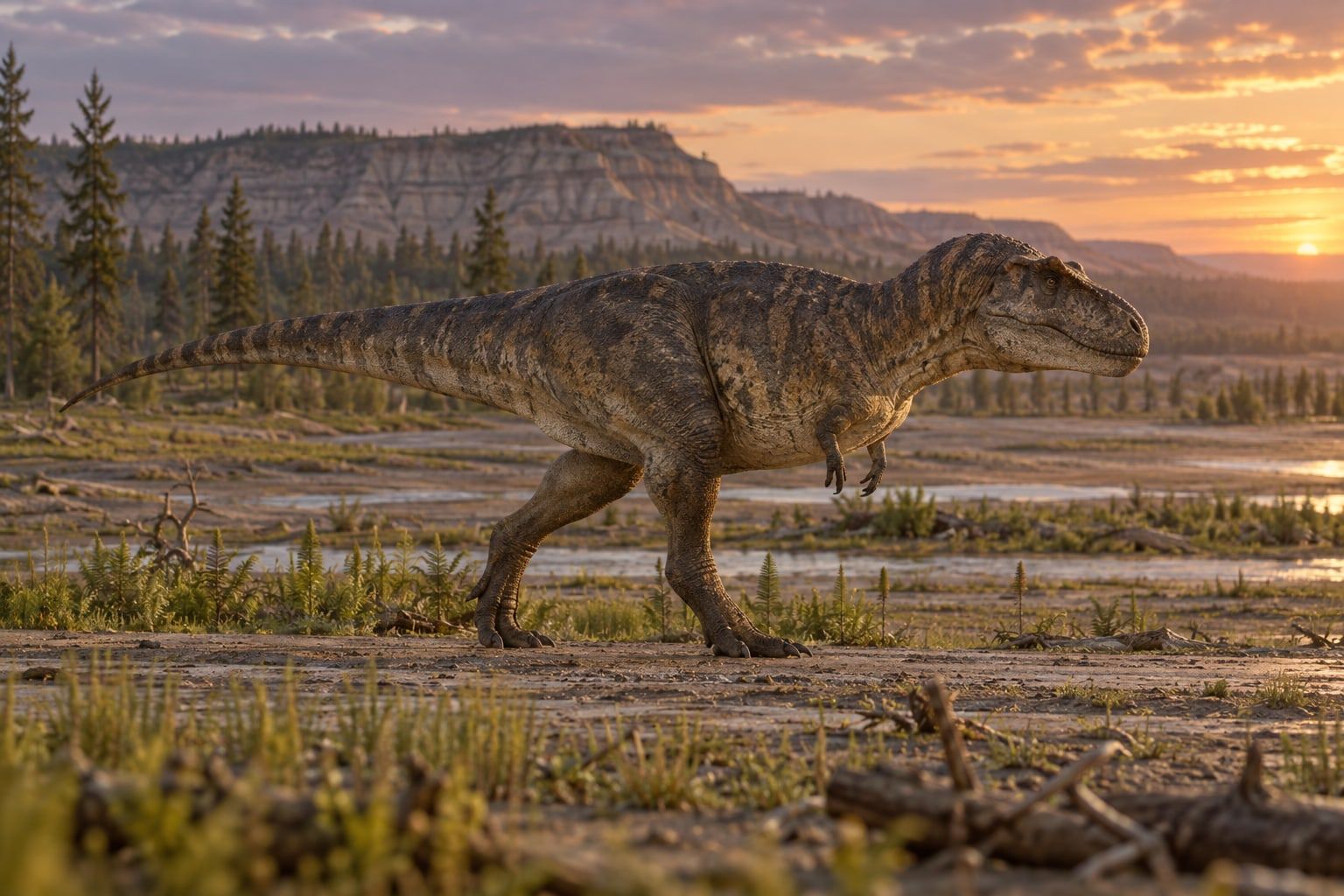
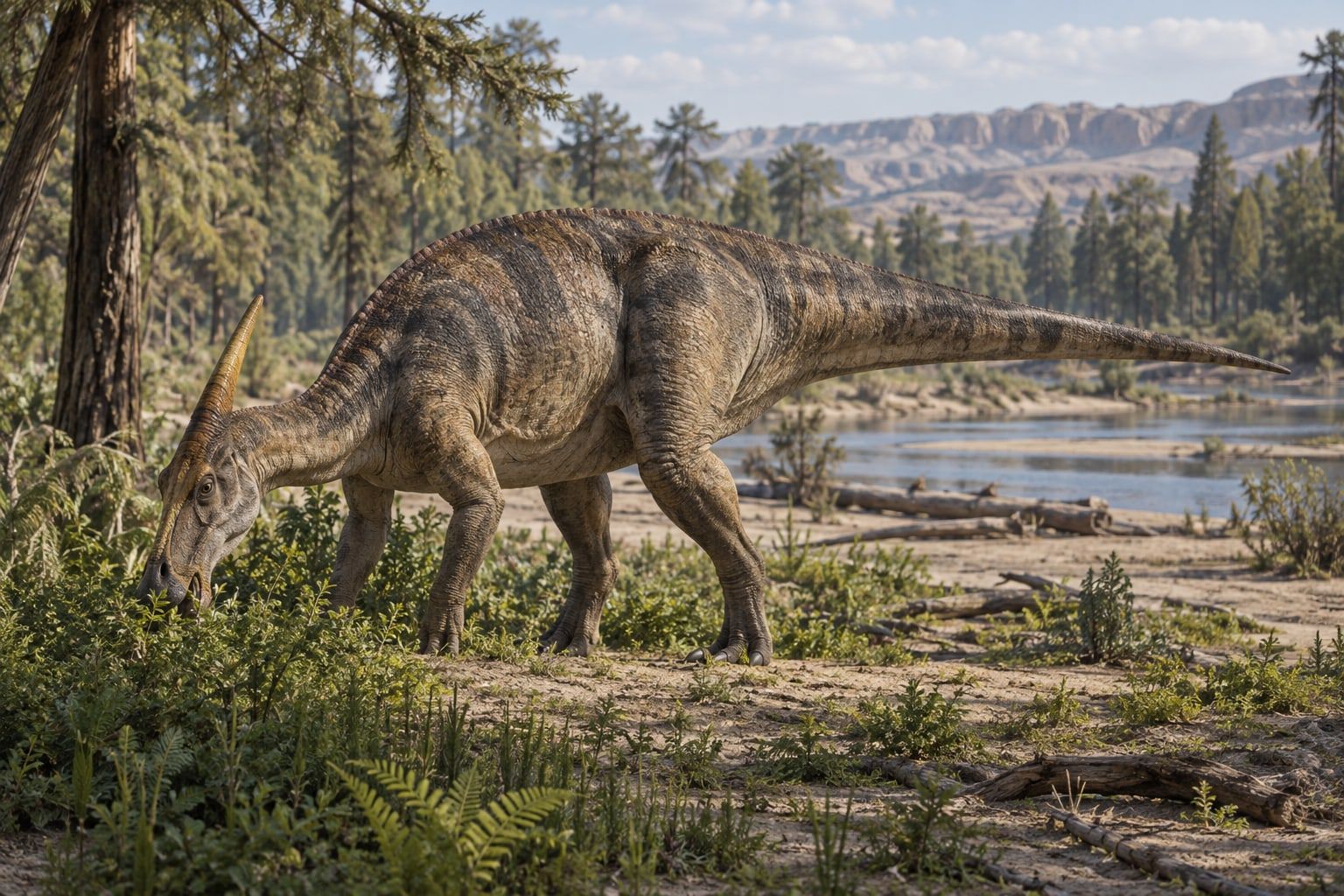
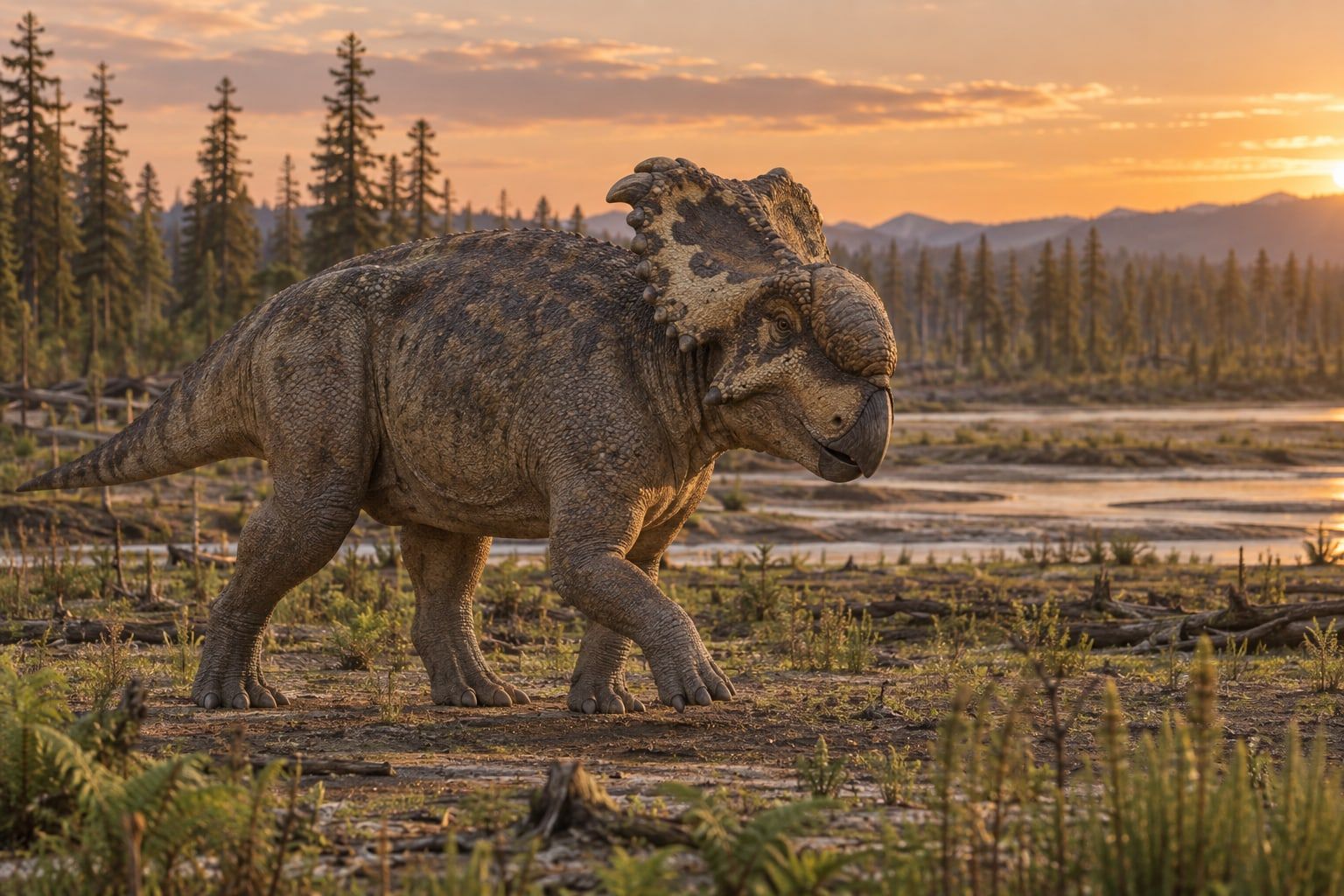
It lived about 72 to 66 million years ago, near the end of the Cretaceous, in what is now Alberta, Canada. It comes from the Horseshoe Canyon Formation, where it shared the land with the tyrannosaur Albertosaurus and the duckbills Edmontosaurus and Saurolophus.
How it was found
Longrich and Currie named Albertonykus in 2009, from bones found in a bone bed of Albertosaurus.
Lived alongside
Found in the same rock formations
Close relatives
Other members of Alvarezsauridae
Sources: WikidataNamed in: N. R. Longrich and P. J. Currie. 2009. Albertonykus borealis, a new alvarezsaur (Dinosauria: Theropoda) from the Early Maastrichtian of Alberta, Canada: implications for the systematics and ecology of the Alvarezsauridae. Cretaceous Research 30(1):239-252