Alnashetri
- Lived
- 113 to 110 million years ago, Early Cretaceous
- Diet
- Carnivore
- Group
- Theropods, Alvarezsauridae
- Found in
- Argentina
- Named by
- Makovicky et al. 2012
Where its fossils were found
The evidence
Today

110 million years ago
Habitat
Sandy country with windblown dunes in the Candeleros Formation of Argentina. Buitreraptor, Jakapil and Giganotosaurus are also known from this formation.
Field notes
About Alnashetri
What it was like
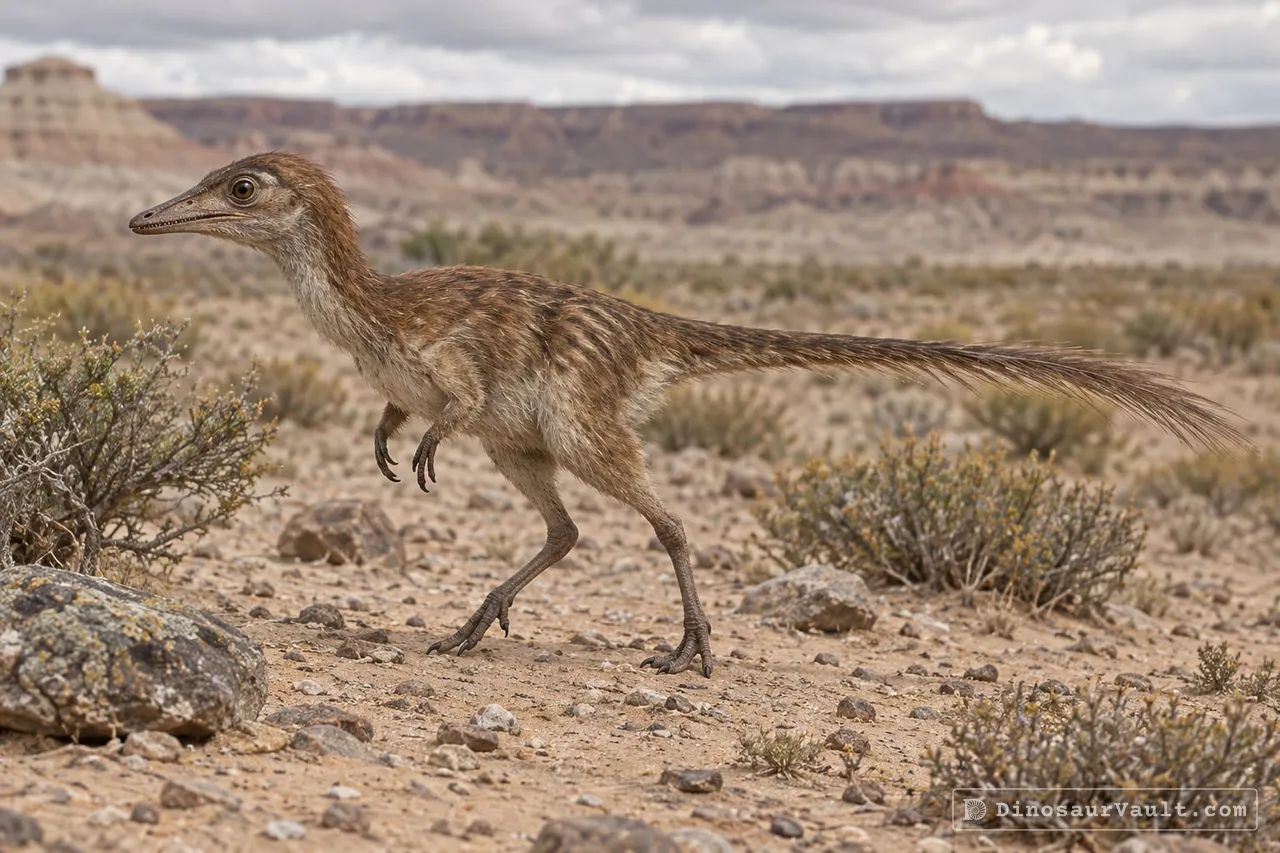
Alnashetri was a small, slender alvarezsaur, a member of a family of bird-like dinosaurs that later evolved very short arms with a single big claw. It is known mainly from its hind legs, which were long and thin, suited for running.
Its world
It lived about 113 to 110 million years ago, in the Early Cretaceous, in what is now Argentina. Its bones come from the Candeleros Formation, where it lived alongside the small hunter Buitreraptor, the armored Jakapil and the giant predator Giganotosaurus.
How it was found
Makovicky and colleagues named it in 2012. Its name comes from a local language and refers to its slender legs.
Field gallery
More views of Alnashetri
Scenes reconstructed from the available fossil evidence.
Lived alongside
Found in the same rock formations
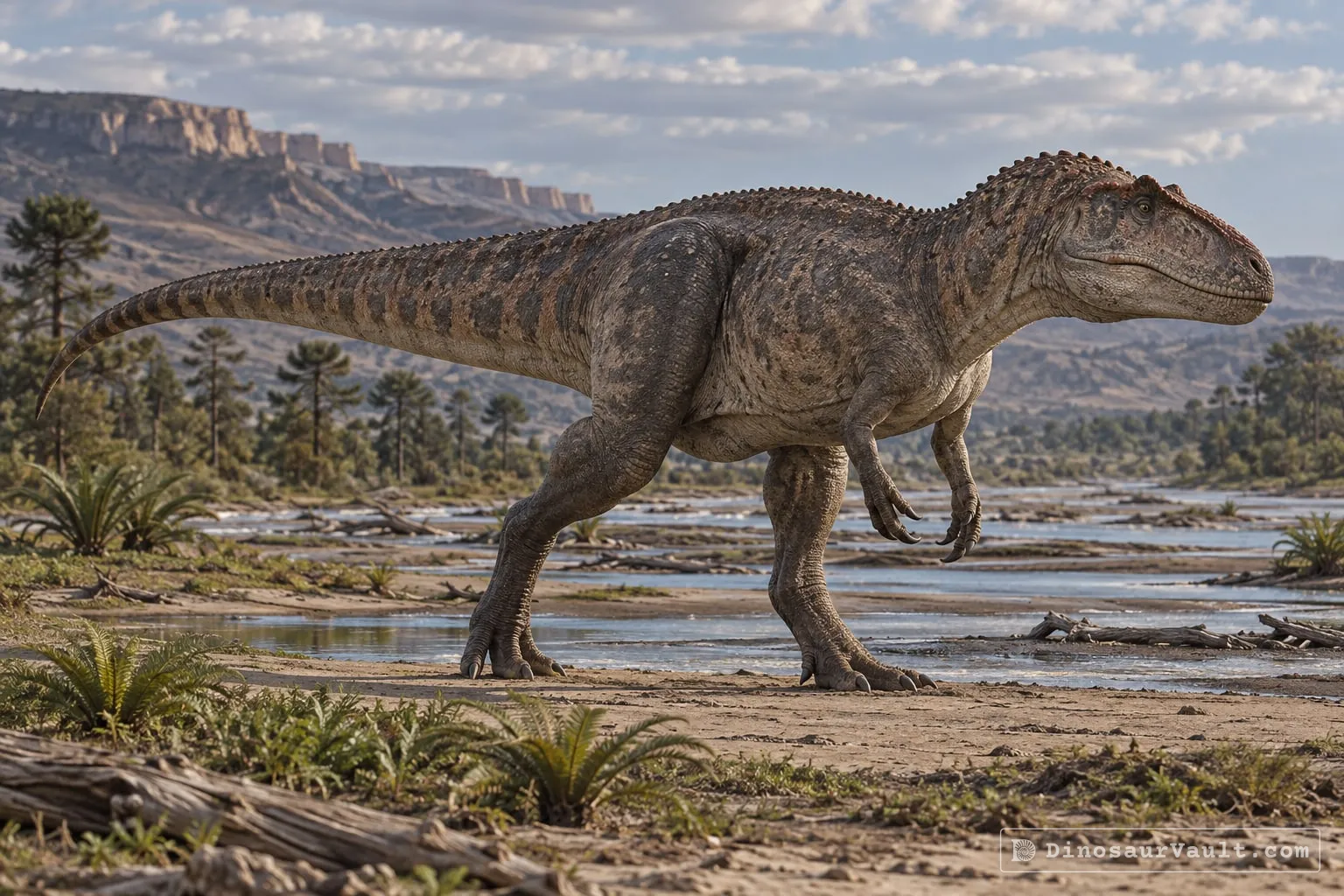
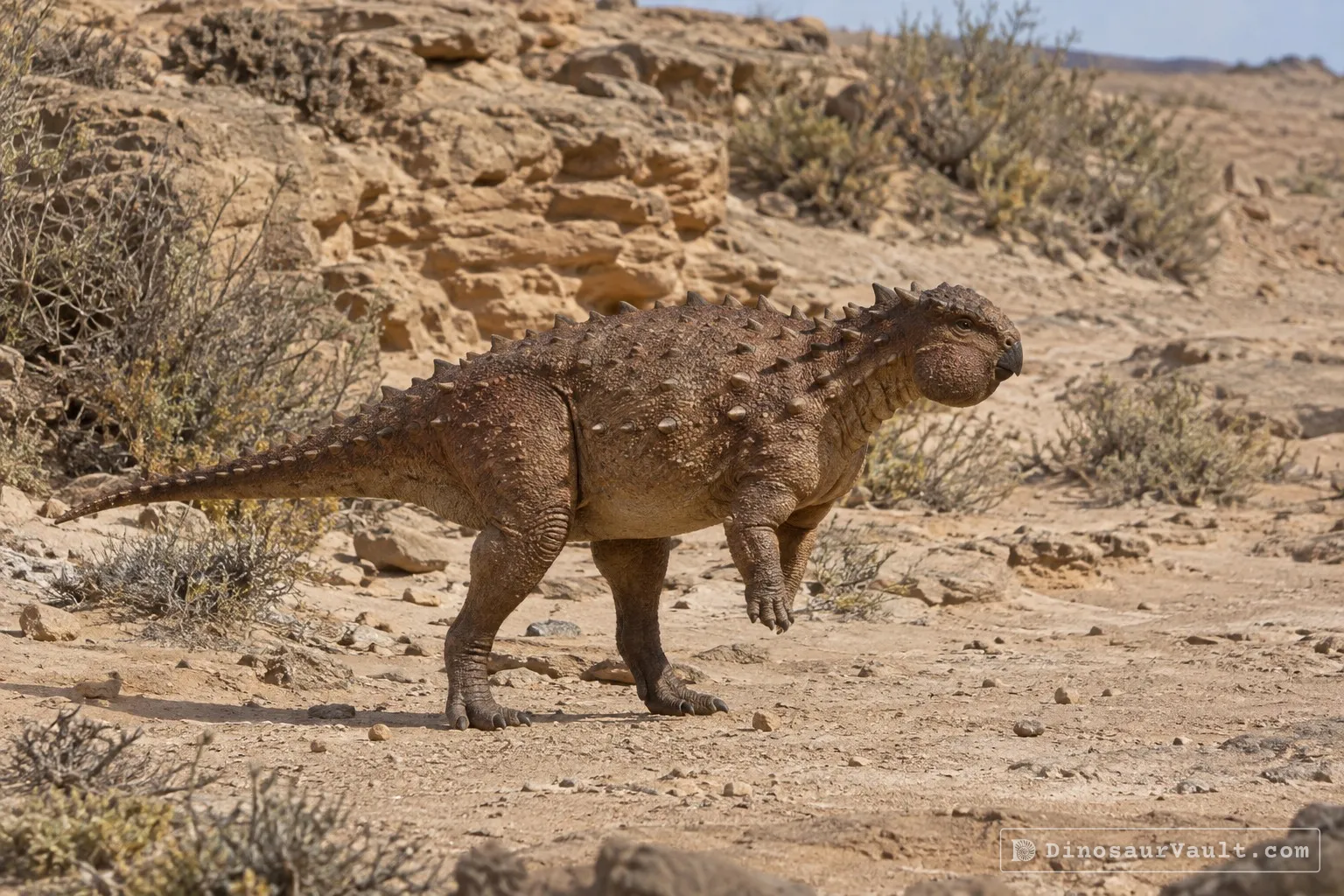
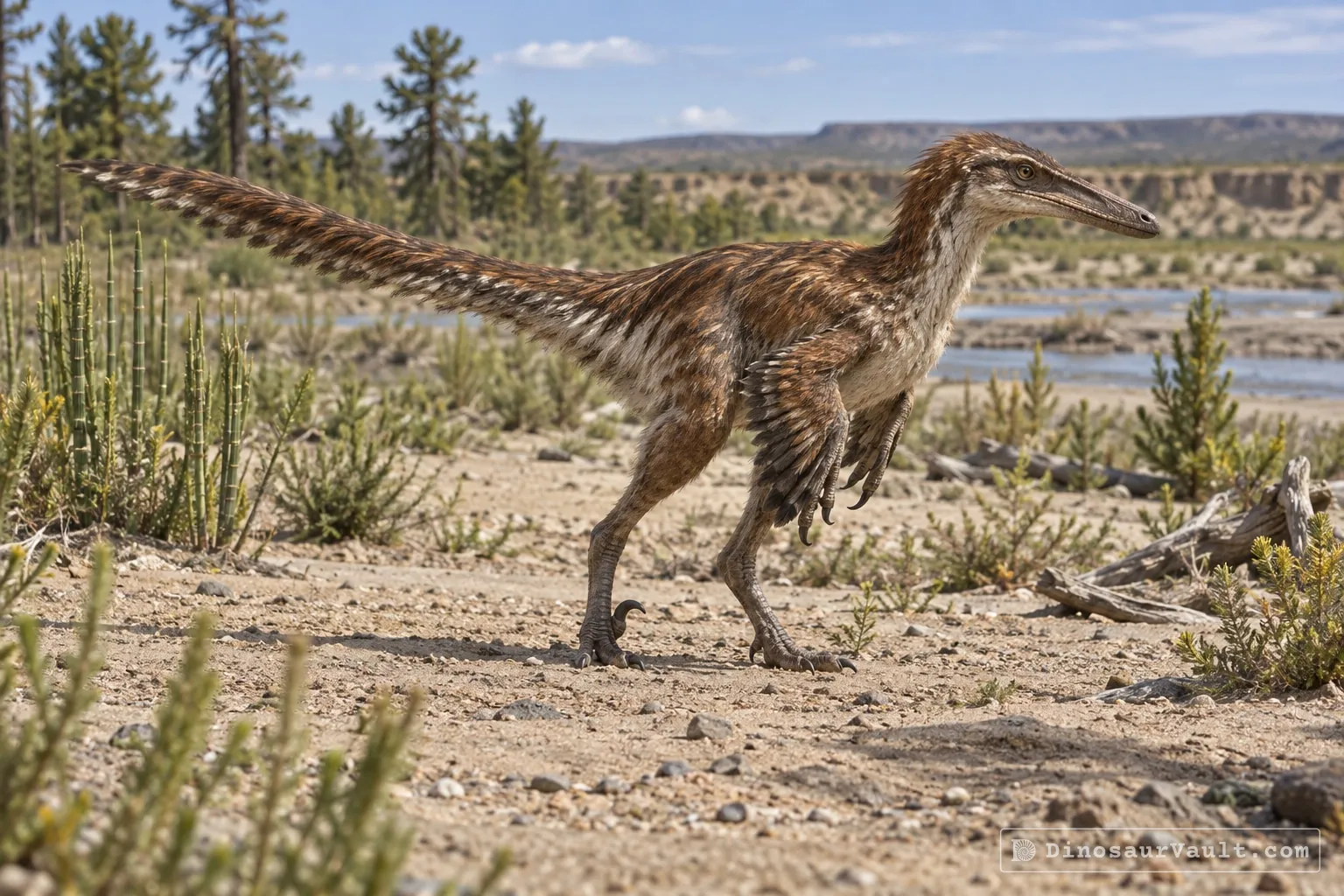
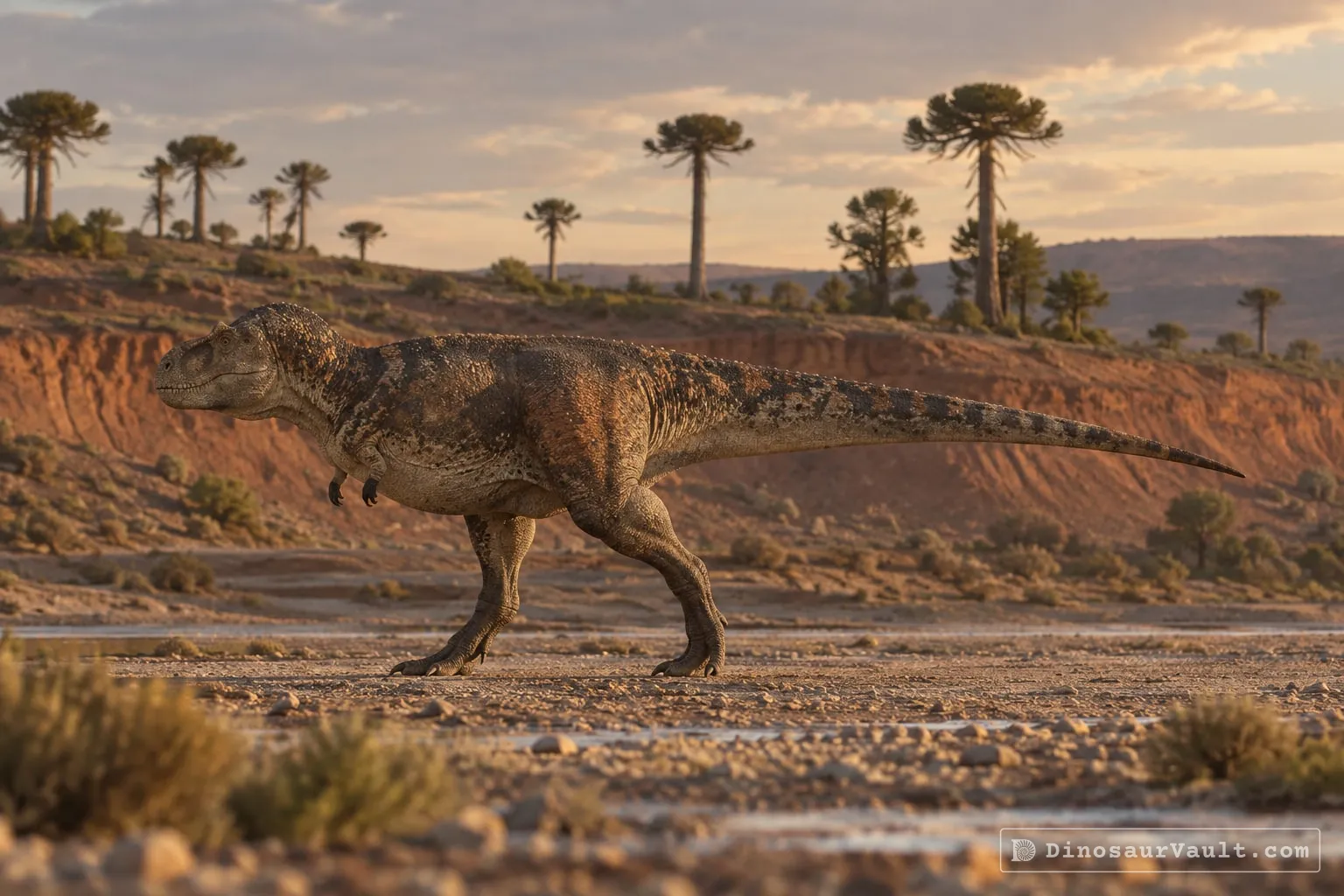
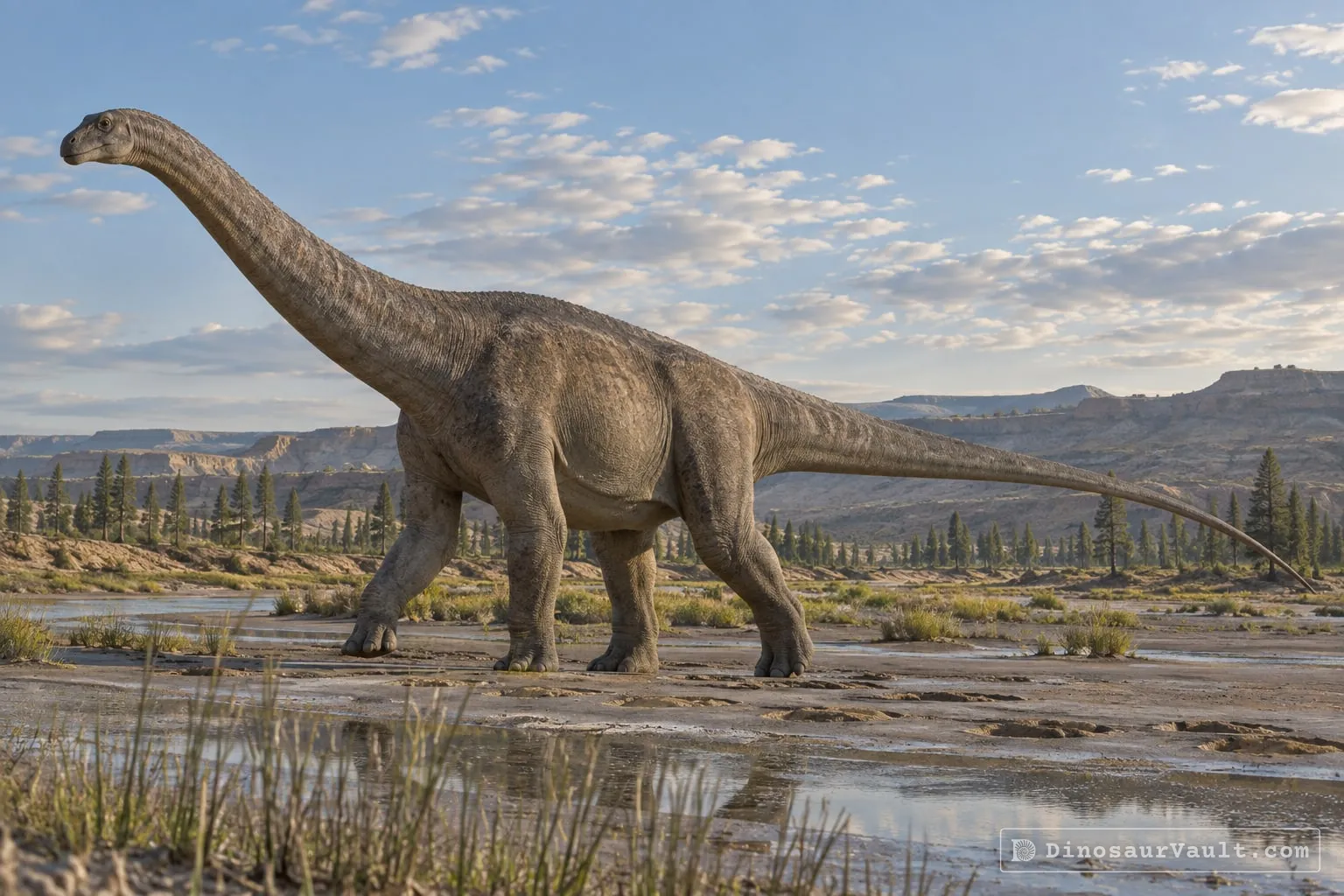
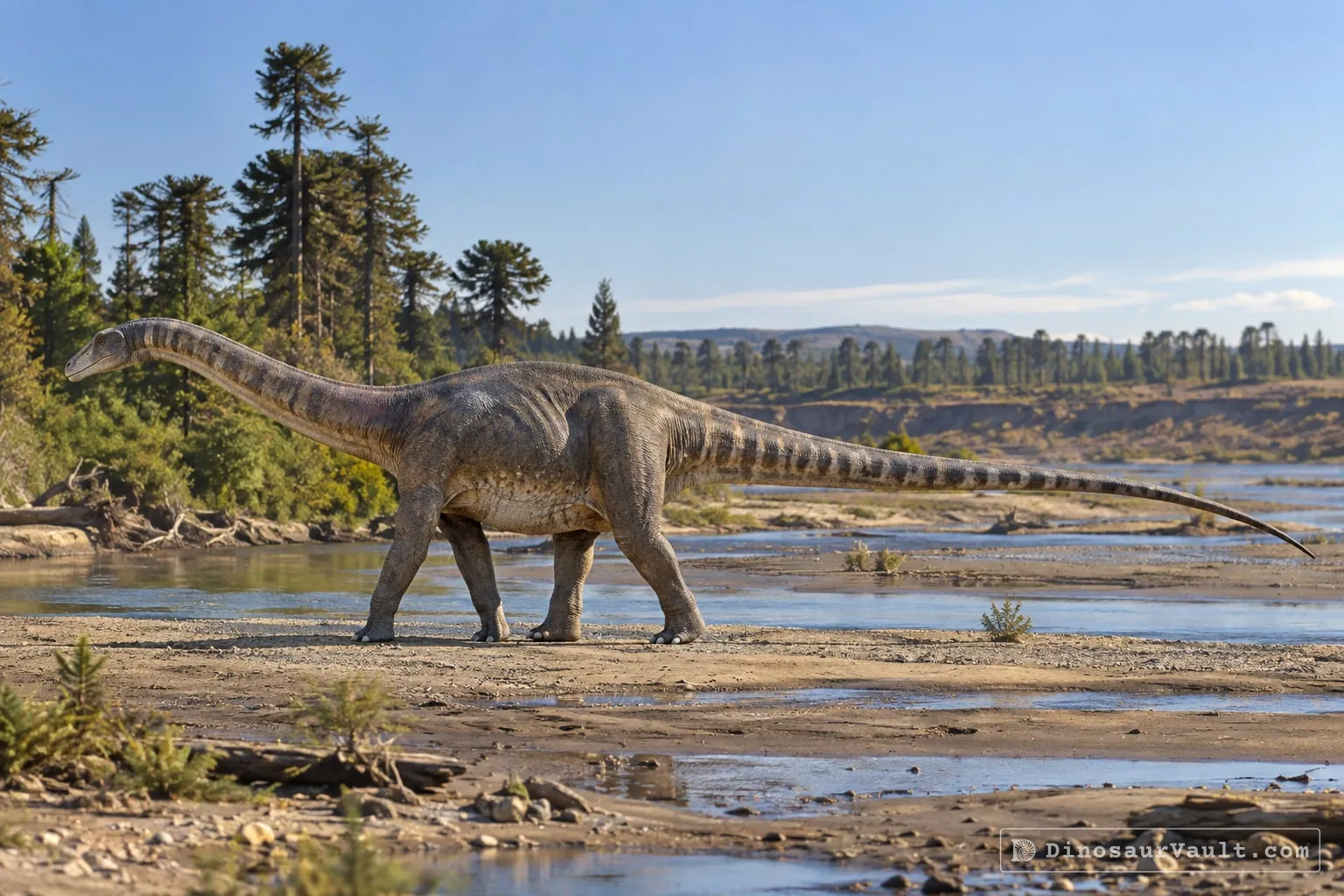
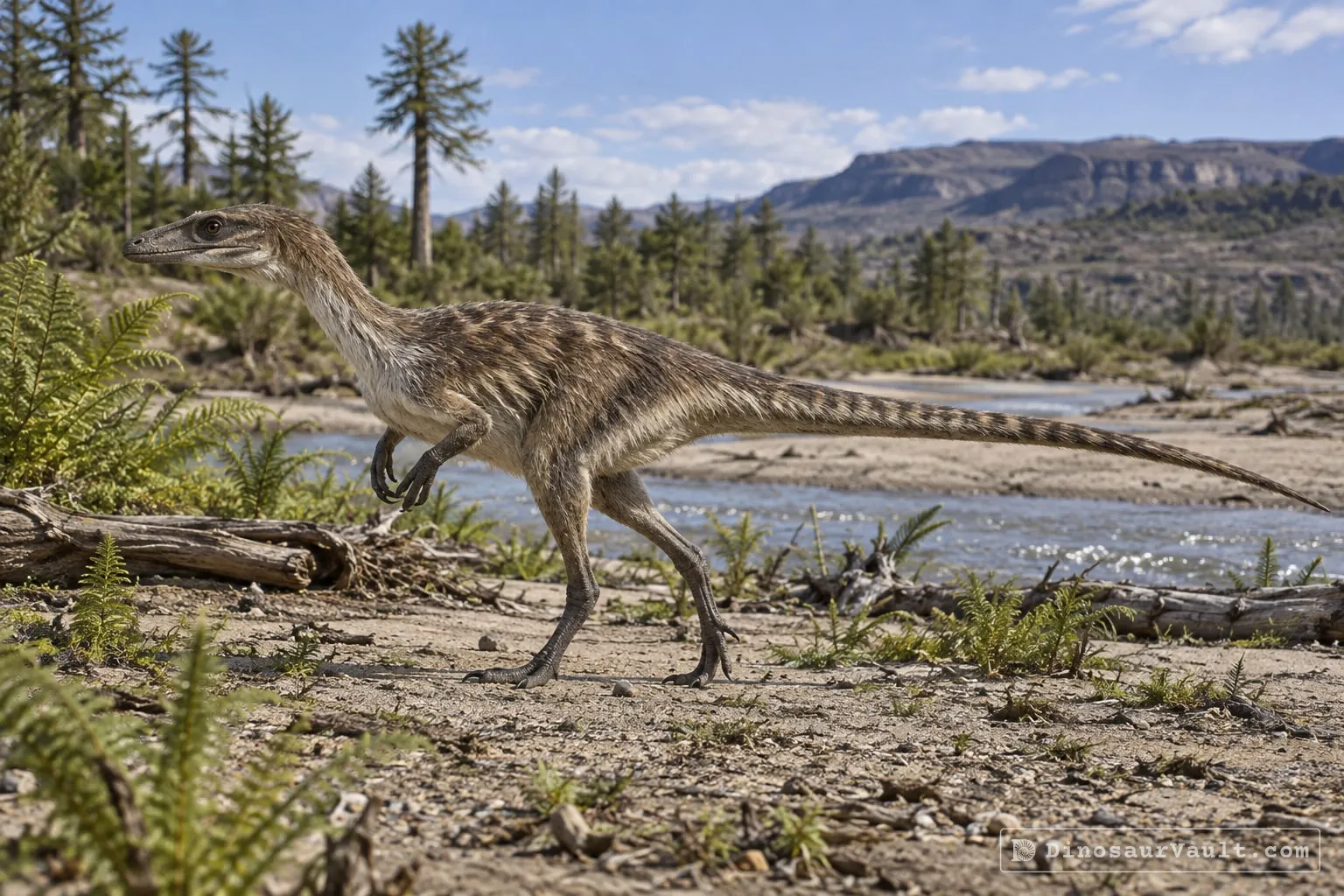


A rock formation can hold fossils laid down millions of years apart, so not every animal here met Alnashetri.
The evidence
The science behind Alnashetri
Which parts of the picture come from its own bones, and which come from its relatives.
From its own fossils
- The original specimen preserves long, slender hind limbs with distinctive ridges and notches around the ankle and toes.
- A later, nearly complete skeleton preserves the skull and much of the body.
- Its hands retained well-developed fingers, unlike the reduced hands of later alvarezsaur relatives.
Borrowed from relatives
- Most of its body can now be restored from its own skeleton rather than borrowed from relatives such as Mononykus.
Still unknown
- Its color and feather pattern.
- Which small animals it ate.
- How its hatchlings differed from older animals.
Discovery timeline
- 2012Named itMakovicky, Apesteguía & Gianechini
- 2024Family treeMeso et al.
- 2026New findMakovicky et al.
Key papers
The research behind what we know of Alnashetri
Named it
Named a small theropod from its hind limbs and linked its ankle anatomy to alvarezsaur relatives.
A New Coelurosaurian Theropod from the La Buitrera Fossil Locality of Río Negro, Argentina. Fieldiana Life and Earth Sciences 5: 90-98
Read the paper : A New Coelurosaurian Theropod from the La Buitrera Fossil Locality of Río Negro, Argentina (opens in a new tab)Family tree
Placed Alnashetri on an early branch of the alvarezsaur family tree and compared changes in body size across the group.
Body size and evolutionary rate analyses reveal complex evolutionary history of Alvarezsauria. Cladistics 41: 135-155
Read the paper : Body size and evolutionary rate analyses reveal complex evolutionary history of Alvarezsauria (opens in a new tab)New find
Described a nearly complete Alnashetri skeleton and found repeated evolution of small bodies rather than a single steady trend toward smaller size.
Argentine fossil rewrites evolutionary history of a baffling dinosaur clade. Nature 652: 1240-1244
Read the paper : Argentine fossil rewrites evolutionary history of a baffling dinosaur clade (opens in a new tab)
Close relatives
Other members of Alvarezsauridae


Sources: Wikidata