Outline: a typical theropod
Mononykus
muh-NON-ih-kus
"one claw"
- Lived
- 84 to 66 million years ago, Late Cretaceous
- Diet
- Carnivore
- Length
- about 1 m (3 ft)
- Group
- Theropods, Alvarezsauridae
- Found in
- Mongolia
- Named by
- Perle et al. 1993
Size comparison
To scale

Scale in metersOutline: typical theropod shape
Where its fossils were found
The evidence
Today
75 million years ago
Field notes
About Mononykus
What it was like
Mononykus was a small, lightly built dinosaur about 1 meter (3 feet) long, with long thin legs and probably a coat of feathers. Its arms were short and stout, each ending in a single large claw.
Scientists think it used those claws to break into insect nests, such as termite mounds, a bit like an anteater.
Its world
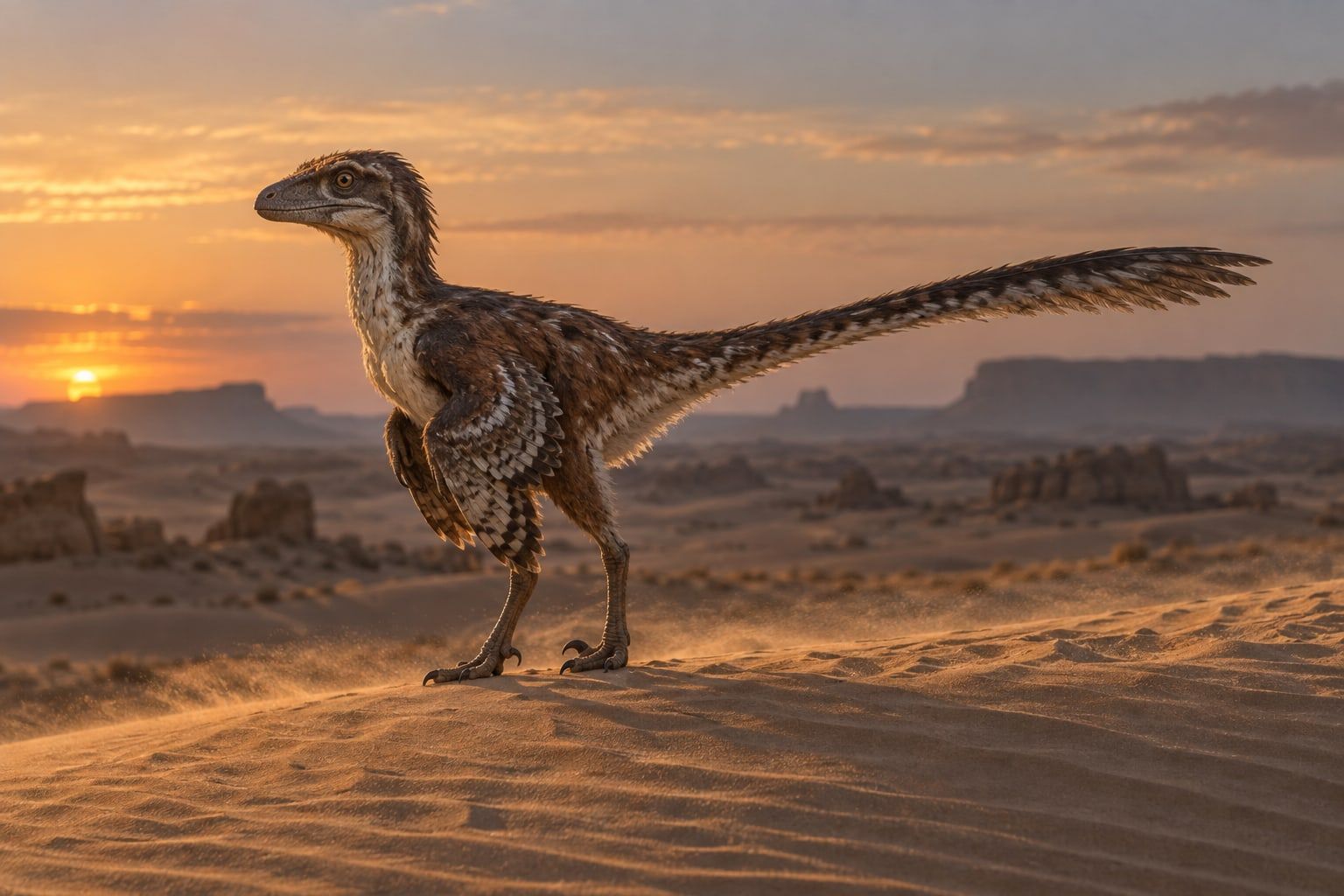
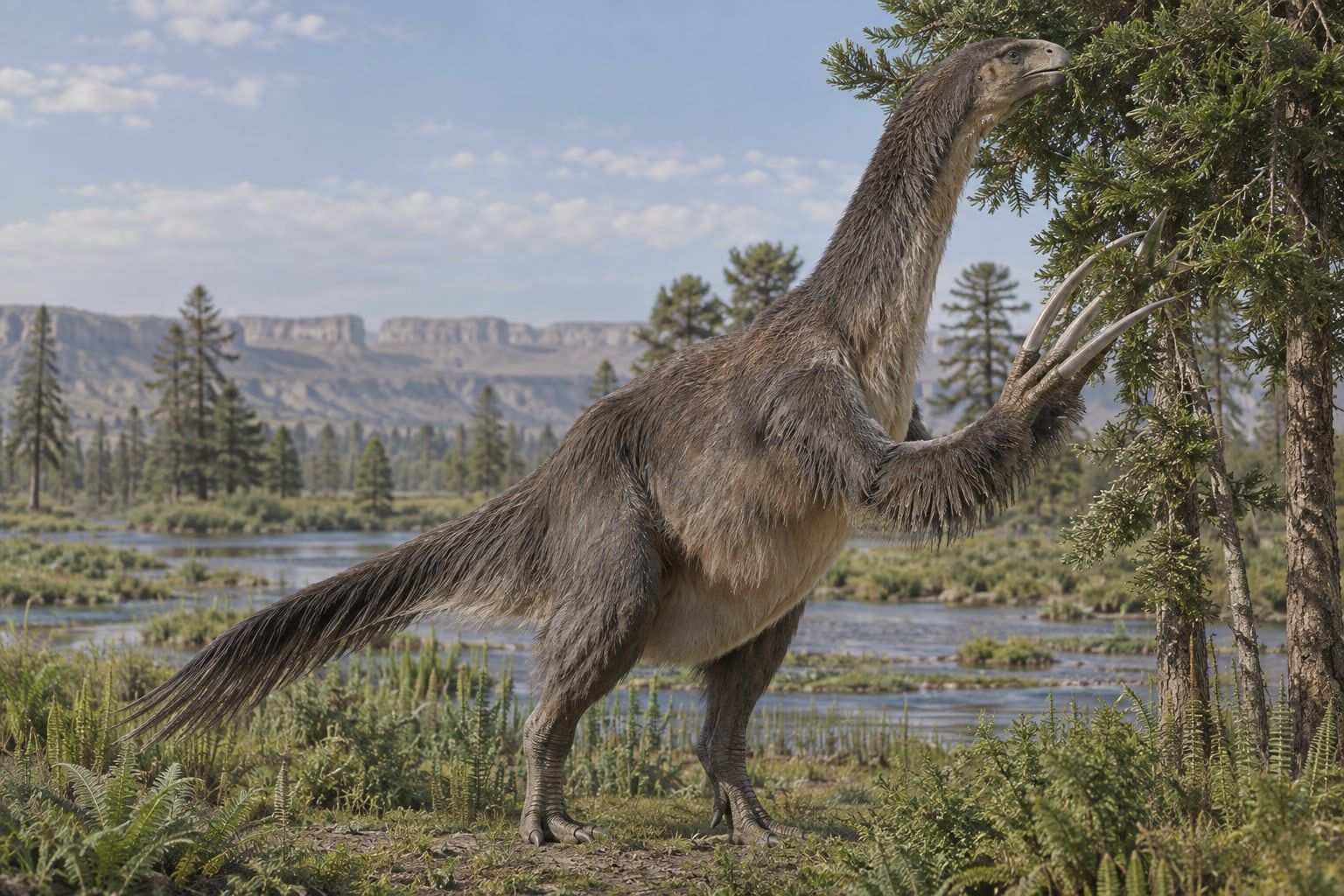
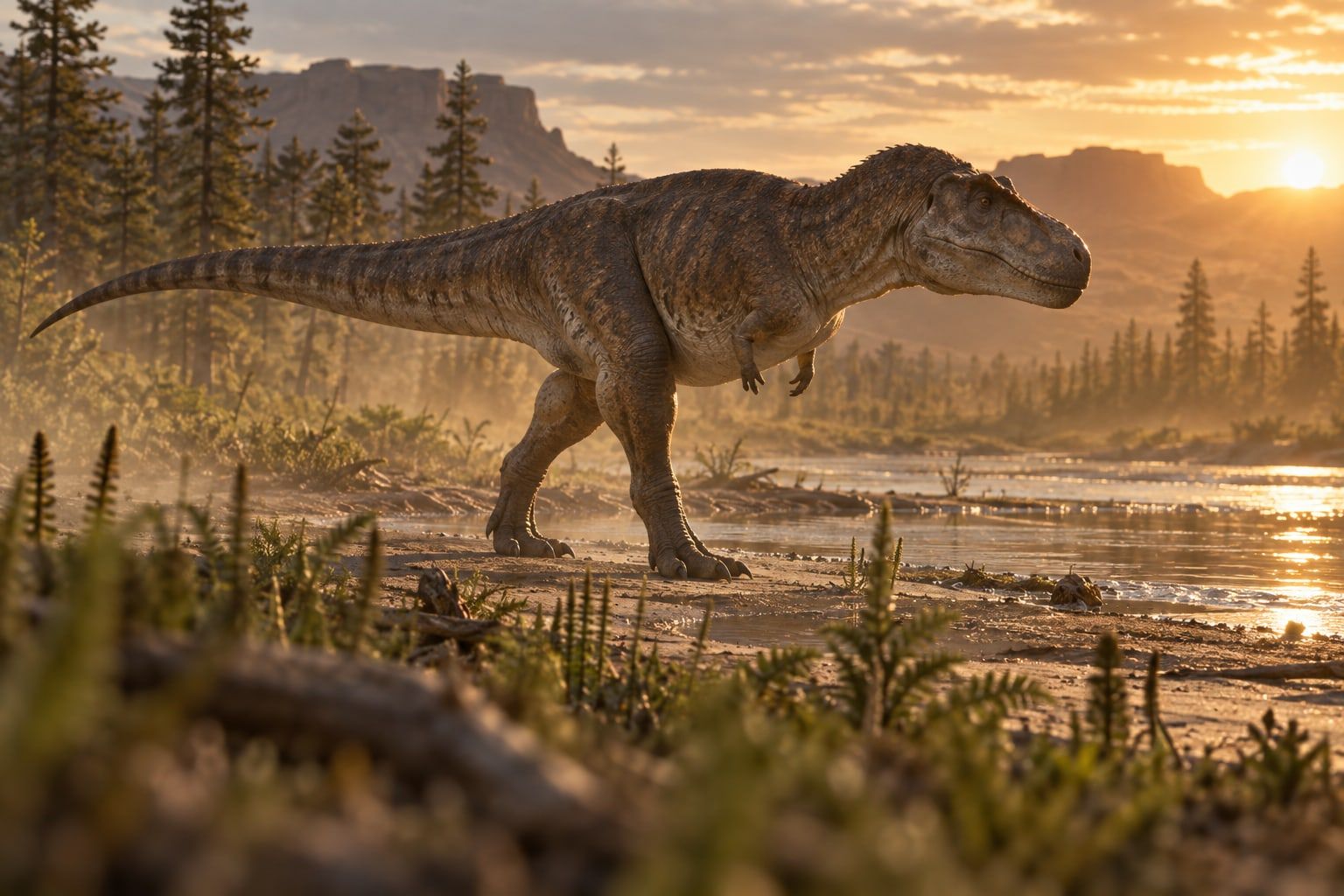
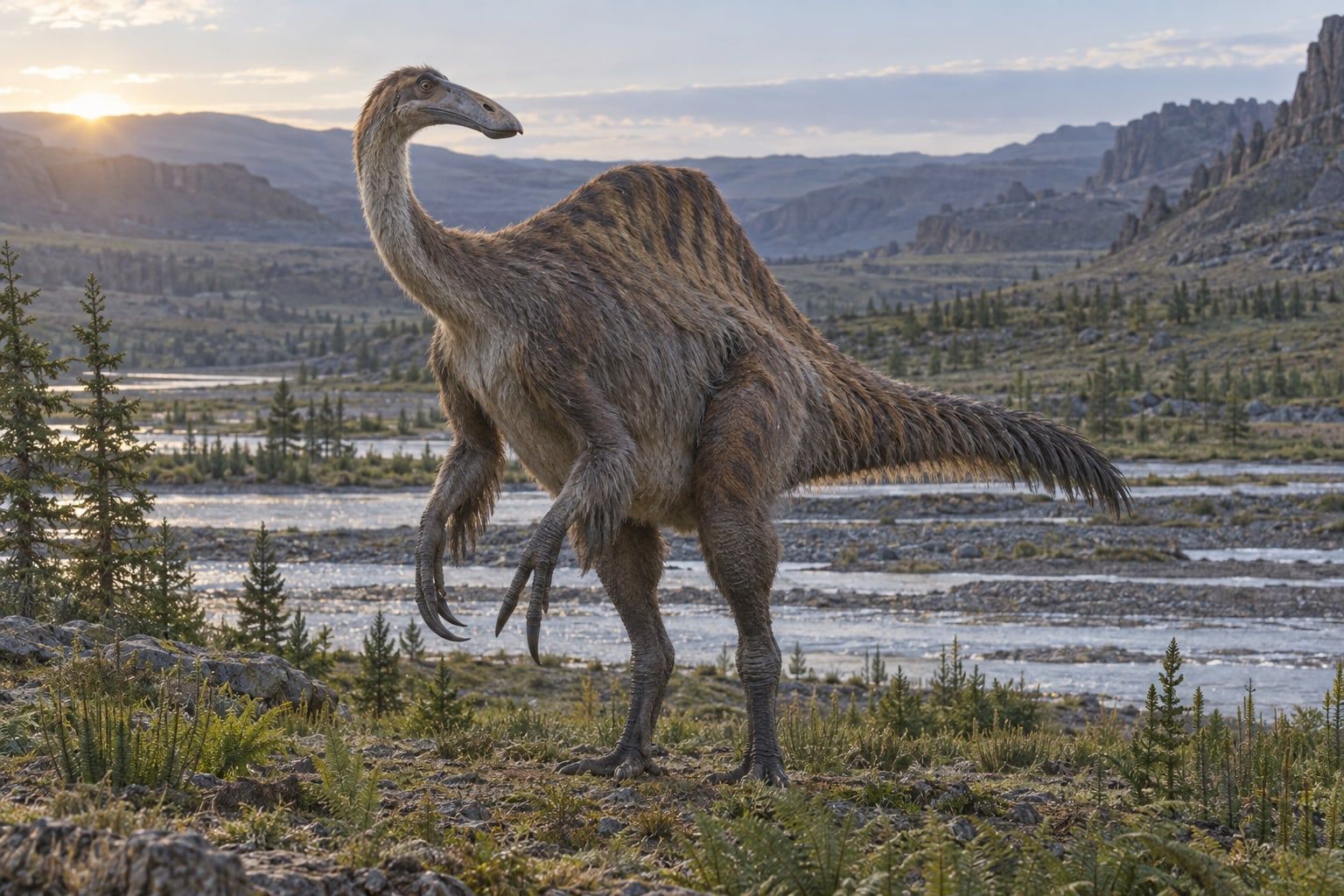
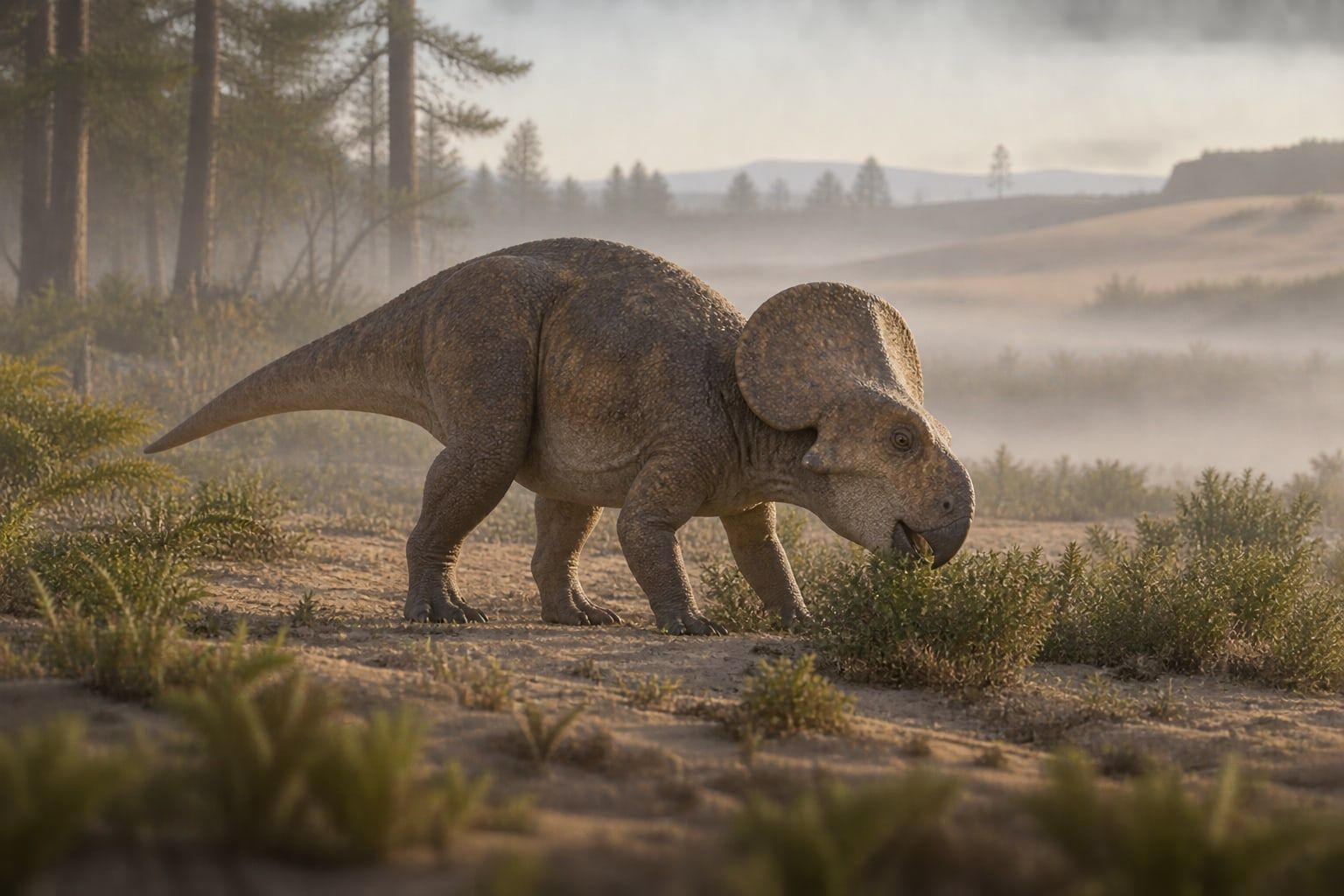
It lived in the Late Cretaceous, in what is now Mongolia. Its fossils come from the Nemegt and Djadokhta formations, where it lived alongside Velociraptor, Protoceratops, Tarbosaurus and Therizinosaurus.
How it was found
Perle and colleagues named Mononykus in 1993. It was at first thought to be an early bird, but it is now known to be an alvarezsaurid, a small branch of feathered dinosaurs. Five finds are known.
Lived alongside
Found in the same rock formations
Close relatives
Other members of Alvarezsauridae
Sources: WikidataNamed in: A. Perle, M. A. Norell, and L. M. Chiappe, J. M. Clark. 1993. Correction: Flightless bird from the Cretaceous of Mongolia. Nature 363:188