Outline: a typical theropod
Trierarchuncus
"captain hook"
- Lived
- 72 to 66 million years ago, Late Cretaceous
- Diet
- Carnivore
- Group
- Theropods, Alvarezsauridae
- Found in
- United States
- Named by
- Fowler et al. 2020
Where its fossils were found
The evidence
Today
70 million years ago
Field notes
About Trierarchuncus
What it was like
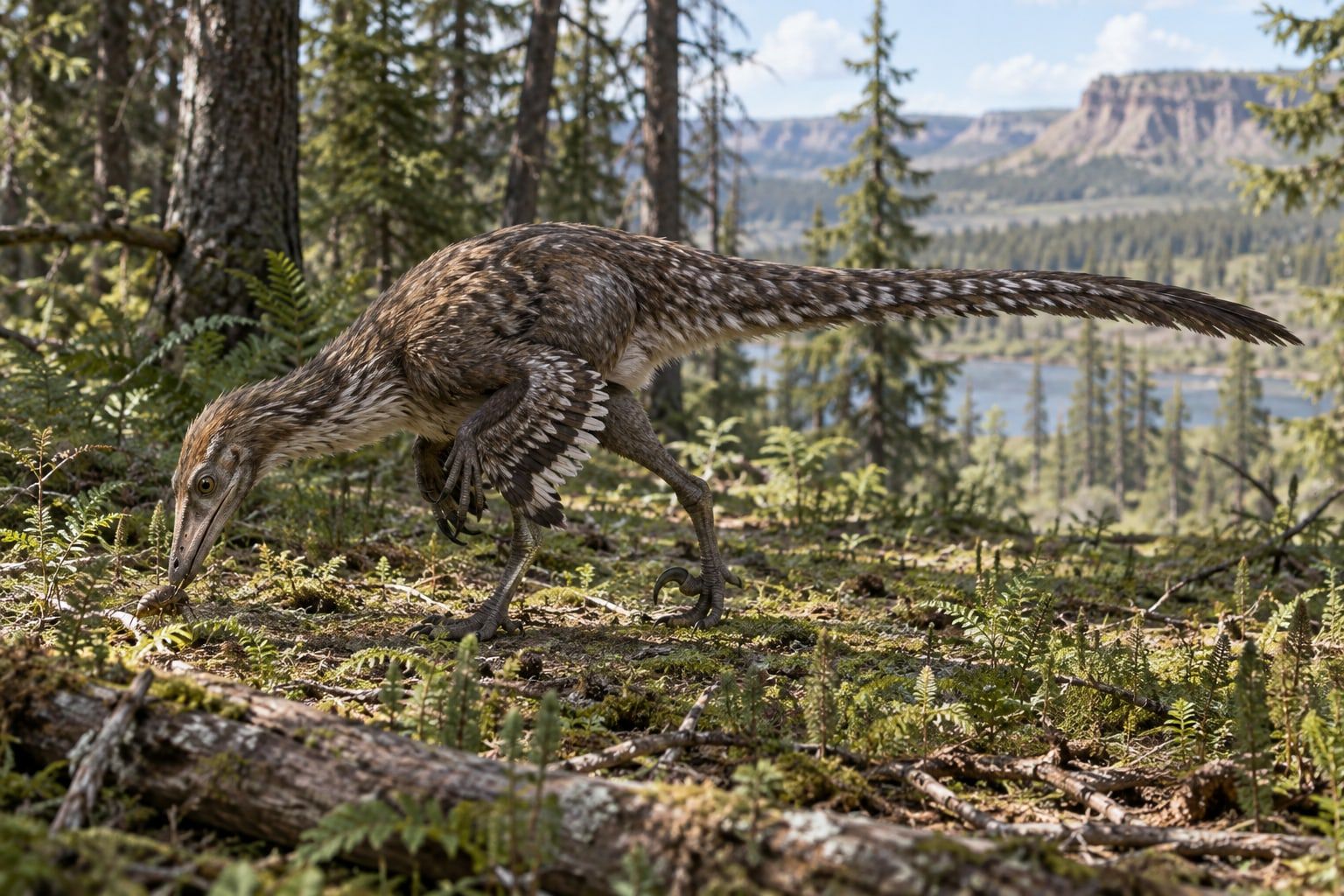
Trierarchuncus was a small alvarezsaur, a bird-like dinosaur with short, strong arms that each ended in a single large claw. It is known from parts of the hand, arm and leg.
Its relatives had similar arms, which may have been used to dig into insect nests, though that idea is still debated.
Its world
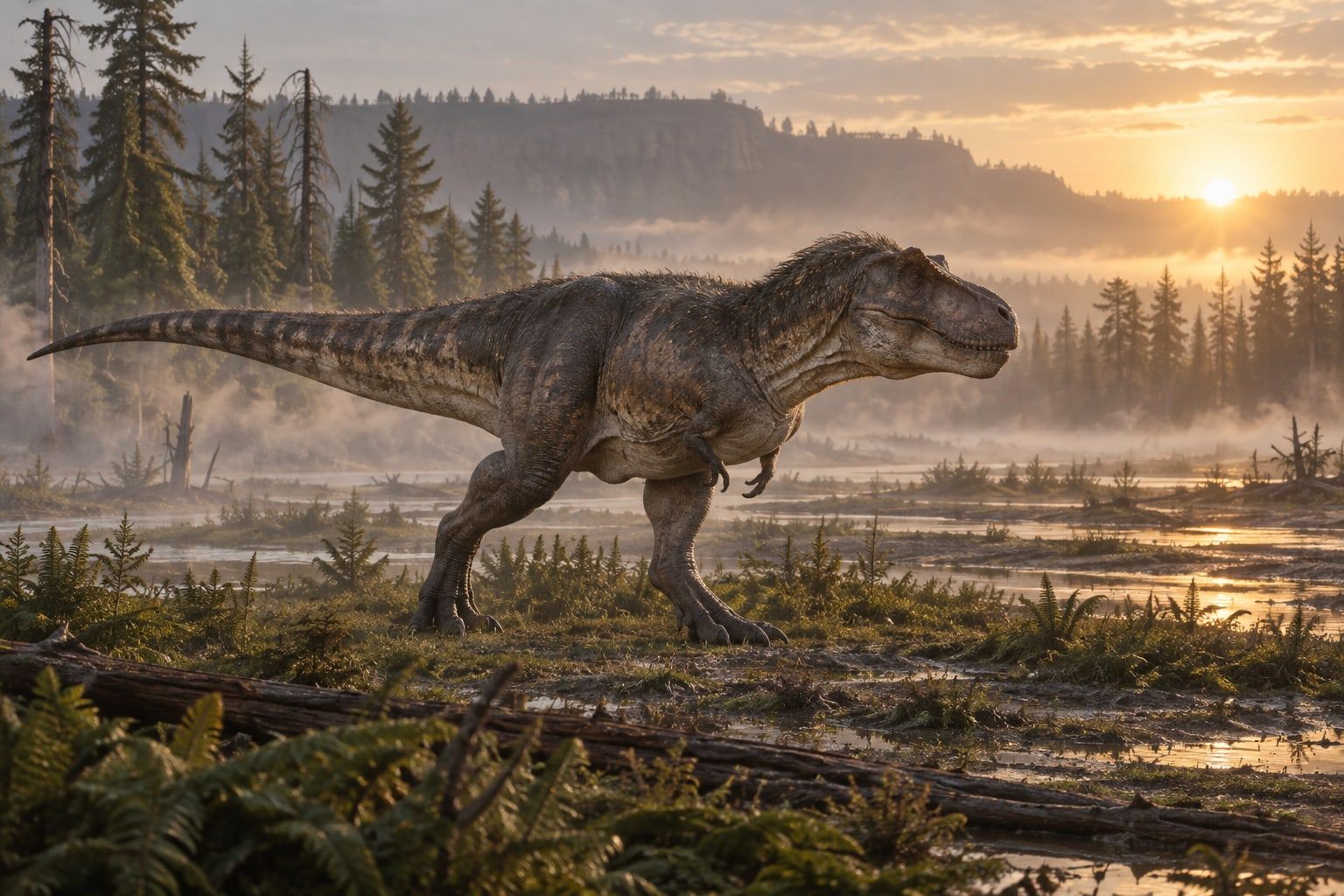
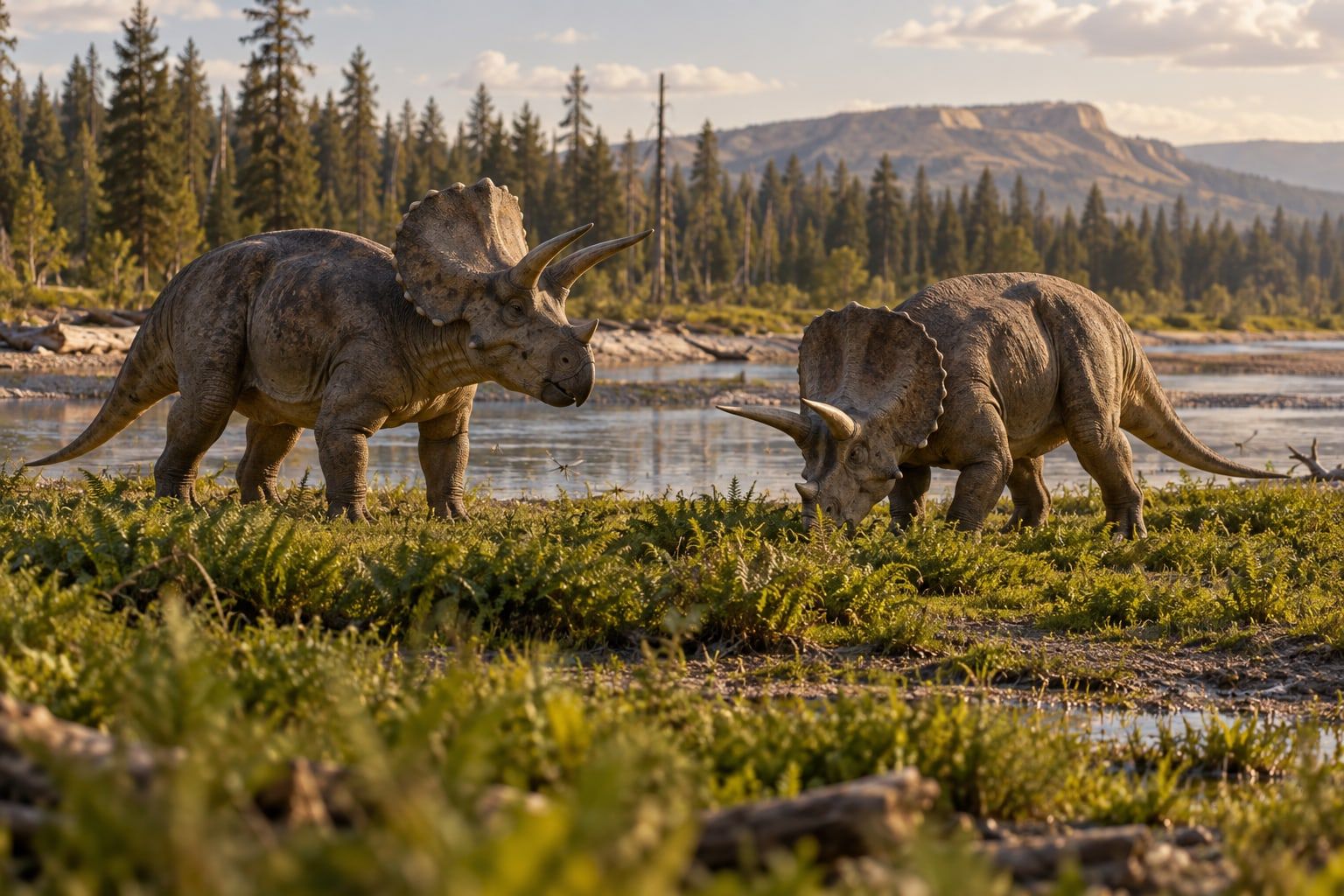
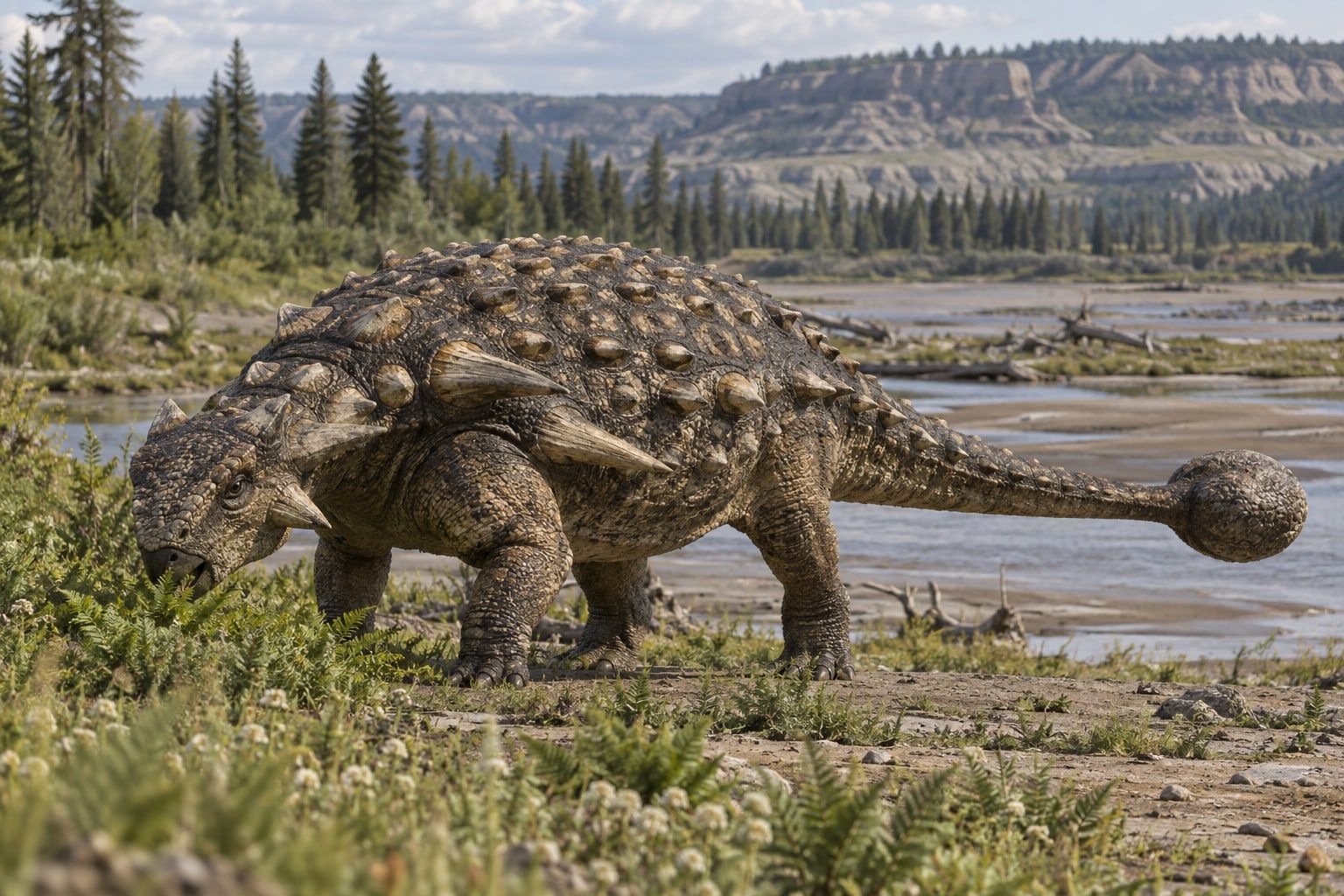
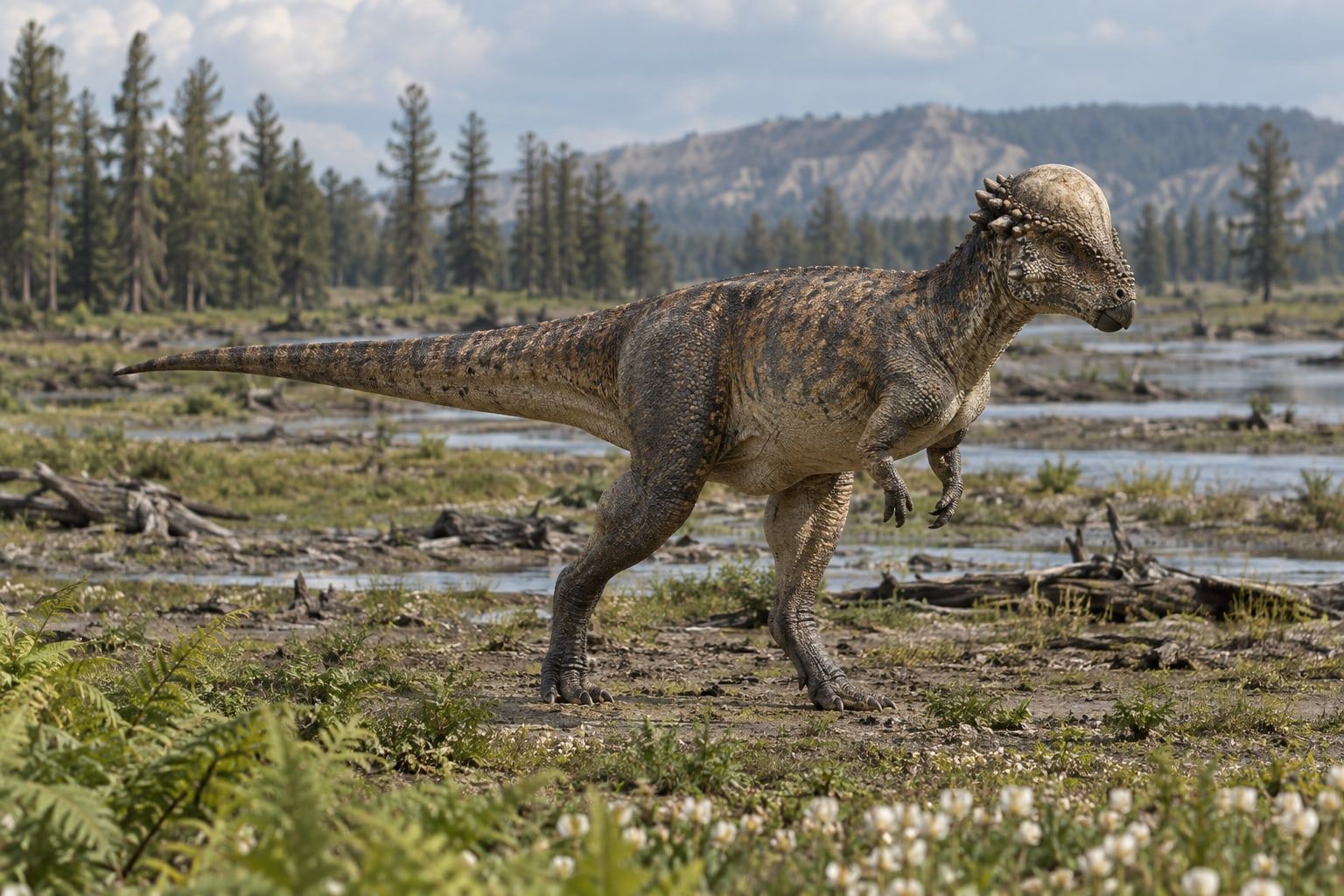
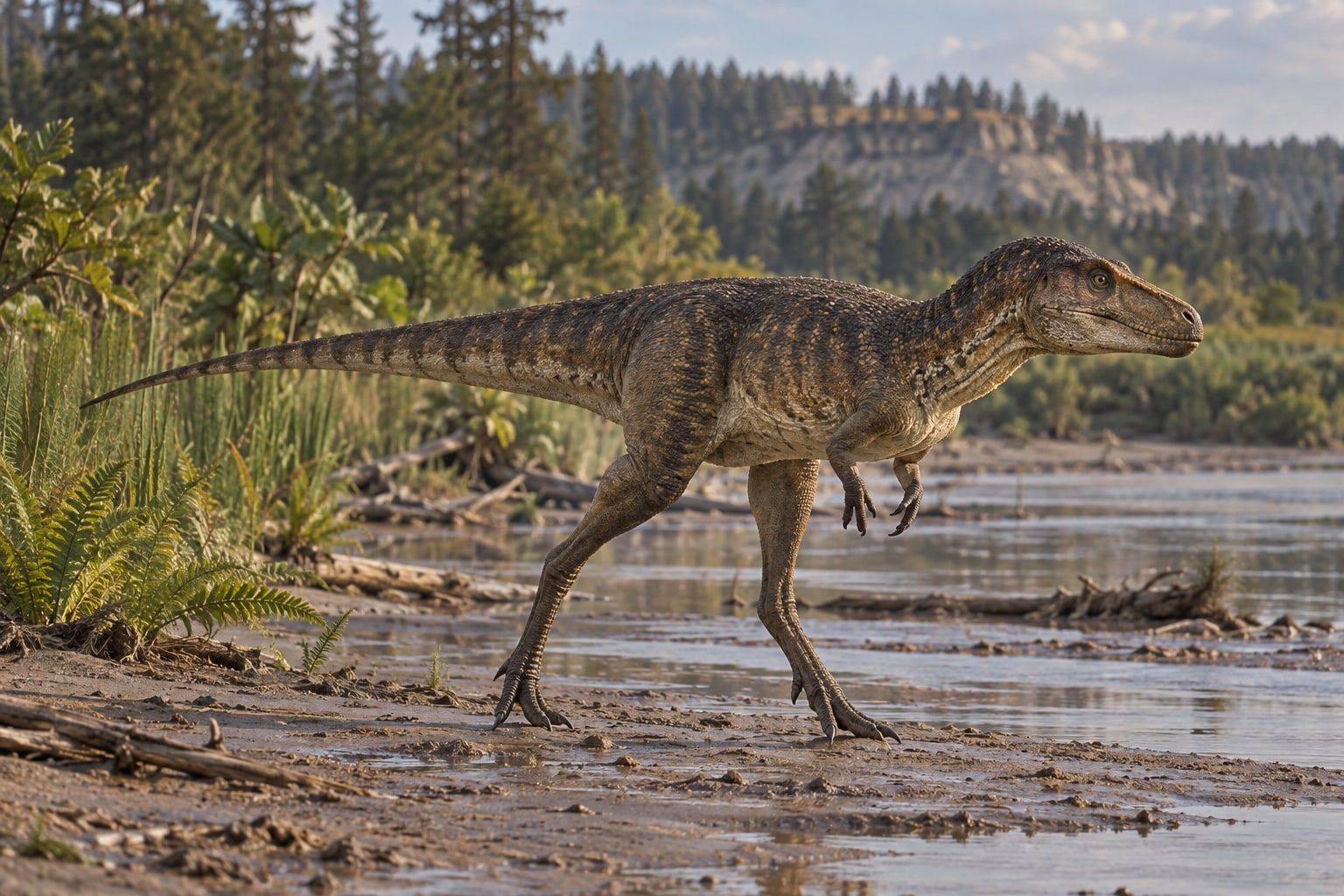
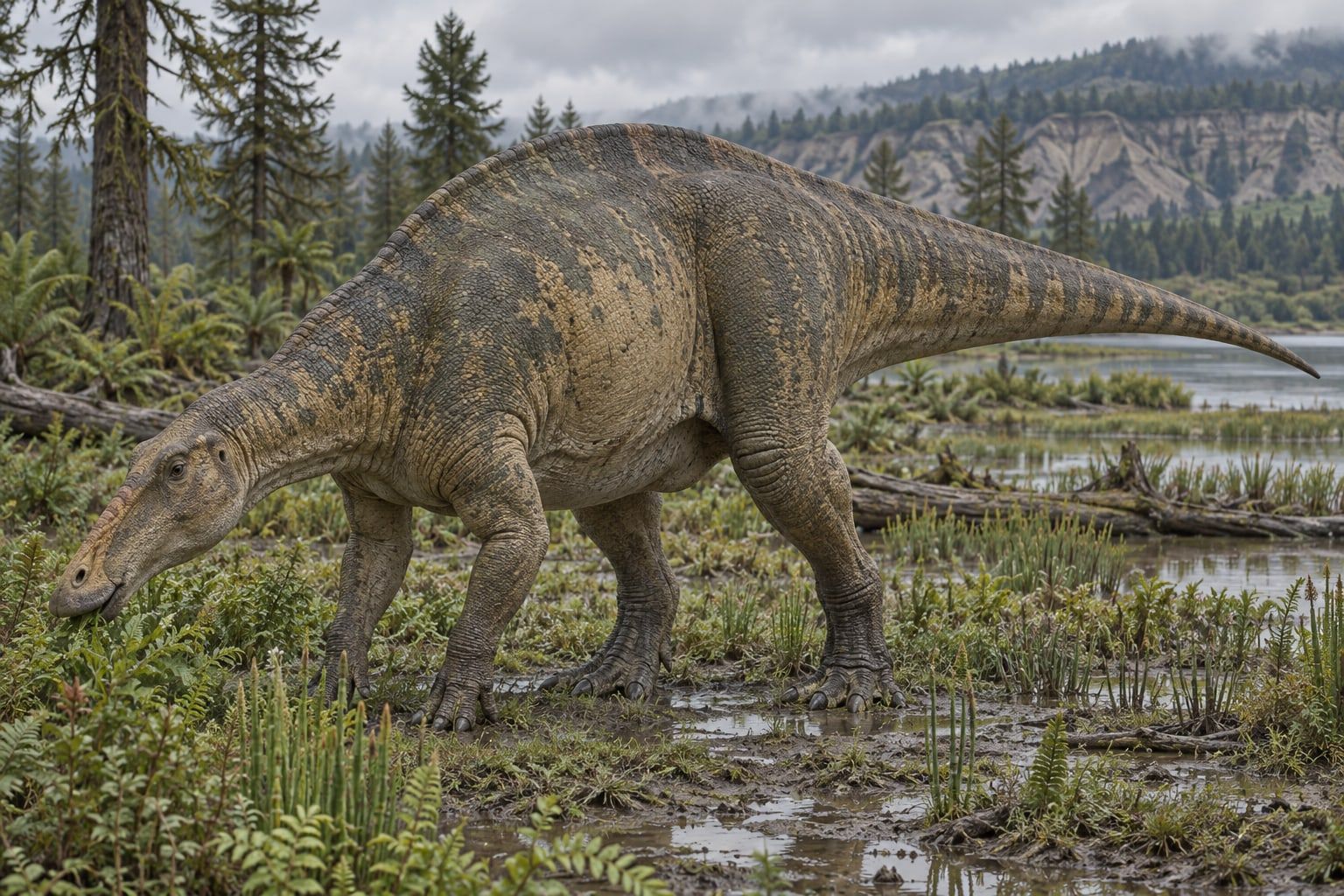
It lived about 72 to 66 million years ago, at the very end of the Late Cretaceous, in what is now Montana, in the United States. Its bones come from the Hell Creek Formation, where it shared the land with Tyrannosaurus, Triceratops, Ankylosaurus and Pachycephalosaurus.
How it was found
Fowler and colleagues named Trierarchuncus in 2020, from six finds. It is the youngest alvarezsaur known, one of the last dinosaurs of its kind before the extinction.
Lived alongside
Found in the same rock formations
Close relatives
Other members of Alvarezsauridae
Sources: WikidataNamed in: D. W. Fowler, J. P. Wilson, and E. A. Freedman Fowler, C. R. Noto, D. Anduza, J. R. Horner. 2020. Trierarchuncus prairiensis gen. et sp. nov., the last alvarezsaurid: Hell Creek Formation (uppermost Maastrichtian), Montana. Cretaceous Research 116:104560