Machairasaurus
"short scimitar lizard"
- Lived
- 84 to 72 million years ago, Late Cretaceous
- Diet
- Omnivore
- Group
- Theropods, Oviraptoridae
- Found in
- China
- Named by
- Longrich et al. 2010
Where its fossils were found
The evidence
Today

80 million years ago
Habitat
Sand dunes covered much of the Bayan Mandahu landscape. Other dinosaurs from these rocks include Velociraptor, Protoceratops and Pinacosaurus.
Field notes
About Machairasaurus
What it was like
Machairasaurus was a small oviraptorid, a feathered theropod with a toothless beak. It is known from part of a skeleton. Its hand claws were short and curved.
Its world
It lived in the Late Cretaceous, in what is now China. It comes from the Bayan Mandahu Formation, a desert land shared with Velociraptor, Protoceratops and the armored Pinacosaurus.
How it was found
Longrich and colleagues named Machairasaurus in 2010.
Field gallery
More views of Machairasaurus
Scenes reconstructed from the available fossil evidence.
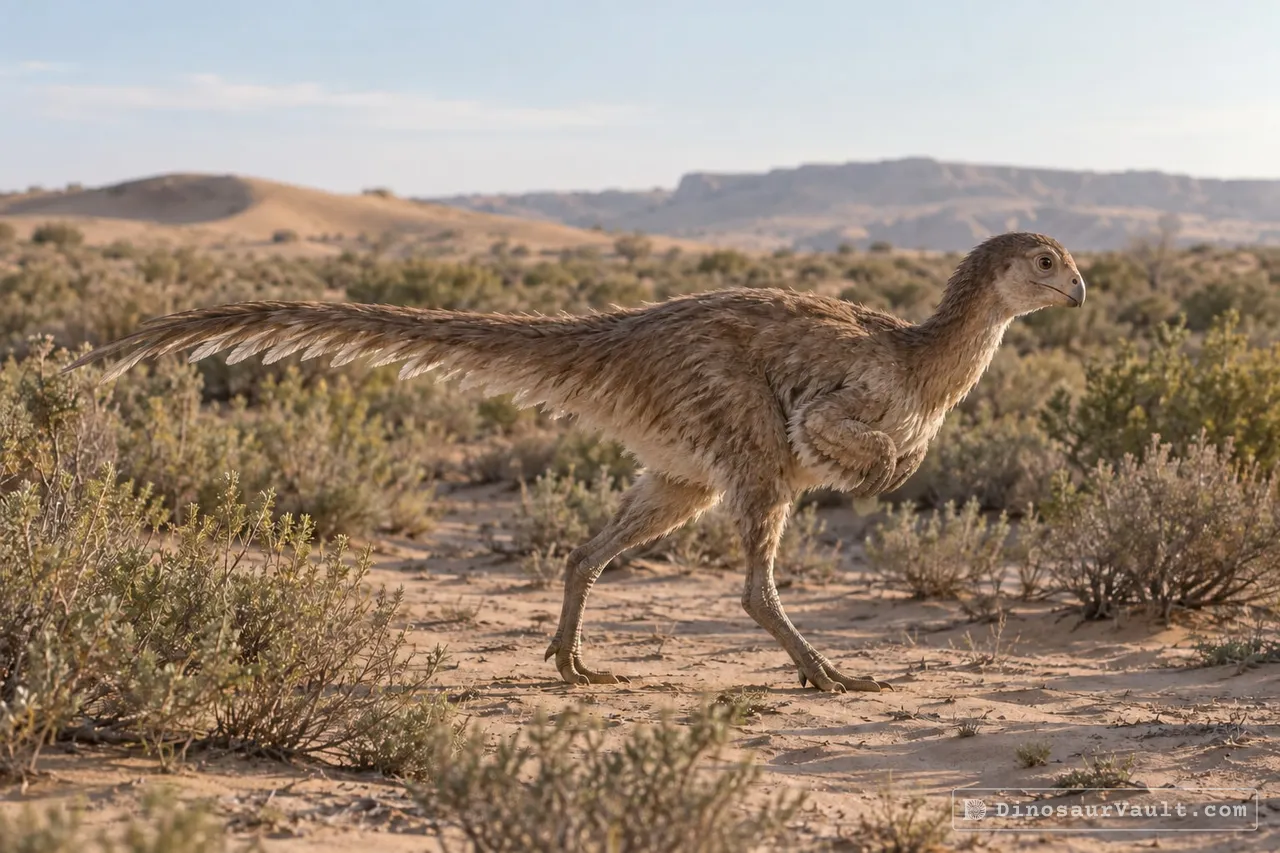
1 of 3
Lived alongside
Found in the same rock formations
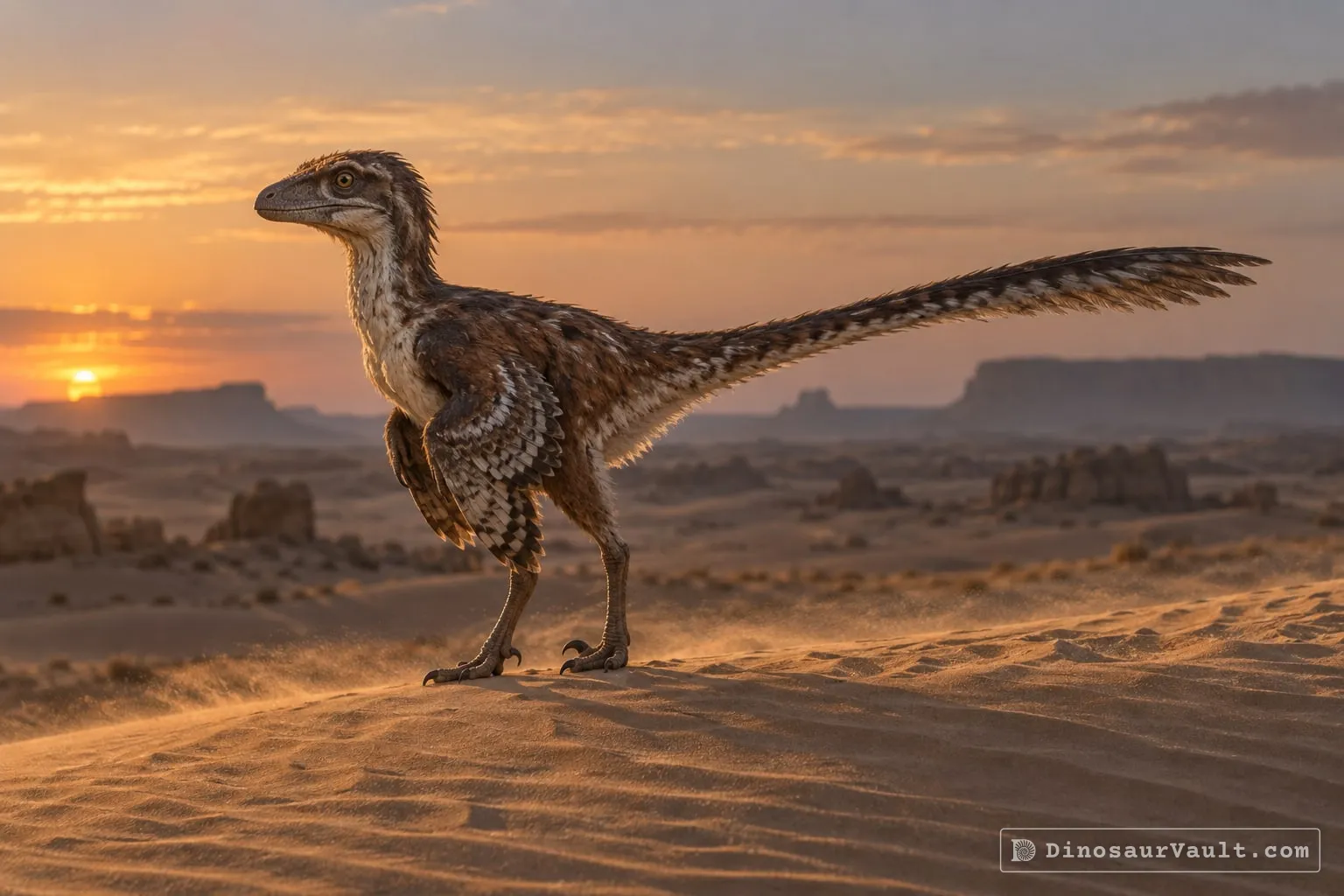
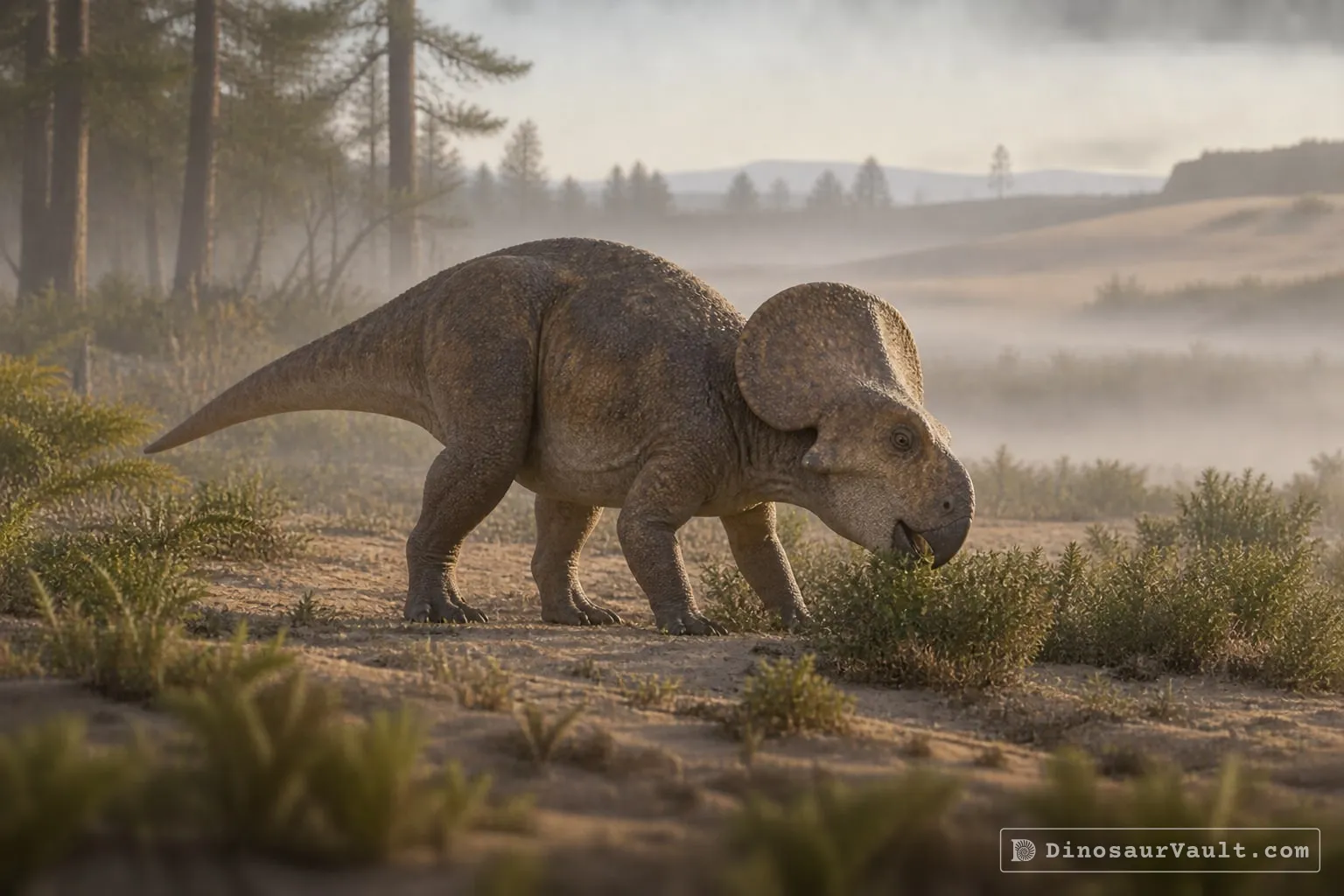
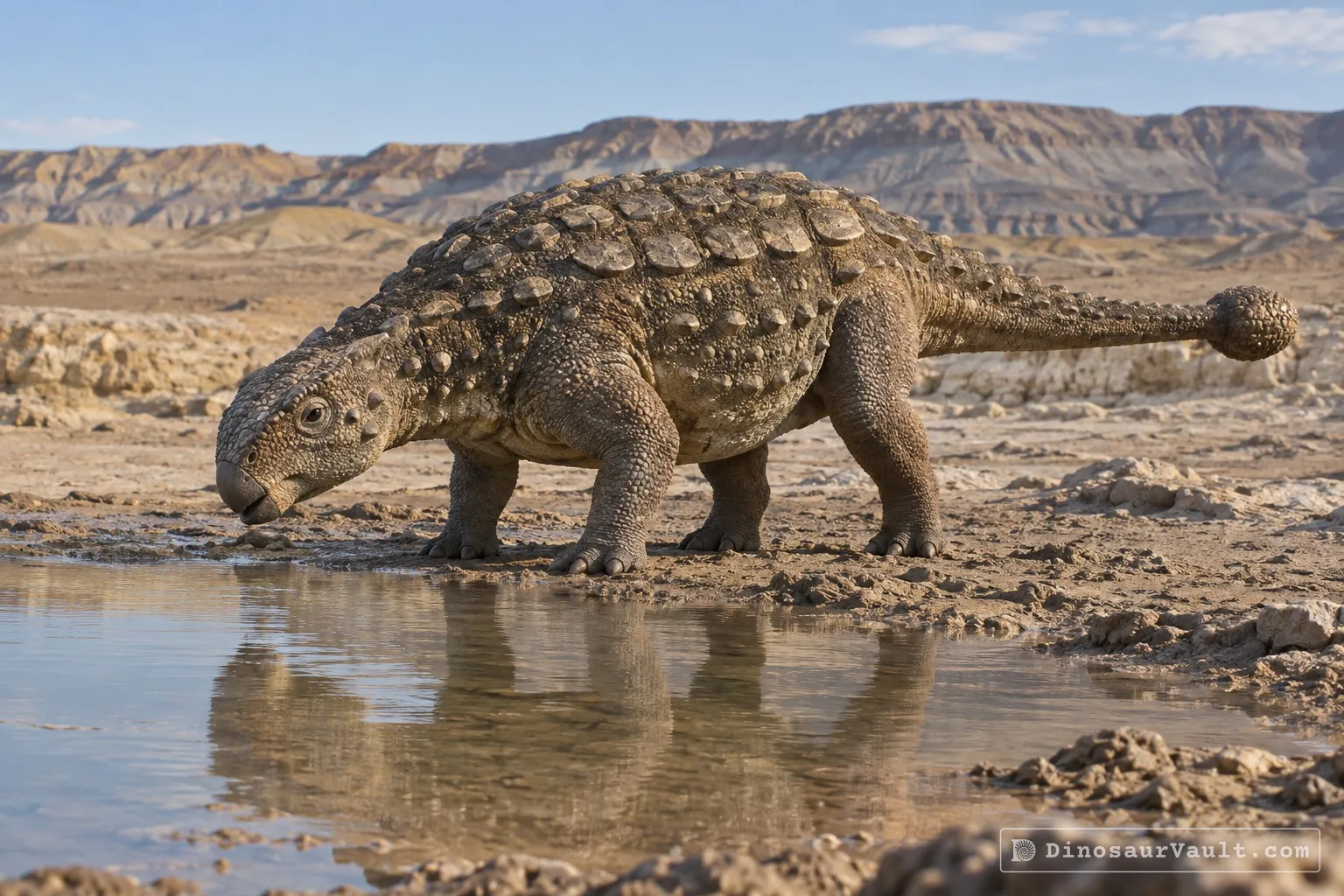
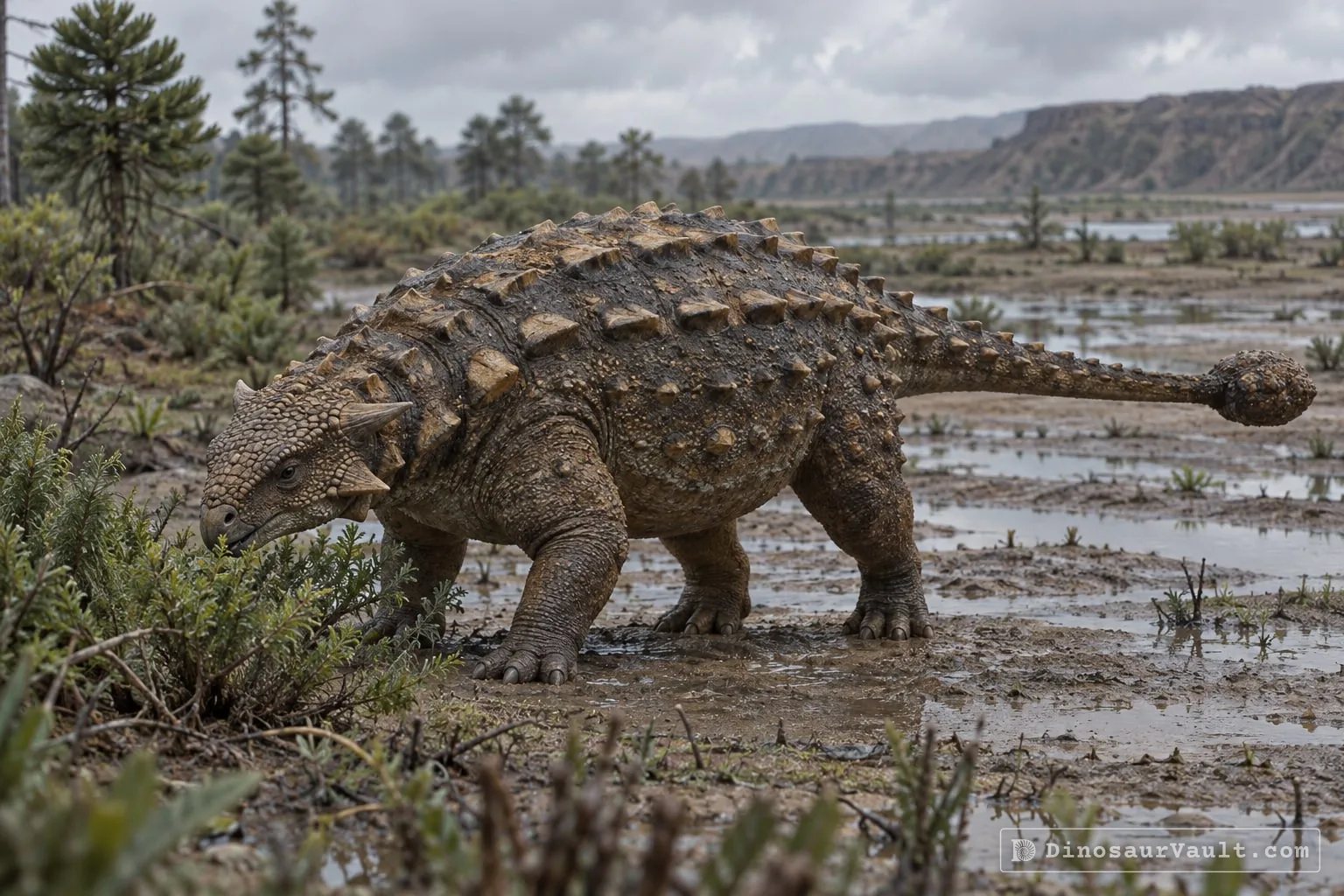
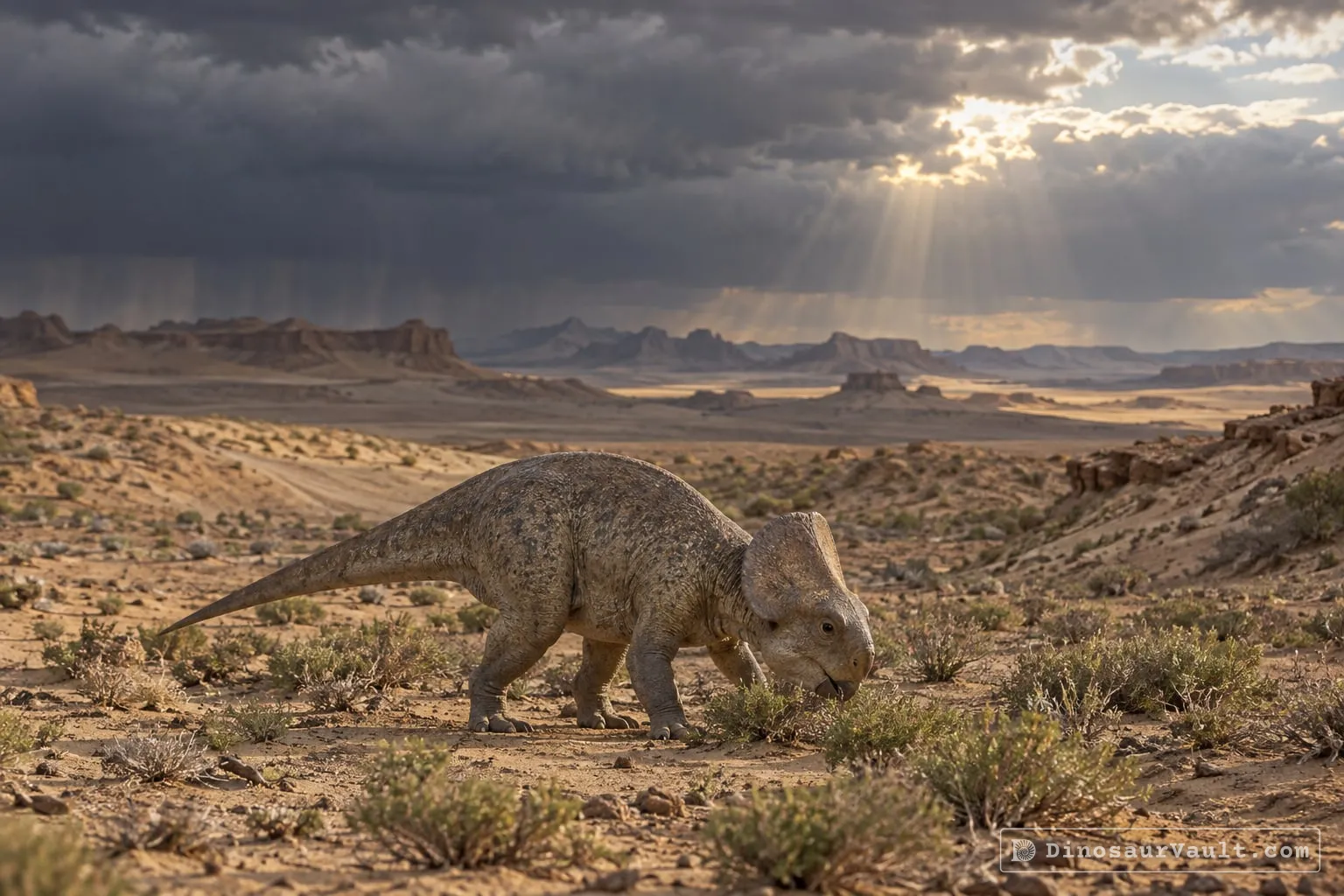


A rock formation can hold fossils laid down millions of years apart, so not every animal here met Machairasaurus.
The evidence
The science behind Machairasaurus
Which parts of the picture come from its own bones, and which come from its relatives.
From its own fossils
- A partial forearm and hand preserve short, sturdy fingers.
- The hand claws are slender and only weakly curved, with small attachment points for the muscles that bent them.
Borrowed from relatives
- A toothless beak and much of the body shape follow better-known oviraptorids such as Khaan and Conchoraptor.
- Feathers on the arms and tail follow feathered oviraptorosaurs such as Caudipteryx.
Still unknown
- The shape of its skull and whether it had a crest.
- What it ate and how it used its hands.
- The color and pattern of its feathers.
Discovery timeline
- 2010Named itLONGRICH, CURRIE & ZHI-MING
- 2016Family treeLü et al.
Key papers
The research behind what we know of Machairasaurus
Named it
Described the short fingers and slender claws of a small oviraptorid and proposed that its hands served a purpose other than catching prey.
A new oviraptorid (Dinosauria: Theropoda) from the Upper Cretaceous of Bayan Mandahu, Inner Mongolia. Palaeontology 53: 945-960
Read the paper : A new oviraptorid (Dinosauria: Theropoda) from the Upper Cretaceous of Bayan Mandahu, Inner Mongolia (opens in a new tab)Family tree
Added Tongtianlong to a broad comparison of oviraptorosaurs that included Machairasaurus, revealing a variety of skull shapes within the family.
A Late Cretaceous diversification of Asian oviraptorid dinosaurs: evidence from a new species preserved in an unusual posture. Scientific Reports 6
Read the paper : A Late Cretaceous diversification of Asian oviraptorid dinosaurs: evidence from a new species preserved in an unusual posture (opens in a new tab)
Close relatives
Other members of Oviraptoridae


Sources: Wikidata