Rinchenia
- Lived
- 72 to 66 million years ago, Late Cretaceous
- Diet
- Omnivore
- Length
- about 2.5 m (8 ft)
- Group
- Theropods, Oviraptoridae
- Found in
- Mongolia
- Named by
- Barsbold 1997
Size comparison
To scale

Scale in metersOutline: typical theropod shape
Where its fossils were found
The evidence
Today

70 million years ago
Habitat
It lived in the river country of the Nemegt Formation in Mongolia. Tarbosaurus, Gallimimus and Saurolophus inhabited the same region.
Field notes
About Rinchenia
What it was like
Rinchenia was an oviraptorid, a toothless, feathered theropod about 2.5 meters (8 feet) long. It had a tall, rounded crest on its head, higher than that of its relative Oviraptor. It probably ate a mix of plants and small animals.
Its world
It lived about 72 to 66 million years ago, at the end of the Late Cretaceous, in what is now Mongolia. Its bones come from the Nemegt Formation, a land of rivers shared with the huge predator Tarbosaurus and the ostrich-like Gallimimus.
How it was found
It was first described as a species of Oviraptor. Barsbold gave it its own genus in 1997. The name honors a Mongolian scholar.
Field gallery
More views of Rinchenia
Scenes reconstructed from the available fossil evidence.
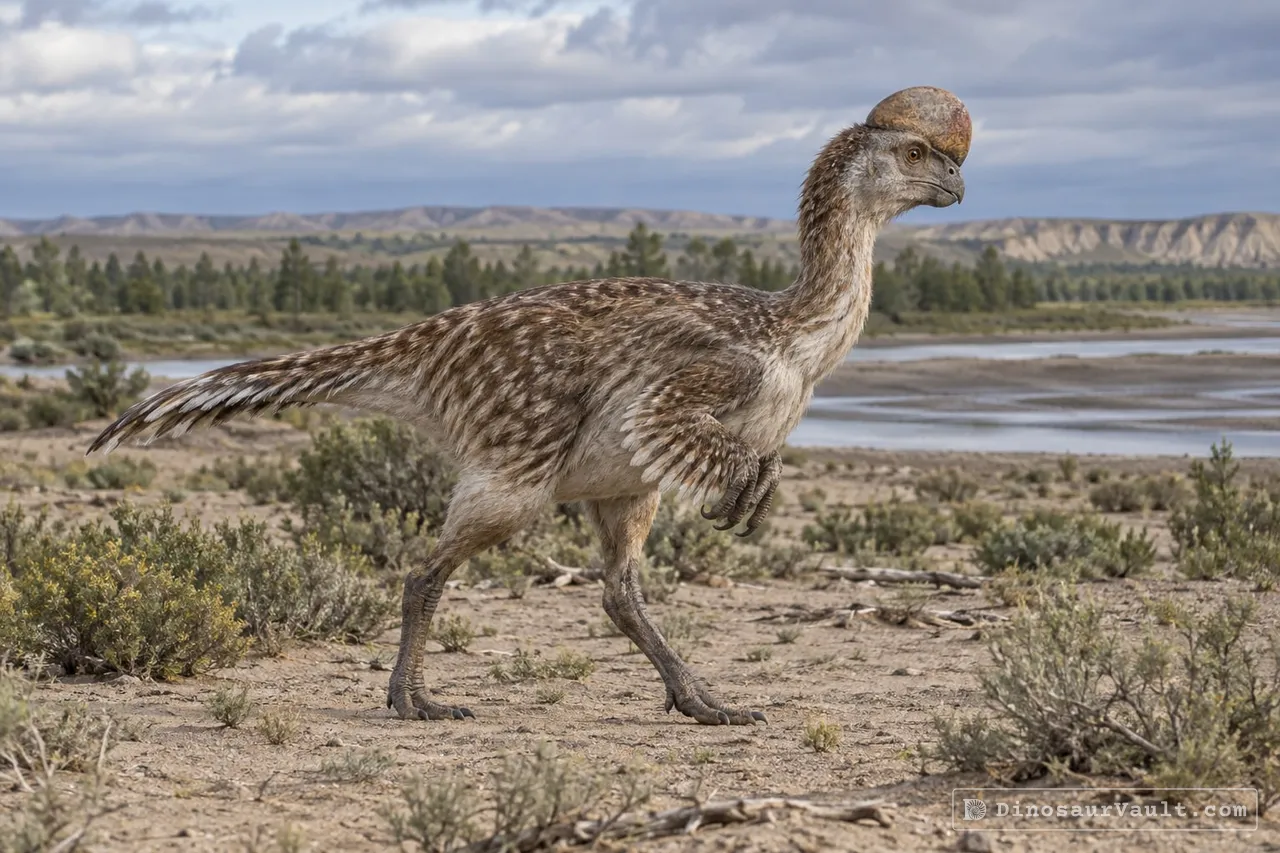
1 of 3
Lived alongside
Found in the same rock formations
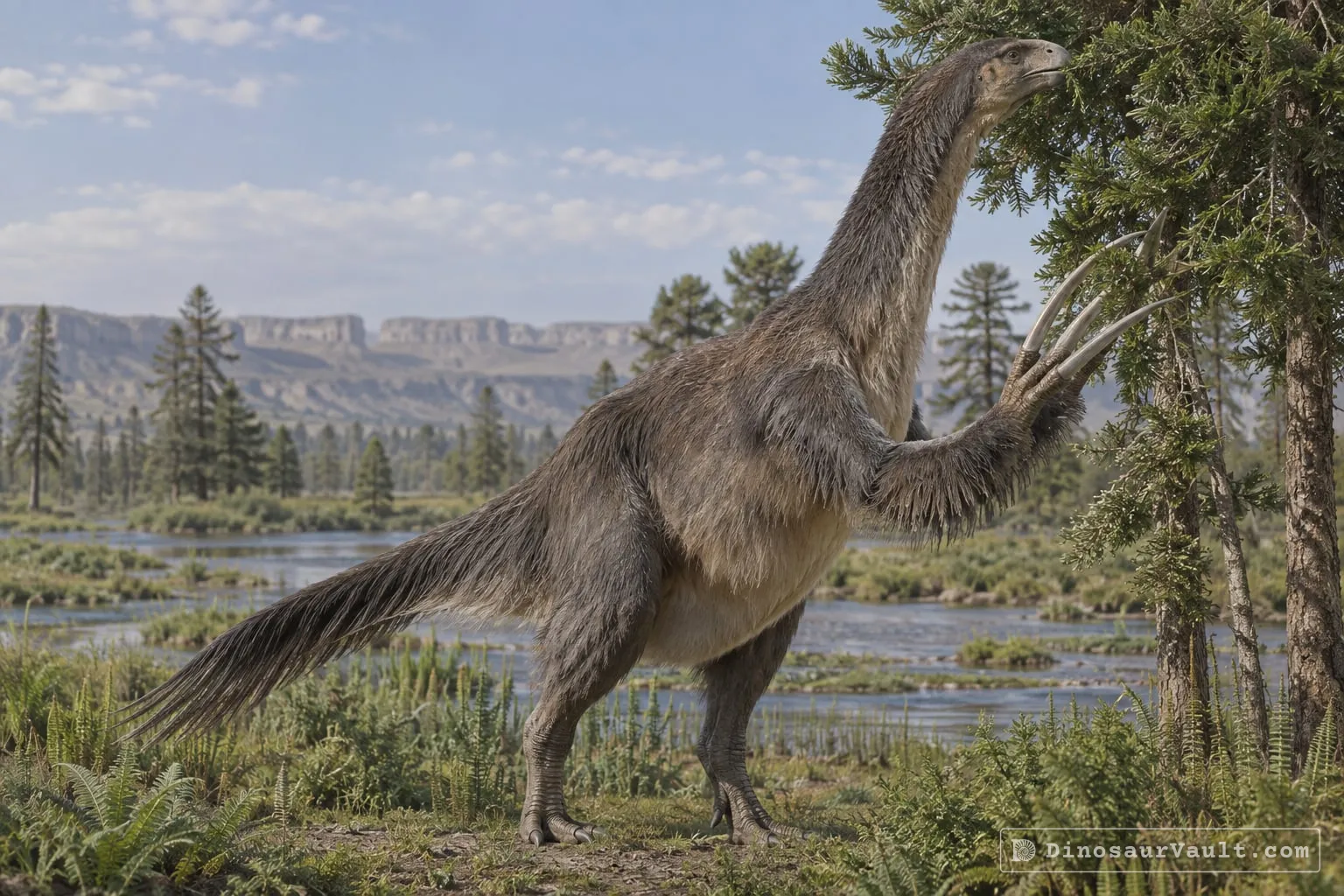
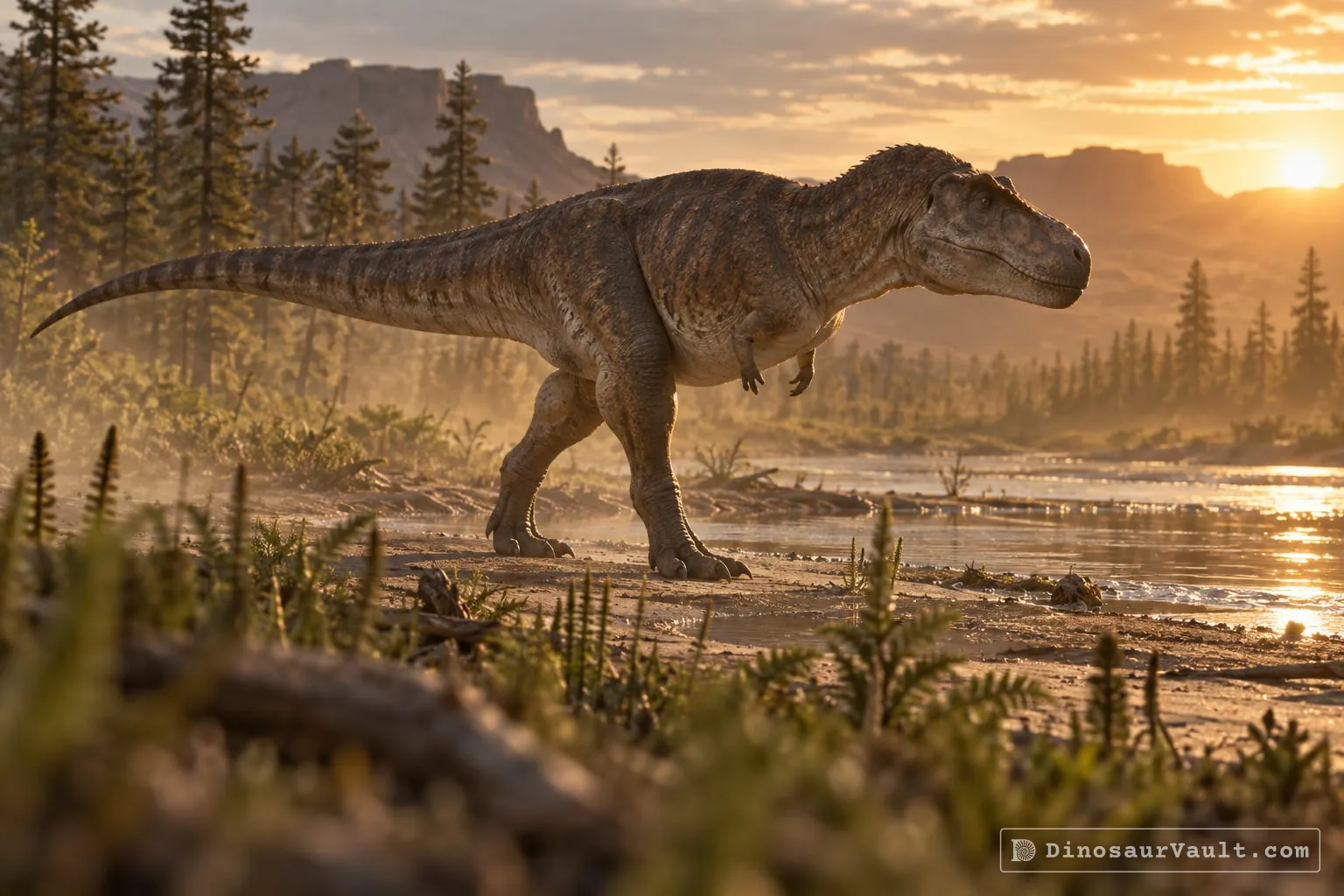
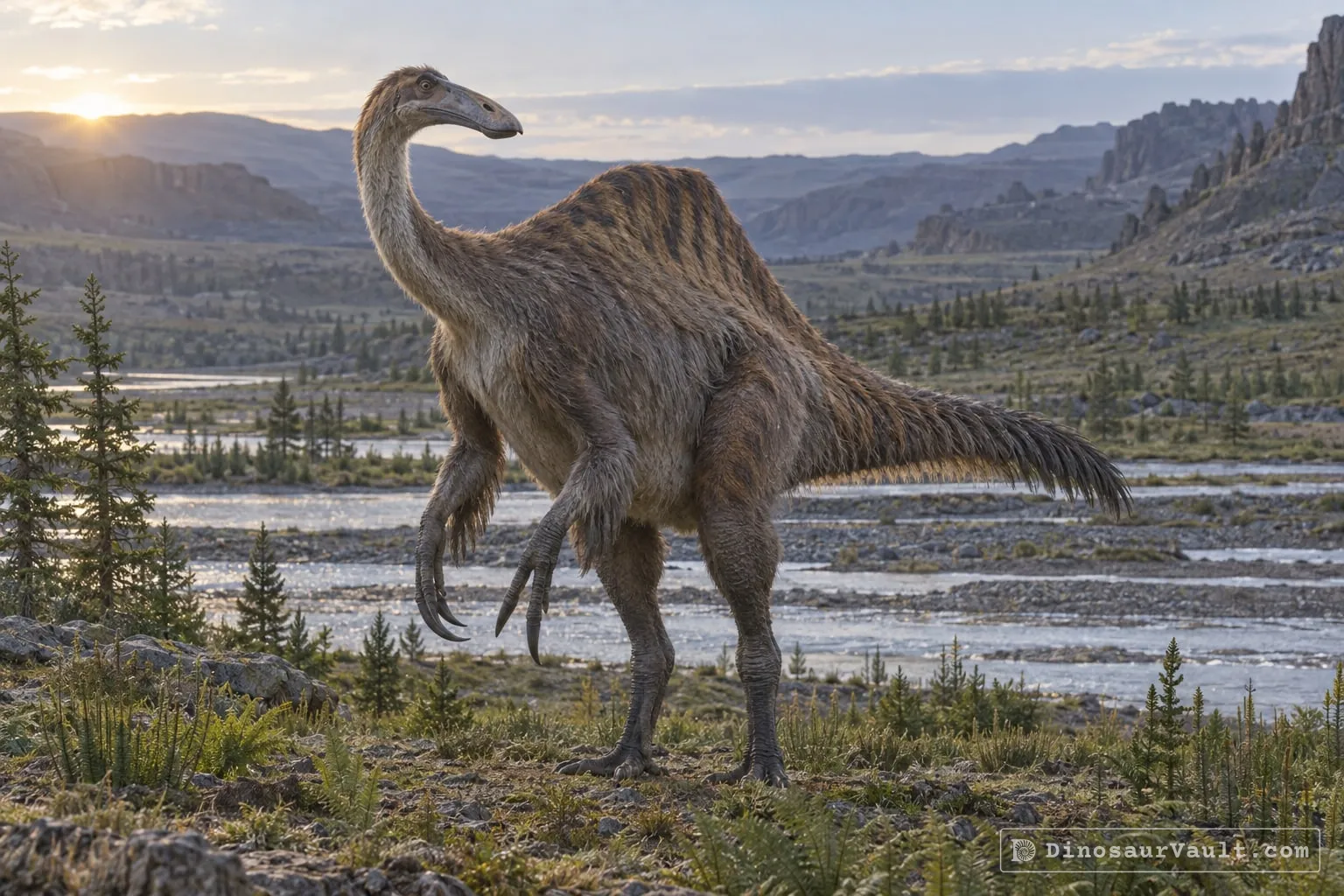
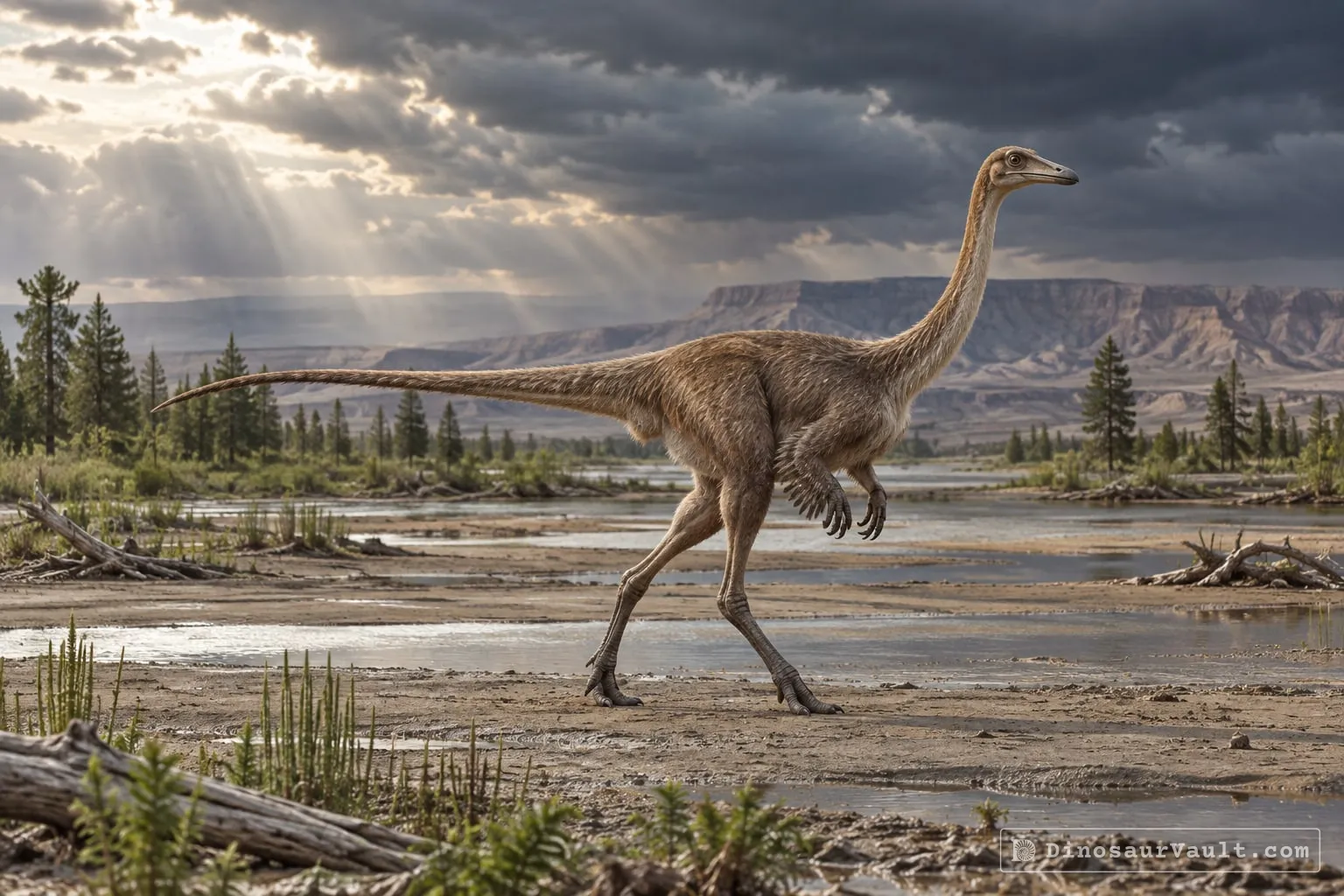
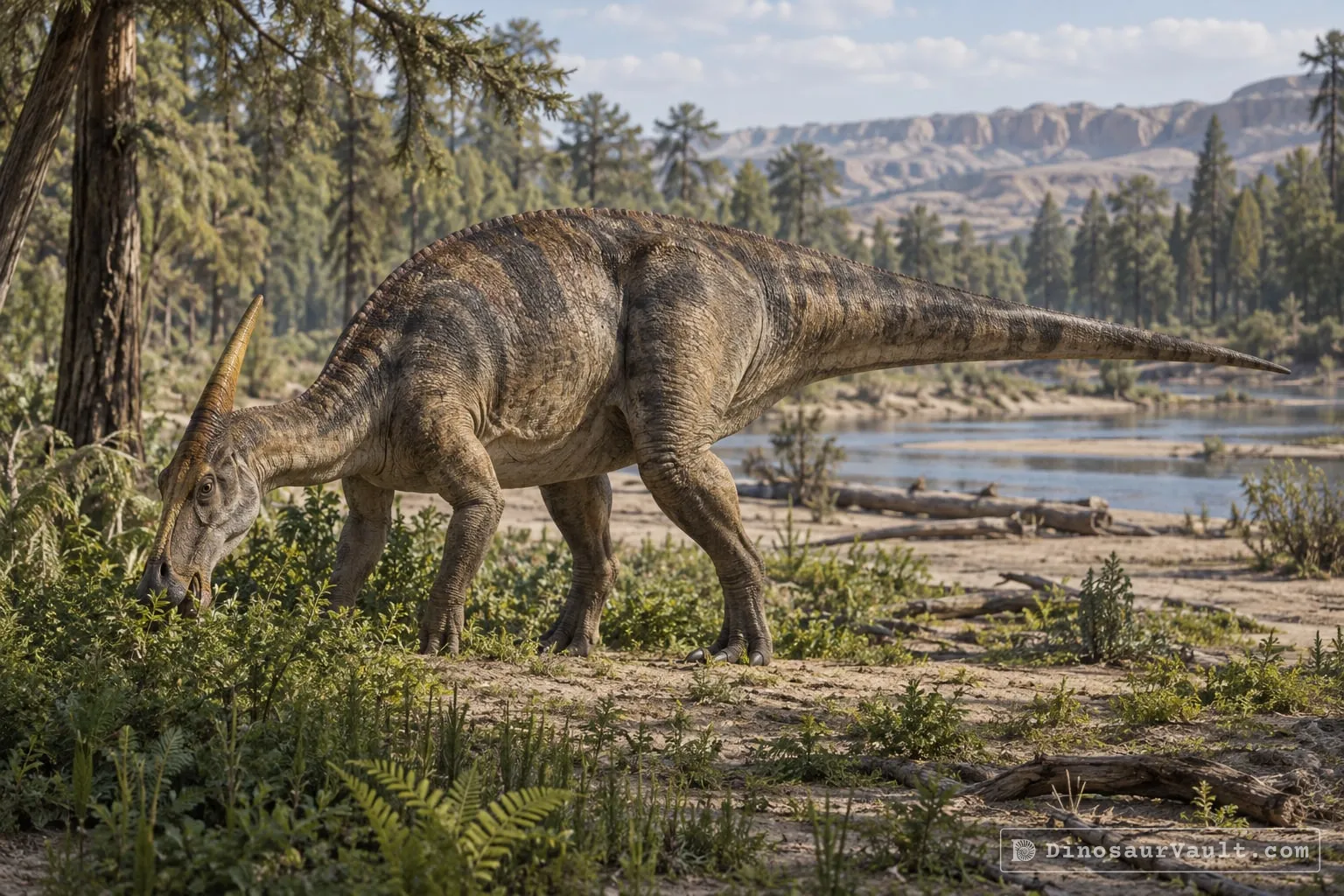
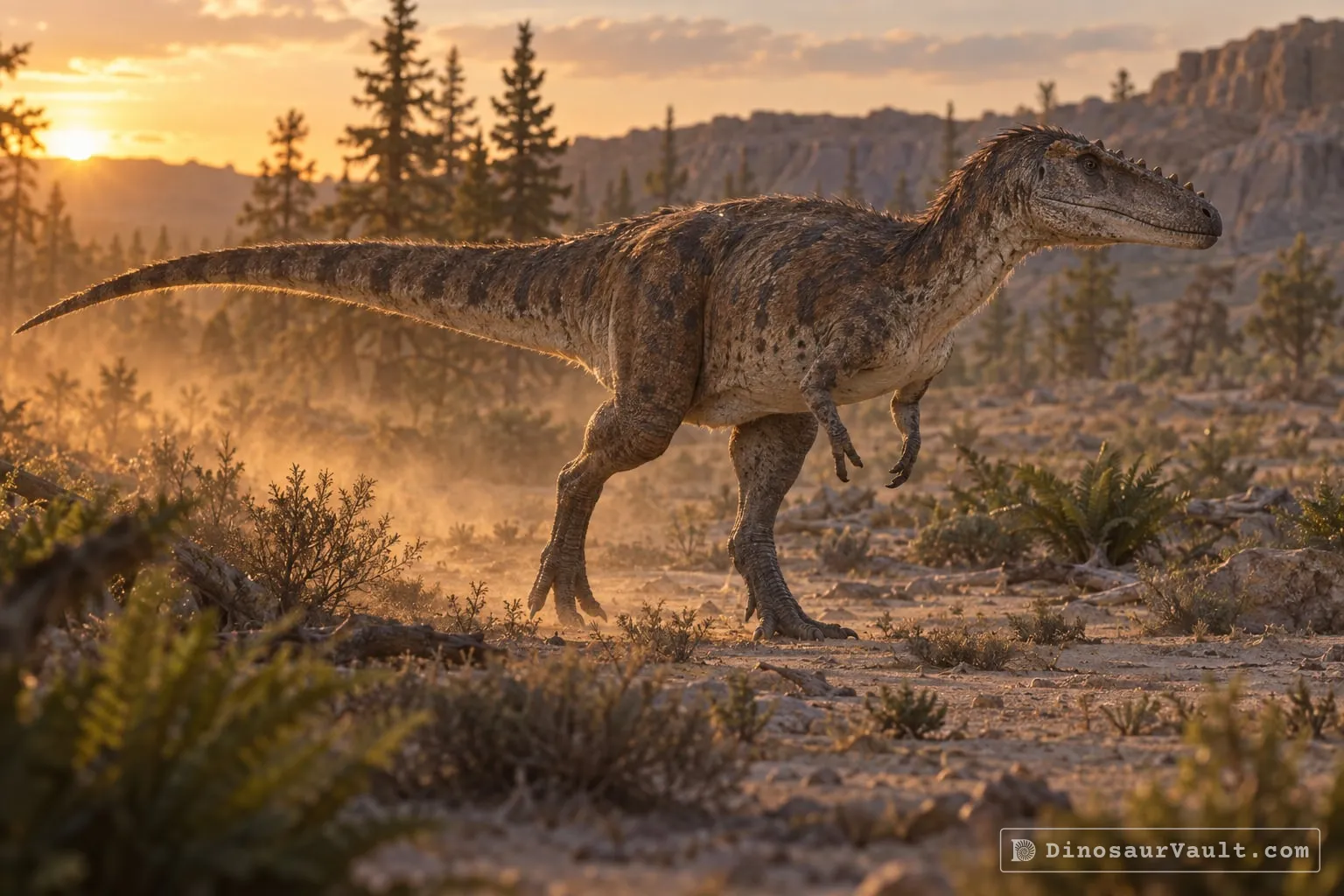
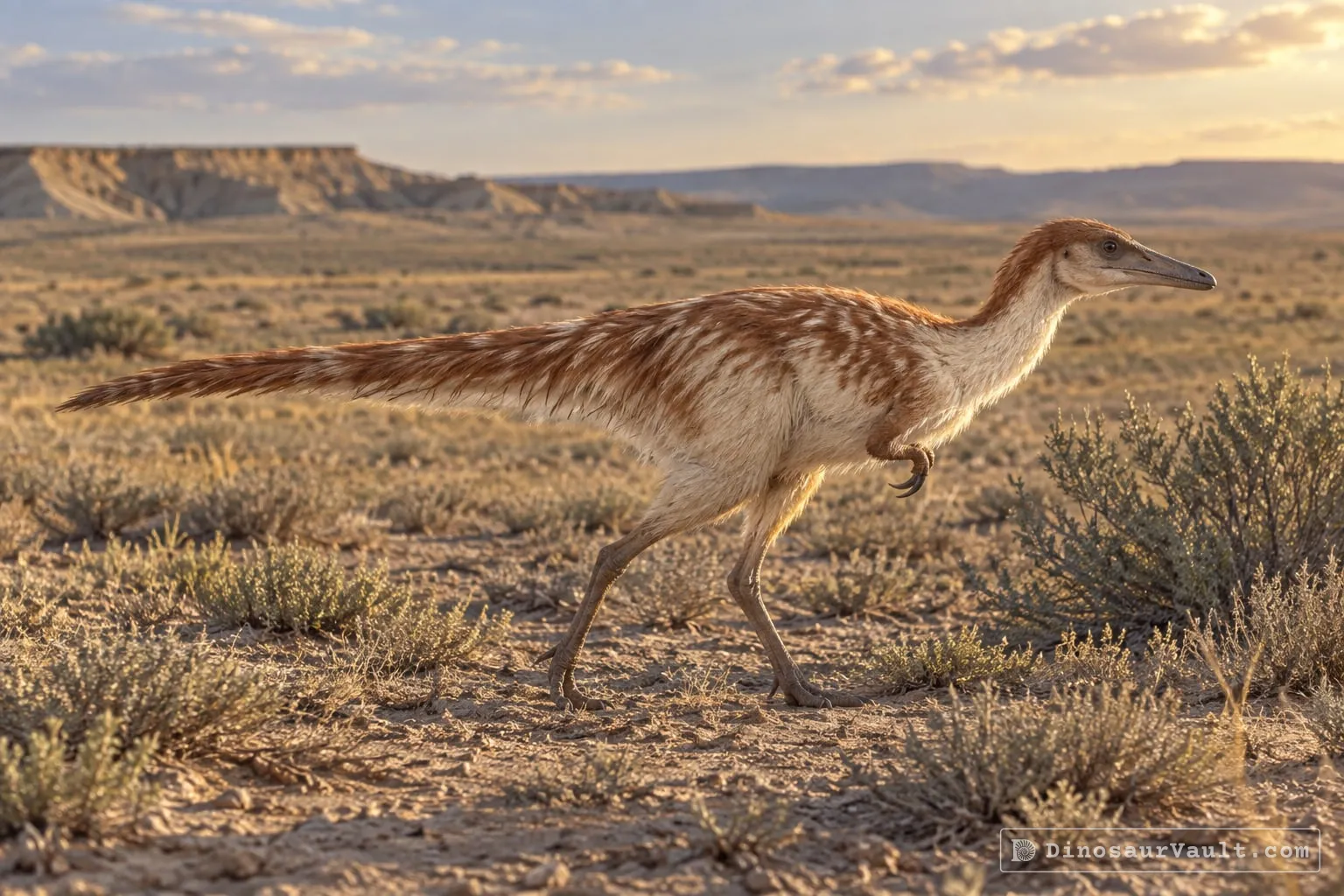


A rock formation can hold fossils laid down millions of years apart, so not every animal here met Rinchenia.
The evidence
The science behind Rinchenia
Which parts of the picture come from its own bones, and which come from its relatives.
From its own fossils
- A skeleton preserves the skull, backbone and much of the limbs, including a tall, rounded crest built mainly from the nasal bones.
- Its jaws were toothless, and its preserved toes carried short, strongly curved claws.
Borrowed from relatives
- Missing hands and the tail tip are restored with help from other oviraptorids such as Citipati.
- Feathers on Caudipteryx support giving Rinchenia a feathered body, arm feathers and a tail fan.
Still unknown
- Its feather colors and the living outline of its crest.
- Whether the tail ended in fused vertebrae.
- Its exact diet.
Discovery timeline
- 1997Named itBarsbold
- 1998Close relativeQiang et al.
- 2018RedescriptionFunston et al.
Key papers
The research behind what we know of Rinchenia
Named it
Separated Rinchenia from Oviraptor on the basis of its distinctive crest and skeleton.
Oviraptorosauria. The Encyclopedia of Dinosaurs.
No link available
Close relative
Described preserved feathers on Caudipteryx, including arm feathers and a tail fan, supporting feathered restorations of related oviraptorosaurs.
Two feathered dinosaurs from northeastern China. Nature 393: 753-761
Read the paper : Two feathered dinosaurs from northeastern China (opens in a new tab)Redescription
Restudied Rinchenia and other oviraptorosaurs, identifying distinctive skull and skeleton features and examining how the group shared its habitats.
Oviraptorosaur anatomy, diversity and ecology in the Nemegt Basin. Palaeogeography, Palaeoclimatology, Palaeoecology 494: 101-120
Read the paper : Oviraptorosaur anatomy, diversity and ecology in the Nemegt Basin (opens in a new tab)
Close relatives
Other members of Oviraptoridae


Sources: Wikidata