Khaan
"lord"
- Lived
- 84 to 72 million years ago, Late Cretaceous
- Diet
- Omnivore
- Length
- about 1.8 m (6 ft)
- Group
- Theropods, Oviraptoridae
- Found in
- Mongolia
- Named by
- Clark et al. 2001
Size comparison
To scale

Scale in metersOutline: typical theropod shape
Where its fossils were found
The evidence
Today

80 million years ago
Habitat
A sandy landscape with dunes in what is now Mongolia. Velociraptor, Protoceratops and Citipati also lived in the Djadokhta Formation.
Field notes
About Khaan
What it was like
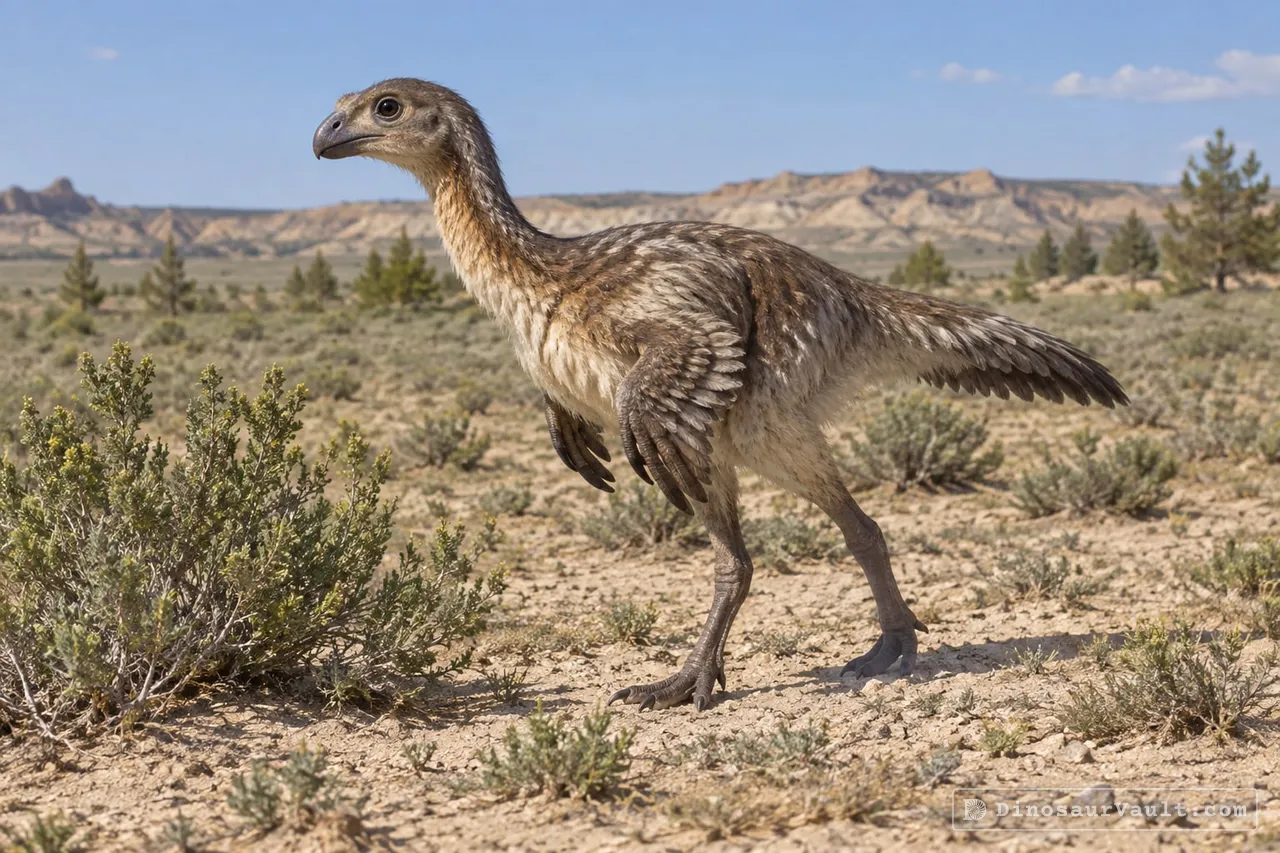
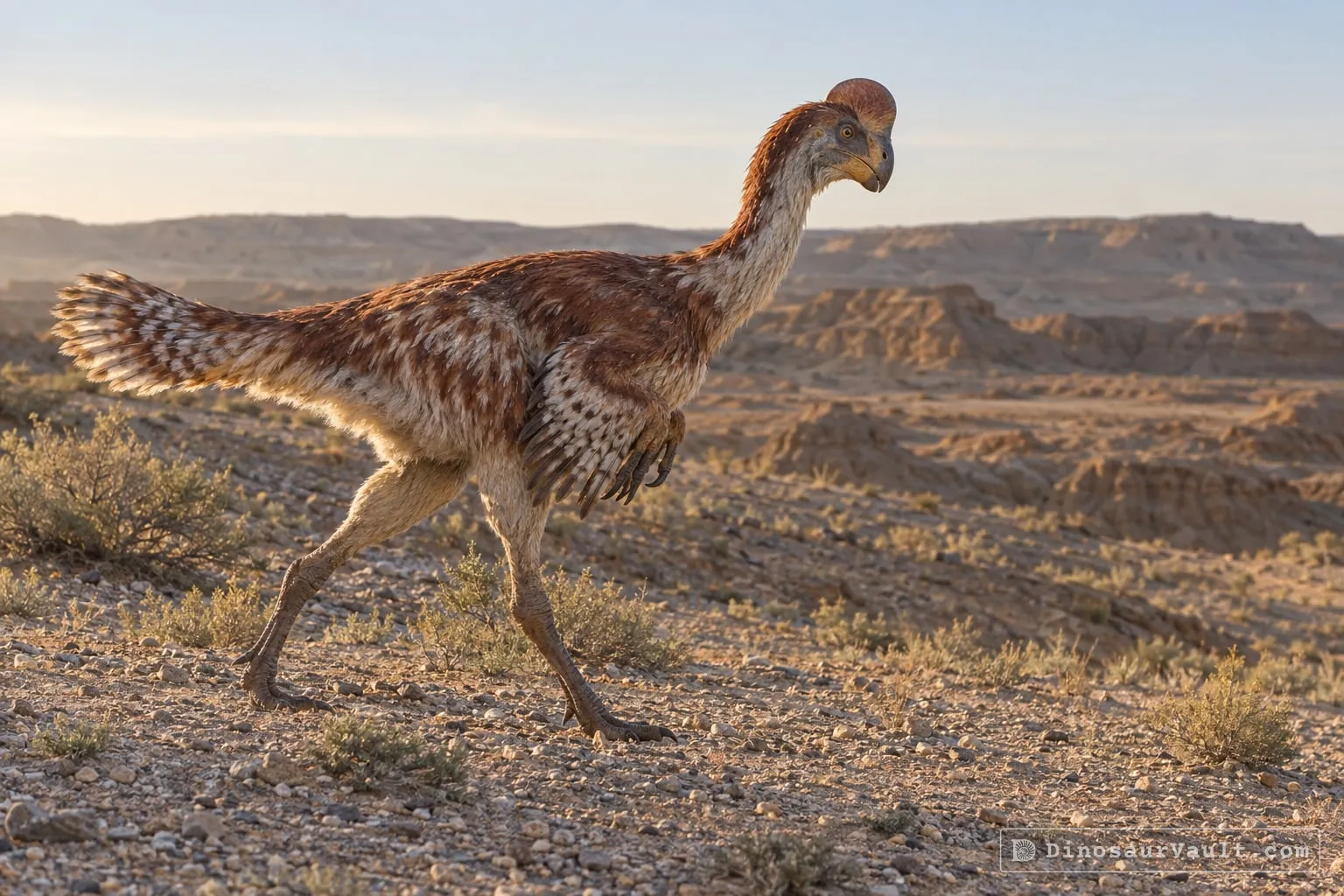
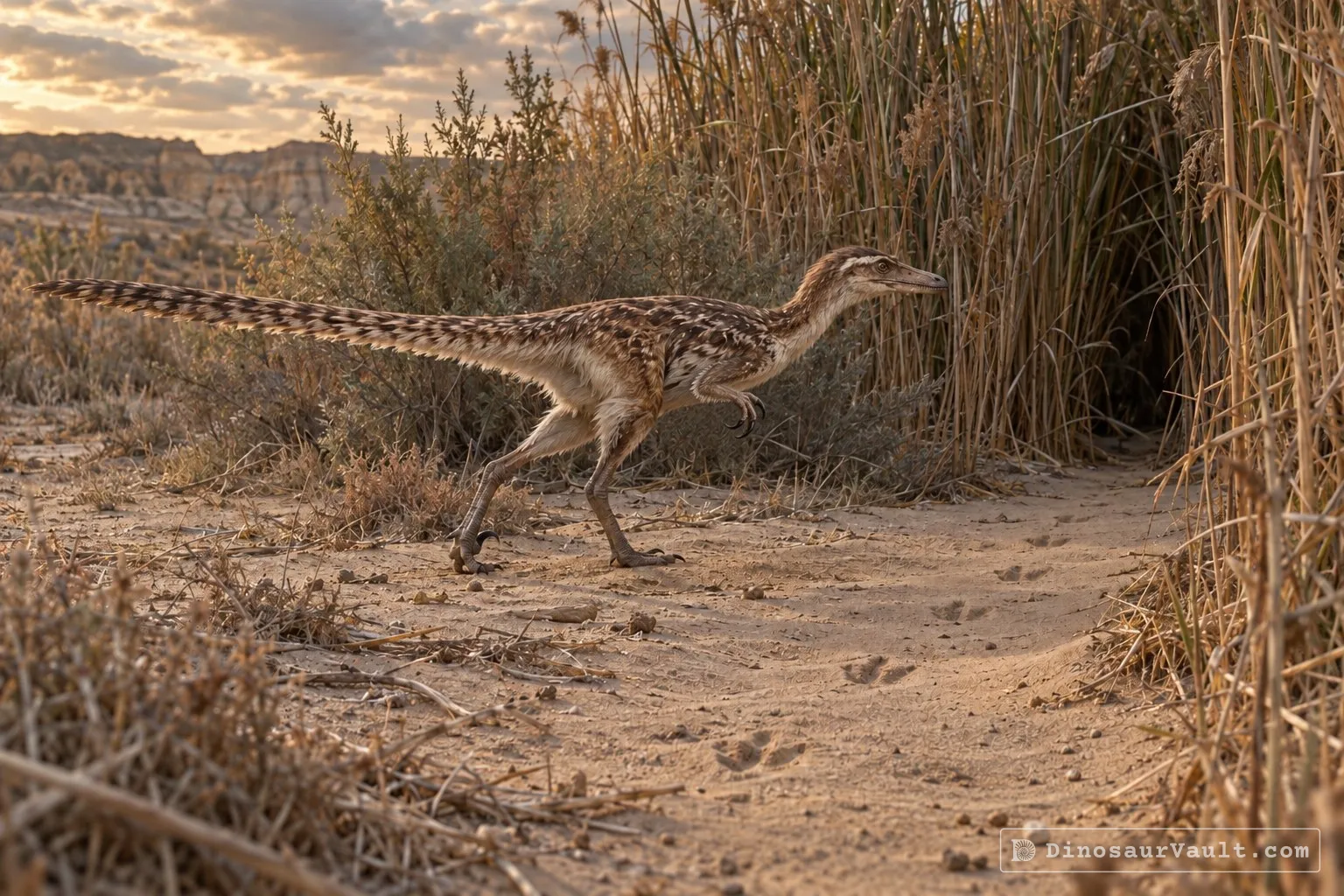
Khaan was a small oviraptorid about 1.8 meters (6 feet) long, a feathered theropod with a short, toothless beak. Unlike many relatives, it had no crest on its head.
Its world
It lived in the Late Cretaceous, in what is now Mongolia. It comes from the Djadokhta Formation, a sandy land shared with Velociraptor, Protoceratops, and its relatives Oviraptor and Citipati.
How it was found
Clark and colleagues named Khaan in 2001. Two skeletons found close together were once thought to be a pair, but both may be the same sex.
Field gallery
More views of Khaan
Scenes reconstructed from the available fossil evidence.
1 of 3
Lived alongside
Found in the same rock formations
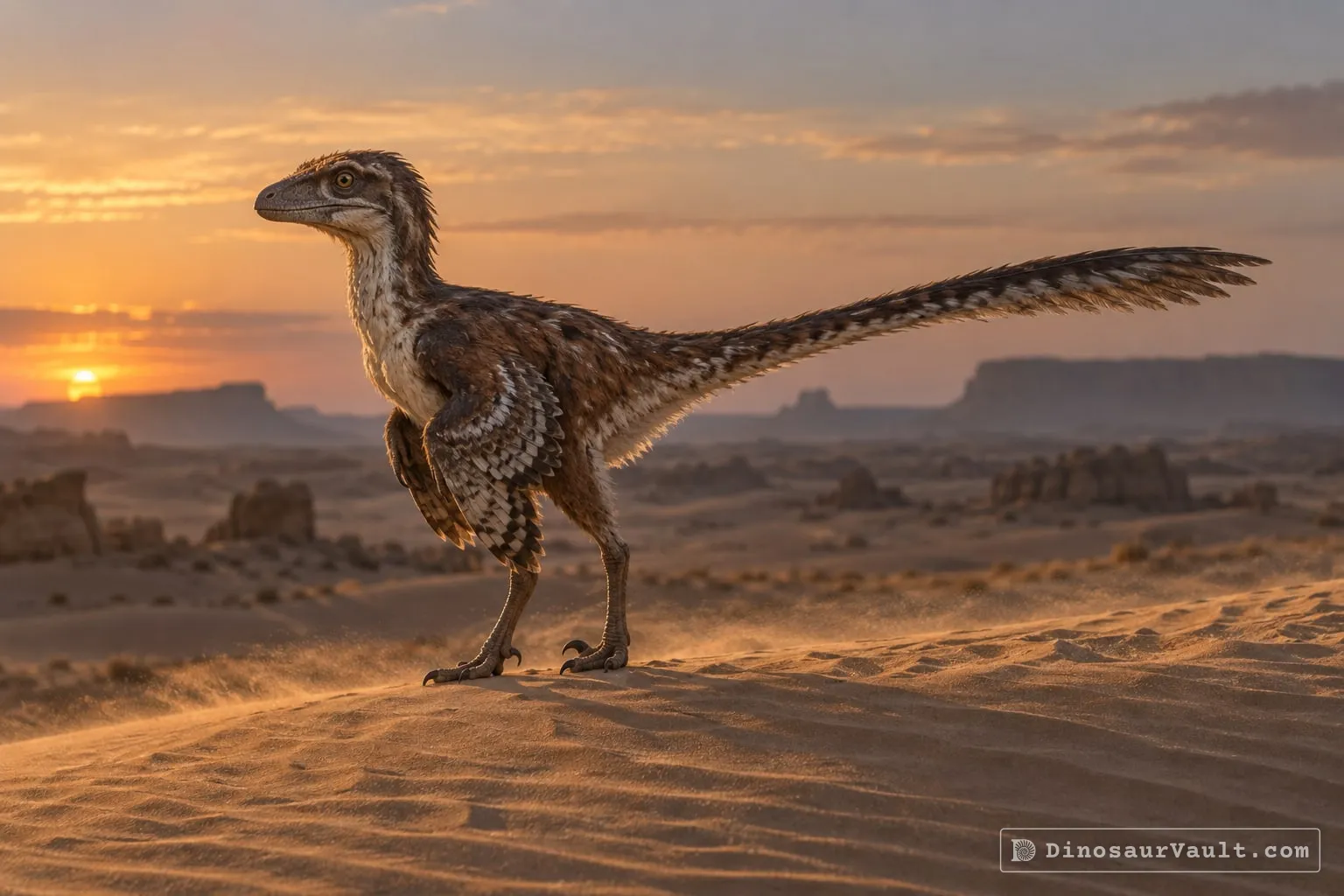
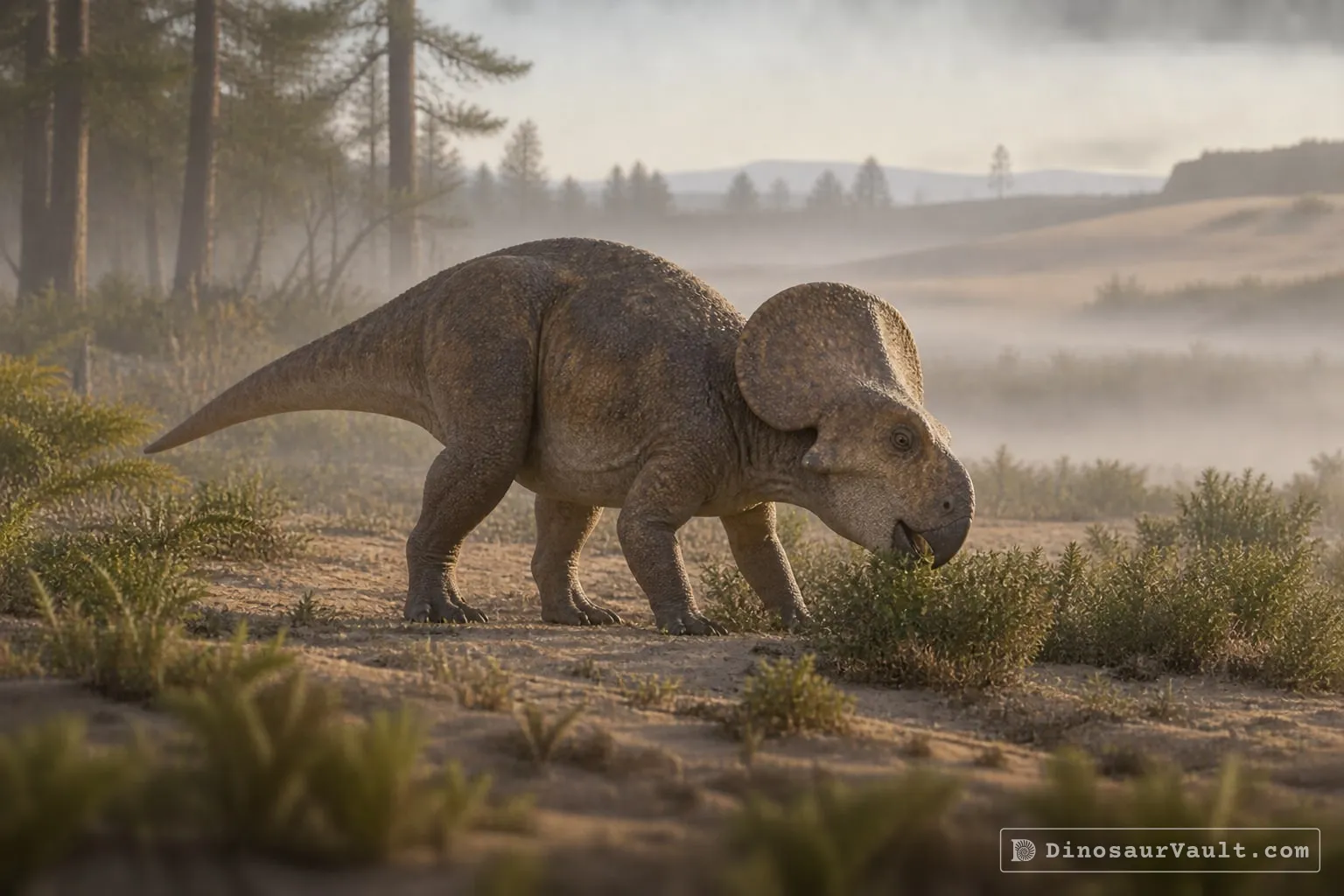
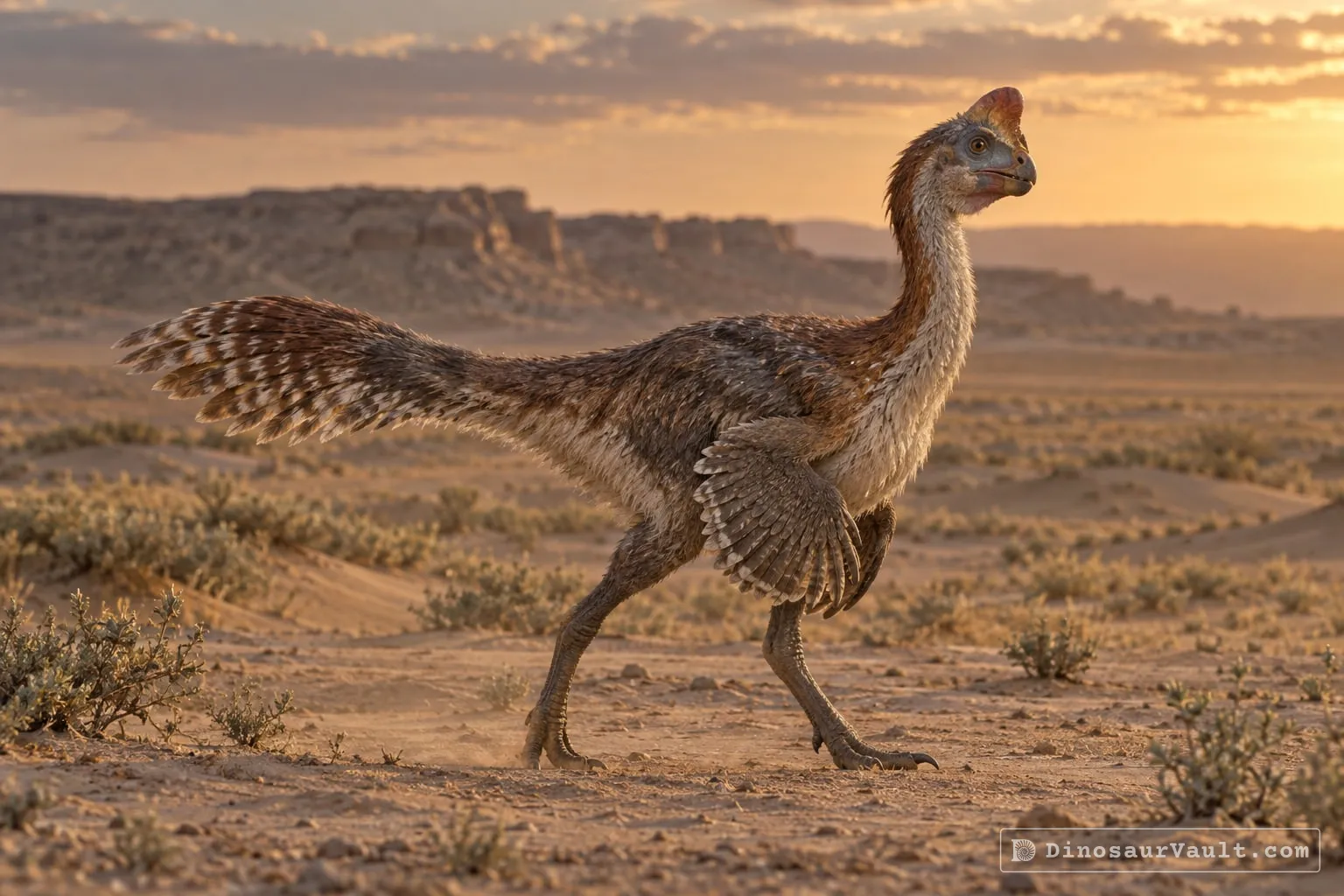
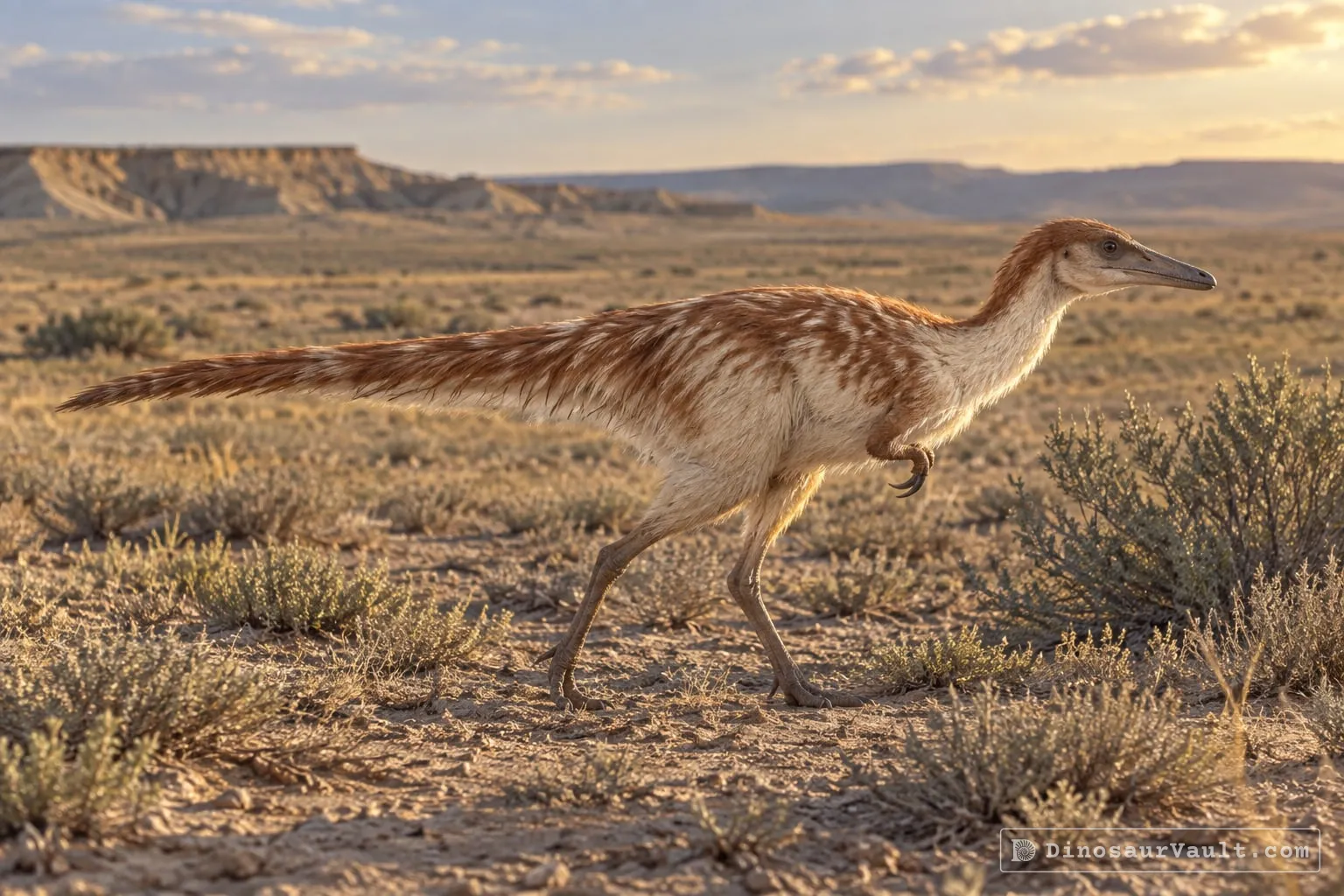
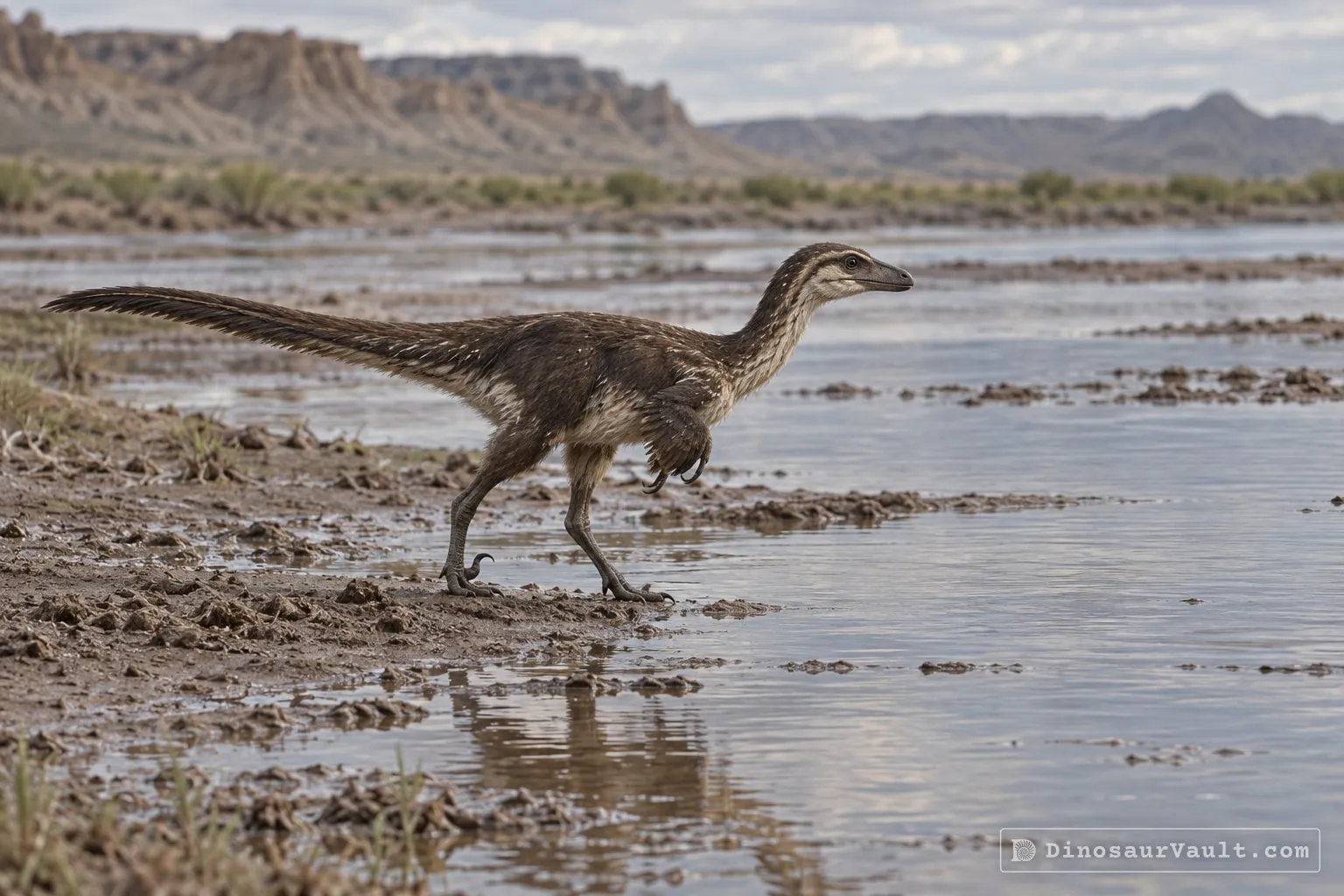
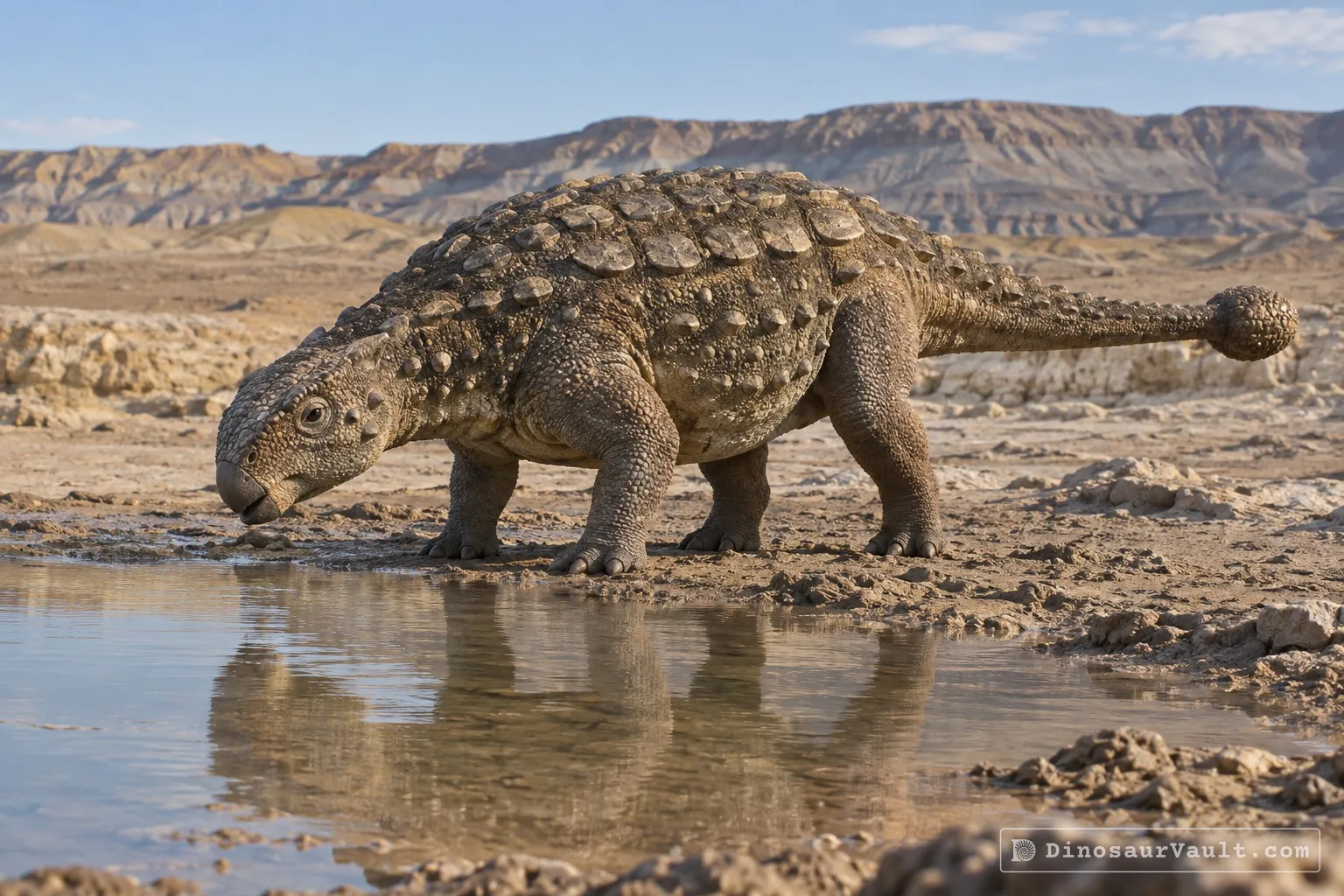


A rock formation can hold fossils laid down millions of years apart, so not every animal here met Khaan.
The evidence
The science behind Khaan
Which parts of the picture come from its own bones, and which come from its relatives.
From its own fossils
- Nearly complete skeletons preserve the skull, limbs, backbone and tail.
- Its skull has toothless jaws, narrow nostril openings and no tall bony crest.
- Skeletons found close together have differently shaped bones beneath the base of the tail.
Borrowed from relatives
- Almost the whole body is known from its own bones, so its basic shape needs little borrowing from relatives.
Still unknown
- What it ate most often.
- Its feather colors and the shape of its feather coat.
- Whether the differences in its tail bones separate males from females.
Discovery timeline
- 2001Named itClark, Norell & Barsbold
- 2012Full descriptionBalanoff & Norell
Key papers
The research behind what we know of Khaan
Named it
Named Khaan and Citipati as distinct oviraptorids, using differences in their skulls and hands.
Two new oviraptorids (Theropoda: Oviraptorosauria), Upper Cretaceous Djadokhta Formation, Ukhaa Tolgod, Mongolia. Journal of Vertebrate Paleontology 21: 209-213
Read the paper : Two new oviraptorids (Theropoda: Oviraptorosauria), Upper Cretaceous Djadokhta Formation, Ukhaa Tolgod, Mongolia (opens in a new tab)Full description
Described the skull and skeleton in detail, providing the main account of Khaan anatomy and comparisons with other oviraptorosaurs.
Osteology of Khaan mckennai (Oviraptorosauria: Theropoda). Bulletin of the American Museum of Natural History 372: 1-77
Read the paper : Osteology of Khaan mckennai (Oviraptorosauria: Theropoda) (opens in a new tab)
Close relatives
Other members of Oviraptoridae


Sources: Wikidata