Conchoraptor
"conch robber"
Type species Conchoraptor gracilis
- Lived
- 84 to 72 million years ago, Late Cretaceous
- Diet
- Omnivore
- Length
- about 1.5 m (5 ft)
- Group
- Theropods, Oviraptoridae
- Found in
- Mongolia
- Named by
- Barsbold 1986
Size comparison
To scale

Scale in metersOutline: typical theropod shape
Where its fossils were found
The evidence
Today

80 million years ago
Habitat
It lived in a dry landscape with sand dunes in what is now Mongolia. The Baruungoyot Formation also preserves Saichania, Tarchia and Nemegtomaia.
Field notes
About Conchoraptor
What it was like
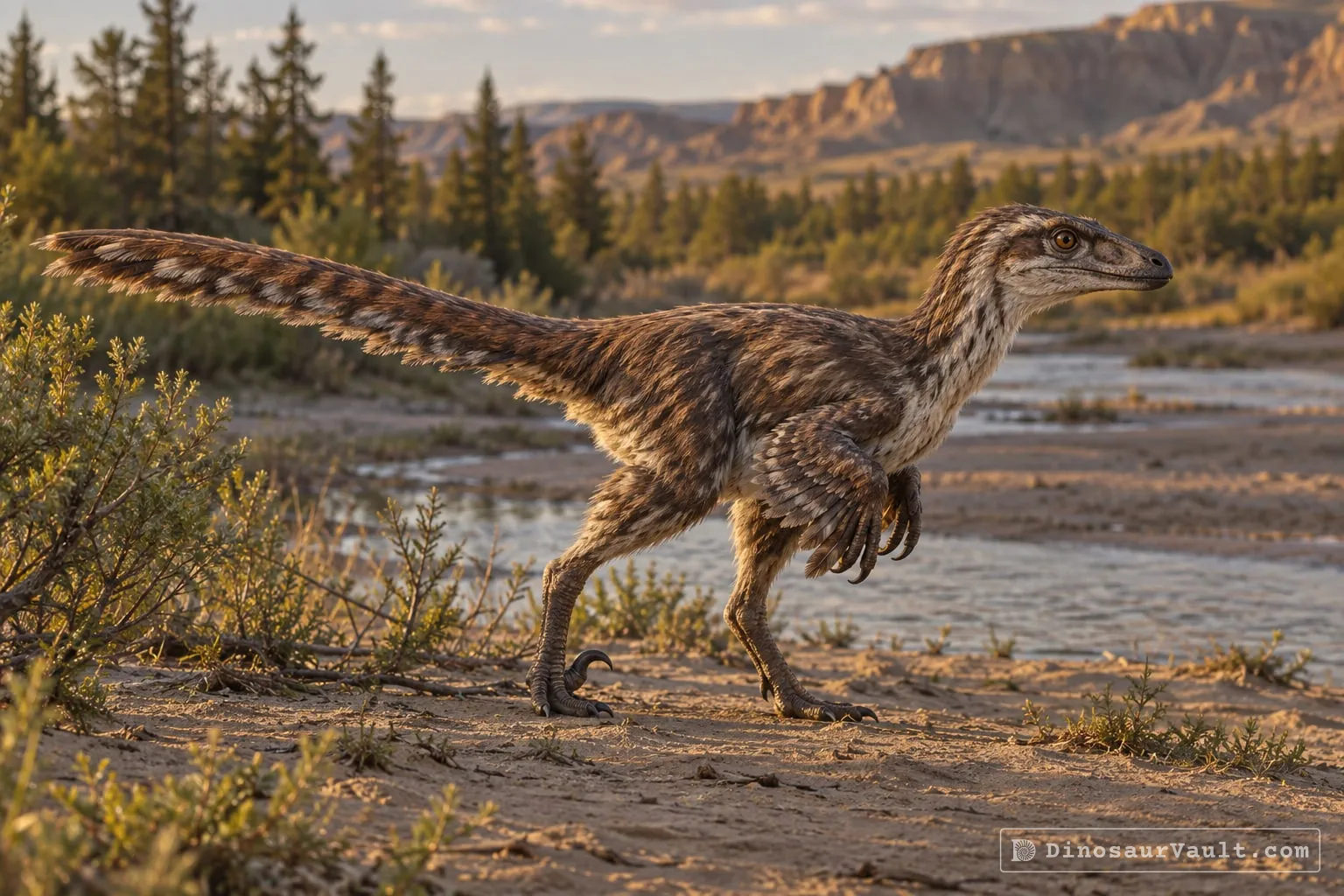
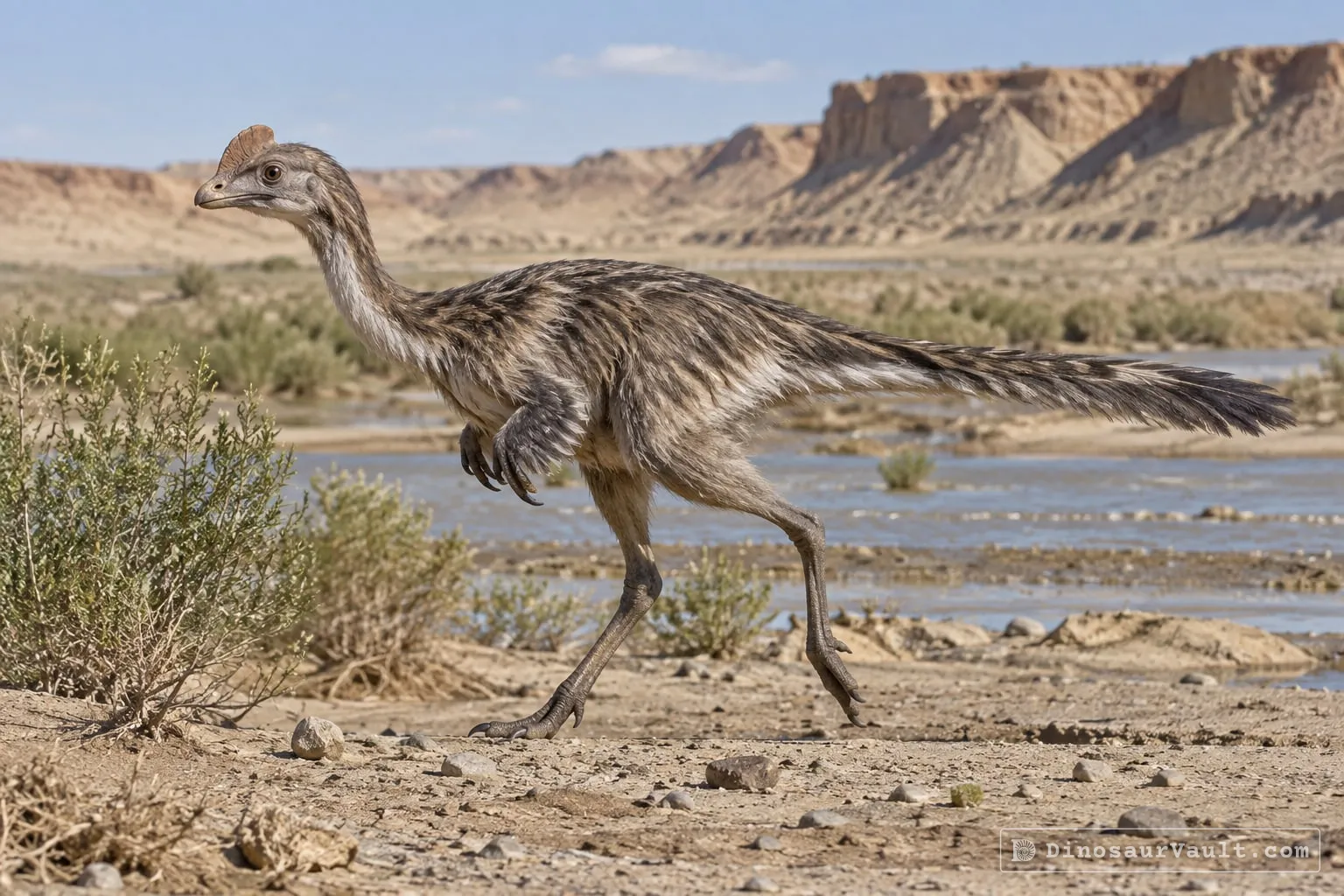
Conchoraptor was a small oviraptor about 1.5 meters (5 feet) long, with a toothless beak and no crest on its head. Its strong beak may have been used to crack shells, which gave it its name, though its diet is not known for sure.
Its world
It lived in the Late Cretaceous in what is now Mongolia. Its bones come from the Baruungoyot Formation, where it shared the land with the armored Saichania and Tarchia.
How it was found
Barsbold named Conchoraptor in 1986. Two finds are known, both with skulls.
Field gallery
More views of Conchoraptor
Scenes reconstructed from the available fossil evidence.
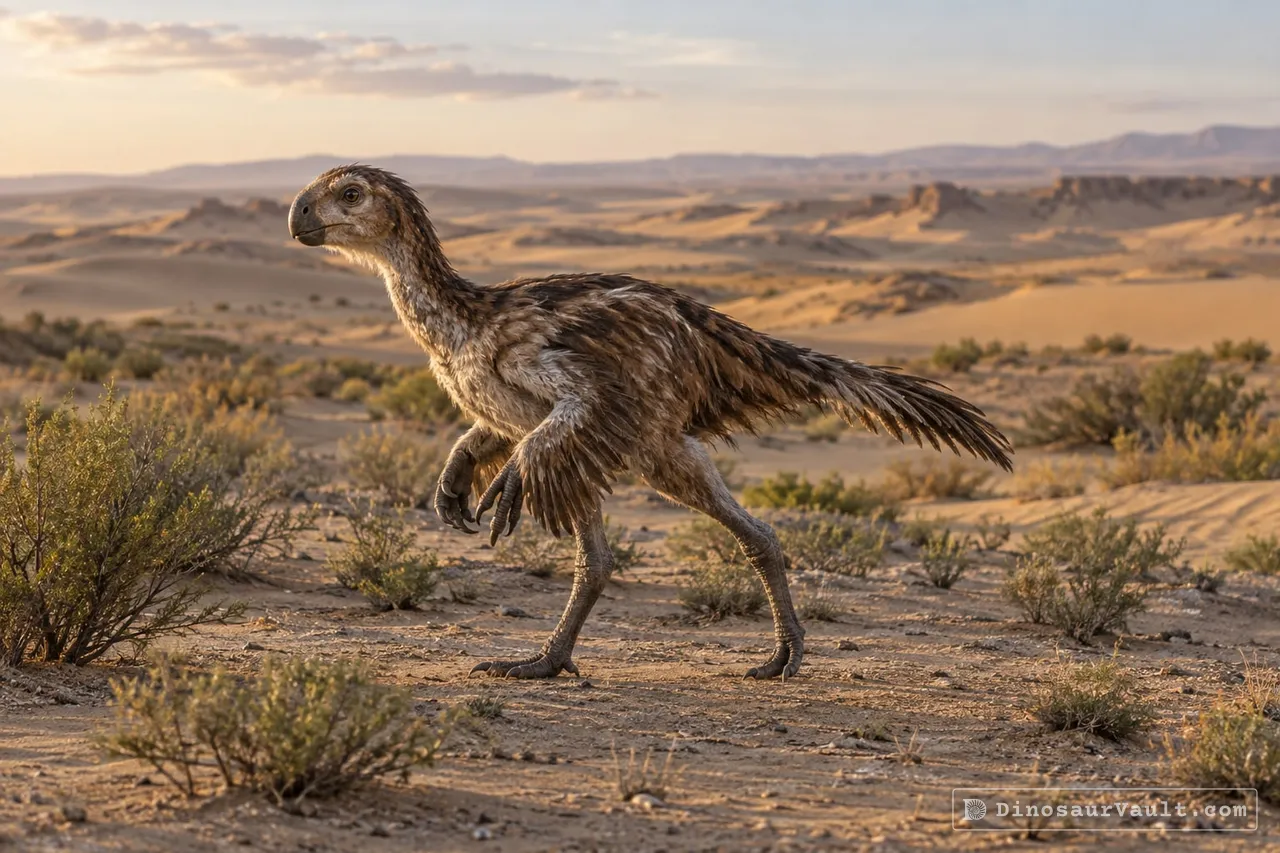
1 of 3
Lived alongside
Found in the same rock formations
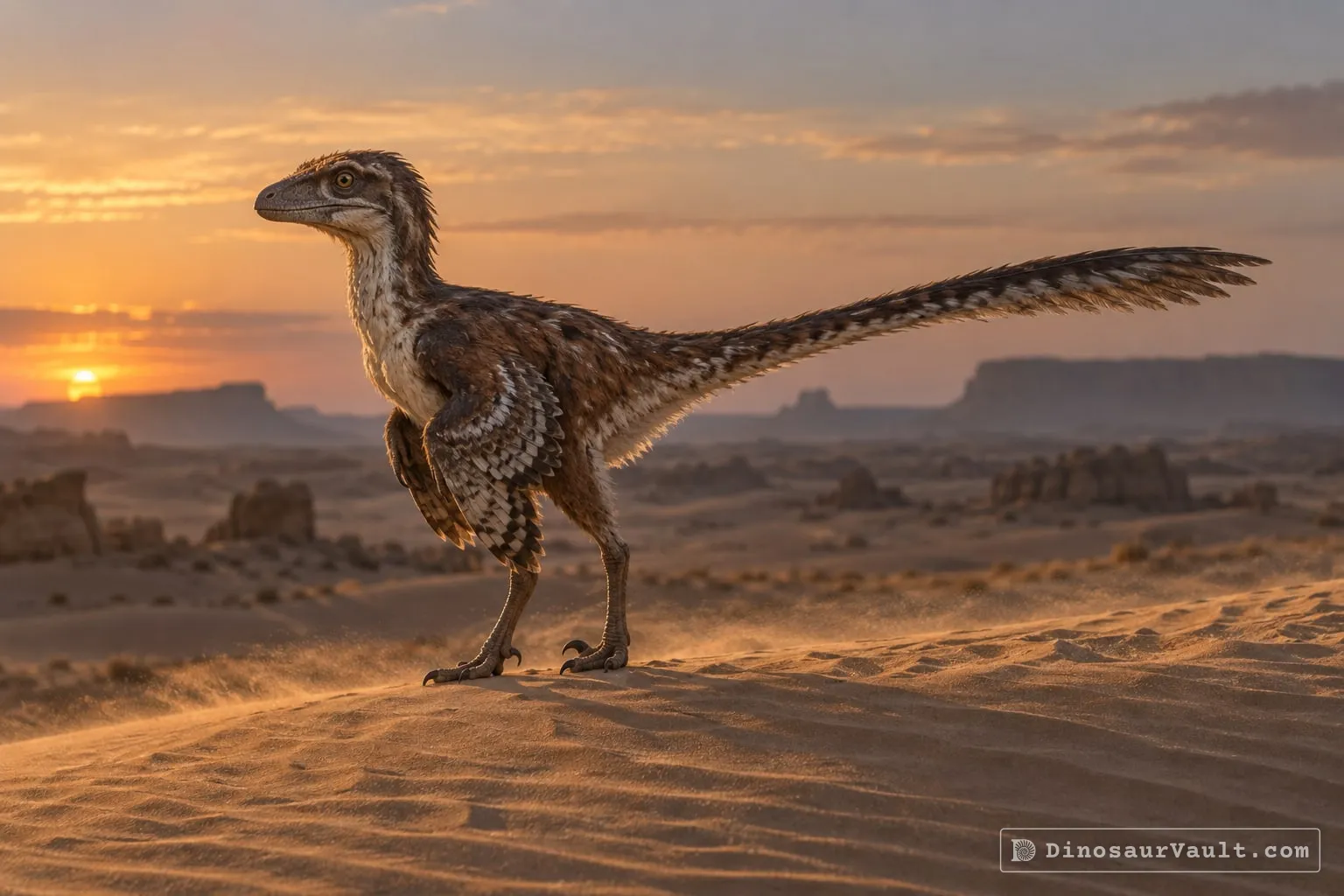
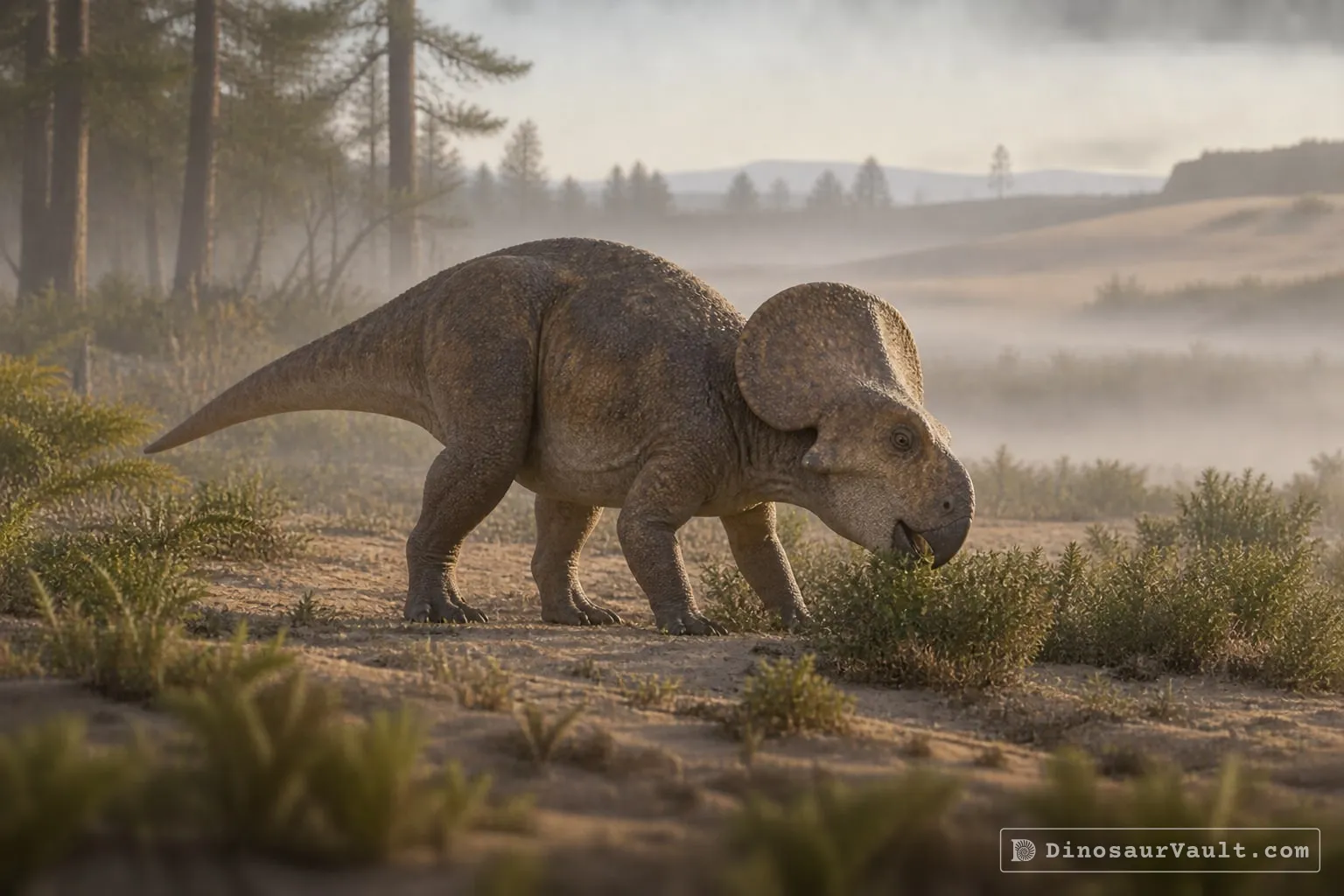
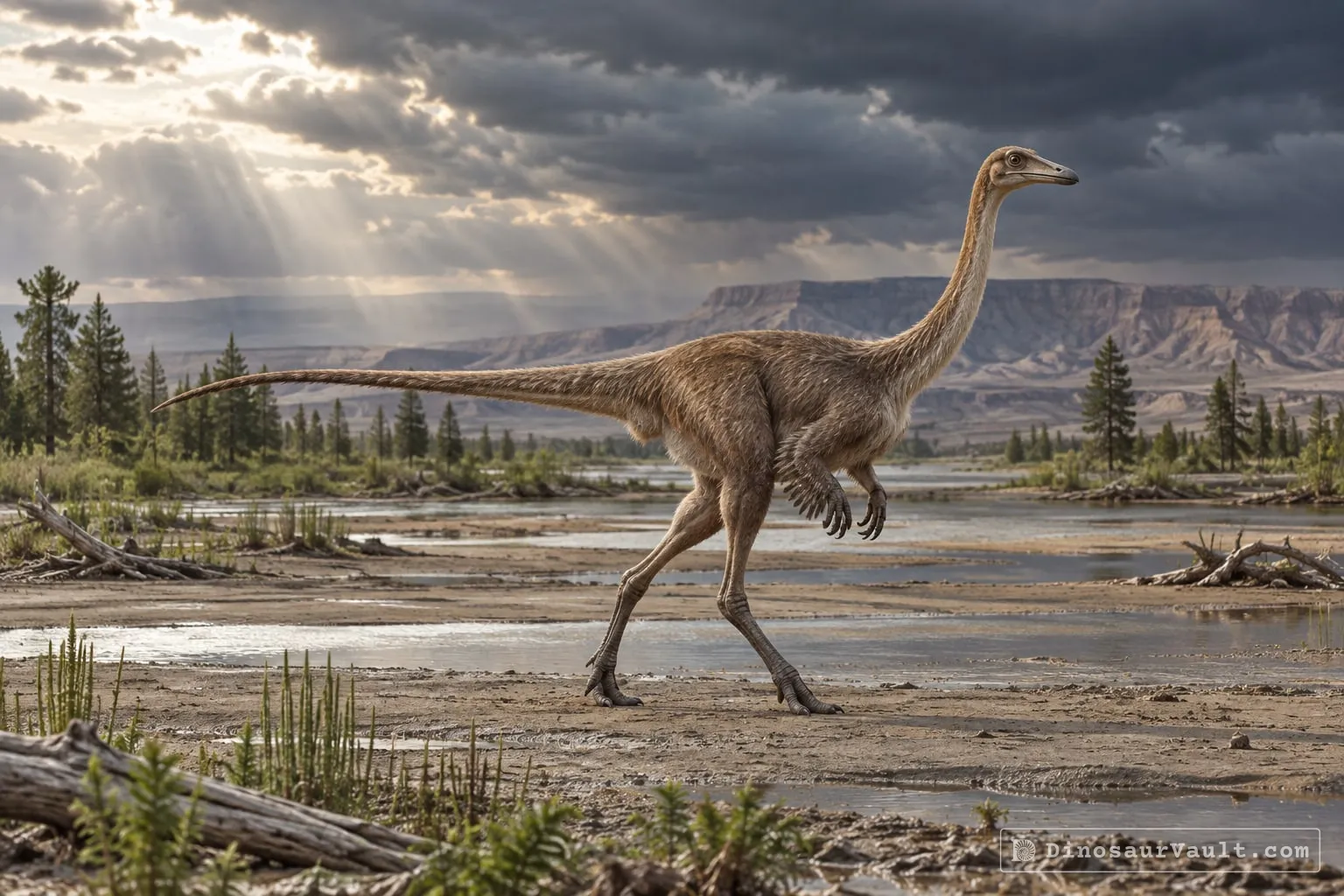
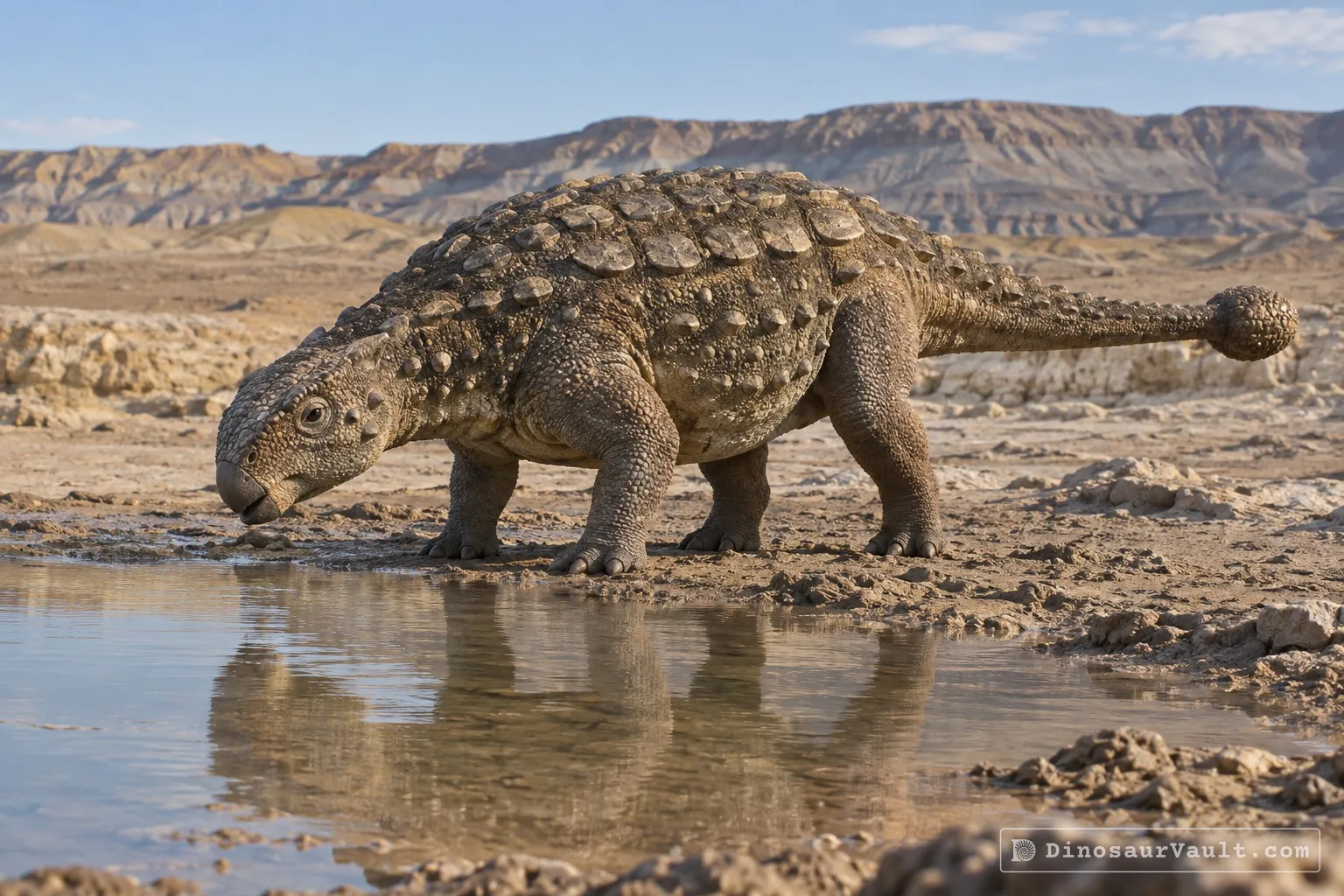
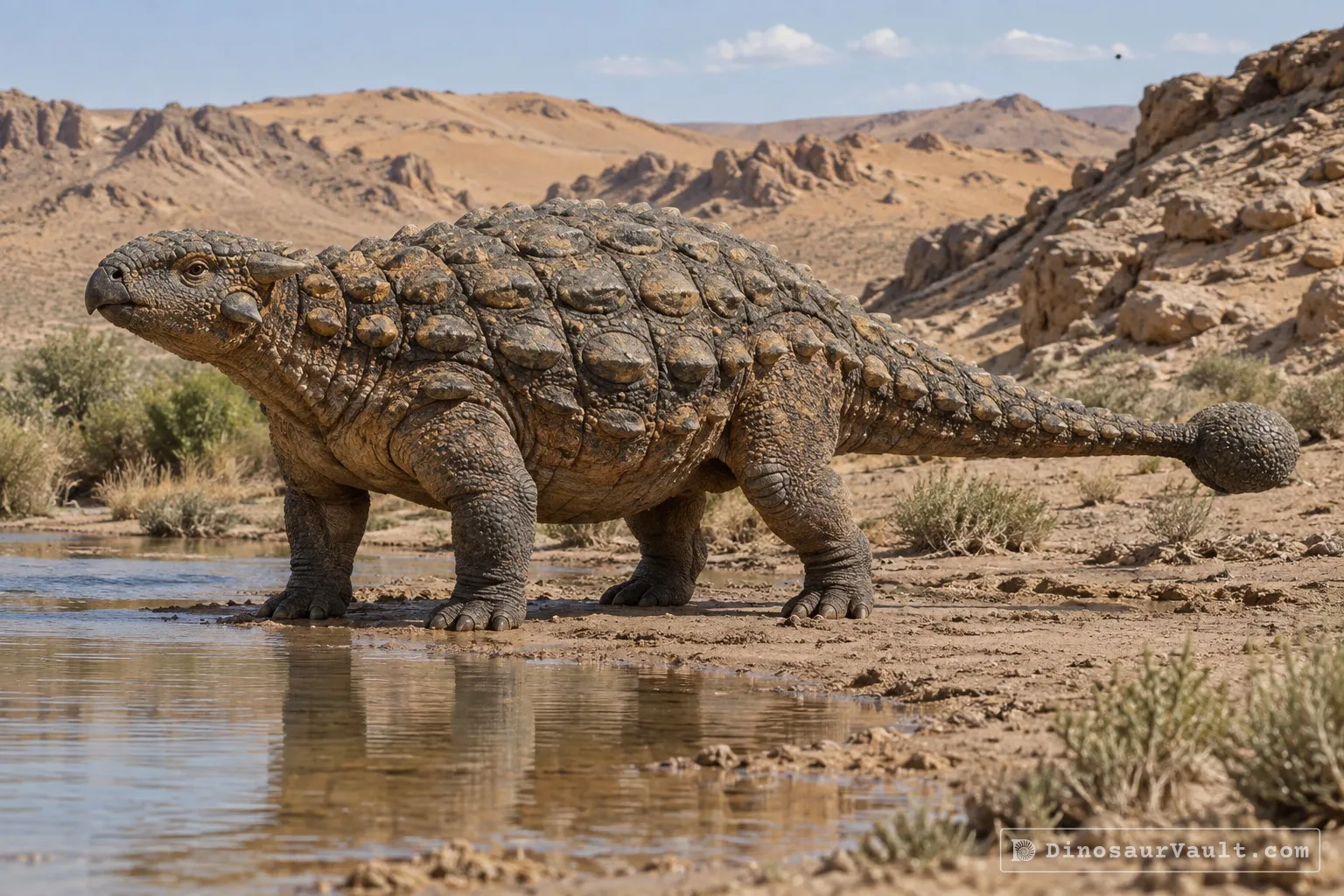
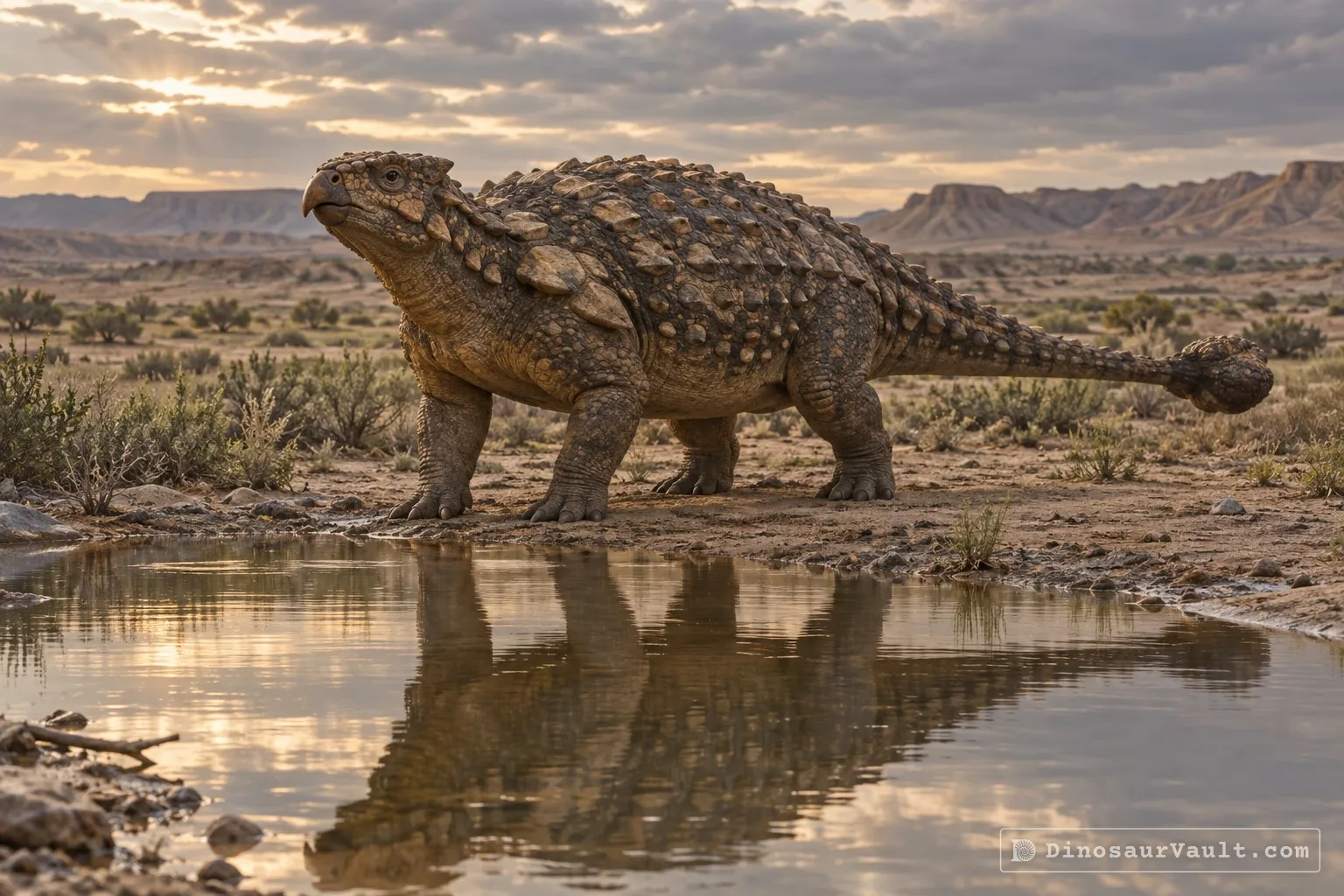


A rock formation can hold fossils laid down millions of years apart, so not every animal here met Conchoraptor.
The evidence
The science behind Conchoraptor
Which parts of the picture come from its own bones, and which come from its relatives.
From its own fossils
- Skulls show a toothless beak and no tall crest like that of some other oviraptorids.
- Well-preserved skeletons reveal much of the neck, backbone, arms and legs.
- Scans reveal extensive air spaces inside the skull, including passages joining the middle ears.
Borrowed from relatives
- Much of its head and body can be restored from its own skulls and skeletons rather than borrowed from relatives.
Still unknown
- Which foods made up most of its diet.
- Its color and feather pattern.
- How quickly its young grew.
Discovery timeline
- 1986Named it
- 2007SkullKundrát & Janáček
- 2007SkullKundrát
- 2012Same rocksFanti, Currie & Badamgarav
- 2025Full descriptionFoster, Norell & Balanoff
Key papers
The research behind what we know of Conchoraptor
Skull
Mapped air-filled spaces connecting the middle ears, suggesting sensitivity to low sounds and their direction.
Cranial pneumatization and auditory perceptions of the oviraptorid dinosaur Conchoraptor gracilis (Theropoda, Maniraptora) from the Late Cretaceous of Mongolia. Naturwissenschaften 94: 769-778
Read the paper : Cranial pneumatization and auditory perceptions of the oviraptorid dinosaur Conchoraptor gracilis (Theropoda, Maniraptora) from the Late Cretaceous of Mongolia (opens in a new tab)Skull
Reconstructed the brain cavity from scans and found several similarities to the brains of birds.
Avian-like attributes of a virtual brain model of the oviraptorid theropod Conchoraptor gracilis. Naturwissenschaften 94: 499-504
Read the paper : Avian-like attributes of a virtual brain model of the oviraptorid theropod Conchoraptor gracilis (opens in a new tab)Same rocks
Described Nemegtomaia in both dune and river deposits, documenting the dry landscape of the rocks that also preserve Conchoraptor.
New Specimens of Nemegtomaia from the Baruungoyot and Nemegt Formations (Late Cretaceous) of Mongolia. PLoS ONE 7: e31330
Read the paper : New Specimens of Nemegtomaia from the Baruungoyot and Nemegt Formations (Late Cretaceous) of Mongolia (opens in a new tab)Full description
Described well-preserved young skeletons and clarified differences between Conchoraptor, Heyuannia and Khaan.
Two New Specimens of Conchoraptor gracilis (Theropoda: Oviraptorosauria) from the Late Cretaceous of Mongolia. American Museum Novitates 2025: 1-66
Read the paper : Two New Specimens of Conchoraptor gracilis (Theropoda: Oviraptorosauria) from the Late Cretaceous of Mongolia (opens in a new tab)
Close relatives
Other members of Oviraptoridae


Sources: Wikidata