Outline: a typical theropod
Limusaurus
LIM-oo-SORE-us
"mud lizard"
- Lived
- 162 to 155 million years ago, Late Jurassic
- Diet
- Carnivore
- Group
- Theropods, Noasauridae
- Found in
- China
- Named by
- Xu et al. 2009
Where its fossils were found
The evidence
Today

160 million years ago
Field notes
About Limusaurus
What it was like
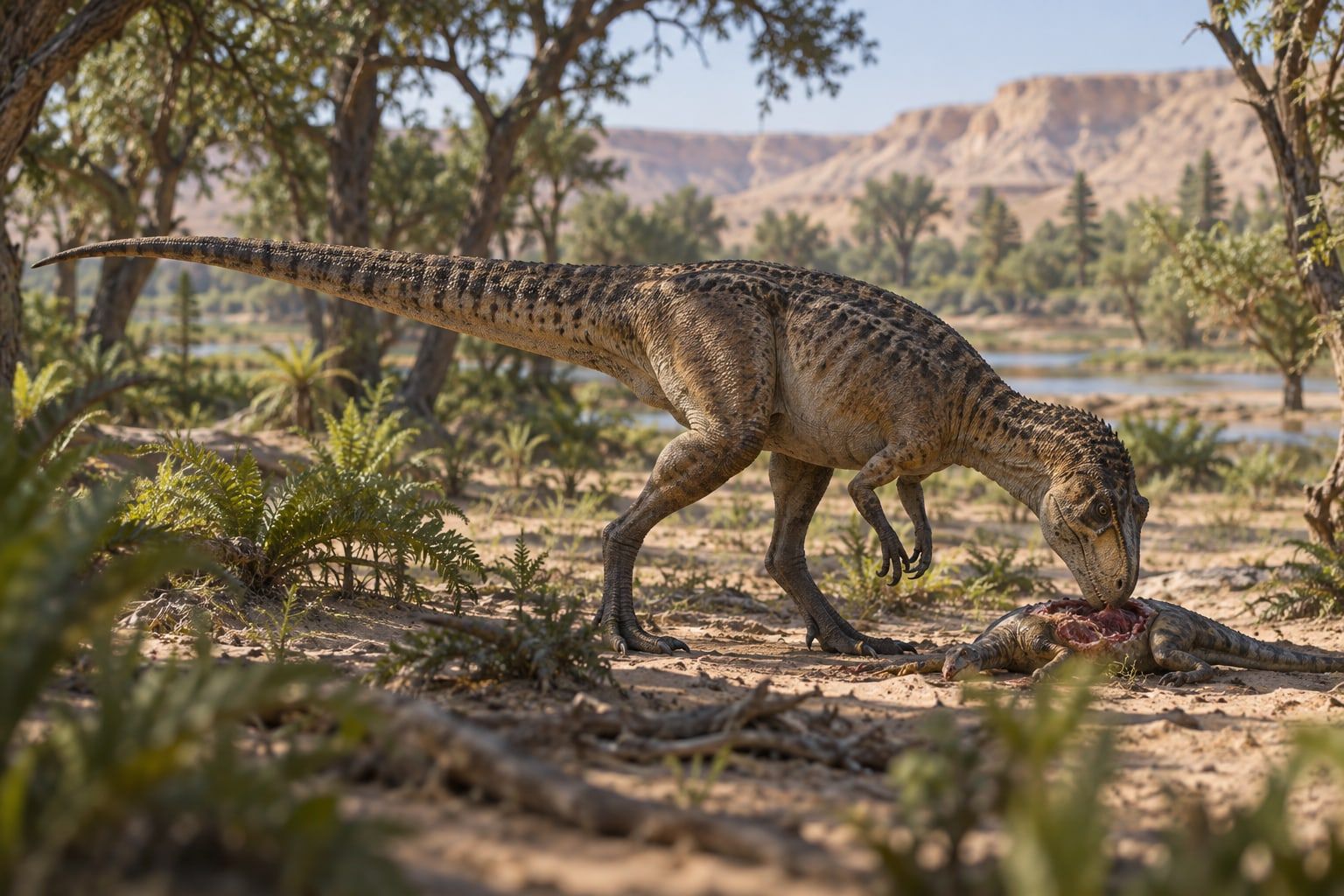
Limusaurus was a small, slender theropod with a long neck, long legs and tiny arms. Young animals had teeth, but adults lost them and had a toothless beak instead. This change suggests that adults probably ate plants, even though they came from a line of meat eaters.
Its world
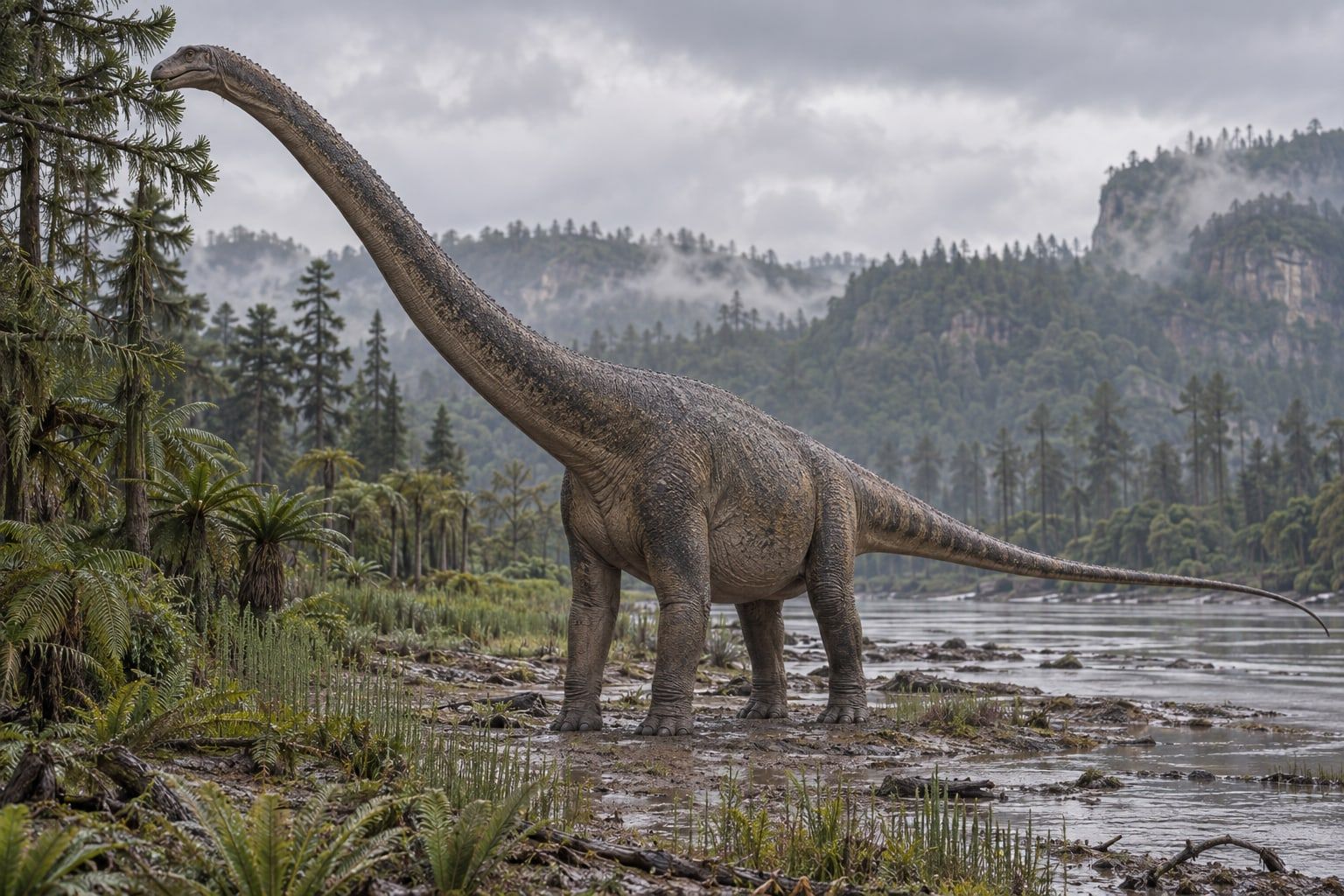
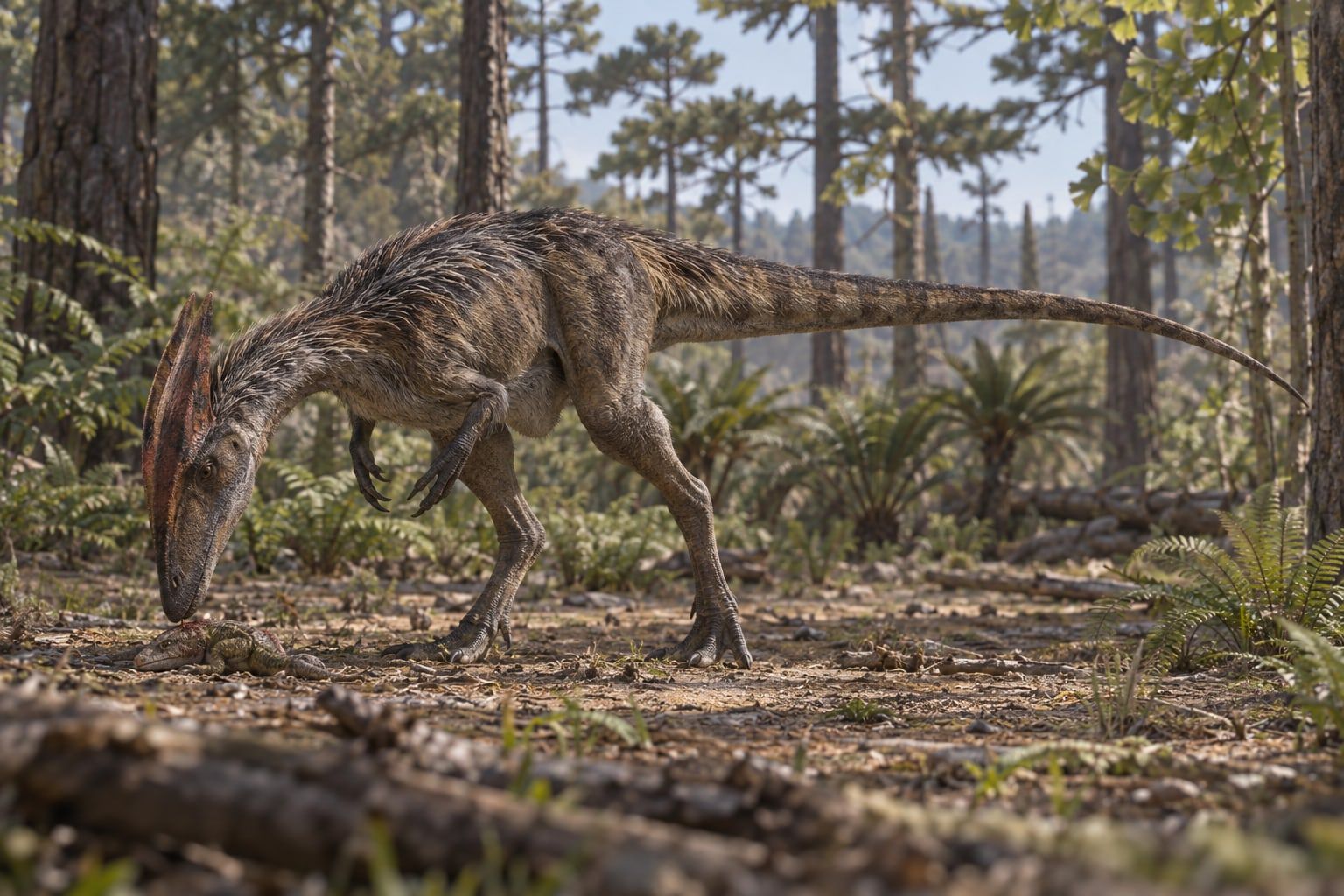
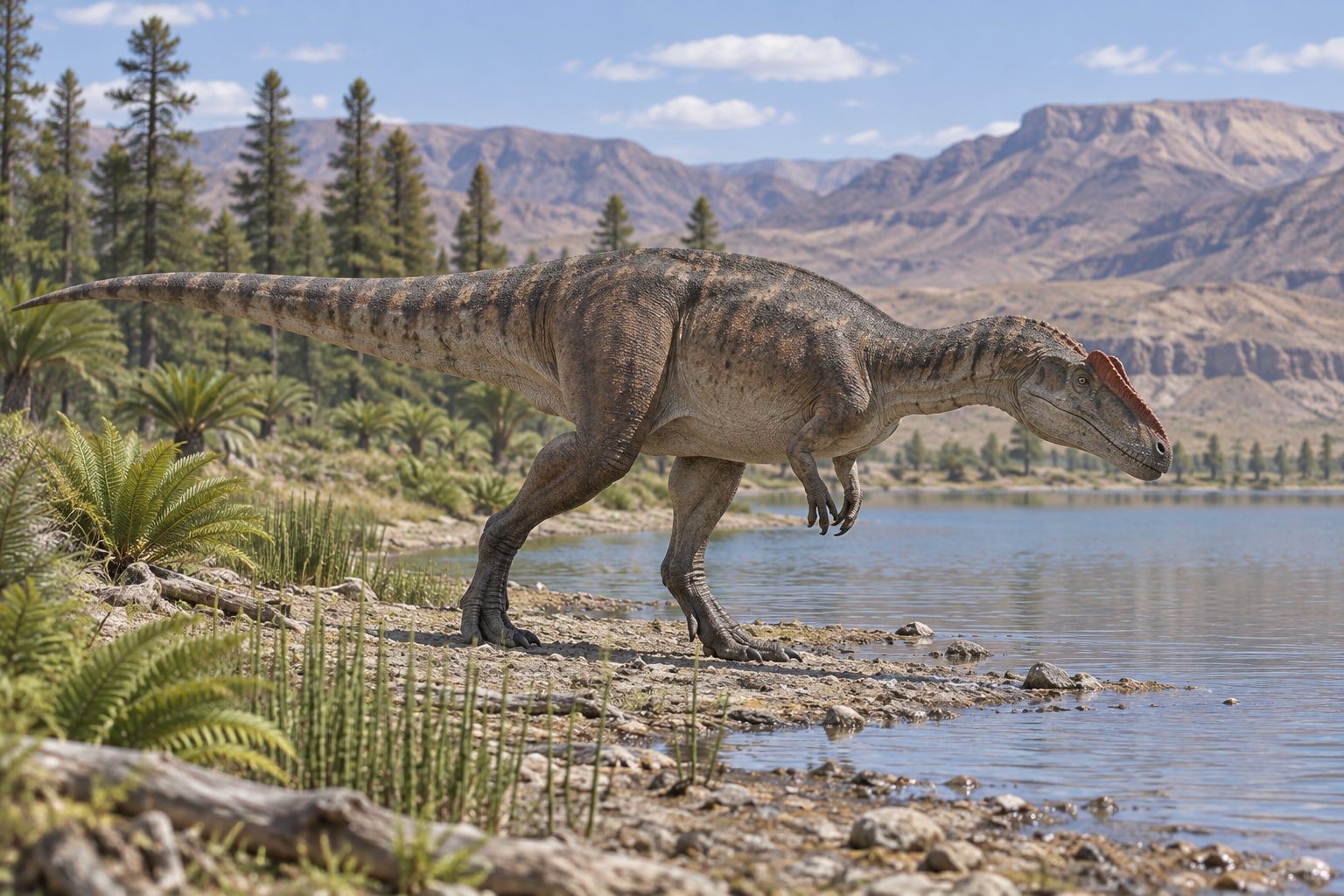
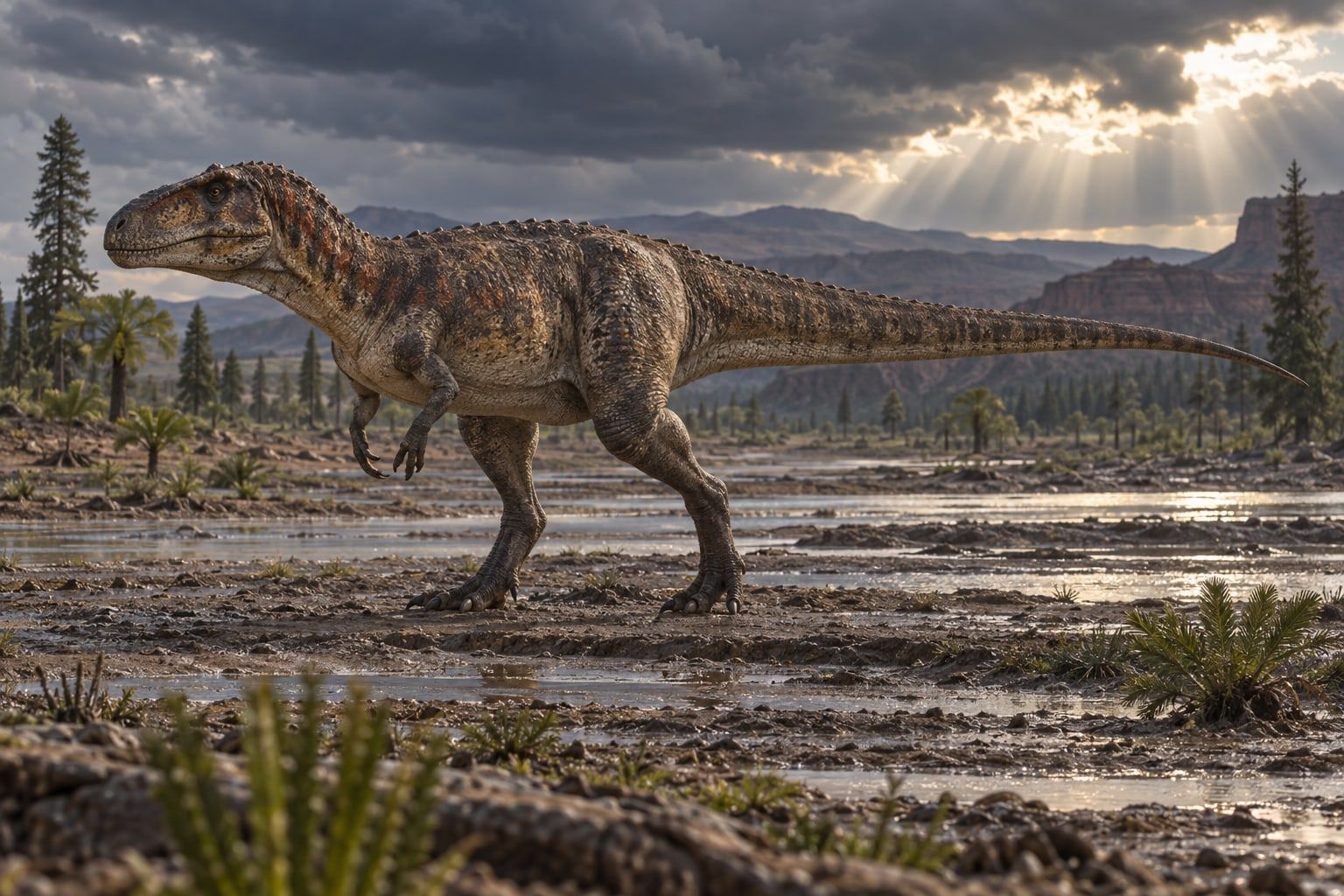
It lived in the Late Jurassic in what is now China. Its bones come from the Shishugou Formation, where it shared the land with the crested tyrannosaur relative Guanlong, the predator Sinraptor and the long-necked Mamenchisaurus.
How it was found
Xu and colleagues named Limusaurus in 2009. Several skeletons were found trapped in pits of mud, perhaps footprints left by giant sauropods, which is where its name comes from.
Lived alongside
Found in the same rock formations
Close relatives
Other members of Noasauridae
Sources: WikidataNamed in: X. Xu, J. M. Clark, and J. Mo, J. Choiniere, C. A. Forster, G. M. Erickson, D. W. E. Hone, C. Sullivan, D. A. Eberth, S. J. Nesbitt, Q. Zhao, R. Hernández, C.-k. Jia, F.-l. Han, Y. Gou. 2009. A Jurassic ceratosaur from China helps clarify avian digital homologies. Nature 459(7249):940-944