Aorun
Type species Aorun zhaoi
- Lived
- 165 to 162 million years ago, Middle Jurassic
- Diet
- Carnivore
- Group
- Theropods
- Found in
- China
- Named by
- Choiniere et al. 2013
Where its fossils were found
The evidence
Today

165 million years ago
Habitat
A warm landscape of rivers, ponds and wetlands, with wet and dry seasons. Trees grew in the Shishugou Formation, which also preserves Guanlong, Yinlong and Mamenchisaurus.
Field notes
About Aorun
What it was like
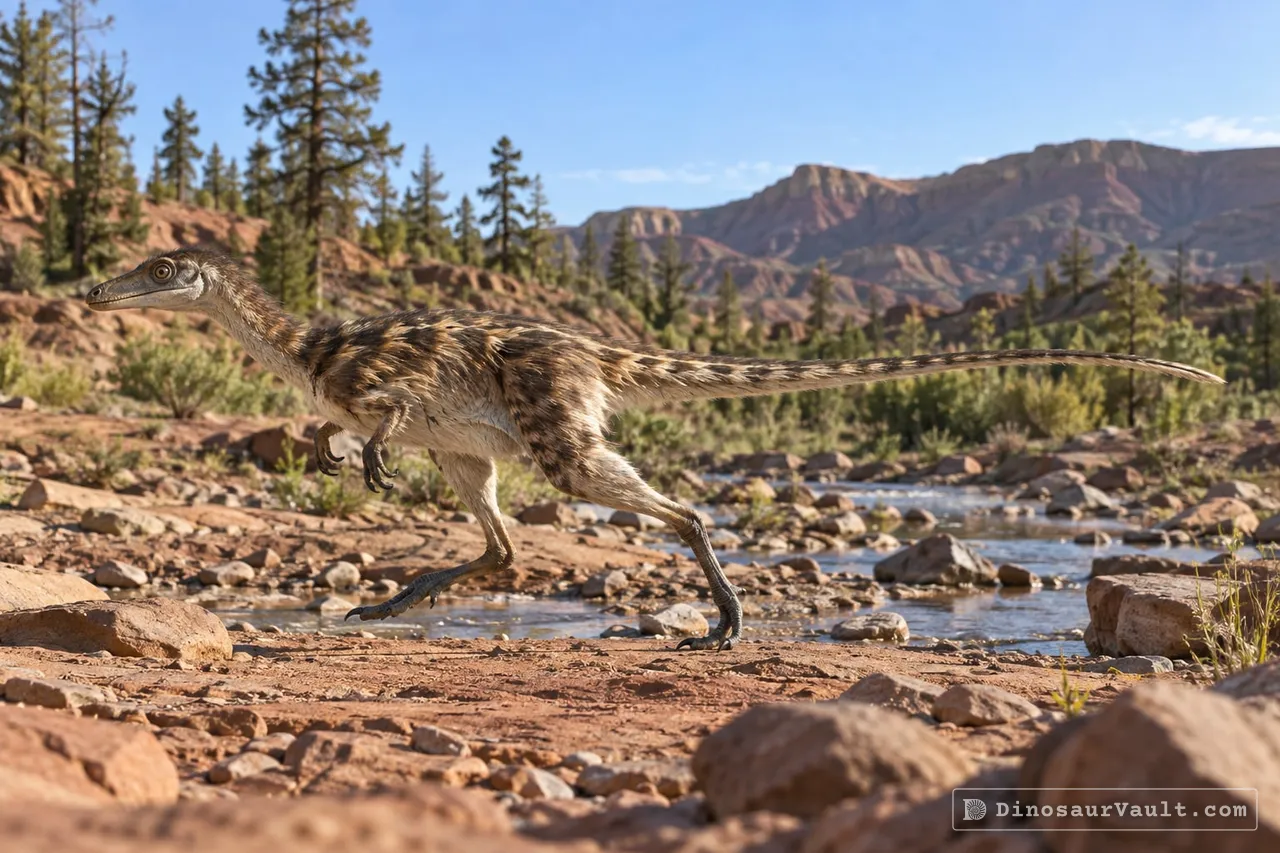
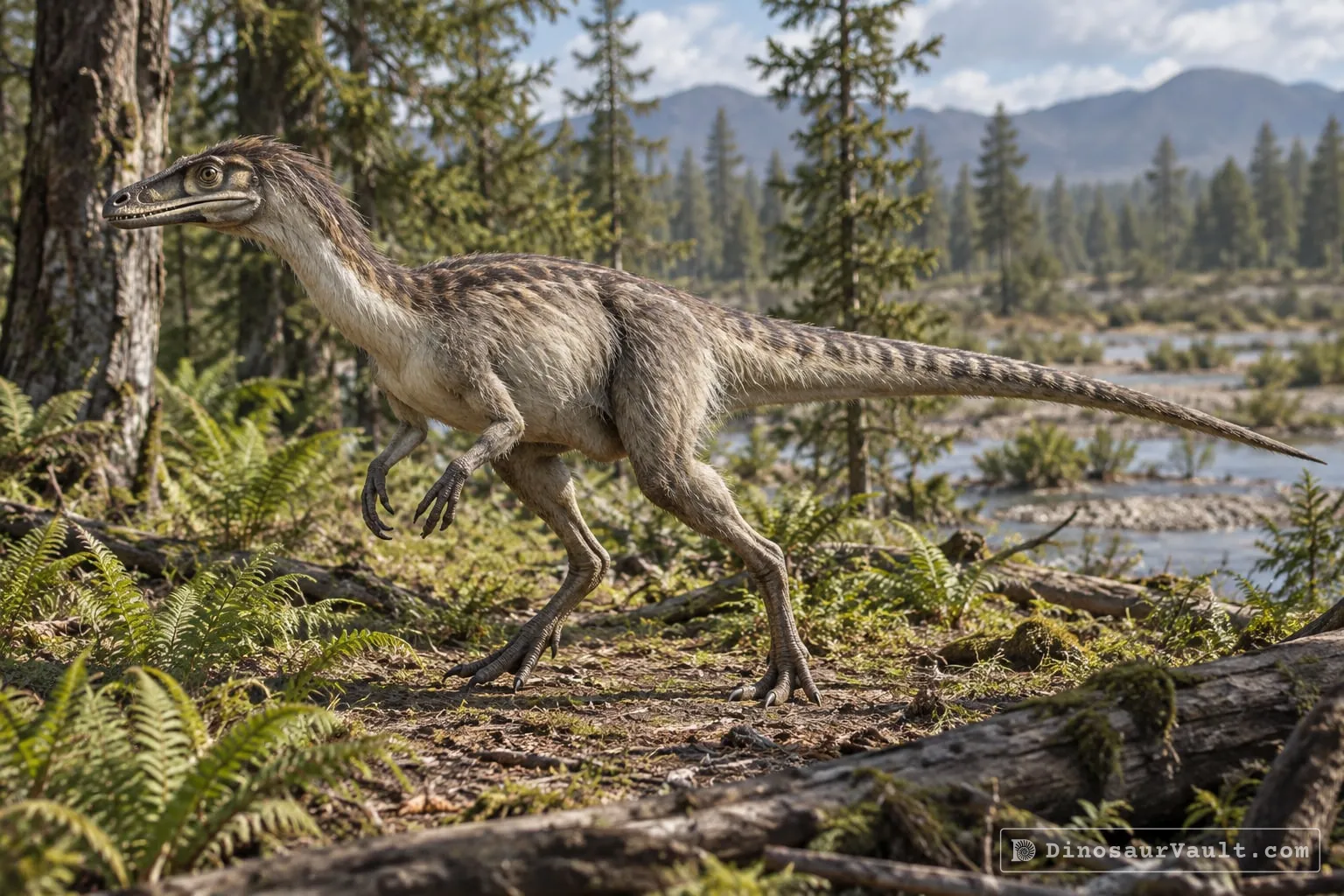
Aorun was a small meat eater known from a skull and skeleton of a very young animal. It is thought to be one of the earliest relatives of the alvarezsaurs, strange, small dinosaurs that later had stubby arms with one big claw.
Because the fossil comes from a young animal, its adult size and shape are unknown.
Its world
It lived in the Jurassic, around 165 million years ago, in what is now northwestern China. Its bones come from the Shishugou Formation, where it shared the land with the crested tyrannosaur relative Guanlong, the beaked Limusaurus, the early horned Yinlong and the giant Mamenchisaurus.
How it was found
Choiniere and colleagues named Aorun in 2013, from a single find.
Field gallery
More views of Aorun
Scenes reconstructed from the available fossil evidence.
1 of 3
Lived alongside
Found in the same rock formations
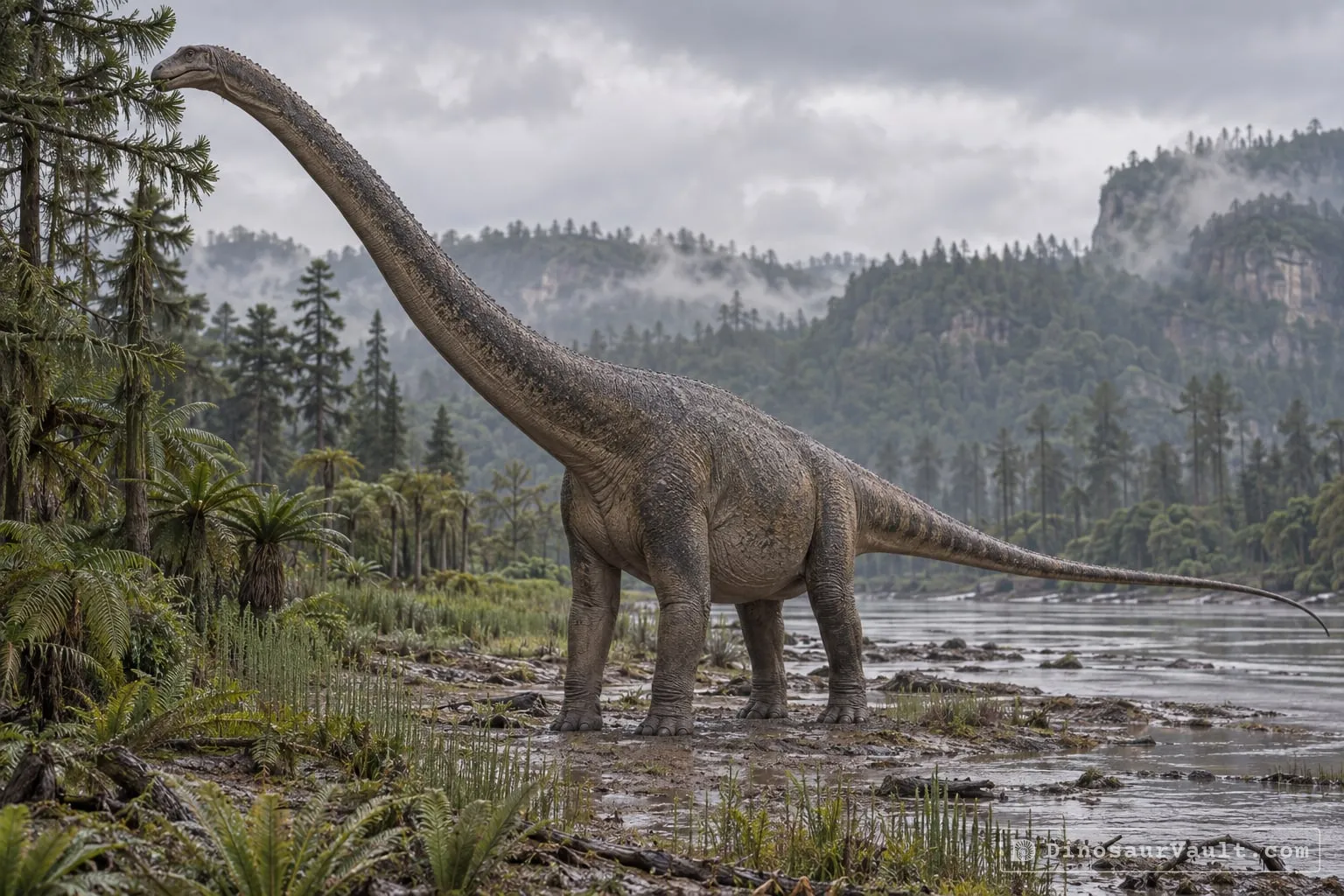
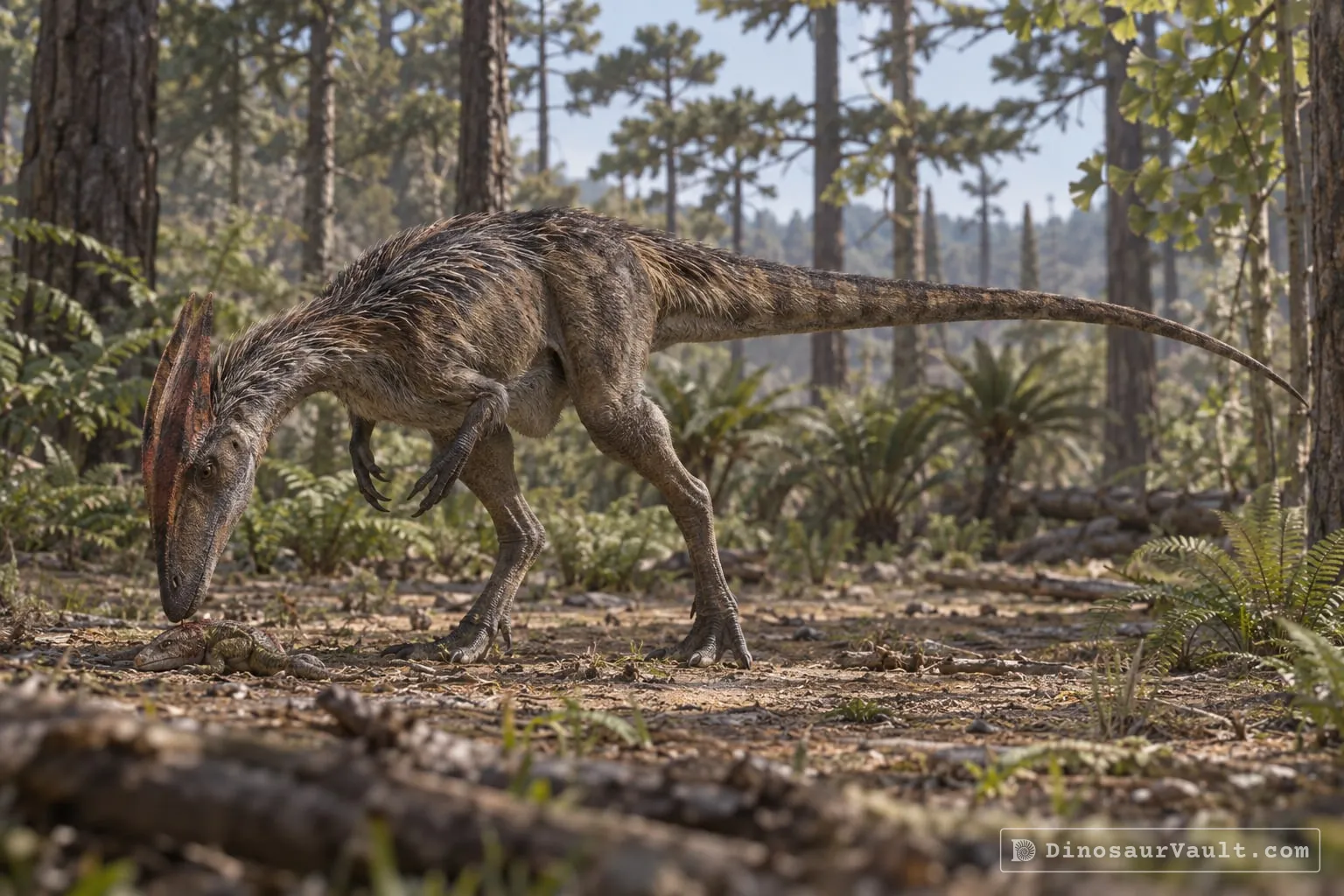
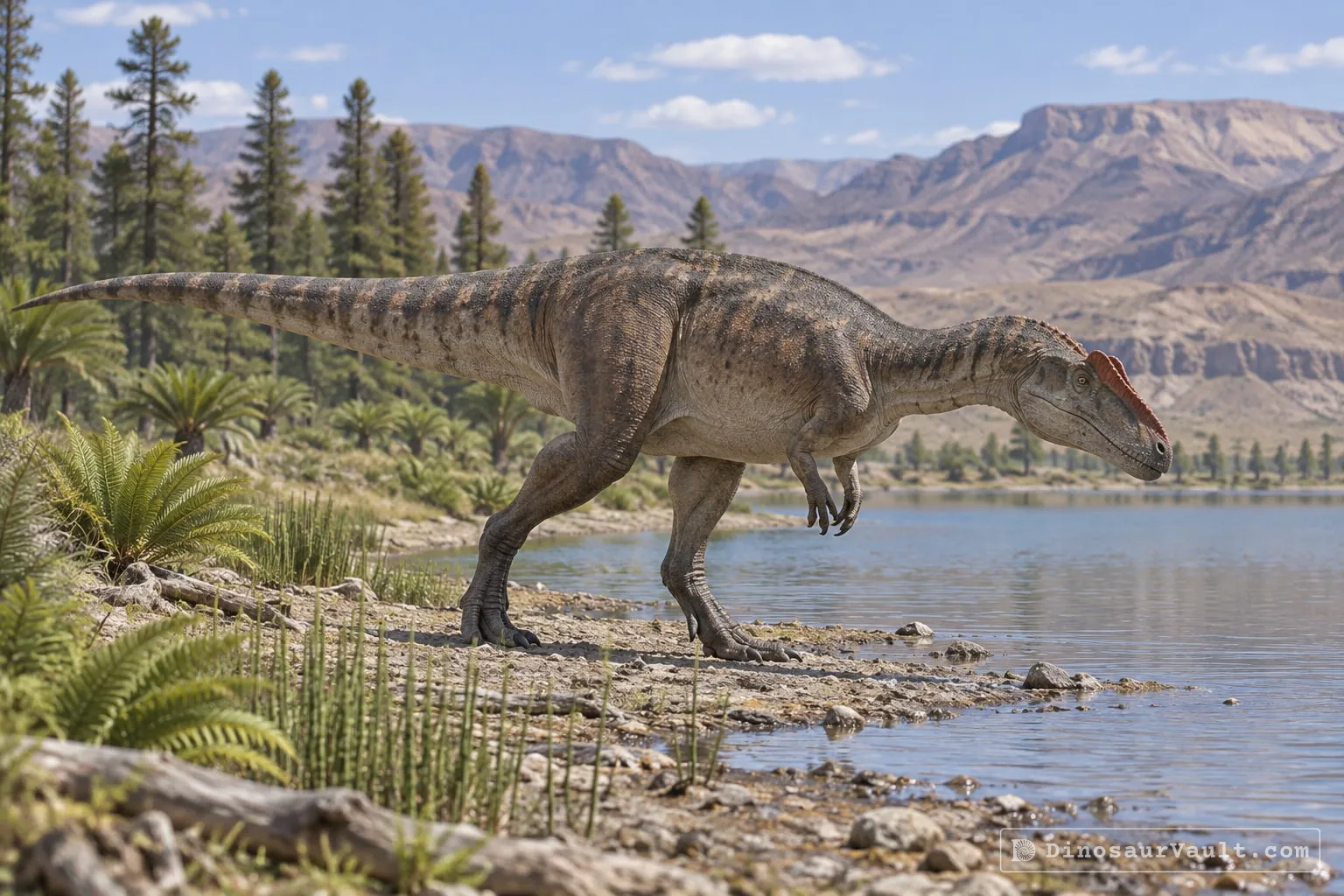
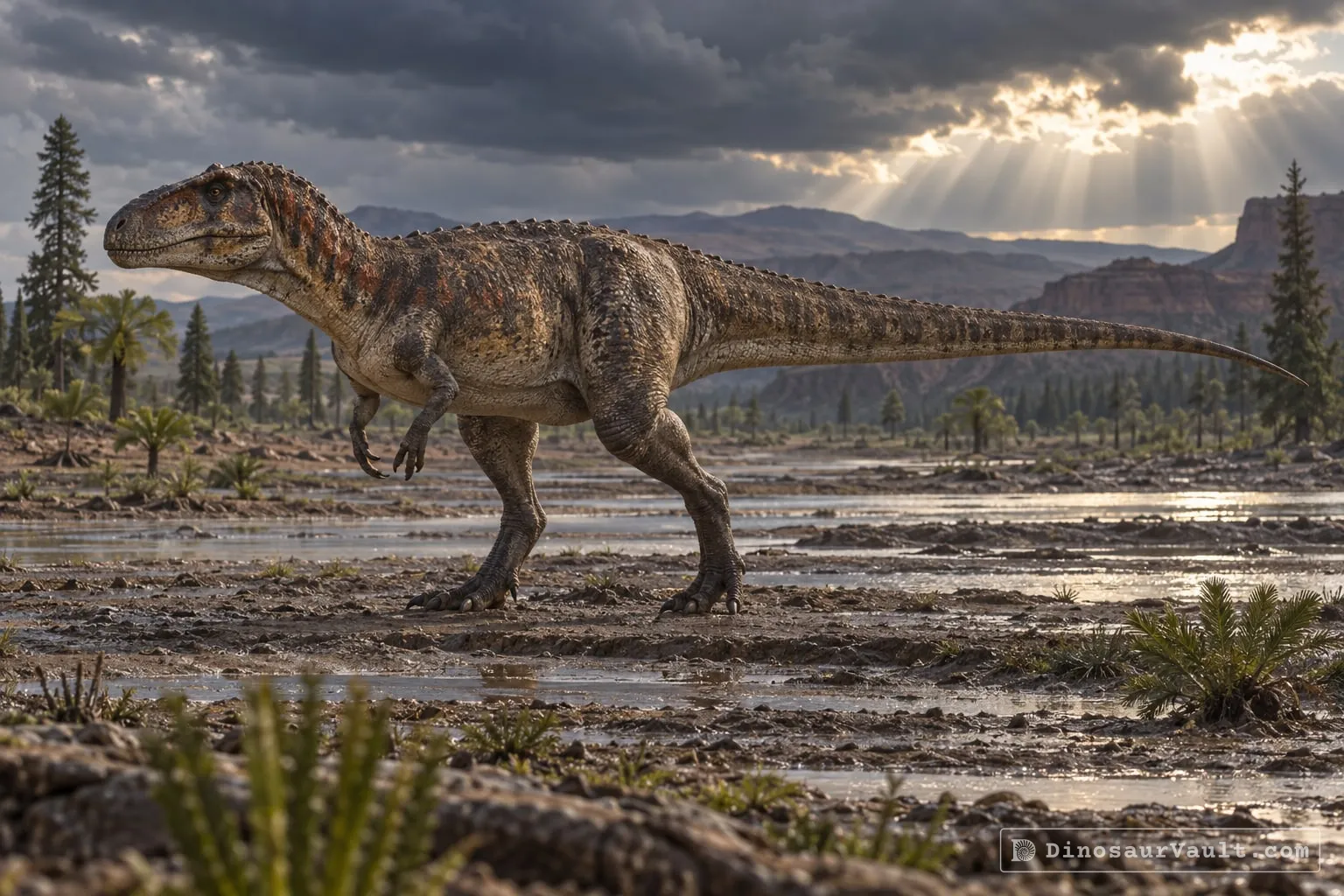
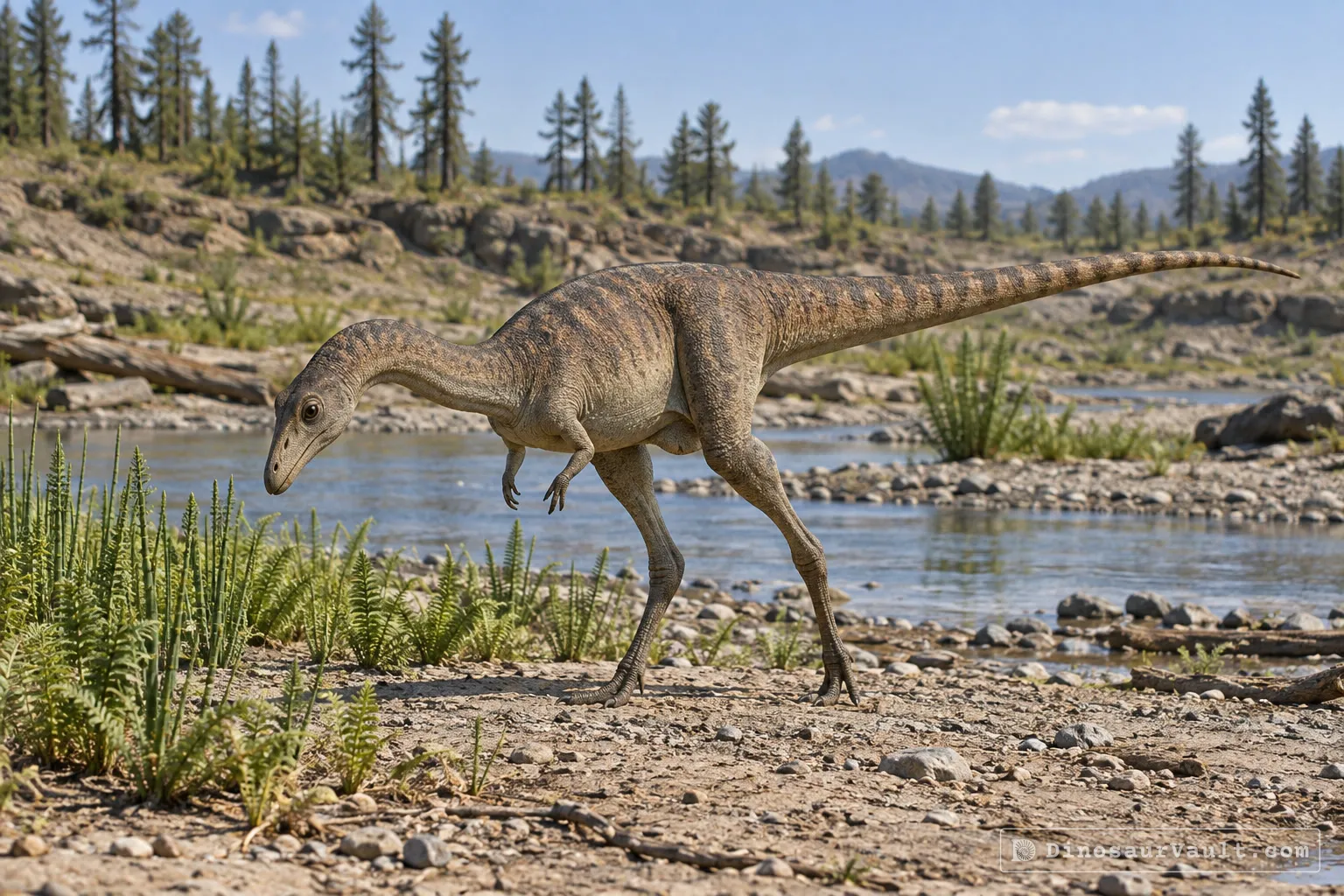
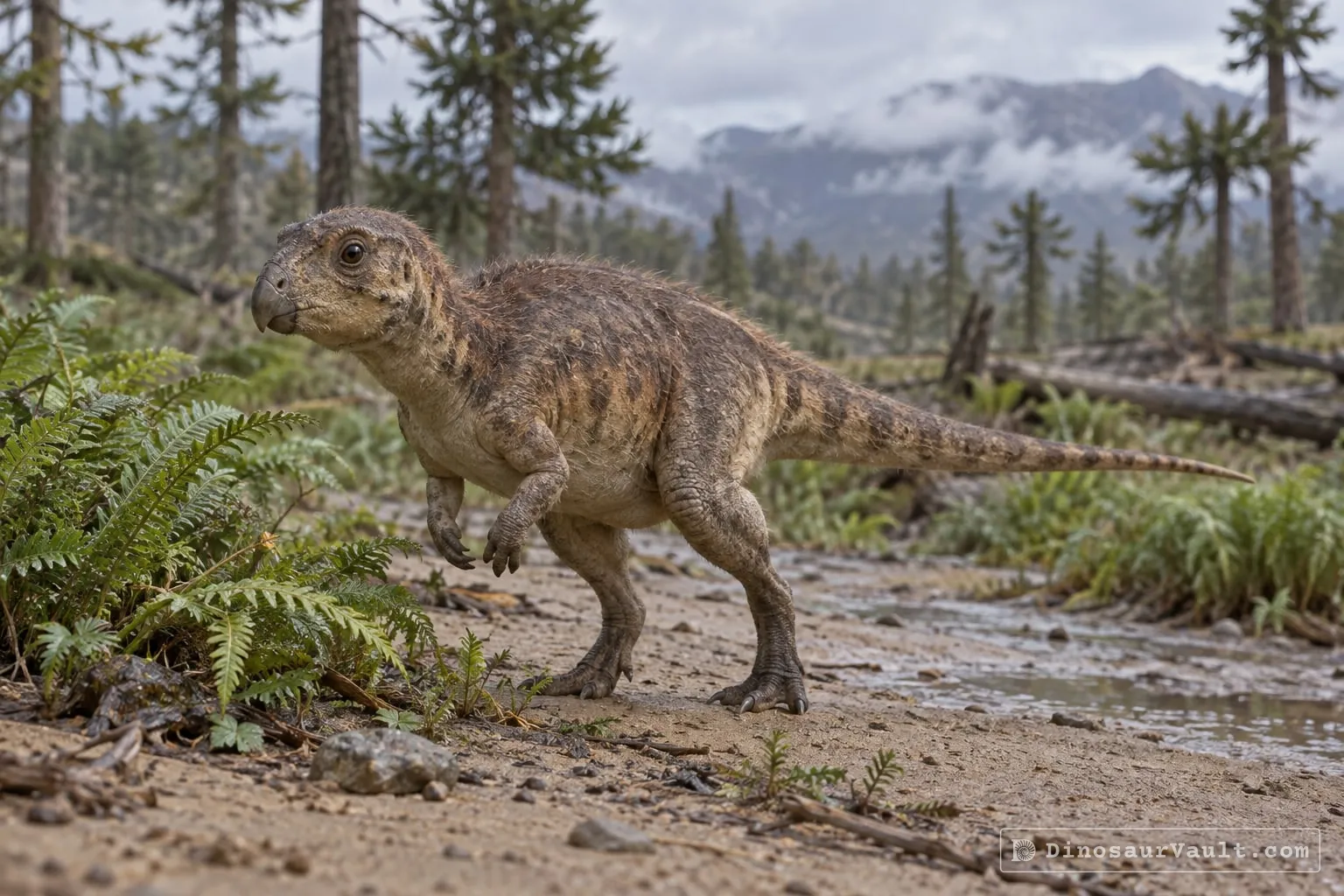
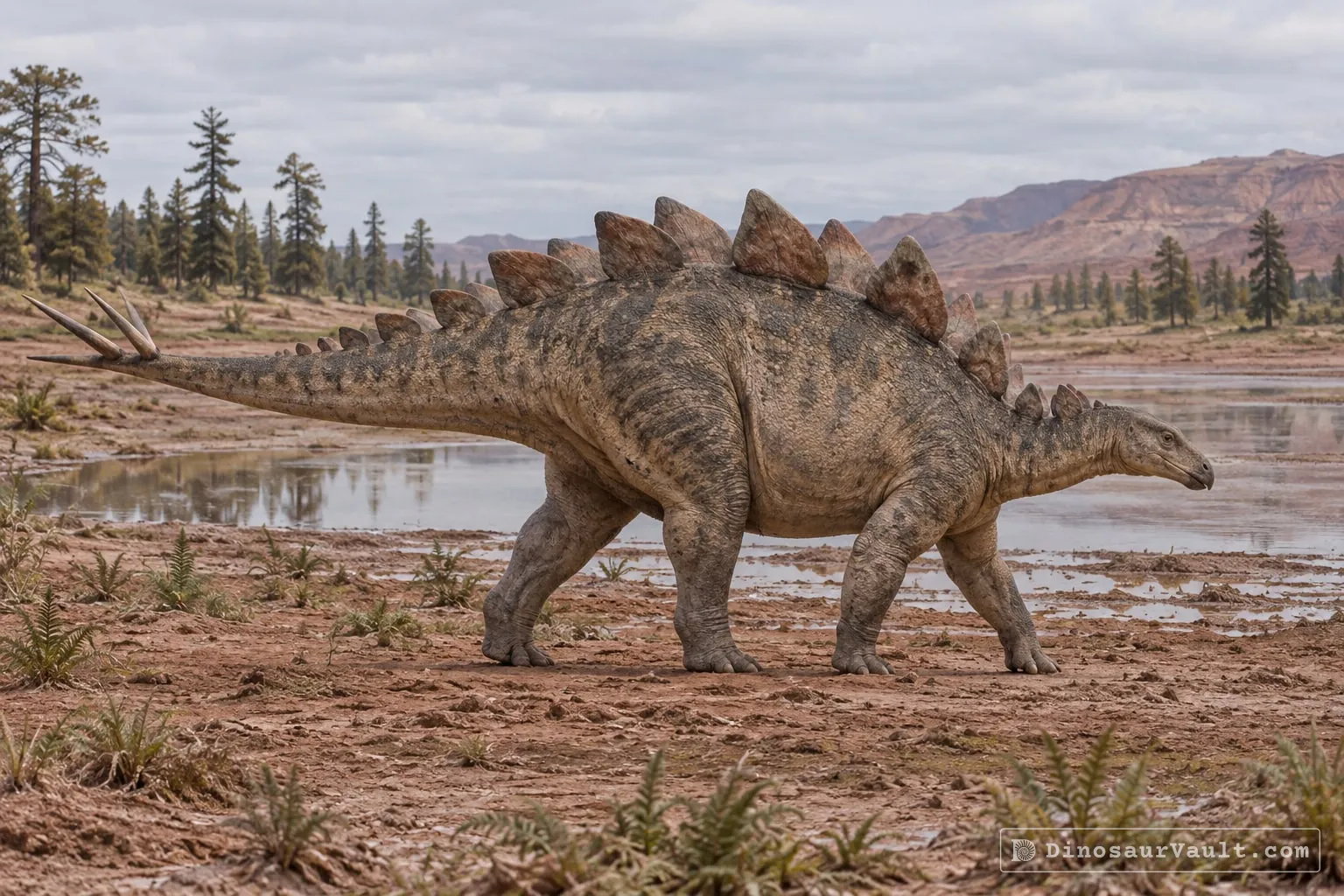


A rock formation can hold fossils laid down millions of years apart, so not every animal here met Aorun.
The evidence
The science behind Aorun
Which parts of the picture come from its own bones, and which come from its relatives.
From its own fossils
- A skull and partial skeleton preserve the jaws, parts of the backbone, a hand and portions of the legs.
- The jaws carry many small, slender teeth.
Borrowed from relatives
- Missing parts of the body can be restored by comparison with early alvarezsaurs such as Haplocheirus and Shishugounykus.
Still unknown
- Its adult size and proportions.
- Its skin covering and color.
- Its exact position among early theropods.
Discovery timeline
- 2013Named itChoiniere et al.
- 2018Family treeXu et al.
- 2019Close relativeQin et al.
Key papers
The research behind what we know of Aorun
Named it
Described a small theropod from a juvenile skull and partial skeleton, and used bone tissue to estimate its age.
A juvenile specimen of a new coelurosaur (Dinosauria: Theropoda) from the Middle–Late Jurassic Shishugou Formation of Xinjiang, People's Republic of China. Journal of Systematic Palaeontology 12: 177-215
Read the paper : A juvenile specimen of a new coelurosaur (Dinosauria: Theropoda) from the Middle–Late Jurassic Shishugou Formation of Xinjiang, People's Republic of China (opens in a new tab)Family tree
Placed Aorun among early alvarezsaurs while tracing how the group's grasping hands evolved into specialized digging hands.
Two Early Cretaceous Fossils Document Transitional Stages in Alvarezsaurian Dinosaur Evolution. Current Biology 28: 2853-2860.e3
Read the paper : Two Early Cretaceous Fossils Document Transitional Stages in Alvarezsaurian Dinosaur Evolution (opens in a new tab)Close relative
Named Shishugounykus and compared its anatomy with Aorun and Haplocheirus, showing the variety of early alvarezsaurs in the same formation.
A new alvarezsaurian theropod from the Upper Jurassic Shishugou Formation of western China. Scientific Reports 9
Read the paper : A new alvarezsaurian theropod from the Upper Jurassic Shishugou Formation of western China (opens in a new tab)
Close relatives
Other members of Alvarezsauria

Sources: Wikidata