Elaphrosaurus
el-AF-roh-SORE-us
"lightweight lizard"
- Lived
- 152 to 149 million years ago, Late Jurassic
- Diet
- Carnivore
- Length
- about 6.2 m (20 ft)
- Group
- Theropods, Noasauridae
- Found in
- Tanzania
- Named by
- Janensch 1920
Size comparison
To scale

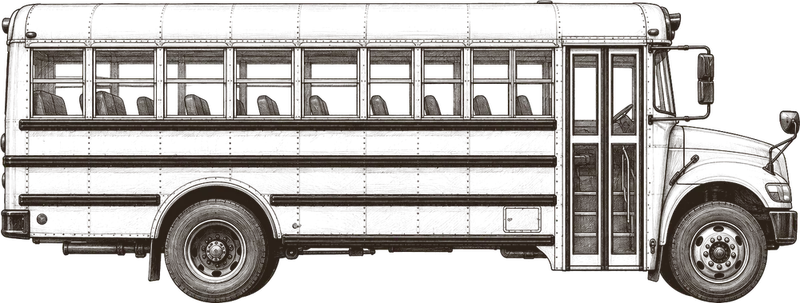
Scale in metersOutline: typical theropod shape
Where its fossils were found
The evidence
Today

150 million years ago
Habitat
Coastal plains crossed by tidal channels in what is now Tanzania. Giraffatitan, Dicraeosaurus and Kentrosaurus lived in the same region.
Field notes
About Elaphrosaurus
What it was like
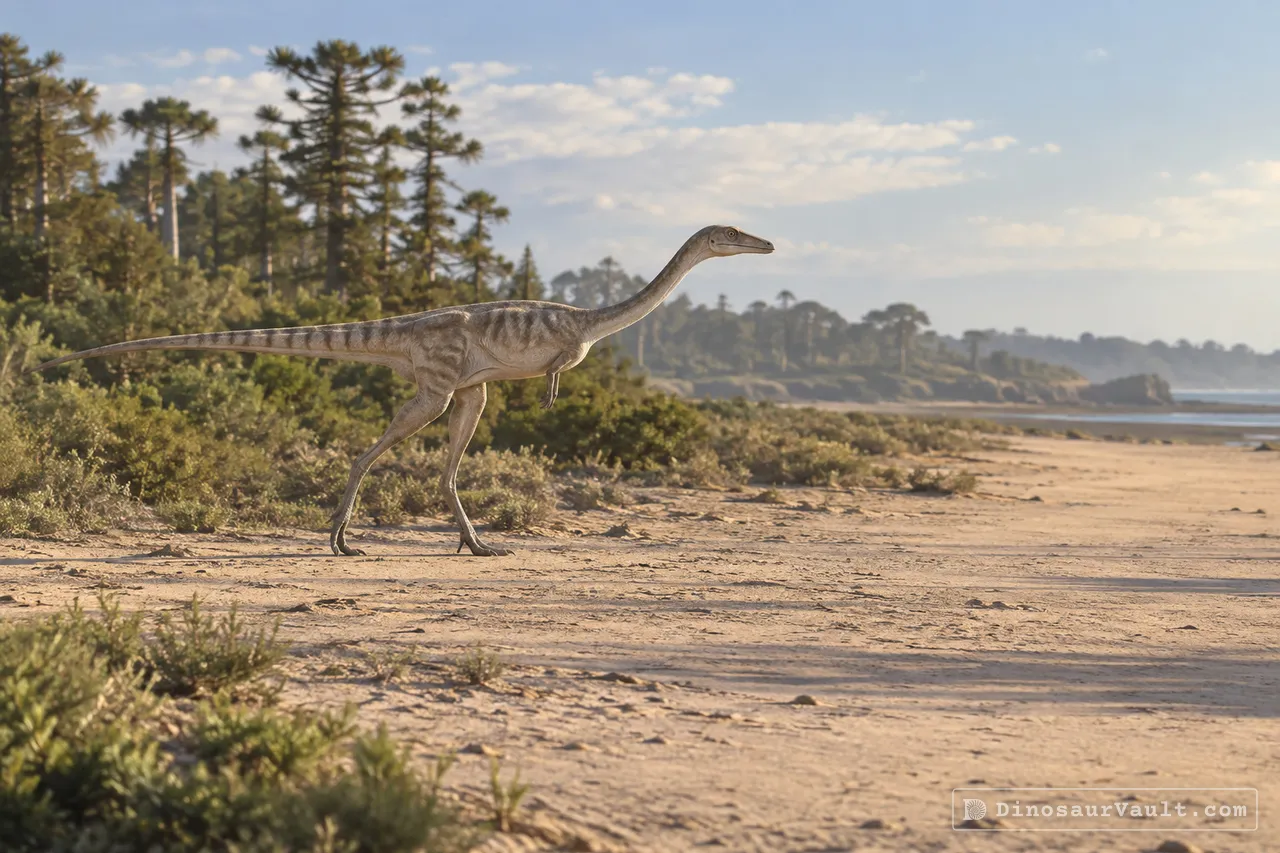
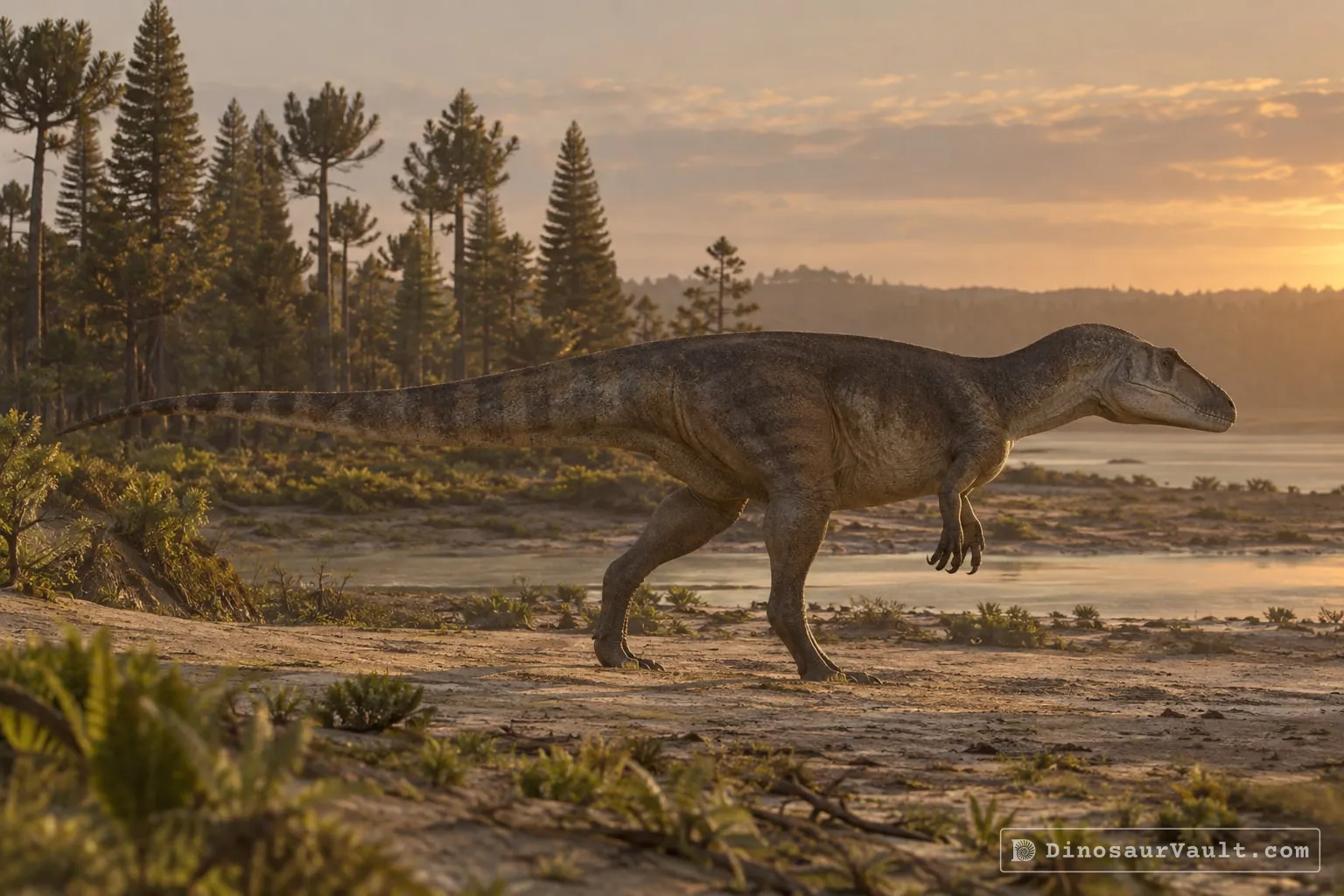
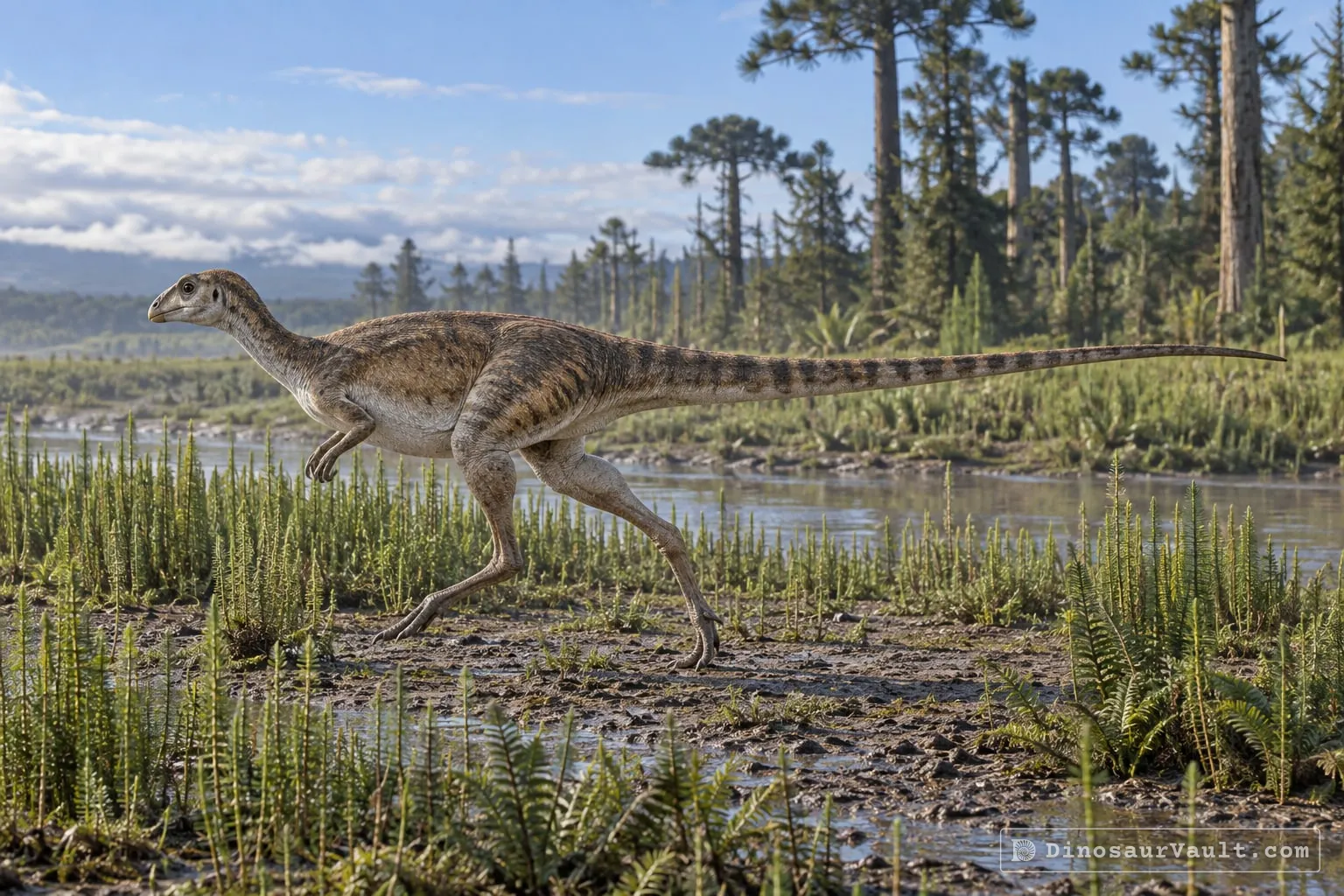
Elaphrosaurus was a slender, lightly built theropod about 6.2 meters (20 feet) long. It had a long body and long legs. Its chest shape and full arm proportions are uncertain because ribs and the ends of the arms are missing. No skull has been found, so its head and diet are uncertain.
Some of its closest relatives, such as Limusaurus, lost their teeth and may have eaten plants, so scientists are not sure whether Elaphrosaurus was a hunter at all.
Its world
It lived about 152 to 149 million years ago, in the Late Jurassic, in what is now Tanzania. The Tendaguru rocks it comes from were home to the giant sauropods Giraffatitan, Dicraeosaurus and Tornieria, the spiky stegosaur Kentrosaurus, and the large predators Ceratosaurus and Torvosaurus.
How it was found
Janensch named Elaphrosaurus in 1920, from a partial headless skeleton dug up by a German expedition. It is still one of the best known members of its family.
Field gallery
More views of Elaphrosaurus
Scenes reconstructed from the available fossil evidence.
1 of 3
Lived alongside
Found in the same rock formations
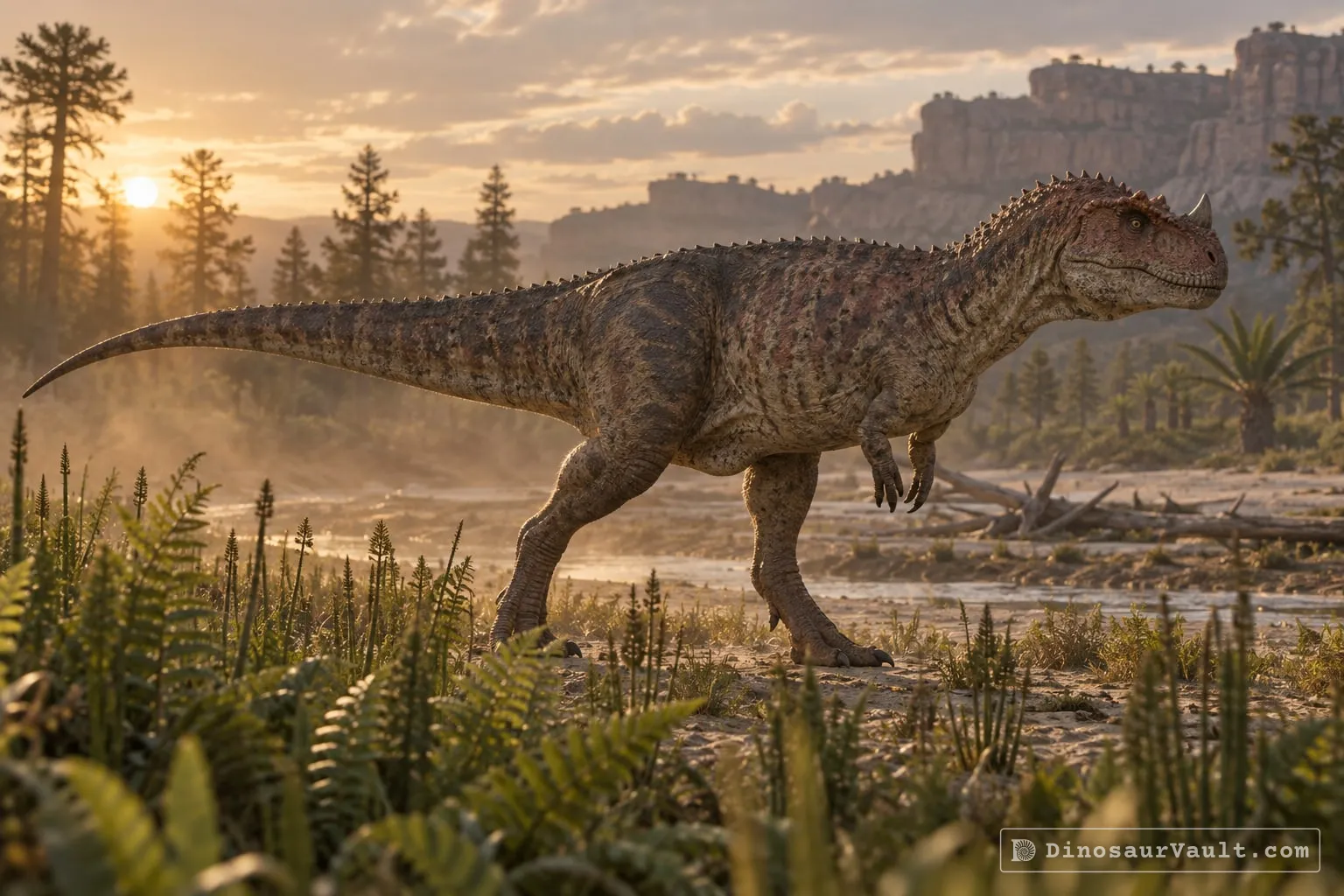
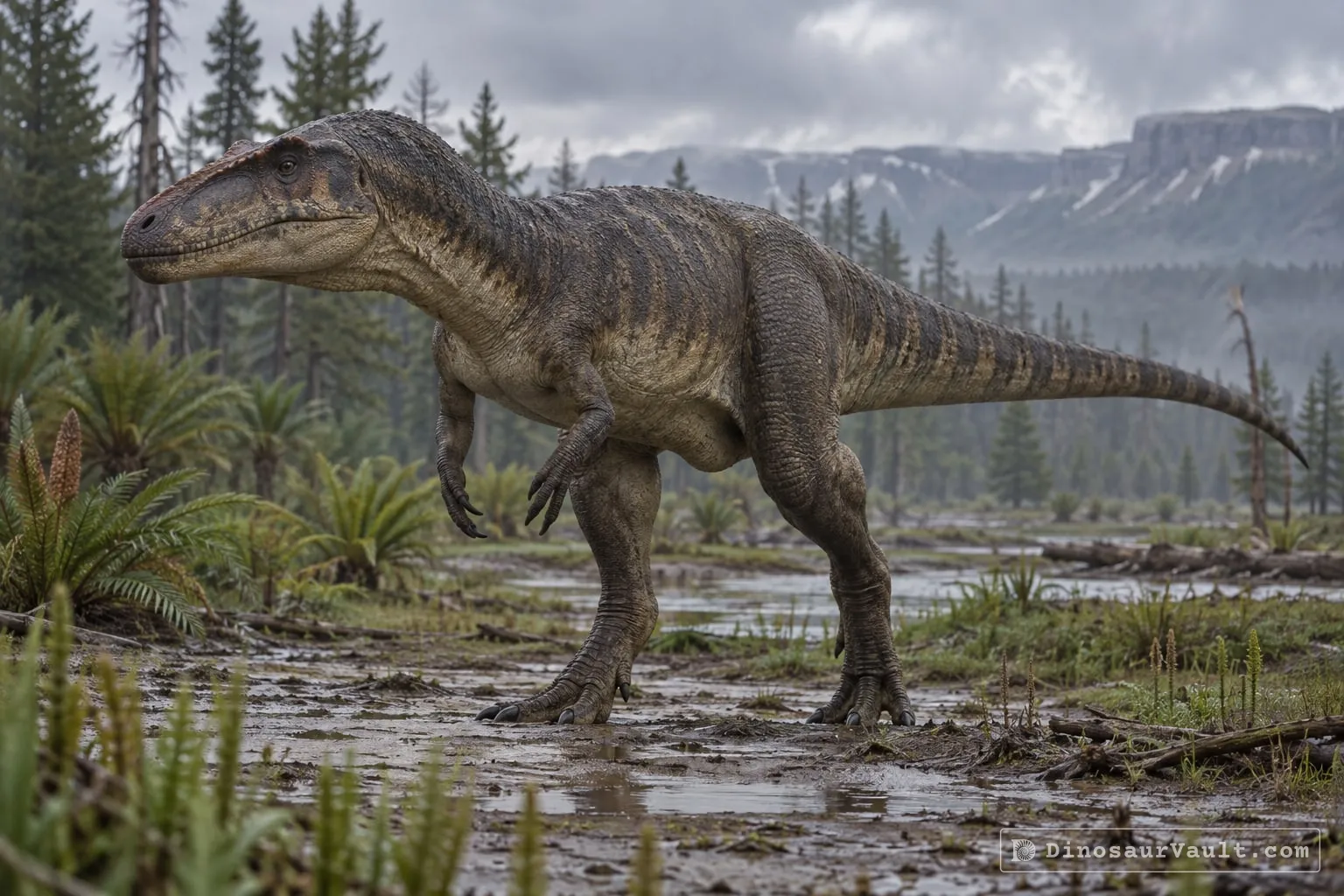
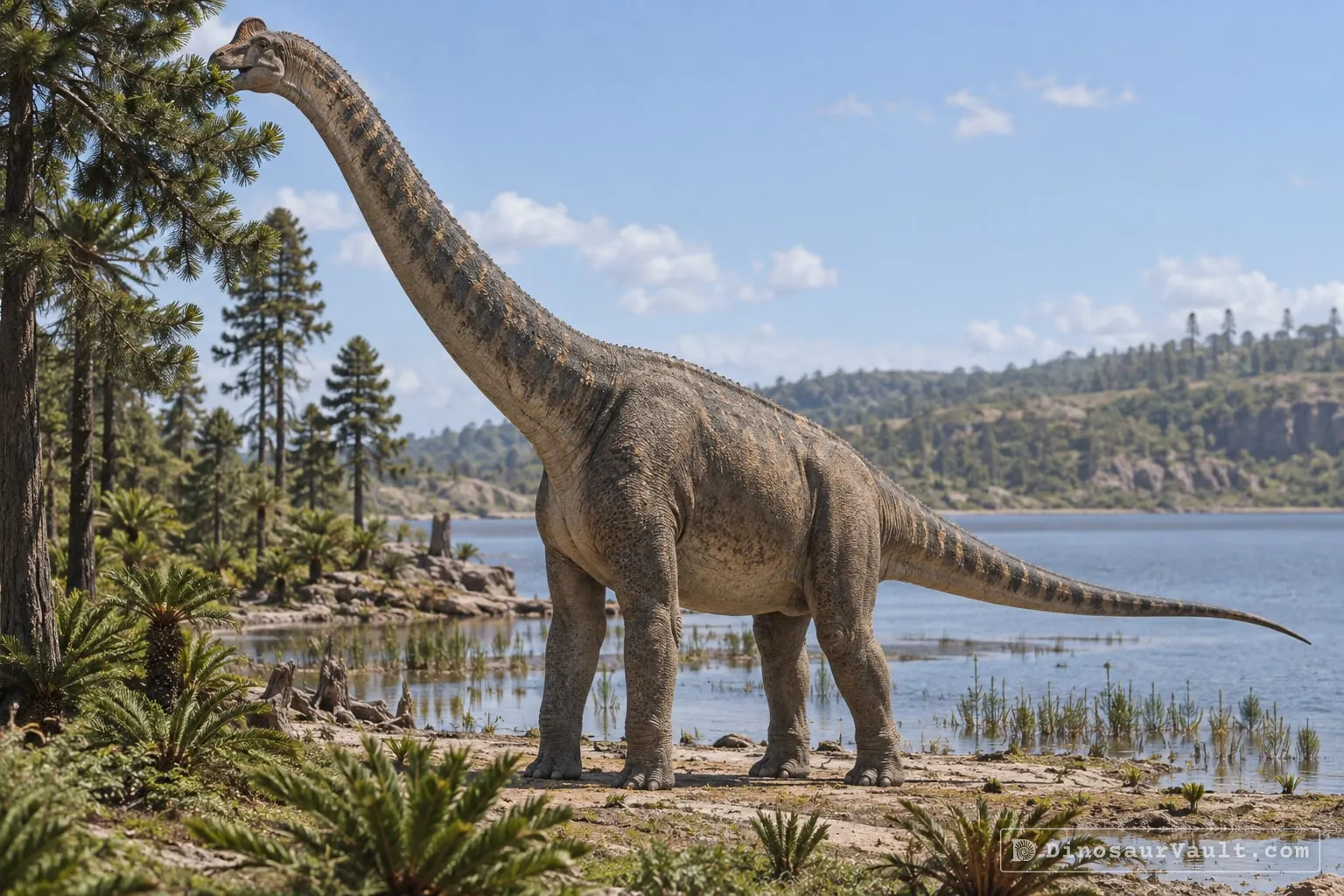
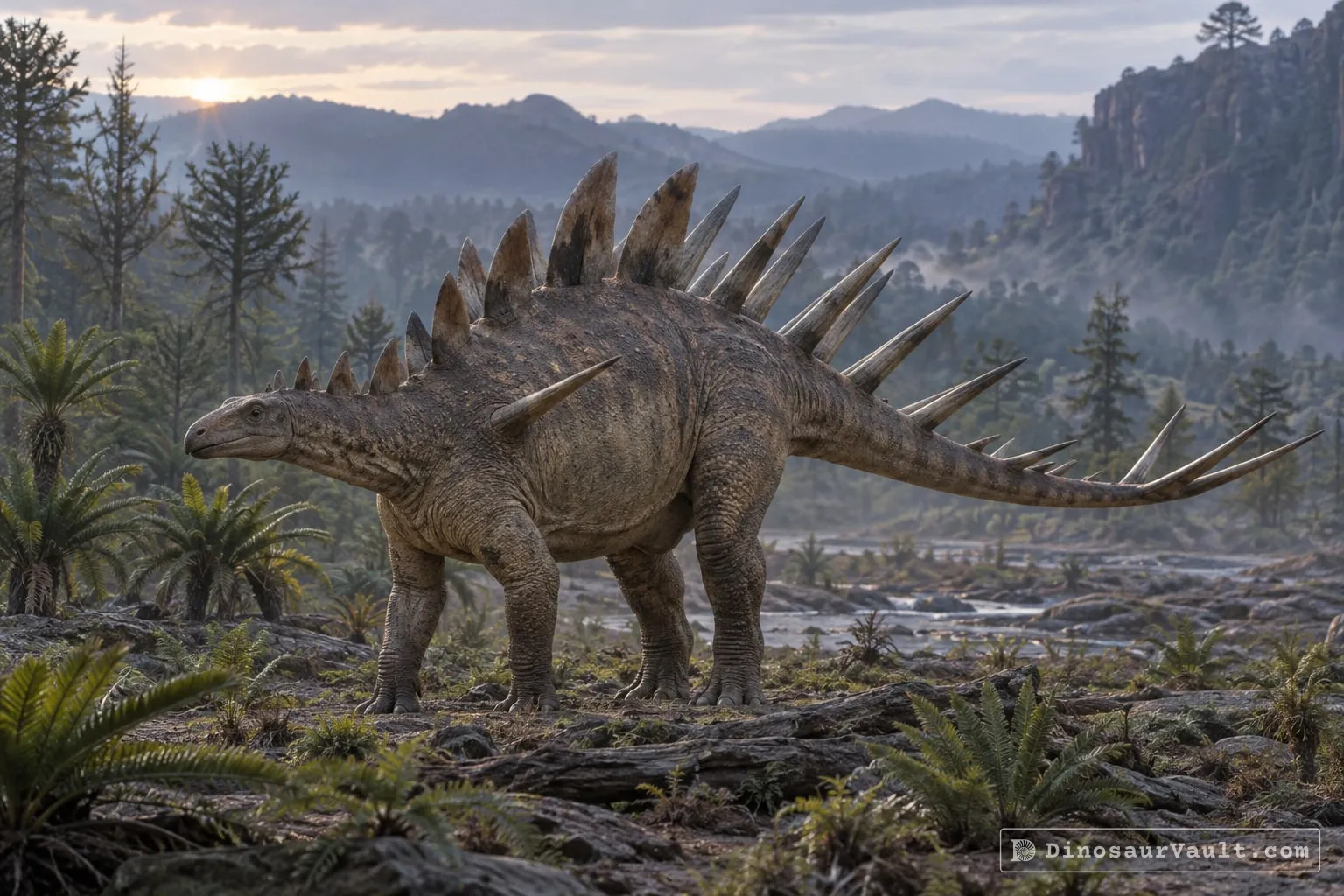
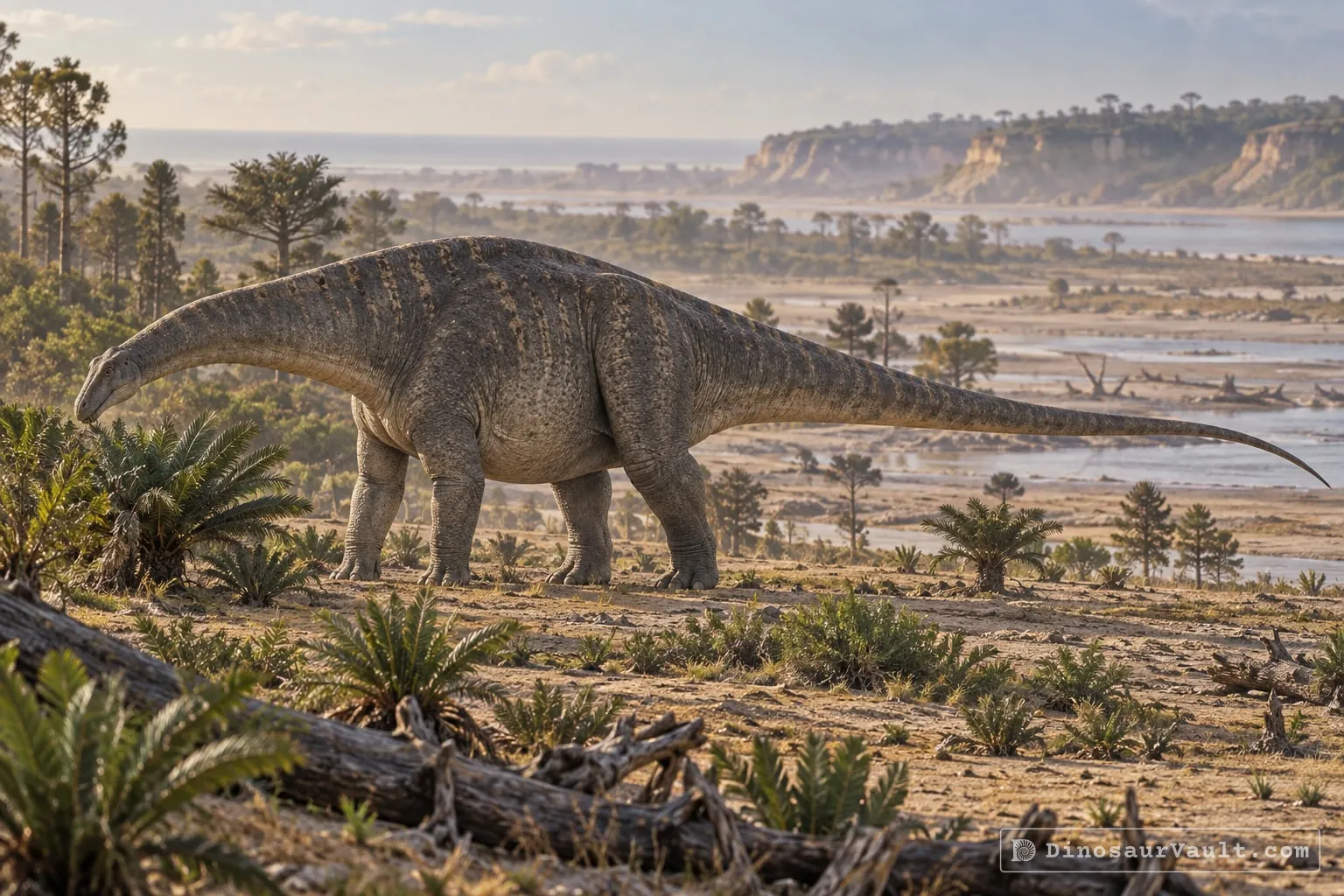
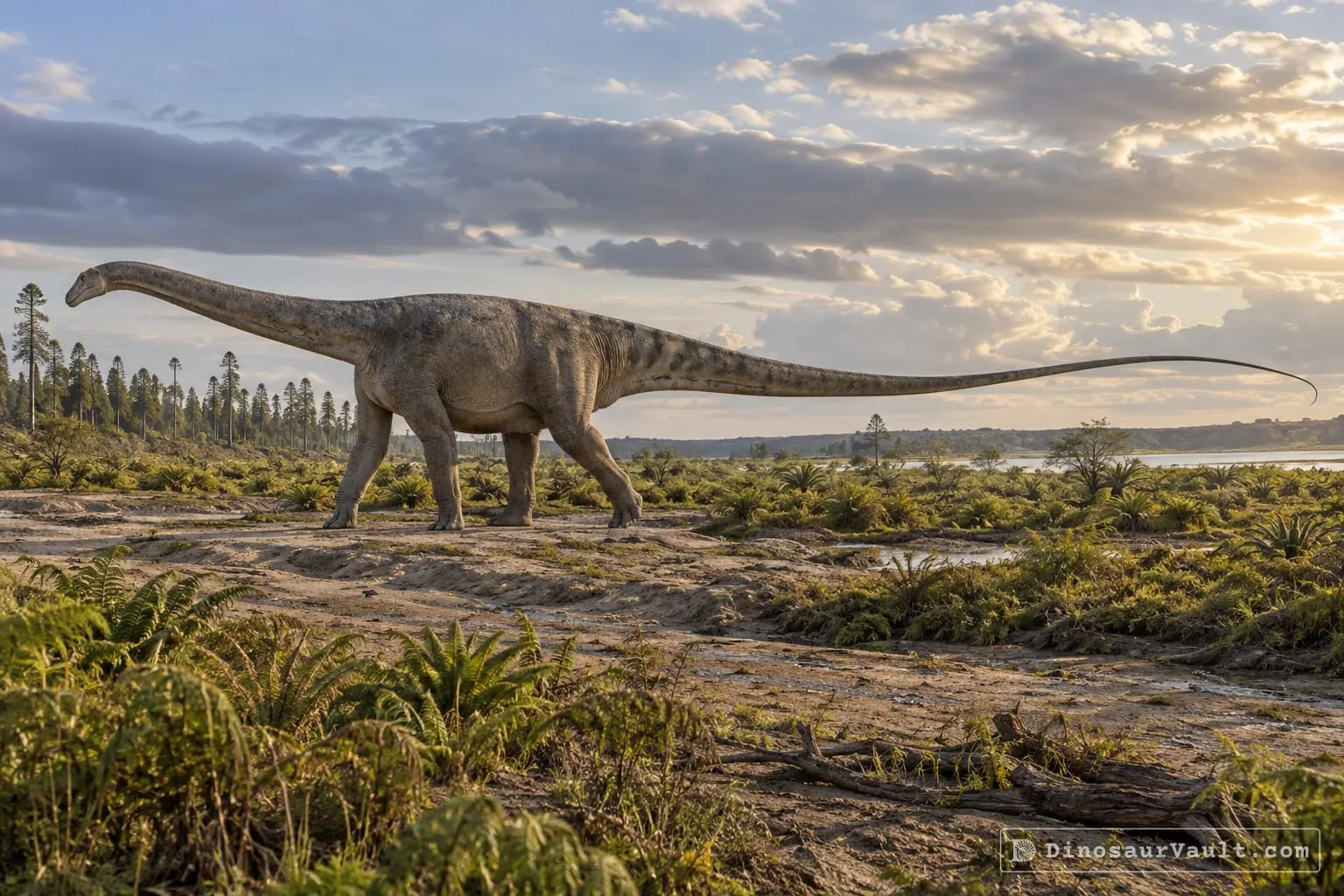


A rock formation can hold fossils laid down millions of years apart, so not every animal here met Elaphrosaurus.
The evidence
The science behind Elaphrosaurus
Which parts of the picture come from its own bones, and which come from its relatives.
From its own fossils
- A largely complete headless skeleton preserves much of the backbone, the shoulders, the hips and the hind legs. The skull, the ends of the arms, the ribs, the lower hip bones and the end of the tail are missing.
- Its neck bones are unusually long and narrow, its shoulder girdle is large, and its hip bones are small.
- Long hind legs and low spines on the tail bones give it a slender build.
Borrowed from relatives
- The missing head can be compared with Limusaurus, a close relative whose adults had toothless beaks.
- The missing ribs and hands are restored from other ceratosaurs, such as Masiakasaurus for the ribs and Saltriovenator for the hands.
Still unknown
- Whether it had teeth or a toothless beak, and what it ate.
- Its skin covering and color.
- How its body changed as it grew.
Discovery timeline
- 1920Named itJanensch
- 2008Family treeCarrano & Sampson
- 2009Its worldBussert, Heinrich & Aberhan
- 2016Full descriptionRauhut & Carrano
- 2017Close relativeWang et al.
Key papers
The research behind what we know of Elaphrosaurus
Named it
Named a lightly built dinosaur from a headless skeleton found in the Tendaguru rocks.
Ueber Elaphrosaurus bambergi und die Megalosaurier aus den Tendaguru-Schichten Deutsch-Ostafrikas [On Elaphrosaurus bambergi and the megalosaurs of the Tendaguru Formation of German East Africa]. Sitzungsberichte der Gesellschaft Naturforschender Freunde zu Berlin 1920: 225-235
No link available
Family tree
Reviewed the headless skeleton, listed which bones are missing, and found that bones referred from other regions do not securely match it.
The Phylogeny of Ceratosauria (Dinosauria: Theropoda). Journal of Systematic Palaeontology 6: 183-236
Read the paper : The Phylogeny of Ceratosauria (Dinosauria: Theropoda) (opens in a new tab)Its world
Reconstructed the coastal plains, tidal channels and shallow seas recorded in the Tendaguru rocks.
The Tendaguru Formation (Late Jurassic to Early Cretaceous, southern Tanzania): definition, palaeoenvironments, and sequence stratigraphy. Fossil Record 12: 141-174
Read the paper : The Tendaguru Formation (Late Jurassic to Early Cretaceous, southern Tanzania): definition, palaeoenvironments, and sequence stratigraphy (opens in a new tab)Full description
Reexamined the skeleton and placed Elaphrosaurus among noasaurids, alongside close relatives such as Limusaurus.
The theropod dinosaurElaphrosaurus bambergiJanensch, 1920, from the Late Jurassic of Tendaguru, Tanzania. Zoological Journal of the Linnean Society 178: 546-610
Read the paper : The theropod dinosaurElaphrosaurus bambergiJanensch, 1920, from the Late Jurassic of Tendaguru, Tanzania (opens in a new tab)Close relative
Showed that Limusaurus lost its teeth as it grew, making a toothless adult head a useful comparison for Elaphrosaurus.
Extreme Ontogenetic Changes in a Ceratosaurian Theropod. Current Biology 27: 144-148
Read the paper : Extreme Ontogenetic Changes in a Ceratosaurian Theropod (opens in a new tab)
Close relatives
Other members of Noasauridae


Sources: Wikidata