Outline: a typical theropod
Noasaurus
"northwestern Argentina lizard"
- Lived
- 72 to 66 million years ago, Late Cretaceous
- Diet
- Carnivore
- Length
- about 1 m (3 ft)
- Group
- Theropods, Noasauridae
- Found in
- Argentina
- Named by
- Bonaparte and Powell 1980
Size comparison
To scale

Scale in metersOutline: typical theropod shape
Where its fossils were found
The evidence
Today
70 million years ago
Field notes
About Noasaurus
What it was like
Noasaurus was a small, lightly built predator about 1 meter (3 feet) long. It is known from a few pieces of the skull, backbone and limbs. A large curved claw found with it was first thought to be a killing claw on the foot, like a raptor's, but later studies suggest it came from the hand.
Its world
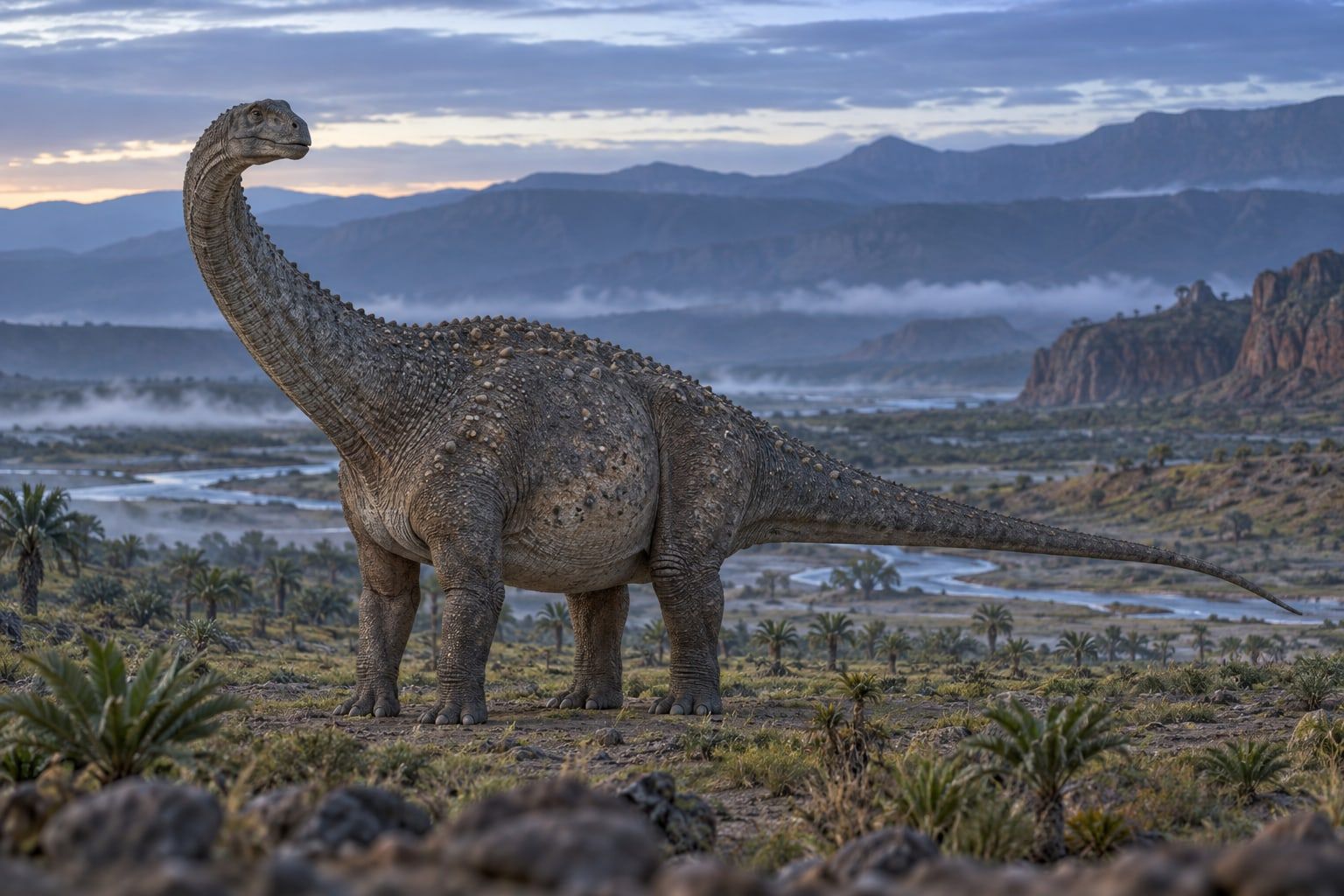
It lived about 72 to 66 million years ago, at the end of the Late Cretaceous, in northwestern Argentina. Its bones come from the Lecho Formation, where it lived alongside the armored titanosaur Saltasaurus.
How it was found
Bonaparte and Powell named Noasaurus in 1980 from one find. It gave its name to the noasaurids, a family of small, slender meat eaters from the southern continents.
Lived alongside
Found in the same rock formations
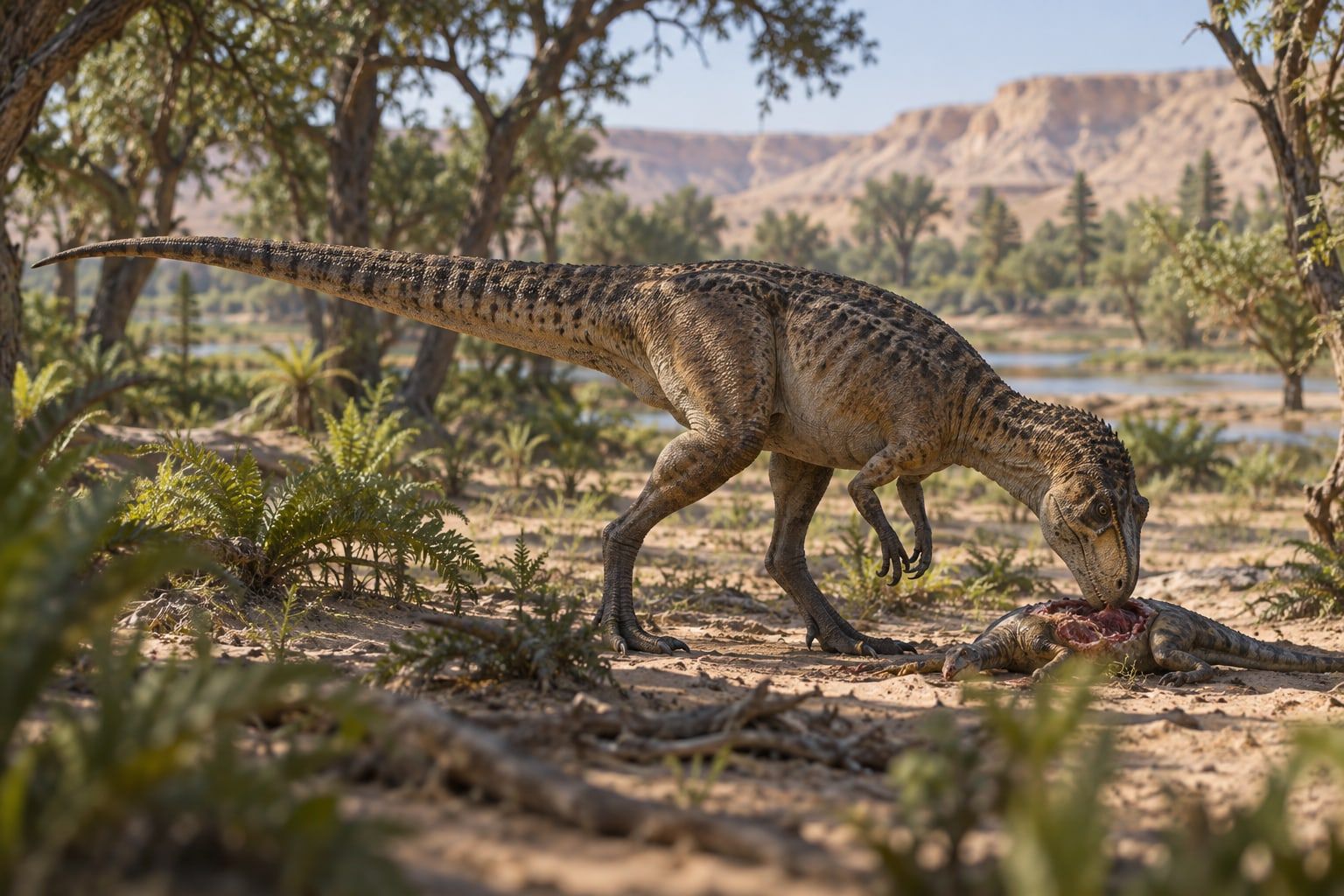
Close relatives
Other members of Noasauridae
Sources: WikidataNamed in: J. F. Bonaparte and J. E. Powell. 1980. A continental assemblage of tetrapods from the Upper Cretaceous beds of El Brete, northwestern Argentina (Sauropoda-Coelurosauria-Carnosauria-Aves). Mémoires de la Société Géologique de France, Nouvelle Série 139:19-28