Mamenchisaurus
mah-MEN-chee-SORE-us
Type species Mamenchisaurus constructus
- Lived
- 168 to 137 million years ago, Middle Jurassic to Early Cretaceous
- Diet
- Herbivore
- Group
- Sauropods, Mamenchisauridae
- Found in
- China
- Named by
- Young 1954
Where its fossils were found
The evidence
Today

155 million years ago
Also reported from Mongolia and Thailand.
Habitat
Rivers crossed the landscape preserved in the Shaximiao Formation, probably with woody vegetation along their banks. Regional neighbors included Tuojiangosaurus, Gigantspinosaurus and Yangchuanosaurus.
Field notes
About Mamenchisaurus
What it was like
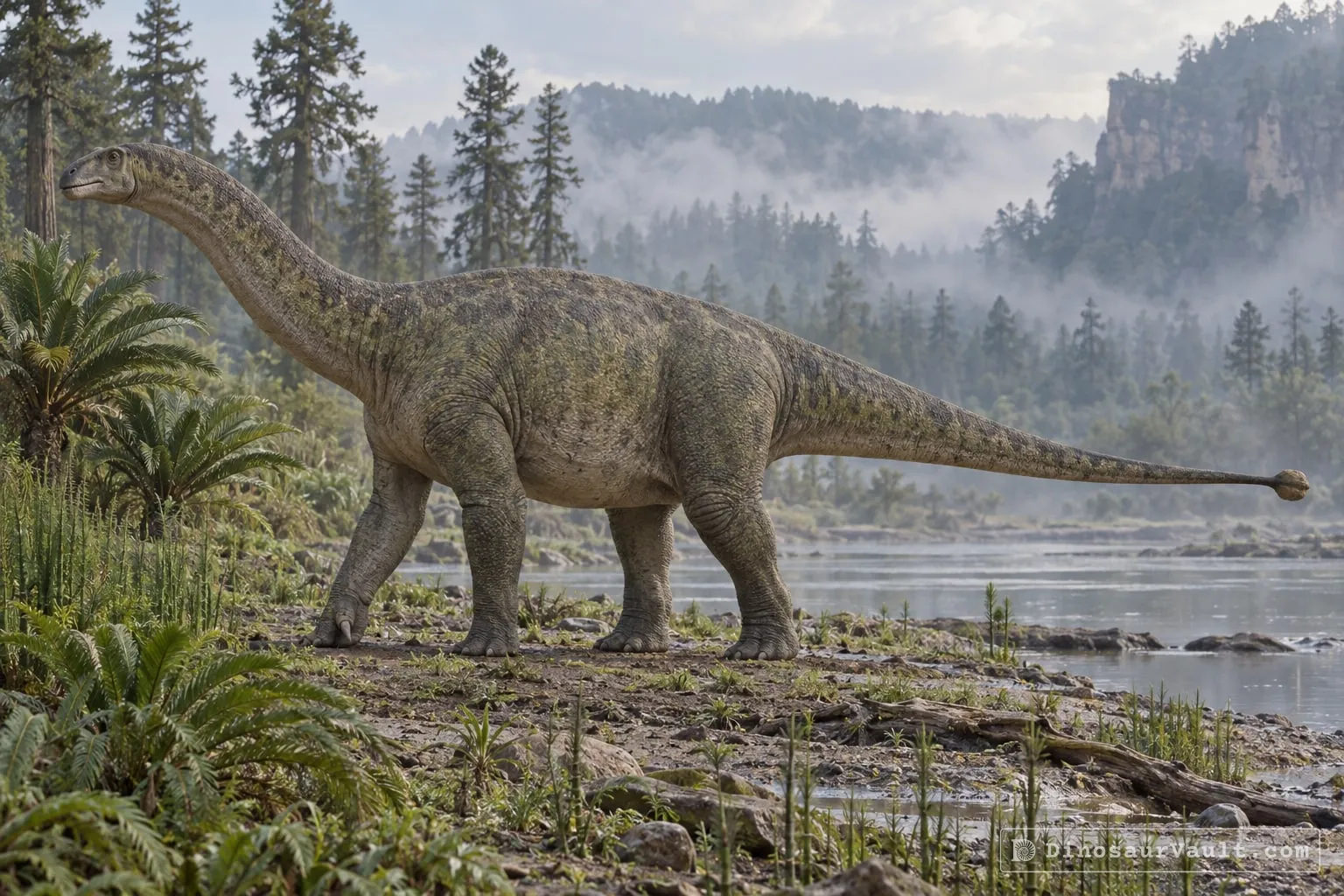
Mamenchisaurus was a long-necked plant eater known for having one of the longest necks of any animal, making up nearly half its total body length. Its head was small compared to its body, and its neck was held up by long, overlapping vertebrae.
Like other sauropods, it walked on four thick, pillar-like legs and had a long, tapering tail. Exact size estimates vary widely between species and specimens, but Mamenchisaurus ranks among the largest animals ever to have lived.
Its world
Mamenchisaurus lived in what is now China from about 168 to 137 million years ago, spanning the Middle Jurassic to the Early Cretaceous, with possible finds also reported from Mongolia and Thailand. Its fossils come from formations including Shaximiao, Xiangtang, Penglaizhen, and Shishugou.
It shared its world with predators such as Yangchuanosaurus, Sinraptor, and Guanlong, the small plant eater Gongbusaurus, and the armored Gigantspinosaurus and Tuojiangosaurus.
How it was found
Young named Mamenchisaurus in 1954, based on fossils found in China. About 17 finds of the genus are now known, spread across several named species whose exact relationships are still debated. The type species is Mamenchisaurus constructus.
Field gallery
More views of Mamenchisaurus
Scenes reconstructed from the available fossil evidence.
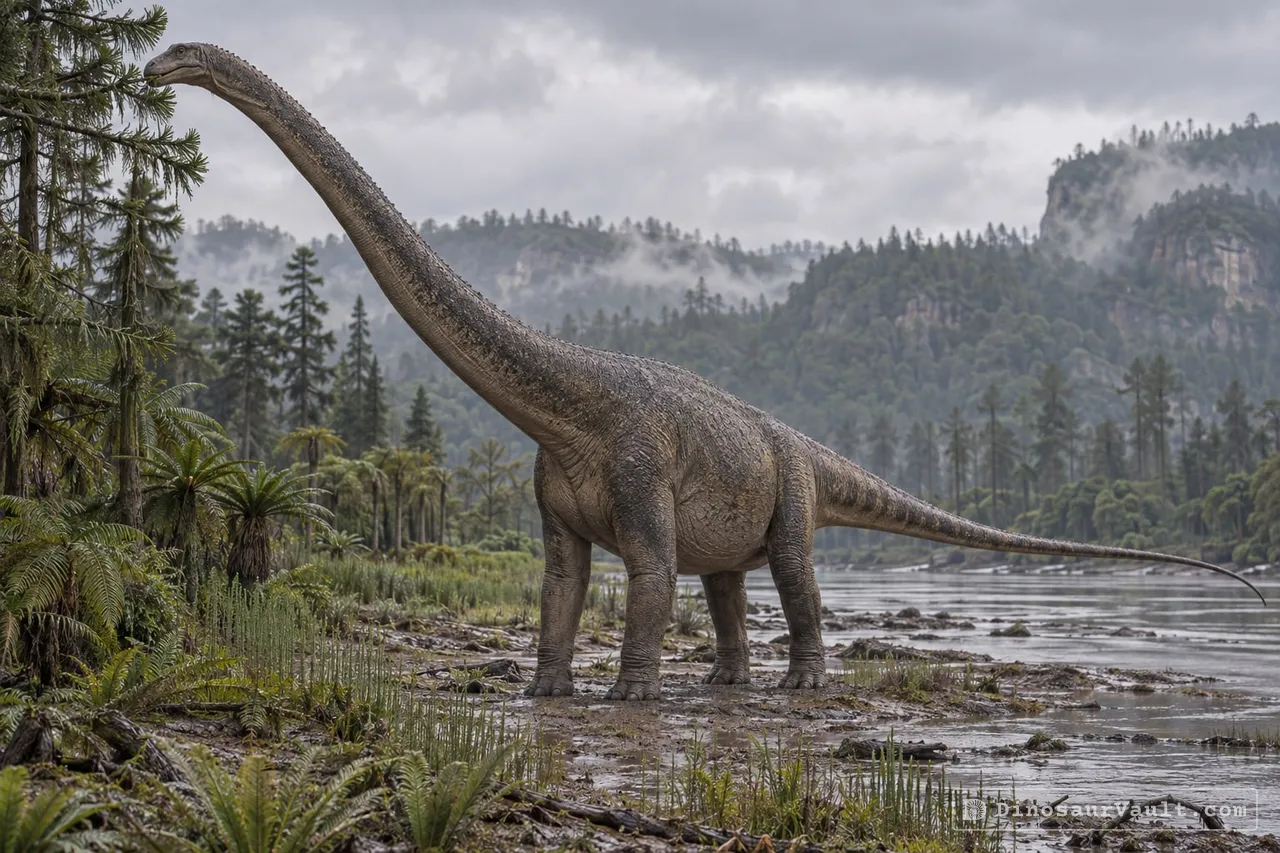
1 of 7
Lived alongside
Found in the same rock formations
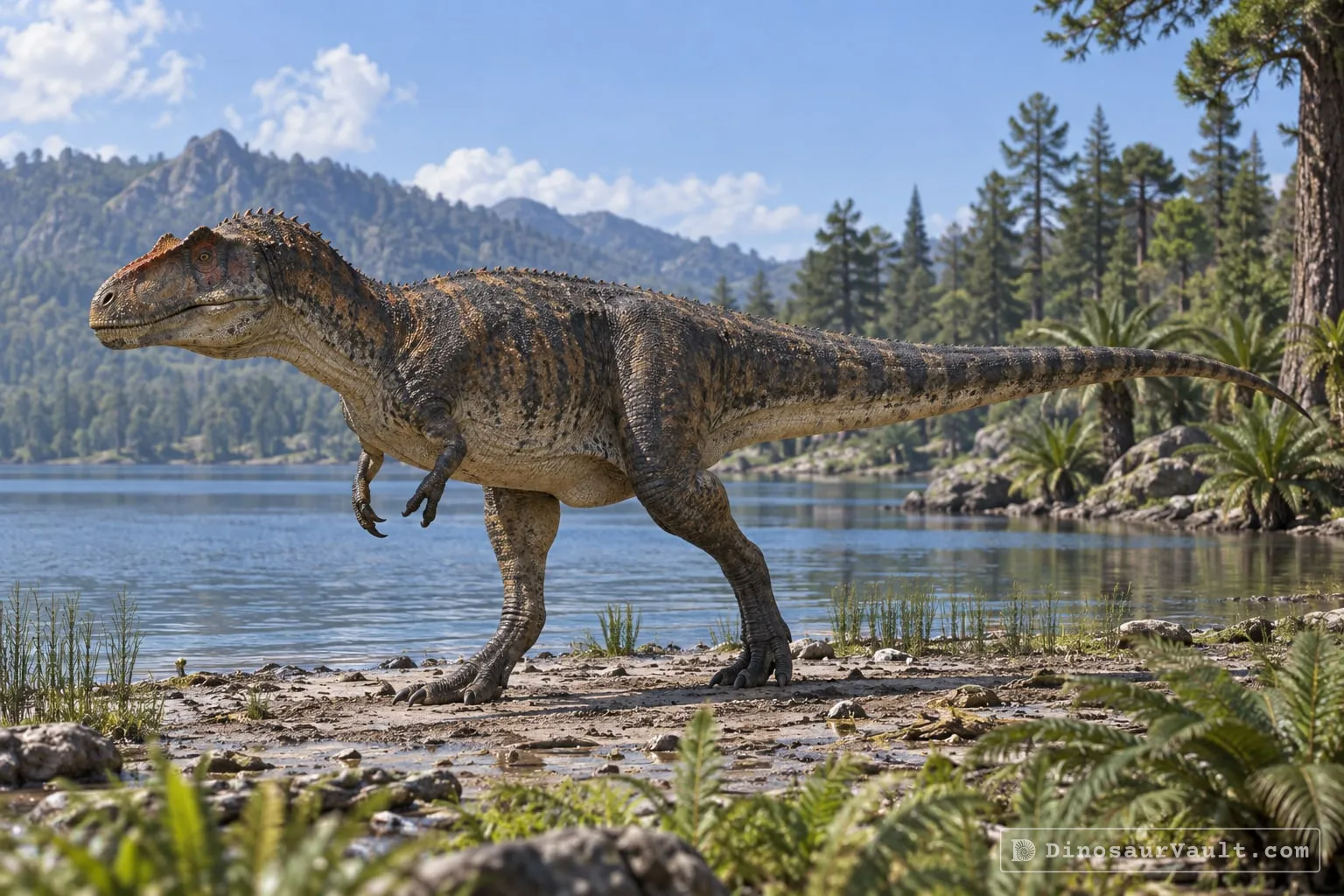
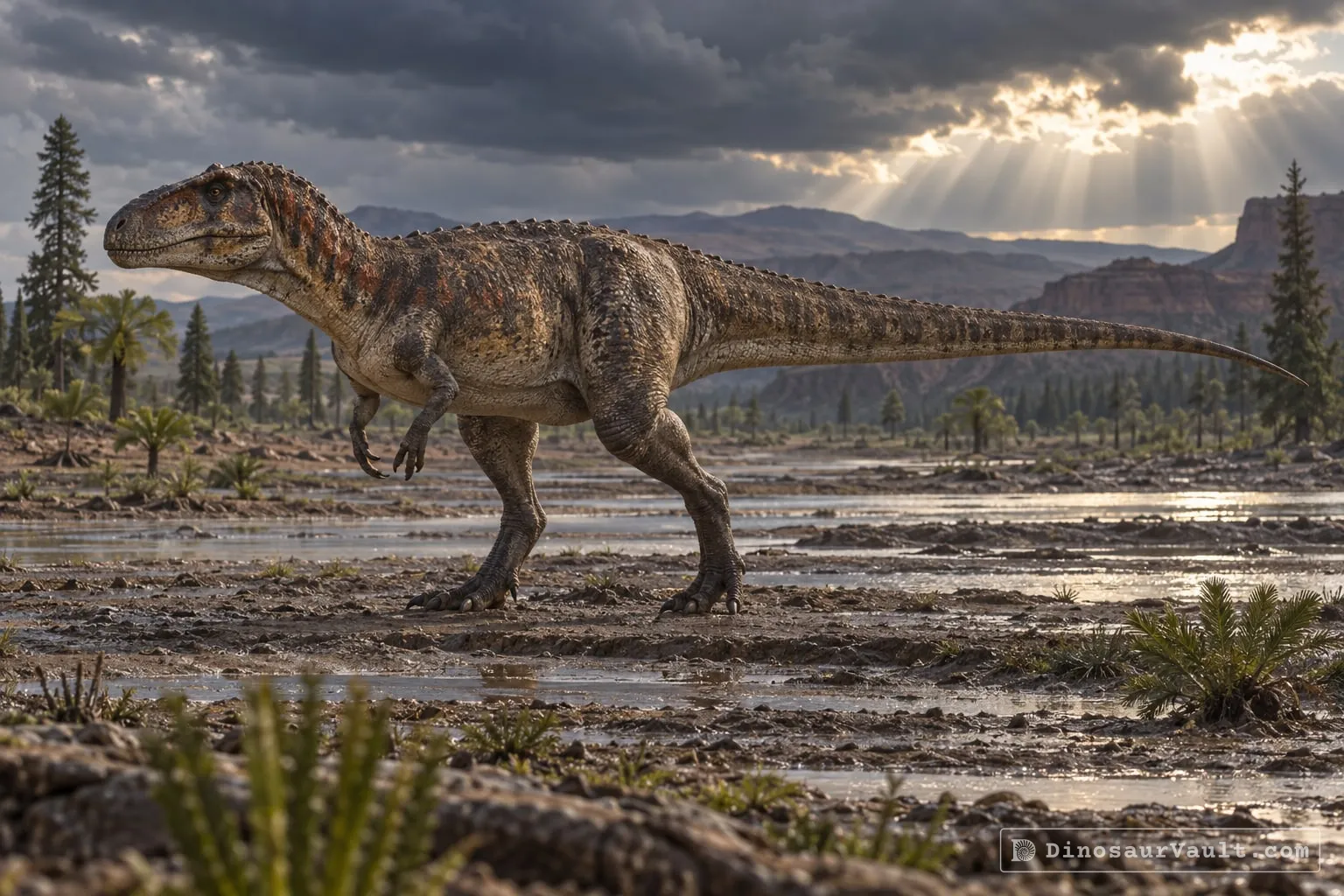
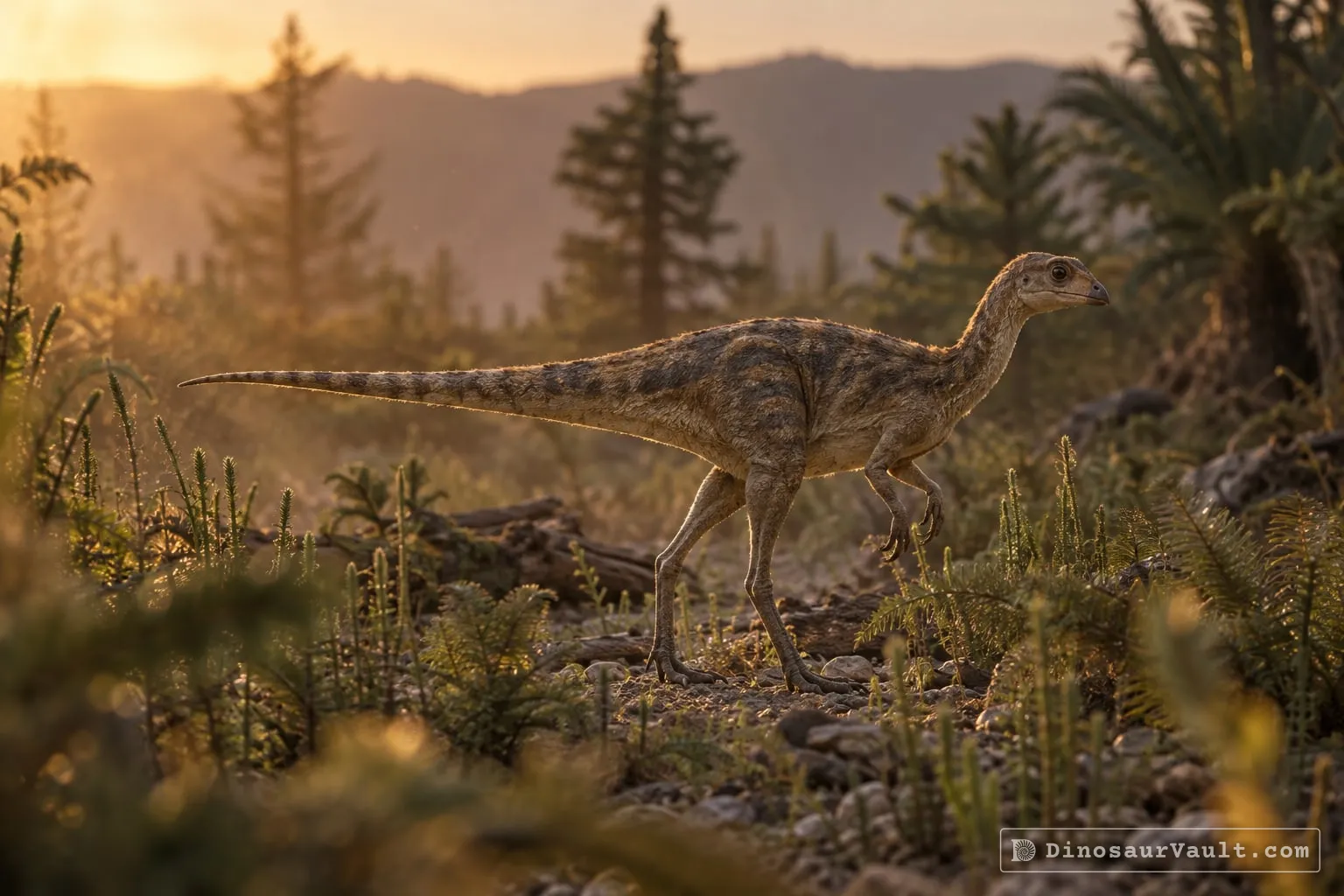
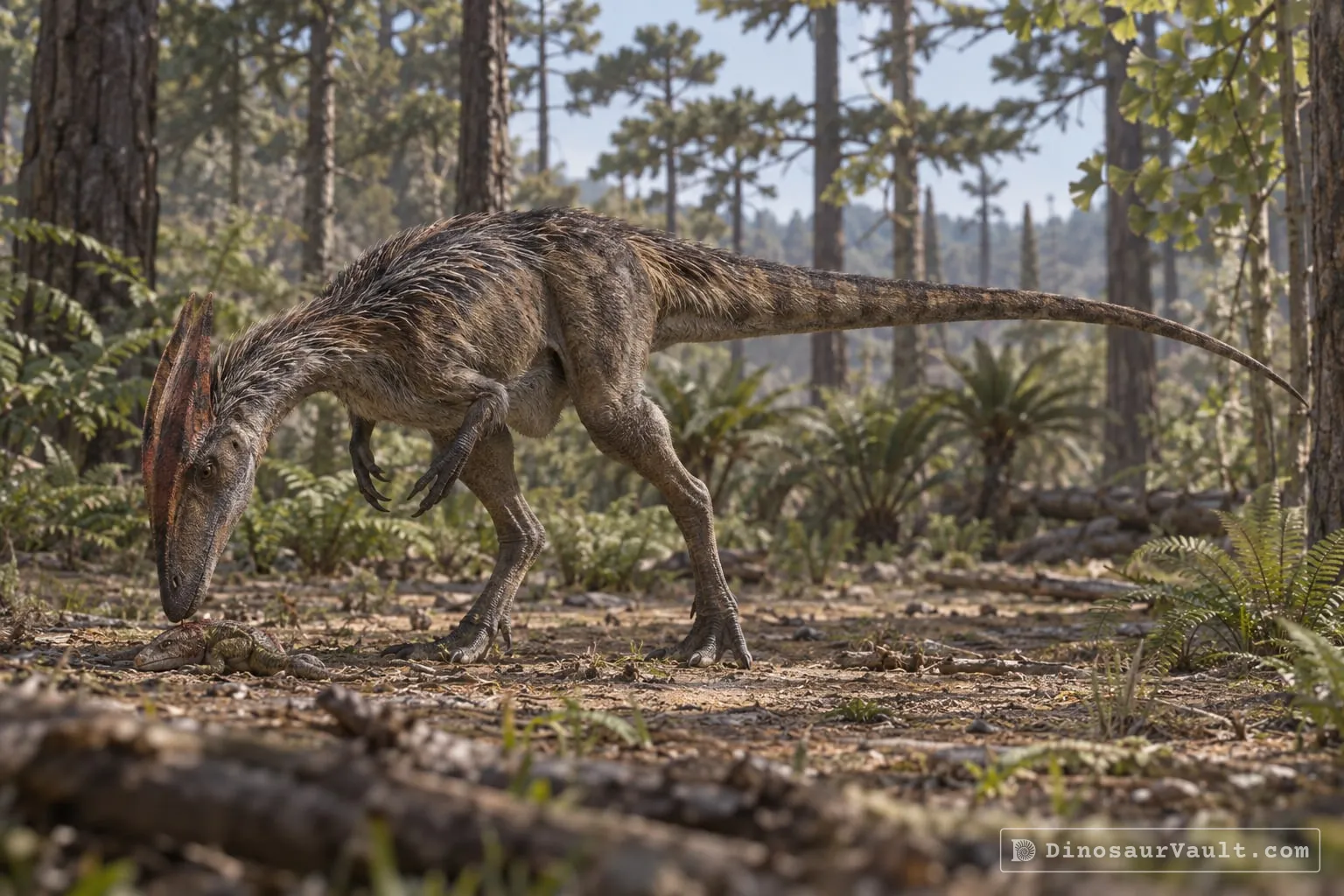
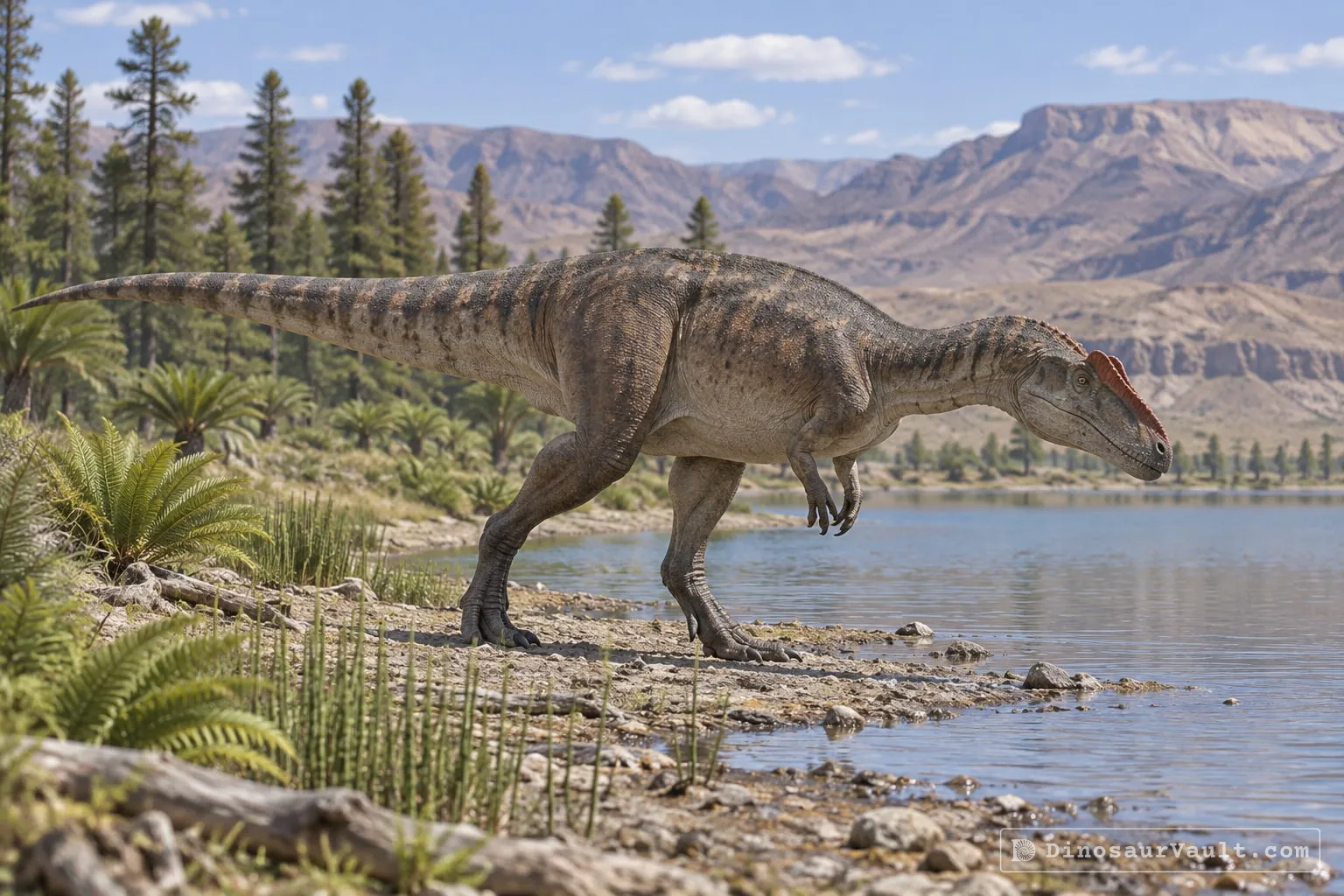
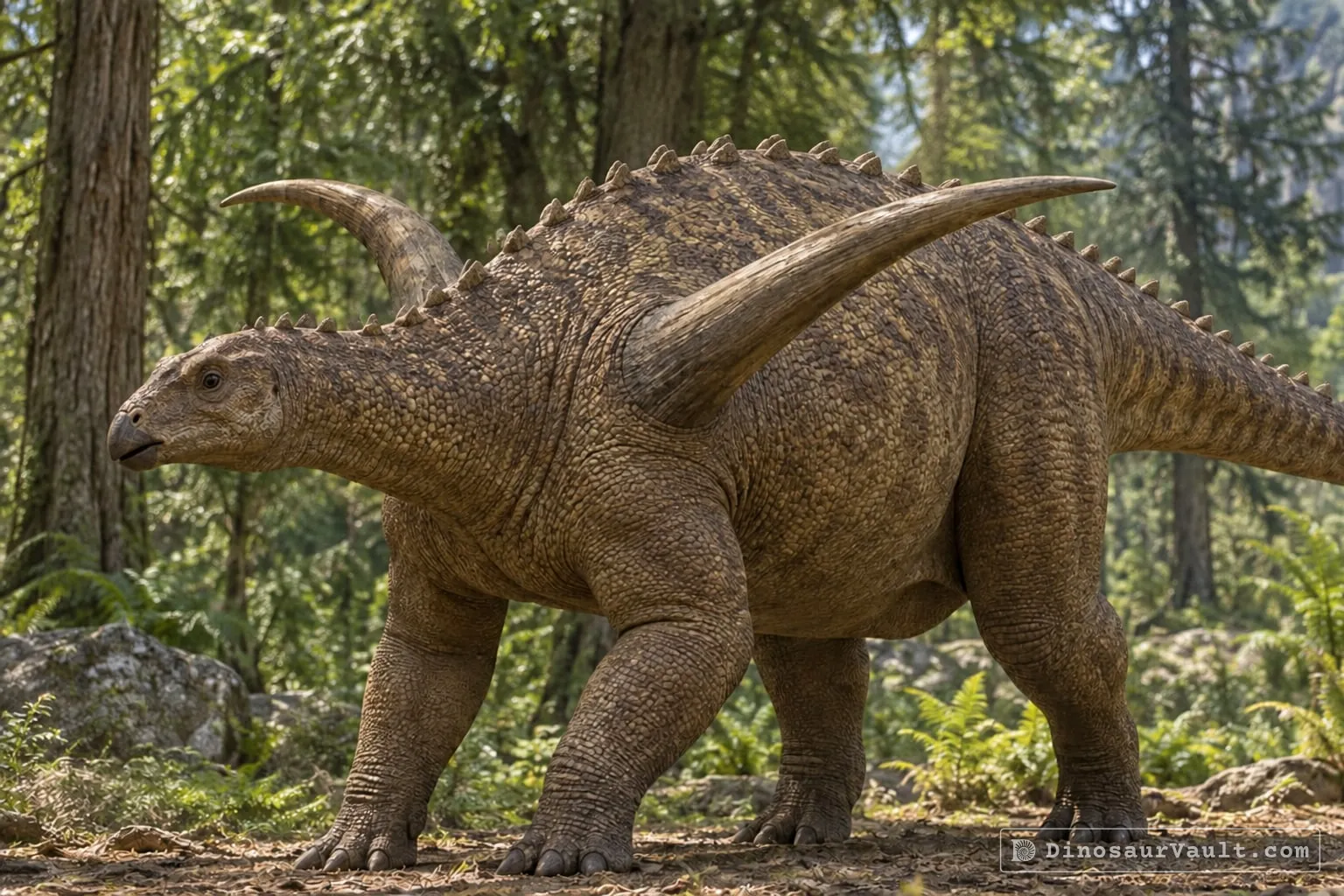
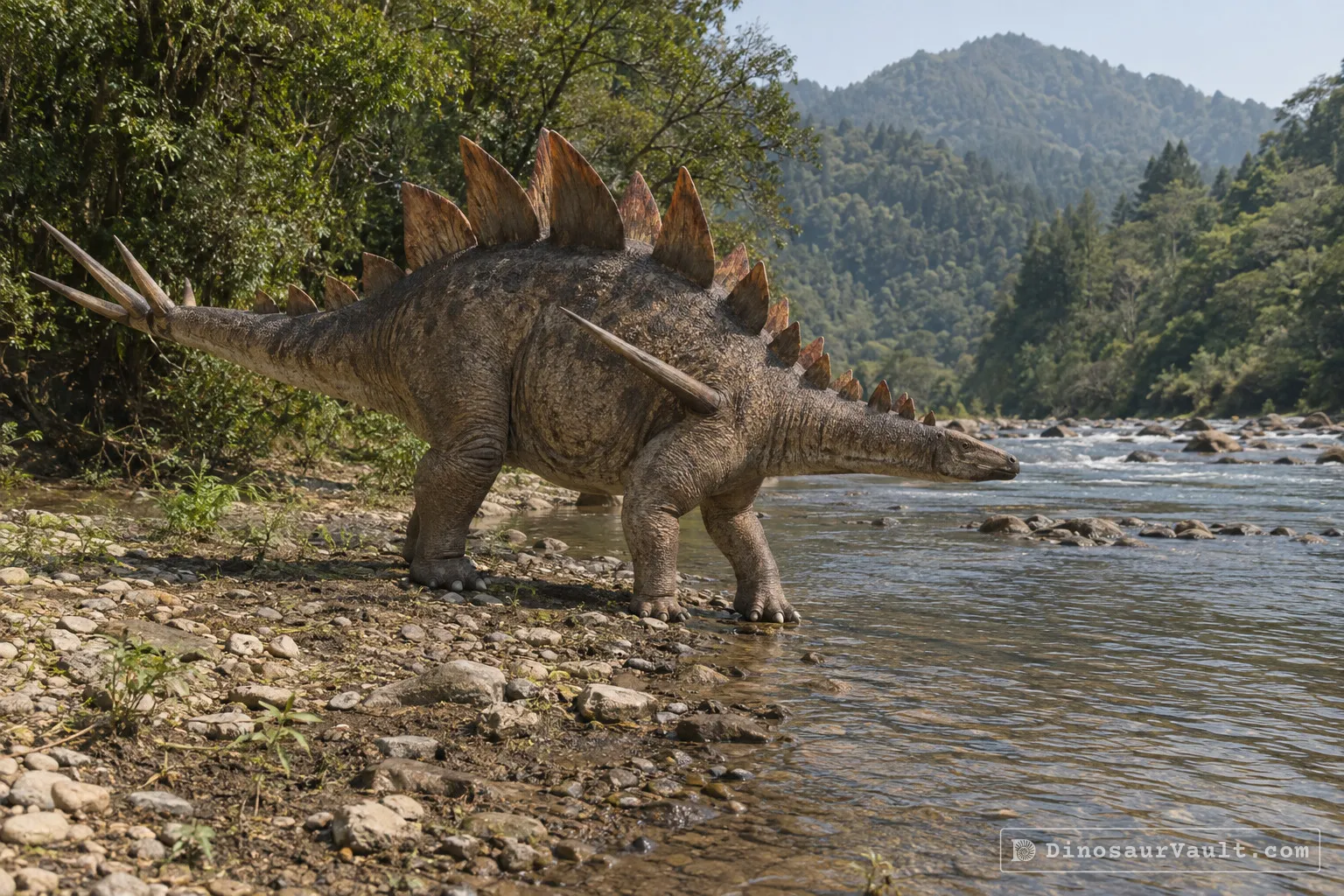


A rock formation can hold fossils laid down millions of years apart, so not every animal here met Mamenchisaurus.
The evidence
The science behind Mamenchisaurus
Which parts of the picture come from its own bones, and which come from its relatives.
From its own fossils
- The incomplete skeleton of Mamenchisaurus constructus preserves a long series of neck bones and parts of the body and hind limbs.
- A more complete skeleton of Mamenchisaurus youngi preserves the skull and neck, including long, overlapping neck ribs.
- Scans of Mamenchisaurus sinocanadorum neck bones reveal extensive internal air spaces.
Borrowed from relatives
- The missing head and forelimbs of Mamenchisaurus constructus are restored by comparison with Mamenchisaurus youngi and relatives such as Omeisaurus.
- Xinjiangtitan helps estimate the missing portions of the exceptionally long neck in Mamenchisaurus sinocanadorum.
Still unknown
- The precise head shape and forelimb anatomy of Mamenchisaurus constructus.
- Its full adult size and the proportions of its young.
- Which named species truly belong in Mamenchisaurus.
Often drawn wrong
- Its long neck needs a supported curve rather than sharp bends like a swan's neck.
- Its forefeet were upright weight-bearing structures, rather than flat hands with a row of spreading claws.
Discovery timeline
- 1954Named itYoung
- 2013PostureTaylor & Wedel
- 2013How it fedChristian et al.
- 2017PosturePAUL
- 2023Full descriptionMoore et al.
Key papers
The research behind what we know of Mamenchisaurus
Named it
Named Mamenchisaurus constructus from an incomplete skeleton found in China, recognizing its unusually long neck.
On a new sauropod from Yiping, Szechuan, China. Acta Paleontologica Sinica 2: 355-369
No link available
Posture
Explained how small heads, air-filled vertebrae and specialized neck anatomy allowed sauropods such as Mamenchisaurus to evolve extremely long necks.
Why sauropods had long necks; and why giraffes have short necks. PeerJ 1: e36
Read the paper : Why sauropods had long necks; and why giraffes have short necks (opens in a new tab)How it fed
Modeled the neck of Mamenchisaurus youngi and proposed a nearly straight feeding posture suited to browsing at low and medium heights.
Biomechanical Reconstructions and Selective Advantages of Neck Poses and Feeding Strategies of Sauropods with the Example of Mamenchisaurus youngi. PLoS ONE 8: e71172
Read the paper : Biomechanical Reconstructions and Selective Advantages of Neck Poses and Feeding Strategies of Sauropods with the Example of Mamenchisaurus youngi (opens in a new tab)Posture
Reassessed maximum feeding height in sauropods, including Mamenchisaurus youngi, and challenged reconstructions that strongly restricted upward neck movement.
Restoring Maximum Vertical Browsing Reach in Sauropod Dinosaurs. The Anatomical Record 300: 1802-1825
Read the paper : Restoring Maximum Vertical Browsing Reach in Sauropod Dinosaurs (opens in a new tab)Full description
Restudied Mamenchisaurus sinocanadorum, documented air-filled neck bones and compared relatives to estimate its exceptionally long neck.
Re-assessment of the Late Jurassic eusauropod Mamenchisaurus sinocanadorum Russell and Zheng, 1993, and the evolution of exceptionally long necks in mamenchisaurids. Journal of Systematic Palaeontology 21
Read the paper : Re-assessment of the Late Jurassic eusauropod Mamenchisaurus sinocanadorum Russell and Zheng, 1993, and the evolution of exceptionally long necks in mamenchisaurids (opens in a new tab)
Close relatives
Other members of Mamenchisauridae


Sources: Wikidata