Guanlong
GWAHN-long
"crown dragon"
- Lived
- 162 to 155 million years ago, Late Jurassic
- Diet
- Carnivore
- Length
- about 3 m (10 ft)
- Group
- Theropods, Proceratosauridae
- Found in
- China
- Named by
- Xu et al. 2006
Size comparison
To scale

Scale in meters
Where its fossils were found
The evidence
Today

160 million years ago
Habitat
It probably lived on floodplains with wet hollows, low woodland and patchy undergrowth in the Shishugou Formation. Other dinosaurs of the region included Sinraptor and Mamenchisaurus.
Field notes
About Guanlong
What it was like
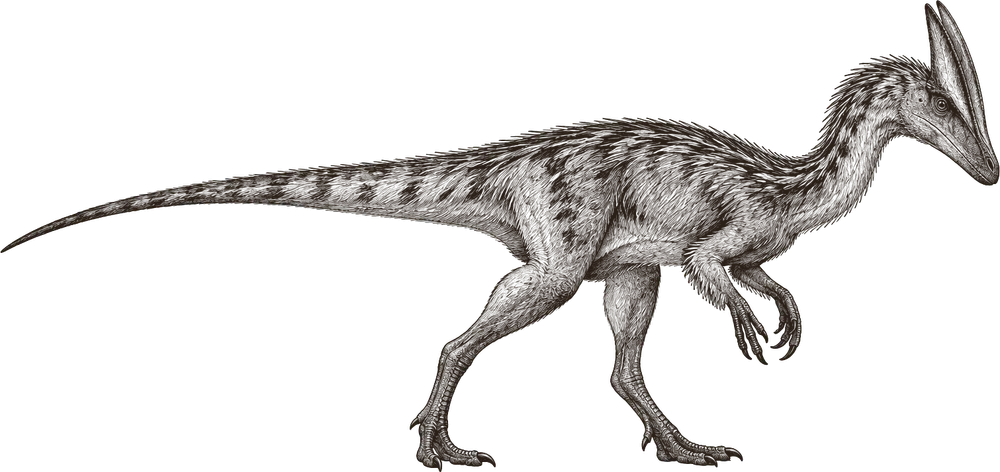
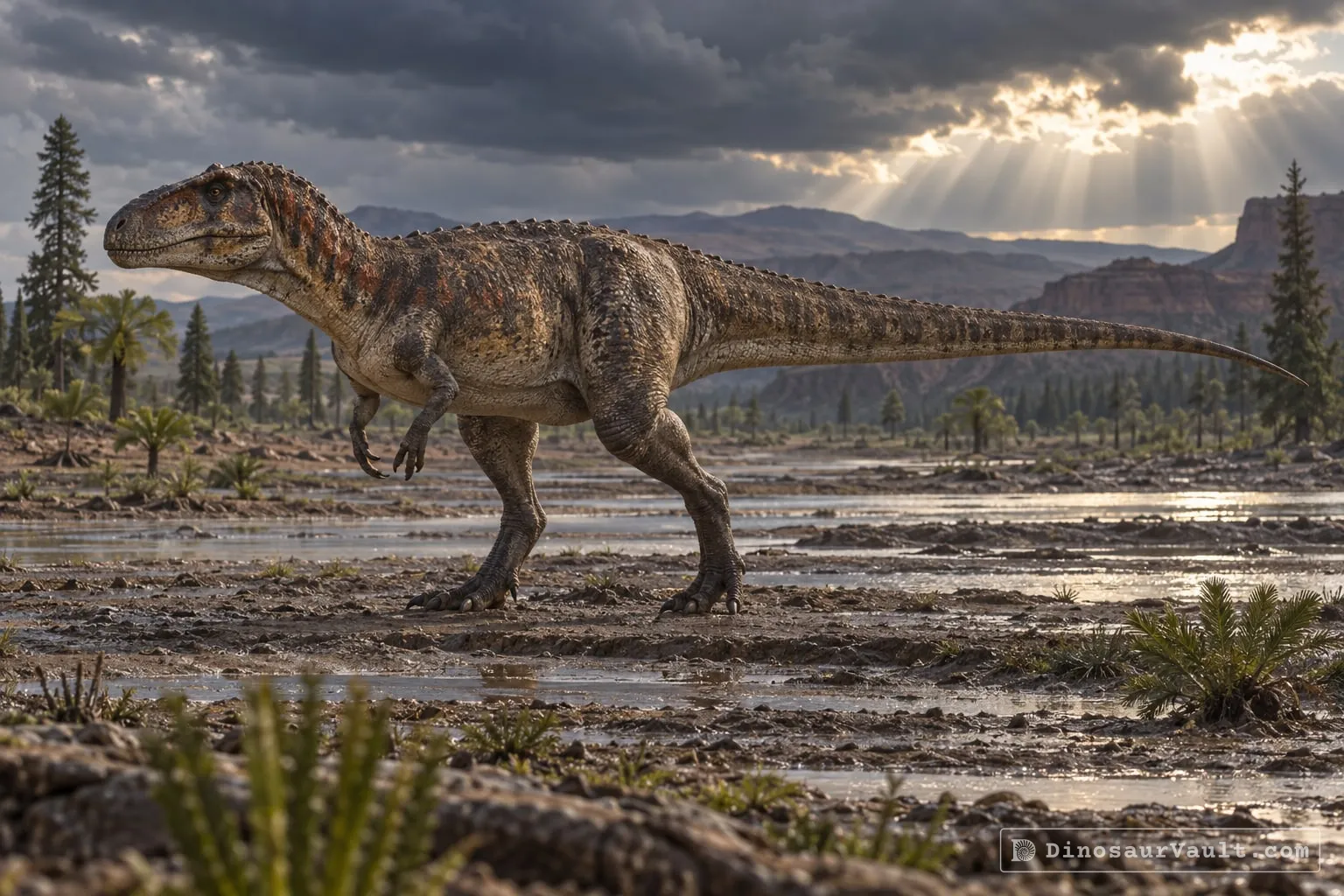
Guanlong was an early relative of the tyrannosaurs, much smaller and lighter than its famous descendants. It grew to about 3 meters (10 feet) long, and a thin, blade-like crest ran along the top of its snout, probably used for display rather than fighting.
Its arms were longer and its build lighter than those of later tyrannosauroids, showing how different this early branch of the family looked before larger, heavier-bodied hunters evolved.
Its world
Guanlong lived from about 162 to 155 million years ago, in the Late Jurassic, in what is now China. Its fossils come from the Shishugou Formation.
It shared its world with the long-necked Mamenchisaurus, the predator Sinraptor, and Monolophosaurus, another crested meat eater from the same region.
How it was found
Xu and colleagues named Guanlong in 2006. Only one fossil find has been reported for the genus, made up of an adult and a nearly complete juvenile skeleton found together. Guanlong is one of the earliest known tyrannosauroids, and its closest relatives include Proceratosaurus and Yutyrannus, part of the crested family Proceratosauridae.
Field gallery
More views of Guanlong
Scenes reconstructed from the available fossil evidence.
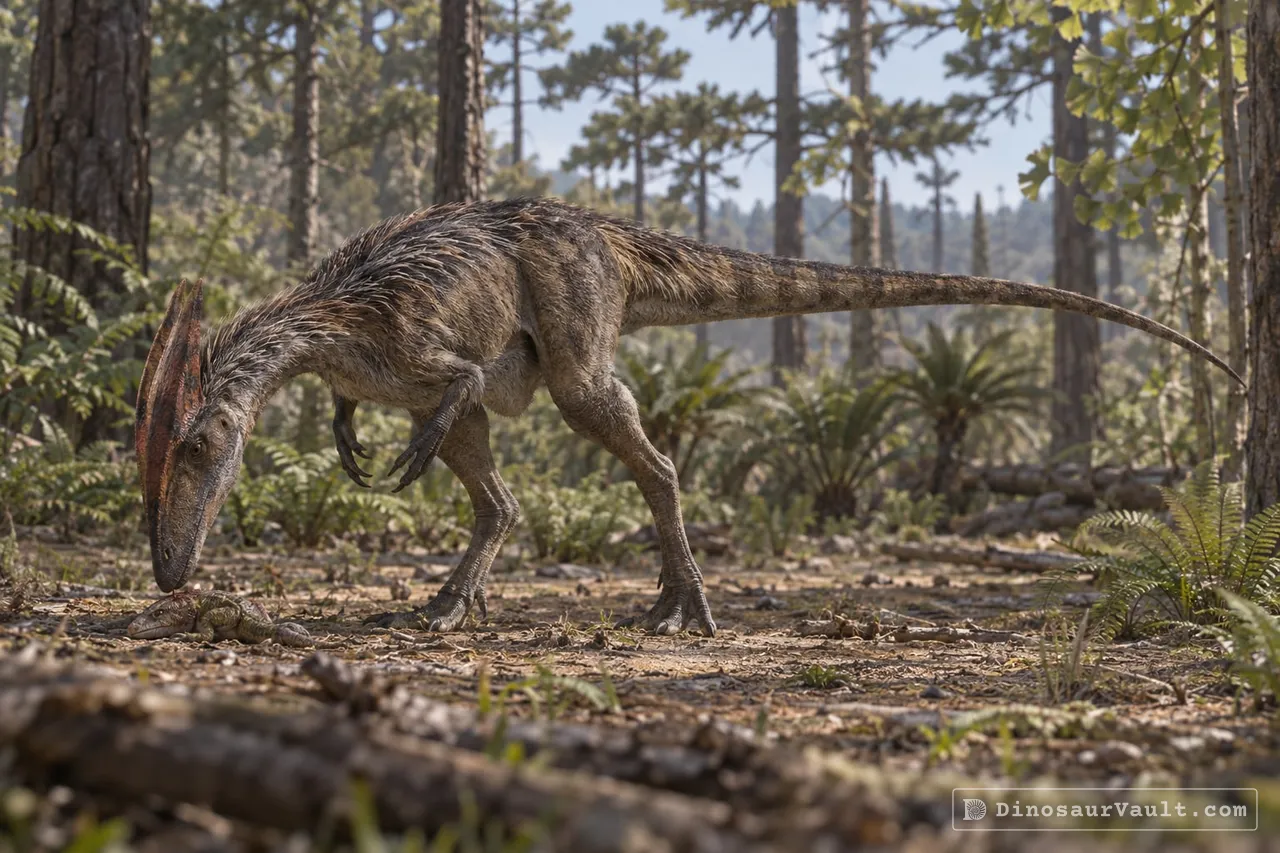
1 of 7
Lived alongside
Found in the same rock formations
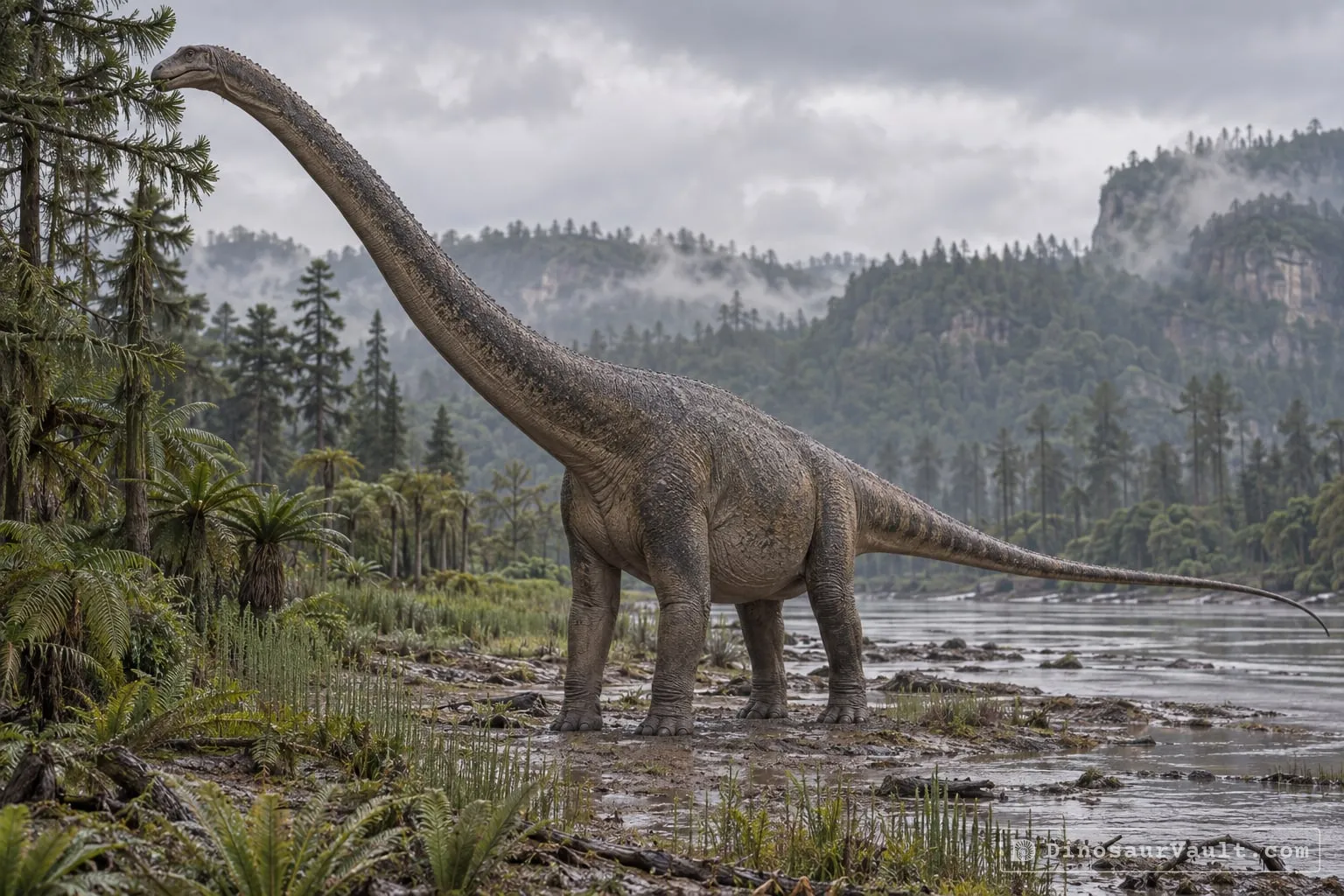
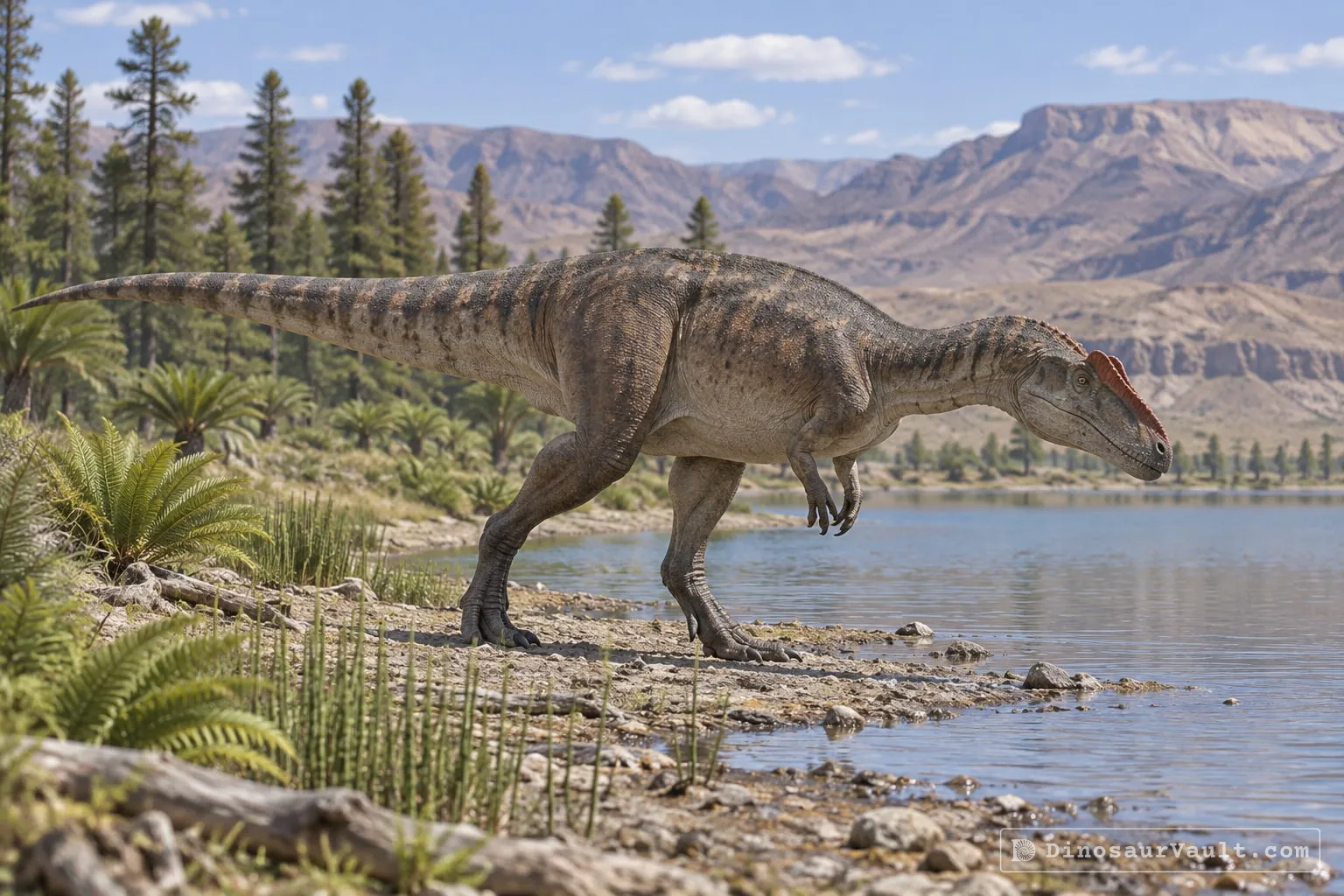
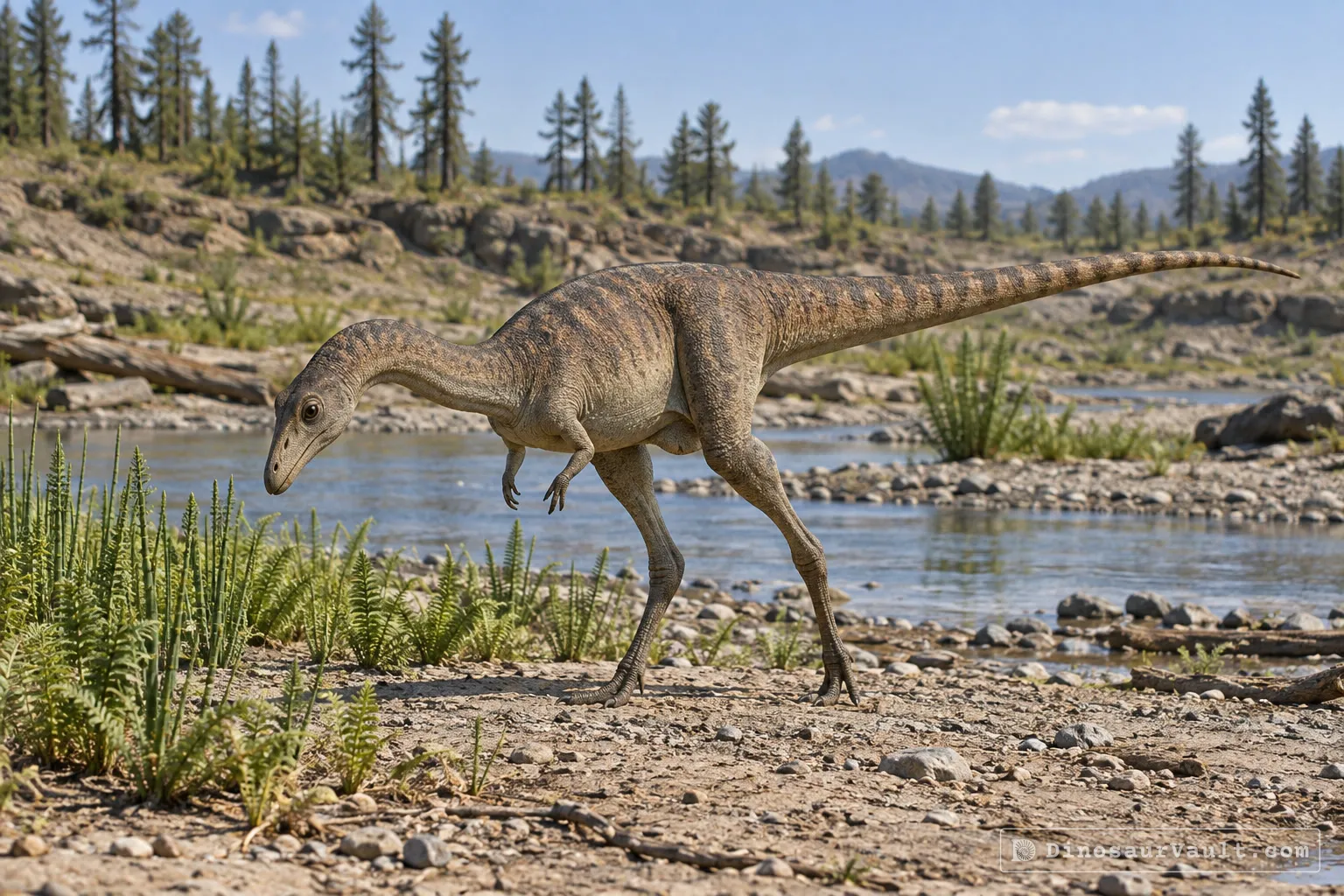
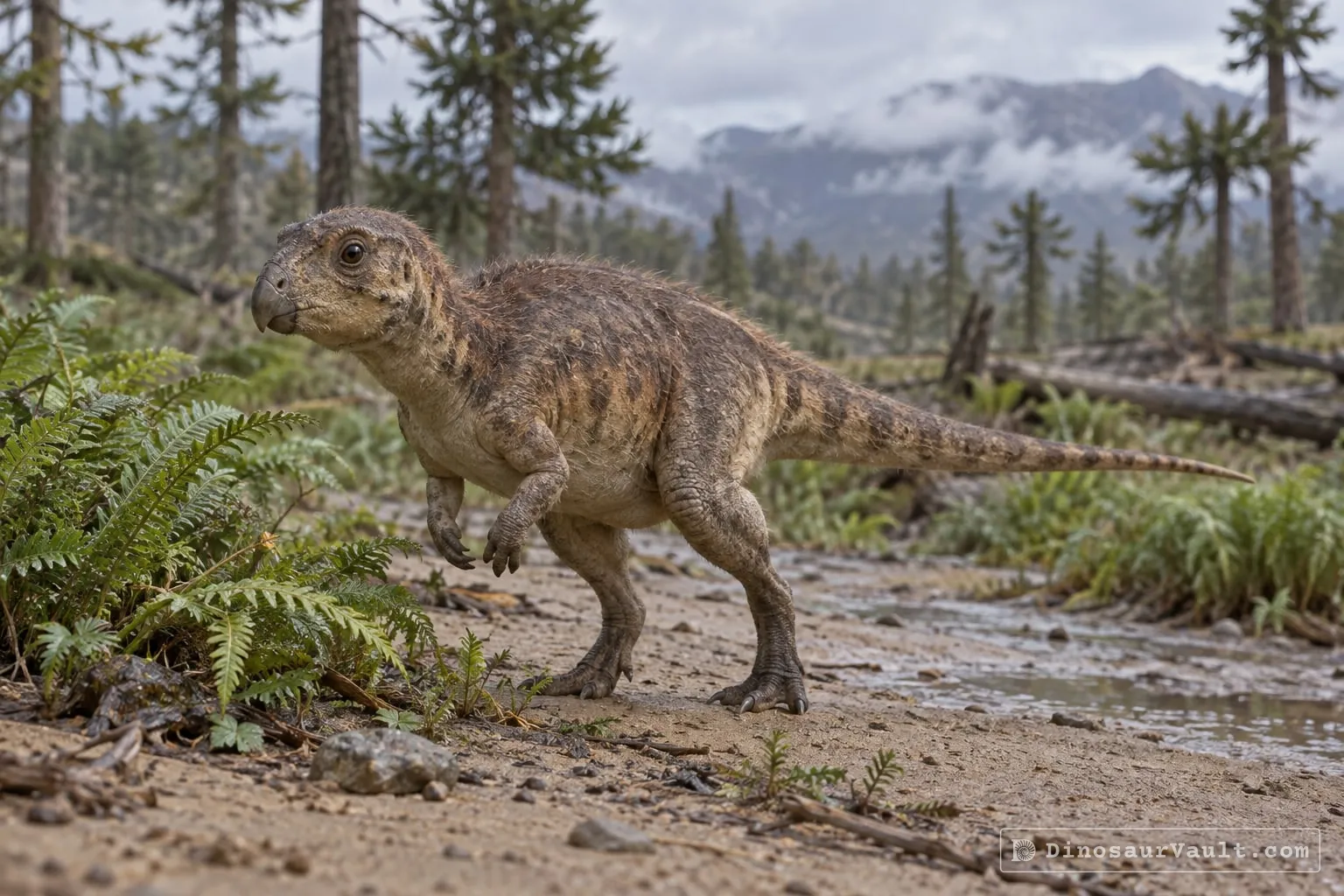
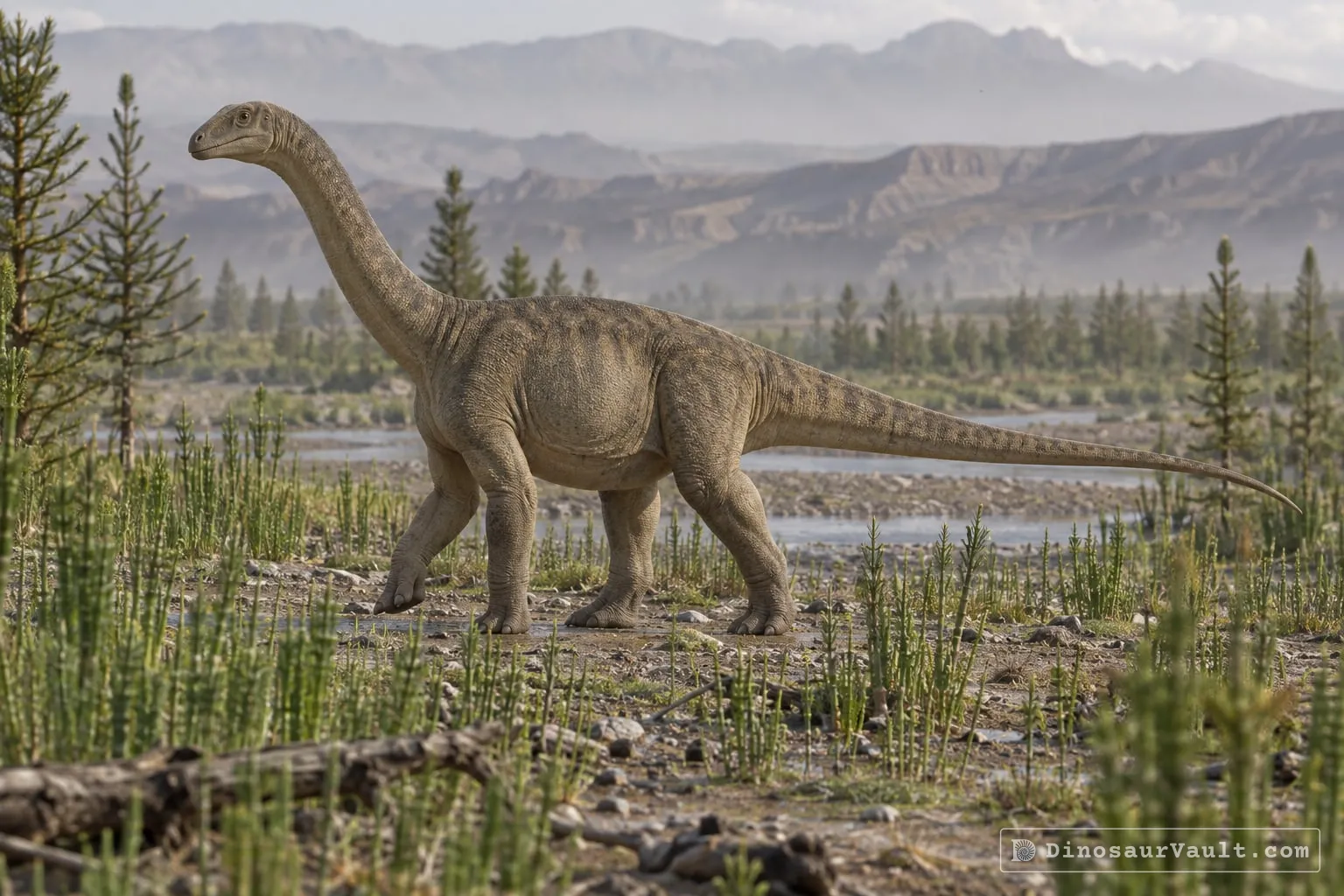
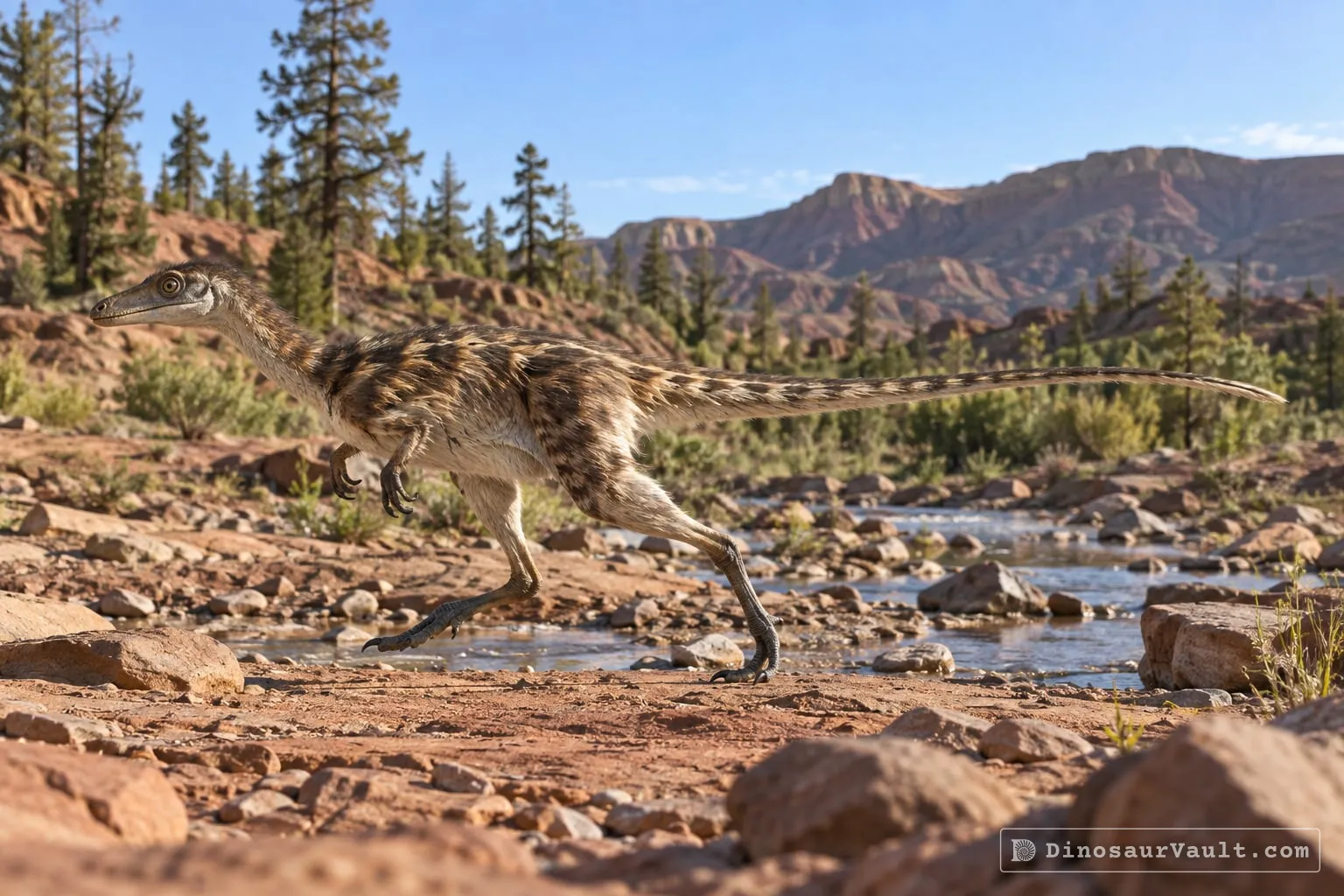
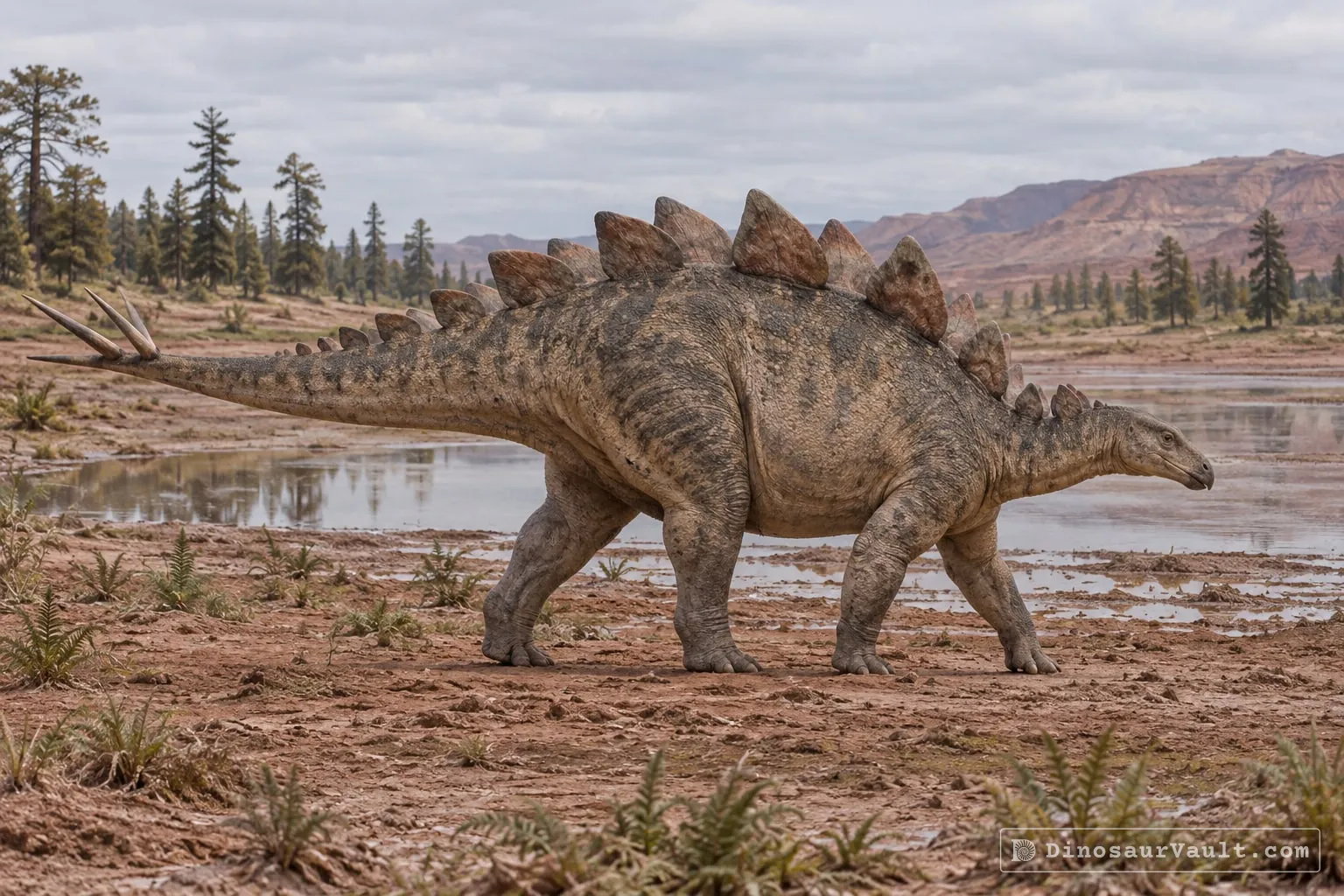


A rock formation can hold fossils laid down millions of years apart, so not every animal here met Guanlong.
The evidence
The science behind Guanlong
Which parts of the picture come from its own bones, and which come from its relatives.
From its own fossils
- Adult and juvenile skeletons show a slender body, a long snout and a long tail.
- A tall, thin crest ran along the middle of the snout.
- Its long arms ended in grasping hands with three fingers.
Borrowed from relatives
- Much of its body is known from its own skeletons.
- A covering of fine body feathers is inferred from feathered tyrannosauroids such as Dilong and Yutyrannus.
Still unknown
- Its color and the extent of its feather covering.
- Exactly how it used its crest.
- Whether adults cared for their young.
Often drawn wrong
- Its arms were long and three-fingered, rather than the short arms of Tyrannosaurus.
- Its crest was a thin blade along the midline, rather than paired crests like those of Dilophosaurus.
Discovery timeline
- 2004Close relativeXu et al.
- 2006Named itXu et al.
- 2010Fossil sitesEBERTH, XING & CLARK
Key papers
The research behind what we know of Guanlong
Close relative
Described fine feathers in Dilong, showing that a feather covering occurred among early tyrannosauroids.
Basal tyrannosauroids from China and evidence for protofeathers in tyrannosauroids. Nature 431: 680-684
Read the paper : Basal tyrannosauroids from China and evidence for protofeathers in tyrannosauroids (opens in a new tab)Named it
Described adult and juvenile skeletons of a slender early tyrannosauroid with a delicate crest.
A basal tyrannosauroid dinosaur from the Late Jurassic of China. Nature 439: 715-718
Read the paper : A basal tyrannosauroid dinosaur from the Late Jurassic of China (opens in a new tab)Fossil sites
Interpreted pits containing Guanlong and other small theropods as muddy traps made by the feet of large sauropods.
DINOSAUR DEATH PITS FROM THE JURASSIC OF CHINA. PALAIOS 25: 112-125
Read the paper : DINOSAUR DEATH PITS FROM THE JURASSIC OF CHINA (opens in a new tab)
Close relatives
Other members of Proceratosauridae


Sources: Wikidata