Haolong
HOW-long
Type species Haolong dongi
- Lived
- 126 to 121 million years ago, Early Cretaceous
- Diet
- Herbivore
- Group
- Ornithopods
- Found in
- China
- Named by
- Huang et al. 2026
Where its fossils were found
The evidence
Today

125 million years ago
Habitat
It probably lived near lakes in the Yixian Formation, where ginkgo fossils are known. Other dinosaurs from these rocks include Psittacosaurus, Beipiaosaurus and Yutyrannus.
Field notes
About Haolong
What it was like
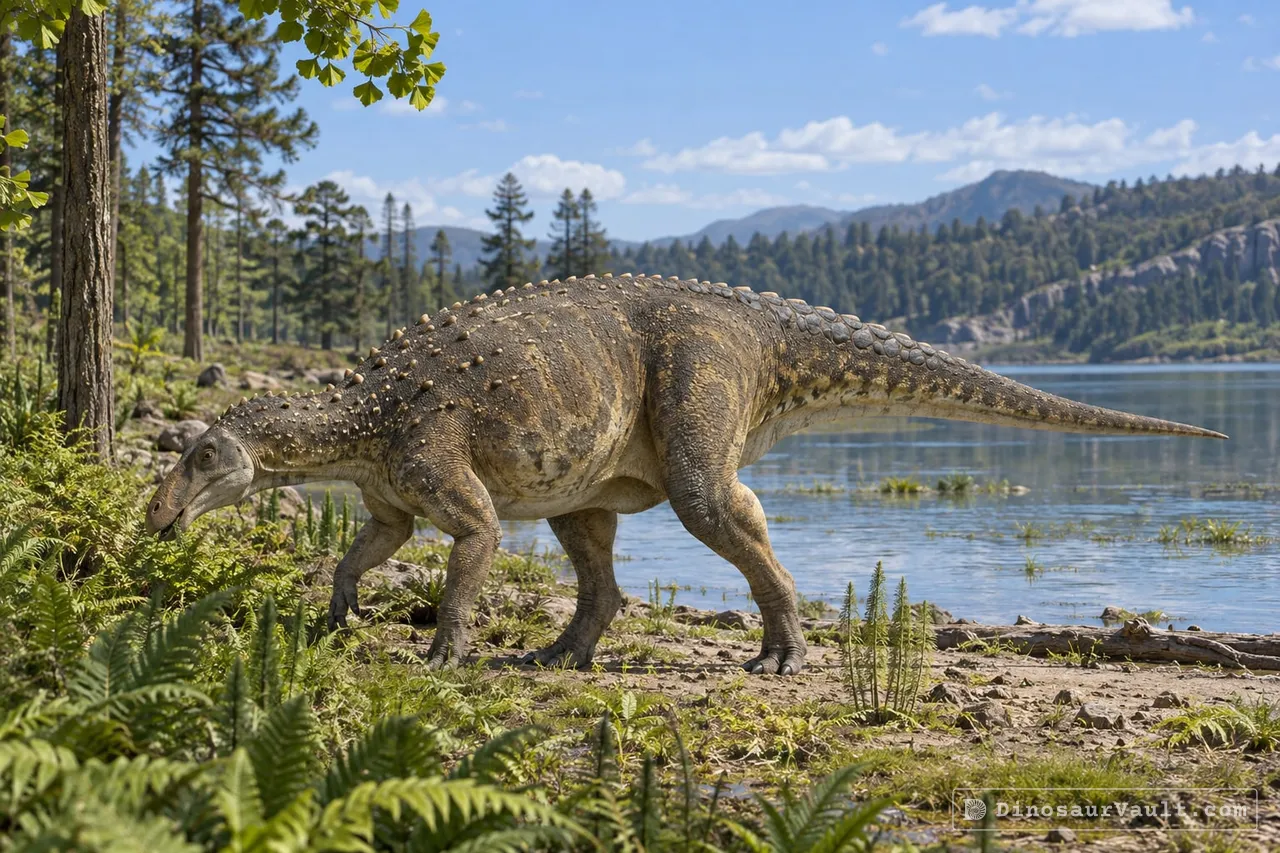
Haolong is a newly named hadrosauroid, an early relative of the duck-billed dinosaurs, known from a single, well-preserved skeleton found with traces of its skin. It was a plant eater, and its skeleton is complete enough that paleontologists can study its whole body rather than working from scattered pieces, which is rare for a dinosaur this early in hadrosauroid evolution.
Its world
Haolong lived from about 126 to 121 million years ago, in the Early Cretaceous, in what is now China. Its bones come from the Yixian Formation, a site known for preserving fine details like feathers and skin alongside bone. It shared this world with early tyrannosauroids such as Yutyrannus and feathered dinosaurs including Sinosauropteryx and Caudipteryx.
How it was found
Huang and colleagues named Haolong in 2026, giving it the species name Haolong dongi. It is closely related to other early hadrosauroids such as Fukuisaurus and Bactrosaurus, and as one of the most recently named dinosaurs from the Yixian Formation, much about its life and habits is still being worked out.
Field gallery
More views of Haolong
Scenes reconstructed from the available fossil evidence.
1 of 4
Lived alongside
Found in the same rock formations
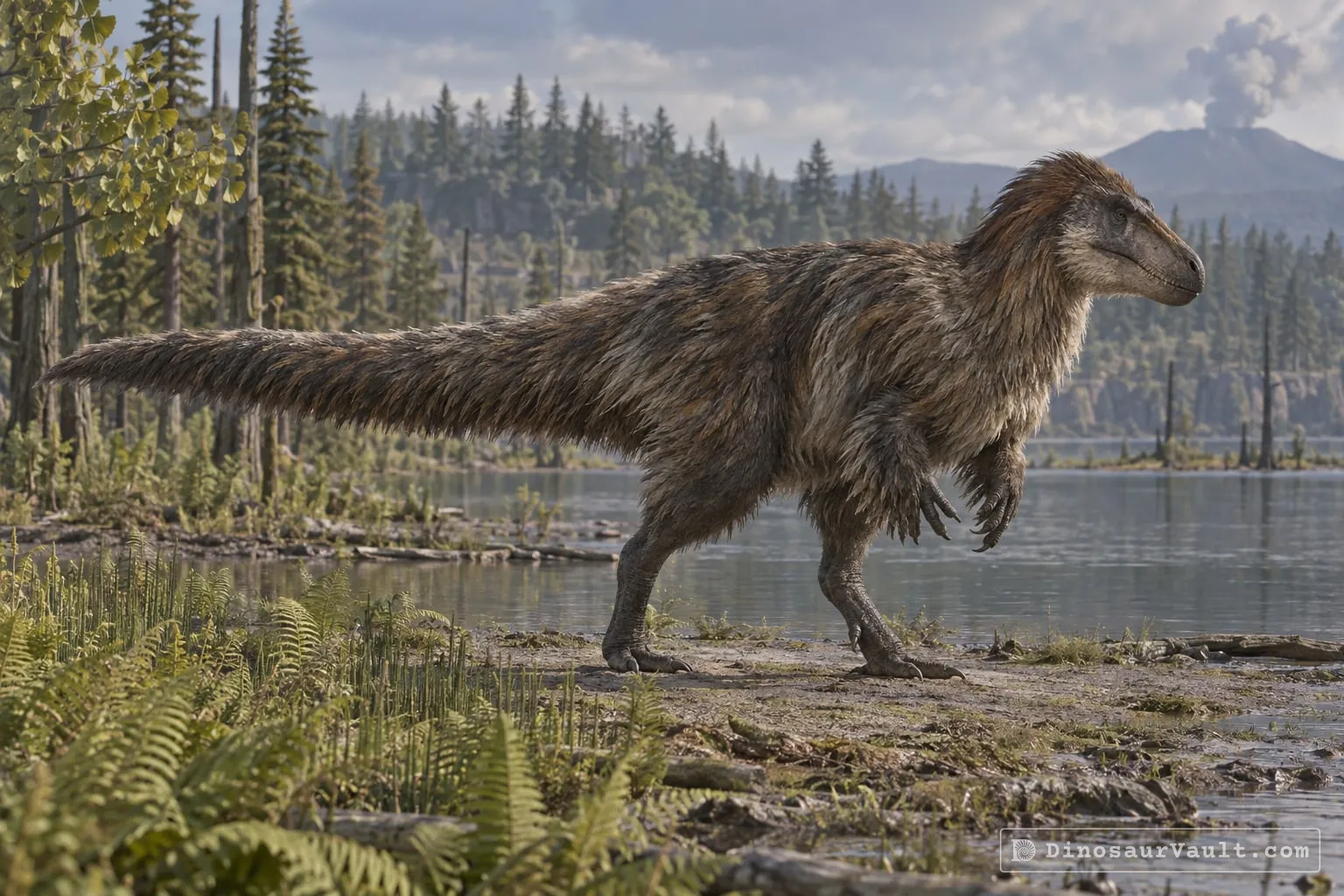
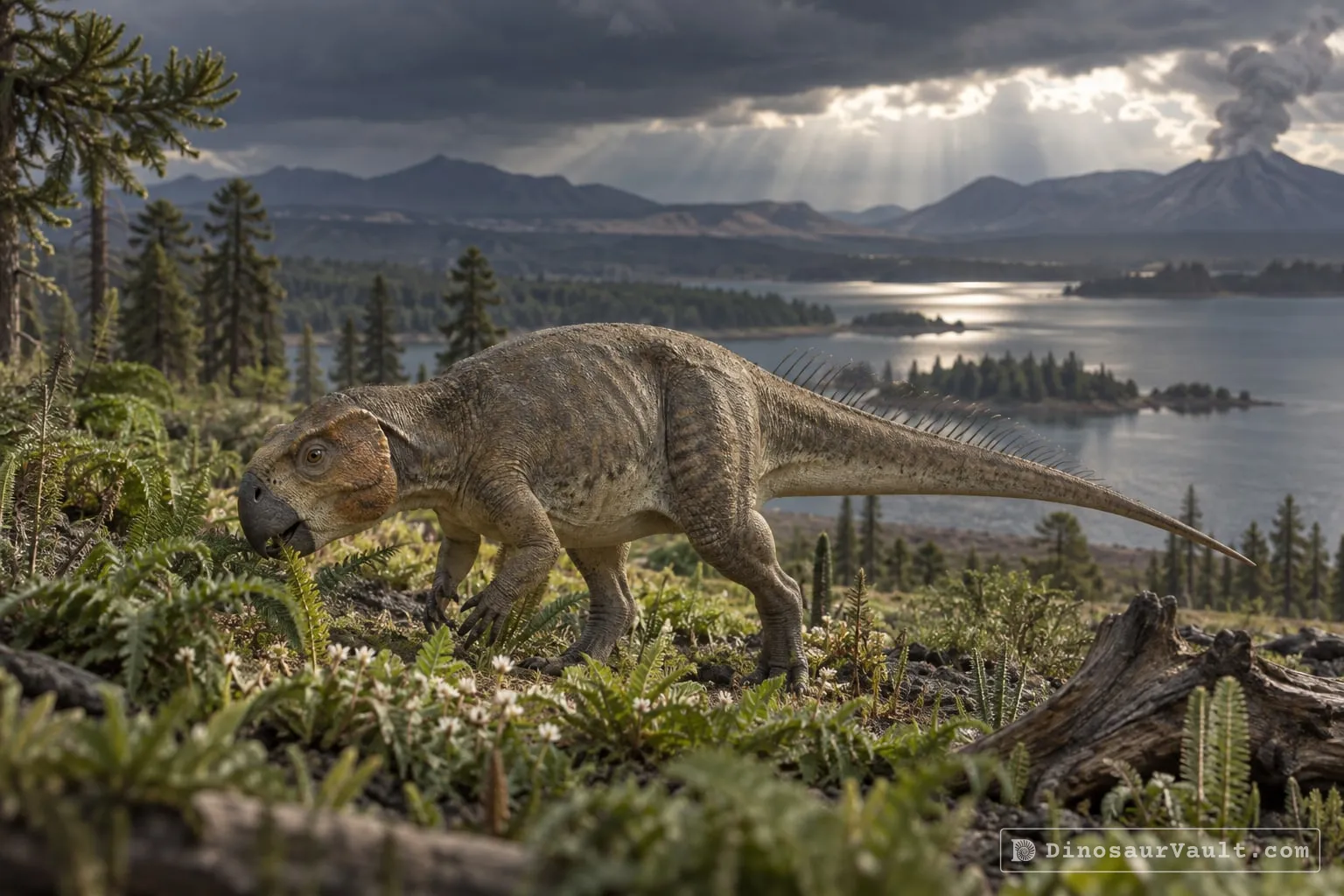
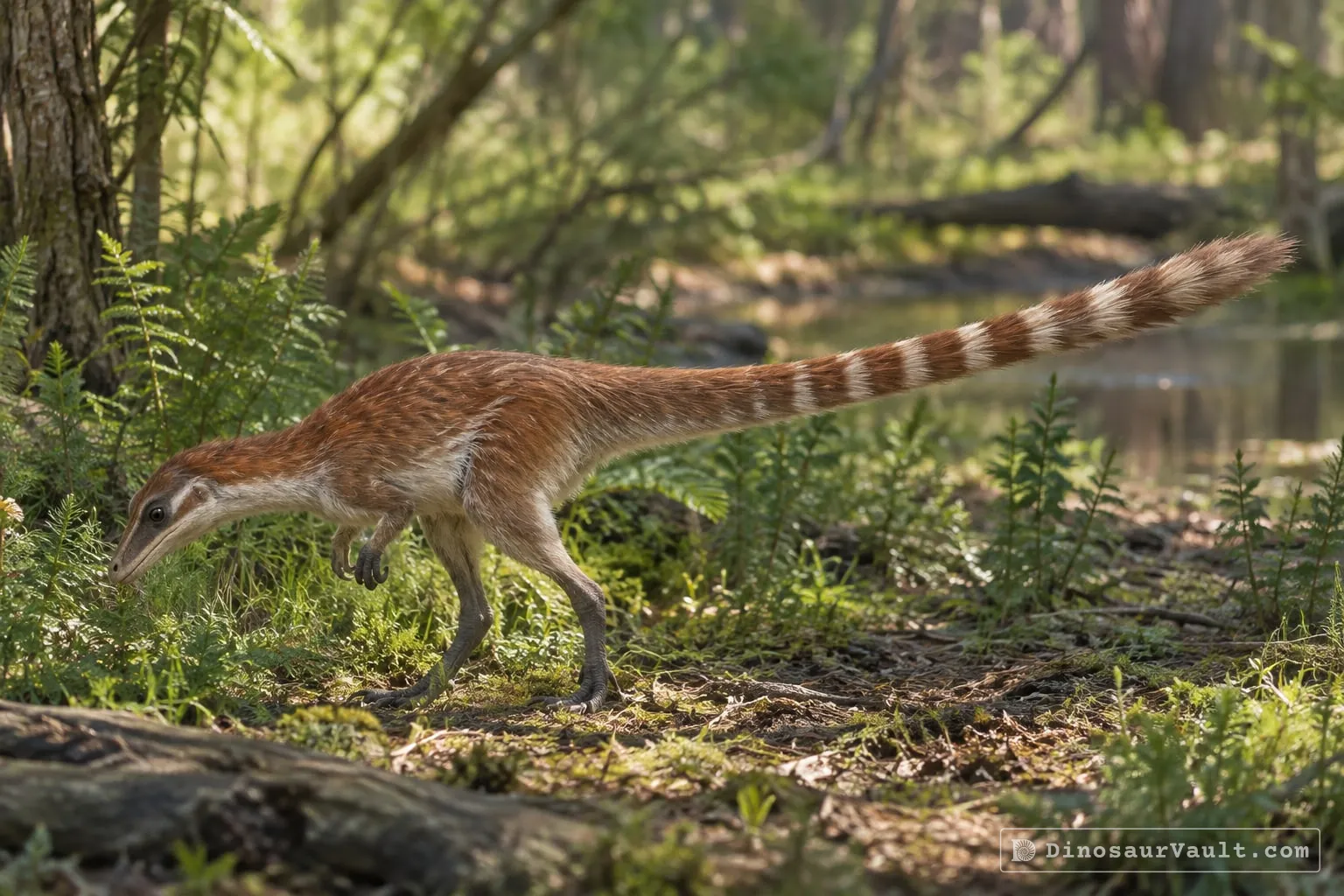
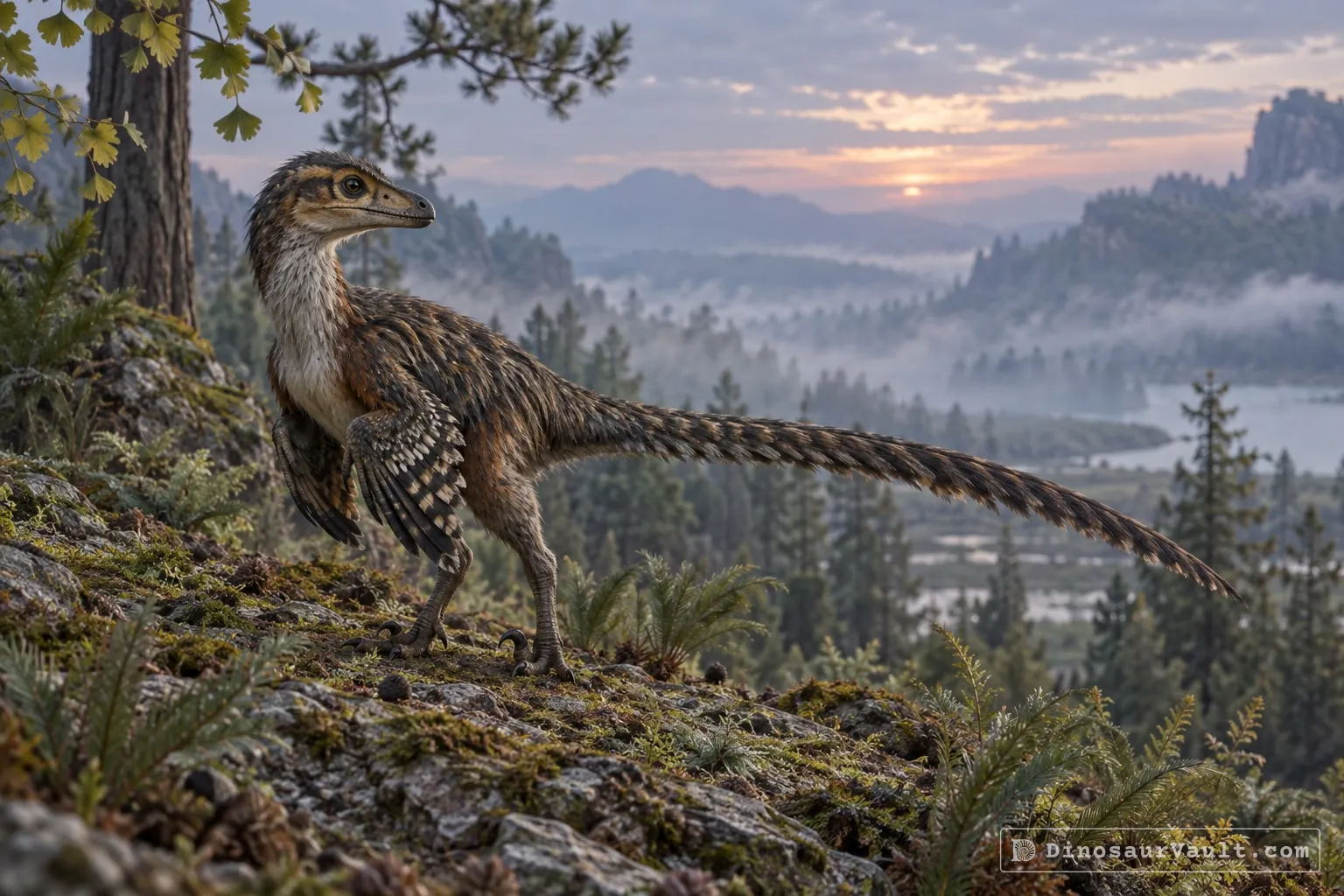
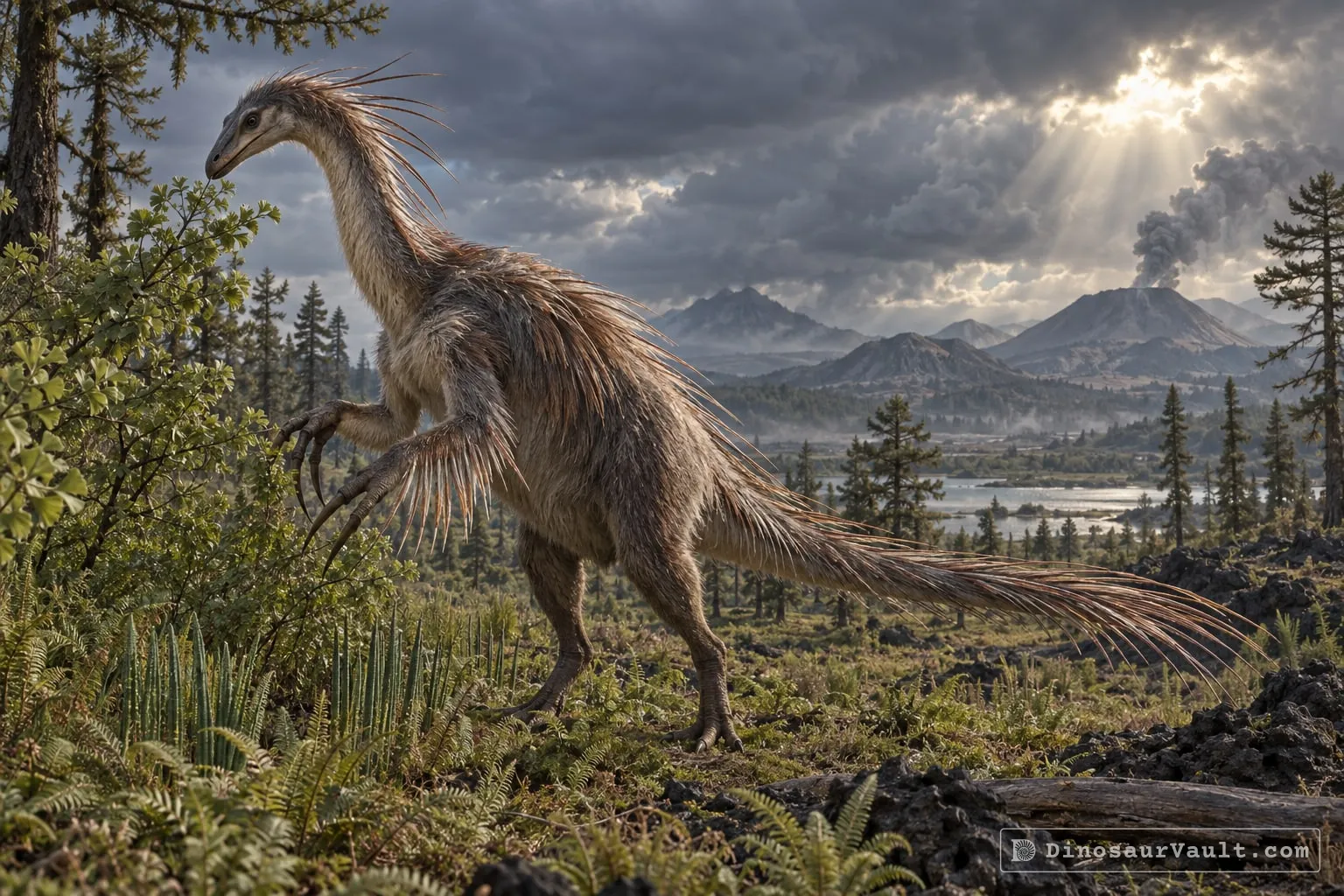
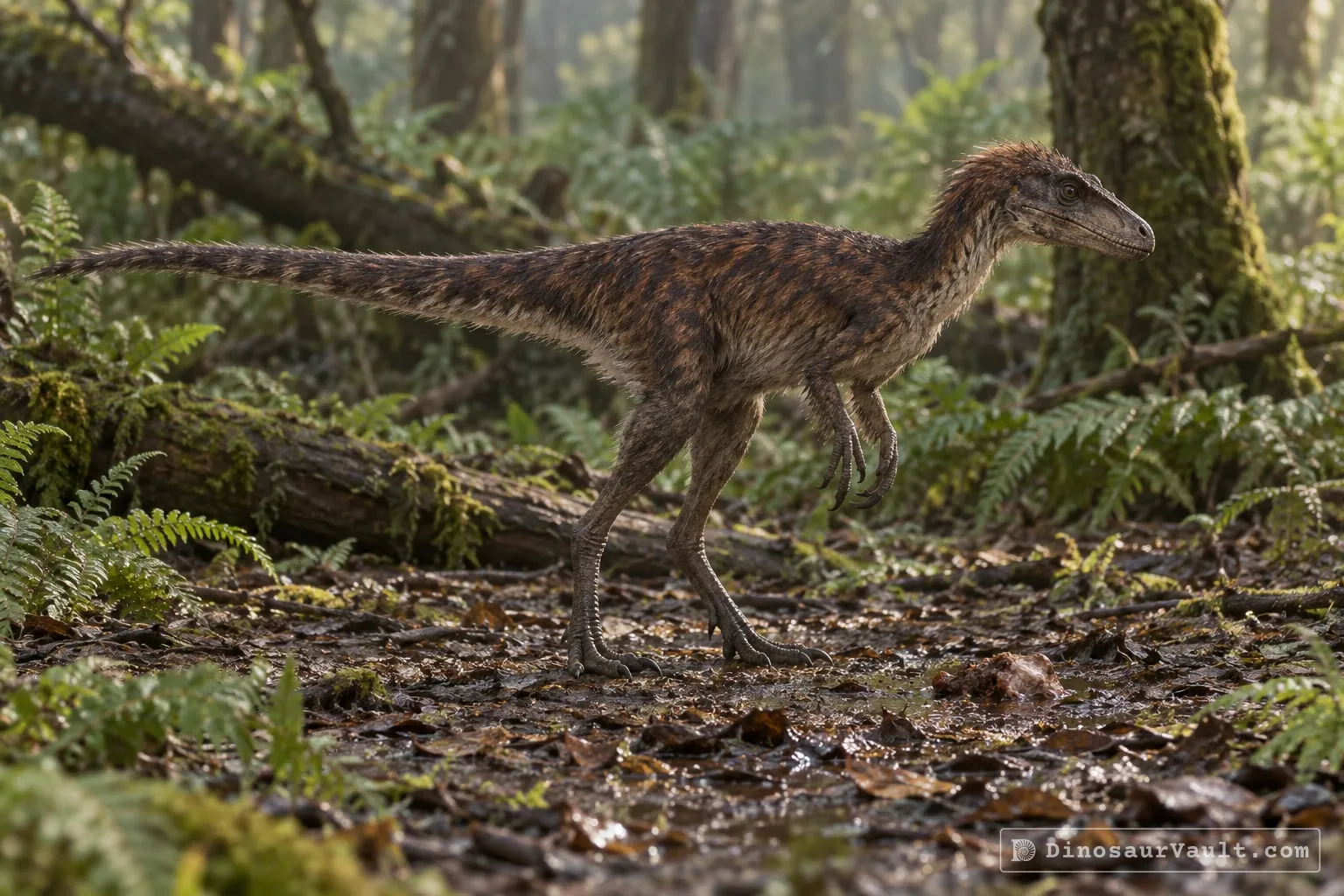
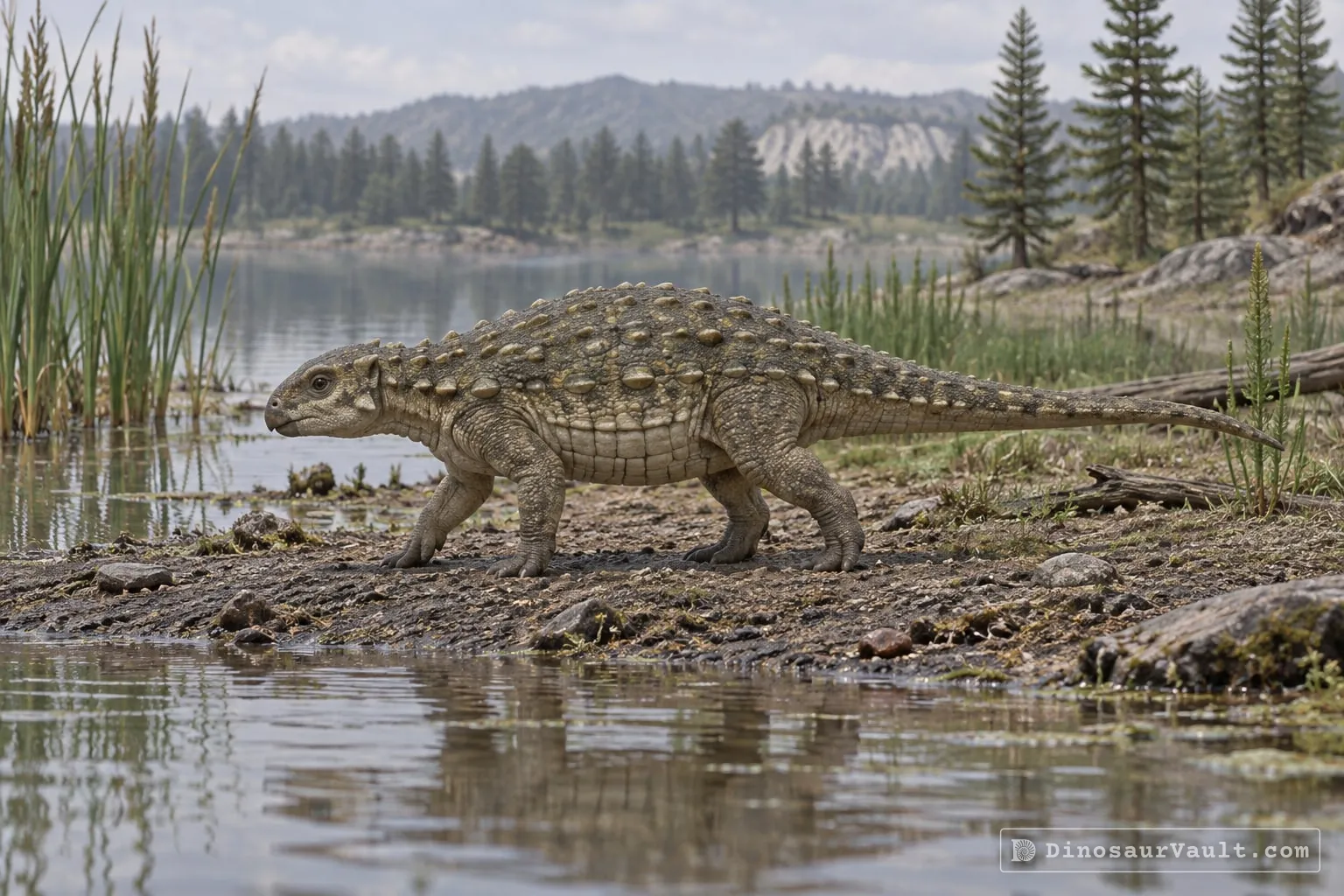


A rock formation can hold fossils laid down millions of years apart, so not every animal here met Haolong.
The evidence
The science behind Haolong
Which parts of the picture come from its own bones, and which come from its relatives.
From its own fossils
- A nearly complete young skeleton preserves much of the body in its original arrangement.
- The tail carried large overlapping scales, while the neck and chest had small, rounded scales.
- Short hollow spikes grew among the scales in preserved patches of skin.
Borrowed from relatives
- Almost the whole young animal is known from its own bones.
- Adult body proportions are inferred from early duck-bill relatives such as Fukuisaurus and Bactrosaurus.
Still unknown
- Its adult size and whether adults retained the spikes.
- How far the spikes extended across its body.
- Its skin color and the purpose of the spikes.
Often drawn wrong
- A dense porcupine-like coat goes beyond the scattered skin spikes preserved in the fossil.
Discovery timeline
- 2002Same rocksMayr et al.
- 2003Its worldZhou & Zheng
- 2026Named itHuang et al.
Key papers
The research behind what we know of Haolong
Same rocks
Described long tail bristles in Psittacosaurus, another plant eater from the Yixian Formation with unusual skin structures.
Bristle-like integumentary structures at the tail of the horned dinosaur Psittacosaurus. Naturwissenschaften 89: 361-365
Read the paper : Bristle-like integumentary structures at the tail of the horned dinosaur Psittacosaurus (opens in a new tab)Its world
Described fossil ginkgo reproductive structures from the Yixian Formation, adding a plant to the landscape Haolong inhabited.
The missing link in Ginkgo evolution. Nature 423: 821-822
Read the paper : The missing link in Ginkgo evolution (opens in a new tab)Named it
Named Haolong from a nearly complete young skeleton with scales and hollow skin spikes preserved in fine detail.
Cellular-level preservation of cutaneous spikes in an Early Cretaceous iguanodontian dinosaur. Nature Ecology & Evolution 10: 203-210
Read the paper : Cellular-level preservation of cutaneous spikes in an Early Cretaceous iguanodontian dinosaur (opens in a new tab)
Close relatives
Other members of Hadrosauroidea


Sources: Wikidata