Sinornithosaurus
"Chinese bird lizard"
- Lived
- 126 to 120 million years ago, Early Cretaceous
- Diet
- Carnivore
- Group
- Theropods, Dromaeosauridae
- Found in
- China
- Named by
- Xu et al. 1999
Where its fossils were found
The evidence
Today

125 million years ago
Habitat
It lived around lakes in the Yixian Formation of China, where ginkgo trees grew. Other dinosaurs in these rocks included Psittacosaurus and Beipiaosaurus.
Field notes
About Sinornithosaurus
What it was like
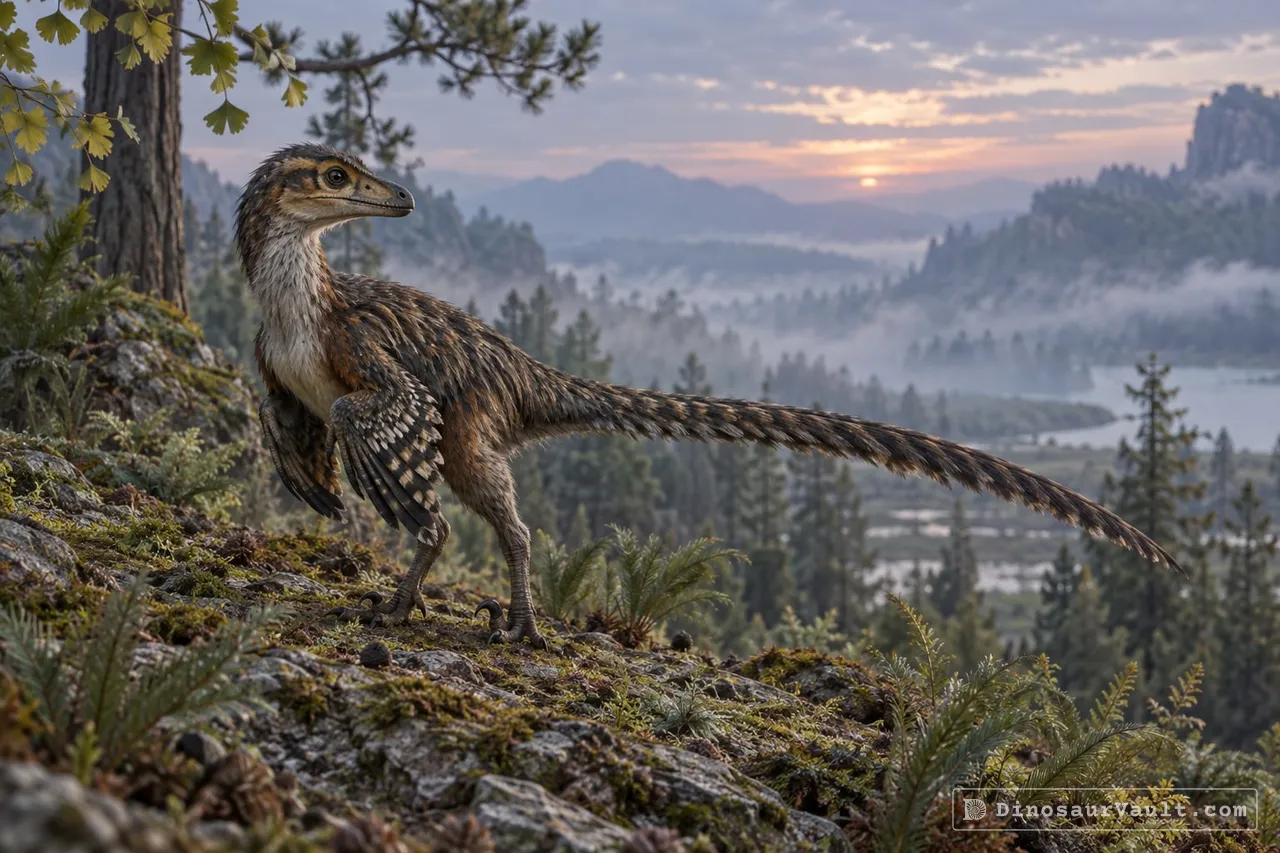
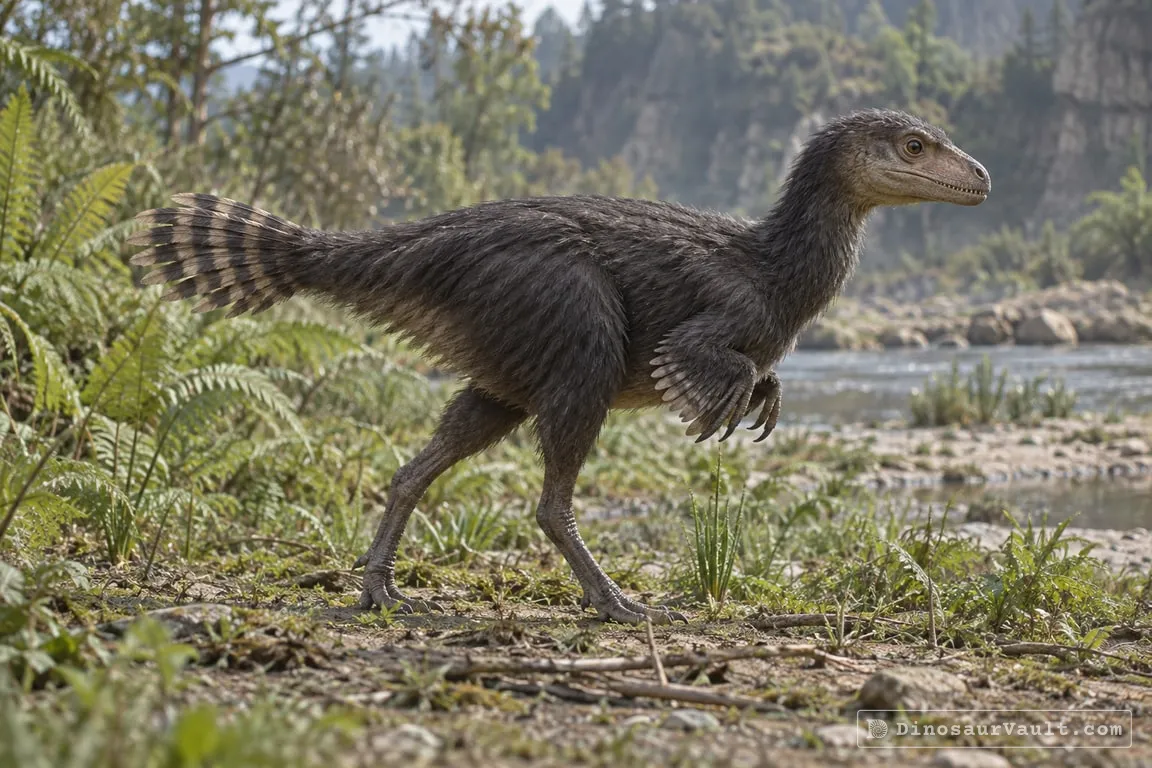
Sinornithosaurus was a small, feathered dromaeosaur, part of the same raptor-like family as Velociraptor and Microraptor. Like its relatives, it likely had long, grasping hands and a sickle-shaped claw on the second toe of each foot, tools probably used for gripping prey. Its body was covered in filament-like feathers, among the clearest early evidence that many small theropods were feathered, not scaly, animals. Its incomplete skeleton leaves its full body length uncertain.
Some researchers have argued that grooves on its teeth suggest it delivered venom into prey, though other scientists dispute this idea, and no agreement has been reached.
Its world
Sinornithosaurus lived from about 126 to 120 million years ago, during the Early Cretaceous, in what is now China. Its fossils come from the Yixian Formation, a site famous for extraordinary feathered dinosaur finds. It shared this world with other feathered dinosaurs such as Beipiaosaurus, Caudipteryx, and Sinosauropteryx, the plant eater Psittacosaurus, and the much larger, feathered predator Yutyrannus.
How it was found
Xu and colleagues named Sinornithosaurus in 1999, from fossils found in the Yixian Formation. Three fossil finds are known today. Its excellent preservation helped paleontologists study feather structure in a small, bird-like theropod, adding to the evidence that birds evolved from within this group of dinosaurs.
Field gallery
More views of Sinornithosaurus
Scenes reconstructed from the available fossil evidence.
1 of 7
Lived alongside
Found in the same rock formations
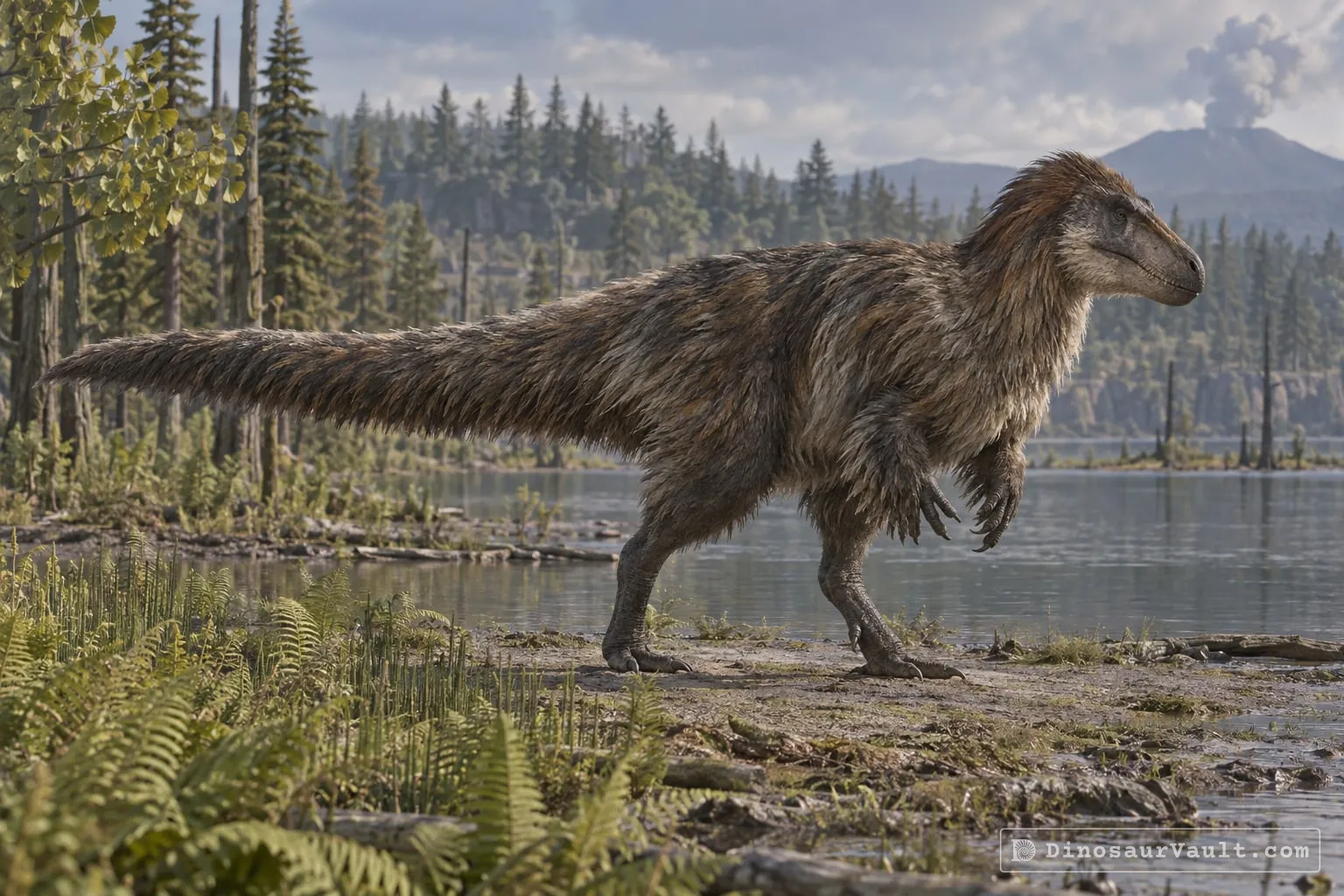
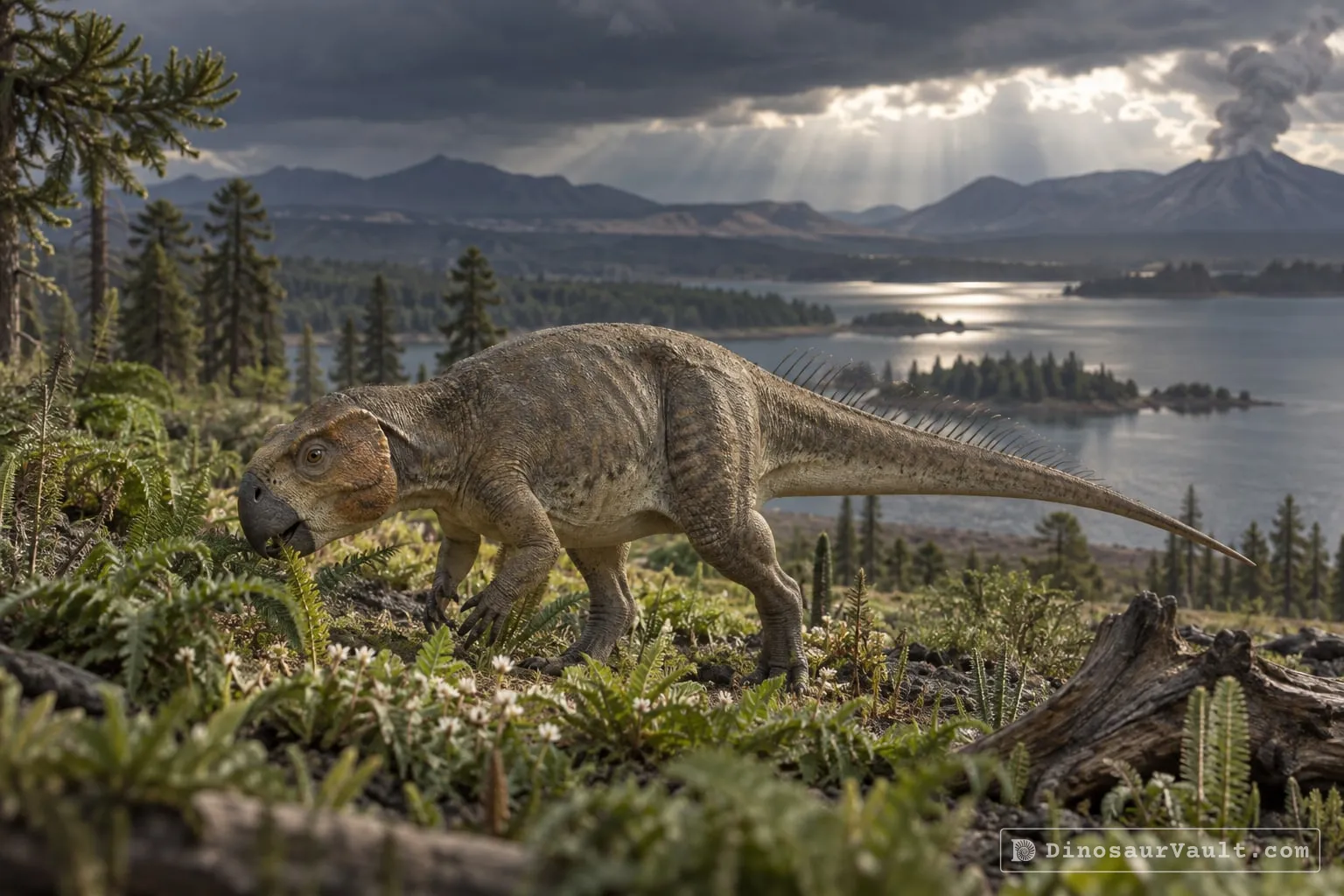
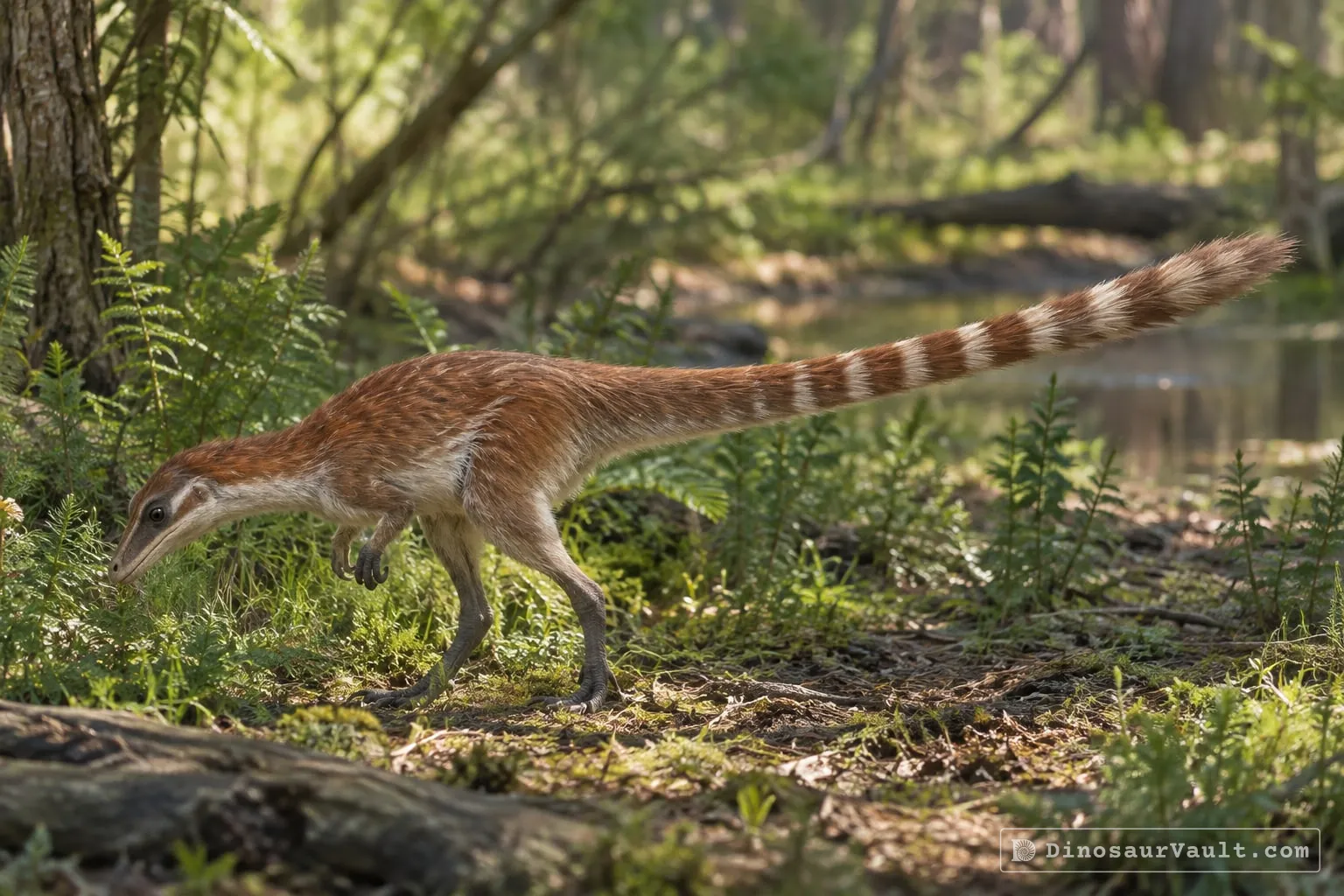
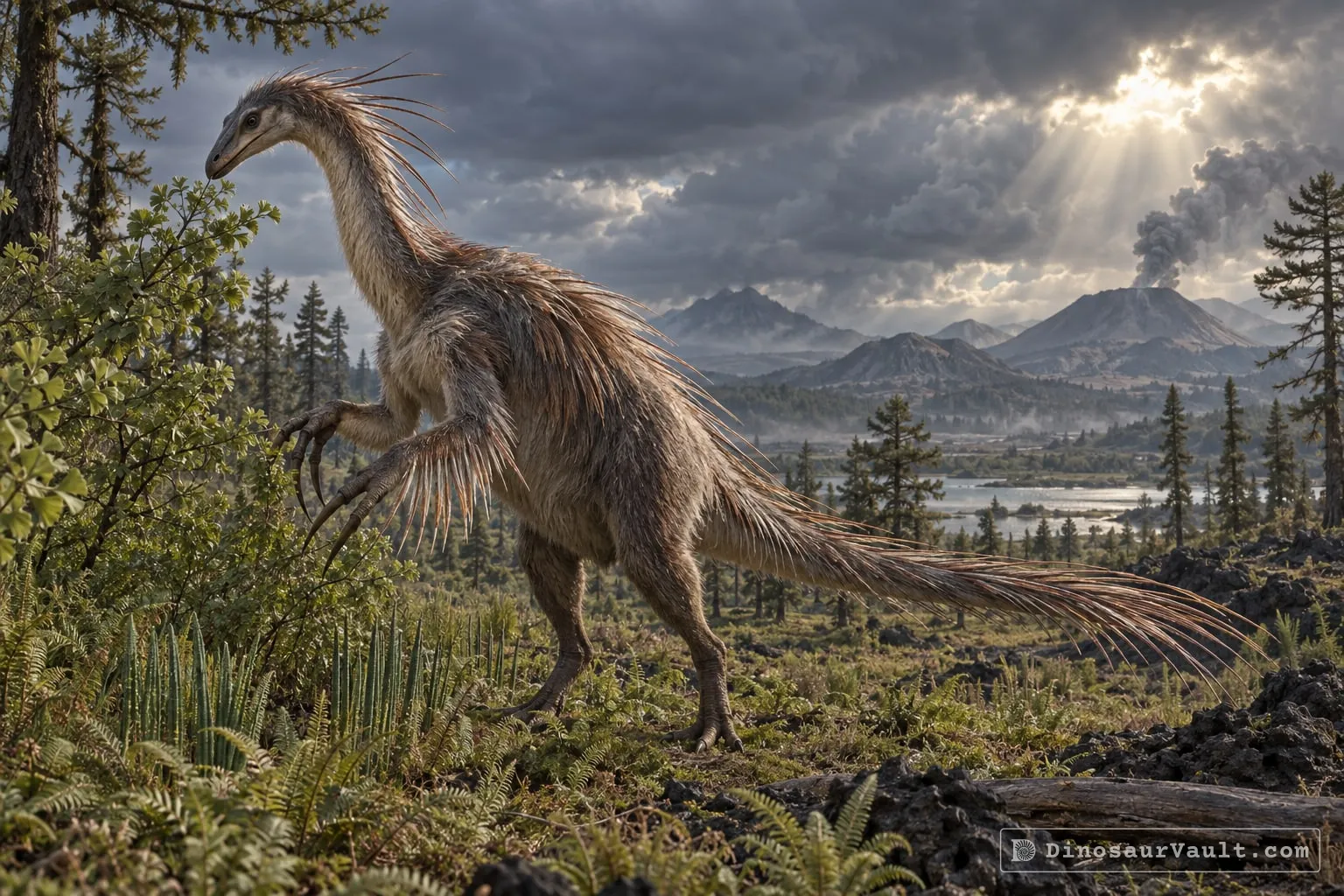
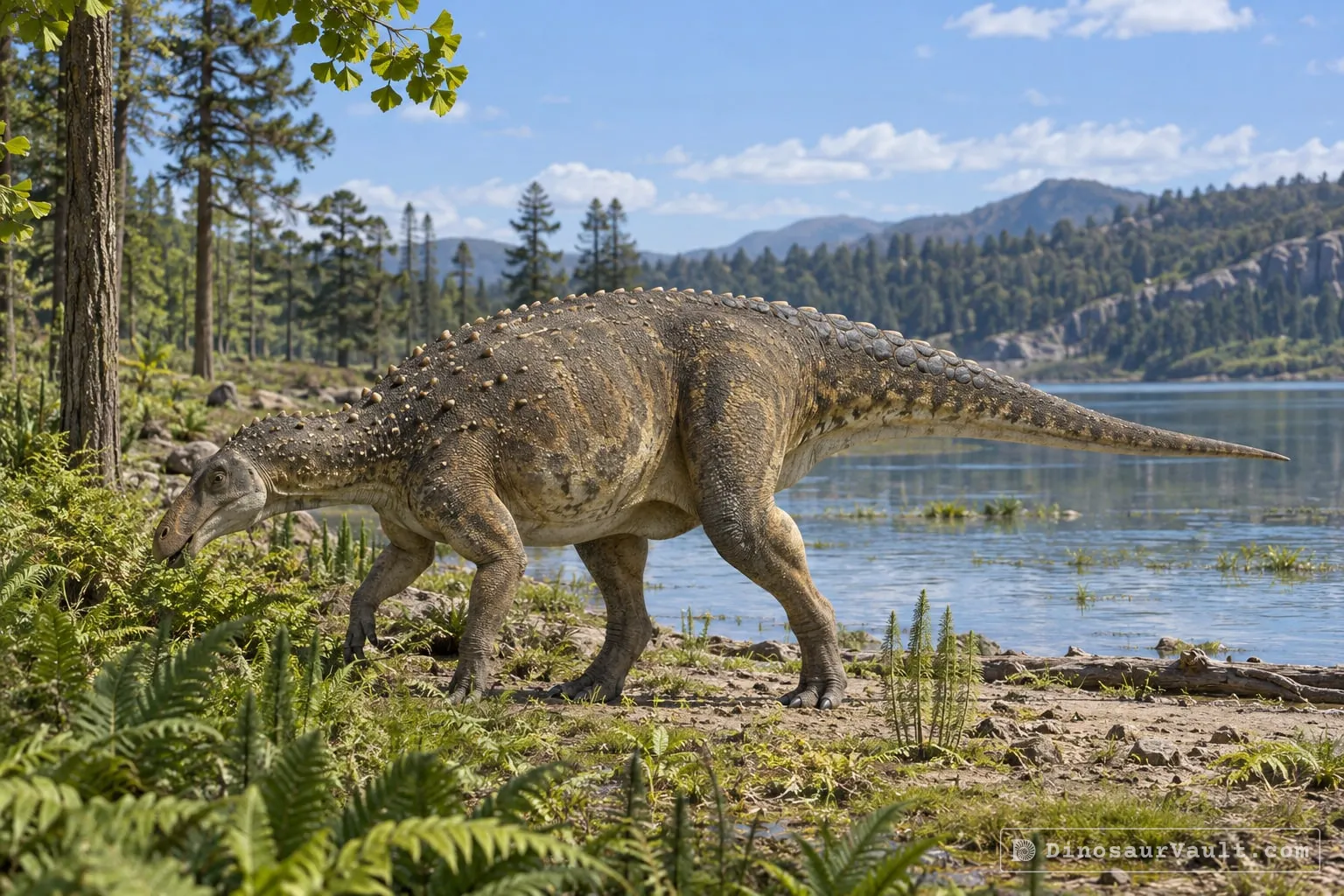
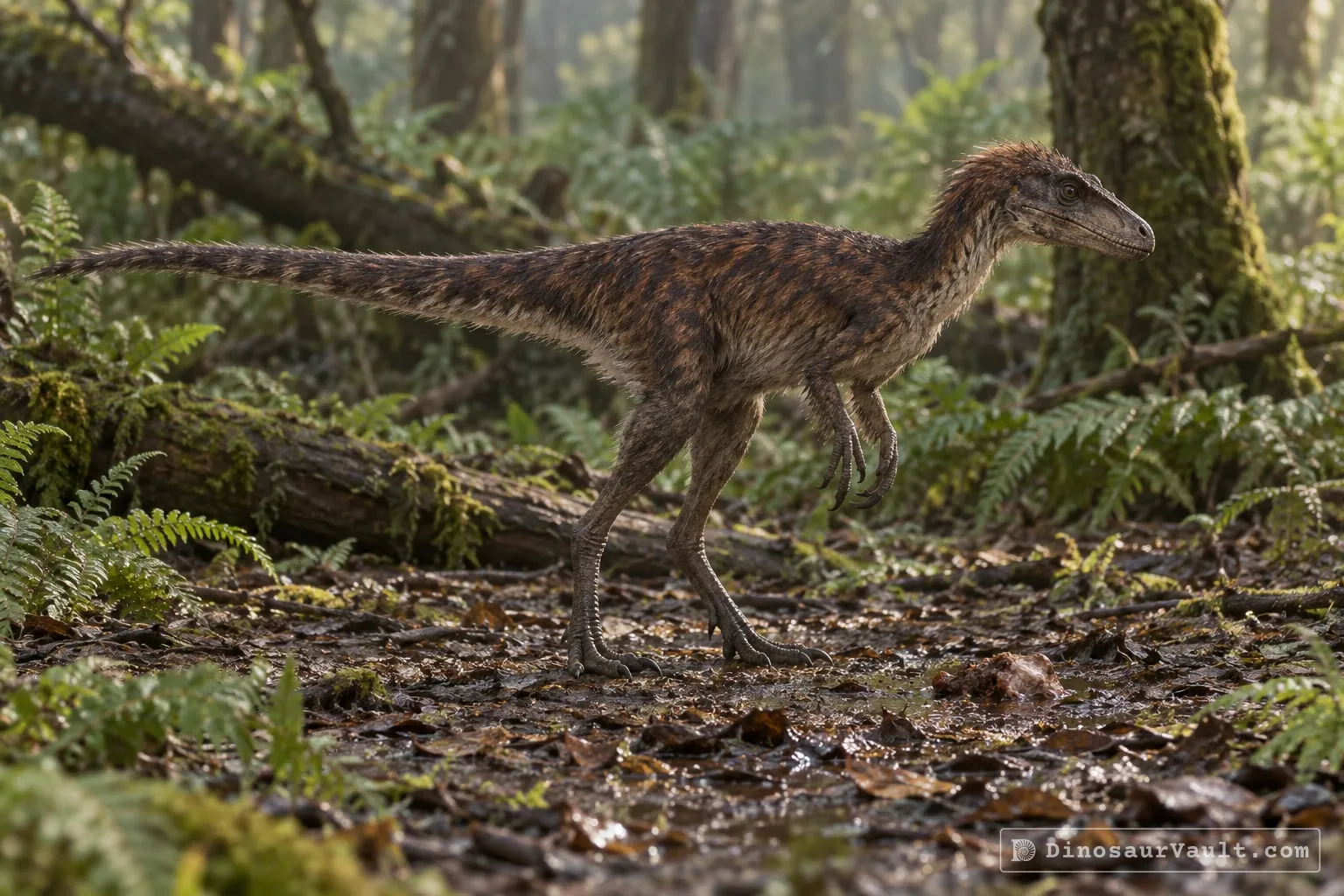
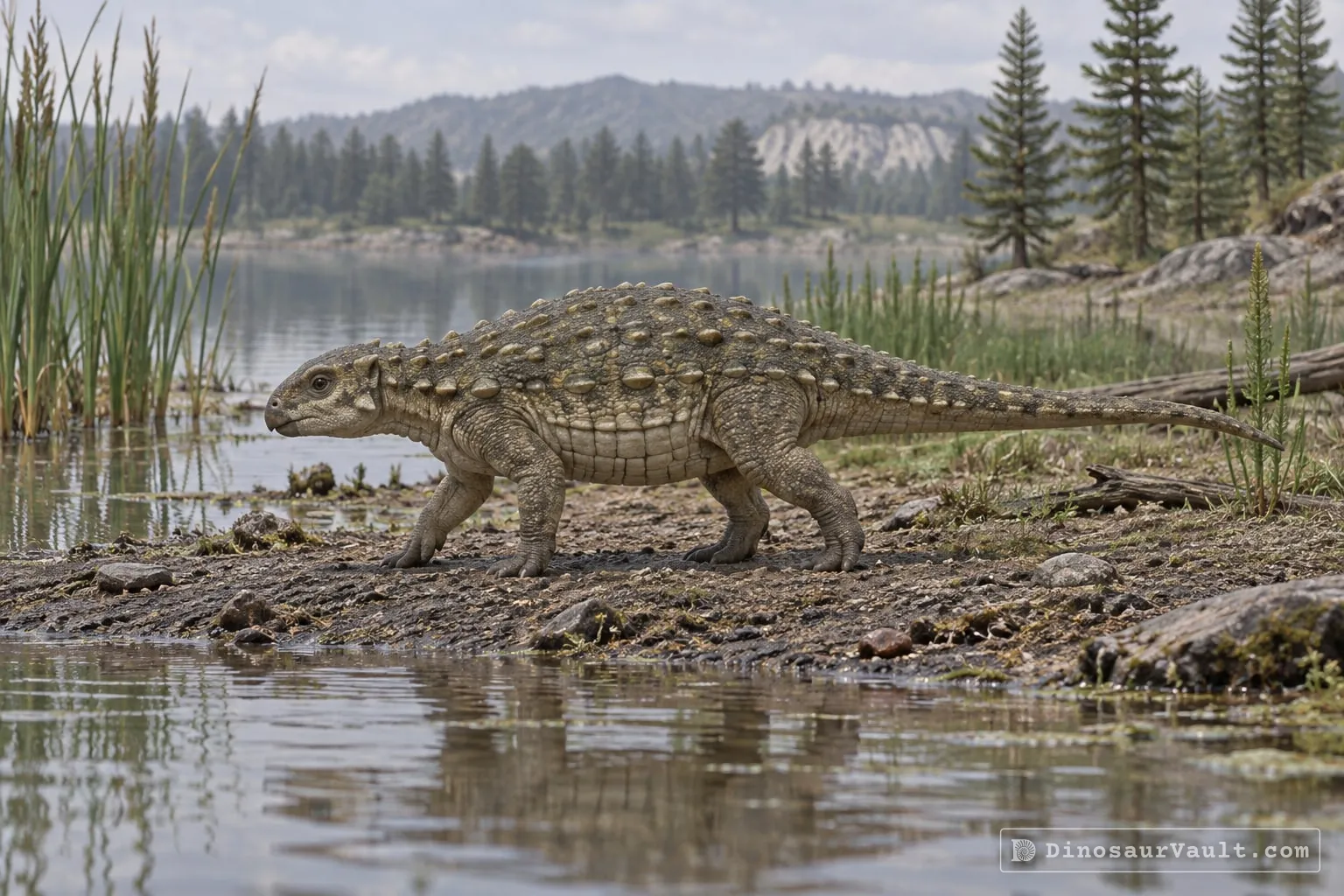


A rock formation can hold fossils laid down millions of years apart, so not every animal here met Sinornithosaurus.
The evidence
The science behind Sinornithosaurus
Which parts of the picture come from its own bones, and which come from its relatives.
From its own fossils
- Fossils preserve a small dromaeosaur skeleton surrounded by fine feathers.
- The feathers contain branching filaments, a structure shared with bird feathers.
- Microscopic pigment bodies in the feathers support dark and reddish-brown coloration.
Borrowed from relatives
- Long arm feathers and the detailed tail plumage are restored through comparisons with Microraptor and other feathered dromaeosaurs.
Still unknown
- The exact shades and full pattern of its plumage.
- Whether its teeth delivered venom.
- The appearance of its young.
Often drawn wrong
- A bare, scaly body leaves out its preserved feathers.
- Snake-like venom fangs go beyond its known tooth anatomy.
- Its grasping hands faced inward rather than palm down.
Discovery timeline
- 1999Named itXu, Wang & Wu
- 2001SkinXu, Zhou & Prum
- 2009How it fedGong et al.
- 2010SkinZhang et al.
- 2010SkullGianechini, Agnolín & Ezcurra
Key papers
The research behind what we know of Sinornithosaurus
Named it
Described a small dromaeosaur with a covering of fine filaments, linking feathered dinosaurs more closely with birds.
A dromaeosaurid dinosaur with a filamentous integument from the Yixian Formation of China. Nature 401: 262-266
Read the paper : A dromaeosaurid dinosaur with a filamentous integument from the Yixian Formation of China (opens in a new tab)Skin
Found branching filaments in its body covering, supporting their identification as feathers.
Branched integumental structures in Sinornithosaurus and the origin of feathers. Nature 410: 200-204
Read the paper : Branched integumental structures in Sinornithosaurus and the origin of feathers (opens in a new tab)How it fed
Proposed a venomous bite based on grooves in the teeth and hollows in the skull.
The birdlike raptor Sinornithosaurus was venomous. Proceedings of the National Academy of Sciences 107: 766-768
Read the paper : The birdlike raptor Sinornithosaurus was venomous (opens in a new tab)Skin
Identified pigment bodies in fossil feathers, including those of Sinornithosaurus, opening a way to infer dinosaur colors.
Fossilized melanosomes and the colour of Cretaceous dinosaurs and birds. Nature 463: 1075-1078
Read the paper : Fossilized melanosomes and the colour of Cretaceous dinosaurs and birds (opens in a new tab)Skull
Challenged the venom claim: similar tooth grooves occur in other theropods, and the apparently long fangs were displaced teeth.
A reassessment of the purported venom delivery system of the bird-like raptor Sinornithosaurus. Paläontologische Zeitschrift 85: 103-107
Read the paper : A reassessment of the purported venom delivery system of the bird-like raptor Sinornithosaurus (opens in a new tab)
Close relatives
Other members of Dromaeosauridae


Sources: Wikidata