Sinosauropteryx
SY-no-sore-OP-ter-ix
"Chinese reptile wing"
- Lived
- 126 to 120 million years ago, Early Cretaceous
- Diet
- Carnivore
- Length
- about 1.1 m (4 ft)
- Group
- Theropods, Sinosauropterygidae
- Found in
- China
- Named by
- Ji and Ji 1996
Size comparison
To scale

Scale in meters
Where its fossils were found
The evidence
Today

125 million years ago
Habitat
It lived around lakes in the Yixian landscape, where ginkgo trees grew. Regional neighbors included Psittacosaurus, Beipiaosaurus and Yutyrannus.
Field notes
About Sinosauropteryx
What it was like
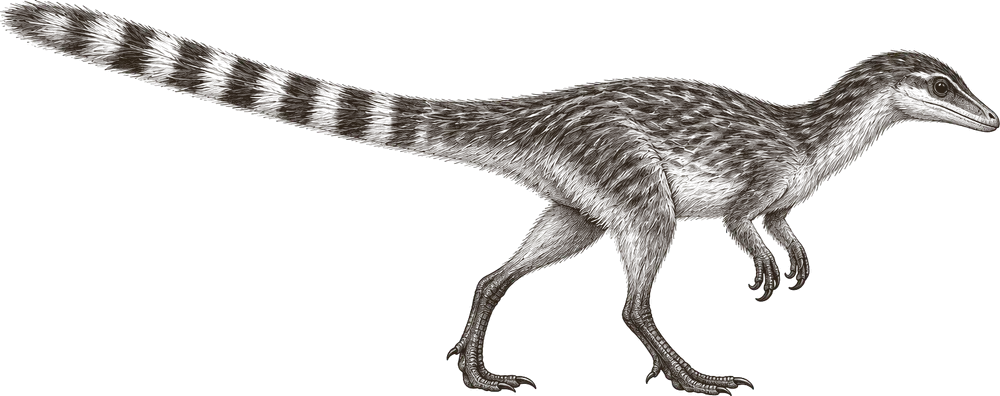
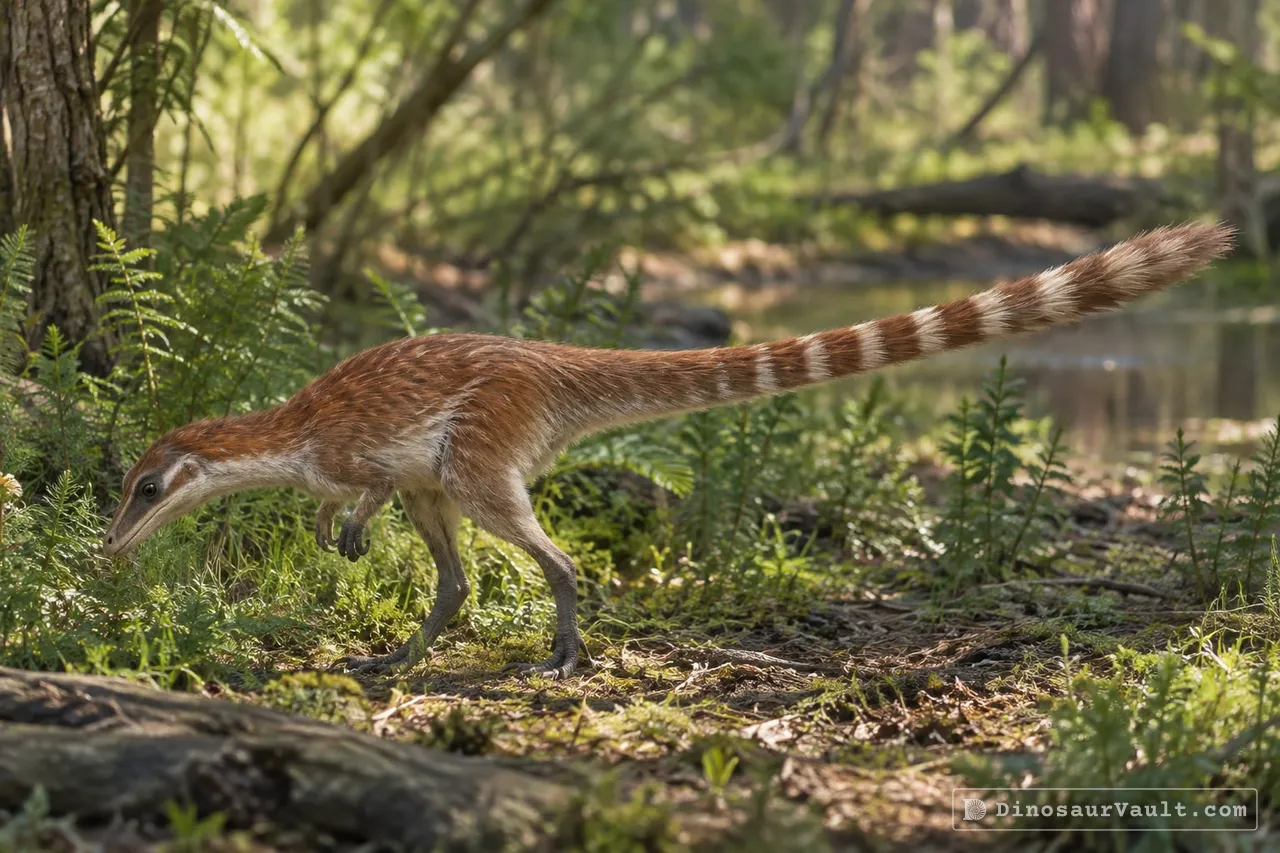
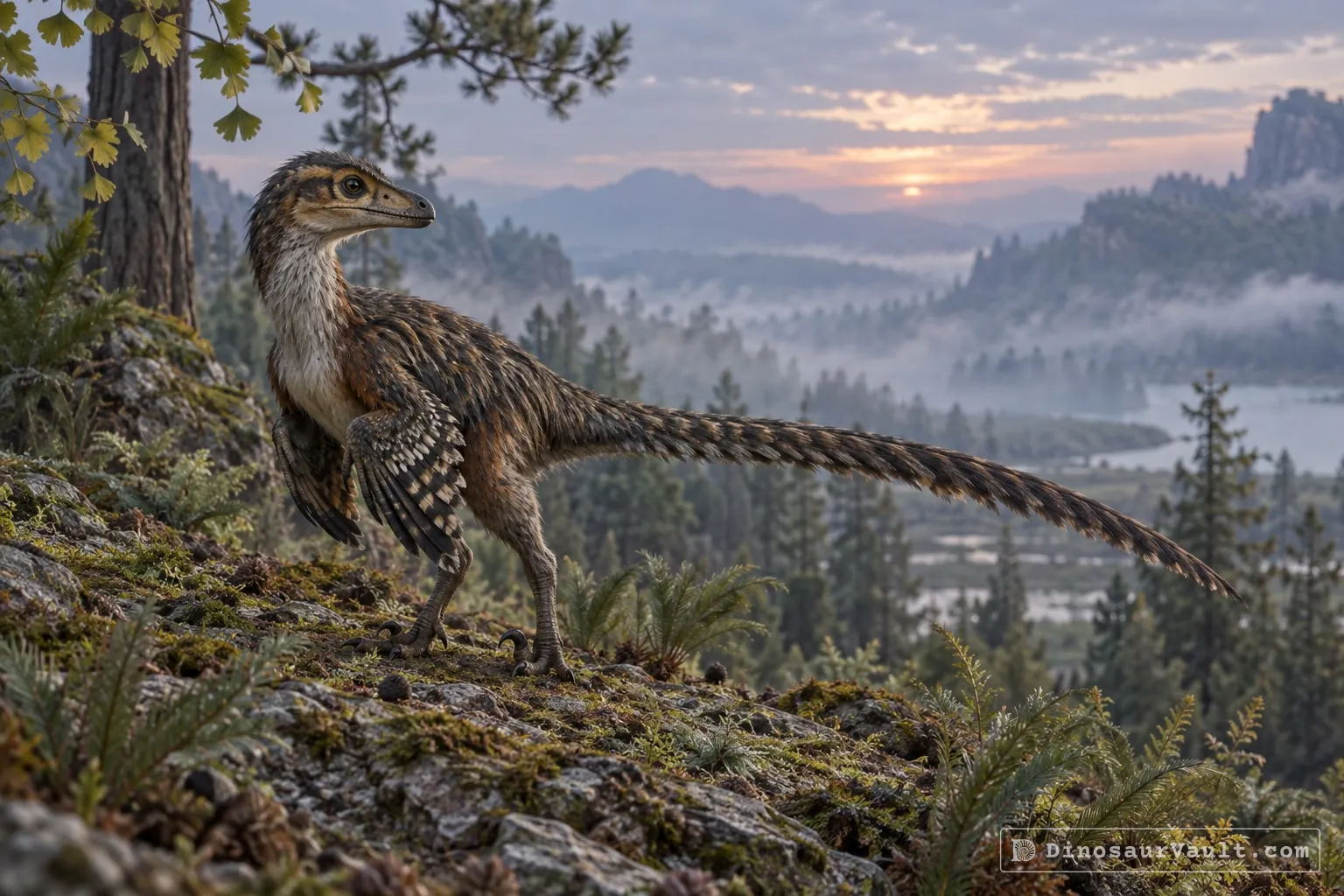
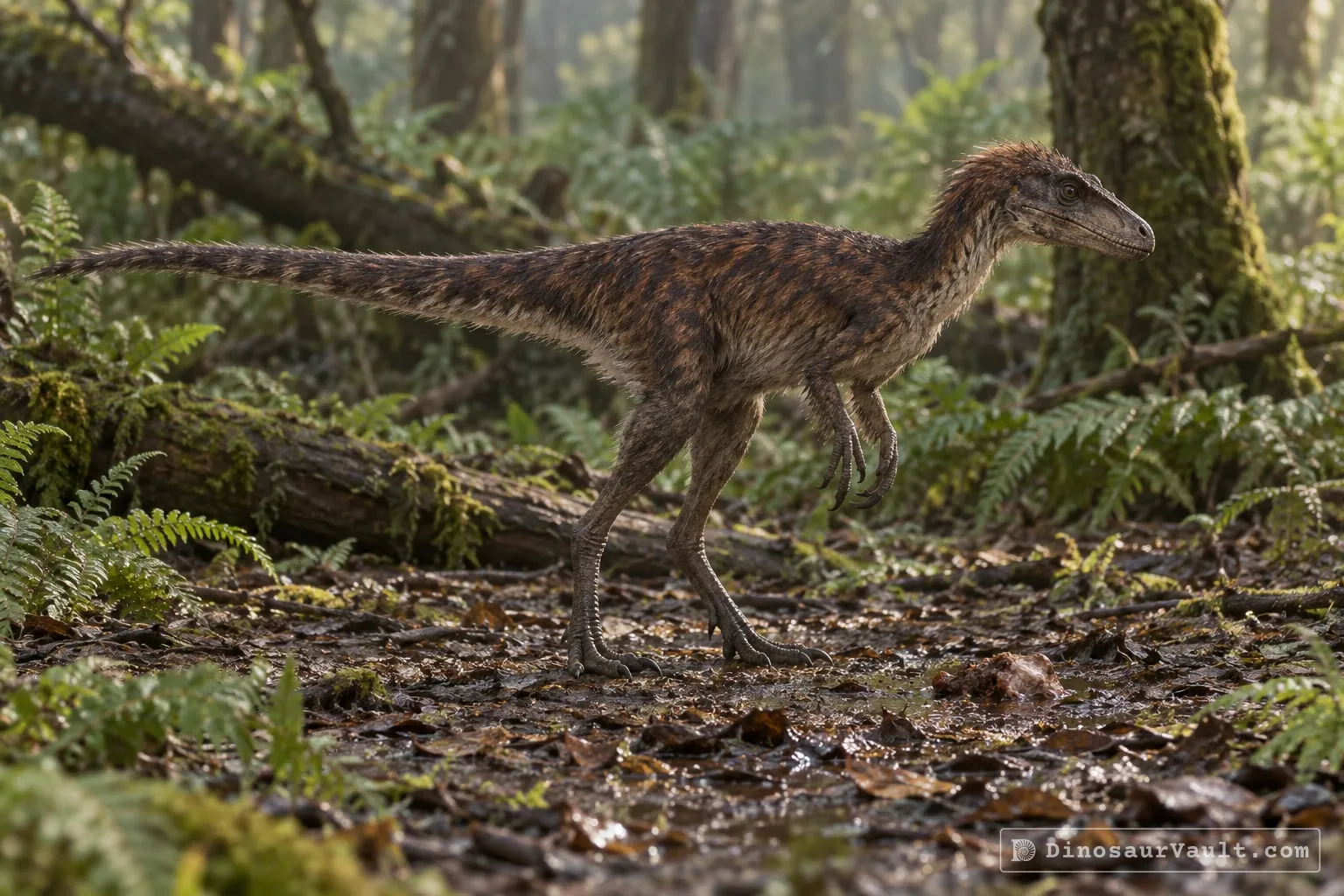
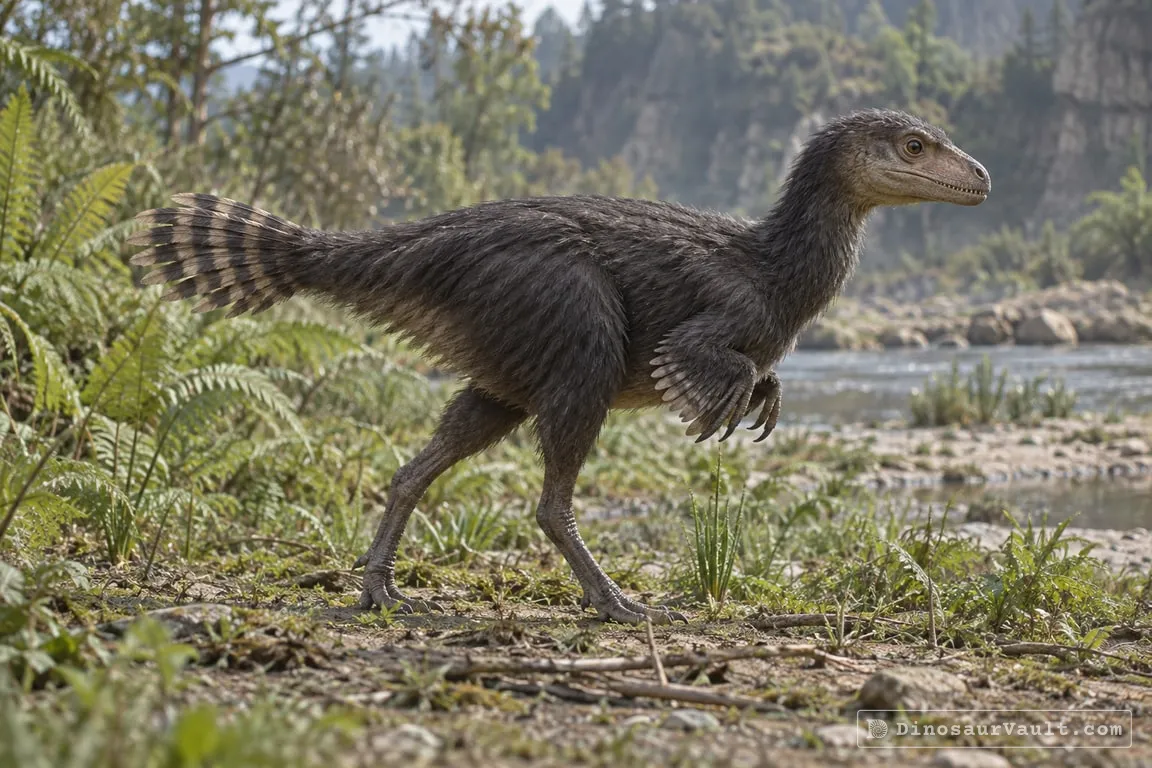
Sinosauropteryx was a small, fast-moving hunter with an unusually long tail and short arms. It grew to only about 1.1 meters (3.6 feet) long, small enough to have hunted lizards and other tiny animals rather than anything large.
It is best known for being the first non-bird dinosaur ever found with clear evidence of feathers, a short, simple, hair-like coat rather than the flight feathers seen in birds. Some fossils preserve dark banding along the tail, evidence of a color pattern, though the exact colors are still debated.
Its world
Sinosauropteryx lived from about 126 to 120 million years ago, in the Early Cretaceous, in what is now China. Its fossils come from the Yixian Formation.
It shared this world with other feathered dinosaurs such as Beipiaosaurus, Dilong, Caudipteryx, Sinornithosaurus, and Liaoningosaurus, the larger predator Yutyrannus, and the plant eater Psittacosaurus.
How it was found
Sinosauropteryx was named in 1996 by two paleontologists who both happened to be named Ji. Only about four fossil finds of the genus are known, but because the earliest ones were so well preserved, they helped convince scientists that many dinosaurs, not just birds, carried feathers.
Field gallery
More views of Sinosauropteryx
Scenes reconstructed from the available fossil evidence.
1 of 7
Lived alongside
Found in the same rock formations
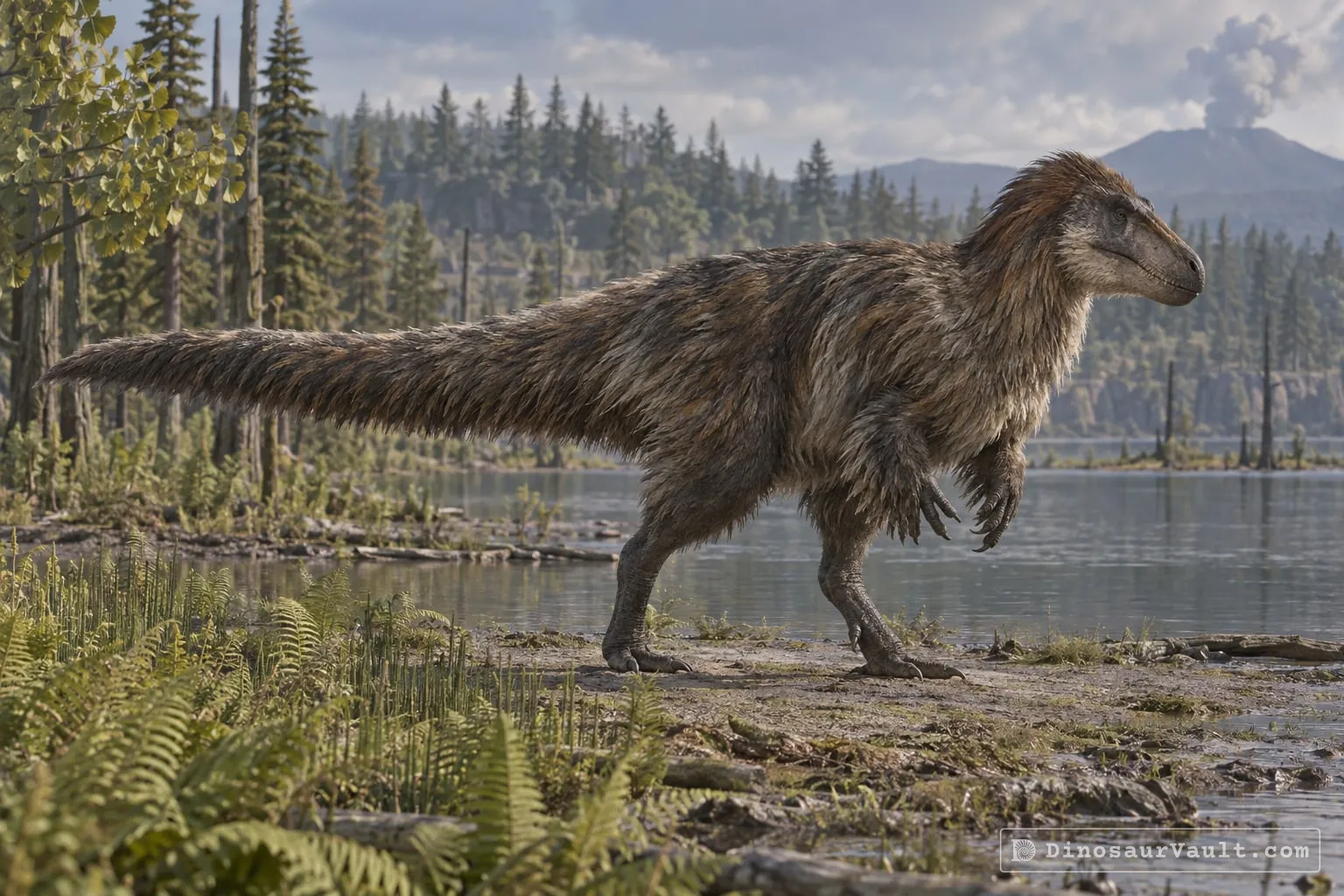
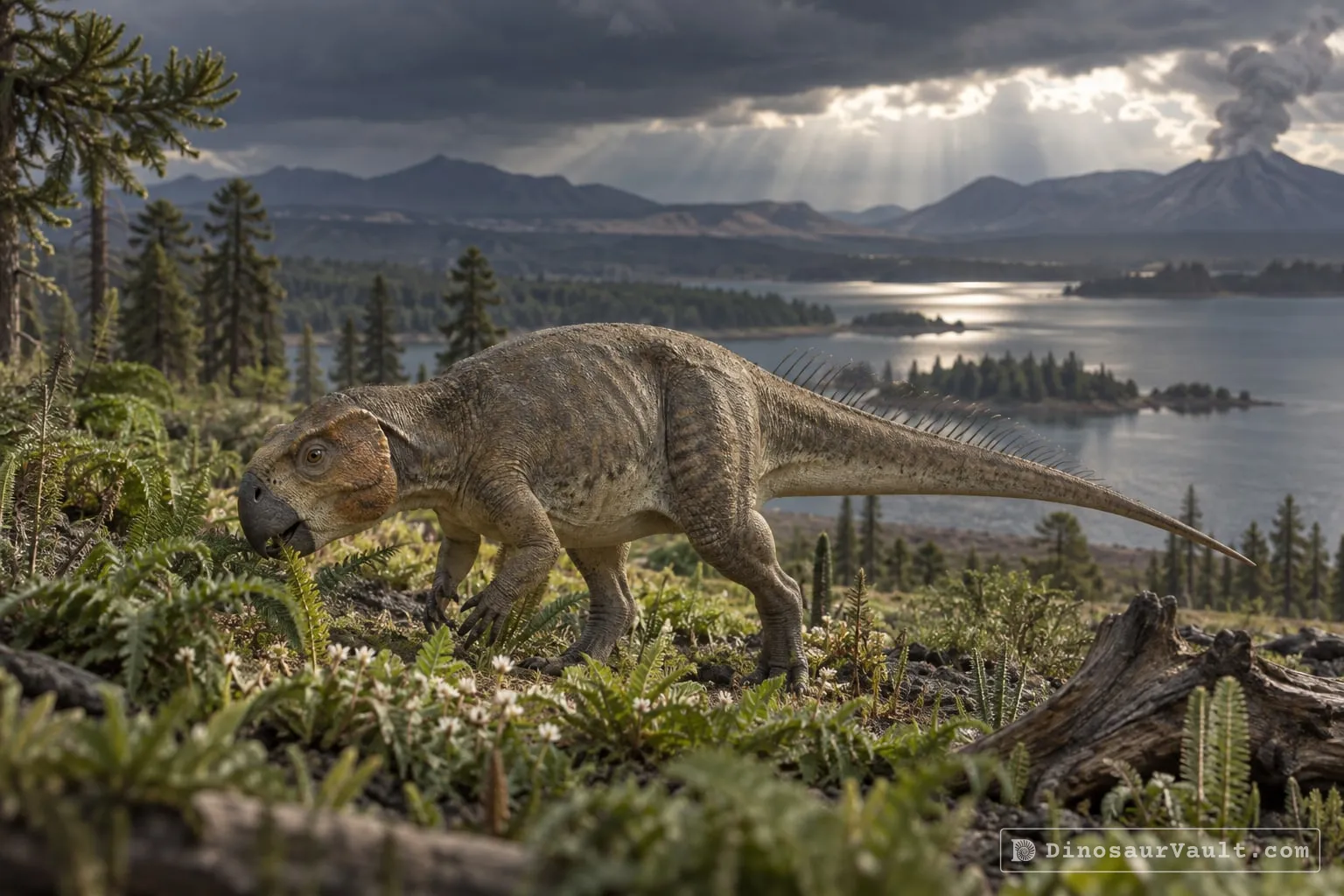
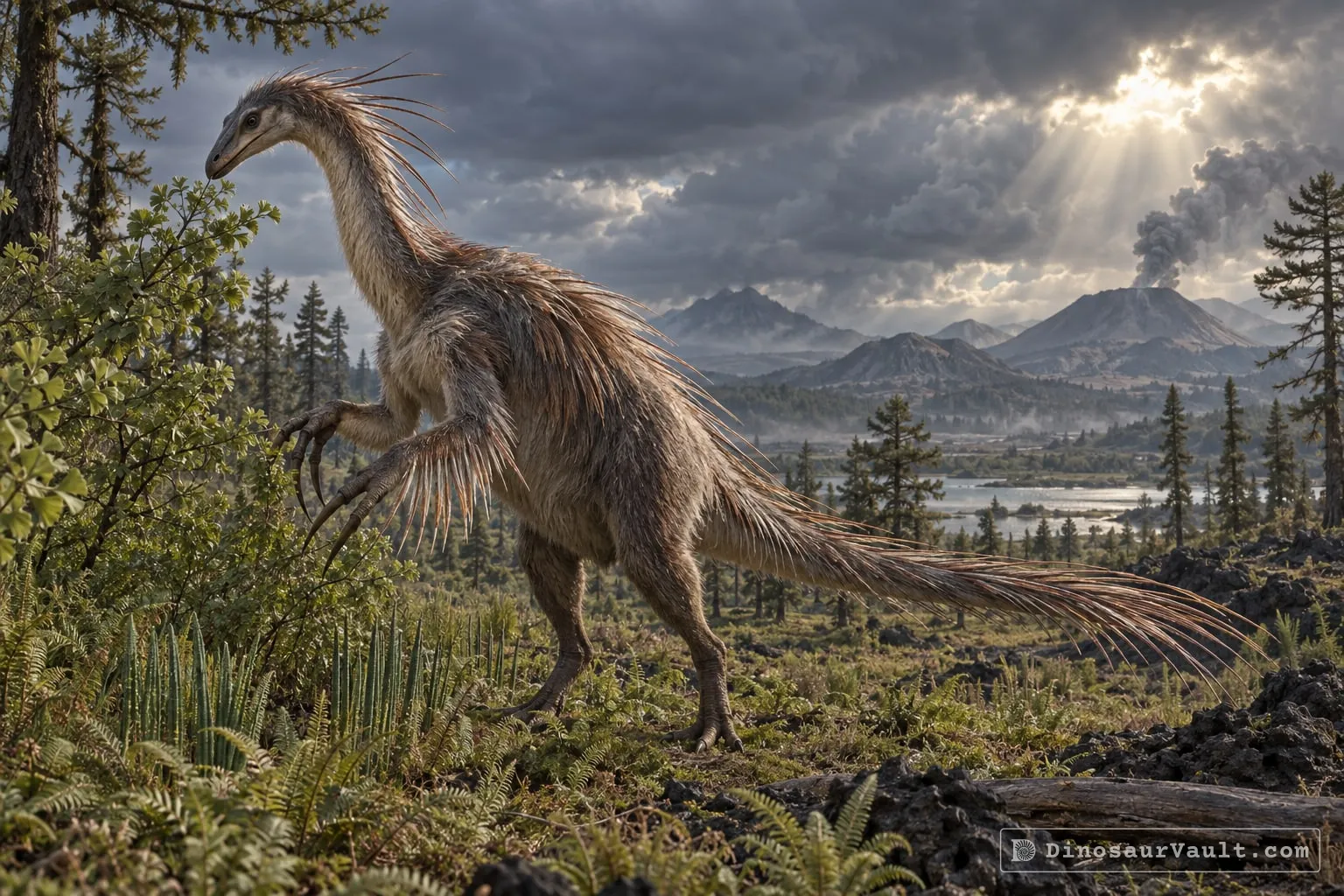
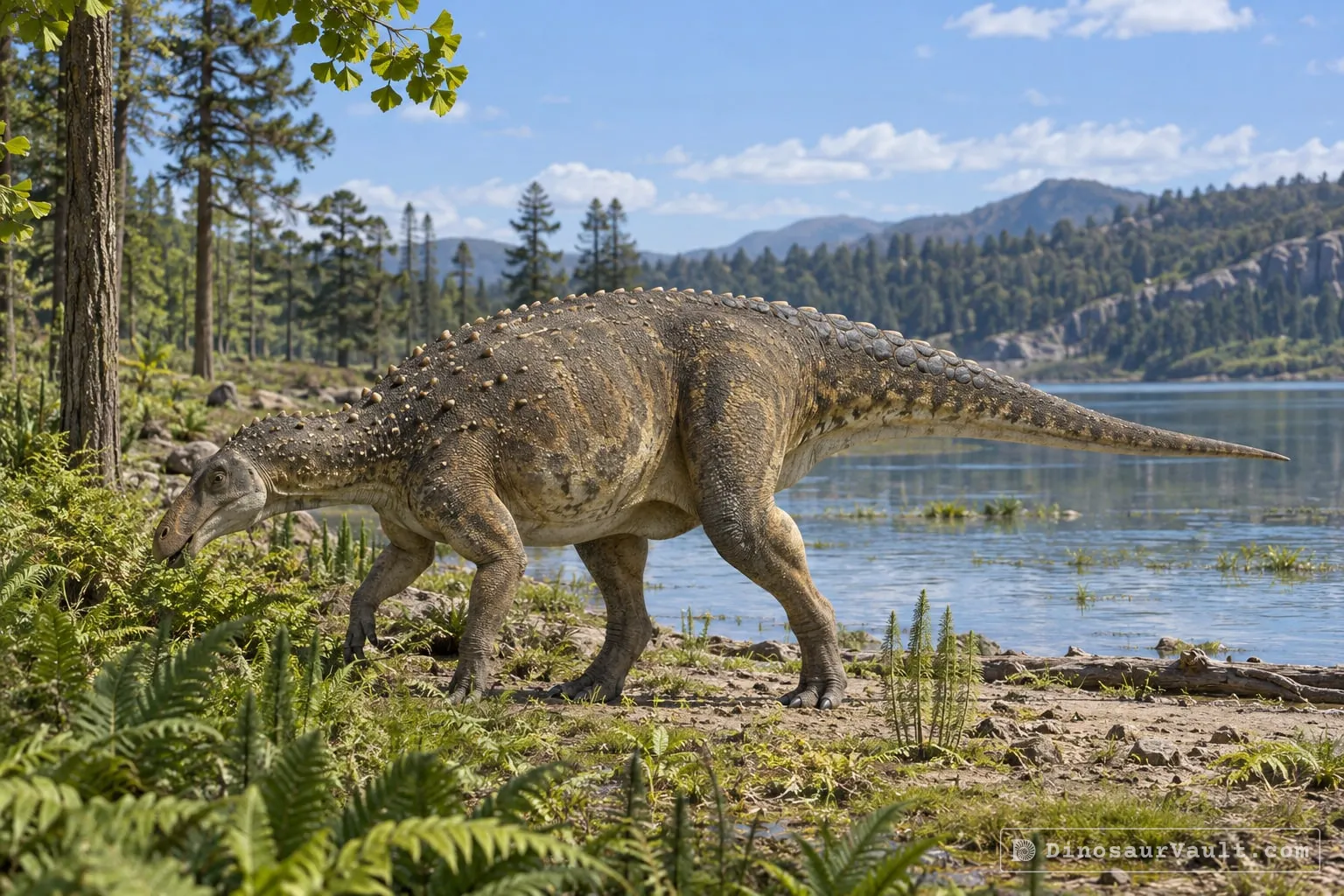
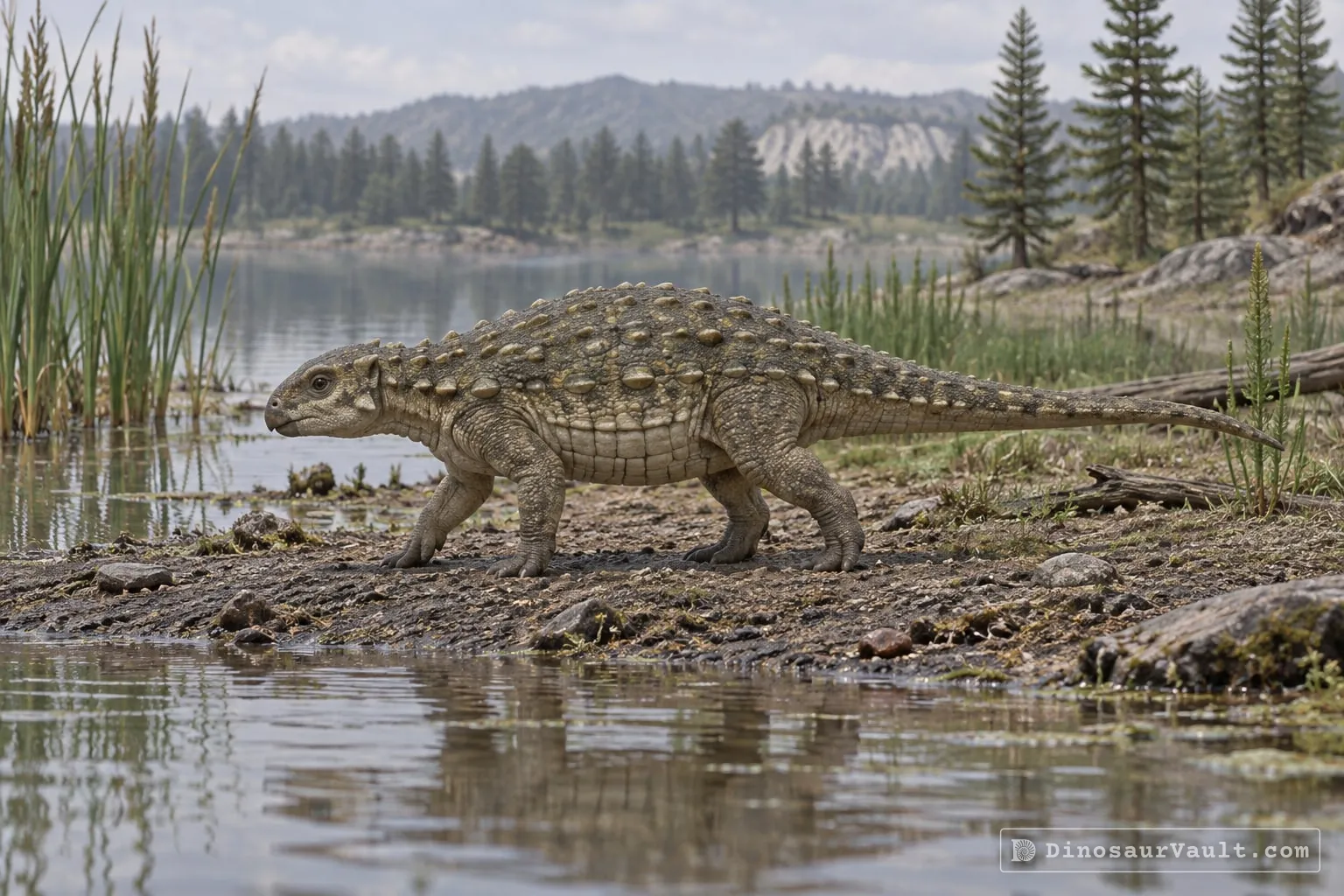


A rock formation can hold fossils laid down millions of years apart, so not every animal here met Sinosauropteryx.
The evidence
The science behind Sinosauropteryx
Which parts of the picture come from its own bones, and which come from its relatives.
From its own fossils
- Complete skeletons preserve a long tail, short arms and a coat of simple feather filaments.
- Pigment patterns in studied fossils show a darker back, pale belly, banded tail and dark markings around the eyes.
- A lizard's remains lie in the gut region of one specimen.
Borrowed from relatives
- Almost the whole skeleton and much of the coat are known from its own fossils.
- Living birds help connect the shape of preserved pigment structures with likely feather colors.
Still unknown
- The precise color pattern of its young.
- How color varied between individuals.
- Whether it lived in groups or cared for young.
Often drawn wrong
- A bare, scaly body leaves out the filamentous coat preserved around its skeleton.
- Broad flight feathers on the arms replace its simple filaments with the wrong feather type.
Discovery timeline
- 1996Named itJi & Ji
- 1998Full descriptionChen, Dong & Zhen
- 2001Full descriptionCurrie & Chen
- 2010SkinZhang et al.
- 2017Its worldSmithwick et al.
Key papers
The research behind what we know of Sinosauropteryx
Named it
Introduced a small dinosaur whose skeleton was surrounded by feather-like filaments.
[On discovery of the earliest bird fossil in China and the origin of birds]. Chinese Geology 10: 30-33
No link available
Full description
Described well-preserved skeletons with filamentous coverings and lizard remains in the gut region of one animal.
An exceptionally well-preserved theropod dinosaur from the Yixian Formation of China. Nature 391: 147-152
Read the paper : An exceptionally well-preserved theropod dinosaur from the Yixian Formation of China (opens in a new tab)Full description
Detailed the skeleton and filamentous coat, including the anatomy of the juvenile first specimen.
Anatomy ofSinosauropteryx primafrom Liaoning, northeastern China. Canadian Journal of Earth Sciences 38: 1705-1727
Read the paper : Anatomy ofSinosauropteryx primafrom Liaoning, northeastern China (opens in a new tab)Skin
Identified preserved pigment structures in feather filaments and inferred reddish-brown tones in dark tail bands.
Fossilized melanosomes and the colour of Cretaceous dinosaurs and birds. Nature 463: 1075-1078
Read the paper : Fossilized melanosomes and the colour of Cretaceous dinosaurs and birds (opens in a new tab)Its world
Mapped a dark back, pale belly, banded tail and facial mask; the shading pattern suggests camouflage in relatively open habitats.
Countershading and Stripes in the Theropod Dinosaur Sinosauropteryx Reveal Heterogeneous Habitats in the Early Cretaceous Jehol Biota. Current Biology 27: 3337-3343.e2
Read the paper : Countershading and Stripes in the Theropod Dinosaur Sinosauropteryx Reveal Heterogeneous Habitats in the Early Cretaceous Jehol Biota (opens in a new tab)
Close relatives
Other members of Sinosauropterygidae

Sources: Wikidata