Levnesovia
- Lived
- 94 to 90 million years ago, Late Cretaceous
- Diet
- Herbivore
- Group
- Ornithopods
- Found in
- Uzbekistan
- Named by
- Sues and Averianov 2009
Where its fossils were found
The evidence
Today

90 million years ago
Habitat
The Bissekty Formation records a coastal landscape in what is now Uzbekistan. Its neighbors included the tyrannosaur relative Timurlengia and the horned plant eater Turanoceratops.
Field notes
About Levnesovia
What it was like
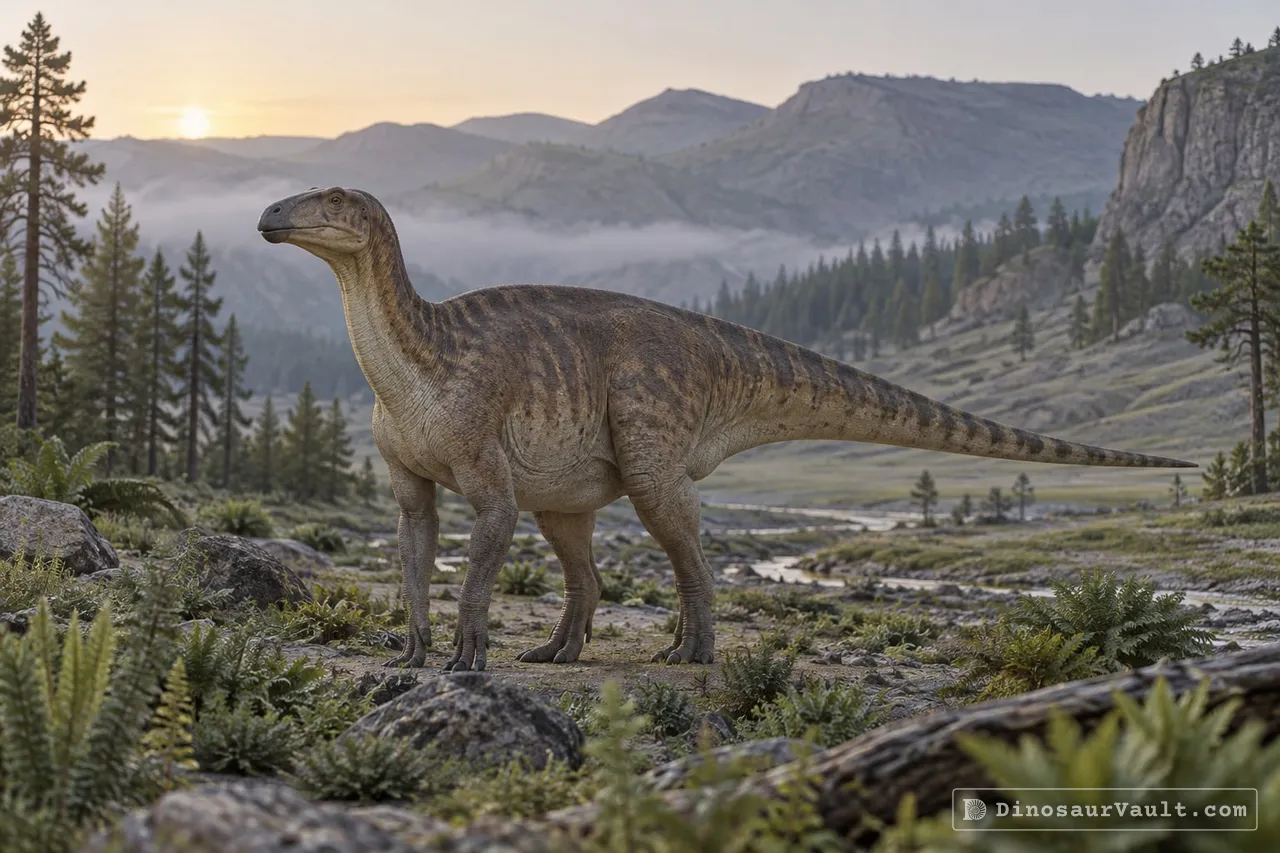
Levnesovia was a plant eater, an early relative of the duck-billed dinosaurs and a close relative of Bactrosaurus. It is known from part of a skull and a few other bones.
Its world
It lived about 94 to 90 million years ago, in the Late Cretaceous, in what is now Uzbekistan. Its bones come from the Bissekty Formation, a coastal land shared with the early tyrannosaur Timurlengia, the predator Ulughbegsaurus and the horned Turanoceratops.
How it was found
Sues and Averianov named it in 2009. The name honors a paleontologist who worked for many years at the site.
Field gallery
More views of Levnesovia
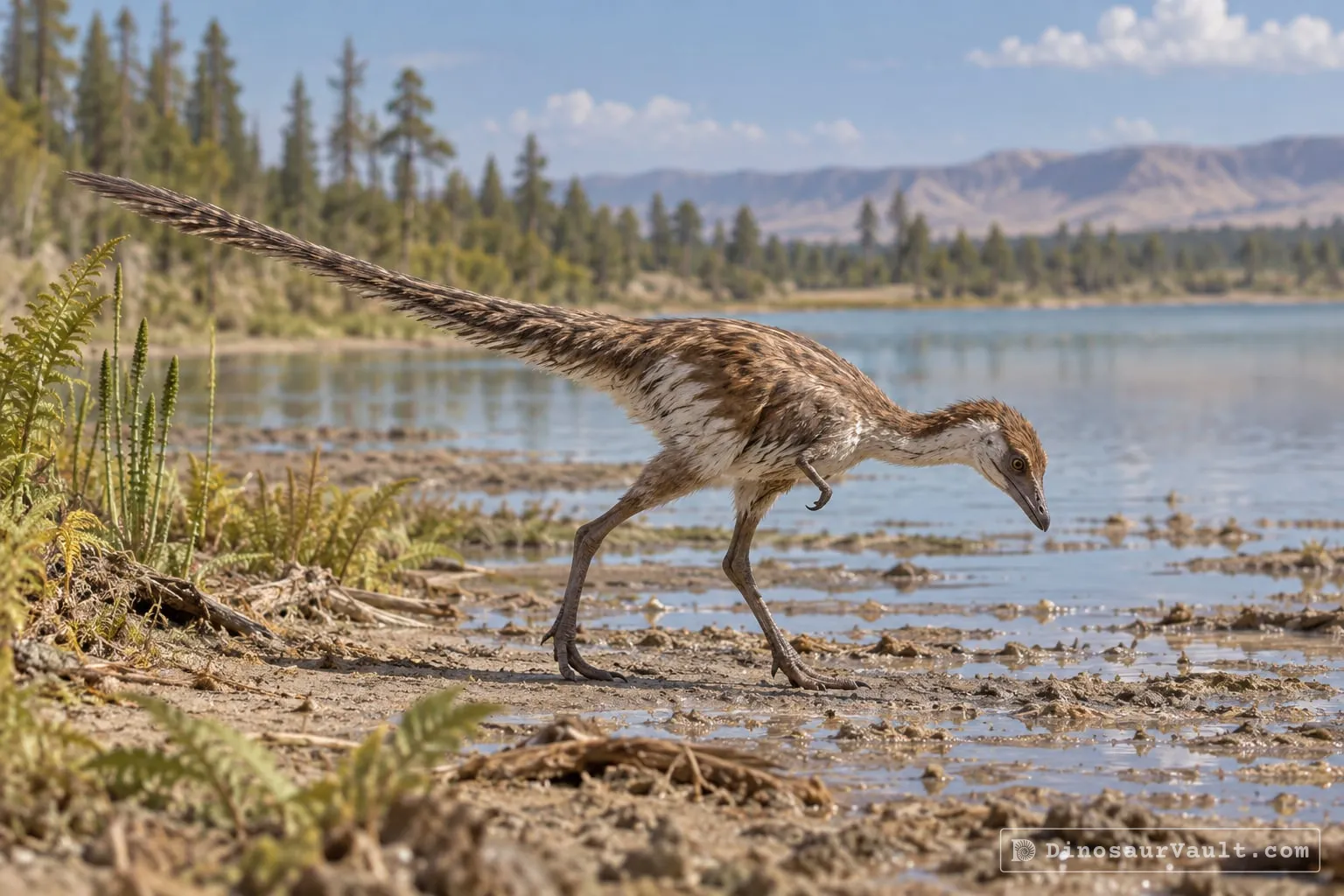
Scenes reconstructed from the available fossil evidence.
Lived alongside
Found in the same rock formations
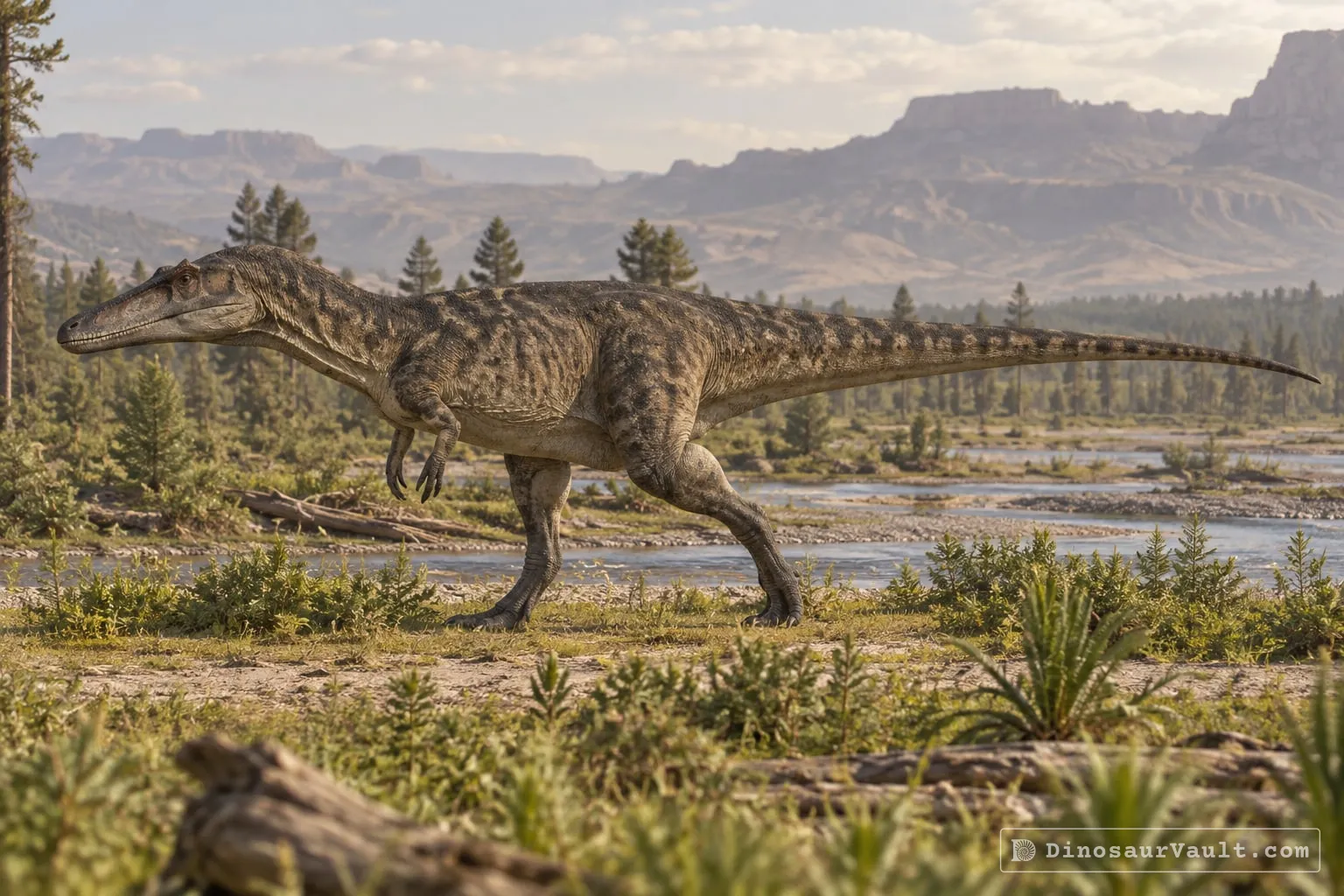
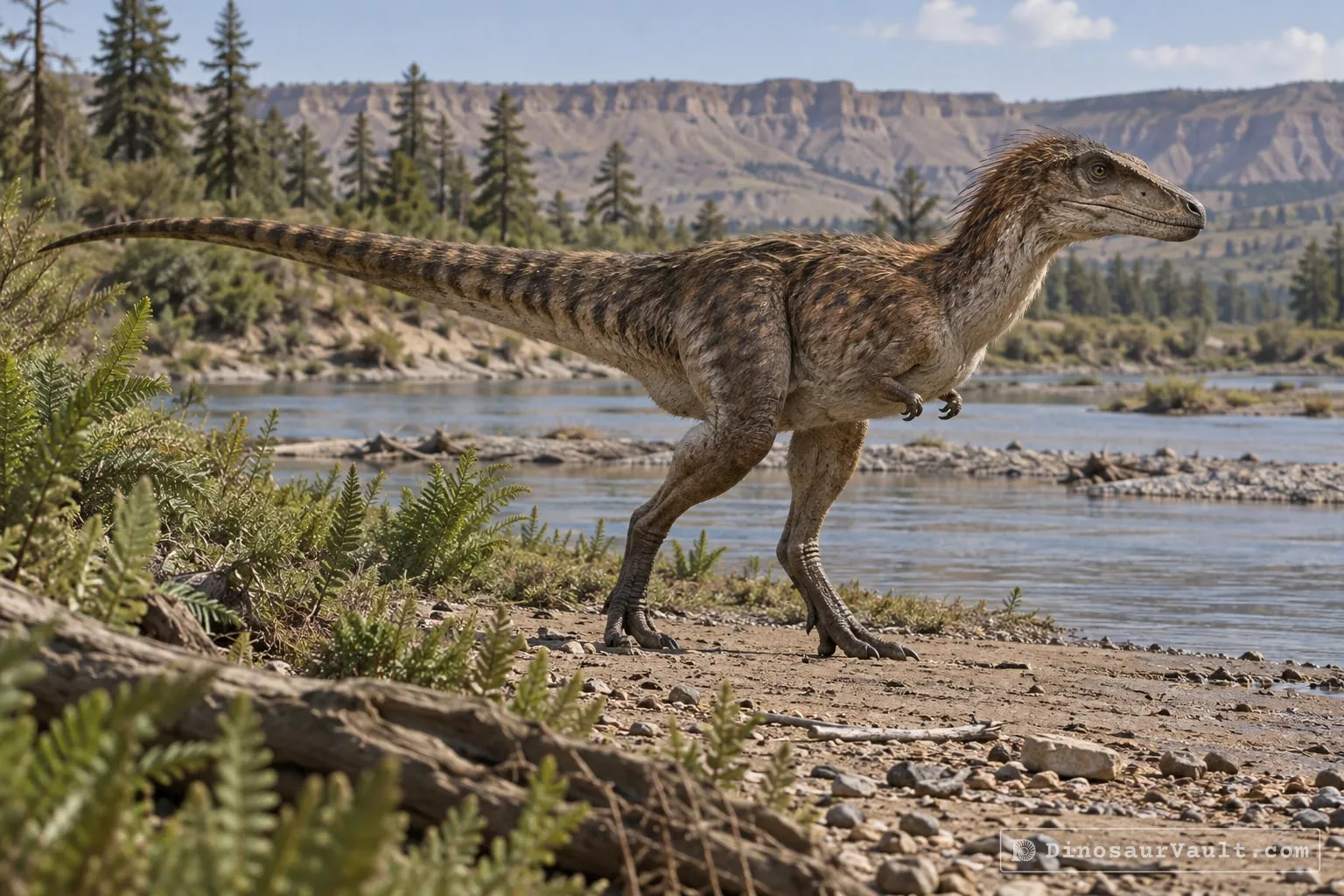
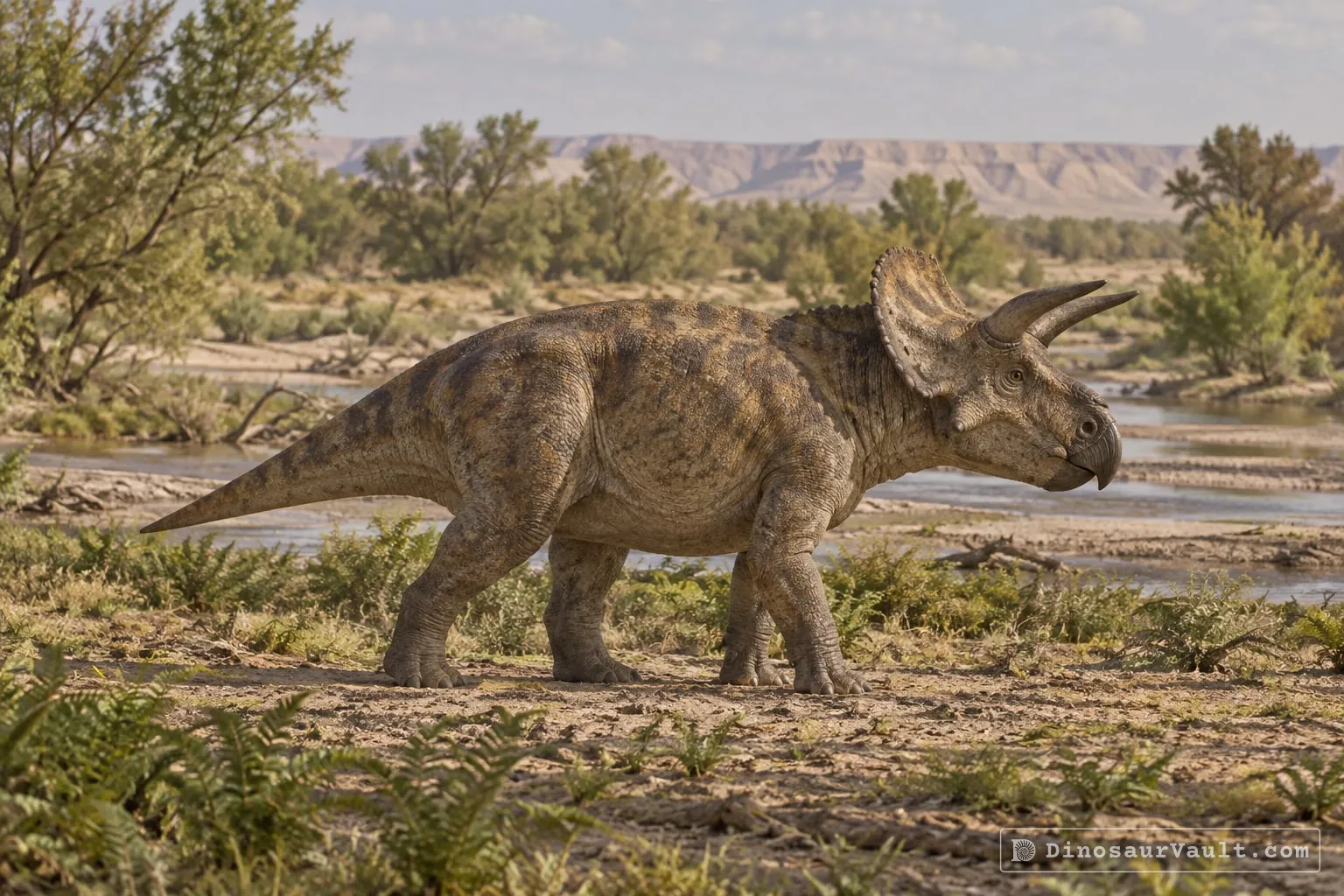
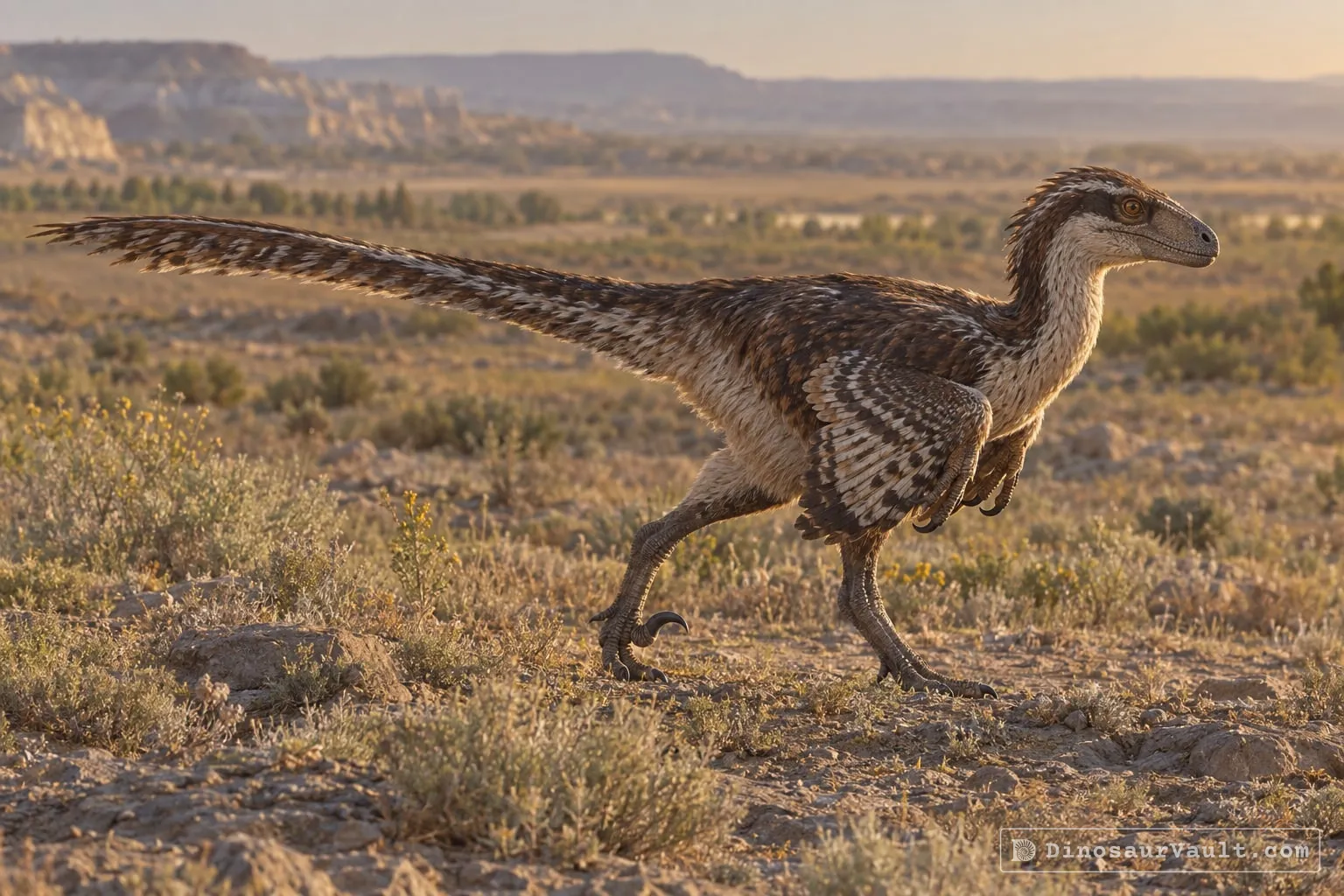
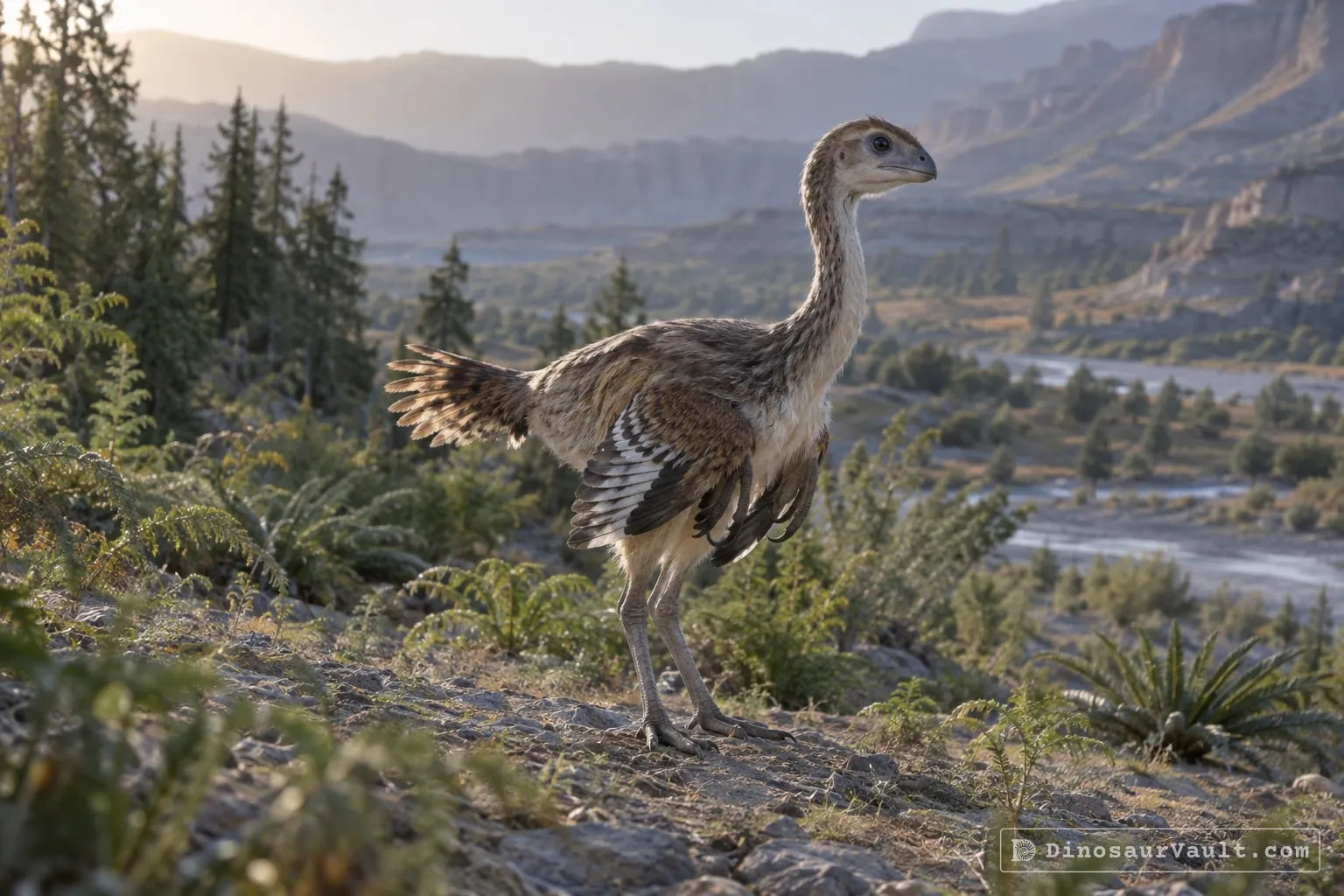
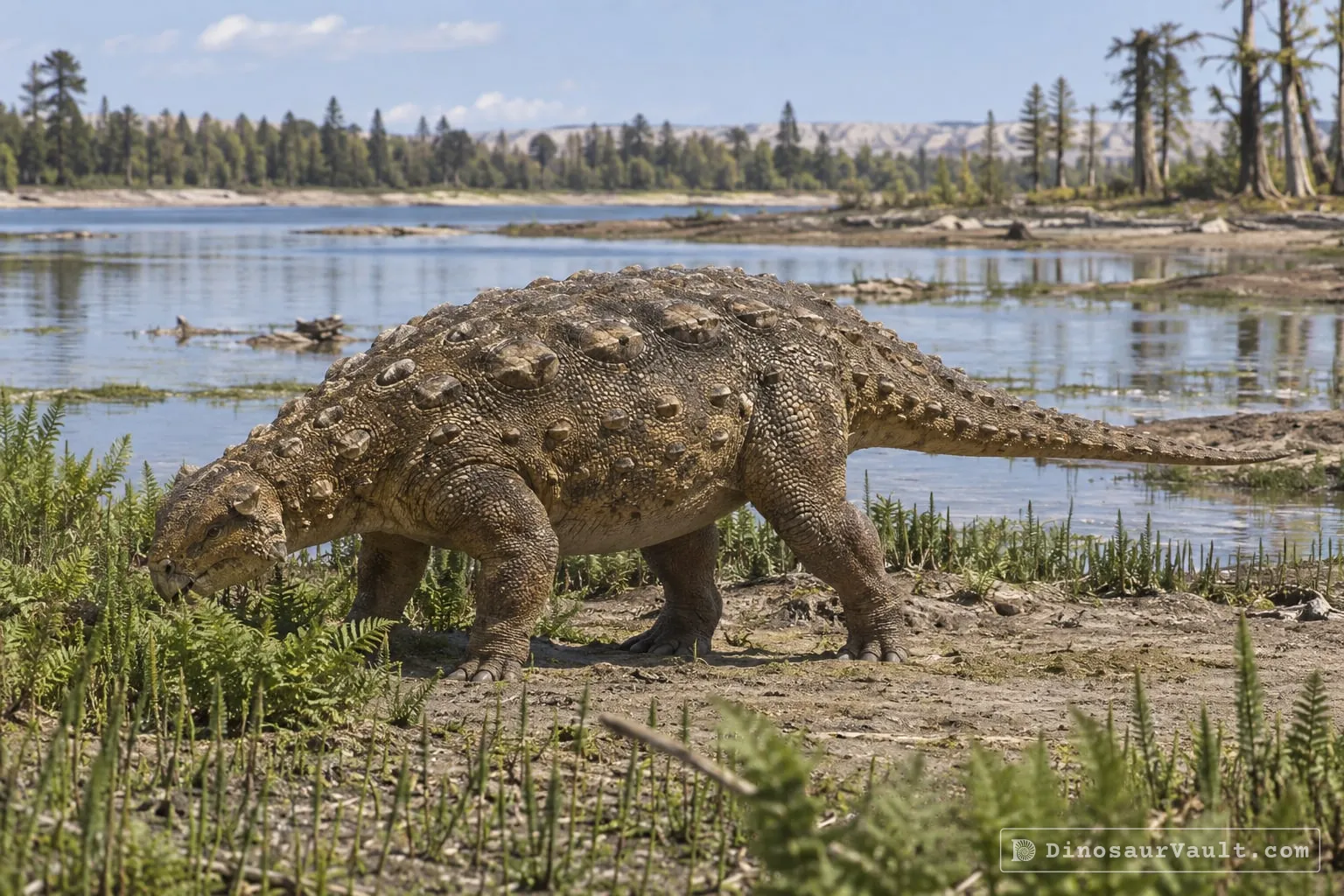
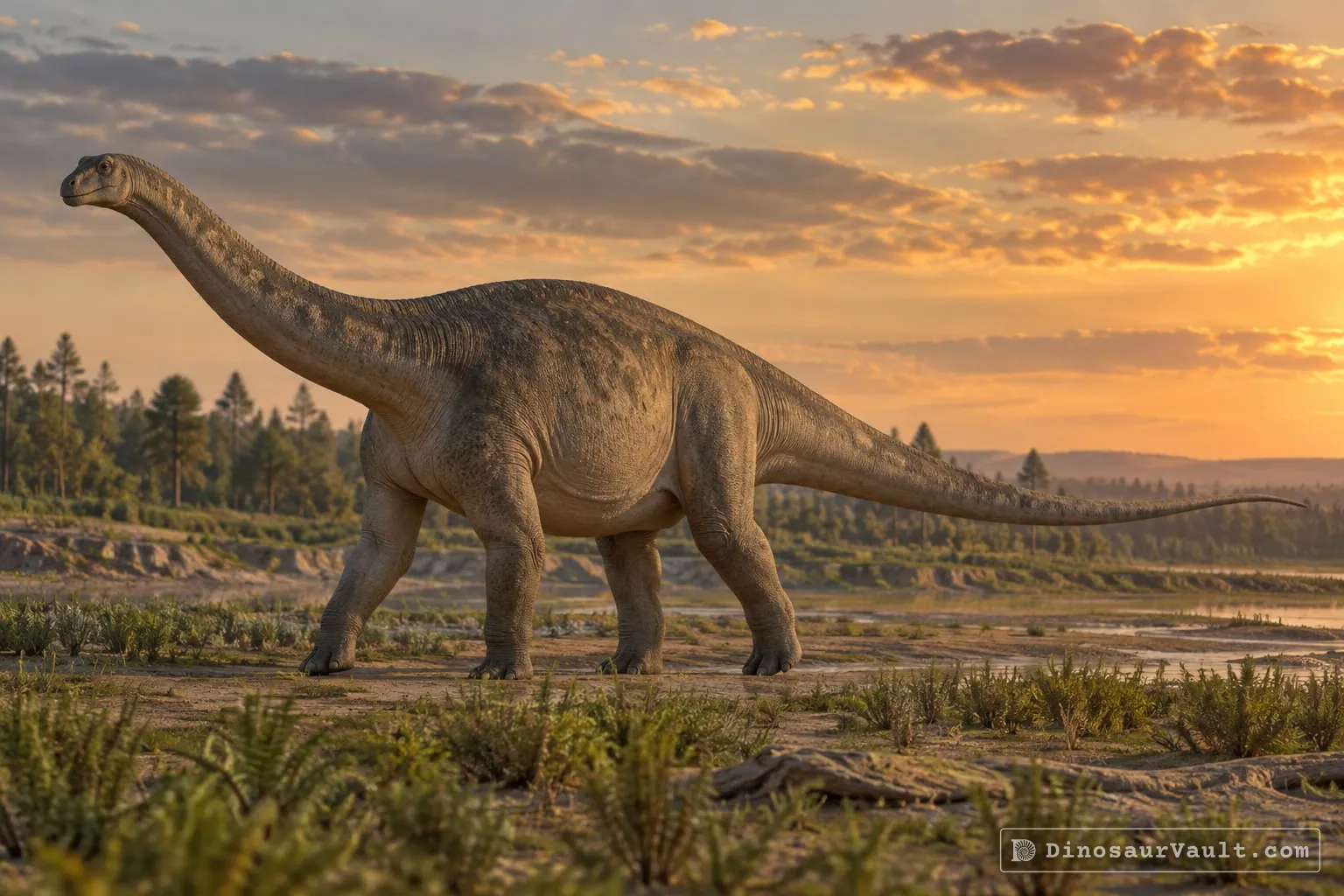


A rock formation can hold fossils laid down millions of years apart, so not every animal here met Levnesovia.
The evidence
The science behind Levnesovia
Which parts of the picture come from its own bones, and which come from its relatives.
From its own fossils
- The type specimen is the back of a skull with its braincase. Skull roof pieces, jaws and scattered body bones from the same rocks are assigned to it.
- A bony ridge along the middle of the skull roof rises toward the back. A lower beak bone assigned to it is broad and shovel-shaped.
- Jaw bones assigned to it hold tightly packed columns of teeth, with replacement teeth below the working ones. Toe claws assigned to it are flat and hoof-like.
Borrowed from relatives
- The missing front of the face and the neck are restored by comparison with Gobihadros.
- The body, arms, hands and tail are restored by comparison with Eolambia.
Still unknown
- The shape of its snout and the front of its face.
- Its skin texture and color.
- Whether it lived in herds or cared for its young.
Discovery timeline
- 2009Named itSues & Averianov
- 2016Same rocksBrusatte et al.
- 2019Close relativeTsogtbaatar et al.
- 2021Same rocksTanaka et al.
Key papers
The research behind what we know of Levnesovia
Named it
Described skull and body bones of Levnesovia and placed it close to Bactrosaurus among early duck-billed dinosaur relatives.
A new basal hadrosauroid dinosaur from the Late Cretaceous of Uzbekistan and the early radiation of duck-billed dinosaurs. Proceedings of the Royal Society B: Biological Sciences 276: 2549-2555
Read the paper : A new basal hadrosauroid dinosaur from the Late Cretaceous of Uzbekistan and the early radiation of duck-billed dinosaurs (opens in a new tab)Same rocks
Described Timurlengia from the same formation, showing that advanced tyrannosaur senses evolved before giant body size.
New tyrannosaur from the mid-Cretaceous of Uzbekistan clarifies evolution of giant body sizes and advanced senses in tyrant dinosaurs. Proceedings of the National Academy of Sciences 113: 3447-3452
Read the paper : New tyrannosaur from the mid-Cretaceous of Uzbekistan clarifies evolution of giant body sizes and advanced senses in tyrant dinosaurs (opens in a new tab)Close relative
Named Gobihadros, an early duck-billed dinosaur relative from Mongolia, and described its skull, snout and neck.
A new hadrosauroid (Dinosauria: Ornithopoda) from the Late Cretaceous Baynshire Formation of the Gobi Desert (Mongolia). PLOS ONE 14: e0208480
Read the paper : A new hadrosauroid (Dinosauria: Ornithopoda) from the Late Cretaceous Baynshire Formation of the Gobi Desert (Mongolia) (opens in a new tab)Same rocks
Named Ulughbegsaurus from an upper jaw in the same formation and proposed that it was a large predator.
A new carcharodontosaurian theropod dinosaur occupies apex predator niche in the early Late Cretaceous of Uzbekistan. Royal Society Open Science 8
Read the paper : A new carcharodontosaurian theropod dinosaur occupies apex predator niche in the early Late Cretaceous of Uzbekistan (opens in a new tab)
Close relatives
Other members of Hadrosauroidea


Sources: Wikidata