Dzharaonyx
"Dzharakuduk claw"
- Lived
- 94 to 90 million years ago, Late Cretaceous
- Diet
- Carnivore
- Group
- Theropods, Alvarezsauridae
- Found in
- Uzbekistan
- Named by
- Averianov and Sues 2022
Where its fossils were found
The evidence
Today

90 million years ago
Habitat
It lived on coastal land in what is now Uzbekistan. Other dinosaurs from the Bissekty Formation include Timurlengia, Turanoceratops and Caenagnathasia.
Field notes
About Dzharaonyx
What it was like
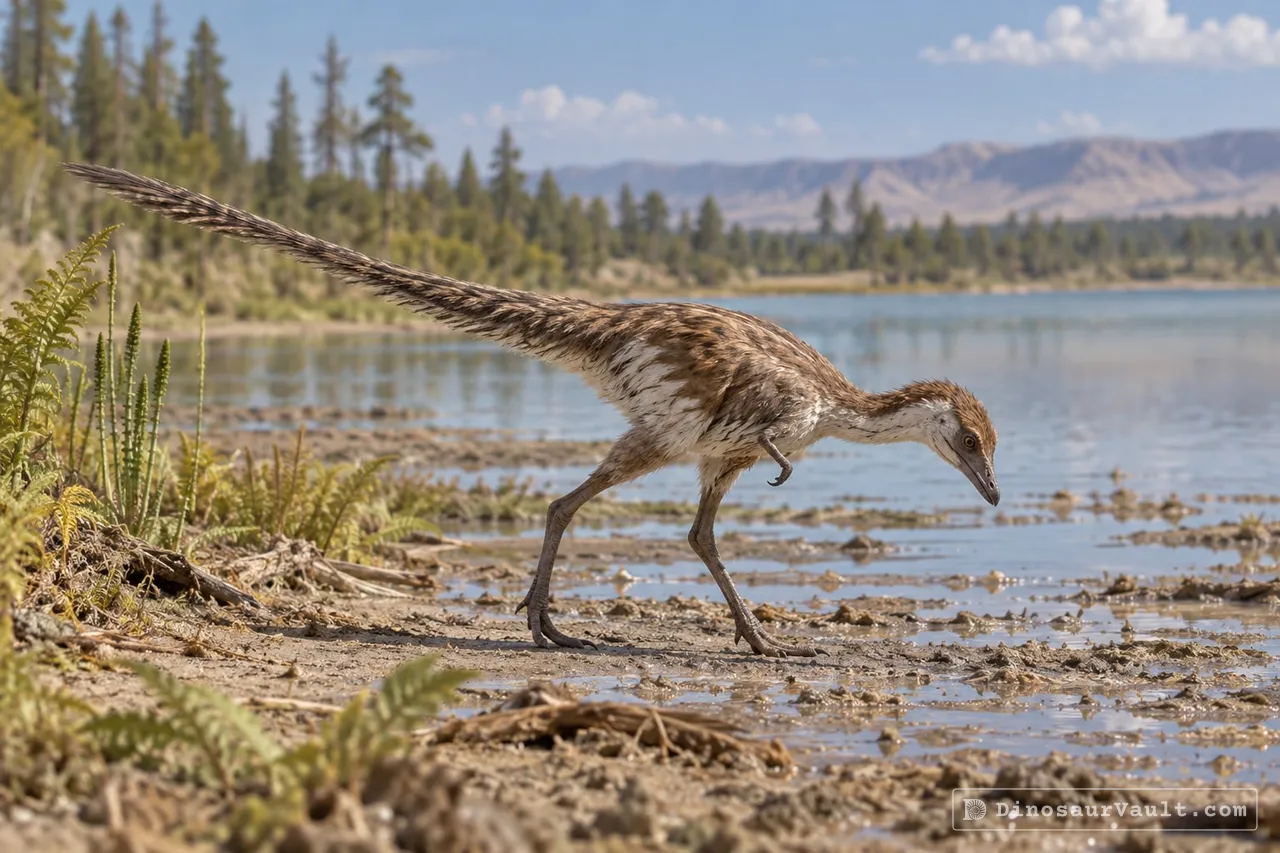
Dzharaonyx was an alvarezsaur, a small, bird-like theropod with short, strong arms. Bones assigned to it include tail vertebrae and parts of the arms, hands and feet.
Its world
It lived about 94 to 90 million years ago, in the Late Cretaceous, in what is now Uzbekistan. Its bones come from the Bissekty Formation, a coastal land shared with the early tyrannosaur Timurlengia and the horned Turanoceratops.
How it was found
Averianov and Sues named it in 2022. It is named after the site where it was found.
Field gallery
More views of Dzharaonyx
Scenes reconstructed from the available fossil evidence.
Lived alongside
Found in the same rock formations
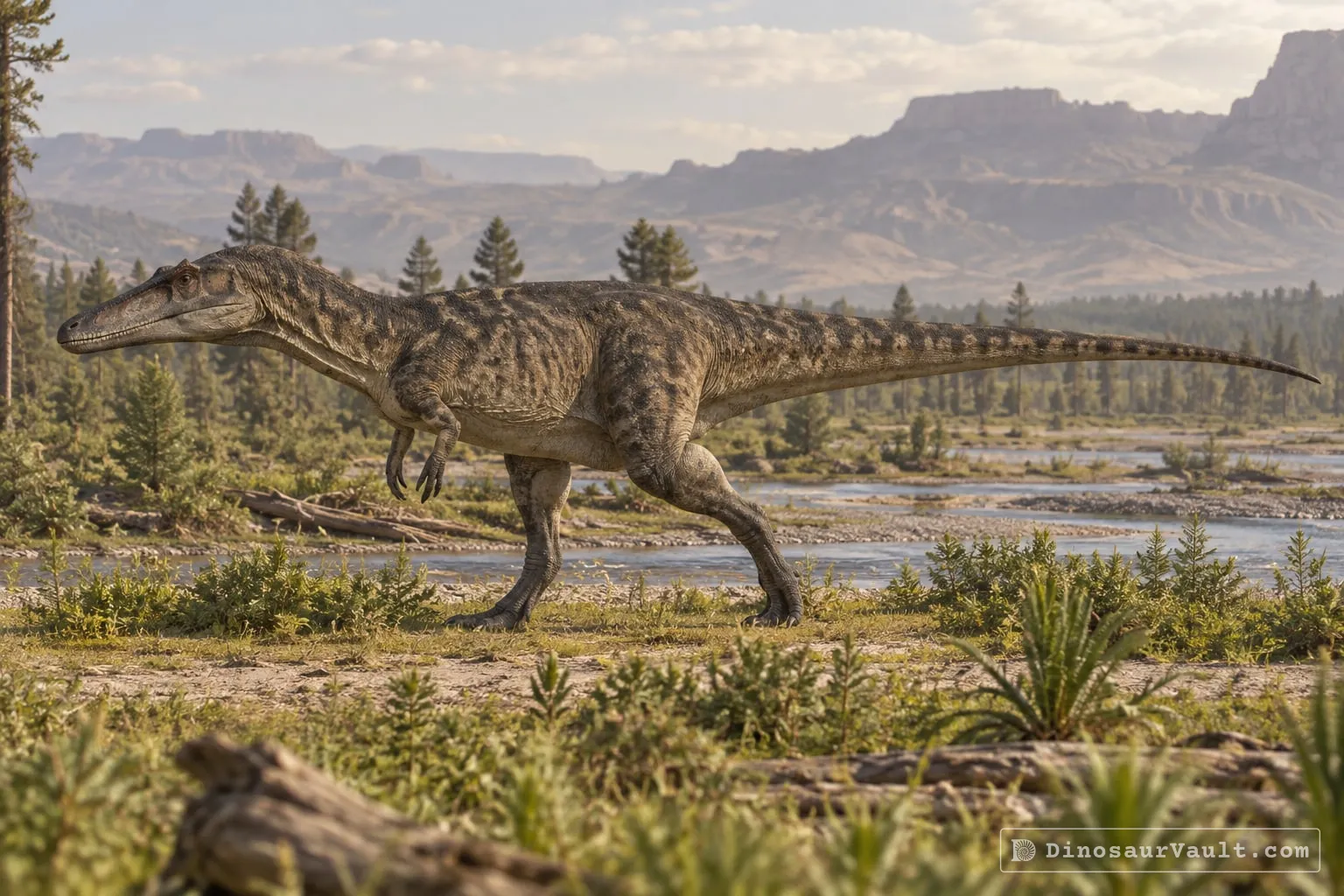
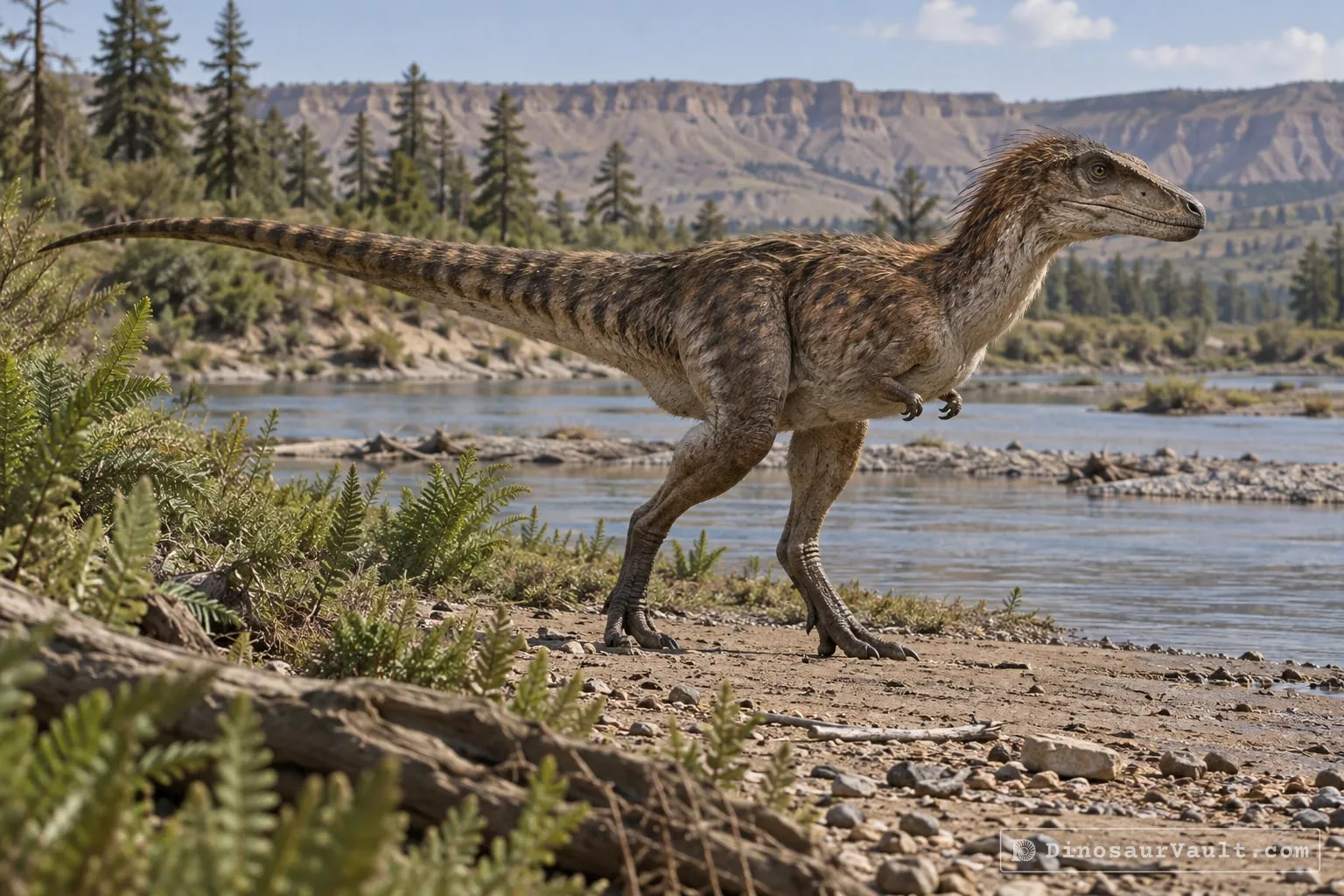
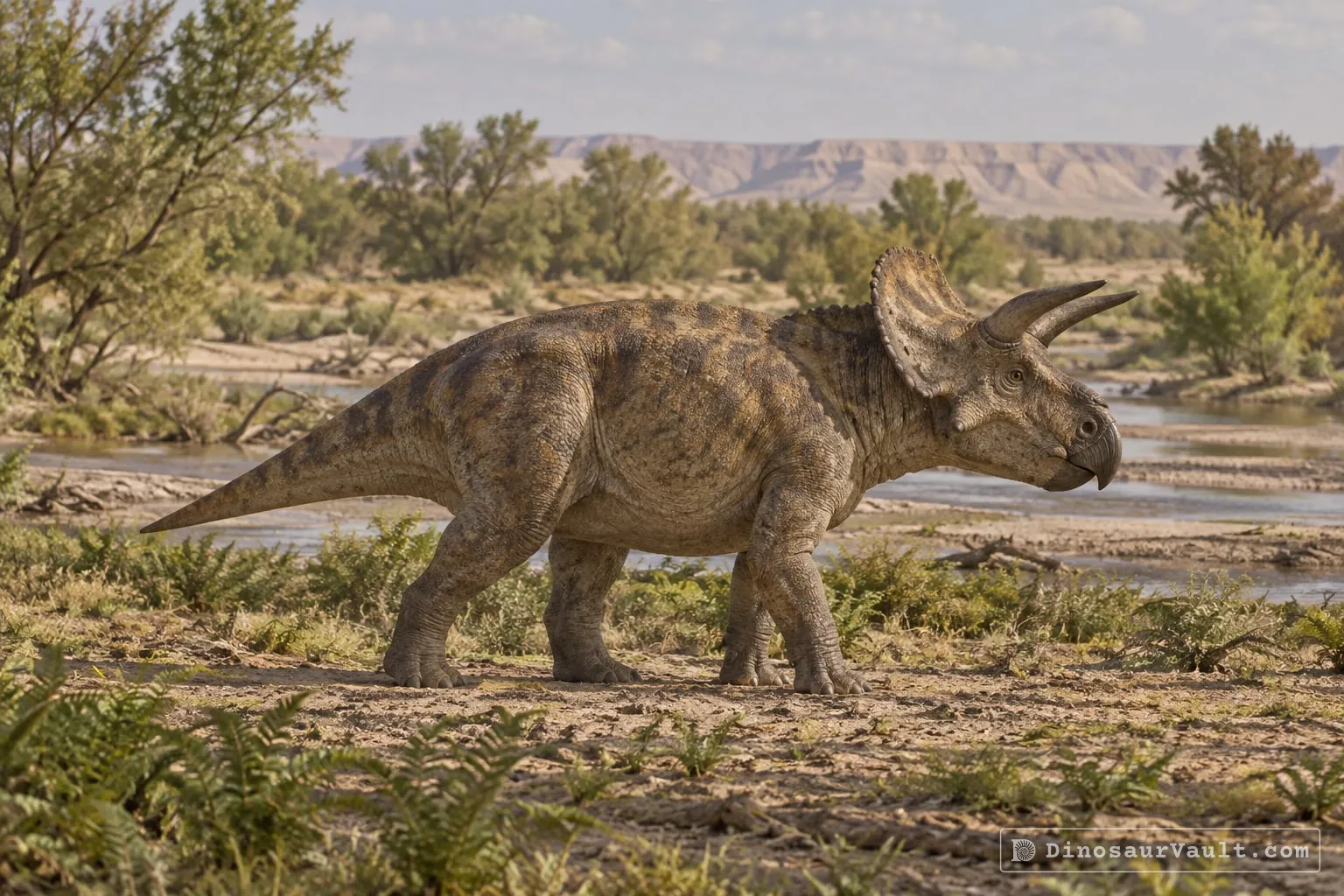
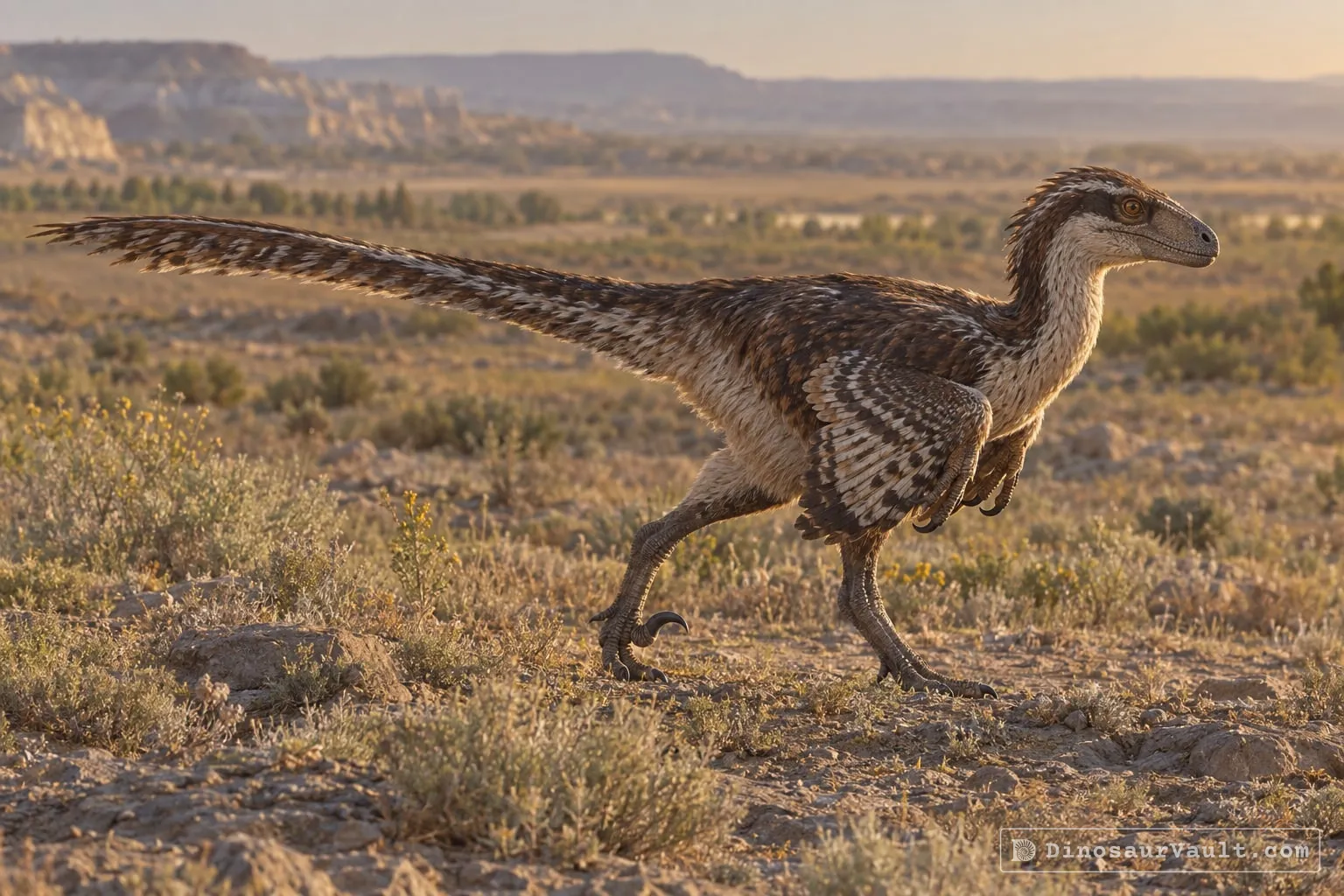
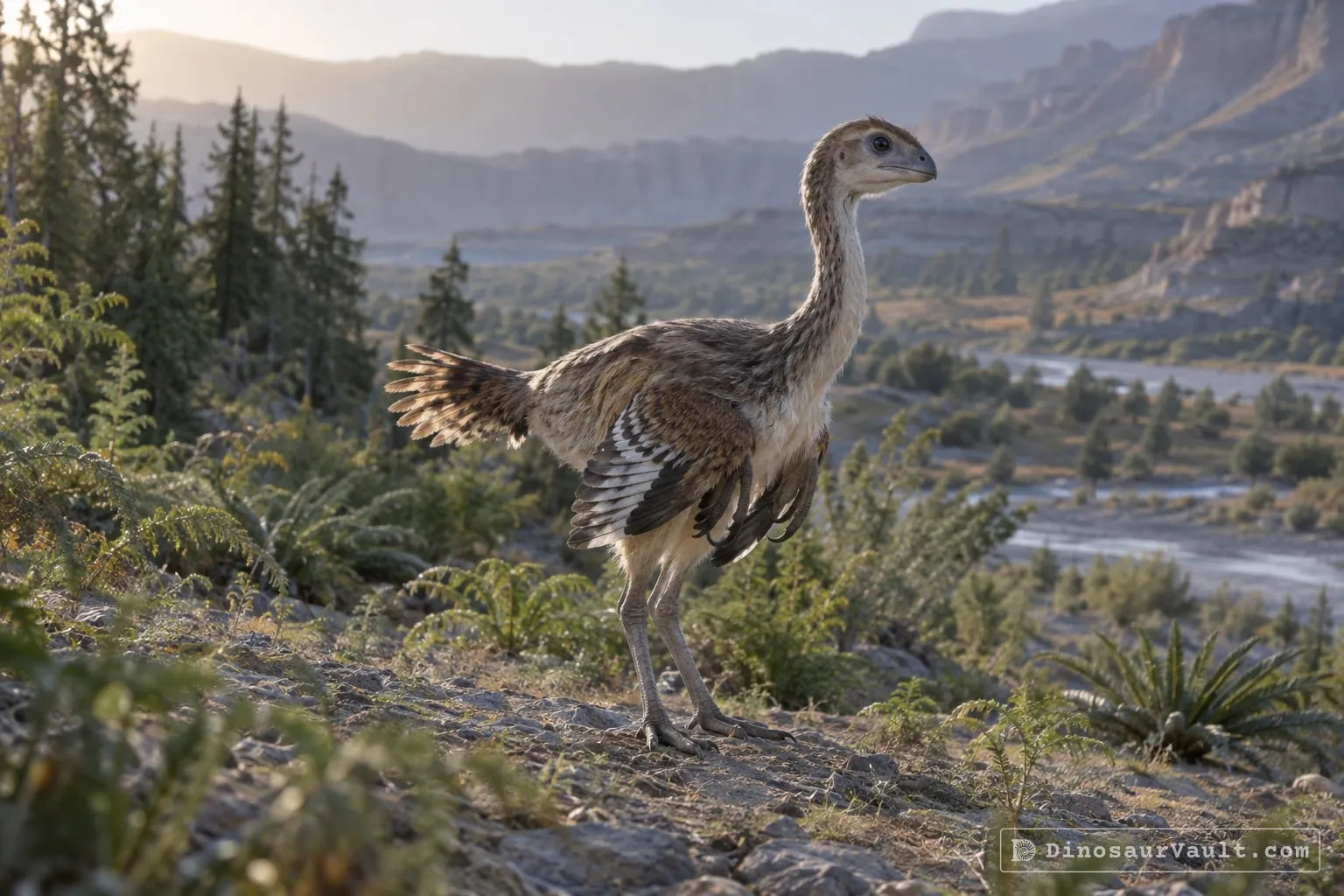
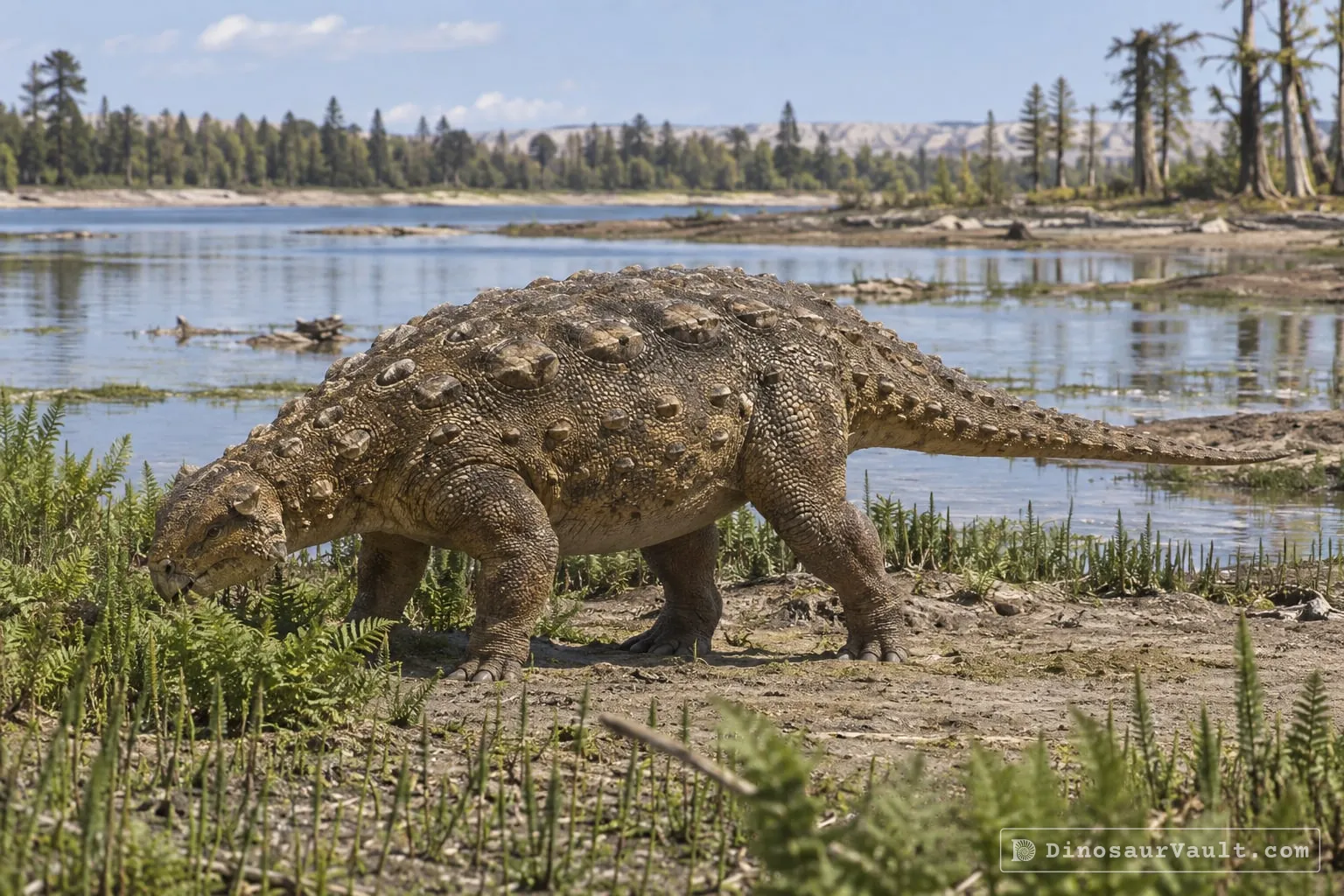
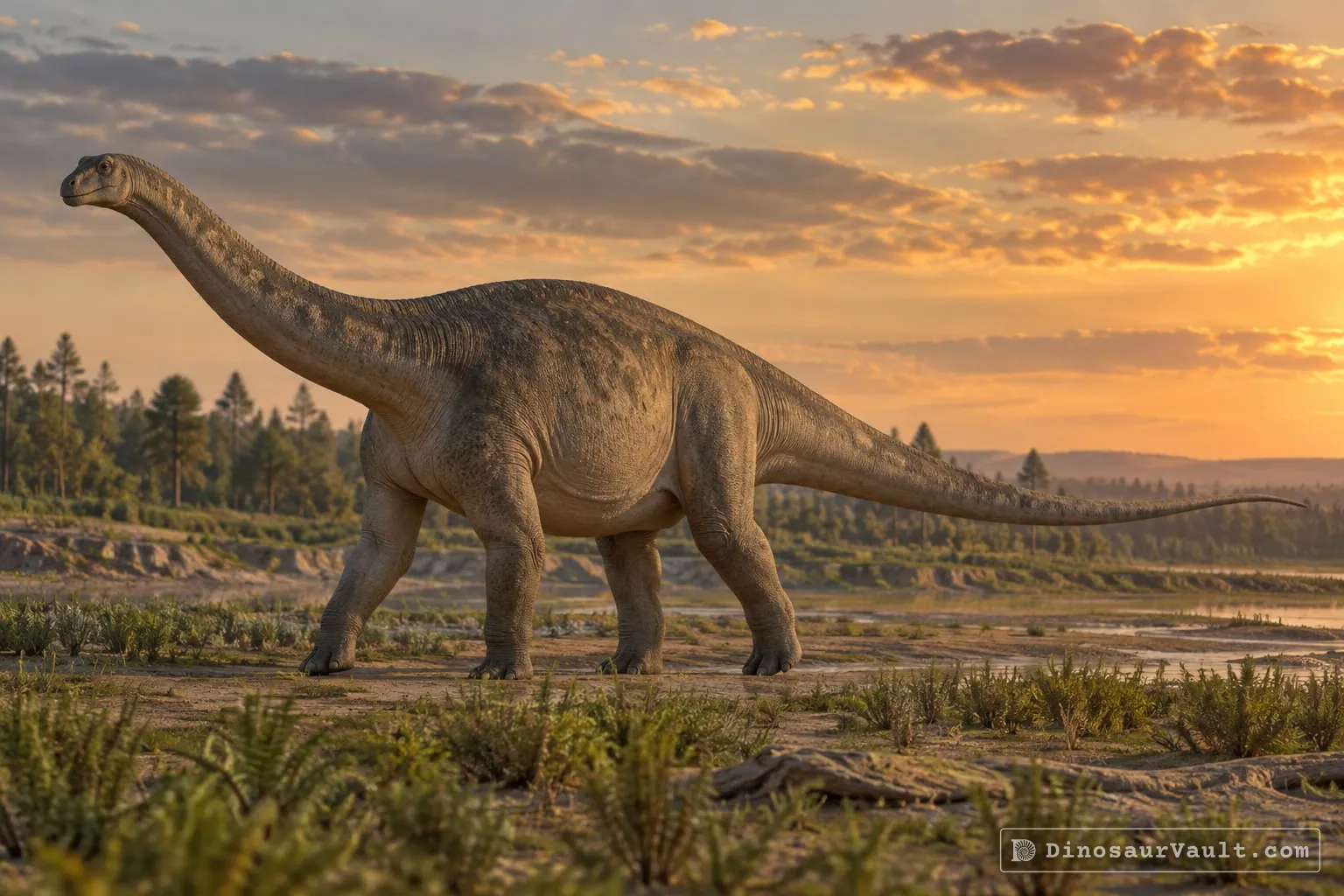
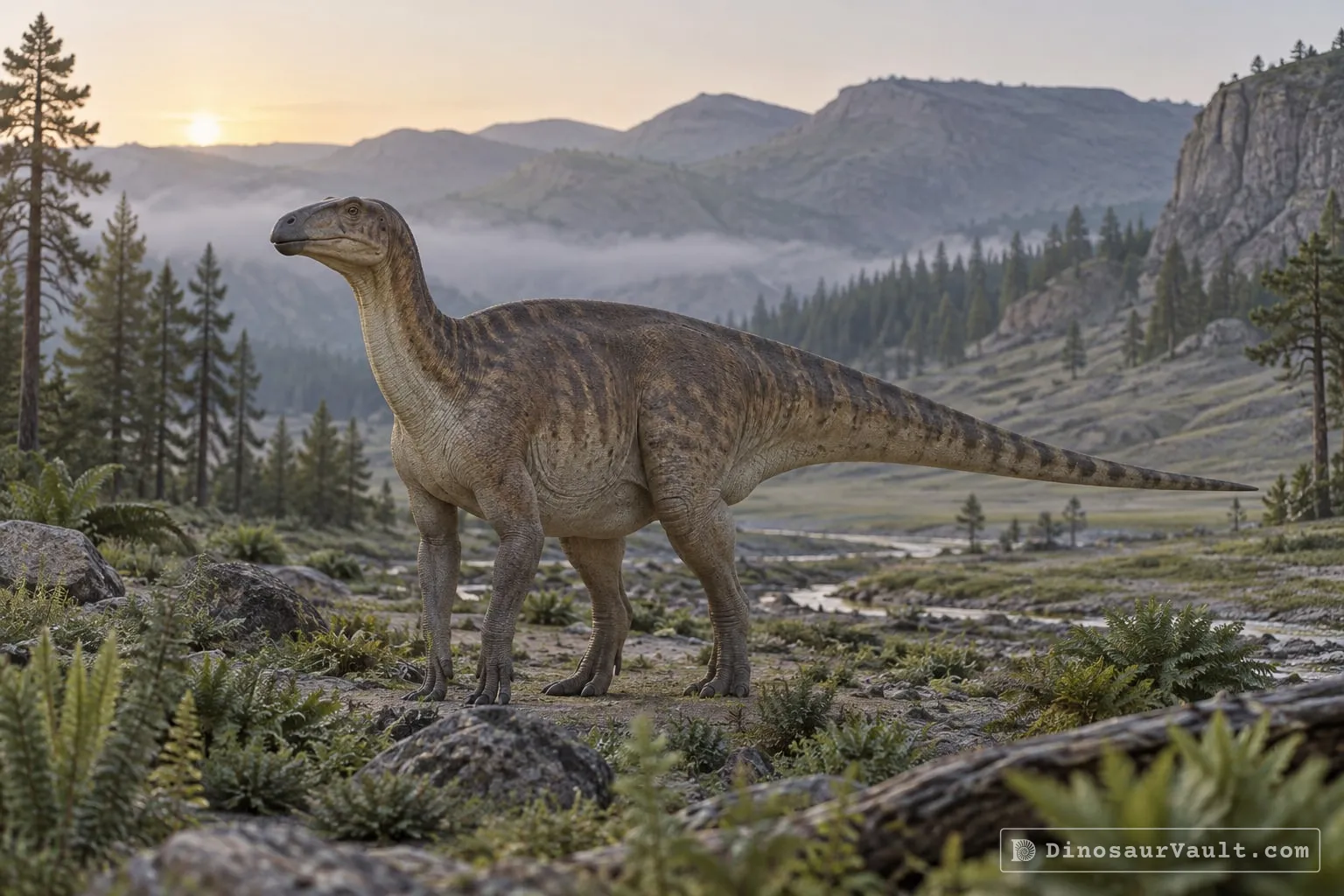


A rock formation can hold fossils laid down millions of years apart, so not every animal here met Dzharaonyx.
The evidence
The science behind Dzharaonyx
Which parts of the picture come from its own bones, and which come from its relatives.
From its own fossils
- Separate bones found at one site are assigned to it, including tail vertebrae, upper arm and forearm bones, hand bones and foot bones. The tail vertebrae have a lengthwise canal inside the arch above the main body of each bone.
- The hand had one enlarged finger with a strongly curved claw, and the forearm bone had a large projection at the elbow for muscle attachment. In the foot, the middle bone of the upper foot is pinched between its neighbors.
- A later study read a surface on the hand bones as the attachment for extra fingers on the outer side of the main finger, rather than a joint for a third finger in line with it.
Borrowed from relatives
- The missing head, neck, body, legs and tail are restored from Jaculinykus, an alvarezsaur known from a nearly complete skeleton, without its two-fingered hand.
Still unknown
- The shape of its skull, its exact body size and its feather covering.
- Its closest relatives. The naming study could not settle its place among the alvarezsaurs it most resembles.
- How it used its strong hand claw.
Discovery timeline
- 2017New findAverianov & Sues
- 2022Named itAverianov & Sues
- 2022Close relativeAverianov & Lopatin
- 2023Close relativeKubo et al.
Key papers
The research behind what we know of Dzharaonyx
New find
Described the tail and hand bones later assigned to Dzharaonyx, revealing an early stage in the evolution of the specialized alvarezsaur hand.
The oldest record of Alvarezsauridae (Dinosauria: Theropoda) in the Northern Hemisphere. PLOS ONE 12: e0186254
Read the paper : The oldest record of Alvarezsauridae (Dinosauria: Theropoda) in the Northern Hemisphere (opens in a new tab)Named it
Named Dzharaonyx from separate body and limb bones and placed it among the specialized Asian alvarezsaurs.
New material and diagnosis of a new taxon of alvarezsaurid (Dinosauria, Theropoda) from the Upper Cretaceous Bissekty Formation of Uzbekistan. Journal of Vertebrate Paleontology 41: e2036174
No link available
Close relative
Named Ondogurvel and compared different hand designs in alvarezsaurs, including Dzharaonyx and Mononykus.
A new alvarezsaurid theropod dinosaur from the Upper Cretaceous of Gobi Desert, Mongolia. Cretaceous Research 135: 105168
Read the paper : A new alvarezsaurid theropod dinosaur from the Upper Cretaceous of Gobi Desert, Mongolia (opens in a new tab)Close relative
Described Jaculinykus from a nearly complete skeleton with a two-fingered hand, preserved in a bird-like sleeping pose.
A new alvarezsaurid dinosaur (Theropoda, Alvarezsauria) from the Upper Cretaceous Baruungoyot Formation of Mongolia provides insights for bird-like sleeping behavior in non-avian dinosaurs. PLOS ONE 18: e0293801
Read the paper : A new alvarezsaurid dinosaur (Theropoda, Alvarezsauria) from the Upper Cretaceous Baruungoyot Formation of Mongolia provides insights for bird-like sleeping behavior in non-avian dinosaurs (opens in a new tab)
Close relatives
Other members of Alvarezsauridae


Sources: Wikidata