Itemirus
"of Itemir"
- Lived
- 94 to 90 million years ago, Late Cretaceous
- Diet
- Carnivore
- Group
- Theropods, Dromaeosauridae
- Found in
- Uzbekistan
- Named by
- Kurzanov 1976
Where its fossils were found
The evidence
Today

90 million years ago
Habitat
Rivers deposited the sandstones of the Bissekty Formation. Timurlengia, Turanoceratops and Bissektipelta lived in this region.
Field notes
About Itemirus
What it was like
Itemirus was a raptor, a feathered hunter with a sickle claw on each foot. It is known mainly from a braincase, which shows details of its brain and inner ear.
Its world
It lived in the Late Cretaceous in what is now Uzbekistan. Its bones come from the Bissekty Formation, where it shared the land with the tyrannosaur relative Timurlengia, the large hunter Ulughbegsaurus and the horned Turanoceratops.
How it was found
Kurzanov named Itemirus in 1976. Its place in the raptor family was long uncertain.
Field gallery
More views of Itemirus
Scenes reconstructed from the available fossil evidence.
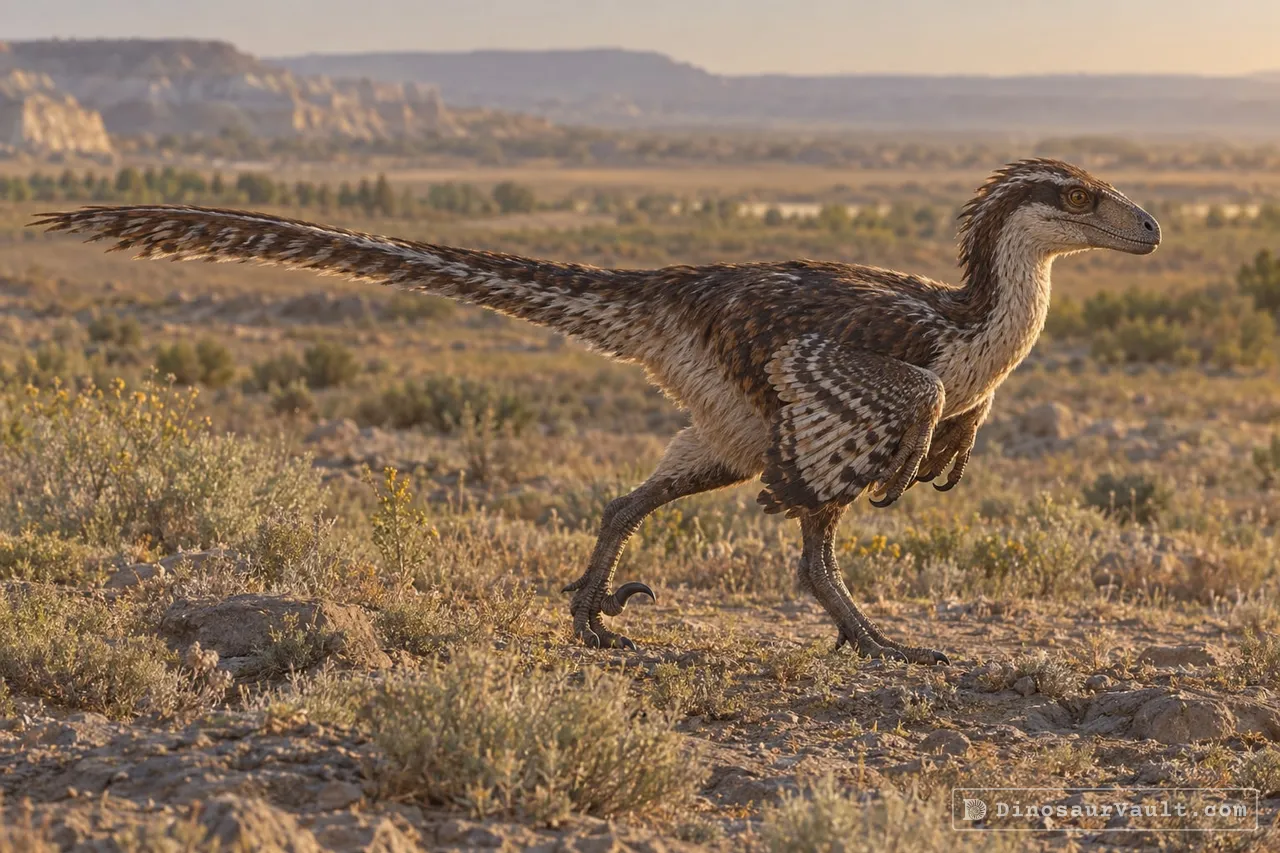
1 of 3
Lived alongside
Found in the same rock formations
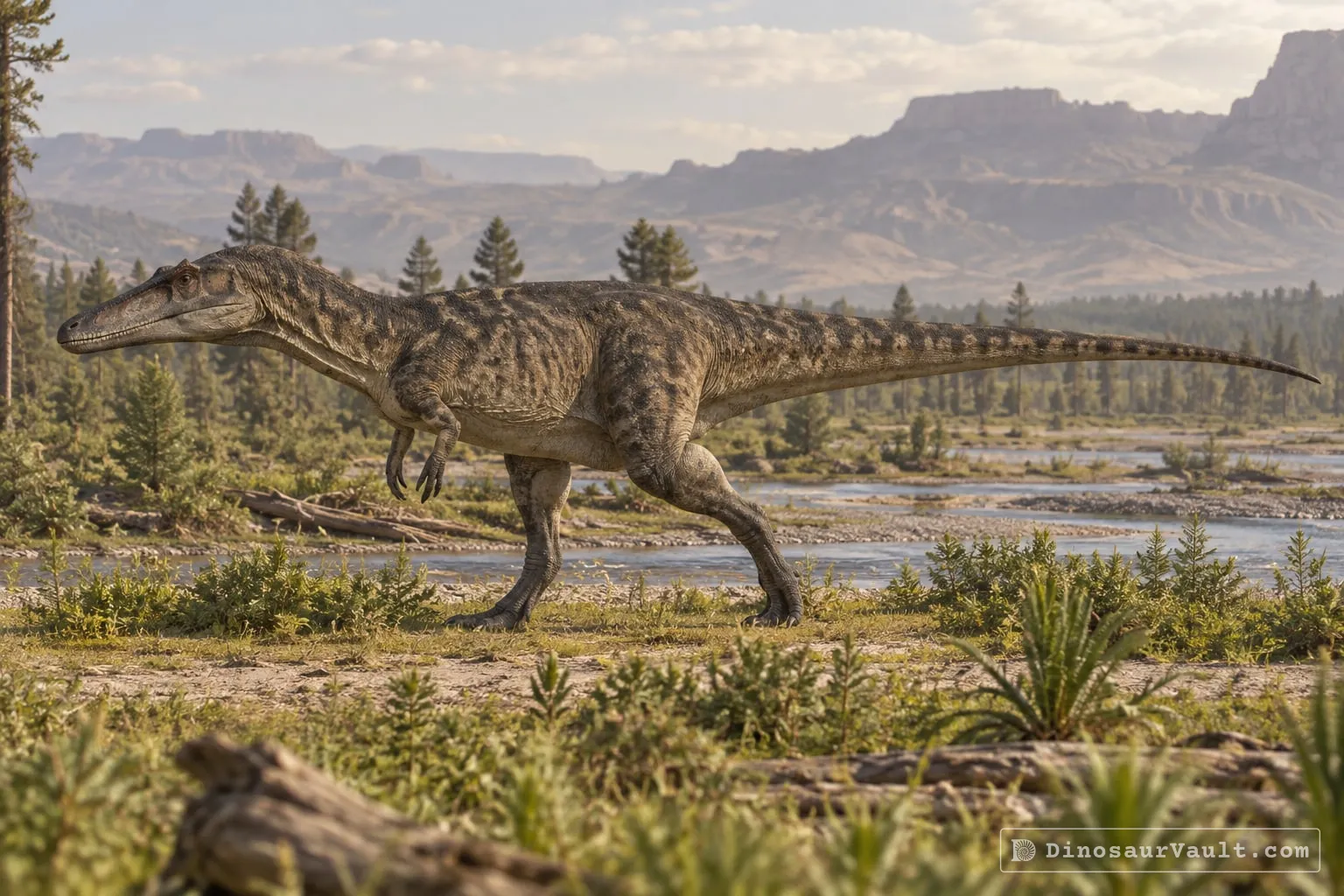
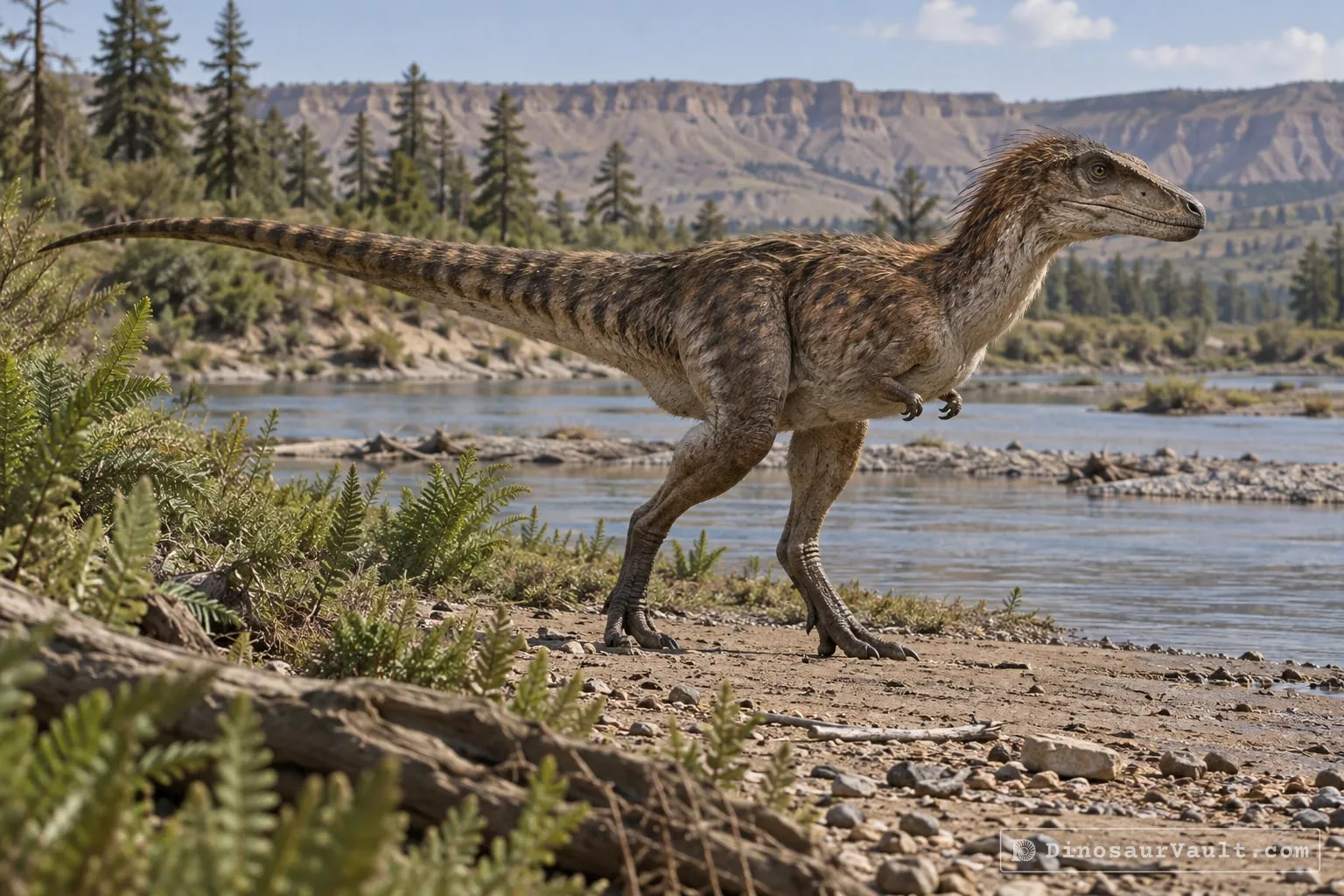
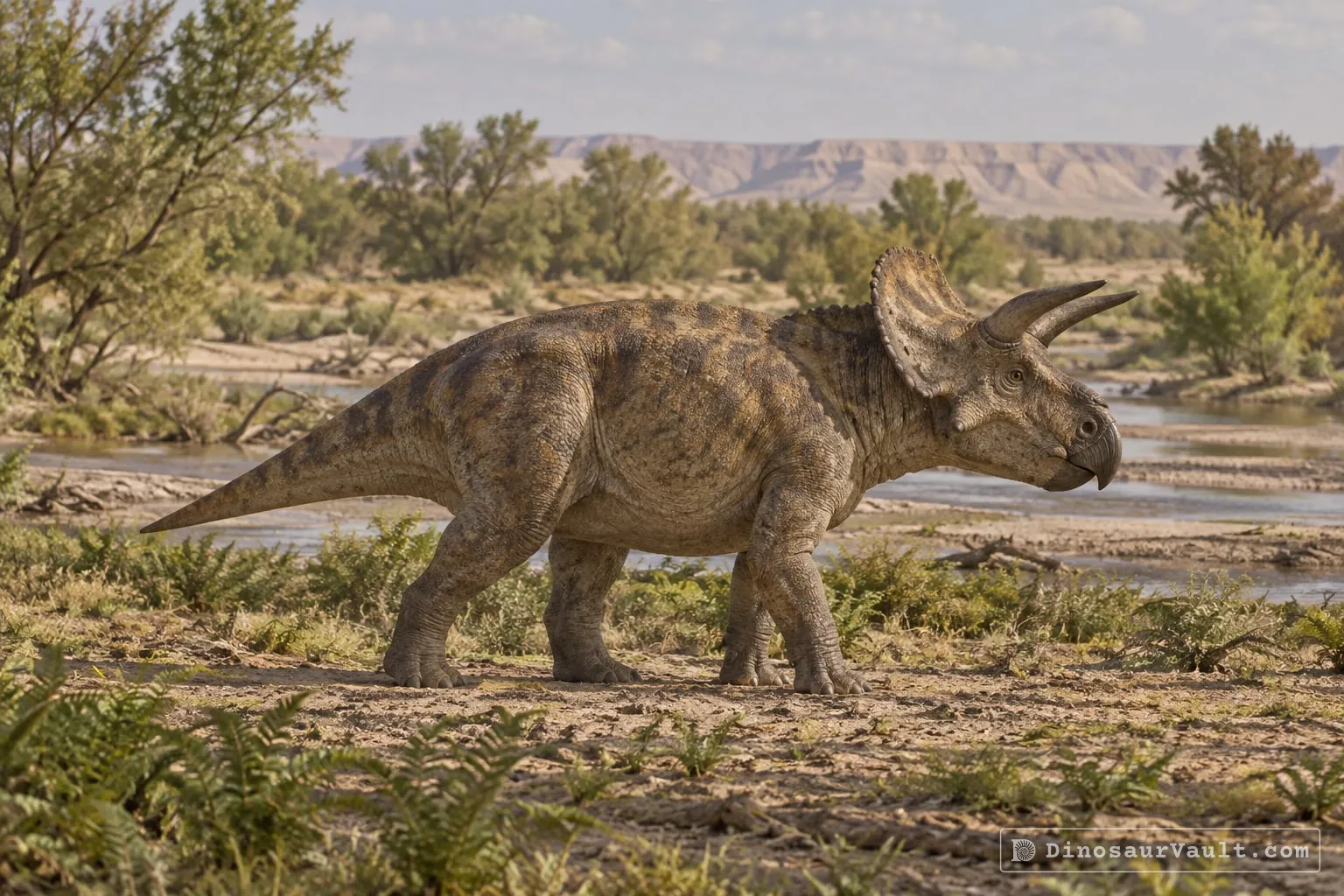
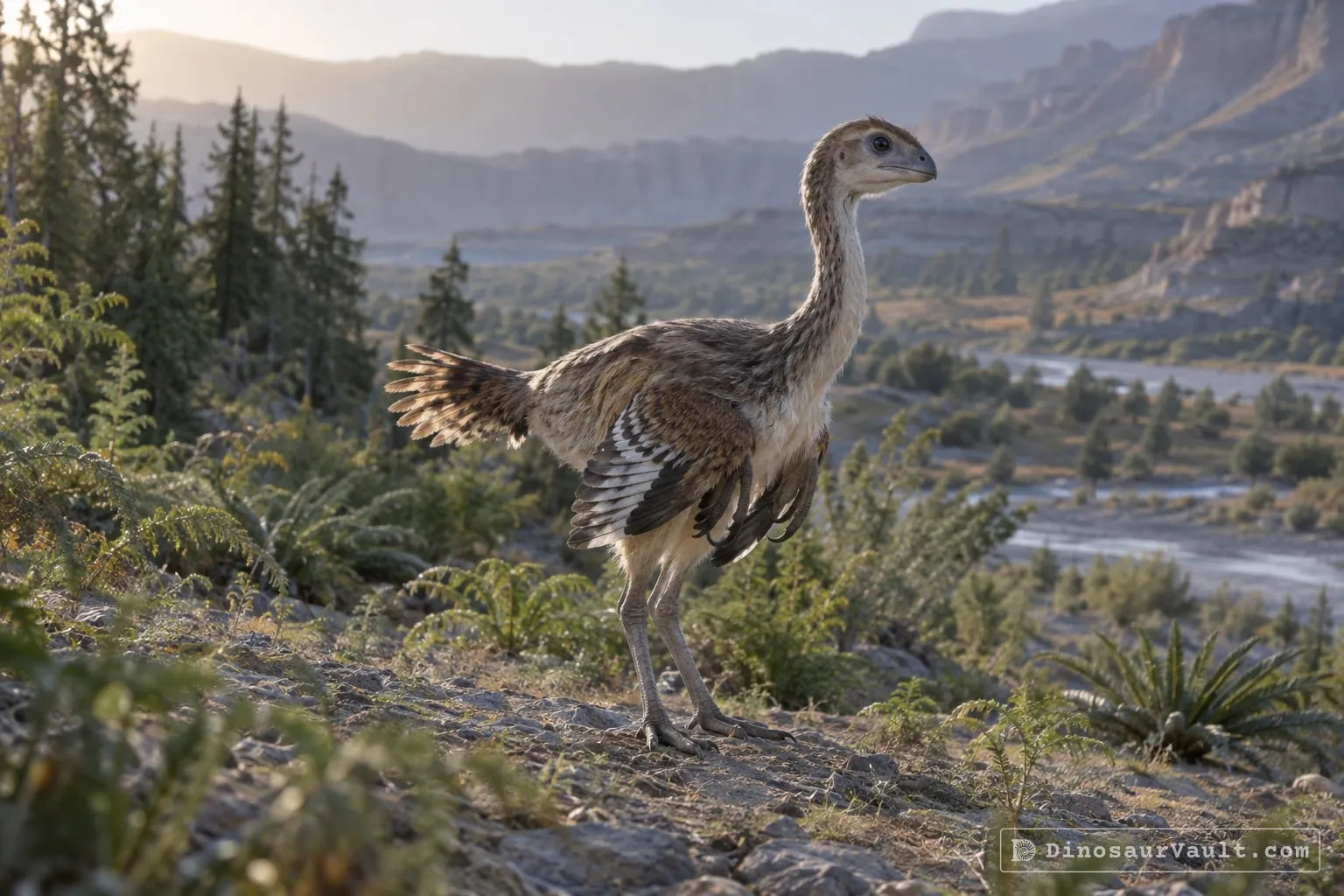
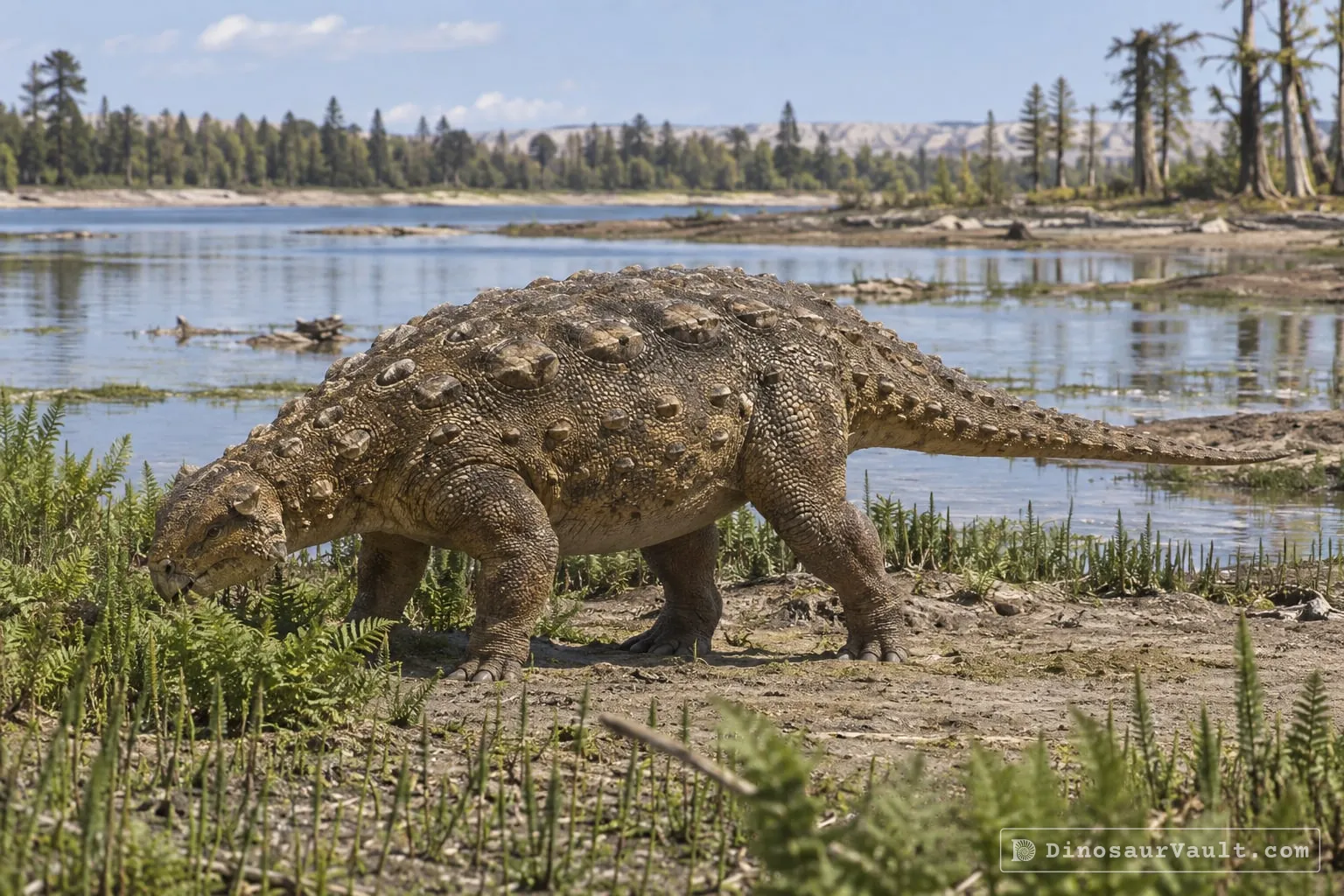
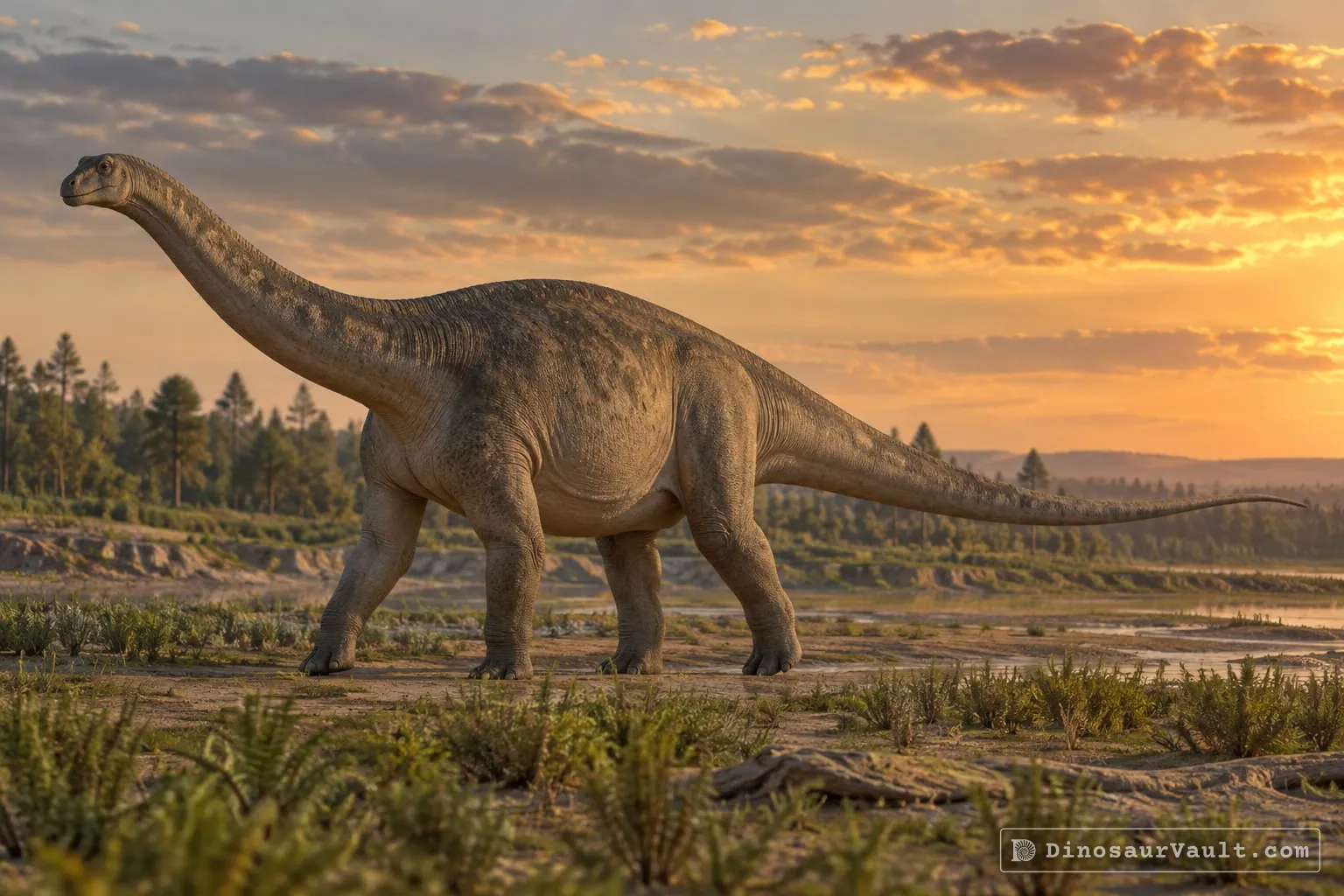
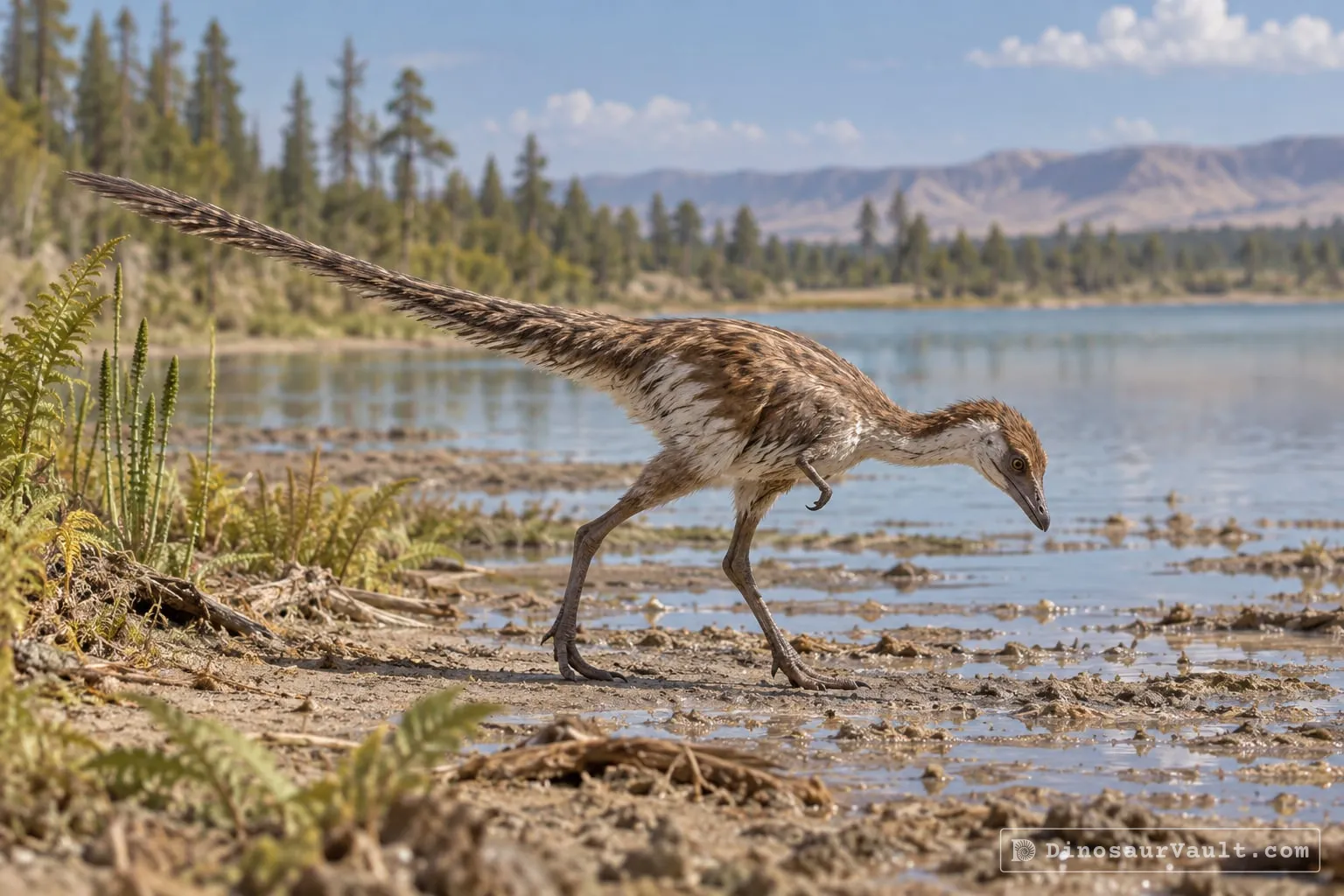
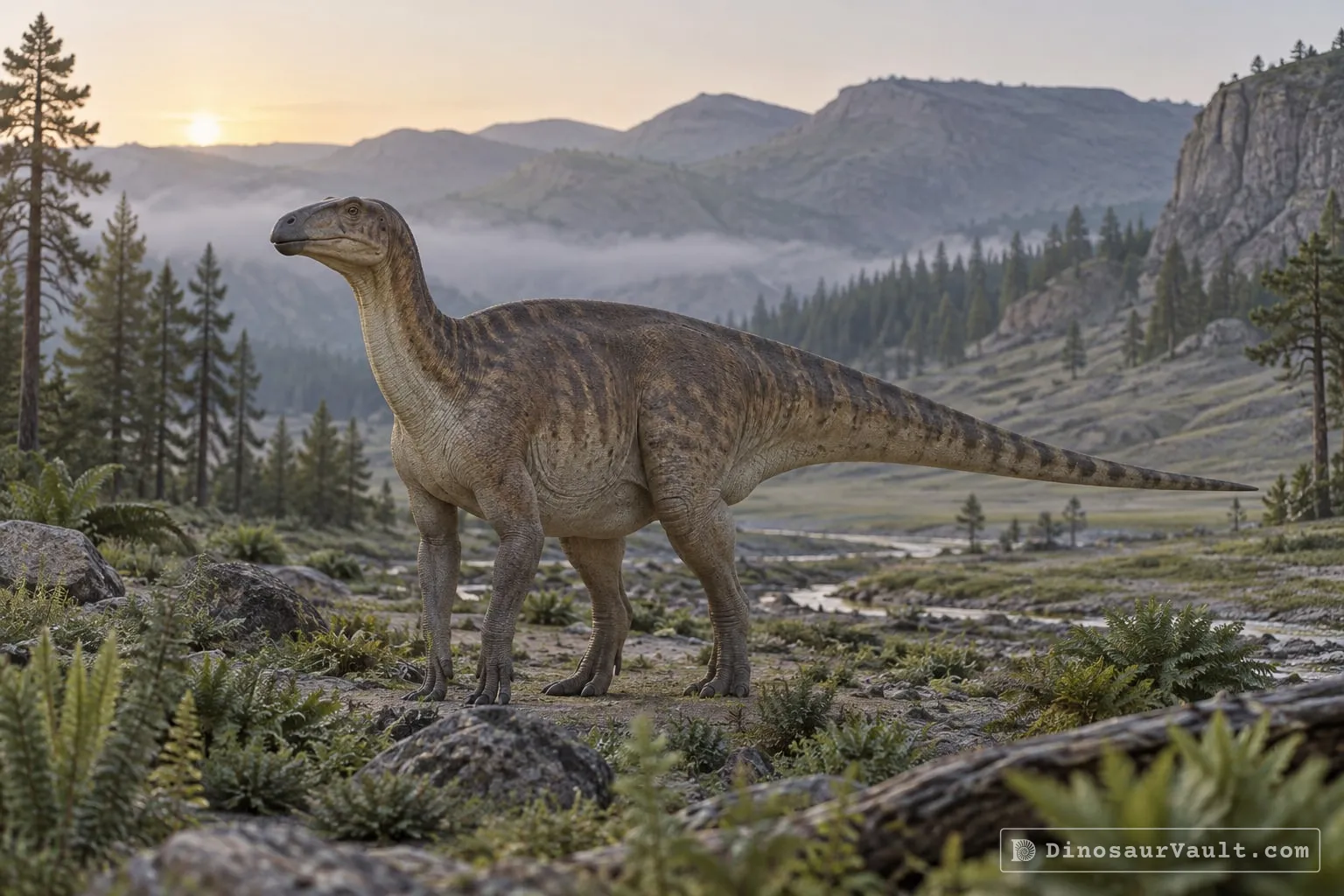


A rock formation can hold fossils laid down millions of years apart, so not every animal here met Itemirus.
The evidence
The science behind Itemirus
Which parts of the picture come from its own bones, and which come from its relatives.
From its own fossils
- The original fossil is a partial braincase, the bony casing around the brain.
- Other remains tentatively assigned to Itemirus include a skull roof piece, teeth, vertebrae and bones from the hands and feet.
Borrowed from relatives
- Its missing face, hands and feet are restored after Velociraptor, as a general raptor comparison.
- A feather covering is inferred from feathered raptor relatives, including a forearm with feather attachment marks originally assigned to Velociraptor.
Still unknown
- Its complete skull shape and body proportions.
- Which isolated bones belong to Itemirus, including jaw fragments reassigned to Ulughbegsaurus in one study. Its precise place within the raptor family is also unsettled.
- The pattern and color of its feathers.
Discovery timeline
- 1976Named itKurzanov
- 2007SkinTurner, Makovicky & Norell
- 2014Full descriptionSues & Averianov
- 2022Same rocksSues, Averianov & Britt
Key papers
The research behind what we know of Itemirus
Named it
Named Itemirus from a partial braincase and described the skull structures surrounding its brain.
Brain-case structure in the carnosaur Itemirus n. gen. and some aspects of the cranial anatomy of dinosaurs. Paleontological Journal 1976: 361-369
No link available
Skin
Reported feather attachment marks on a raptor forearm originally assigned to Velociraptor, supporting feathered restorations of related raptors such as Itemirus.
Feather quill knobs in the dinosaur Velociraptor. Science 317: 1721
Read the paper : Feather quill knobs in the dinosaur Velociraptor (opens in a new tab)Full description
Described isolated bones tentatively assigned to Itemirus and supported its place within the raptor family.
Dromaeosauridae (Dinosauria: Theropoda) from the Bissekty Formation (Upper Cretaceous: Turonian) of Uzbekistan and the phylogenetic position of Itemirus medullaris Kurzanov, 1976. Cretaceous Research 51: 225-240
Read the paper : Dromaeosauridae (Dinosauria: Theropoda) from the Bissekty Formation (Upper Cretaceous: Turonian) of Uzbekistan and the phylogenetic position of Itemirus medullaris Kurzanov, 1976 (opens in a new tab)Same rocks
Separated a giant raptor toe bone from the smaller material retained under Itemirus.
A giant dromaeosaurid theropod from the Upper Cretaceous (Turonian) Bissekty Formation of Uzbekistan and the status of Ulughbegsaurus uzbekistanensis. Geological Magazine 160: 355-360
Read the paper : A giant dromaeosaurid theropod from the Upper Cretaceous (Turonian) Bissekty Formation of Uzbekistan and the status of Ulughbegsaurus uzbekistanensis (opens in a new tab)
Close relatives
Other members of Dromaeosauridae


Sources: Wikidata