Dzharatitanis
"Dzharakuduk titan"
Type species Dzharatitanis kingi
- Lived
- 94 to 90 million years ago, Late Cretaceous
- Diet
- Herbivore
- Group
- Sauropods
- Found in
- Uzbekistan
- Named by
- Averianov and Sues 2021
Where its fossils were found
The evidence
Today

90 million years ago
Habitat
Rivers deposited the sand of the Bissekty Formation in what is now Uzbekistan. Timurlengia, Ulughbegsaurus and Turanoceratops are also recorded from this formation.
Field notes
About Dzharatitanis
What it was like
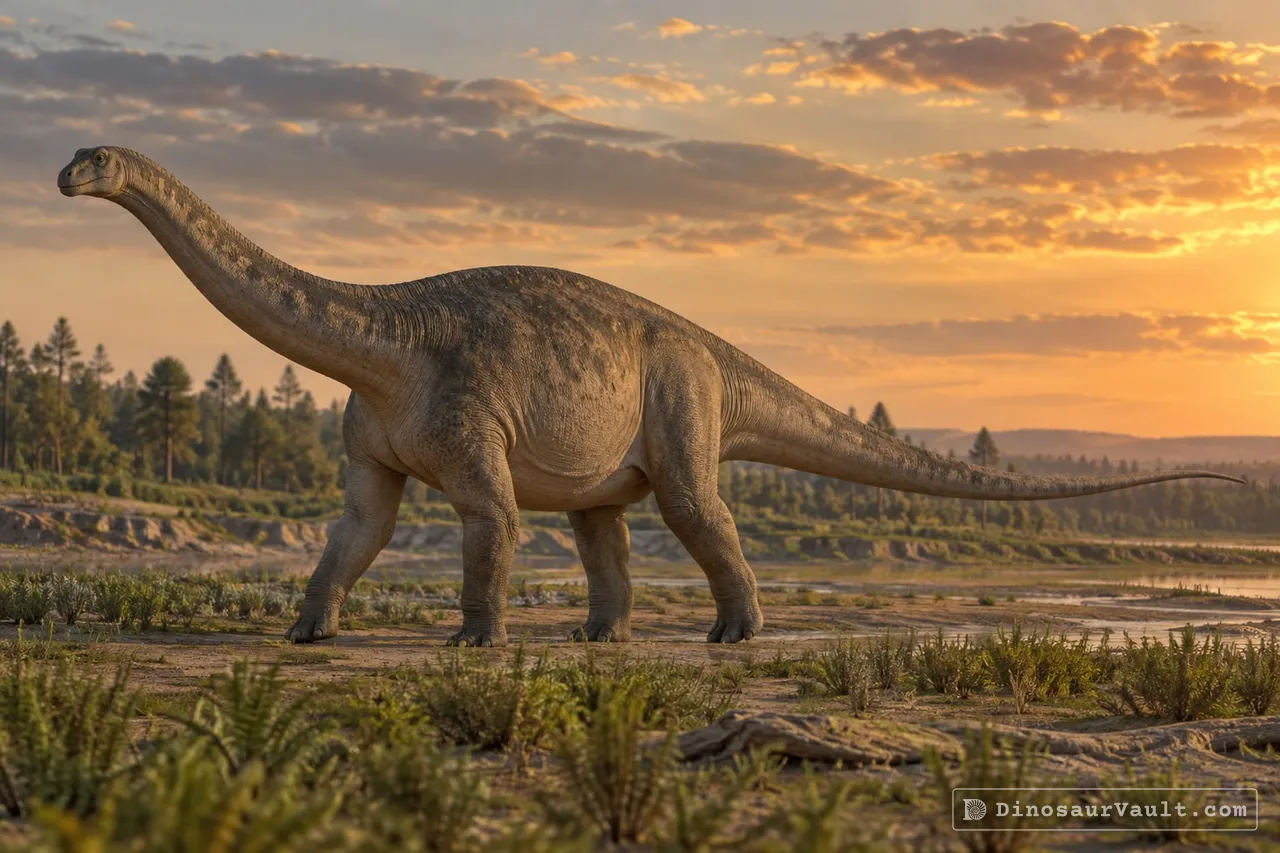
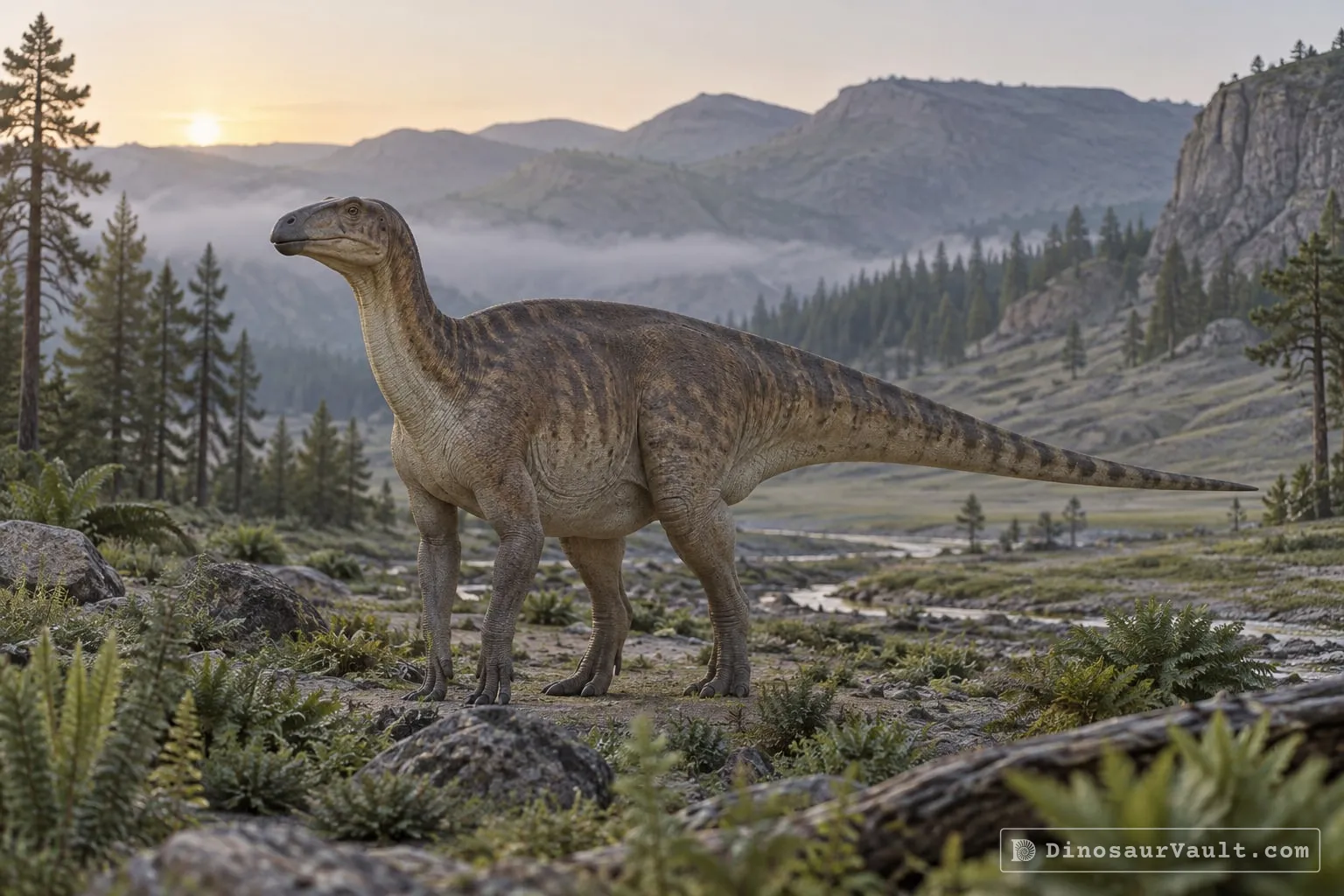
Dzharatitanis was a long-necked, four-legged plant eater known from a single tail bone. It was first thought to be a rebbachisaur, but later studies suggest it was a titanosaur.
Its world
It lived in the Late Cretaceous in what is now Uzbekistan. Its bone comes from the Bissekty Formation, where it shared the land with the tyrannosaur relative Timurlengia, the large hunter Ulughbegsaurus and the horned Turanoceratops.
How it was found
Averianov and Sues named Dzharatitanis in 2021, from a single find.
Field gallery
More views of Dzharatitanis
Scenes reconstructed from the available fossil evidence.
Lived alongside
Found in the same rock formations
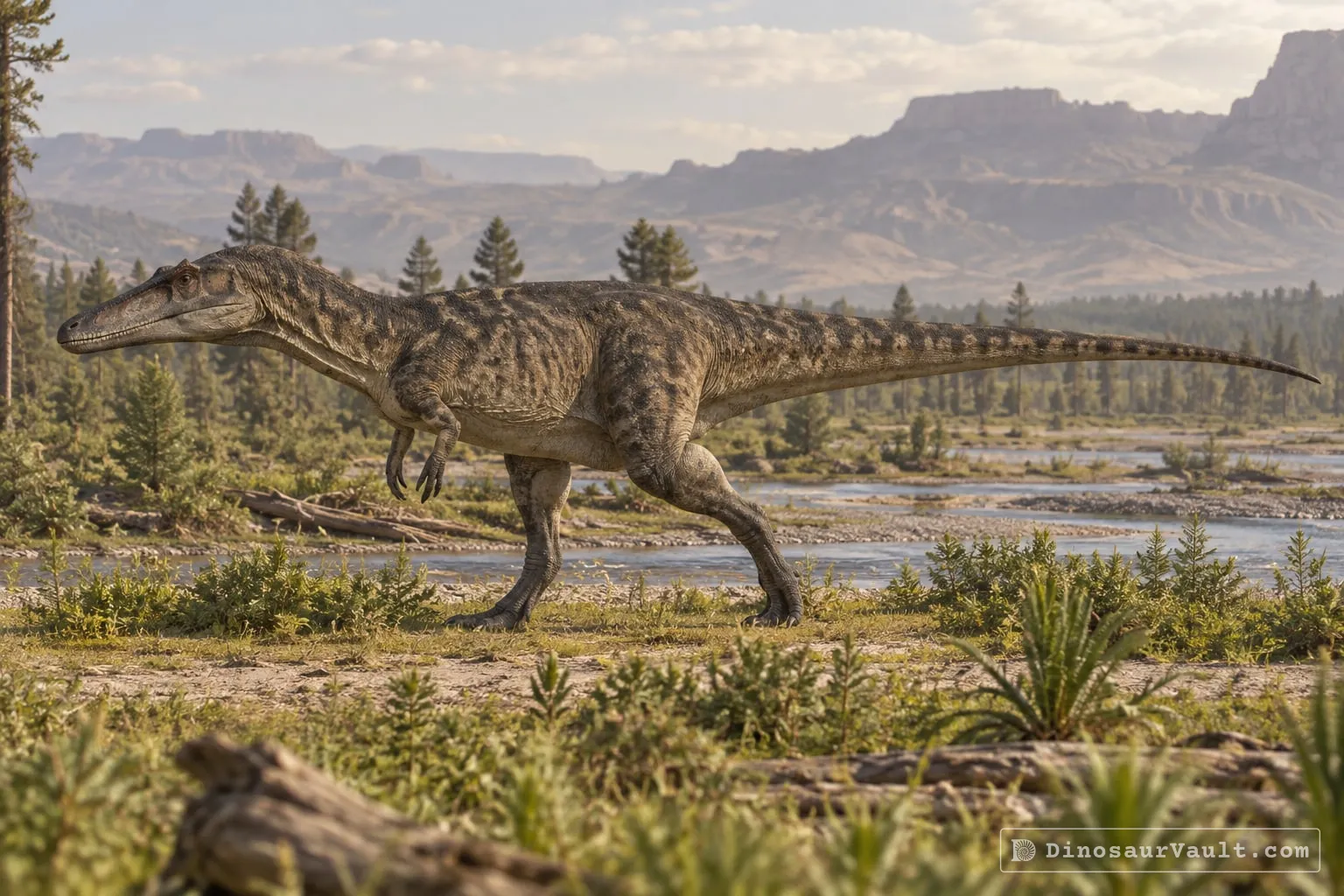
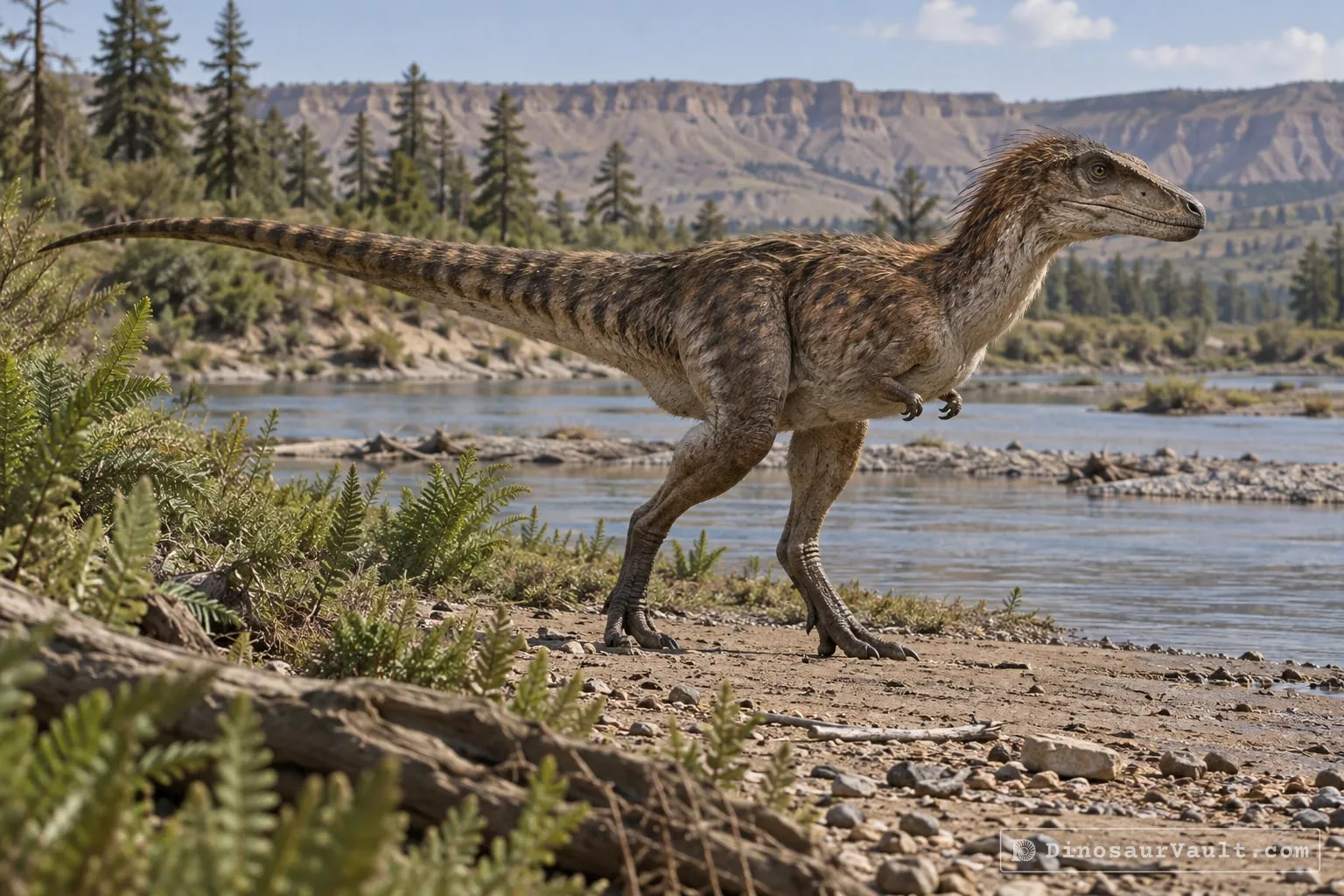
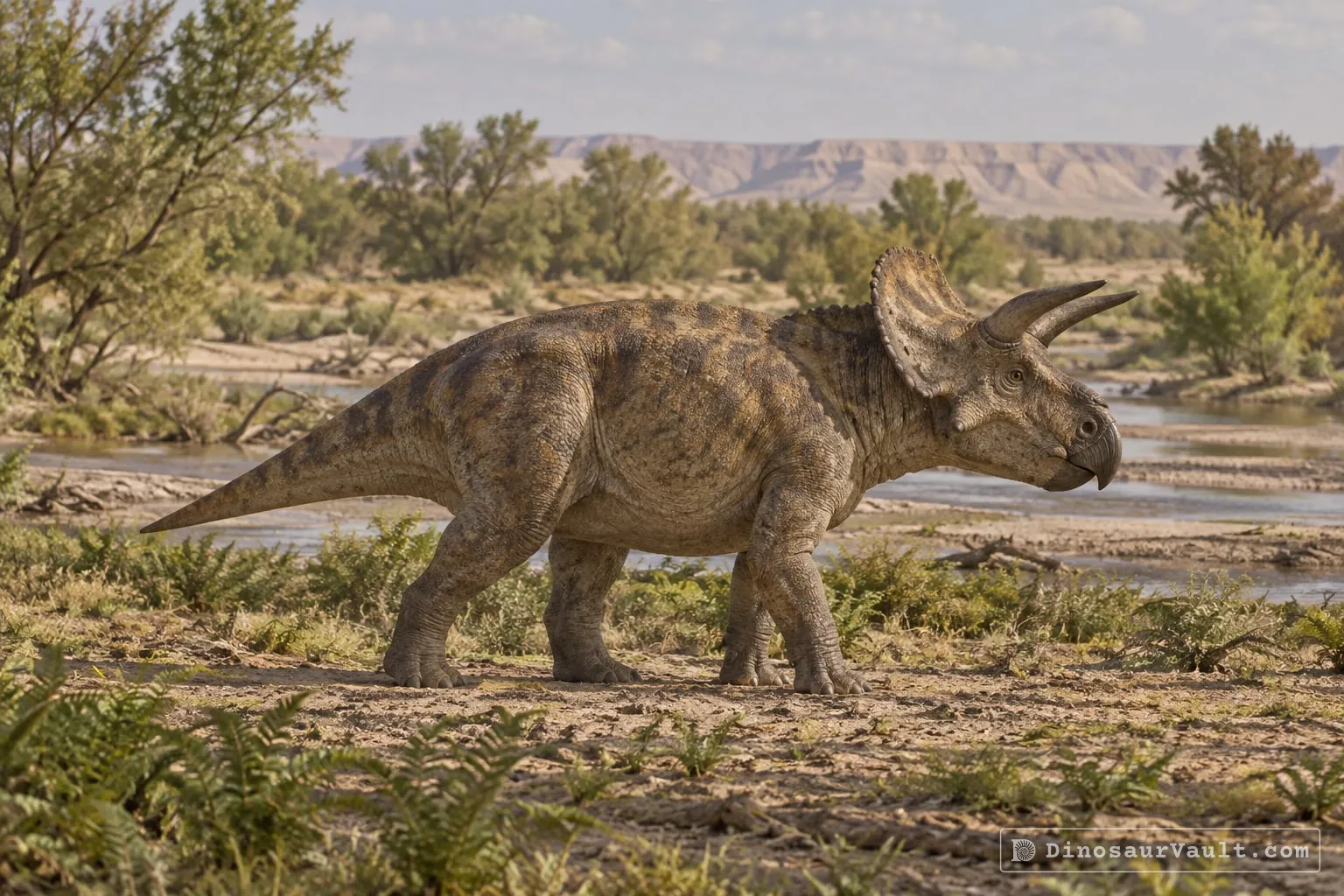
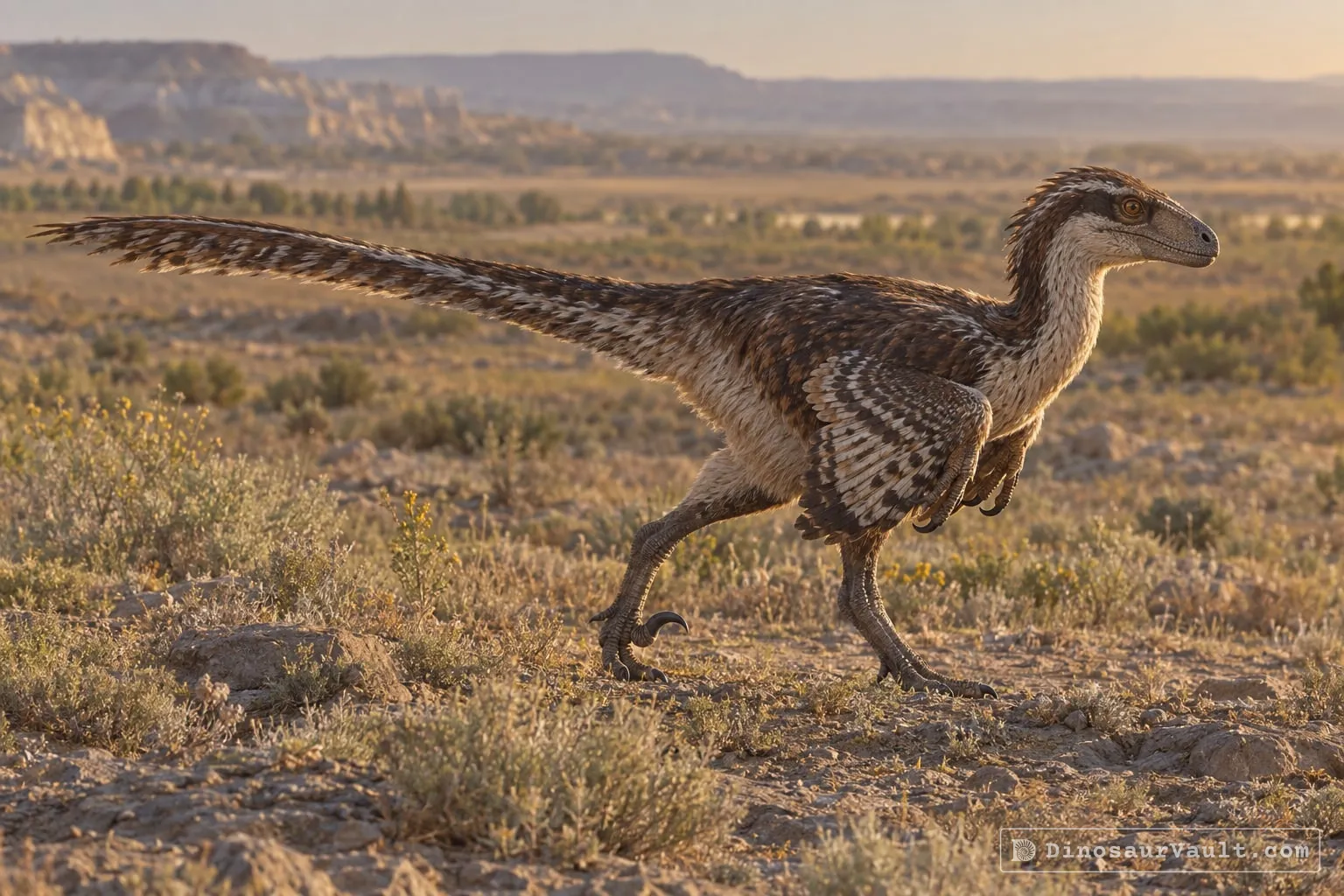
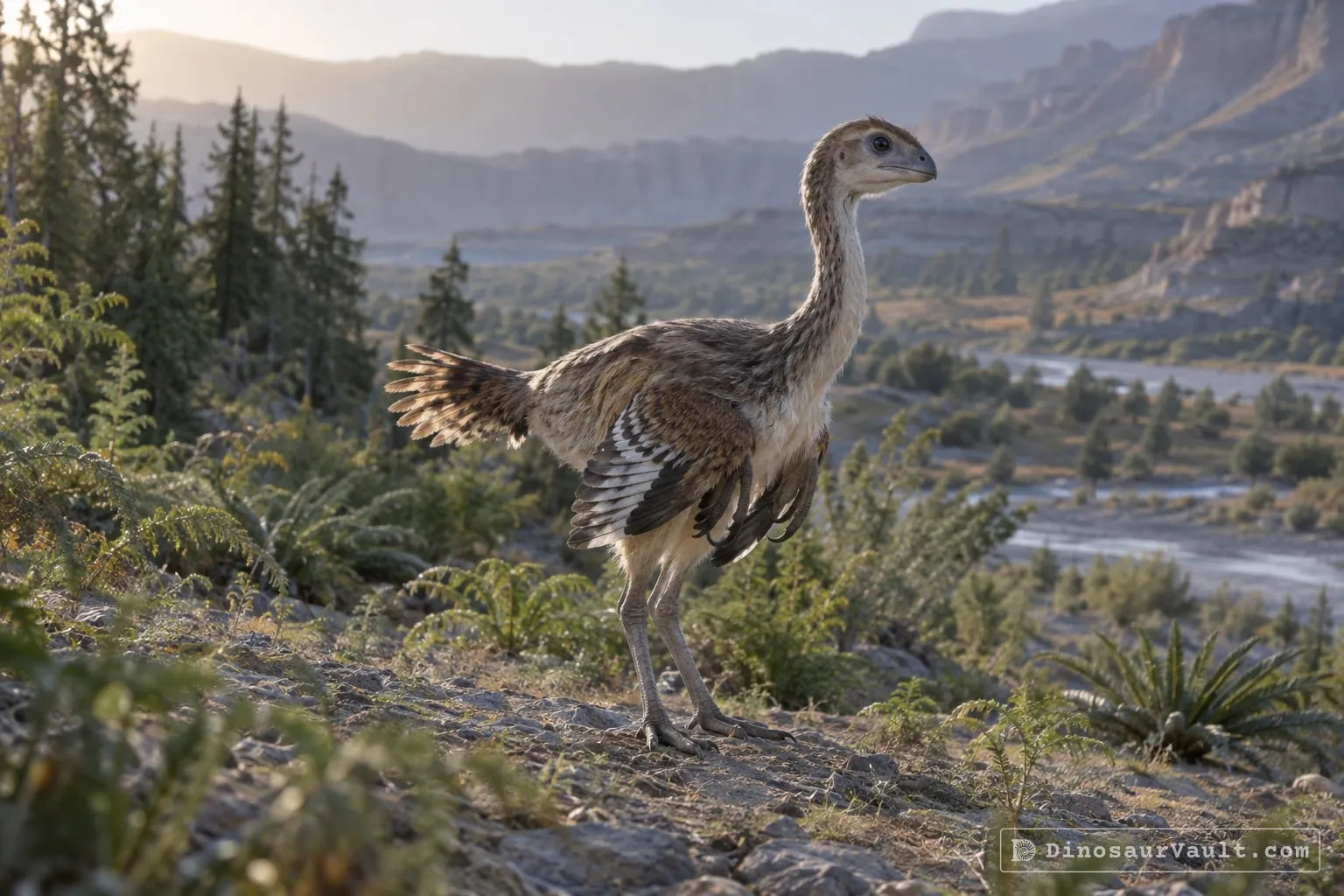
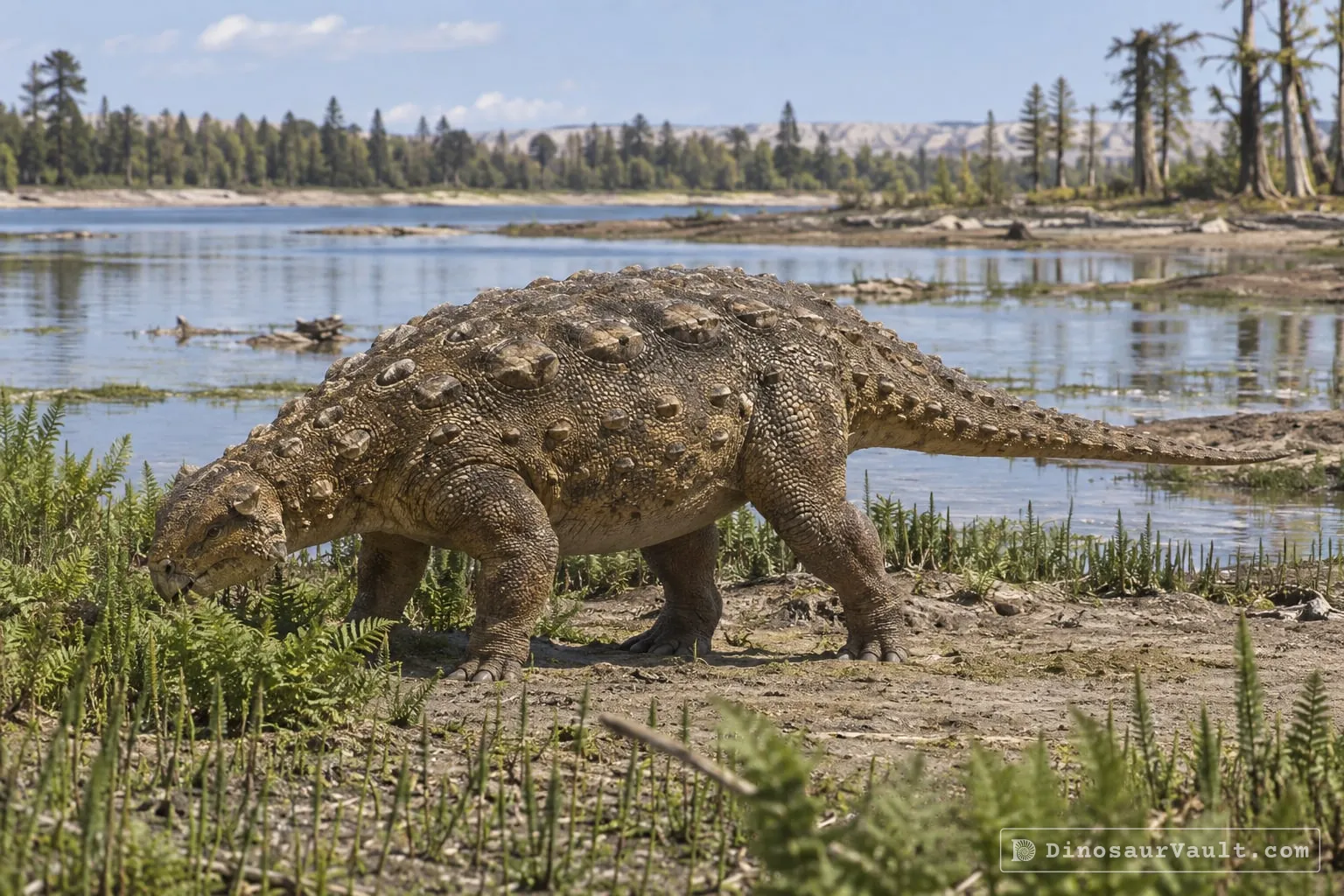
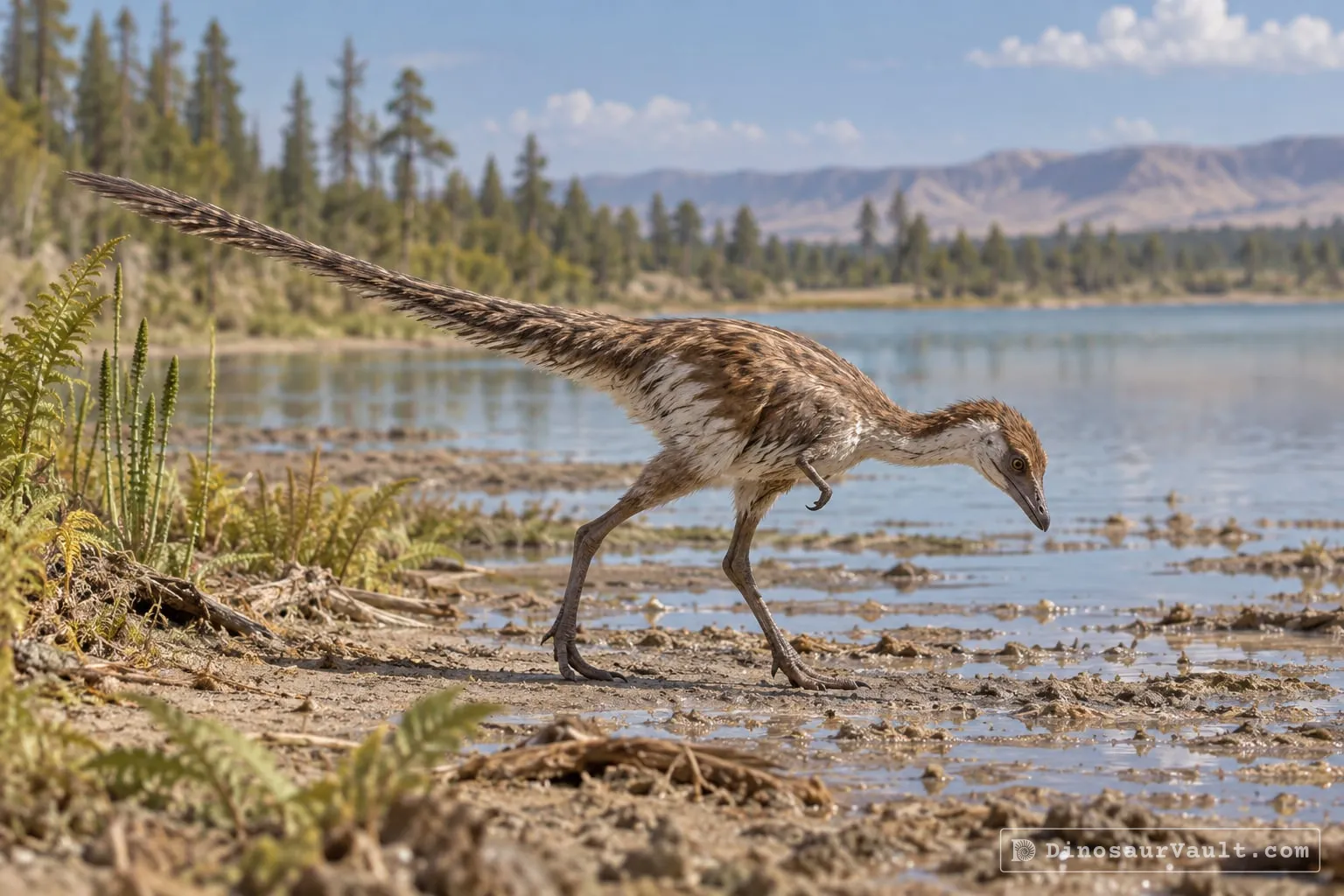


A rock formation can hold fossils laid down millions of years apart, so not every animal here met Dzharatitanis.
The evidence
The science behind Dzharatitanis
Which parts of the picture come from its own bones, and which come from its relatives.
From its own fossils
- A single, nearly complete vertebra from near the base of the tail is the only bone known. It was described as the first tail vertebra, but a later study argued it may be the second or third.
- The vertebra has a short body, wide side projections and a spine containing air spaces. The left side projection is missing and the spine is broken.
Borrowed from relatives
- The missing head is restored by comparison with Euhelopus, and the body, legs and tail with Mnyamawamtuka.
- The hands follow those of other sauropods such as Camarasaurus and Apatosaurus.
Still unknown
- Its size, body proportions, skin and color.
- Its closest relatives. It was first placed among the rebbachisaurids; a later study found it closer to the titanosaurs than to the rebbachisaurids, and a more recent one placed it close to the titanosaurs and compared it with Dongyangosaurus.
- Whether it is a distinct genus. The study that moved it to the titanosaurs kept it as valid but said more fossils are needed to be sure.
Discovery timeline
- 2015Full descriptionSues et al.
- 2021Named itAverianov & Sues
- 2021Family treeLerzo, Carballido & Gallina
- 2025Family treeMannion & Moore
Key papers
The research behind what we know of Dzharatitanis
Full description
Described sauropod bones from the Bissekty Formation, including the air-filled tail vertebra later named Dzharatitanis.
Titanosauria (Dinosauria, Sauropoda) from the Upper Cretaceous (Turonian) Bissekty Formation of Uzbekistan. Journal of Vertebrate Paleontology 35: e889145
Read the paper : Titanosauria (Dinosauria, Sauropoda) from the Upper Cretaceous (Turonian) Bissekty Formation of Uzbekistan (opens in a new tab)Named it
Named Dzharatitanis from a tail vertebra and originally placed it among the rebbachisaurid sauropods.
First rebbachisaurid sauropod dinosaur from Asia. PLOS ONE 16: e0246620
Read the paper : First rebbachisaurid sauropod dinosaur from Asia (opens in a new tab)Family tree
Rescored the tail vertebra in family-tree analyses, found it closer to titanosaurs than to rebbachisaurids, and gave a revised diagnosis.
¿SAURÓPODOS REBBAQUISÁURIDOS EN ASIA? UNA RE-EVALUACIÓN DE LA POSICIÓN FILOGENÉTICA DE DHARATITANIS KINGI DEL CRETÁCICO TARDÍO DE UZBEKISTÁN. Publicación Electrónica de la Asociación Paleontológica Argentina
Read the paper : ¿SAURÓPODOS REBBAQUISÁURIDOS EN ASIA? UNA RE-EVALUACIÓN DE LA POSICIÓN FILOGENÉTICA DE DHARATITANIS KINGI DEL CRETÁCICO TARDÍO DE UZBEKISTÁN (opens in a new tab)Family tree
A review of diplodocoid sauropods that also discussed Dzharatitanis, placing it close to the titanosaurs and comparing it with Dongyangosaurus.
Critical reappraisal of a putative dicraeosaurid sauropod dinosaur from the Middle Jurassic of Gondwana and a revised view of diplodocoid evolutionary relationships and biogeography. Journal of Systematic Palaeontology 23
Read the paper : Critical reappraisal of a putative dicraeosaurid sauropod dinosaur from the Middle Jurassic of Gondwana and a revised view of diplodocoid evolutionary relationships and biogeography (opens in a new tab)
Close relatives
Other members of Somphospondyli


Sources: Wikidata