Turanoceratops
"Turan horned face"
- Lived
- 94 to 90 million years ago, Late Cretaceous
- Diet
- Herbivore
- Group
- Ceratopsians
- Found in
- Uzbekistan
- Named by
- Nessov et al. 1989
Where its fossils were found
The evidence
Today

90 million years ago
Habitat
Coastal lowlands in the Bissekty Formation of Uzbekistan. Neighbors included Timurlengia, Ulughbegsaurus and Bissektipelta.
Field notes
About Turanoceratops
What it was like
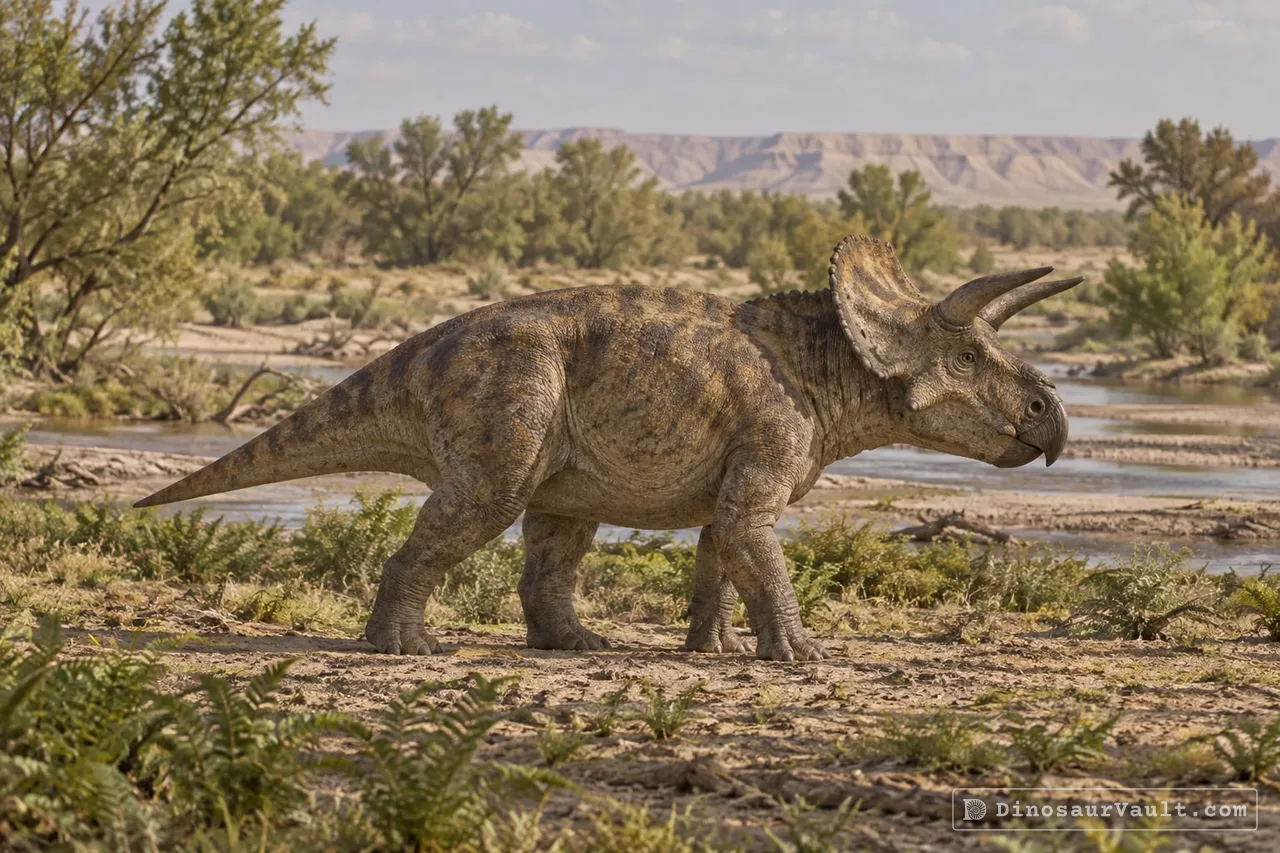
Turanoceratops was a horned plant eater with a pair of long horns over its eyes. It was not one of the big horned dinosaurs of North America, but it was related to their ancestors, and its closest known relative is Zuniceratops.
Its world
It lived about 94 to 90 million years ago, in the Late Cretaceous, in what is now Uzbekistan. Its bones come from the Bissekty Formation, a coastal land shared with the early tyrannosaur Timurlengia and the predator Ulughbegsaurus.
How it was found
Nessov and colleagues named it in 1989. There are 6 recorded finds.
Field gallery
More views of Turanoceratops
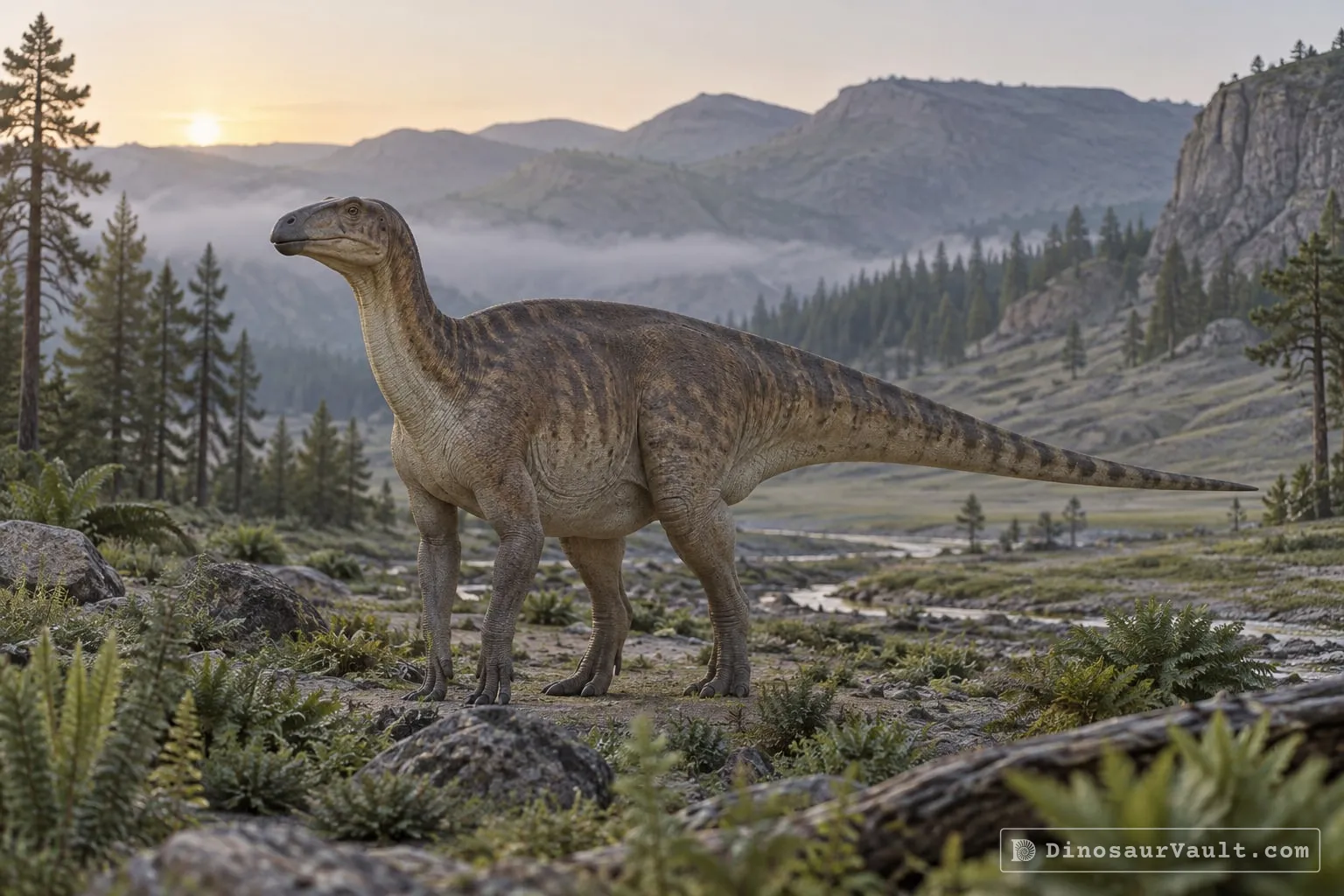
Scenes reconstructed from the available fossil evidence.
Lived alongside
Found in the same rock formations
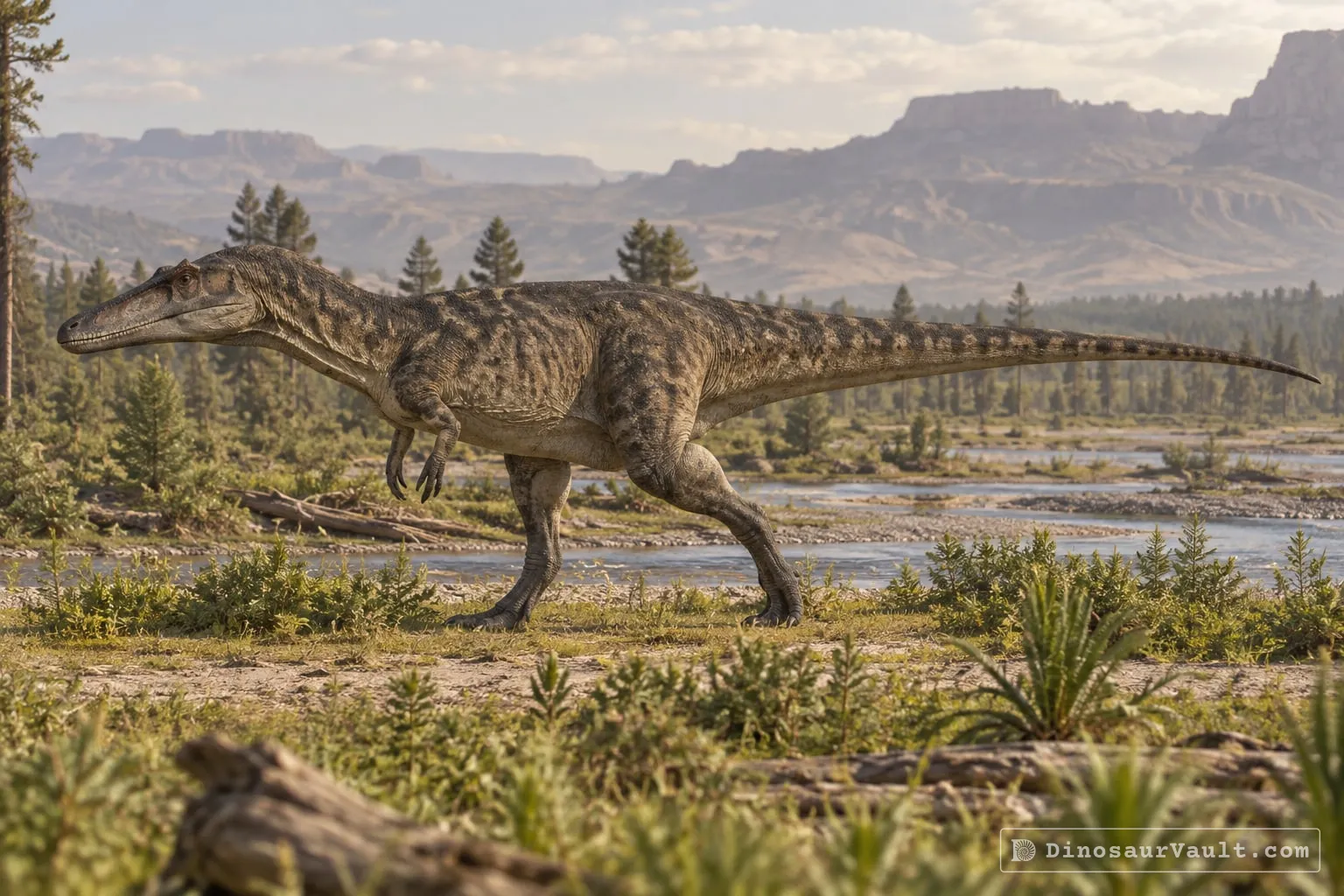
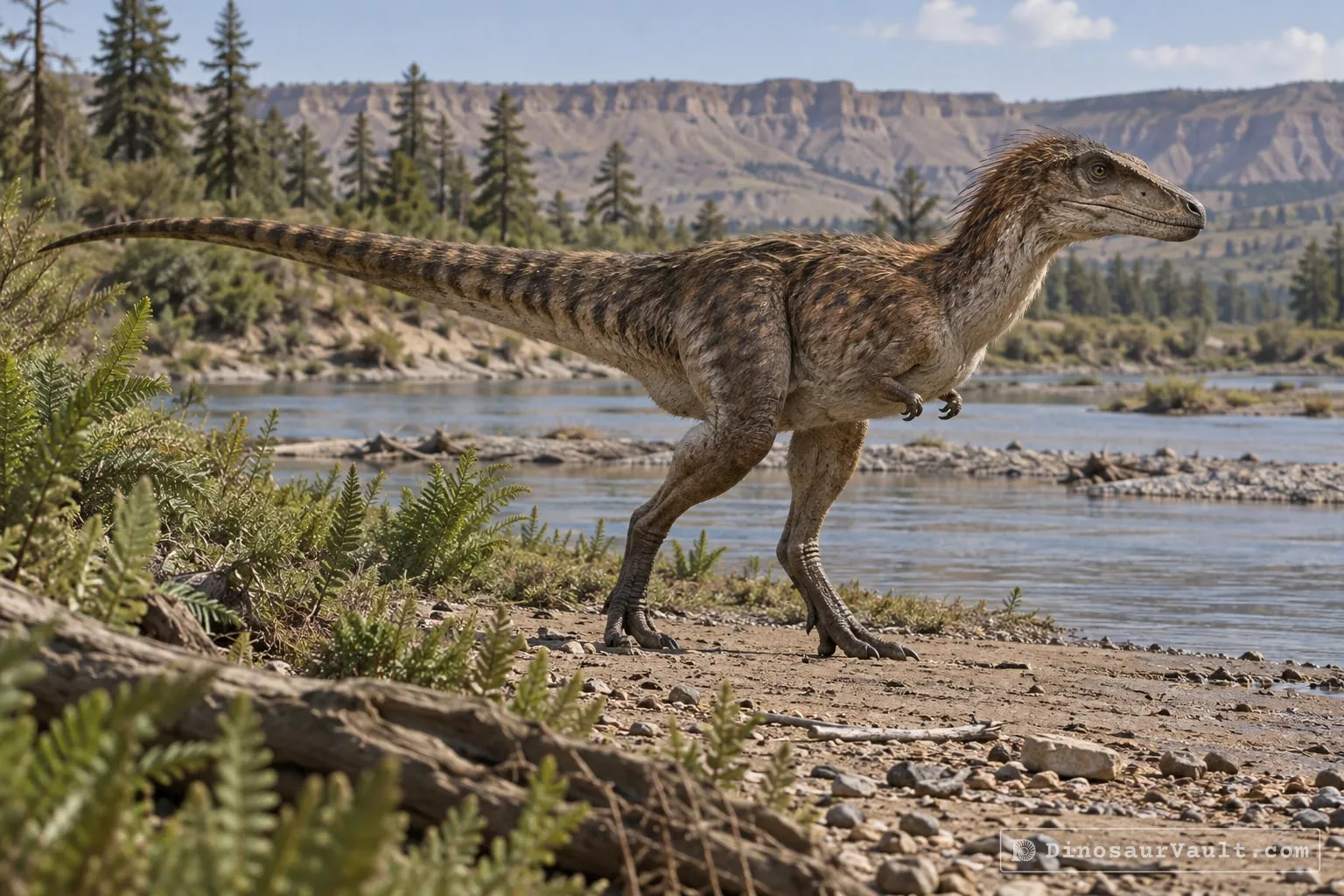
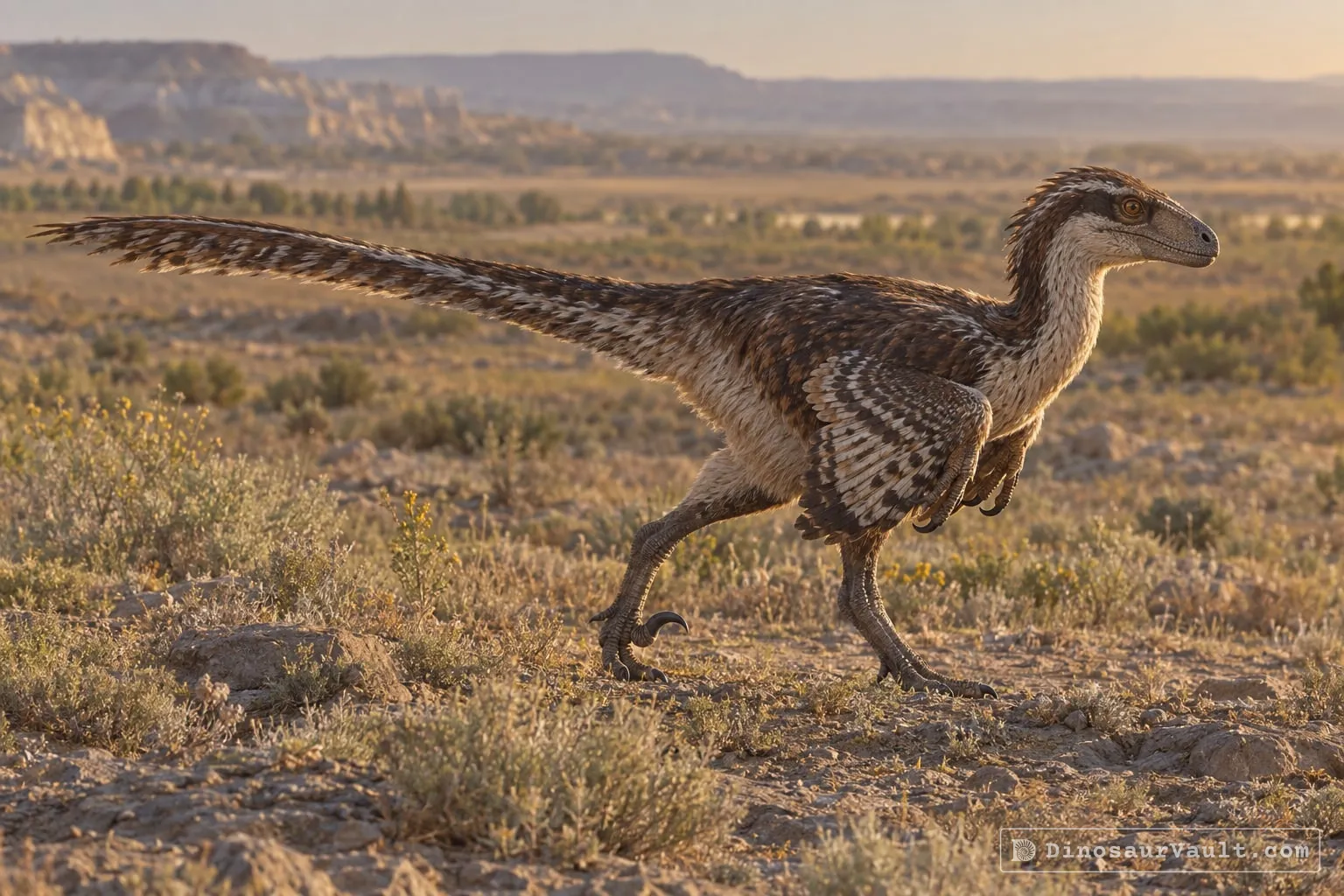
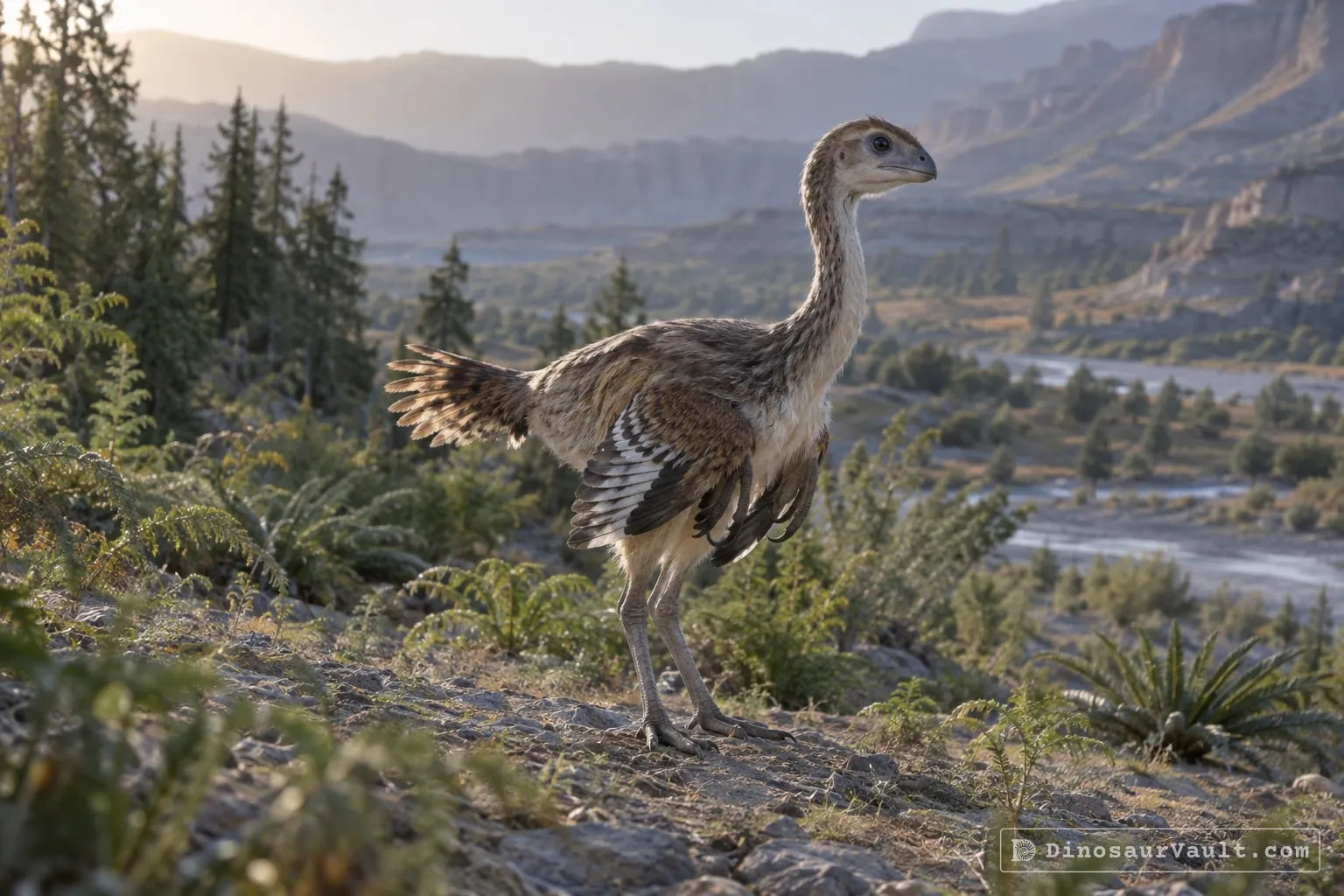
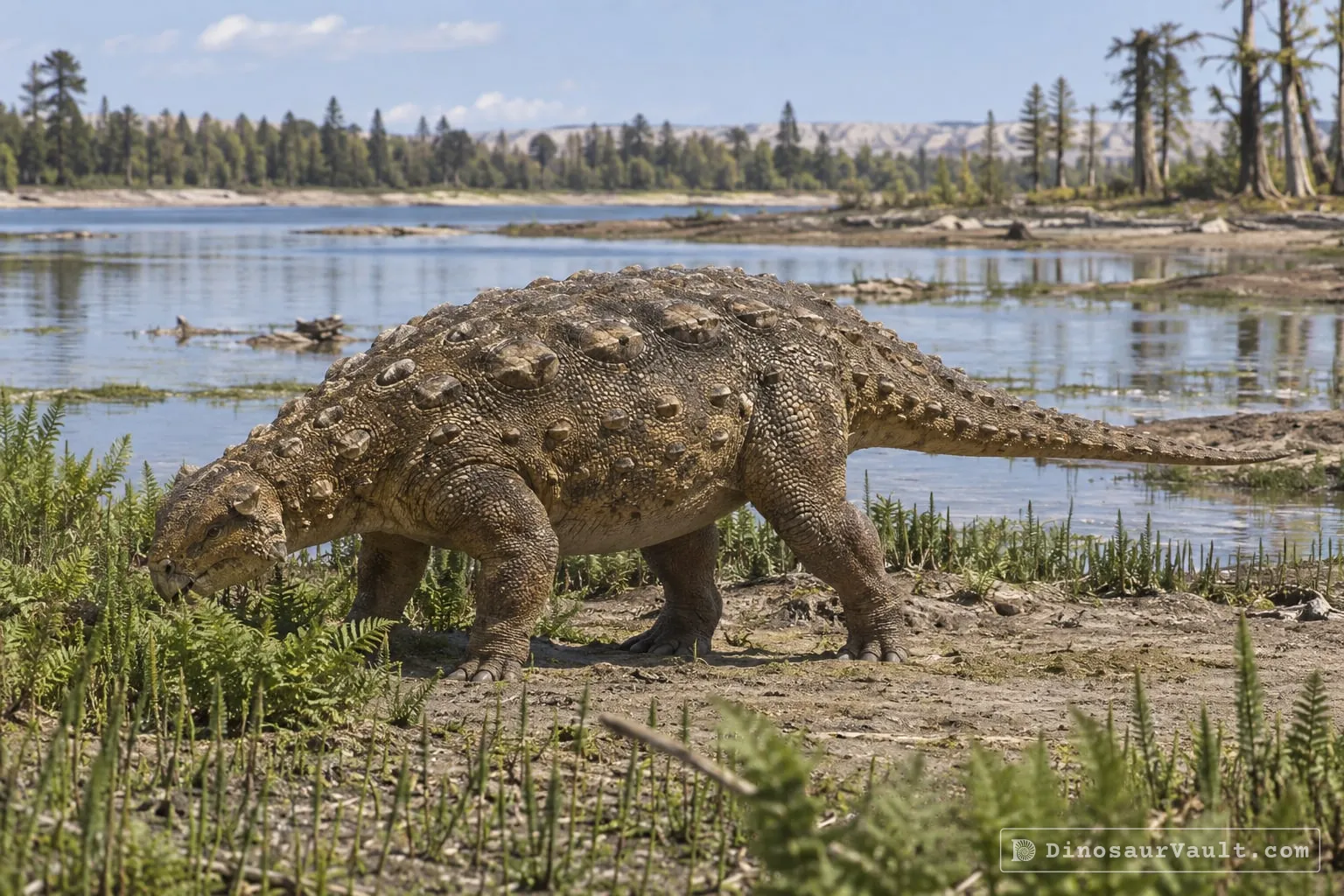
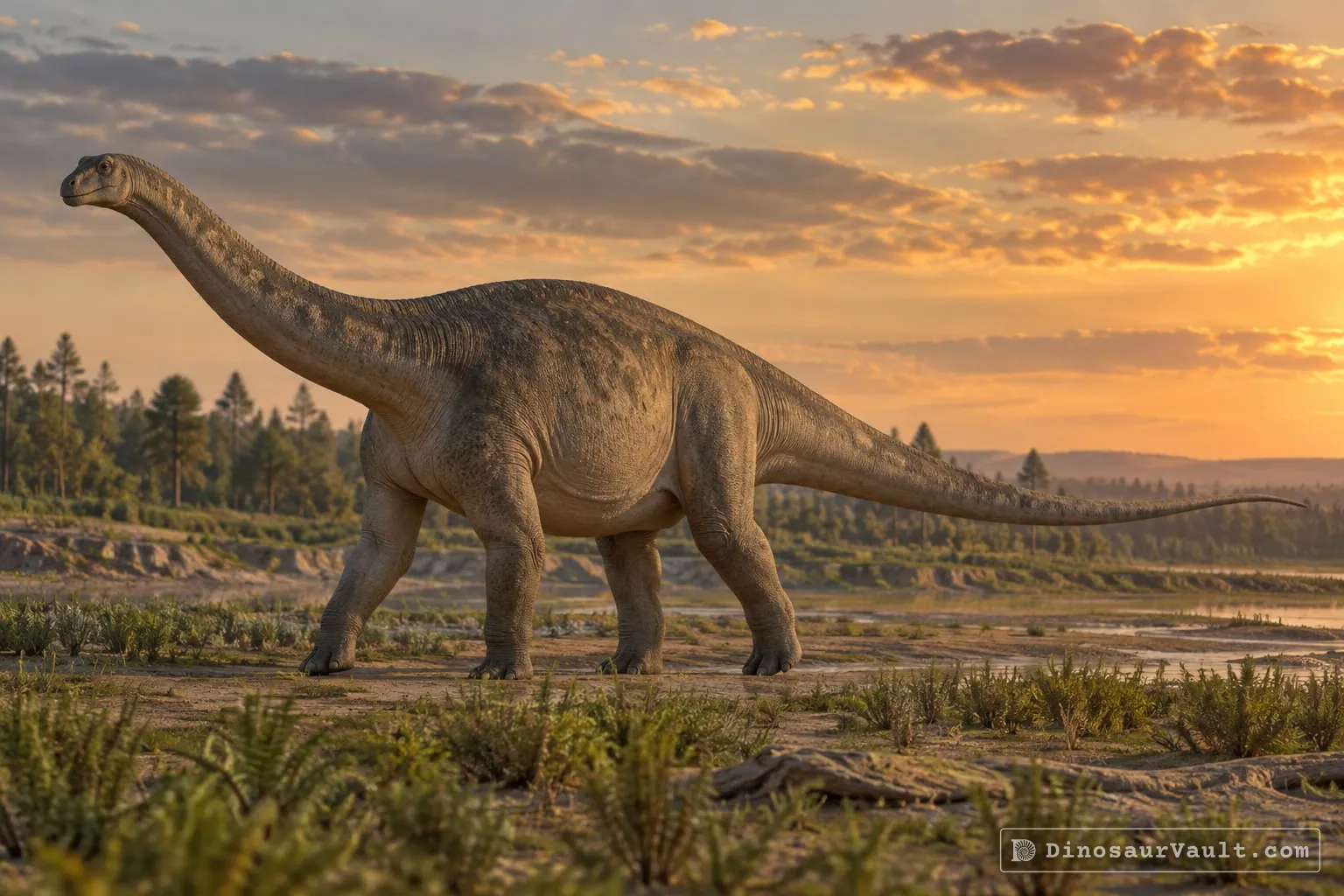
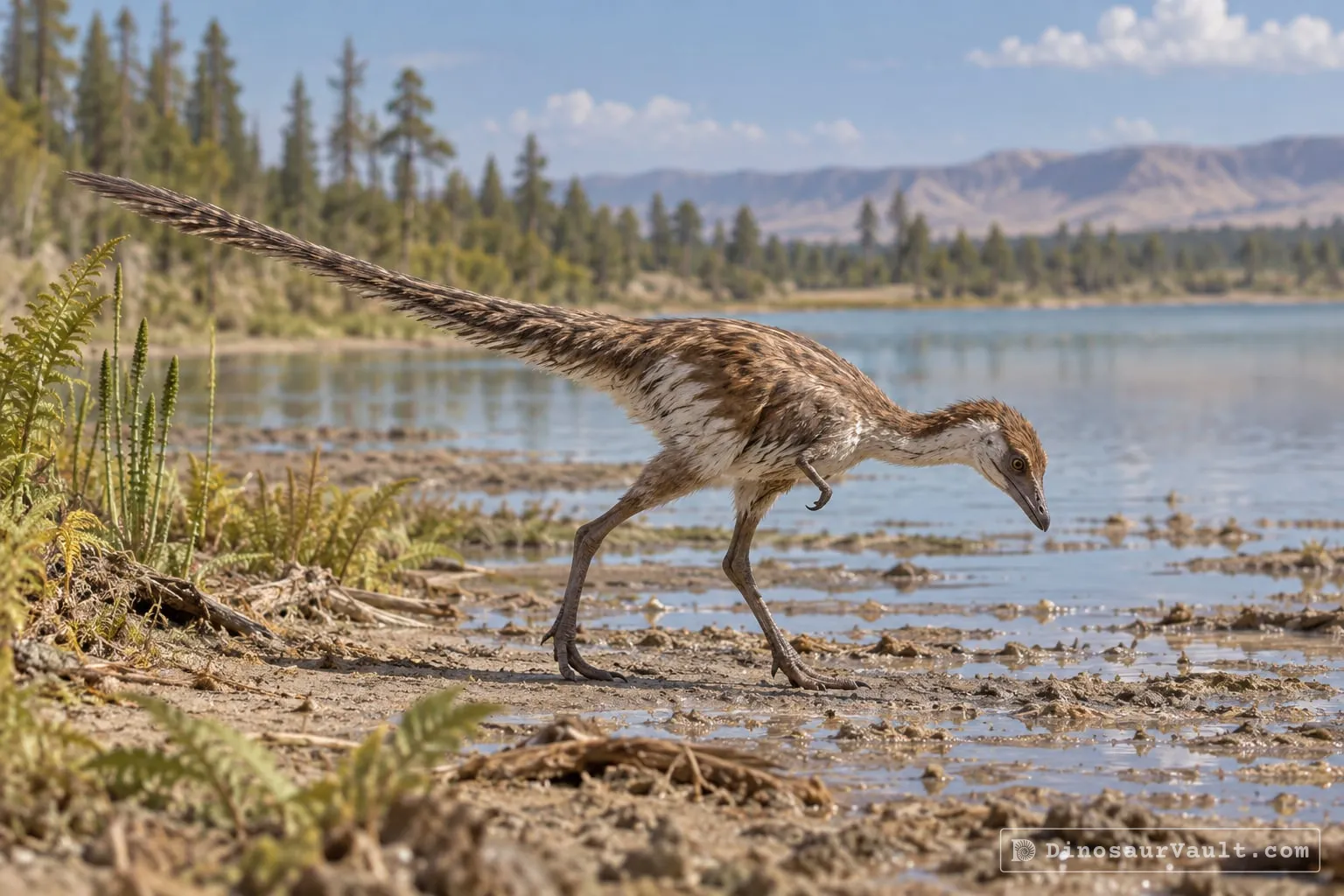


A rock formation can hold fossils laid down millions of years apart, so not every animal here met Turanoceratops.
The evidence
The science behind Turanoceratops
Which parts of the picture come from its own bones, and which come from its relatives.
From its own fossils
- A partial upper jaw preserves teeth with divided roots and several teeth stacked in each tooth column.
- A bone from above the eye carries a long brow horn that curves upward and outward.
- A bone from the front of the lower jaw supported a beak.
Borrowed from relatives
- Triceratops provides a guide to the missing face, frill and four-legged body.
- The hands and feet are restored by comparison with Triceratops and Chasmosaurus.
Still unknown
- The shape and size of its frill, and whether it had a nose horn.
- Its body proportions and skin color.
- Whether it belonged within the large horned dinosaur family or just outside it.
Discovery timeline
- 1989Named itNessov, Kaznyshkina & Cherepanov
- 2009Full descriptionSues & Averianov
- 2009Family treeFarke et al.
Key papers
The research behind what we know of Turanoceratops
Named it
Named a horned plant eater from fragmentary bones found in Uzbekistan.
[Mesozoic ceratopsian dinosaurs and crocodiles of central Asia]. In Bogdanova and Khozatskii (eds.), Theoretical and Applied Aspects of Modern Palaeontology.
No link available
Full description
Restudied the jaws and brow horns, identified distinctive tooth features, and proposed membership in the large horned dinosaur family.
Turanoceratops tardabilis—the first ceratopsid dinosaur from Asia. Naturwissenschaften 96: 645-652
Read the paper : Turanoceratops tardabilis—the first ceratopsid dinosaur from Asia (opens in a new tab)Family tree
Argued that Turanoceratops was a close relative of the large horned dinosaur family rather than a member of it.
Turanoceratops tardabilis—sister taxon, but not a ceratopsid. Naturwissenschaften 96: 869-870
Read the paper : Turanoceratops tardabilis—sister taxon, but not a ceratopsid (opens in a new tab)
Close relatives
Other members of Ceratopsoidea

Sources: Wikidata