Outline: a typical ornithopod
Eolambia
"dawn lambeosaur"
- Lived
- 101 to 94 million years ago, Late Cretaceous
- Diet
- Herbivore
- Length
- about 6 m (20 ft)
- Group
- Ornithopods
- Found in
- United States
- Named by
- Kirkland 1998
Size comparison
To scale

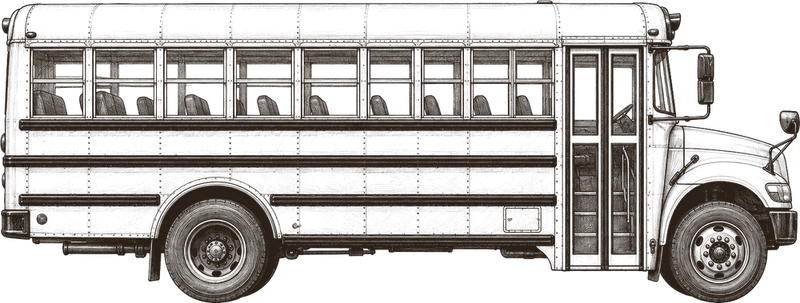
Scale in metersOutline: typical ornithopod shape
Where its fossils were found
The evidence
Today

95 million years ago
Field notes
About Eolambia
What it was like
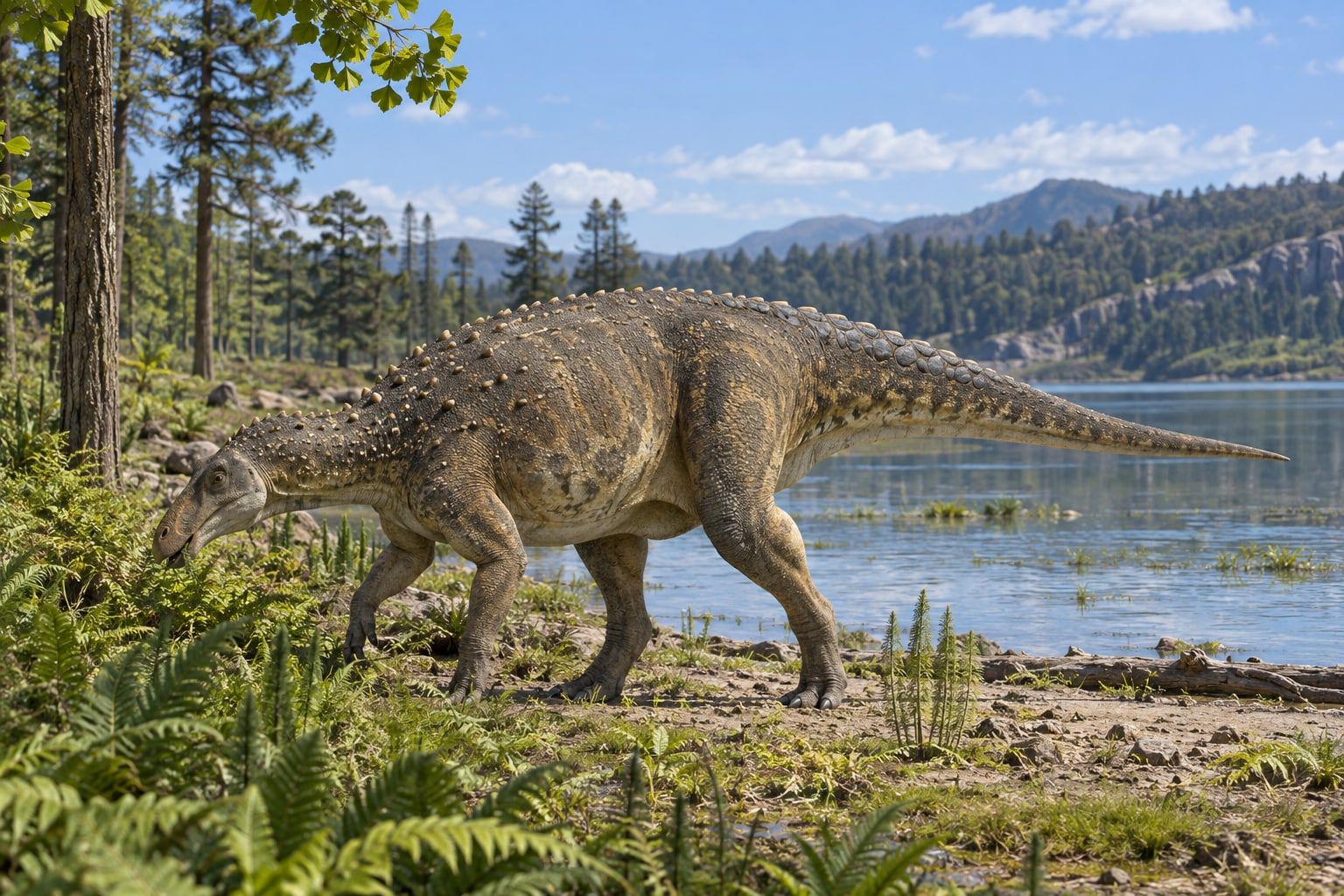
Eolambia was a plant eater about 6 meters (20 feet) long, an early relative of the duck-billed dinosaurs. It had a beak and rows of grinding teeth, and it could walk on two or four legs.
It was first thought to be an early crested hadrosaur, which is where its name comes from, but later studies place it just outside the hadrosaur family.
Its world
It lived in the Late Cretaceous in what is now Utah, in the United States. Its bones come from the Cedar Mountain Formation.
How it was found
Kirkland named Eolambia in 1998. It is known from 12 finds, including young and adult animals.
Lived alongside
Found in the same rock formations
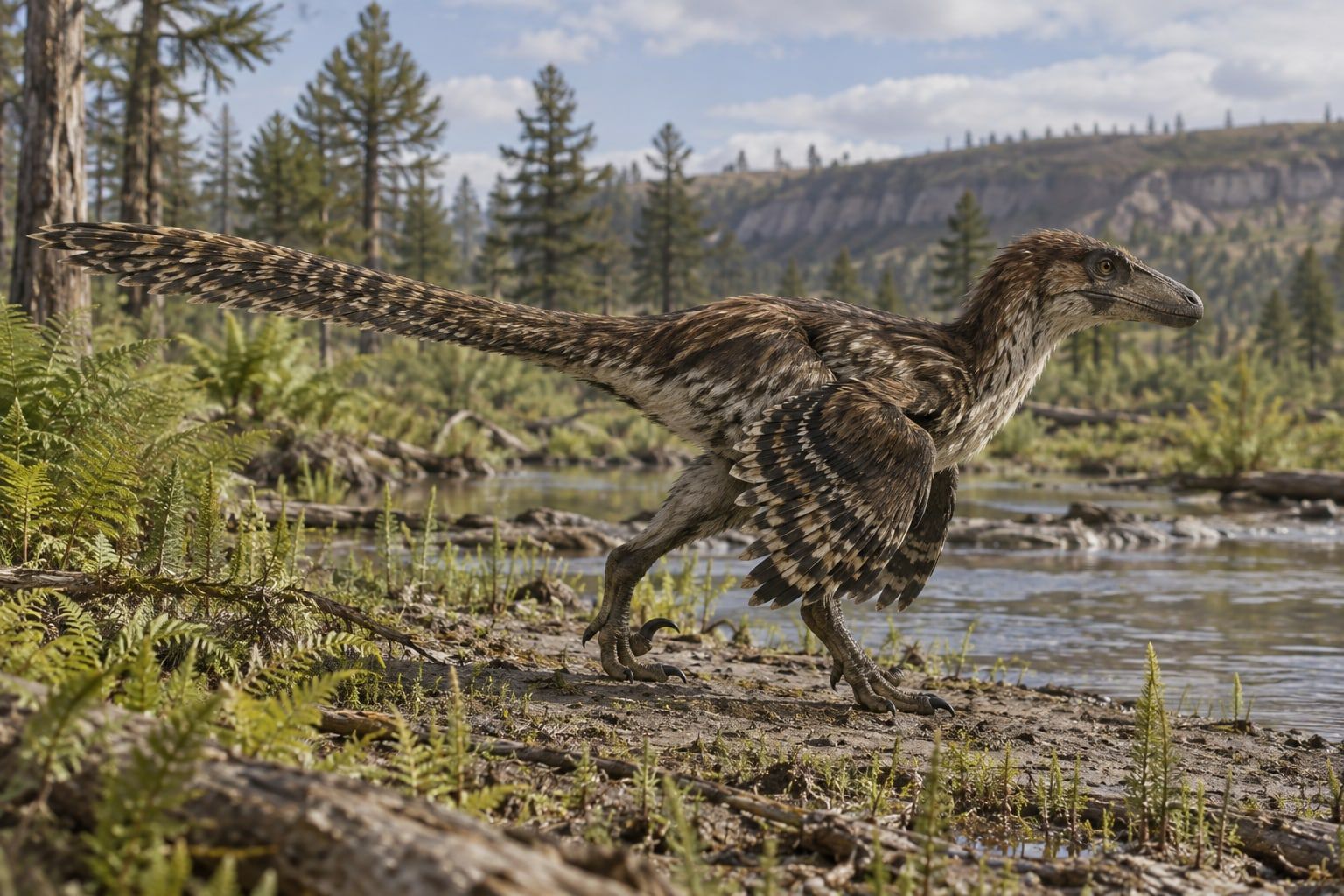
Close relatives
Other members of Hadrosauroidea
Sources: WikidataNamed in: J. I. Kirkland. 1998. A new hadrosaurid from the upper Cedar Mountain Formation (Albian-Cenomanian: Cretaceous) of eastern Utah - the oldest known hadrosaurid (lambeosaurine?). Lower and Middle Cretaceous Terrestrial Ecosystems, S. G. Lucas, J. I. Kirkland & J. W. Estep (eds.). New Mexico Museum of Natural History and Science Bulletin 14:283-295