Gilmoreosaurus
"Gilmore's lizard"
Type species Gilmoreosaurus mongoliensis
- Lived
- 84 to 72 million years ago, Late Cretaceous
- Diet
- Herbivore
- Length
- about 6 m (20 ft)
- Group
- Ornithopods
- Found in
- China
- Named by
- Brett-Surman 1979
Size comparison
To scale


Scale in metersOutline: typical ornithopod shape
Where its fossils were found
The evidence
Today

80 million years ago
Habitat
A broad, vegetated floodplain crossed by branching river channels, with temporary ponds and freshwater algae. Bactrosaurus, Alectrosaurus and Archaeornithomimus occur in the same formation.
Field notes
About Gilmoreosaurus
What it was like
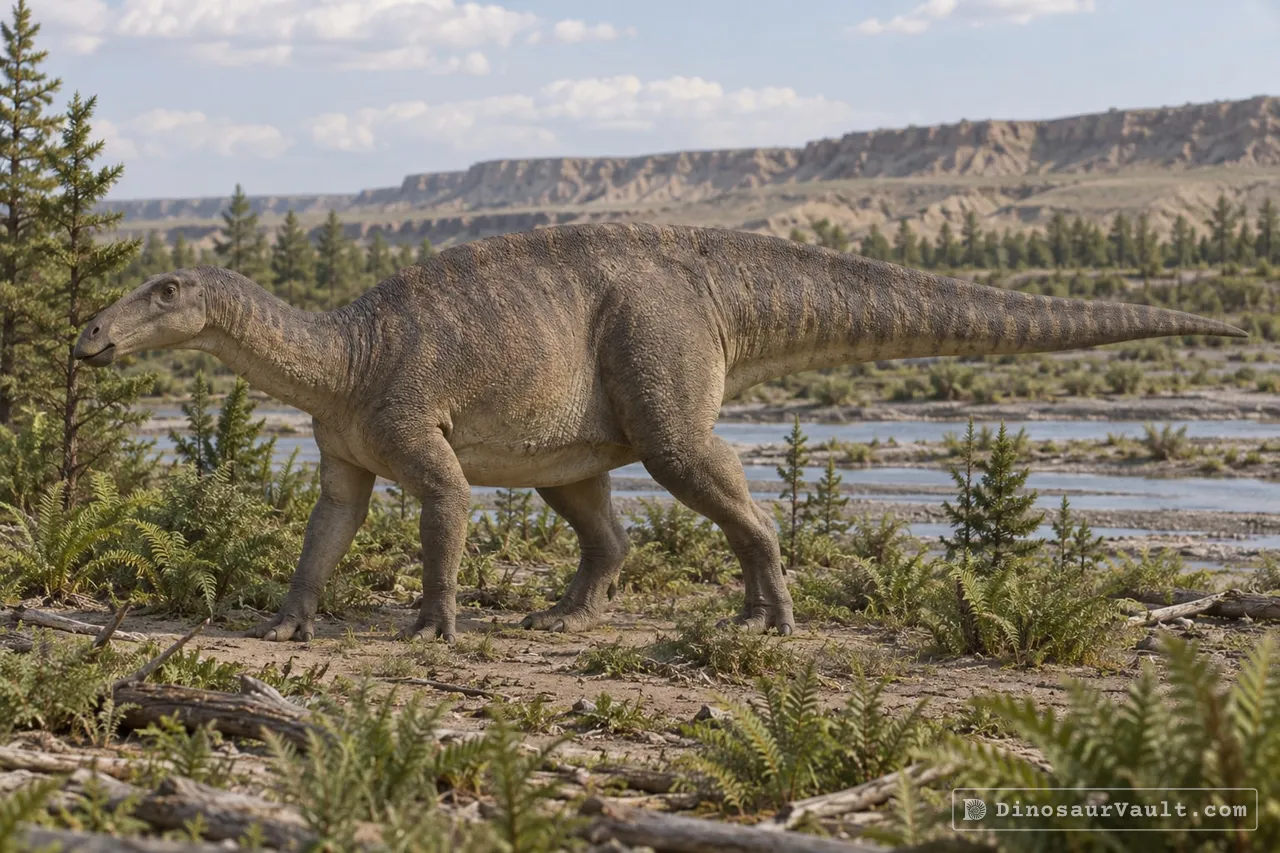
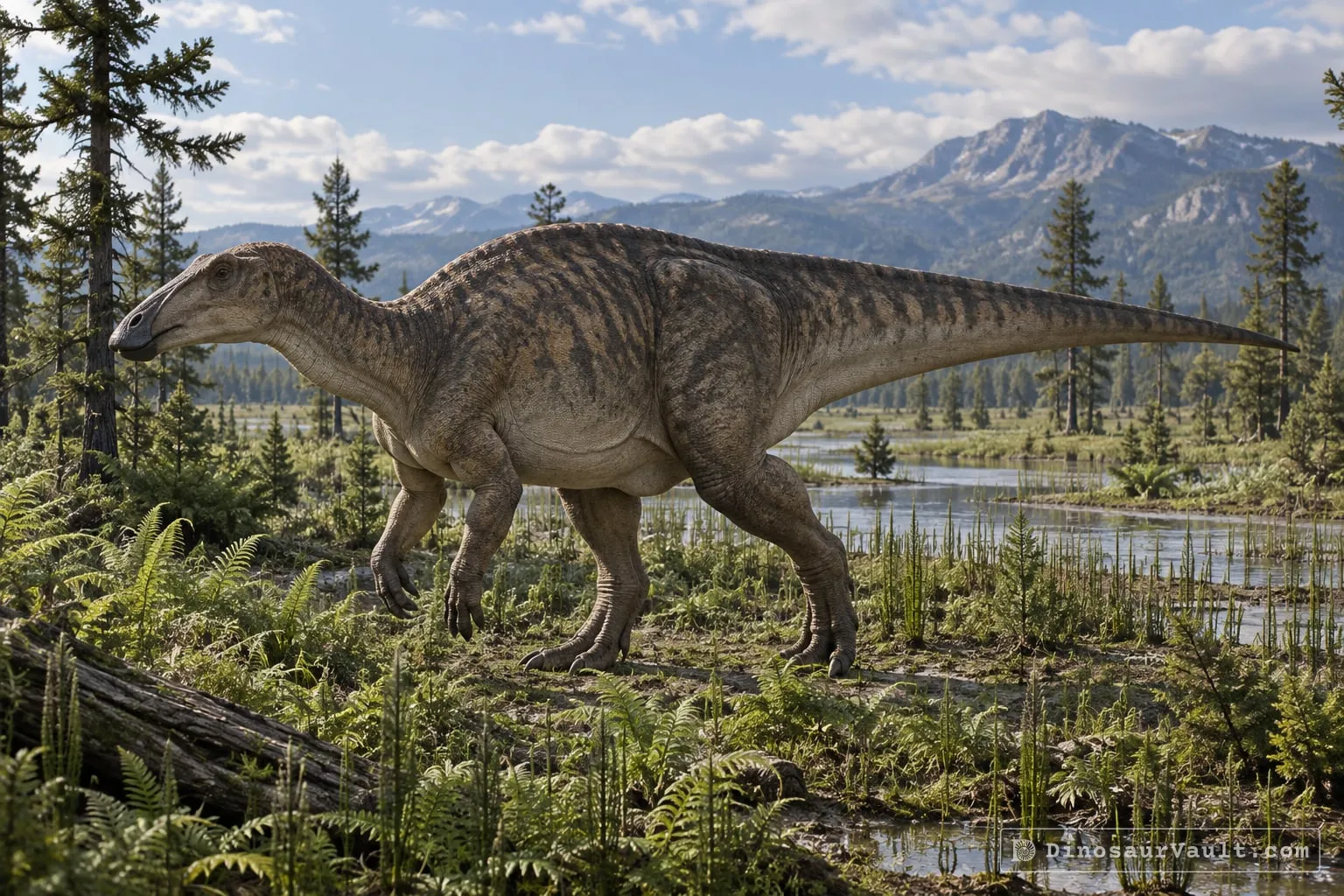
Gilmoreosaurus was a plant eater about 6 meters (20 feet) long, an early relative of the duck-billed dinosaurs. It had a beak and rows of grinding teeth, and walked on two or four legs.
Its world
It lived in the Late Cretaceous in what is now northern China. Its bones come from the Iren Dabasu Formation, where it shared the land with the giant oviraptor Gigantoraptor, the tyrannosaur relative Alectrosaurus, the plant eater Bactrosaurus and the ostrich-like Archaeornithomimus.
How it was found
Its bones were first described as a species of another genus. Brett-Surman gave it its own genus in 1979, naming it after the scientist who first described it.
Field gallery
More views of Gilmoreosaurus
Scenes reconstructed from the available fossil evidence.
Lived alongside
Found in the same rock formations
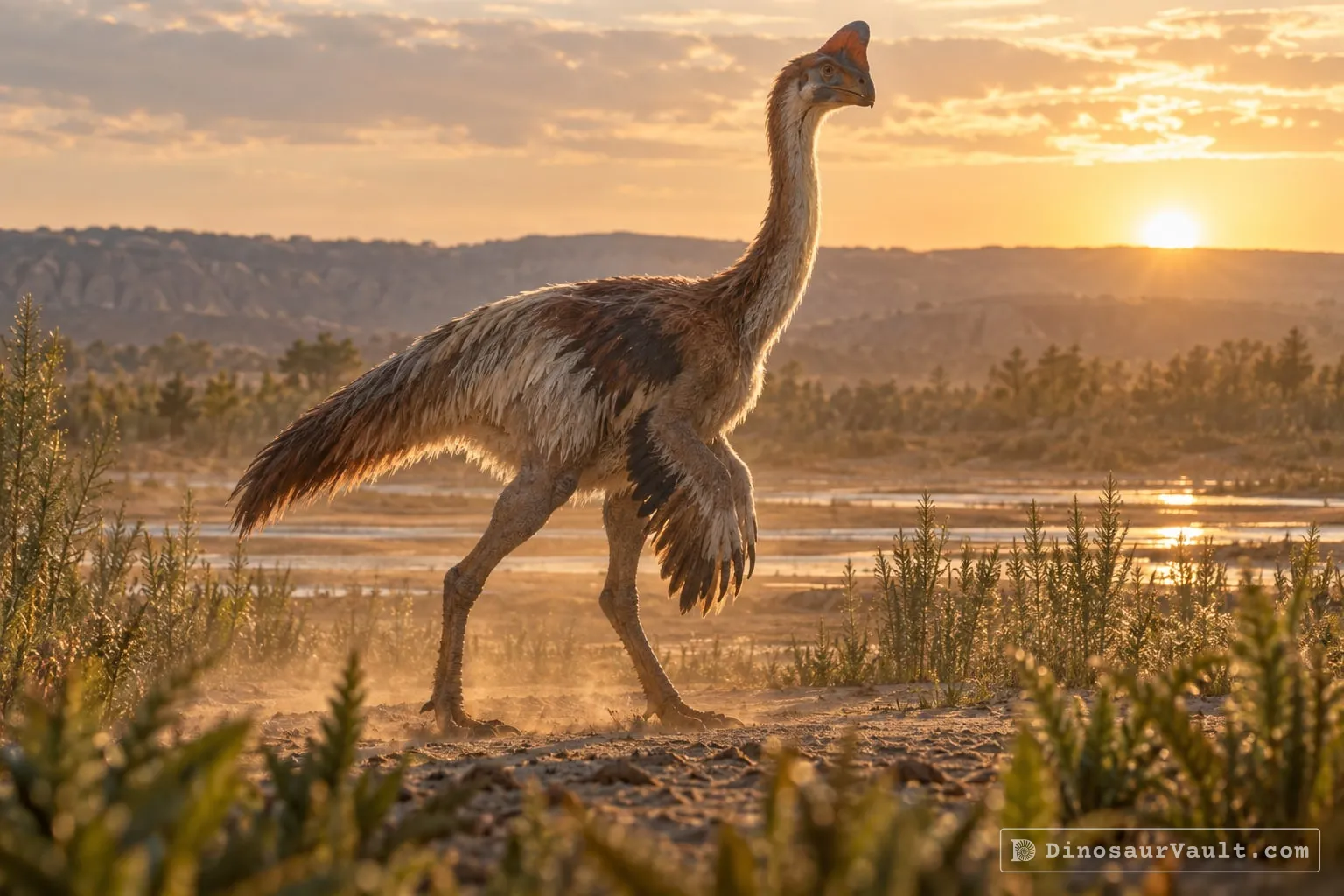
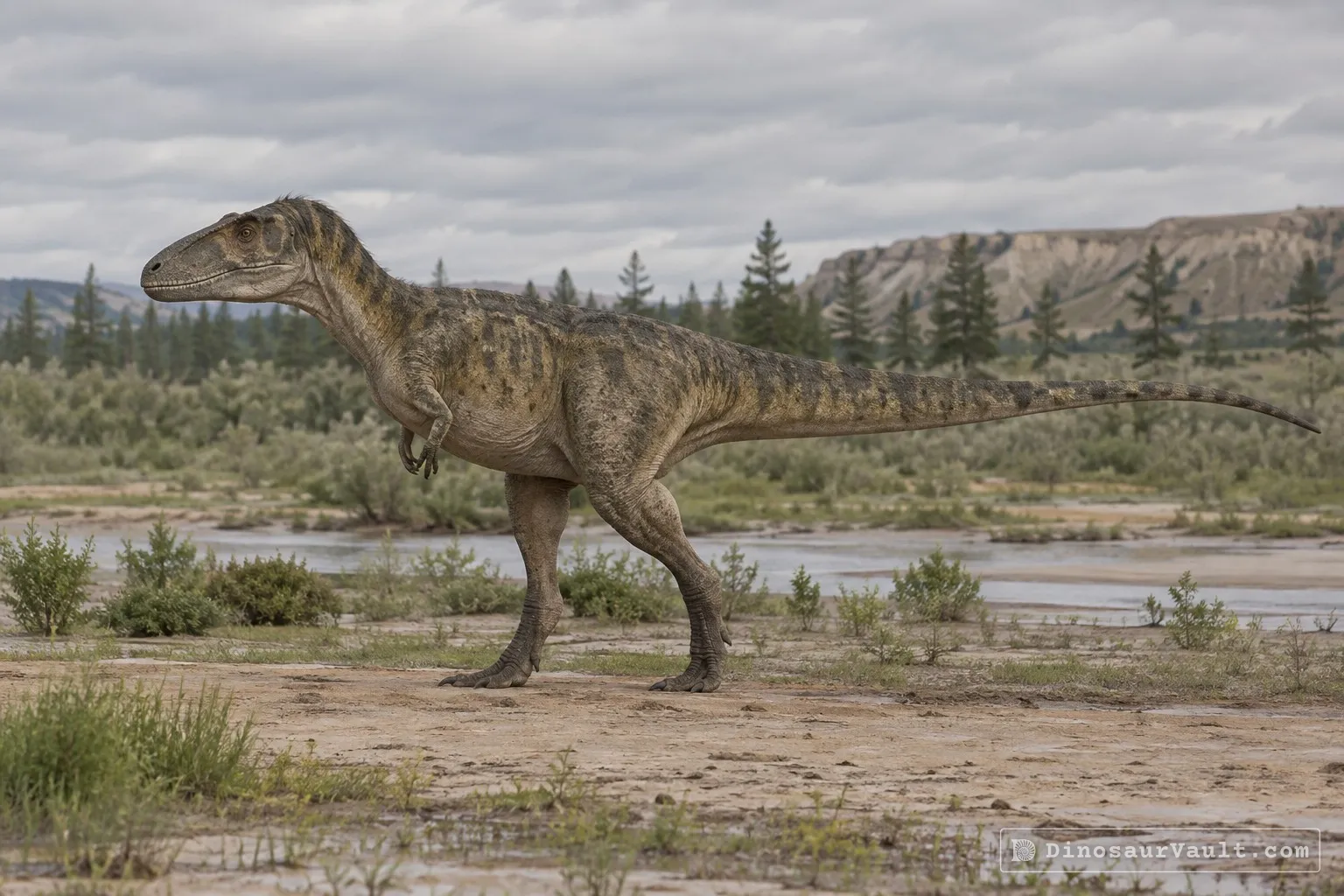
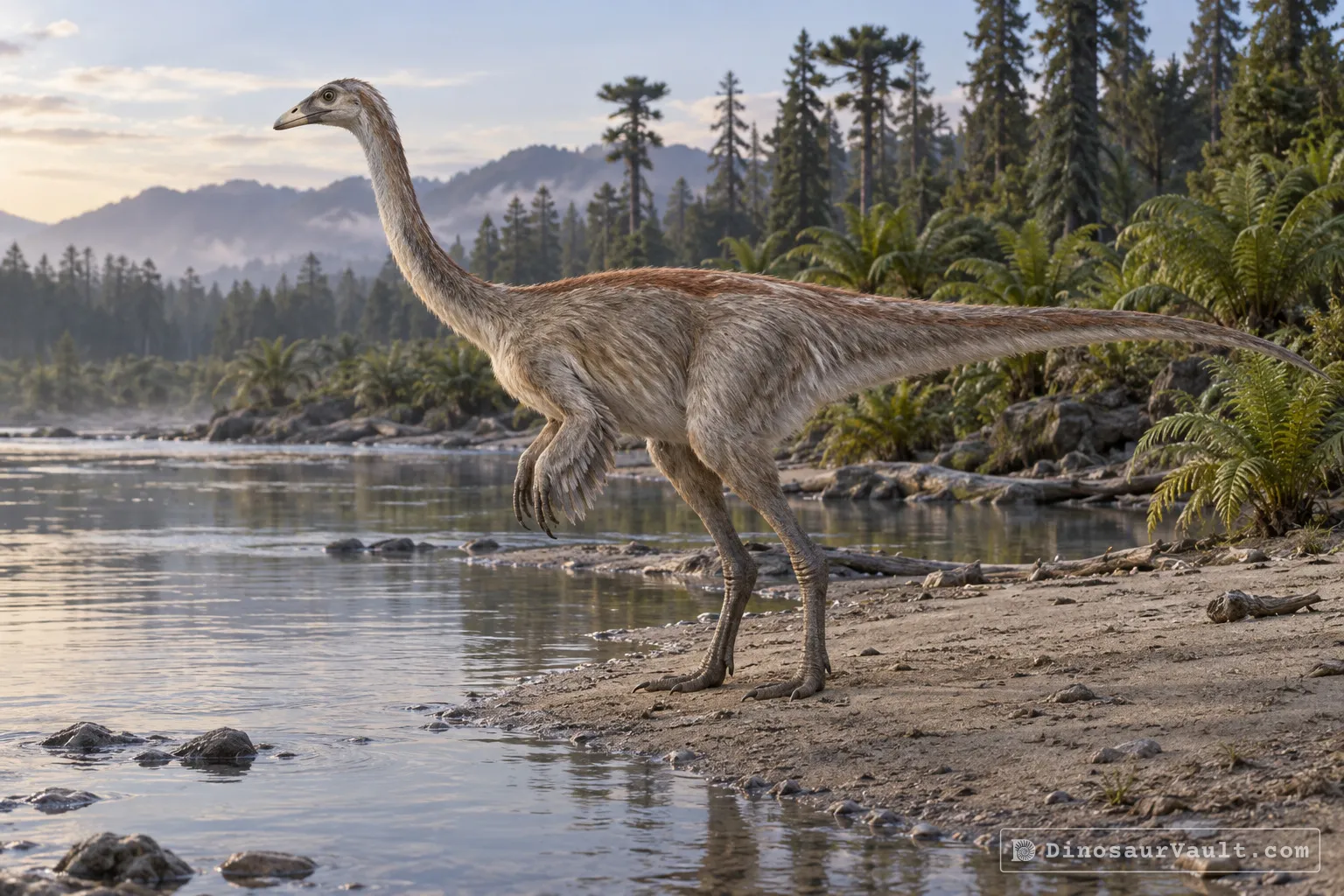
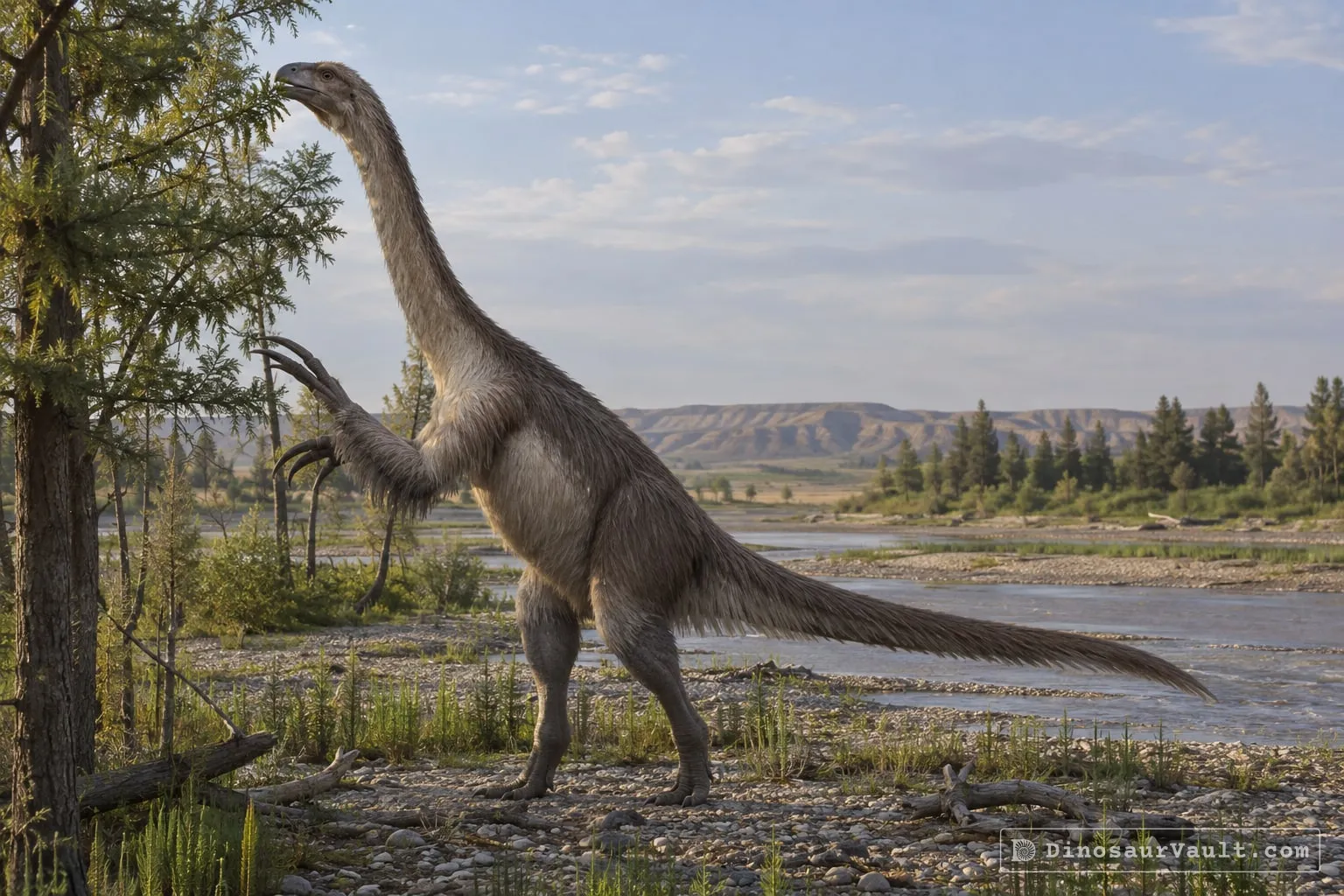
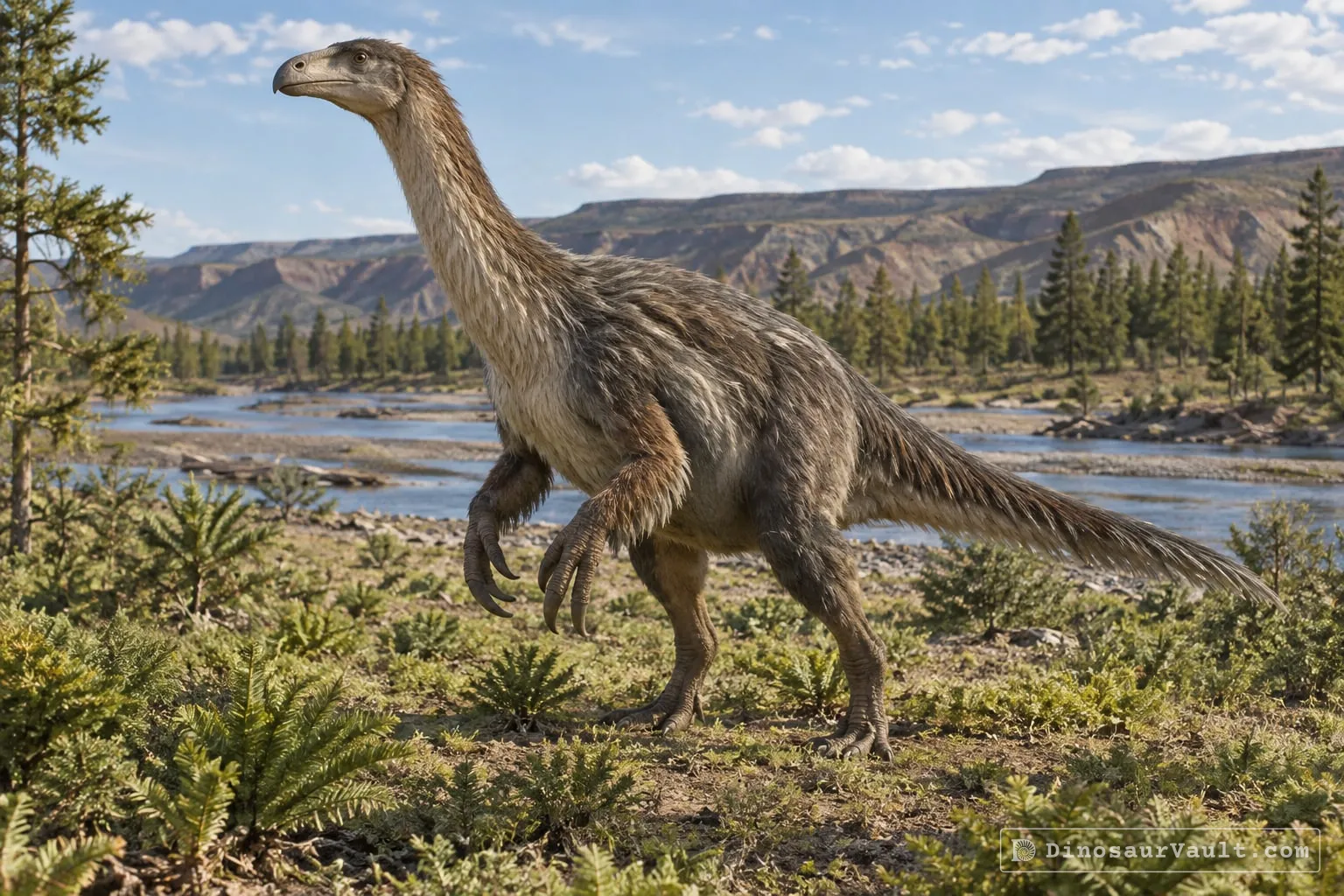
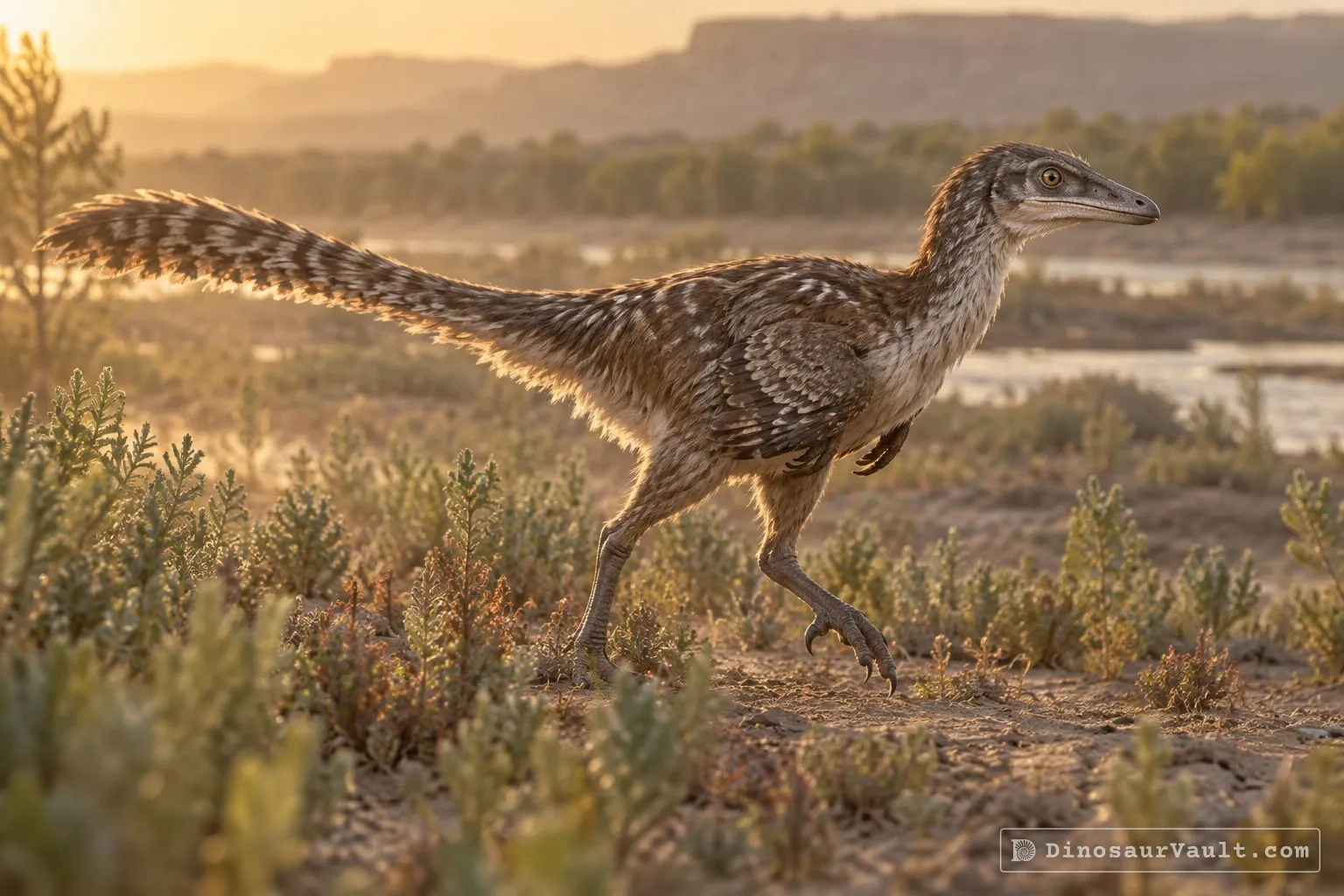


A rock formation can hold fossils laid down millions of years apart, so not every animal here met Gilmoreosaurus.
The evidence
The science behind Gilmoreosaurus
Which parts of the picture come from its own bones, and which come from its relatives.
From its own fossils
- Separate bones from several individuals preserve parts of the skull, including the upper jaw, bones from around the eye and cheek, the jaw joint, the lower jaw and its beak bone, along with much of the backbone, limbs and hips.
- Its rear hip blade is paddle-shaped, and a finger bone has an unusually uneven joint surface. Jaw, tooth and hip features distinguish it from Bactrosaurus.
- The upper arm bone is short and robust and the hand bones are short. Its toe claws are flattened and arrow-shaped, unlike the rounded hoof claws of later duckbills.
Borrowed from relatives
- The missing front and top of the skull, and the joins between its separate bones, are restored by comparison with Gobihadros, an early duckbill relative known from complete skulls and skeletons.
- The tips of its fingers follow Camptosaurus, while its own short arm and hand bones set the shape of the forelimbs.
Still unknown
- The shape of its snout tip and skull roof. No bones from these parts have been described.
- Its closest relatives. A later study kept it as a separate early duckbill relative but could not settle its position among animals such as Gobihadros.
- Whether it lived in herds or cared for its young.
Discovery timeline
- 1979Named itBRETT-SURMAN
- 2005Its worldVan Itterbeeck et al.
- 2010Full descriptionPrieto-Márquez & Norell
- 2019Close relativeTsogtbaatar et al.
Key papers
The research behind what we know of Gilmoreosaurus
Named it
Gave Gilmoreosaurus its own genus while reassessing duckbill relationships and their spread between continents.
Phylogeny and palaeobiogeography of hadrosaurian dinosaurs. Nature 277: 560-562
Read the paper : Phylogeny and palaeobiogeography of hadrosaurian dinosaurs (opens in a new tab)Its world
Reconstructed a branching river system with a vegetated floodplain, small channels and temporary ponds in the Iren Dabasu Formation.
Stratigraphy and palaeoenvironment of the dinosaur-bearing Upper Cretaceous Iren Dabasu Formation, Inner Mongolia, People's Republic of China. Cretaceous Research 26: 699-725
Read the paper : Stratigraphy and palaeoenvironment of the dinosaur-bearing Upper Cretaceous Iren Dabasu Formation, Inner Mongolia, People's Republic of China (opens in a new tab)Full description
Described the skull and body bones, separated Gilmoreosaurus from Bactrosaurus, and placed it just outside the true duckbill family.
Anatomy and Relationships ofGilmoreosaurus mongoliensis(Dinosauria: Hadrosauroidea) from the Late Cretaceous of Central Asia. American Museum Novitates 3694: 1-49
Read the paper : Anatomy and Relationships ofGilmoreosaurus mongoliensis(Dinosauria: Hadrosauroidea) from the Late Cretaceous of Central Asia (opens in a new tab)Close relative
Named Gobihadros from a complete skull and articulated skeletons, and kept Gilmoreosaurus as a separate early duckbill relative.
A new hadrosauroid (Dinosauria: Ornithopoda) from the Late Cretaceous Baynshire Formation of the Gobi Desert (Mongolia). PLOS ONE 14: e0208480
Read the paper : A new hadrosauroid (Dinosauria: Ornithopoda) from the Late Cretaceous Baynshire Formation of the Gobi Desert (Mongolia) (opens in a new tab)
Close relatives
Other members of Hadrosauroidea


Sources: Wikidata