Ulughbegsaurus
"Ulugh Beg's lizard"
Type species Ulughbegsaurus uzbekistanensis
- Lived
- 94 to 90 million years ago, Late Cretaceous
- Diet
- Carnivore
- Group
- Theropods
- Found in
- Uzbekistan
- Named by
- Tanaka et al. 2021
Where its fossils were found
The evidence
Today

90 million years ago
Habitat
A low landscape crossed by rivers in what is now Uzbekistan. The Bissekty Formation also contains Timurlengia, Turanoceratops and Bissektipelta.
Field notes
About Ulughbegsaurus
What it was like
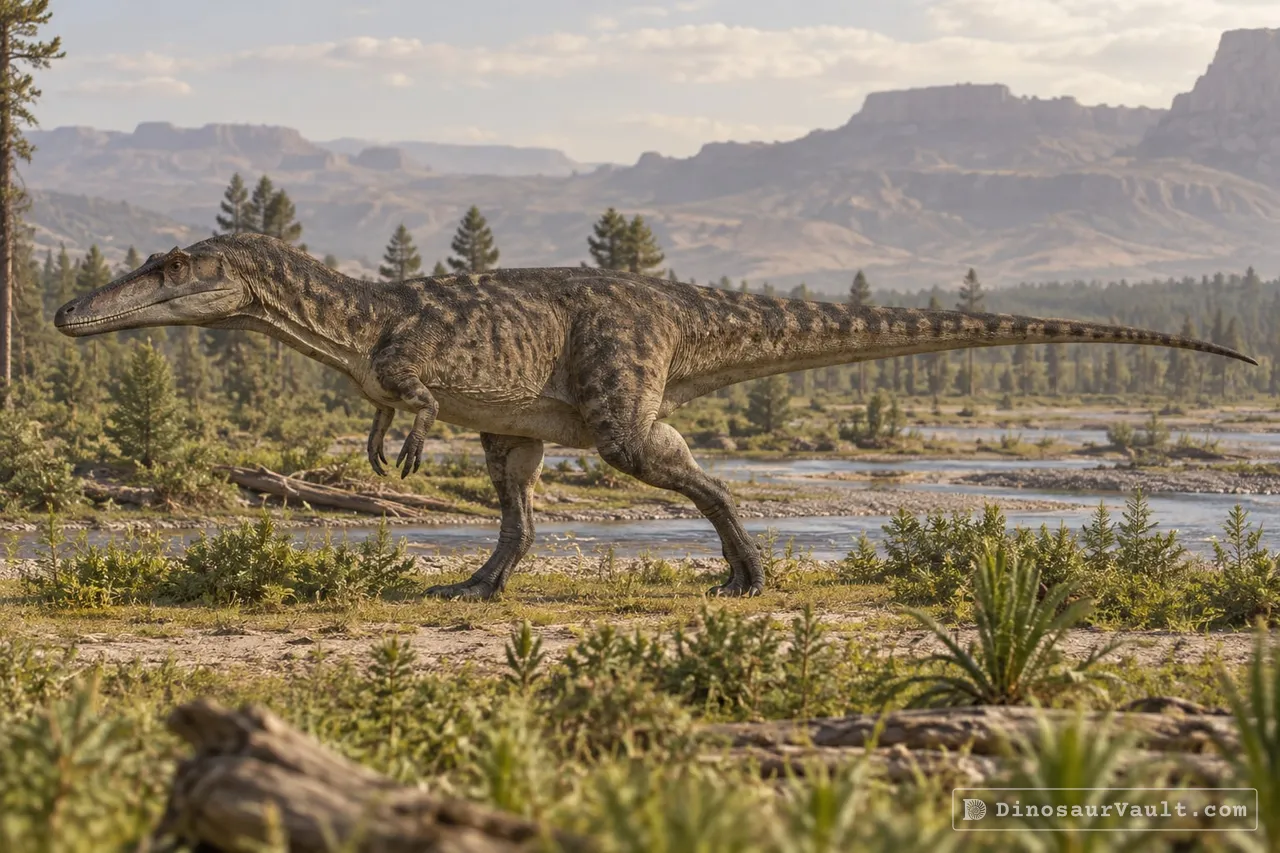
Ulughbegsaurus was a large carcharodontosaurian, a relative of the giant predators Carcharodontosaurus and Giganotosaurus. It is known from pieces of the upper jaw, which suggest it was much larger than the tyrannosaur relatives living with it.
Its world
It lived in the Late Cretaceous, in what is now Uzbekistan. It shared the Bissekty Formation with the small tyrannosauroid Timurlengia and the horned dinosaur Turanoceratops. At that time, large carcharodontosaurians still ruled as top predators in Asia.
How it was found
Tanaka and colleagues named Ulughbegsaurus in 2021. The type species is Ulughbegsaurus uzbekistanensis.
Field gallery
More views of Ulughbegsaurus
Scenes reconstructed from the available fossil evidence.
Lived alongside
Found in the same rock formations
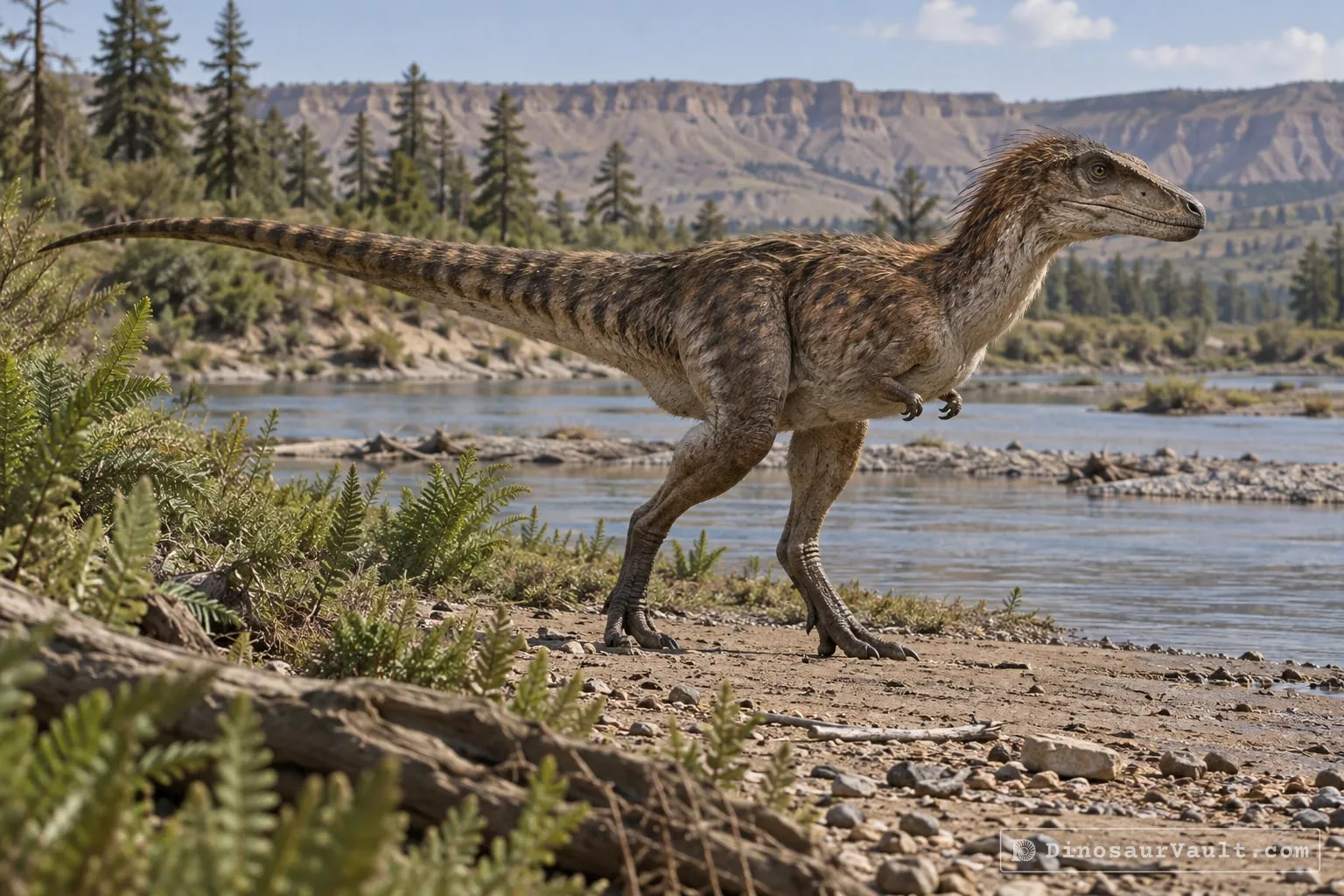
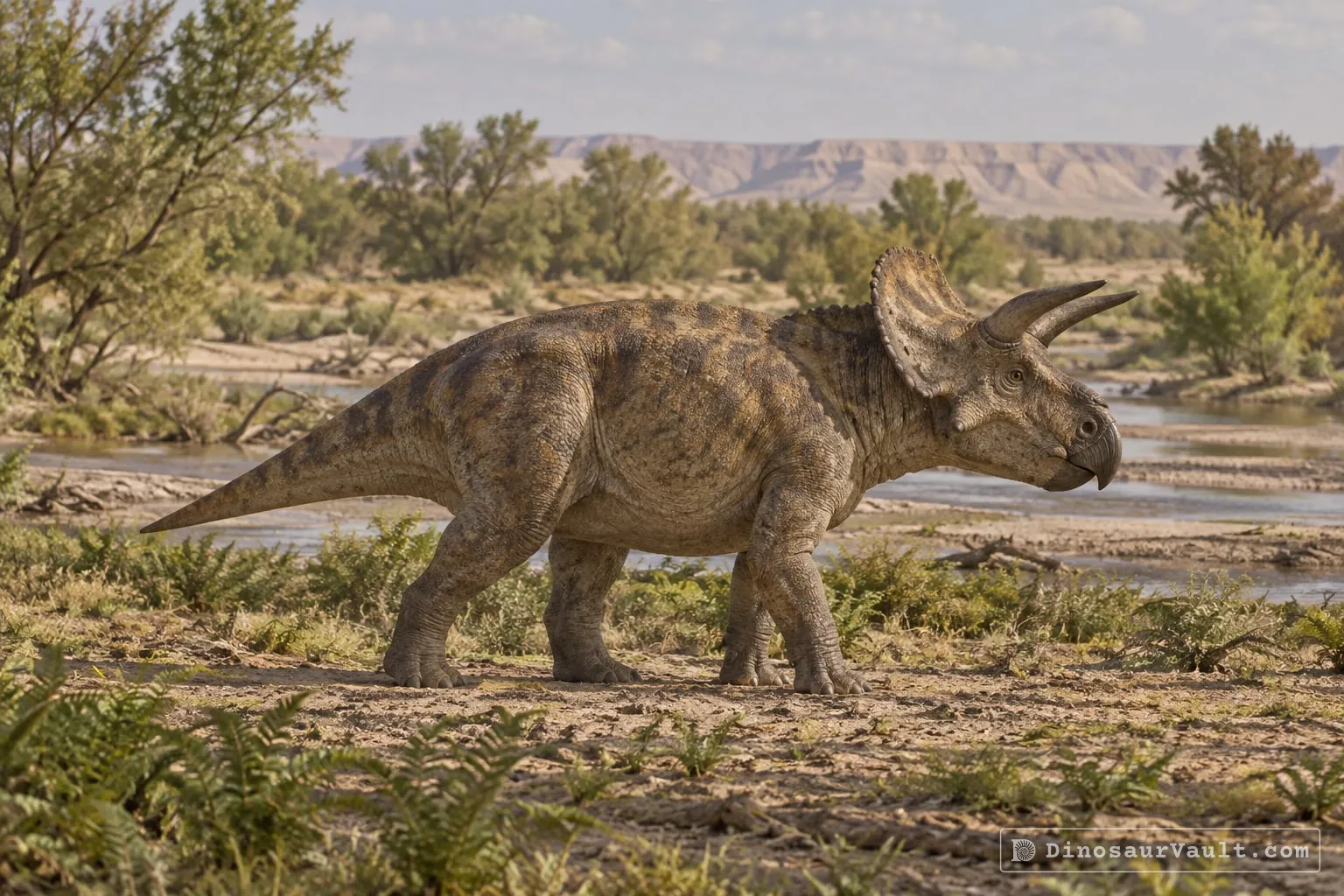
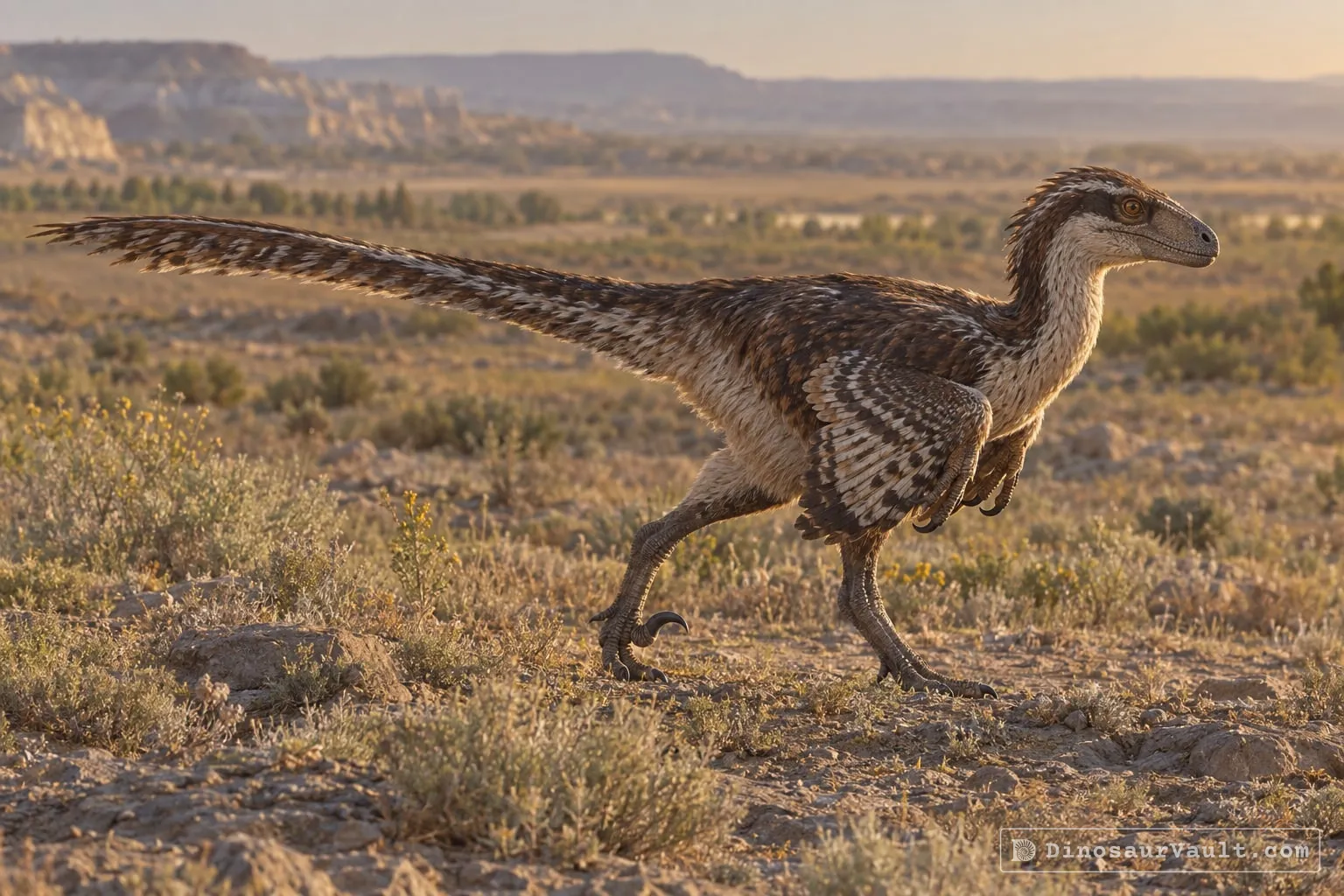
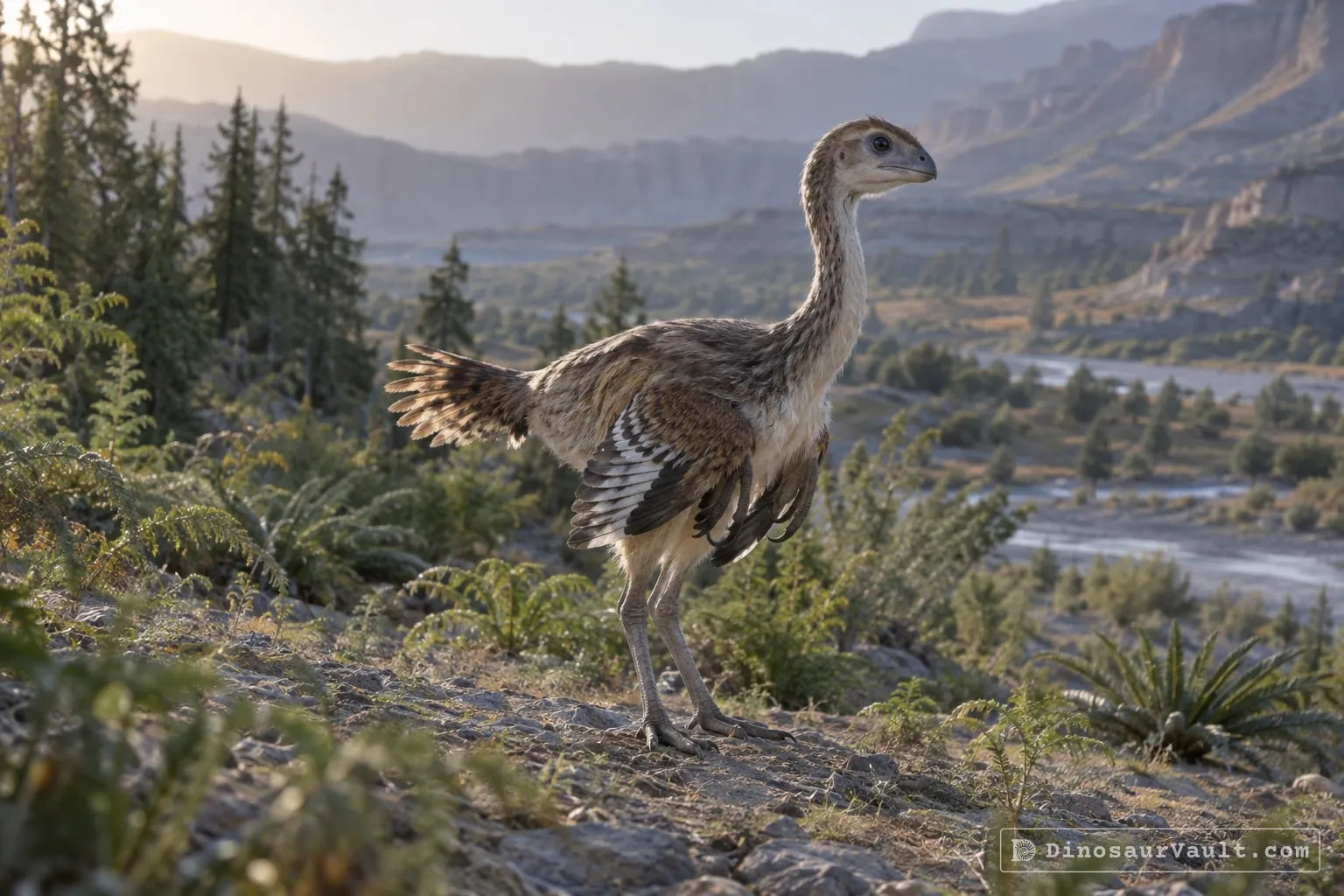
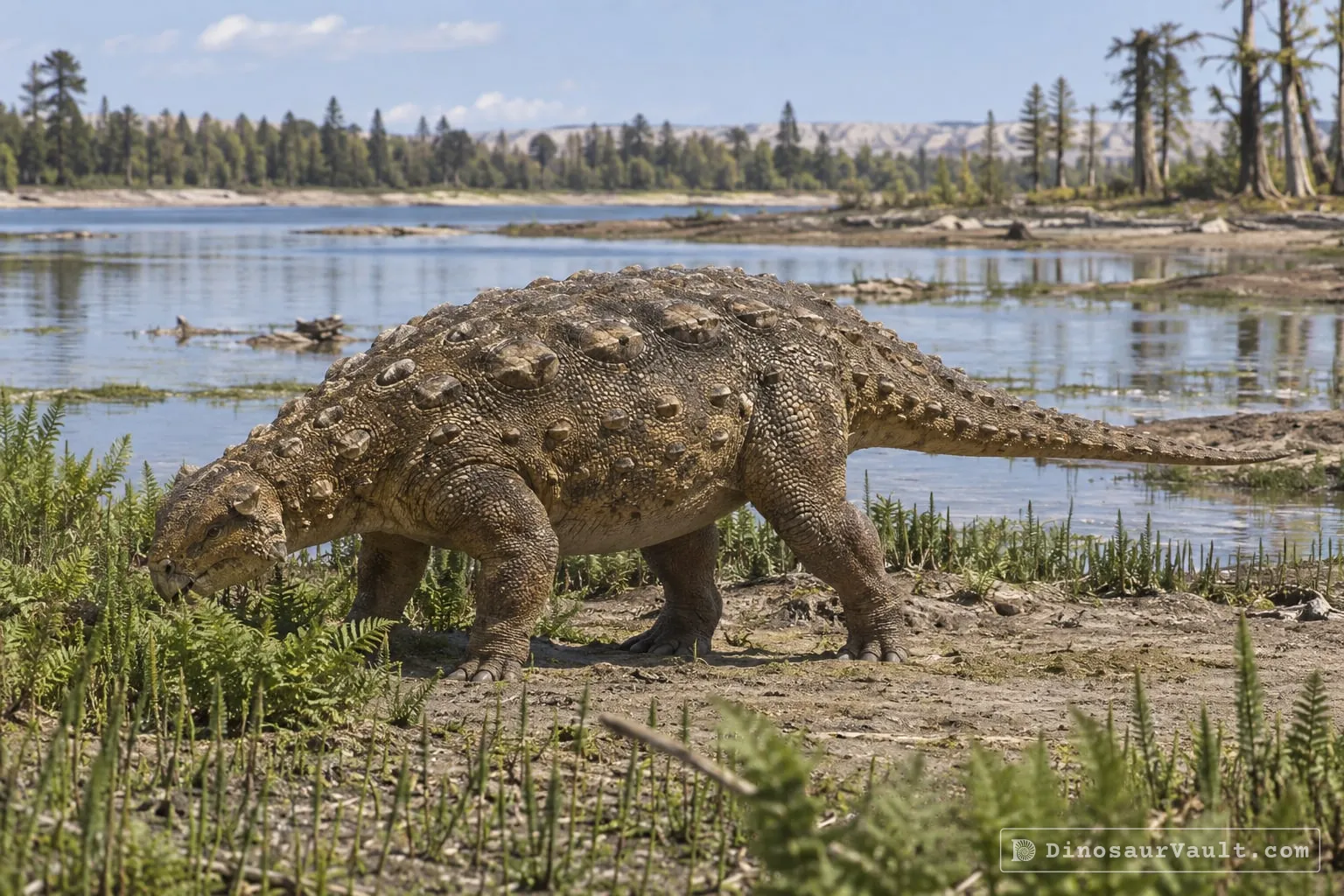
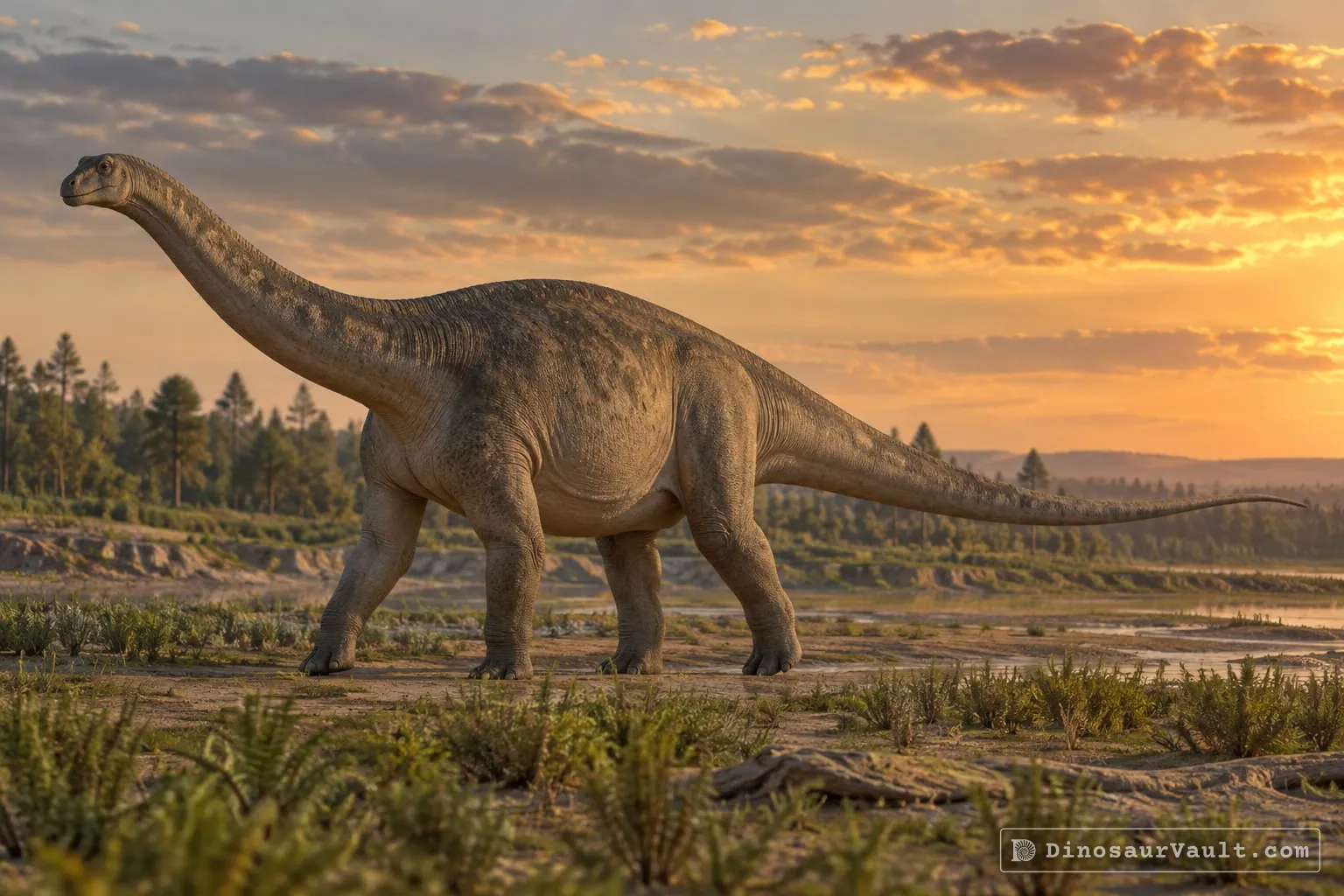
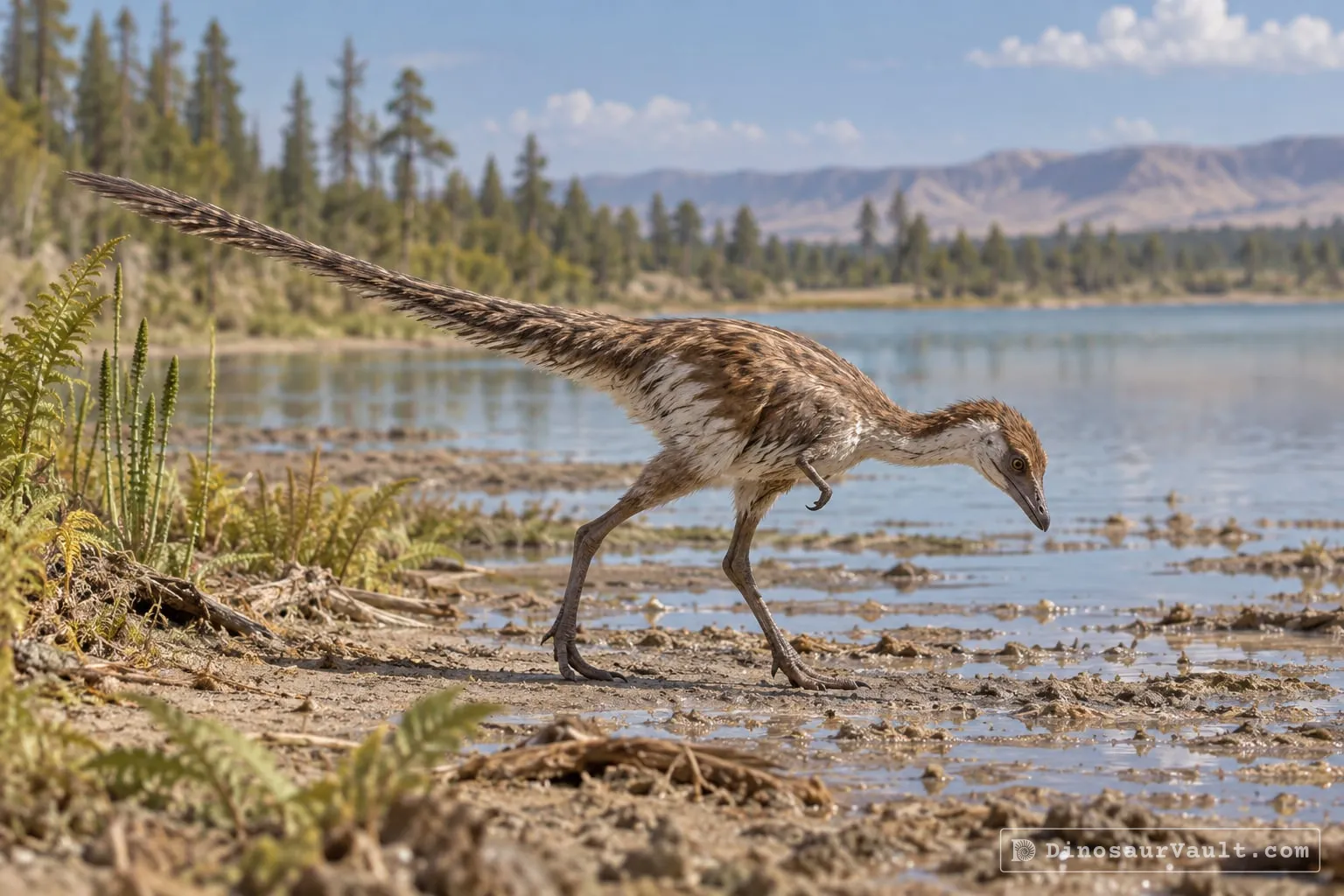


A rock formation can hold fossils laid down millions of years apart, so not every animal here met Ulughbegsaurus.
The evidence
The science behind Ulughbegsaurus
Which parts of the picture come from its own bones, and which come from its relatives.
From its own fossils
- Pieces of the upper jaw show a large meat eater with a rough outer jaw surface.
- A newly described upper jaw has a canal along its inner side that carried blood vessels to the tooth sockets.
Borrowed from relatives
- The neck, limbs and tail are restored by comparison with better-known carcharodontosaurs such as Carcharodontosaurus.
Still unknown
- Its full body proportions and adult size.
- Its skin covering and color.
- How it caught and killed prey.
Discovery timeline
- 2021Named itTanaka et al.
- 2022Family treeSues, Averianov & Britt
- 2025New findAverianov et al.
Key papers
The research behind what we know of Ulughbegsaurus
Named it
Named a large predator from an upper jaw and proposed that it filled the top predator role alongside smaller tyrannosauroids.
A new carcharodontosaurian theropod dinosaur occupies apex predator niche in the early Late Cretaceous of Uzbekistan. Royal Society Open Science 8
Read the paper : A new carcharodontosaurian theropod dinosaur occupies apex predator niche in the early Late Cretaceous of Uzbekistan (opens in a new tab)Family tree
Questioned whether the original jaw had enough distinctive features to establish Ulughbegsaurus as a carcharodontosaur.
A giant dromaeosaurid theropod from the Upper Cretaceous (Turonian) Bissekty Formation of Uzbekistan and the status of Ulughbegsaurus uzbekistanensis. Geological Magazine 160: 355-360
Read the paper : A giant dromaeosaurid theropod from the Upper Cretaceous (Turonian) Bissekty Formation of Uzbekistan and the status of Ulughbegsaurus uzbekistanensis (opens in a new tab)New find
Described another upper jaw and identified shared features that support placing Ulughbegsaurus among the carcharodontosaurs.
First record of Carcharodontosauridae (Dinosauria, Theropoda) in the Upper Cretaceous Khodzhakul Formation of Uzbekistan. Journal of Paleontology 99: 206-218
Read the paper : First record of Carcharodontosauridae (Dinosauria, Theropoda) in the Upper Cretaceous Khodzhakul Formation of Uzbekistan (opens in a new tab)
Close relatives
Other members of Carcharodontosauria


Sources: Wikidata