Bissektipelta
"Bissekty shield"
Type species Bissektipelta archibaldi
- Lived
- 94 to 90 million years ago, Late Cretaceous
- Diet
- Herbivore
- Group
- Ankylosaurs, Ankylosauridae
- Found in
- Uzbekistan
- Named by
- Parish and Barrett 2004
Where its fossils were found
The evidence
Today

90 million years ago
Habitat
Rivers crossed the landscape recorded in the Bissekty Formation. Timurlengia, Turanoceratops and Caenagnathasia lived in the same region.
Field notes
About Bissektipelta
What it was like
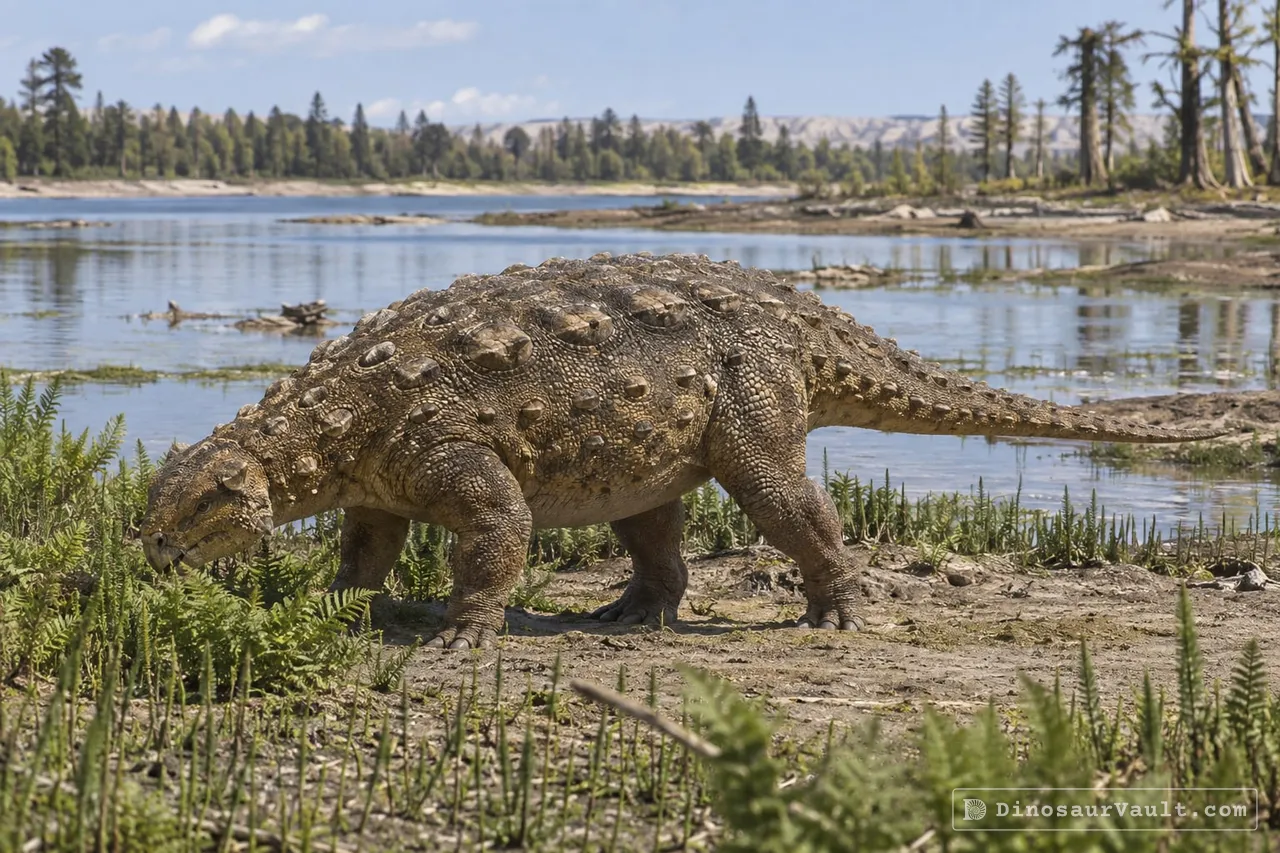
Bissektipelta was an ankylosaur, a low, armored plant eater. It is known from a braincase, which shows good senses of smell and hearing.
Its world
It lived about 94 to 90 million years ago, in the Late Cretaceous, in what is now Uzbekistan. It comes from the Bissekty Formation, where it shared the land with the large predator Ulughbegsaurus, the small tyrannosauroid Timurlengia and the horned Turanoceratops.
How it was found
Parish and Barrett named Bissektipelta in 2004. The type species is Bissektipelta archibaldi.
Field gallery
More views of Bissektipelta
Scenes reconstructed from the available fossil evidence.
Lived alongside
Found in the same rock formations
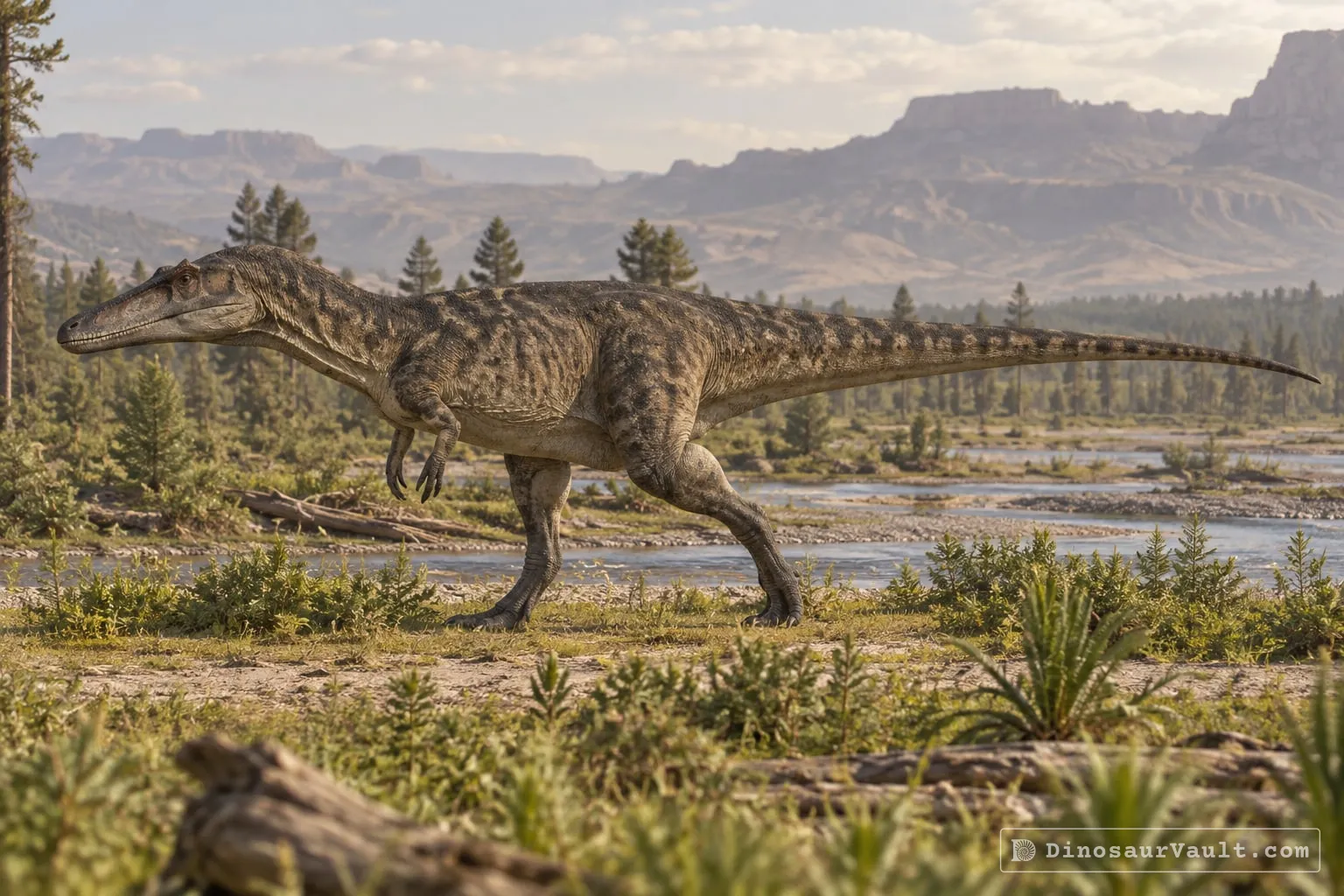
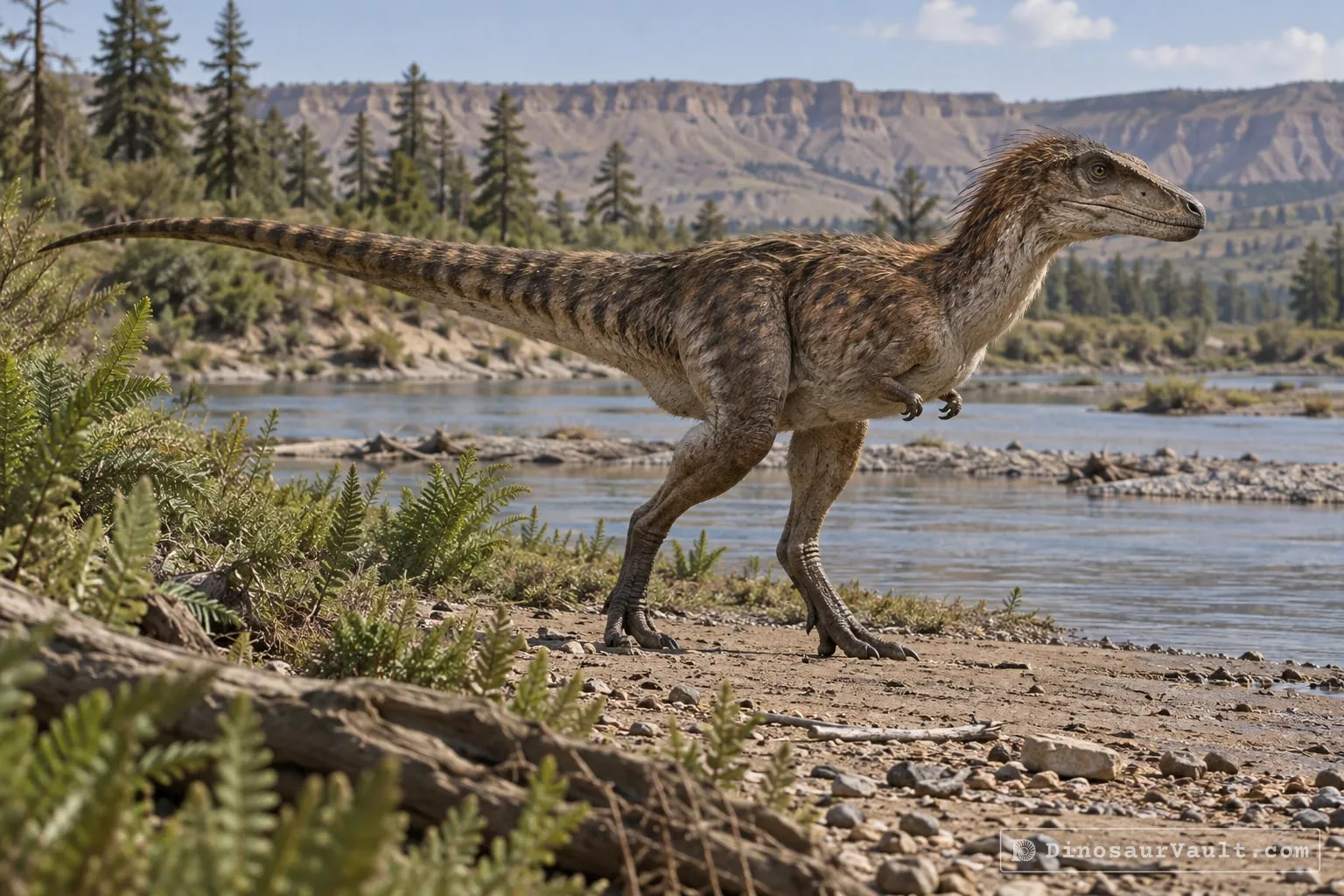
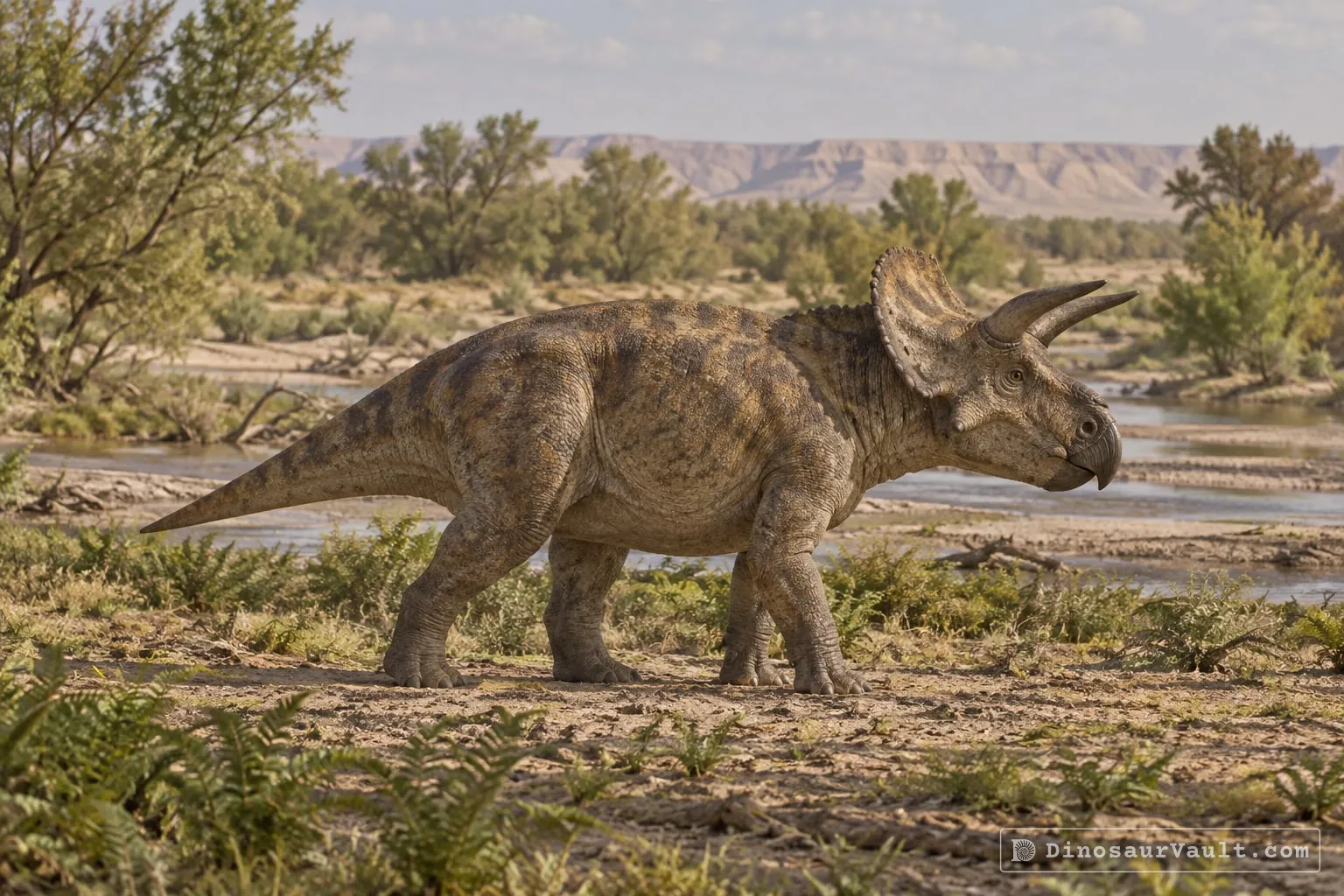
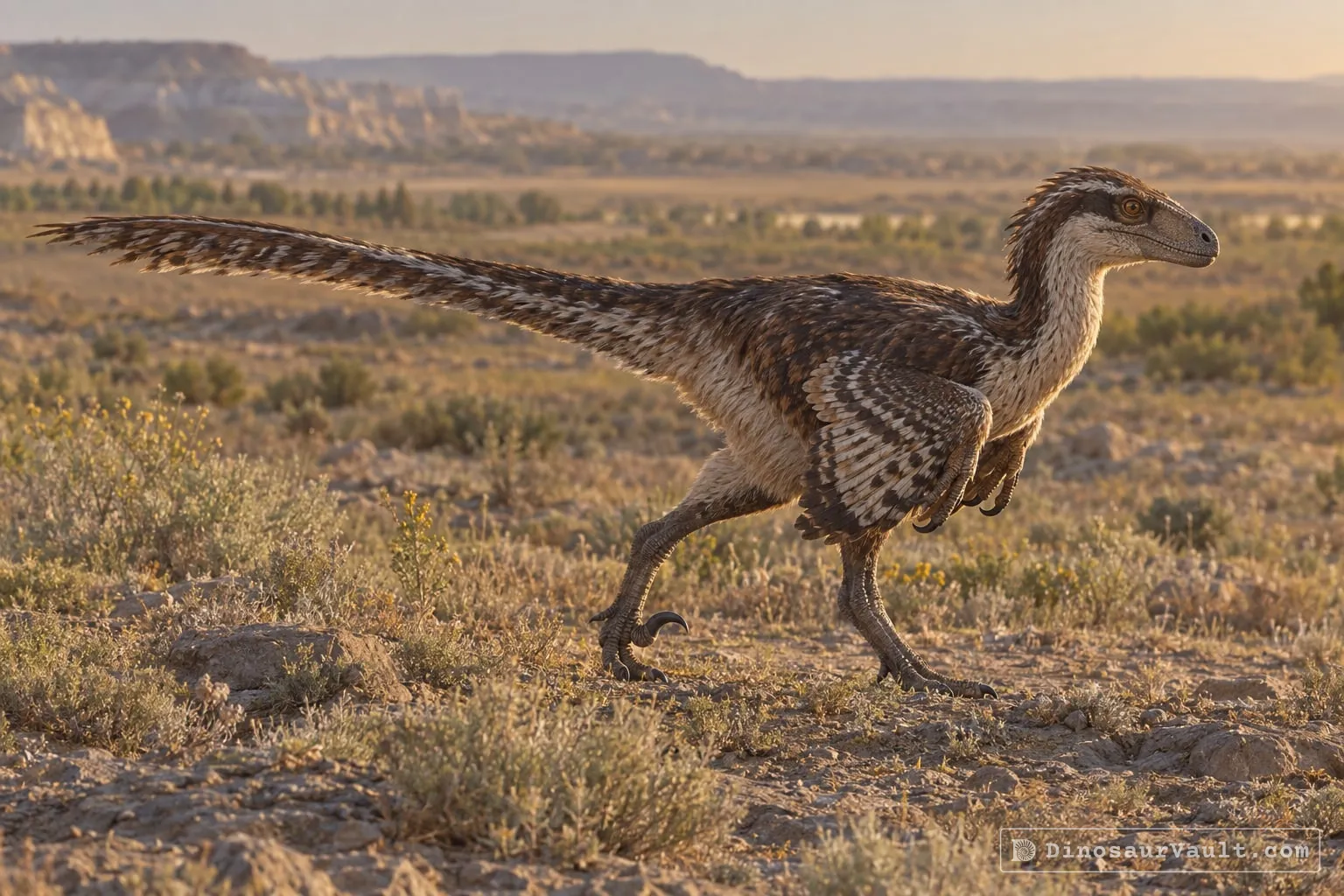
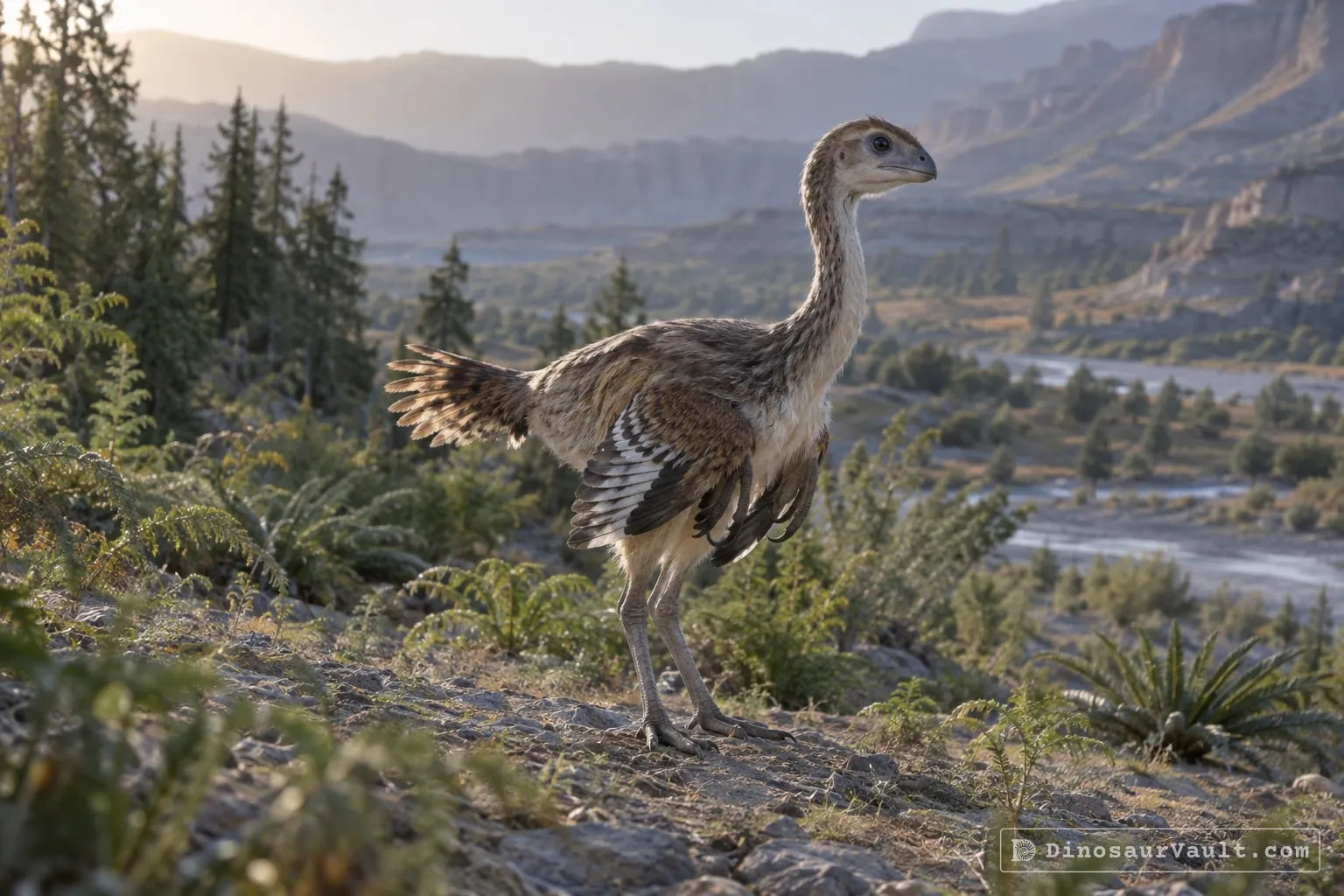
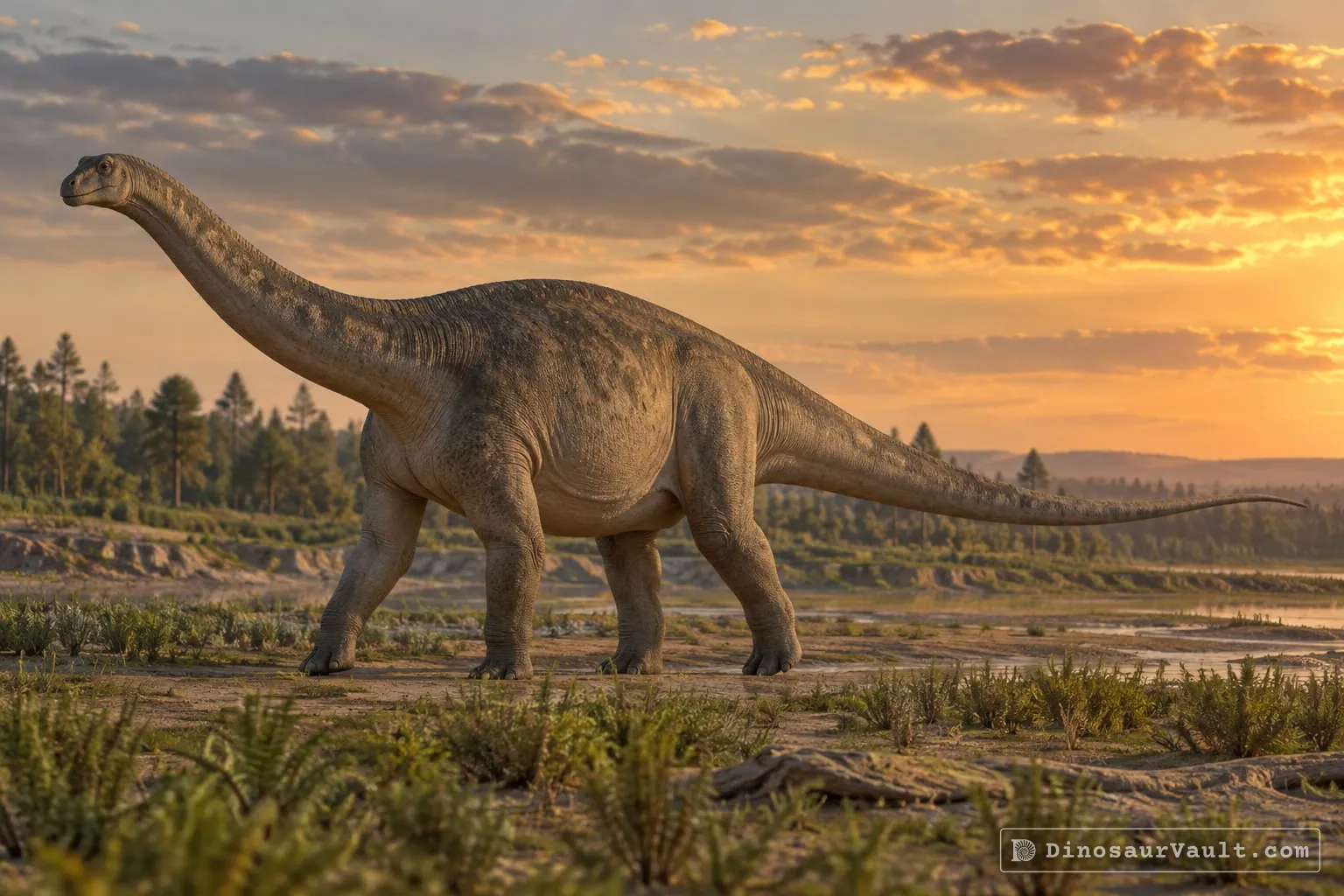
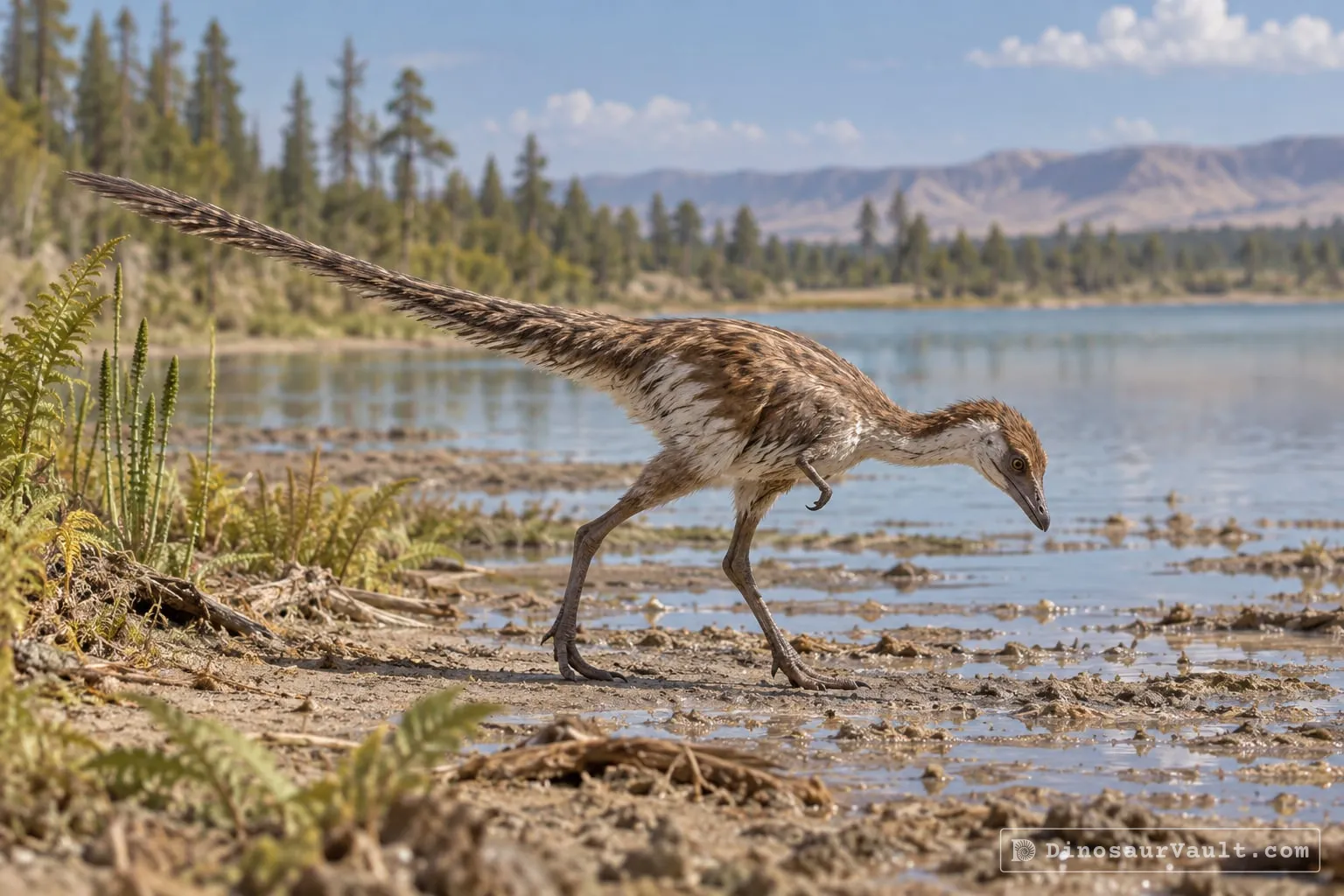


A rock formation can hold fossils laid down millions of years apart, so not every animal here met Bissektipelta.
The evidence
The science behind Bissektipelta
Which parts of the picture come from its own bones, and which come from its relatives.
From its own fossils
- The type preserves a braincase and part of the rear skull roof. Other isolated braincases are tentatively referred to it.
- Large areas for processing smells suggest a powerful sense of smell, while the inner ears suggest sensitive hearing of low sounds.
- The type has a relatively flat rear skull roof with irregular grooves. Braincases preserve spaces for the brain, inner ears and blood vessels.
Borrowed from relatives
- Pinacosaurus offers a comparison for the missing beak and lower jaw, and Saichania for the missing neck and shoulders.
Still unknown
- The arrangement of armor across its back and tail, and why the skull roof differs among the referred specimens.
- Whether it had a tail club.
- Its color and full body size.
Discovery timeline
- 2004Named itParish & Barrett
- 2016Same rocksBrusatte et al.
- 2020SkullKuzmin et al.
Key papers
The research behind what we know of Bissektipelta
Named it
Named Bissektipelta from a braincase and rear skull roof whose groove pattern the authors judged distinctive.
A reappraisal of the ornithischian dinosaur Amtosaurus magnus Kurzanov and Tumanova 1978, with comments on the status of A. archibaldi Averianov 2002. Canadian Journal of Earth Sciences 41: 299-306
Read the paper : A reappraisal of the ornithischian dinosaur Amtosaurus magnus Kurzanov and Tumanova 1978, with comments on the status of A. archibaldi Averianov 2002 (opens in a new tab)Same rocks
Named Timurlengia from the Bissekty Formation, showing that a smaller tyrannosaur relative already had advanced senses in Bissektipelta's world.
New tyrannosaur from the mid-Cretaceous of Uzbekistan clarifies evolution of giant body sizes and advanced senses in tyrant dinosaurs. Proceedings of the National Academy of Sciences 113: 3447-3452
Read the paper : New tyrannosaur from the mid-Cretaceous of Uzbekistan clarifies evolution of giant body sizes and advanced senses in tyrant dinosaurs (opens in a new tab)Skull
Scans revealed brain and blood vessel spaces, supporting a strong sense of smell and sensitive hearing of low sounds.
The braincase of <em>Bissektipelta archibaldi</em> — new insights into endocranial osteology, vasculature, and paleoneurobiology of ankylosaurian dinosaurs. Biological Communications 65
Read the paper : The braincase of <em>Bissektipelta archibaldi</em> — new insights into endocranial osteology, vasculature, and paleoneurobiology of ankylosaurian dinosaurs (opens in a new tab)
Close relatives
Other members of Ankylosauridae


Sources: Wikidata