Bactrosaurus
BAK-troh-SORE-us
"club lizard"
- Lived
- 101 to 66 million years ago, Late Cretaceous
- Diet
- Herbivore
- Length
- about 6 m (20 ft)
- Group
- Ornithopods
- Found in
- China and Mongolia
- Named by
- Gilmore 1933
Size comparison
To scale


Scale in metersOutline: typical ornithopod shape
Where its fossils were found
The evidence
Today

80 million years ago
Habitat
A broad, vegetated floodplain lay beside rivers in the Iren Dabasu Formation of China. Temporary ponds supported freshwater algae, and its neighbors included Alectrosaurus, Gigantoraptor and Archaeornithomimus.
Field notes
About Bactrosaurus
What it was like
Bactrosaurus was a plant eater about 6 meters (20 feet) long, an early relative of the duck-billed dinosaurs. It had no crest, but tall spines on its back bones may have given it a low ridge. It could walk on two legs or four.
Its world
It lived in the Late Cretaceous in Asia. Its best bones come from the Iren Dabasu Formation of China, where it shared the land with the tyrannosaur Alectrosaurus, the giant oviraptor Gigantoraptor and the ostrich-like Archaeornithomimus.
How it was found
Gilmore named Bactrosaurus in 1933. Bones of several individuals have been found, which makes it one of the best known early duckbill relatives.
Field gallery
More views of Bactrosaurus
Scenes reconstructed from the available fossil evidence.
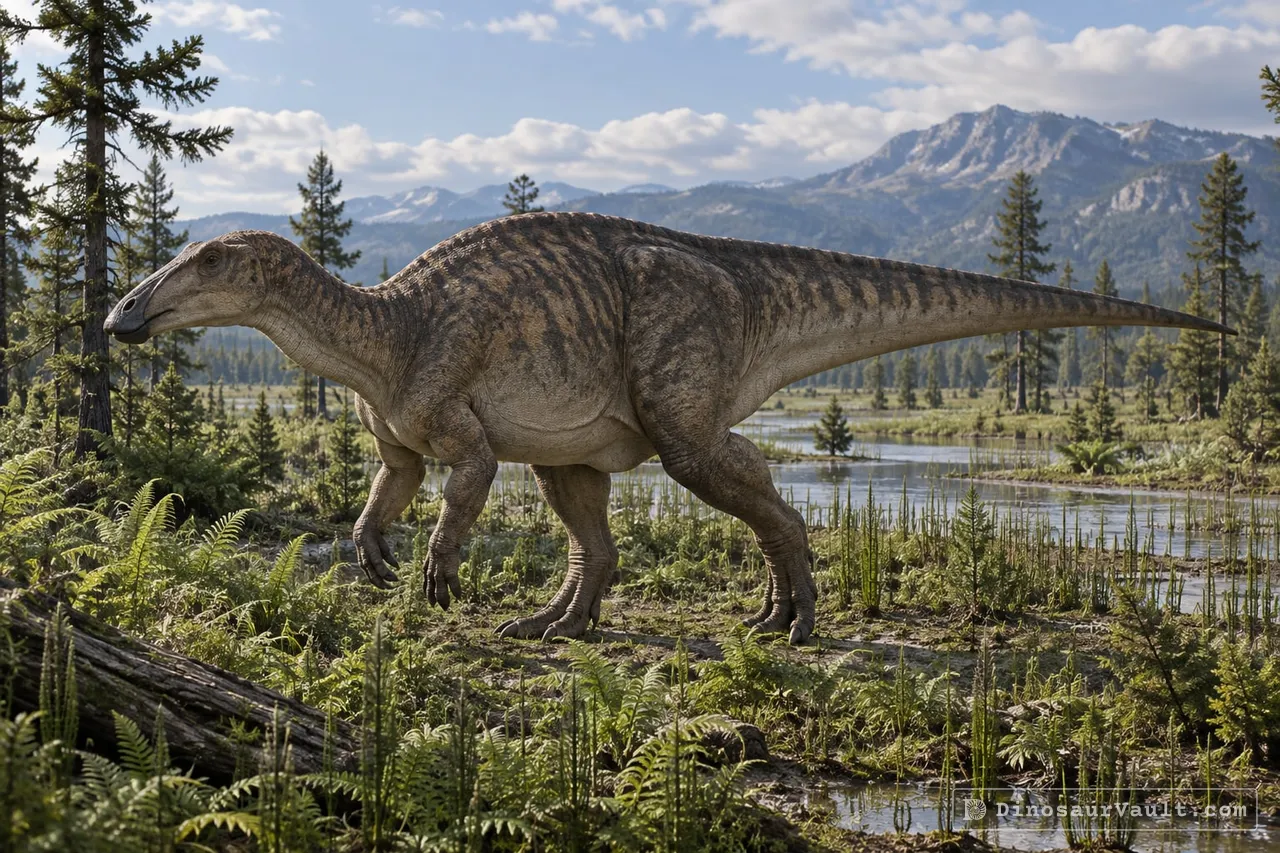
1 of 3
Lived alongside
Found in the same rock formations
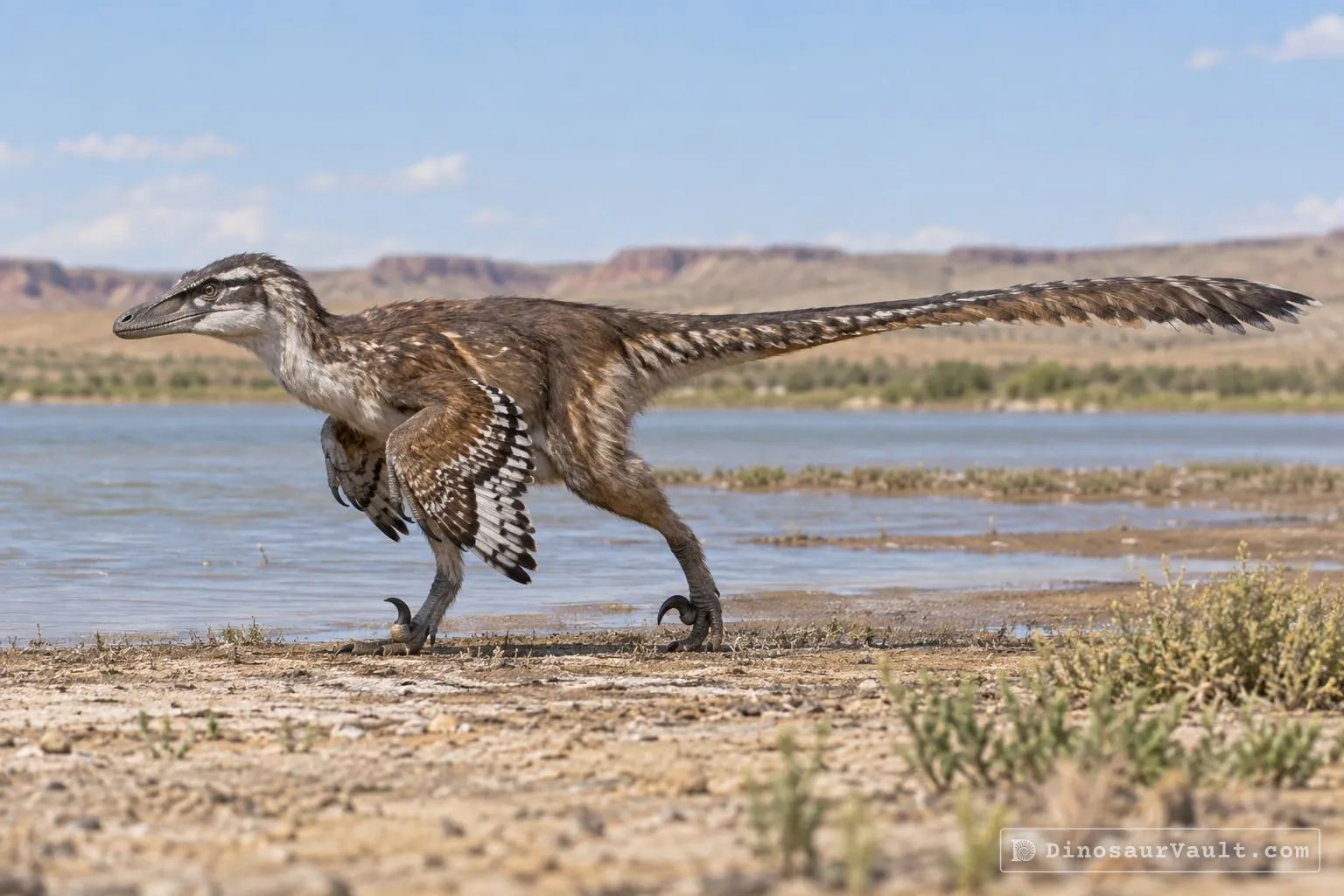
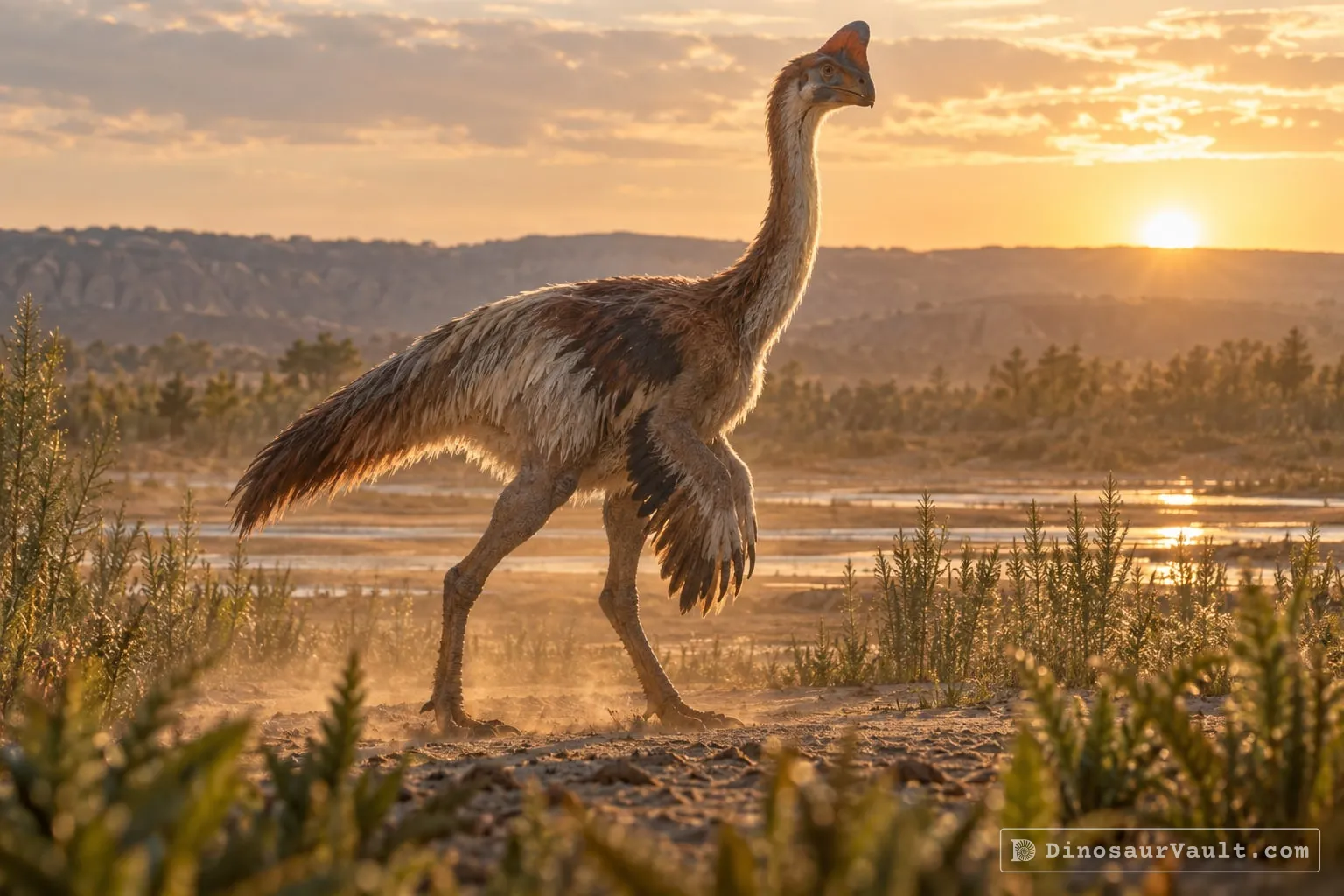
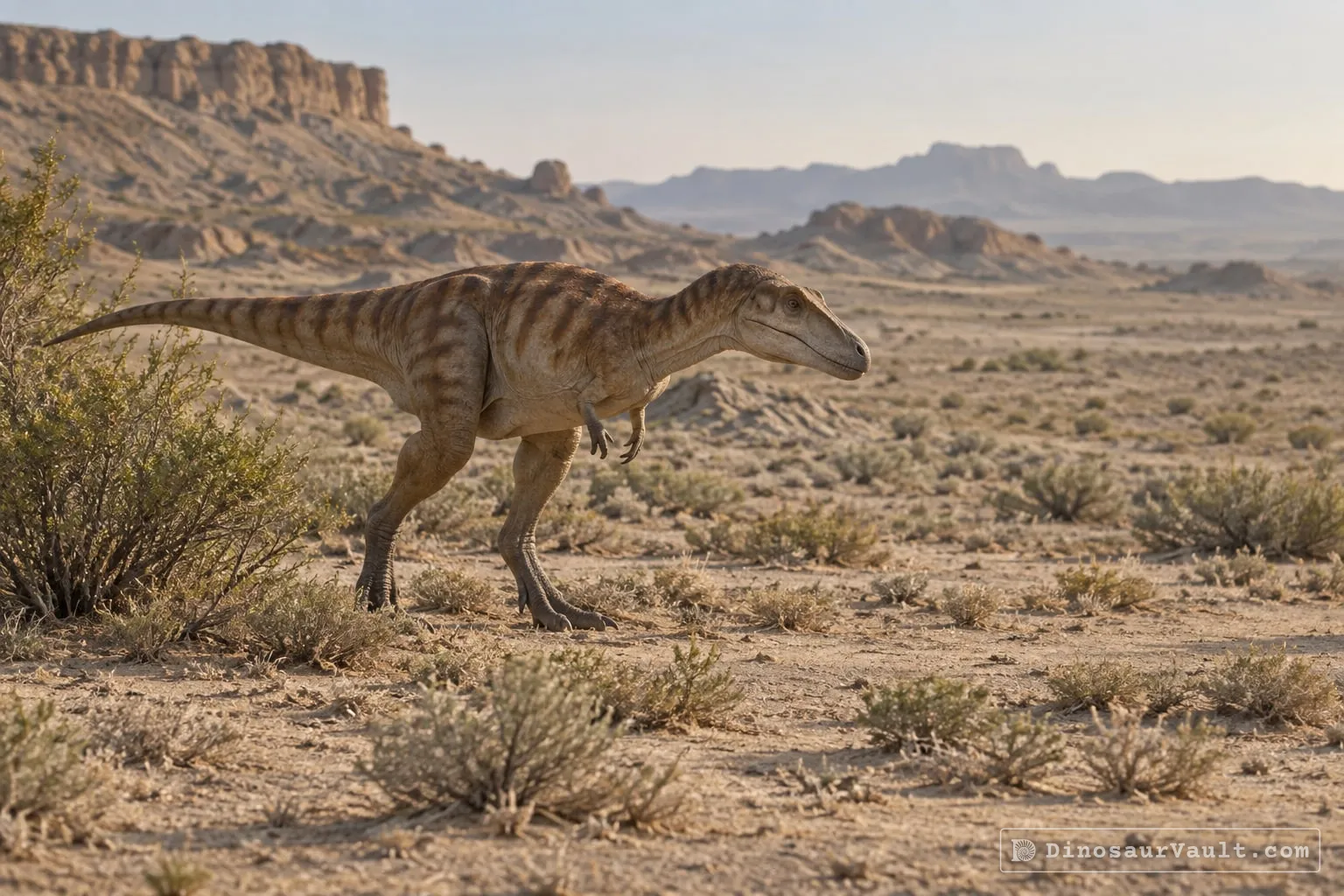
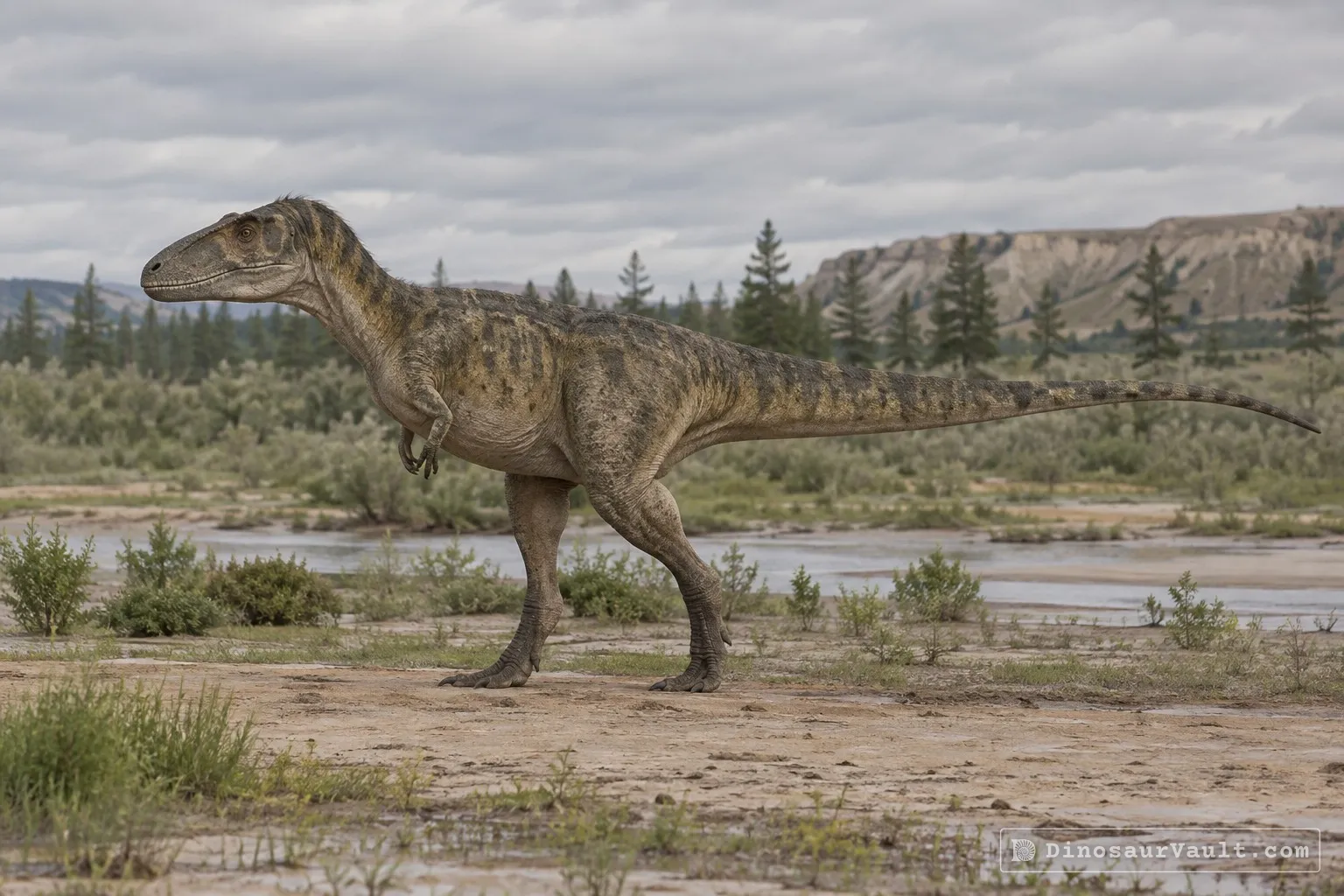
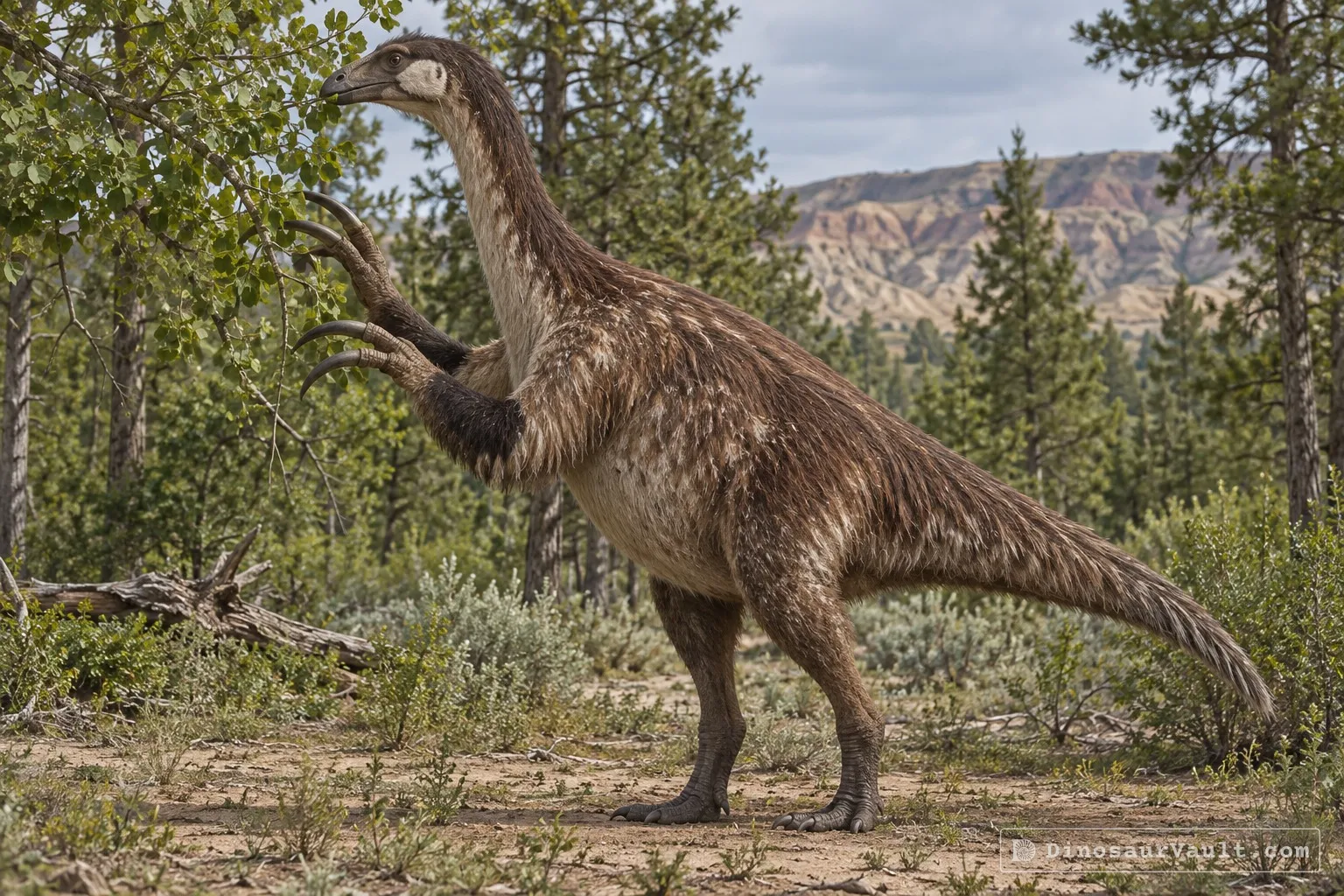
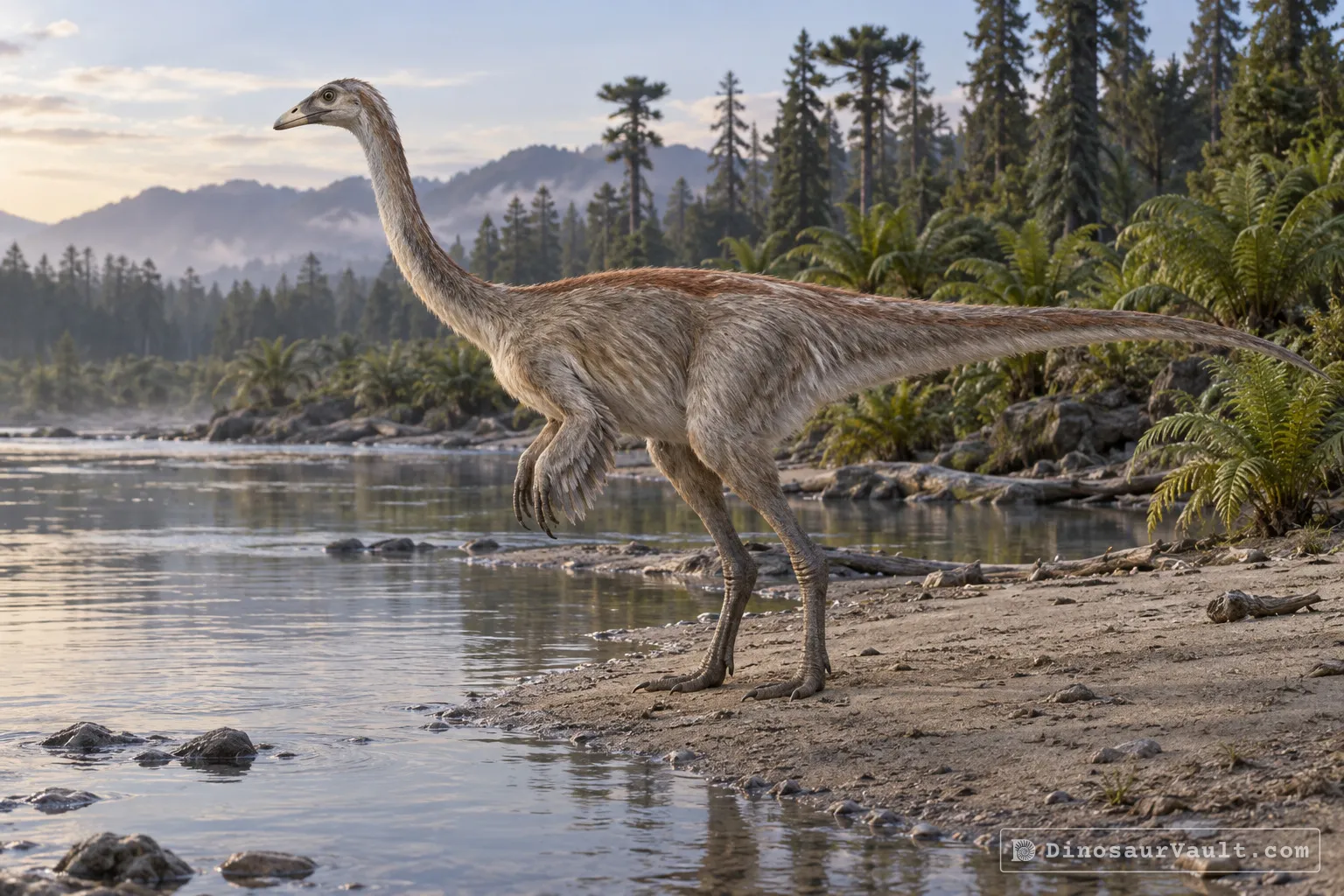
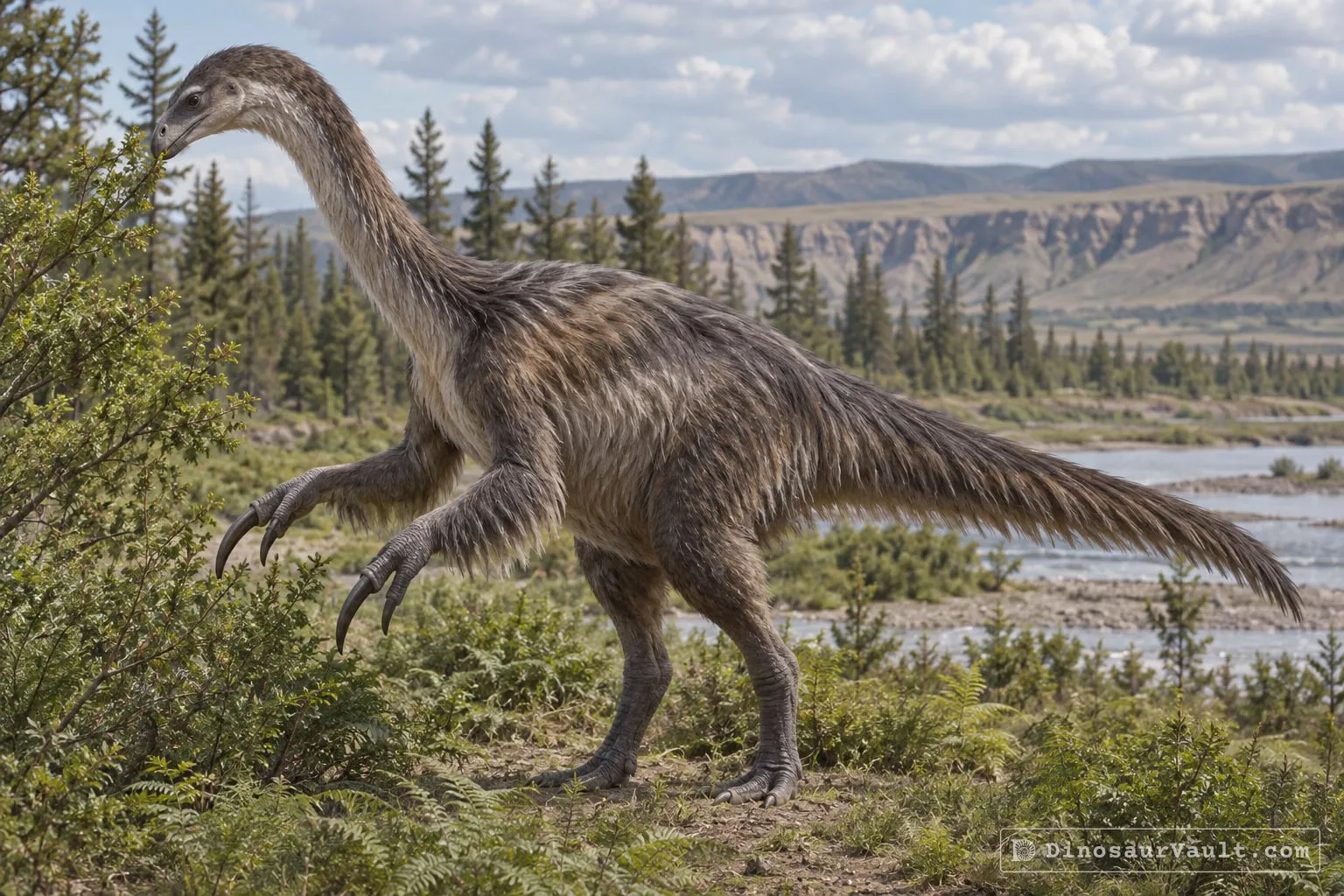
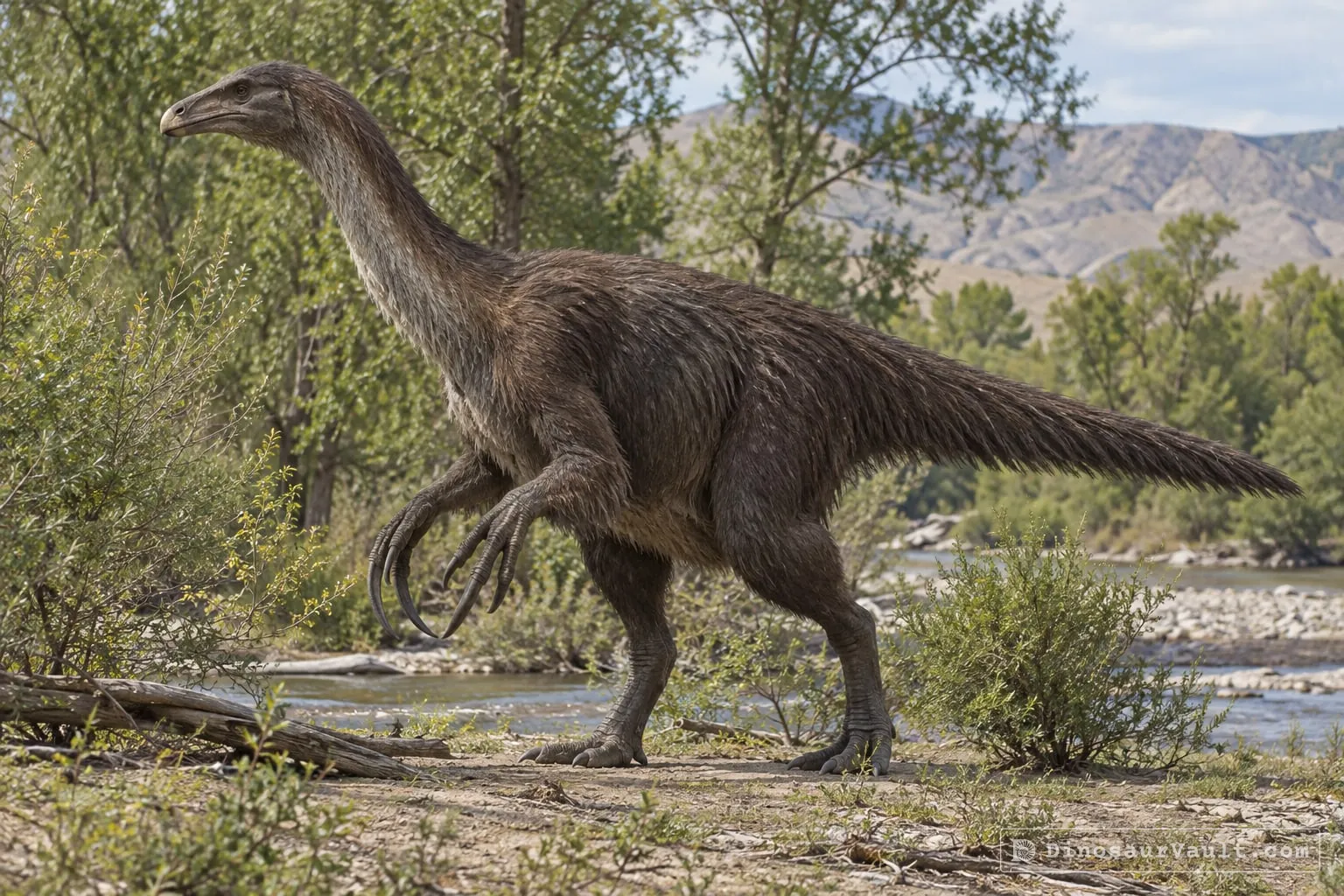


A rock formation can hold fossils laid down millions of years apart, so not every animal here met Bactrosaurus.
The evidence
The science behind Bactrosaurus
Which parts of the picture come from its own bones, and which come from its relatives.
From its own fossils
- Bones from several animals preserve much of the skull, backbone, pelvis and limbs.
- Tall spines rise from its back bones.
- The jaws held closely packed rows of teeth for processing plants.
Borrowed from relatives
- Most of the skeleton is known from its own bones; comparisons with other early duckbill relatives such as Gilmoreosaurus help fill small gaps.
Still unknown
- Its color and the pattern of its skin.
- Whether it cared for its young.
- Which plants made up most of its diet.
Discovery timeline
- 1933Named itGilmore
- 2005Its worldVan Itterbeeck et al.
- 2011Growing upPRIETO‐MÁRQUEZ
Key papers
The research behind what we know of Bactrosaurus
Named it
Named Bactrosaurus from skull and skeleton bones found in the Iren Dabasu Formation.
On the dinosaurian fauna of the Iren Dabasu Formation. Bulletin of the American Museum of Natural History 68: 23-78
No link available
Its world
Reconstructed a river landscape with a broad, vegetated floodplain and temporary ponds containing freshwater algae.
Stratigraphy and palaeoenvironment of the dinosaur-bearing Upper Cretaceous Iren Dabasu Formation, Inner Mongolia, People's Republic of China. Cretaceous Research 26: 699-725
Read the paper : Stratigraphy and palaeoenvironment of the dinosaur-bearing Upper Cretaceous Iren Dabasu Formation, Inner Mongolia, People's Republic of China (opens in a new tab)Growing up
Compared juvenile and adult Bactrosaurus bones, finding growth changes in the jaws, skull and limbs.
Cranial and appendicular ontogeny ofBactrosaurus johnsoni, a hadrosauroid dinosaur from the Late Cretaceous of northern China. Palaeontology 54: 773-792
Read the paper : Cranial and appendicular ontogeny ofBactrosaurus johnsoni, a hadrosauroid dinosaur from the Late Cretaceous of northern China (opens in a new tab)
Close relatives
Other members of Hadrosauroidea


Sources: Wikidata