Khulsanurus
"Khulsan tail"
- Lived
- 84 to 72 million years ago, Late Cretaceous
- Diet
- Carnivore
- Group
- Theropods, Alvarezsauridae
- Found in
- Mongolia
- Named by
- Averianov and Lopatin 2021
Where its fossils were found
The evidence
Today

80 million years ago
Habitat
Dry land in Mongolia, preserved in the Baruungoyot Formation. Neighbors included the armored Saichania and Tarchia and the small predator Shri.
Field notes
About Khulsanurus
What it was like
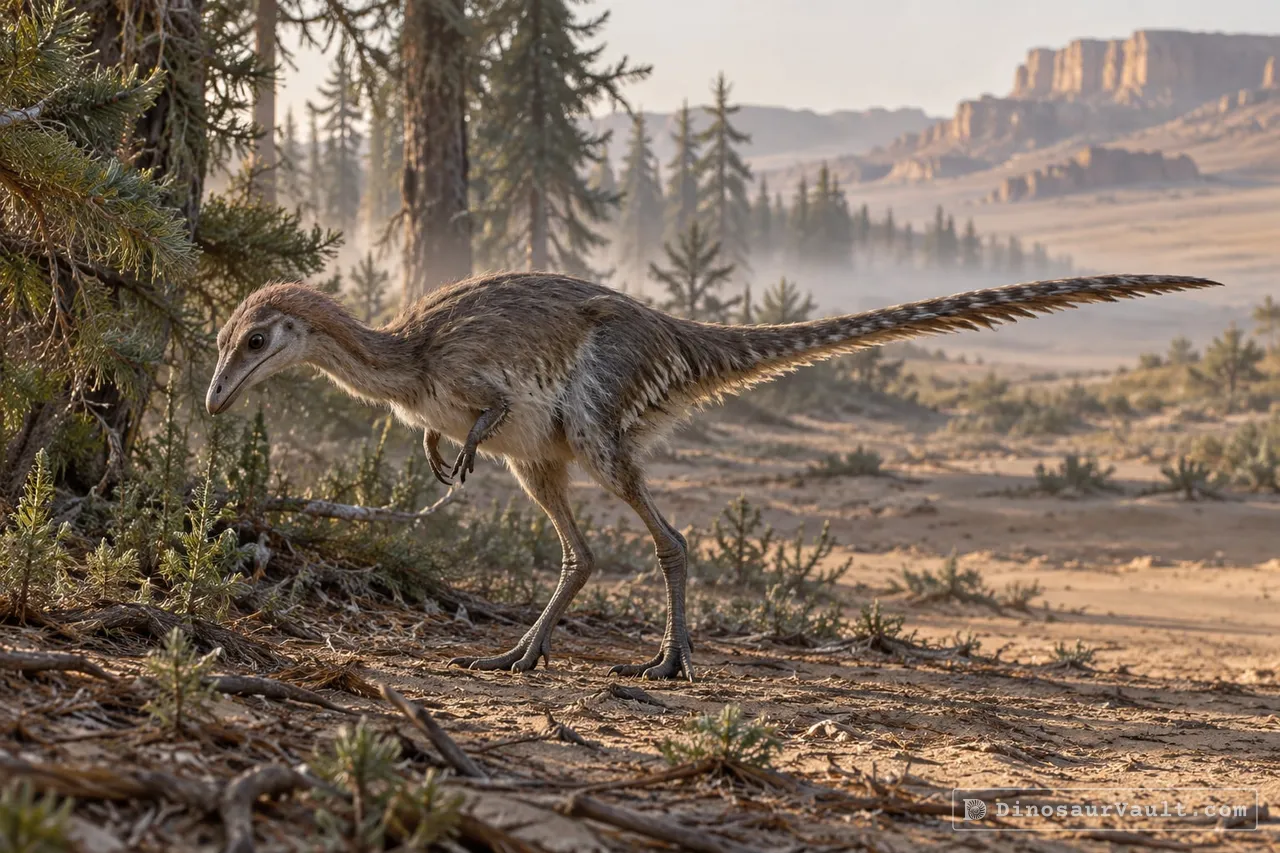
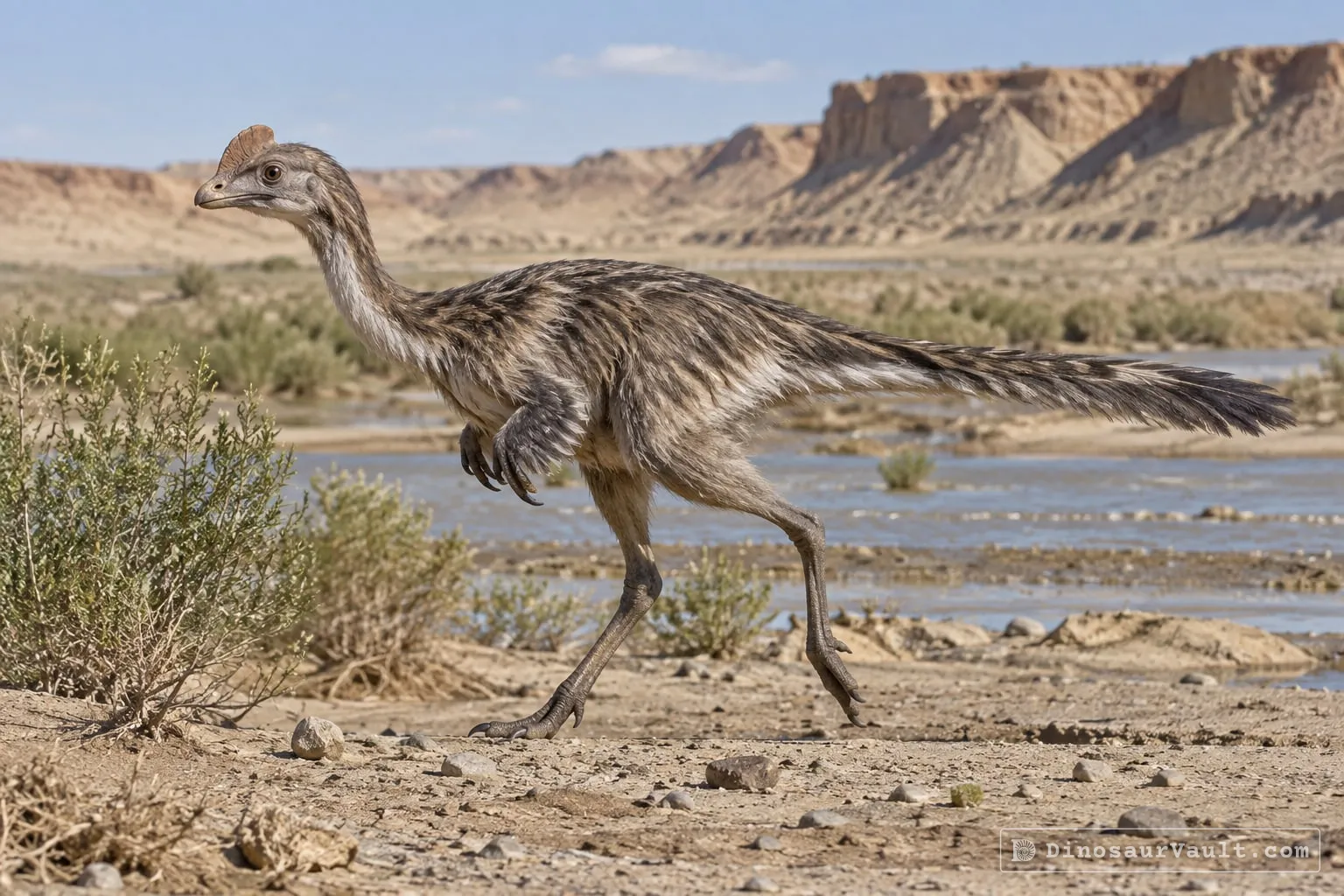
Khulsanurus was a small alvarezsaur, a bird-like theropod with long legs. It is known from back and tail bones.
Its world
It lived in the Late Cretaceous, in what is now Mongolia. It comes from the Baruungoyot Formation, a dry land shared with the armored Saichania and Tarchia and the dromaeosaur Shri.
How it was found
Averianov and Lopatin named Khulsanurus in 2021.
Field gallery
More views of Khulsanurus
Scenes reconstructed from the available fossil evidence.
1 of 2
Lived alongside
Found in the same rock formations
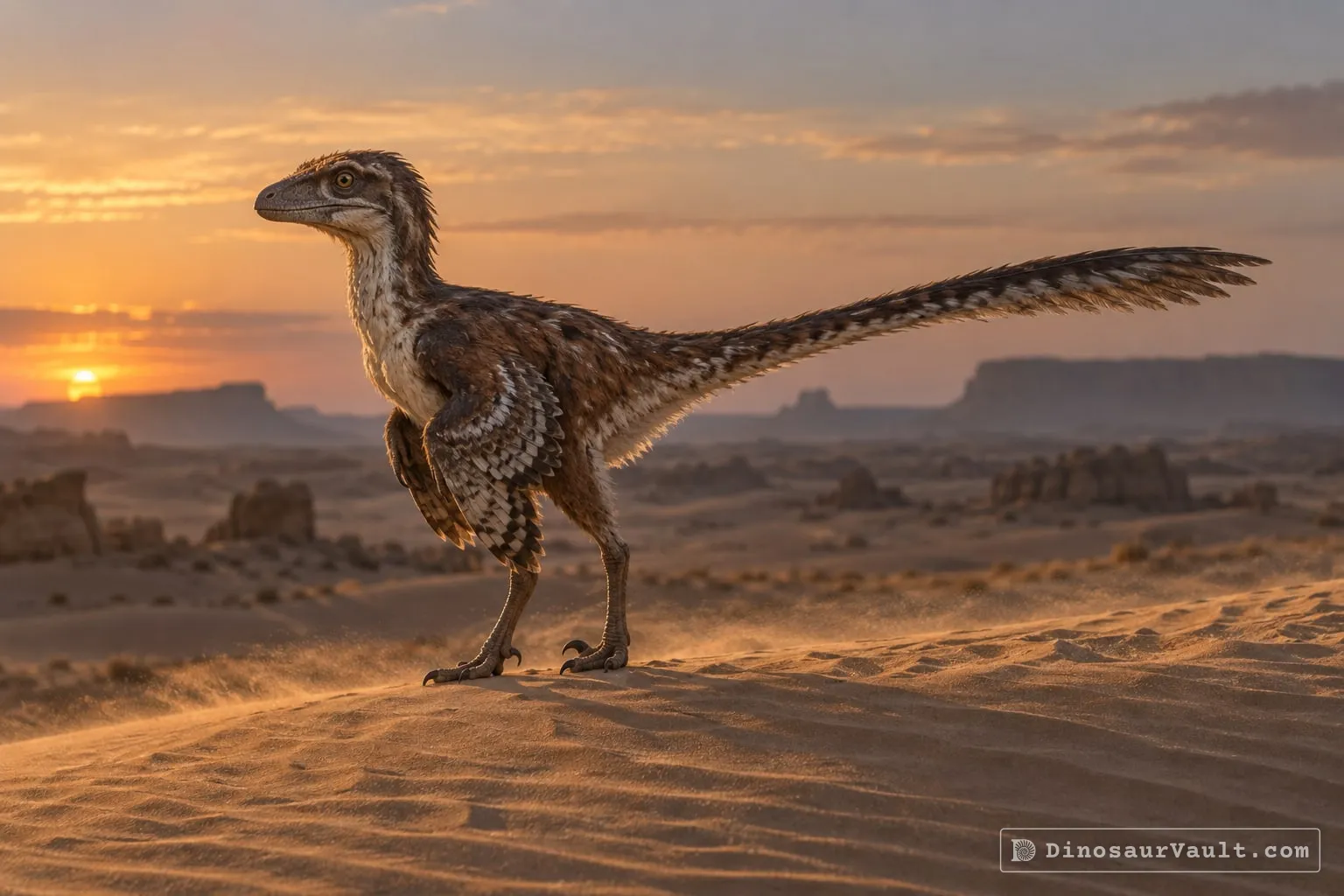
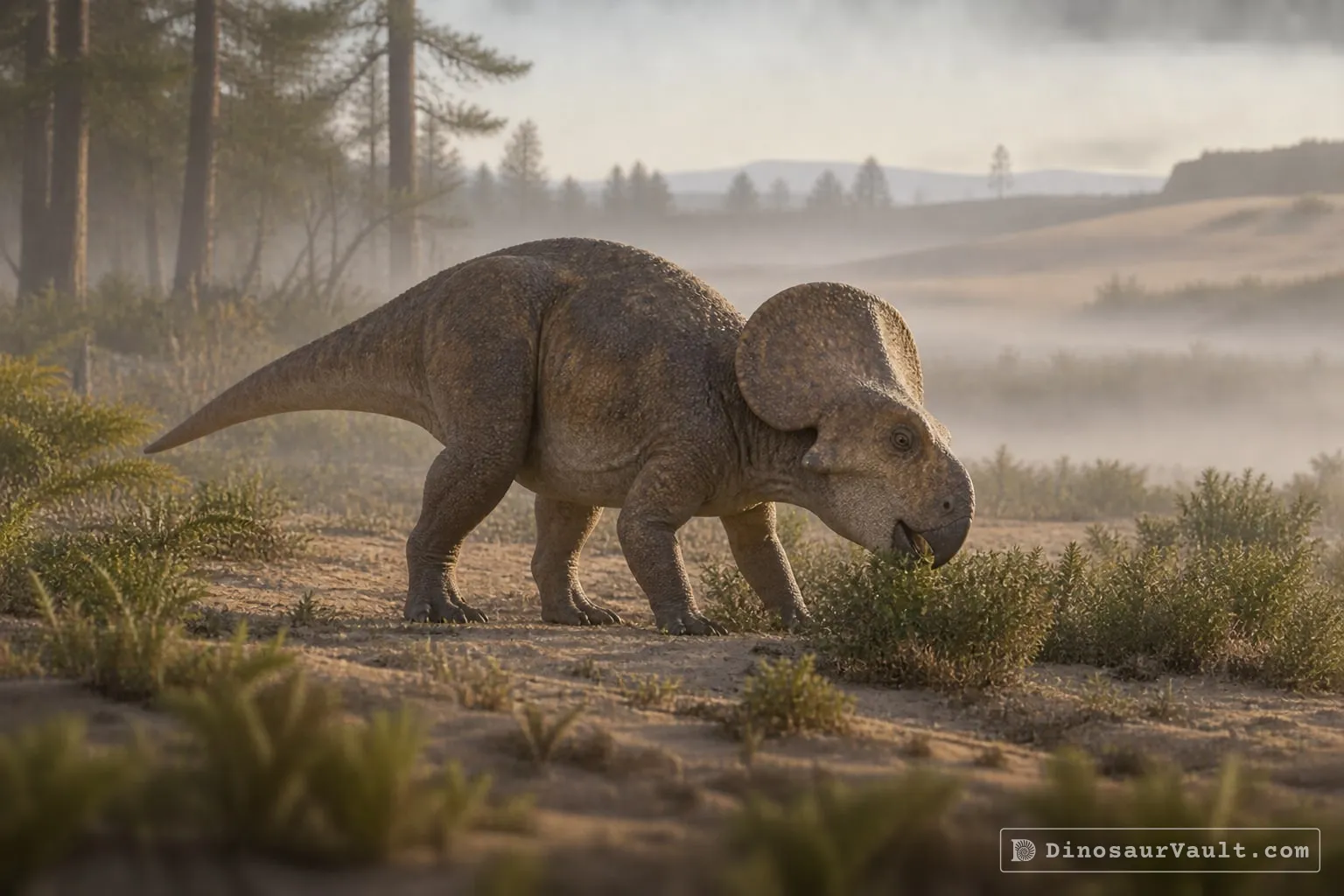
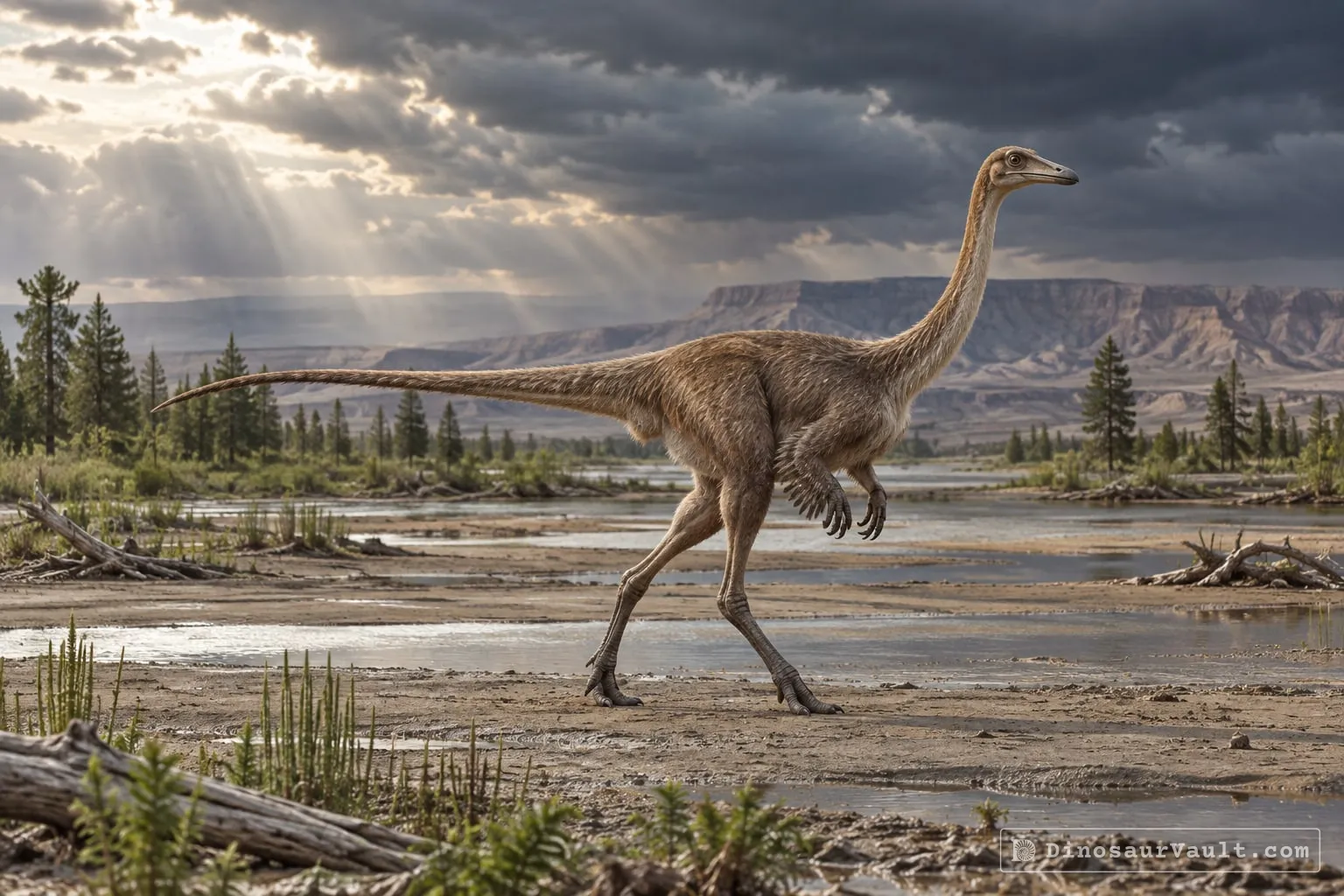
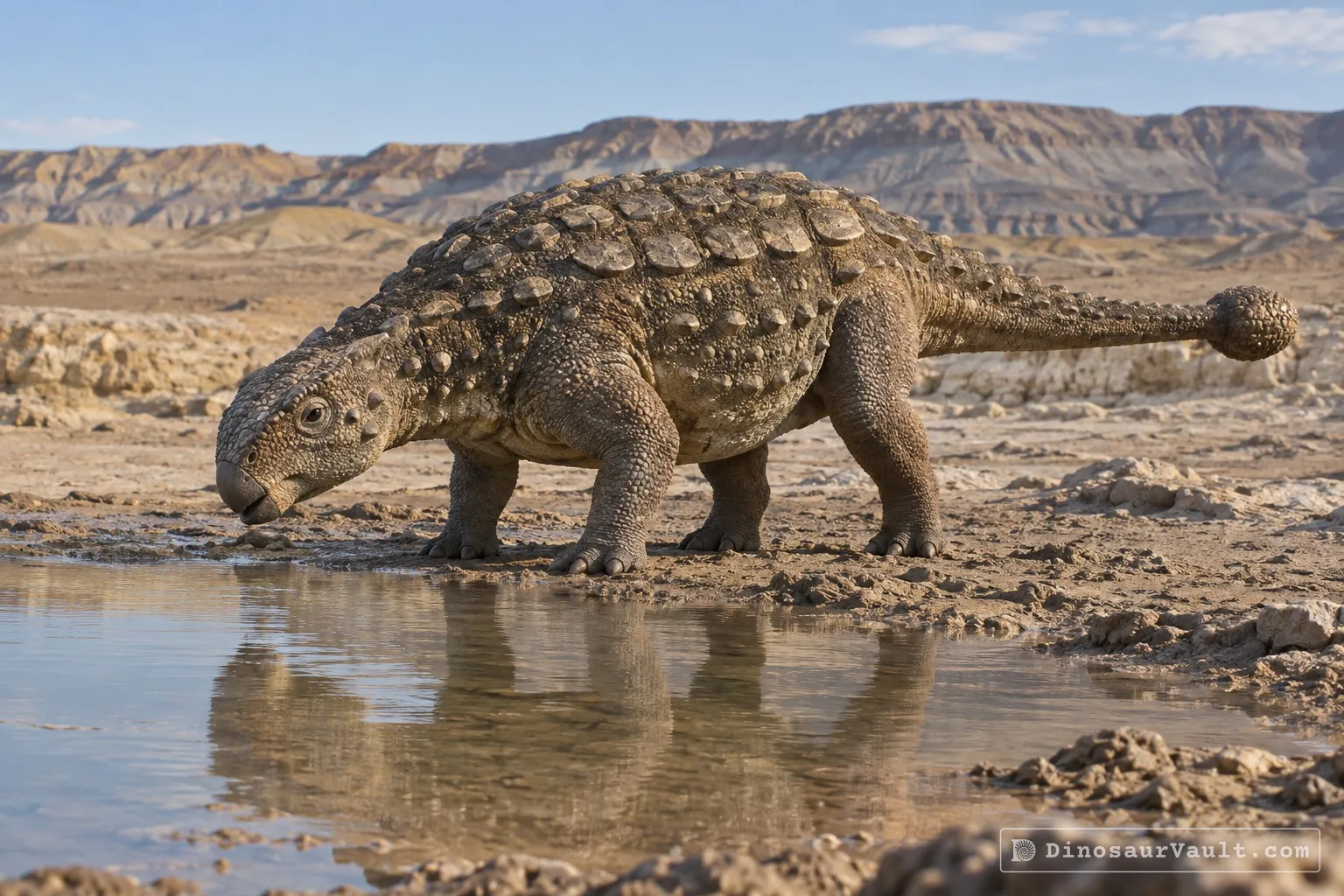
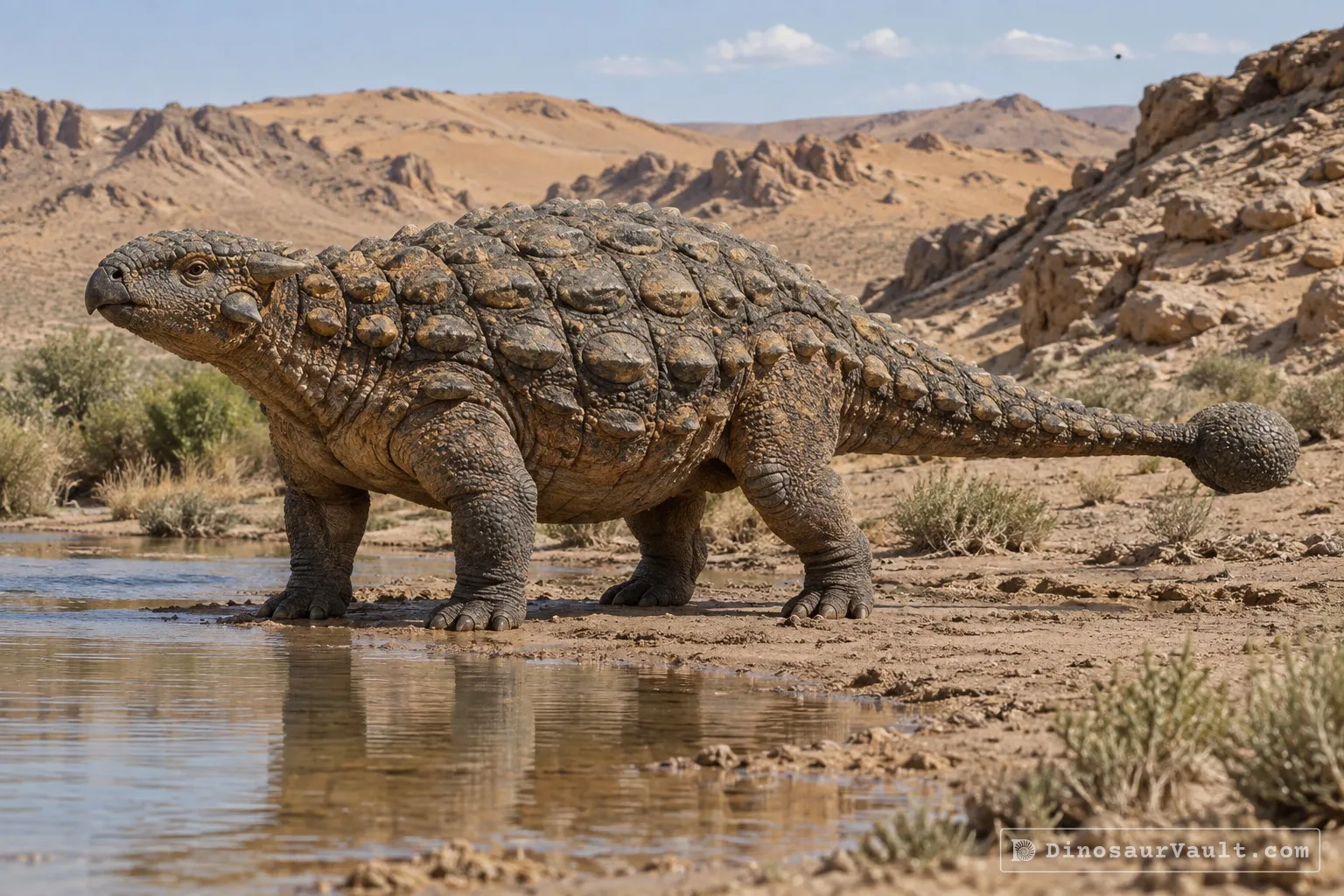
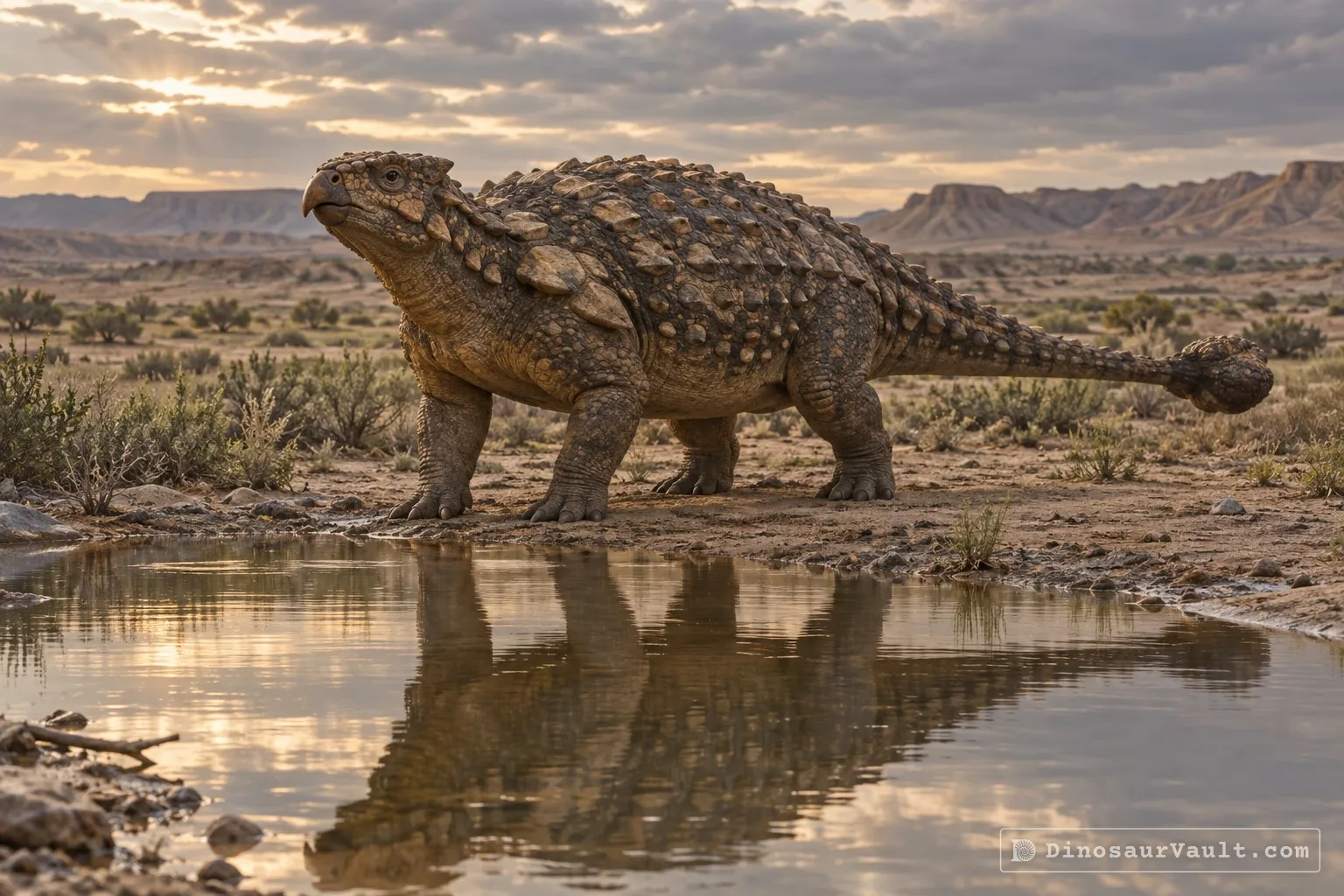
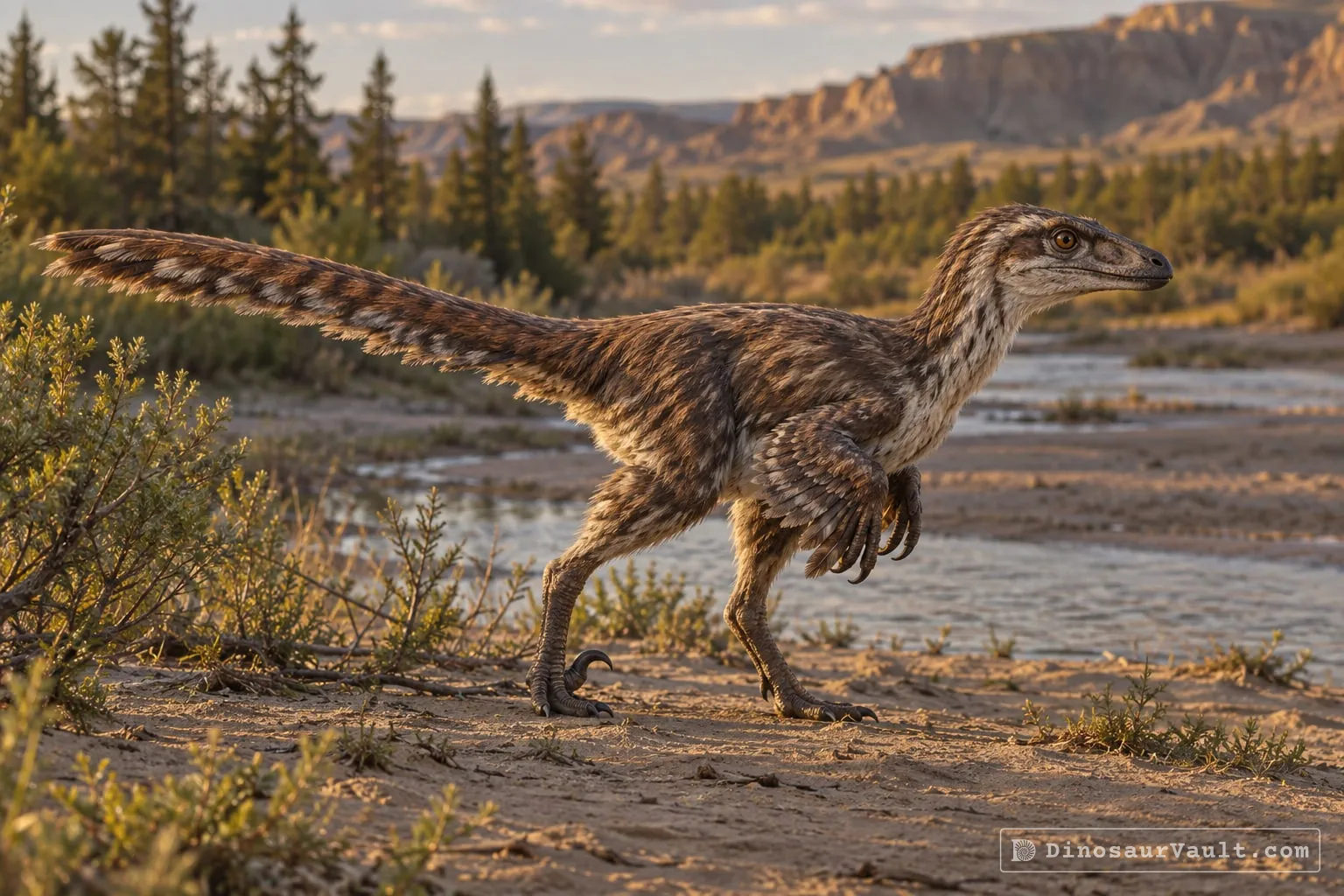


A rock formation can hold fossils laid down millions of years apart, so not every animal here met Khulsanurus.
The evidence
The science behind Khulsanurus
Which parts of the picture come from its own bones, and which come from its relatives.
From its own fossils
- The type skeleton preserves neck and tail vertebrae, ribs, paired shoulder bones, an incomplete right upper arm and part of the pelvis.
- The front tail vertebrae have thick sideways projections and deep hollows beneath their rear joints.
- The robust upper arm shaft preserves the base of a long muscle attachment ridge.
Borrowed from relatives
- Its missing skull and hands are compared with Shuvuuia; its missing legs and forearms are compared with Mononykus.
Still unknown
- The shape of its skull and teeth.
- Its color and body covering.
- Exactly what it ate.
Discovery timeline
- 2011Family treeXu et al.
- 2021Named itAverianov & Lopatin
- 2024Family treeMeso et al.
Key papers
The research behind what we know of Khulsanurus
Family tree
Described Linhenykus, a relative with a single functional finger, and traced changes in alvarezsaur hands.
A monodactyl nonavian dinosaur and the complex evolution of the alvarezsauroid hand. Proceedings of the National Academy of Sciences 108: 2338-2342
Read the paper : A monodactyl nonavian dinosaur and the complex evolution of the alvarezsauroid hand (opens in a new tab)Named it
Described the partial skeleton and identified distinctive joints and hollows in its tail bones.
The second taxon of alvarezsaurid theropod dinosaurs from the Late Cretaceous Khulsan locality in Gobi Desert, Mongolia. Historical Biology 34: 2125-2136
Read the paper : The second taxon of alvarezsaurid theropod dinosaurs from the Late Cretaceous Khulsan locality in Gobi Desert, Mongolia (opens in a new tab)Family tree
Included Khulsanurus in a broad family tree and found several separate shifts toward smaller bodies among alvarezsaurs.
Body size and evolutionary rate analyses reveal complex evolutionary history of Alvarezsauria. Cladistics 41: 135-155
Read the paper : Body size and evolutionary rate analyses reveal complex evolutionary history of Alvarezsauria (opens in a new tab)
Close relatives
Other members of Alvarezsauridae


Sources: Wikidata