Khankhuuluu
khahn-KOO-loo
"dragon prince"
Type species Khankhuuluu mongoliensis
- Lived
- 101 to 84 million years ago, Late Cretaceous
- Diet
- Carnivore
- Group
- Theropods
- Found in
- Mongolia
- Named by
- Voris et al. 2025
Where its fossils were found
The evidence
Today

90 million years ago
Habitat
The Baynshire Formation records rivers and floodplains in Mongolia. Achillobator, Segnosaurus and Erlikosaurus lived in this region.
Field notes
About Khankhuuluu
What it was like
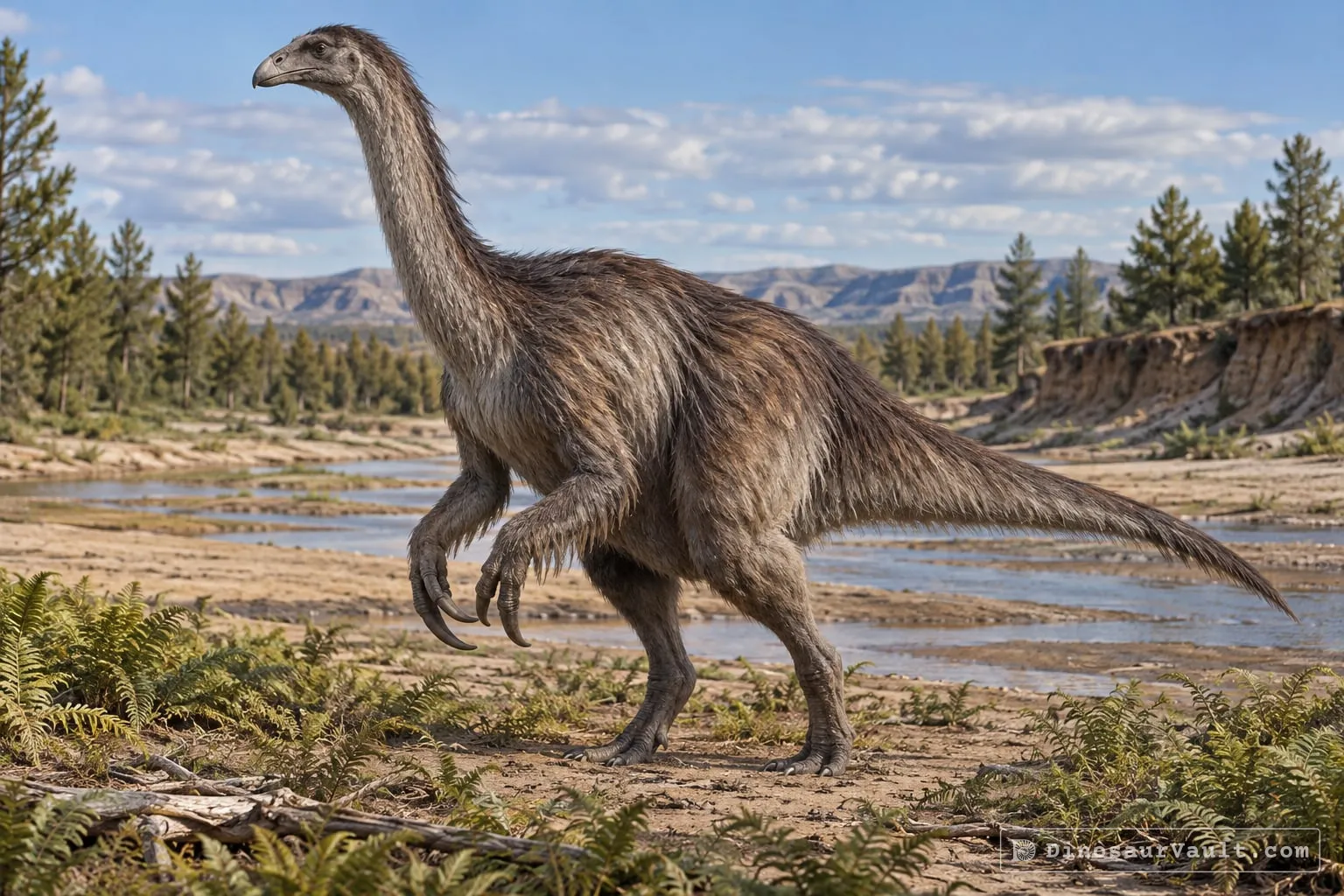
Khankhuuluu was a medium-sized relative of Tyrannosaurus, with long, slender legs and a shallow skull. It was built more for speed than for crushing bites.
It sits near the point where tyrannosaurs began to grow into giants, and it helps show how that change began.
Its world
It lived in the Late Cretaceous, about 101 to 84 million years ago, in what is now Mongolia. Its fossils come from the Baynshire Formation, where it lived with the raptor Achillobator and the long-clawed Segnosaurus and Erlikosaurus.
How it was found
Voris and colleagues named Khankhuuluu in 2025. The type species is Khankhuuluu mongoliensis. Its bones had been found decades earlier and first assigned to Alectrosaurus. Two finds are known.
Field gallery
More views of Khankhuuluu
Scenes reconstructed from the available fossil evidence.
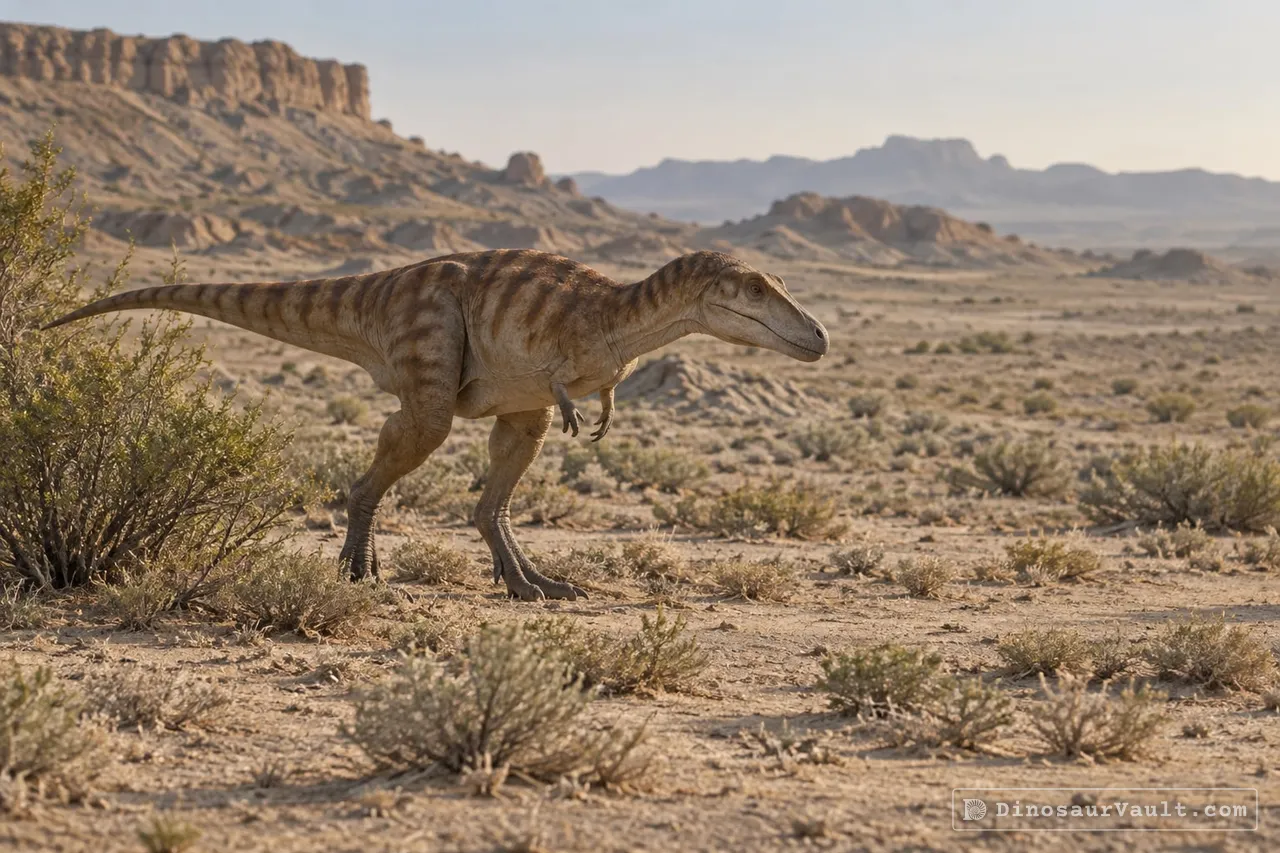
1 of 3
Lived alongside
Found in the same rock formations
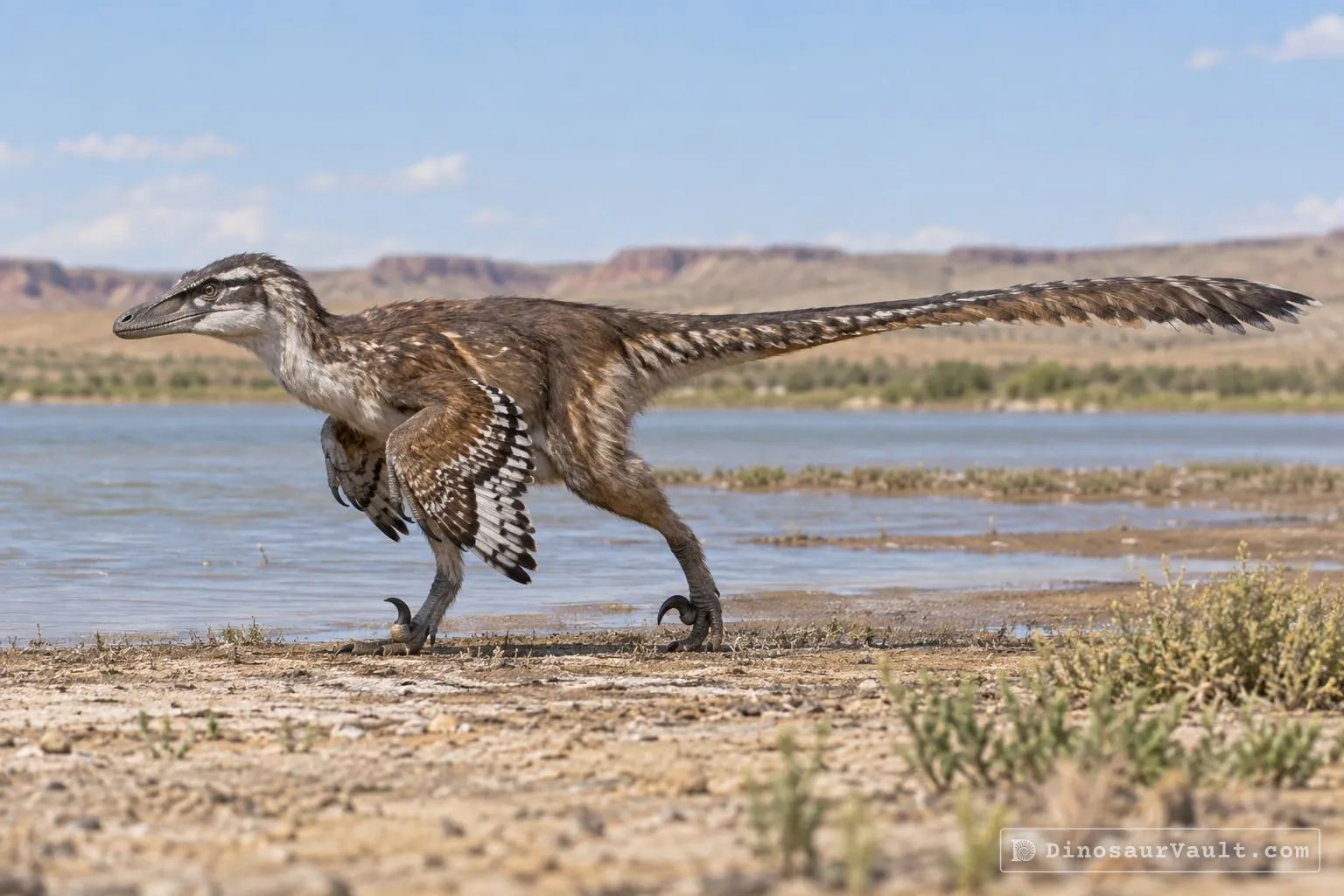
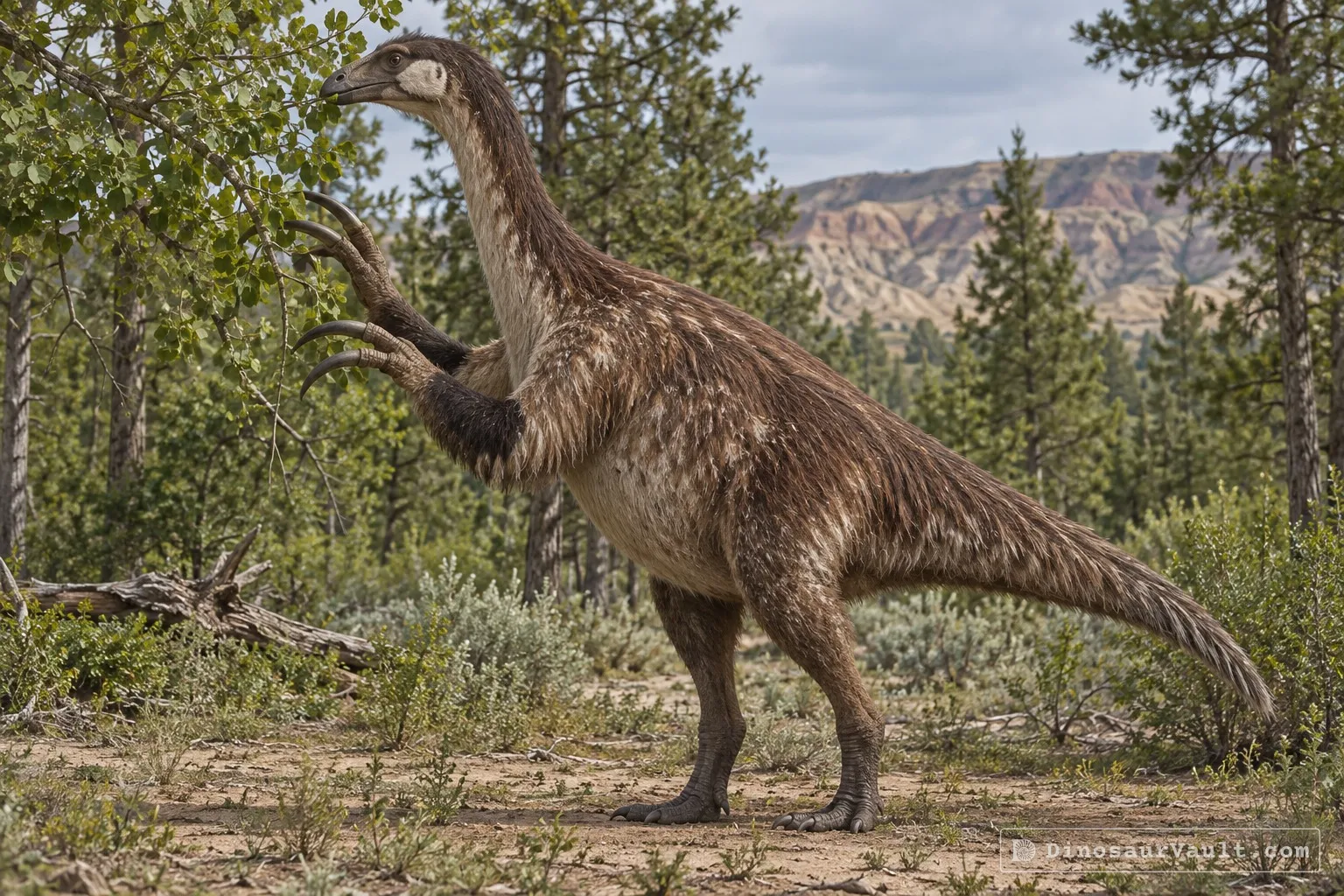
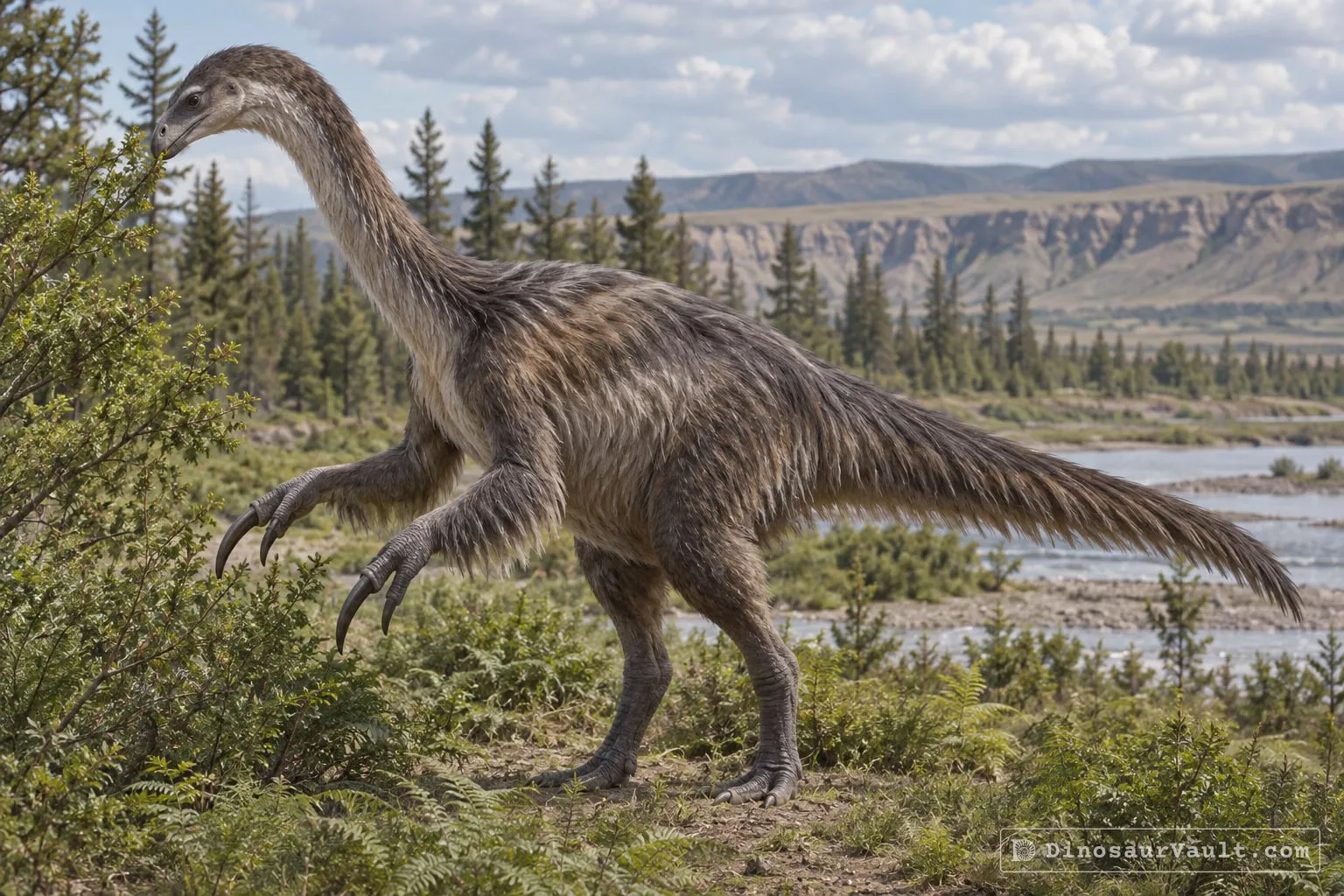
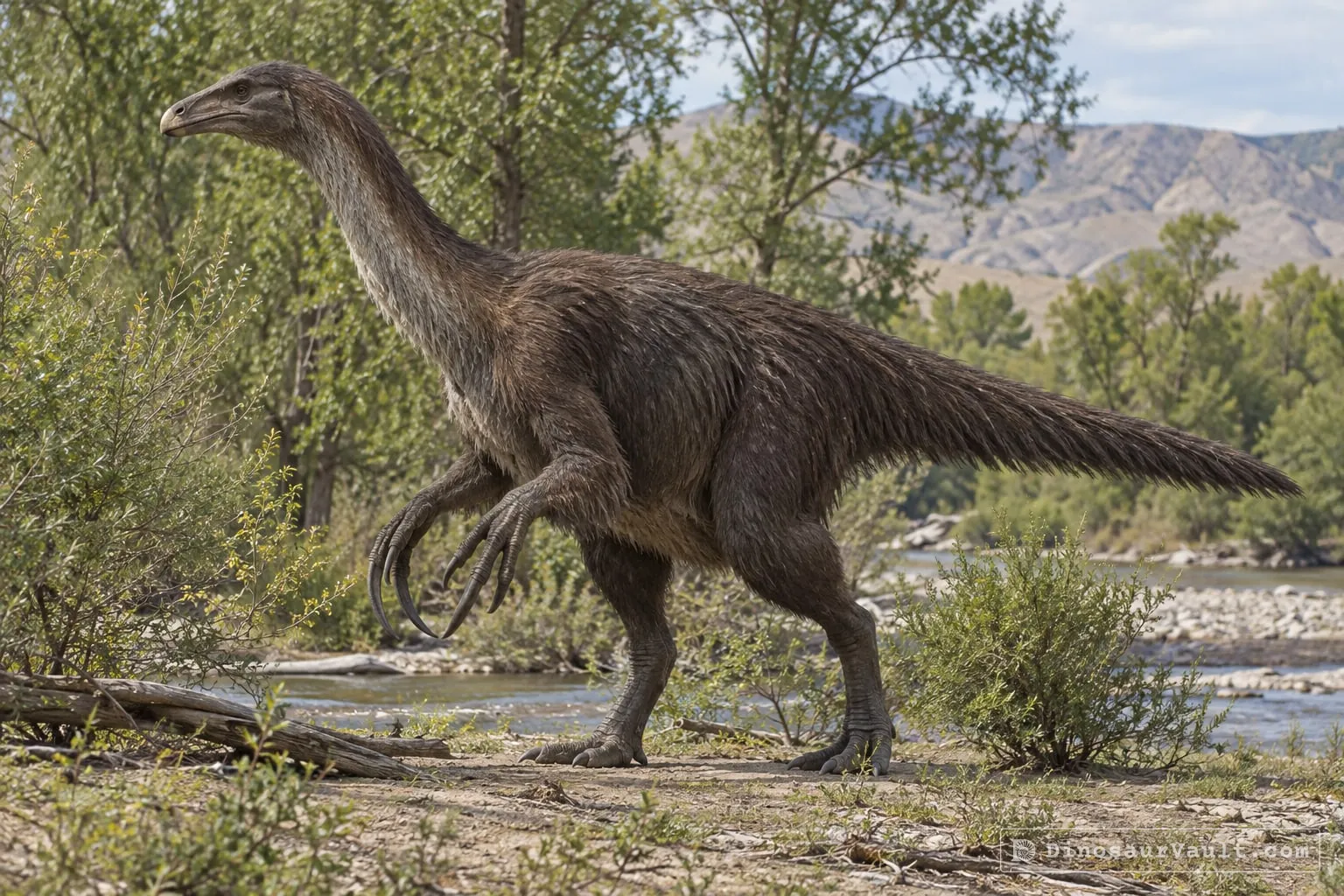
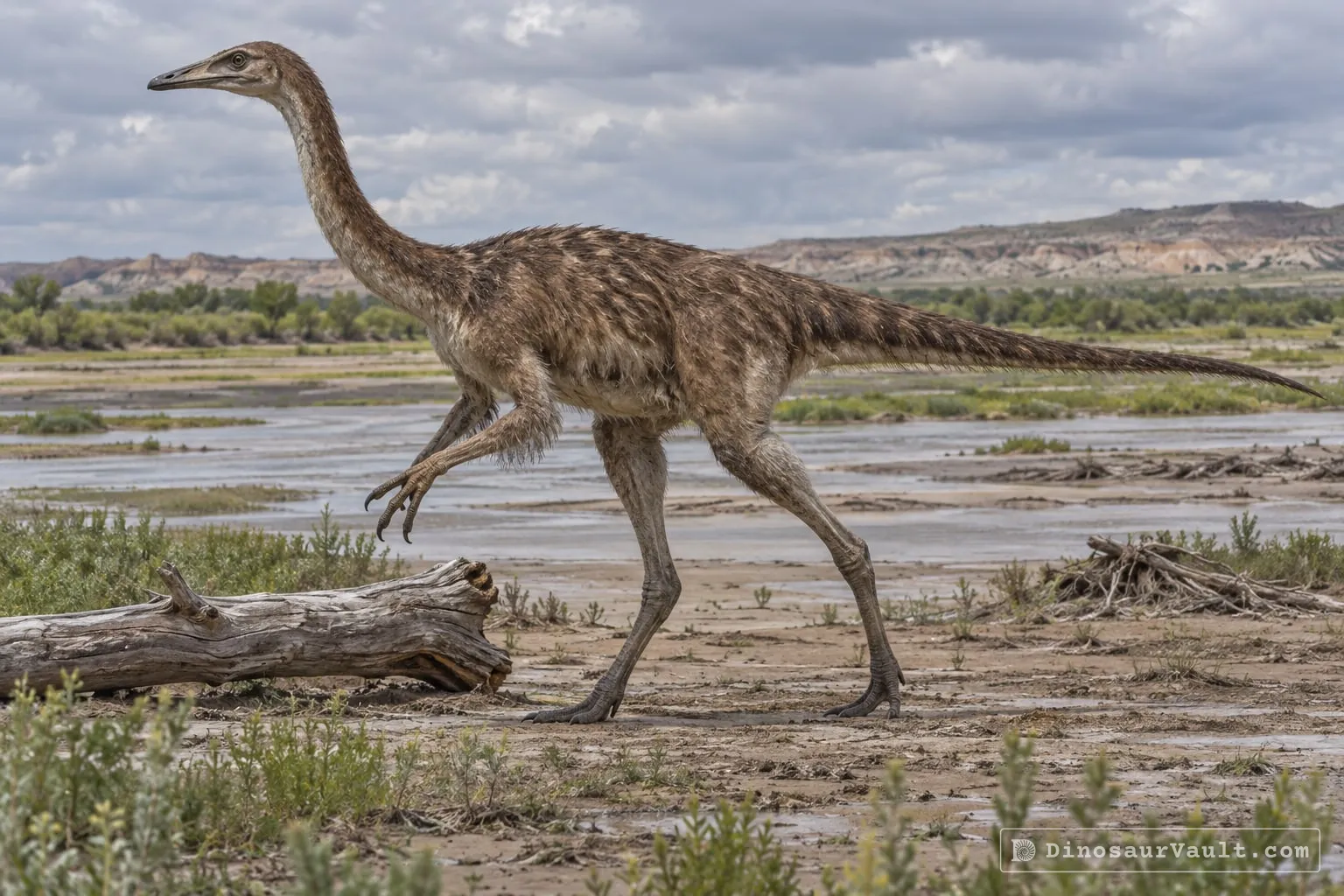
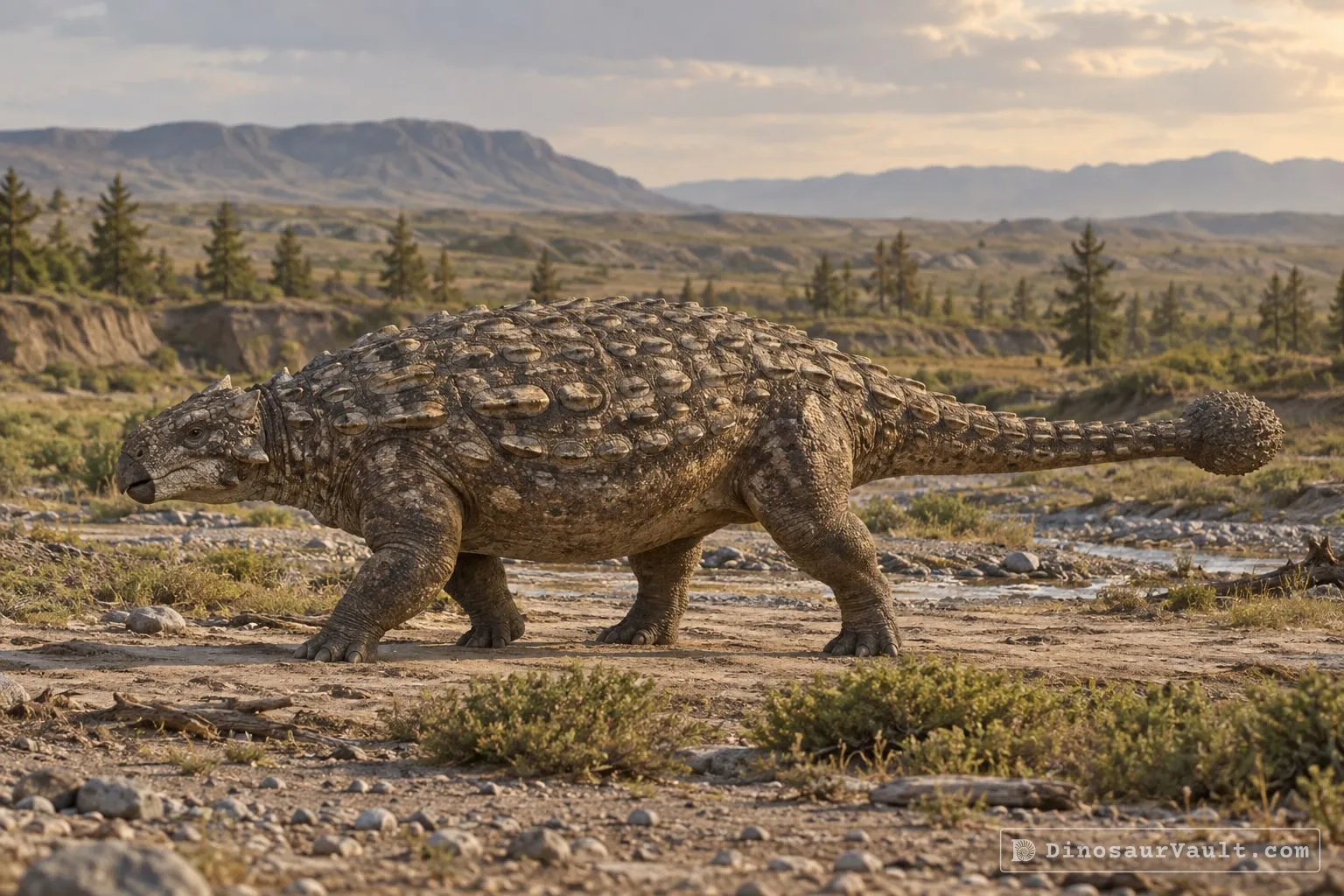
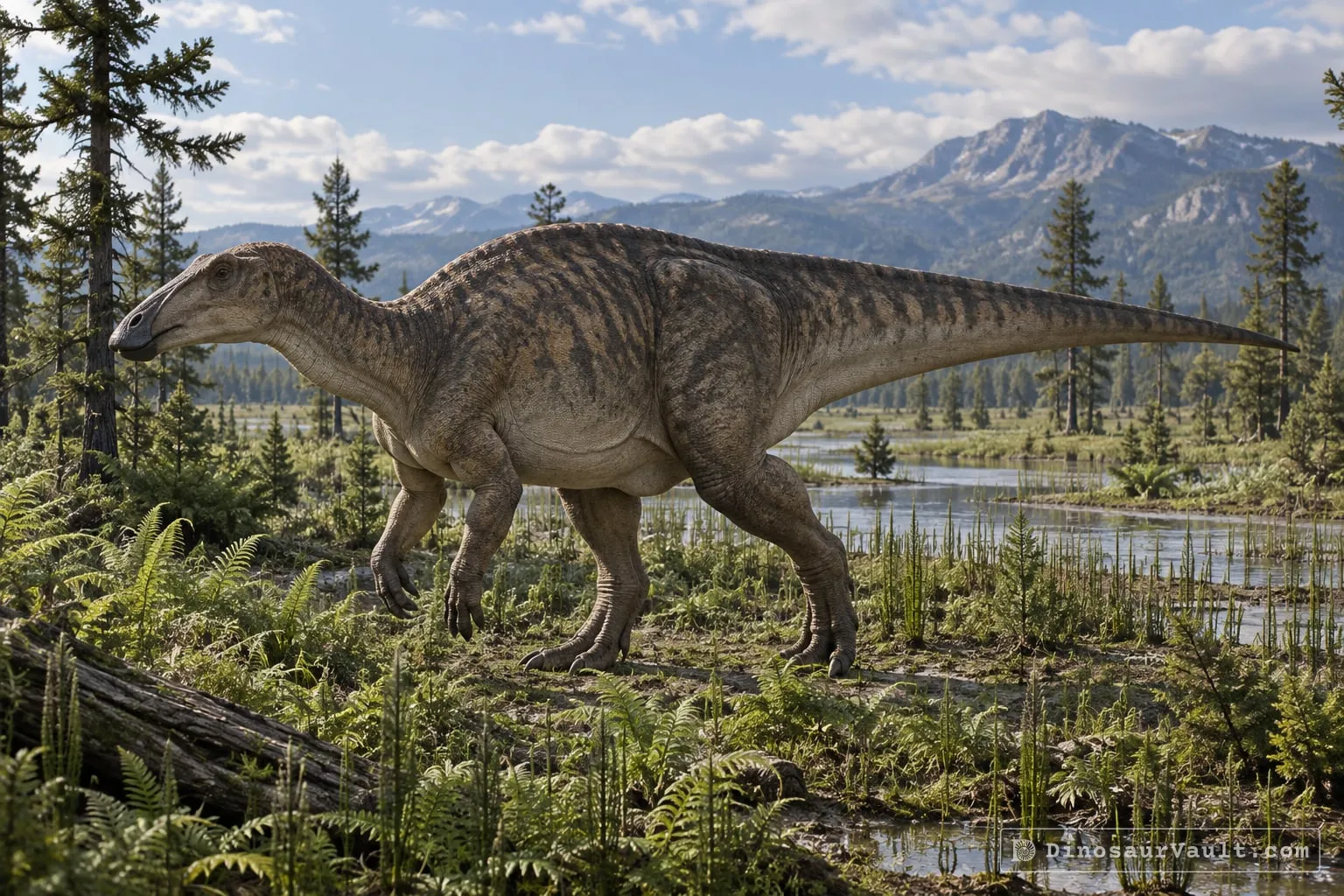


A rock formation can hold fossils laid down millions of years apart, so not every animal here met Khankhuuluu.
The evidence
The science behind Khankhuuluu
Which parts of the picture come from its own bones, and which come from its relatives.
From its own fossils
- Partial skeletons preserve skull bones and parts of the backbone, hips and limbs.
- Its skull was shallow and its build slender compared with giant tyrannosaurs.
Borrowed from relatives
- Missing parts of the body are restored by comparison with other tyrannosaurs, including Gorgosaurus.
- A feather covering is possible by comparison with feathered tyrannosaur relatives such as Dilong and Yutyrannus.
Still unknown
- Whether its skin carried scales, feathers or a mixture of both.
- Its color.
- How its proportions changed as it grew.
Discovery timeline
- 2004Close relativeXu et al.
- 2012Close relativeXu et al.
- 2025Named itVoris et al.
Key papers
The research behind what we know of Khankhuuluu
Close relative
Described Dilong with simple feathers, showing that feather coverings occurred in early relatives of the giant tyrannosaurs.
Basal tyrannosauroids from China and evidence for protofeathers in tyrannosauroids. Nature 431: 680-684
Read the paper : Basal tyrannosauroids from China and evidence for protofeathers in tyrannosauroids (opens in a new tab)Close relative
Described Yutyrannus with long filament-like feathers, demonstrating that large body size did not always mean a tyrannosaur relative lost its feather covering.
A gigantic feathered dinosaur from the Lower Cretaceous of China. Nature 484: 92-95
Read the paper : A gigantic feathered dinosaur from the Lower Cretaceous of China (opens in a new tab)Named it
Identified a slender tyrannosaur close to the origin of the giant forms and proposed repeated migrations between Asia and North America.
A new Mongolian tyrannosauroid and the evolution of Eutyrannosauria. Nature 642: 973-979
Read the paper : A new Mongolian tyrannosauroid and the evolution of Eutyrannosauria (opens in a new tab)
Close relatives
Other members of Tyrannosauroidea


Sources: Wikidata